
Most Californians who land in Elizabethton say the same thing within a few weeks: the number on the mortgage statement doesn't feel real. A city of 14,350 tucked along the Doe River in Carter County, Elizabethton sits at the eastern edge of Tennessee's Tri-Cities region — Johnson City, Kingsport, and Bristol form the wider metro — and it offers a style of life that is almost arithmetically opposite to what most California residents are leaving behind. The Appalachian foothills press in from every direction. The pace is slower. The cost of everything is noticeably lower. That combination is exactly what draws Californians here, and it is also what takes the longest to get used to.
The economic backbone is the Tri-Cities corridor. Major employers in and around Elizabethton include Ballad Health, Elizabethton City Schools, Citizens Bank, Carter County government, and Frontier Health. The Elizabethton City School District serves 2,573 students enrolled in 2024-25 and holds a B+ rating, according to Niche — a genuine draw for parents with school-age children who are used to paying private-school tuition in California just to get equivalent outcomes. Carter County also added manufacturing jobs at a time when the rest of Tennessee was losing them, which signals a local economy with more structural strength than a small-city population might suggest.
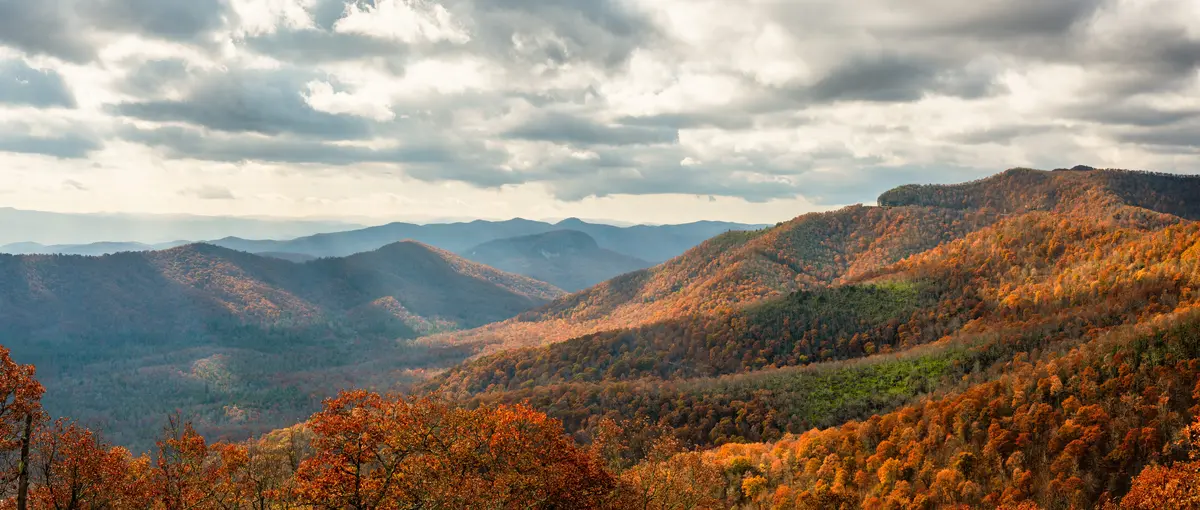
The cost picture is the central reason most Californians investigate this move. Elizabethton's typical home value stood at $233,534 as of August 2026 — a figure that sits dramatically below California's statewide typical home value of $764,158. Tennessee levies no state income tax on wages, which is a structural shift that affects every paycheck rather than just the purchase price of a house. The overall cost of living runs approximately 11% below the U.S. national average, groceries run about 5% cheaper than the national norm, and routine care costs run noticeably below what most Californians pay, though you will drive farther for specialist care. The Tweetsie Trail connects Elizabethton to Johnson City by a non-motorized greenway, Roan Mountain State Park sits along US-19E, and the Appalachian Trail runs the length of Carter County. Outdoor access here is genuinely world-class.
Whether you are pricing the move seriously or still in the research stage, the sections below break down the home-price and tax comparison, what the transition out of California actually costs and saves, the lifestyle differences you will feel most in the first year, the outdoor and community life Elizabethton offers, and the honest trade-offs worth knowing before you make an offer.
The Home Price Reality: What $233,534 Means After California
The number that stops most California buyers cold is the Elizabethton typical home value of $233,534 (August 2026 Zillow Home Value Index). Set that beside California's statewide typical home value of $764,158 and the gap is not a rounding difference — it is a different category of homeownership entirely.
In practical terms, a buyer who sold a California starter home and is arriving with equity can often purchase in Elizabethton outright, or carry a mortgage small enough that monthly housing costs feel almost notional by comparison. That is not hyperbole; it is the first thing Californians say after their first local showing.
Elizabethton's effective property tax rate is 0.55% — well below California's effective property tax rate of 0.71%. That difference is modest on an absolute-dollar basis at these price points, but it runs in the right direction, and unlike California's Proposition 13 structure, Tennessee's rate applies straightforwardly to assessed value without the reassessment quirks that California buyers spend years navigating.
Nearby context matters. Johnson City, just about 20 minutes away, runs noticeably higher than Elizabethton on typical home values. Bristol tracks about the same. Kingsport comes in somewhat higher. Elizabethton is genuinely the affordable anchor of the region, not a compromise version of it — the Doe River character, the covered bridge, and the proximity to Roan Mountain are not consolation prizes for buyers who couldn't afford Johnson City. They are the reason people pick Elizabethton specifically. For a deeper look at how these costs stack up month to month, see the cost of living page.
What Californians Often Underestimate
The affordability gap is real, but the income gap is real too. Elizabethton's median household income is $44,834 — well below what most California households earned before moving. Remote workers and retirees arriving with California equity are well-positioned. Job-seekers who need to match or exceed a California salary locally will find the market more limited, and should run the numbers against the local wage scale before assuming the price difference solves everything.
One thing buyers sometimes miss: the home price gap is large enough that down-payment percentages that felt routine in California — 10% or 20% — translate to genuinely small dollar figures here. That can change which loan programs make sense. See the first-time homebuyer page for a breakdown of how financing typically works at Elizabethton's price point.
The Tax Shift: No State Income Tax, and What It Actually Saves
Tennessee levies no state income tax on wages. That single fact restructures the financial case for this move more than any other.
California's income tax rate structure reaches well into middle-income territory, and the income-tax savings from moving to Tennessee are most pronounced for households with higher earnings or significant investment income. For many wage earners, the benefit is real and recurring — showing up in every paycheck, every year, without requiring any change in behavior or spending.
The Hall Tax on investment dividends and interest that Tennessee once levied was fully eliminated in January 2021. Retirees living on investment income — a common California-to-Elizabethton profile — face no state tax on those earnings whatsoever. For someone managing a brokerage account or drawing from a traditional IRA, that is a meaningful shift in how far each dollar goes.
The Sales Tax Offset
The income tax savings do not arrive without any trade-off. The combined sales tax rate in Elizabethton is 9.75%, composed of the 7% Tennessee state rate plus a 2.75% Carter County rate. Tennessee's average combined rate ranks among the highest in the nation.
For comparison, California's statewide base sales tax rate of 7.25% — with local add-ons varying by county — pushed many California counties into roughly the same range. Californians who lived in high-sales-tax counties will notice little change on everyday purchases. Those from lower-tax California counties may see daily spending tick up slightly. Either way, the sales-tax differential does not come close to erasing the income-tax advantage for any household with meaningful wage or investment income.
The Full Tax Picture at a Glance
| Category | California | Elizabethton, TN |
|---|---|---|
| State income tax (wages) | Graduated rates reaching into middle-income brackets | 0% — no state income tax |
| Investment income tax | Taxed as ordinary income at CA rates | 0% — Hall Tax eliminated Jan 2021 |
| Statewide base sales tax | 7.25% base rate | 7% TN state rate |
| Combined local sales tax (Elizabethton) | Varies by county; up to ~10.25% | 9.75% (state + Carter County) |
| Effective property tax rate | 0.71% | 0.55% |
| State tax on Social Security | Not taxed at state level | Not taxed at state level |
The property tax and income tax lines both run in Tennessee's favor. The sales tax line is a wash for most Californians. The net effect for anyone earning wages or drawing investment income is a meaningful improvement in annual after-tax income. For the complete breakdown of what this means for monthly costs, see the cost of living page.

Daily Life After California: What Changes, What Surprises You
The practical differences hit in an order most Californians don't predict. The first thing you notice is how long it takes to find anything unfamiliar — a specialty grocery item, a particular type of restaurant, a specific chain. Elizabethton is a city of 14,350, and a serious shopping trip often means driving out of town. You adjust quickly, and online ordering fills most of the gaps, but month six is when most California transplants admit they underestimated this particular friction.
The second thing you notice — and this one's a surprise in the other direction — is how much outdoor life opens up immediately. The Tweetsie Trail connects Elizabethton directly to Johnson City by a non-motorized greenway, which is genuinely usable as a daily commuter route or a weekend routine. The Elizabethton Covered Bridge and Covered Bridge Park anchor the downtown riverfront. Sycamore Shoals State Historic Park sits within the city itself, and Roan Mountain State Park is reachable via US-19E. The Appalachian Trail runs through Carter County, with the Roan Mountain balds — Round Bald, Jane Bald, and Hump Mountain — among the most-photographed sections of the entire trail. Californians who moved here for the cost sometimes find that the outdoor access is what makes them stay.
The Seasonal Reality
Elizabethton gets 198 sunny days a year — enough for a genuinely livable outdoor calendar, but meaningfully less sun than most California cities. The gap is most noticeable in winter, when overcast weeks stack up and the mountains hold moisture in ways that feel different from either coastal California fog or Central Valley tule fog. Spring rhododendron season is a legitimate payoff: the Roan Mountain Rhododendron Gardens host the annual Roan Mountain Rhododendron Festival, a tradition since 1947, and the blooms peak in mid-to-late June in a way that draws visitors from across the region.
The summer heat and humidity will catch Californians off guard, particularly those from coastal areas. It is not desert heat, but it is sticky in a way that dry California heat is not, and air conditioning is not optional.
Community Texture
The social fabric is tighter and slower than what most California transplants are used to. Friday night TSSAA athletics fill the stands — the Elizabethton Cyclones carry genuine local pride. The Elizabethton Farmers Market runs through the warm months and serves as one of the more reliable weekly gathering points in the city. Carter County has a strong manufacturing base and a school district with active community investment. What you give up is anonymity and the kind of cultural density that California metros generate just by being large. What you gain is a place where neighbors know each other's names and the commute is measured in minutes, not hours. See the best neighborhoods page for a breakdown of which areas suit which buyer profiles.
Looking to buy in Elizabethton? Estimate your payment.
Enter your numbers to see an estimated monthly mortgage payment.
Estimate only. Excludes HOA fees and mortgage insurance. The interest rate above is a starting point, not a quoted rate — replace it with your own to see real numbers. Insurance is a flat placeholder, not a Elizabethton quote.
Beyond the Monthly Mortgage Payment — What to Factor In
- The property tax rate above — The 0.55% used in the estimate is the median effective rate — tax actually paid as a share of market value — published by Ownwell, 2026. Half of local homes pay more and half pay less: your own bill depends on that property's assessed value and any exemptions it qualifies for, which can differ a lot from its market price. Confirm with the Carter County assessor before you budget.
- Total cost of ownership — Your monthly mortgage payment is just the baseline. Depending on the specific city, county, and service district, homeownership costs also include local utility fees, municipal surcharges, and special assessments (such as water, sewer, storm drainage, or local energy taxes) that vary by location.
- Independent due diligence — Because these recurring local costs and municipal fees change depending on the exact property address, buyers must research them independently during their transaction process.
Tax laws, local municipal fees, and utility costs change frequently and individual situations vary. This page is general information, not tax or legal advice — always consult a qualified tax professional, CPA, or local municipal offices for personalized guidance.
Employment, Remote Work, and Why People Move Here Without a Job Lined Up
A meaningful share of Californians who move to Elizabethton do so with remote work already in hand, and the math makes that easy to understand. If your income stays California-level and your housing cost drops to Elizabethton's price point, the standard of living improvement is immediate and arithmetic. Many buyers in this position are not job-seeking at all — they are arbitraging the geography.
For those who need local employment, the picture is real but narrower. Major local employers include Ballad Health, Elizabethton City Schools, Citizens Bank, Carter County government, and Frontier Health. Carter County added 302 manufacturing jobs from Q3 2024 to Q3 2025, bucking a statewide manufacturing decline — a sign of a local economy with more stability than a small city's population might suggest. Tennessee's broader economy is projected to grow faster than the U.S. overall, with real GDP growth of approximately 2.5% anticipated versus around 2.0% nationally.
The Johnson City Effect
Elizabethton sits about 20 minutes from Johnson City, and that proximity matters enormously for employment. Johnson City is the regional anchor — East Tennessee State University, a larger healthcare presence, and a broader commercial base all sit there. Many Elizabethton residents commute in that direction for work and return to Elizabethton for the lower cost and quieter pace. The drive is genuinely short enough that the two cities function as a single labor market for practical purposes.
The honest trade-off for California professionals: if you need a specific industry, a senior-level role, or a salary that matches what you earned in a major metro, Elizabethton and the surrounding Tri-Cities market will be a step down. If you are flexible on role or already remote, the income-tax elimination and the housing cost reduction together create a financial picture that local wages alone couldn't produce. See the city overview for more on the local economic base.
What Californians Get Right — and Get Wrong — About This Move
The case for this move is easy to make on paper. California's statewide typical home value of $764,158 next to Elizabethton's $233,534 (August 2026) is not a close comparison. No state income tax. An effective property tax rate of 0.55%. A cost of living roughly 11% below the U.S. national average. Routine care costs running below what you were paying in California, though you will drive farther for specialist care. The Appalachian Trail in your backyard. It reads like a relocation advertisement.
What most Californians get wrong is the pace of trade. The savings are real, but they arrive in exchange for things you didn't know you were attached to. The dining scene is thin for a city this size — there are locally regarded options, including Mayflower Seafood Restaurant, J's Corner, The Black Olive, and Puerto Nuevo Freshmex And Seafood, along with independent coffee stops like Doe River Roasters and 7 Brew Coffee — but the density of choices that California cities produce just by being large does not exist here. A serious shopping run means driving out of town. Cultural events and live performance are concentrated in Johnson City and the wider Tri-Cities, not in Elizabethton itself.
What the Six-Month Mark Feels Like
Californians who move here in winter sometimes question the decision around February, when the skies are overcast and the novelty of low housing costs has become ordinary. The ones who stay say the turning point is usually spring — when the rhododendrons come in, the Tweetsie Trail fills up, and the Doe River runs clear through Covered Bridge Park. By summer they have stopped checking California real estate listings.
The ones who leave usually cite two things: the limited job market for their specific field, and the distance from family still in California. Neither of those resolves with time. If either one is a hard constraint for your household, build it into the analysis before you make an offer rather than hoping it softens after the move.
The Honest Summary
Elizabethton suits remote workers, retirees arriving with equity, and households that have already decided the California cost structure isn't working for them. It does not suit people who need a major-metro job market, want dense cultural amenities within walking distance, or are betting that California's financial picture will improve enough to make staying worthwhile. For everything the city does offer, see the parks and recreation page and the retiring in Elizabethton page for depth on two of the strongest draws for California transplants.
Local Expert Takeaway: The income-tax elimination is not a technicality — it is a structural, permanent change in how much of your paycheck you keep. Combined with a typical home value in Elizabethton of $233,534 (August 2026) against California's statewide typical home value of $764,158, the financial case writes itself. What it doesn't write is the adaptation period: six months of relearning where to shop, how to find community, and what it means to live in a city where the Appalachian Trail runs through the county and your neighbors have been here for generations. Californians who arrive for the math and stay for the Doe River, the Roan Mountain balds, and the Friday night Cyclones games are the ones who make it work.
Quick Takeaways & FAQs
✅ Tennessee's zero state income tax is a genuine, recurring financial advantage — particularly meaningful for households with higher earnings or significant investment income, who keep more of every dollar than they would in California.
⚠️ Elizabethton's combined sales tax rate of 9.75% runs above what many Californians paid at home, partially offsetting the income-tax savings on everyday purchases.
📍 The Tweetsie Trail connects Elizabethton directly to Johnson City by a non-motorized greenway — one of the few Appalachian small cities where you can genuinely bike between two downtowns without touching a highway.
How much cheaper is it to buy a home in Elizabethton compared to California?
Does Tennessee really have no state income tax?
What is the sales tax rate in Elizabethton, and how does it compare to California?
What is the job market like in Elizabethton for someone moving from California?
What do California transplants miss most after moving to Elizabethton?
Moving to Tennessee?
Tell us what you need help with and we'll connect you with local resources.
