
Most people who retire to Greeneville didn't plan on it. They drove through on the way to the Smokies, or a friend mentioned land prices in Greene County, or they got tired of Florida summers and started looking at towns with actual seasons. What they found was a city of 16,141 with a genuine historic downtown, mountain views on three sides, and a cost of living estimated at roughly 20% below the national average. That combination — authenticity plus affordability — is harder to find than the retirement brochures suggest.
The practical case is real. Tennessee collects no state income tax. Greeneville Community Hospital sits inside city limits. The downtown Main Street is genuinely walkable, with independent restaurants and coffee shops within a few blocks of each other. And the typical home price — $248,513 as of August 2026 — means retirees selling a house in a higher-cost market arrive with significant equity to spare. None of that is marketing language; it's the arithmetic that keeps drawing people here.
The honest case against it is shorter but worth reading. Greeneville is not a large city, and it operates like one comfortable with that fact. Specialty medical care beyond what the local hospital provides means a drive to Johnson City. There are no 55+ communities — none were found in the city. The cultural calendar is modest by metro standards. And outside the walkable downtown blocks, most daily errands require a car. If you need the infrastructure of a larger city within arm's reach, Greeneville will frustrate you.
The sections below work through healthcare access, the retiree budget, day-to-day walkability and community life, downsizing options, and how Greeneville stacks up against nearby retirement alternatives — so you can make the comparison on facts rather than impressions.
Why Retirees Are Choosing Greeneville
Greeneville's appeal in retirement is specific, not generic. It fits people who want a slower pace without rural isolation, who value history and scenery over nightlife and traffic, and who prioritize financial breathing room over proximity to a major city. The fact that Tennessee taxes none of your retirement income — not Social Security, not a pension, not IRA withdrawals — is a structural advantage that compounds over a decade. Pair that with a typical home price of $248,513 (August 2026) and a cost of living well below national norms, and the math works for a lot of fixed-income households.
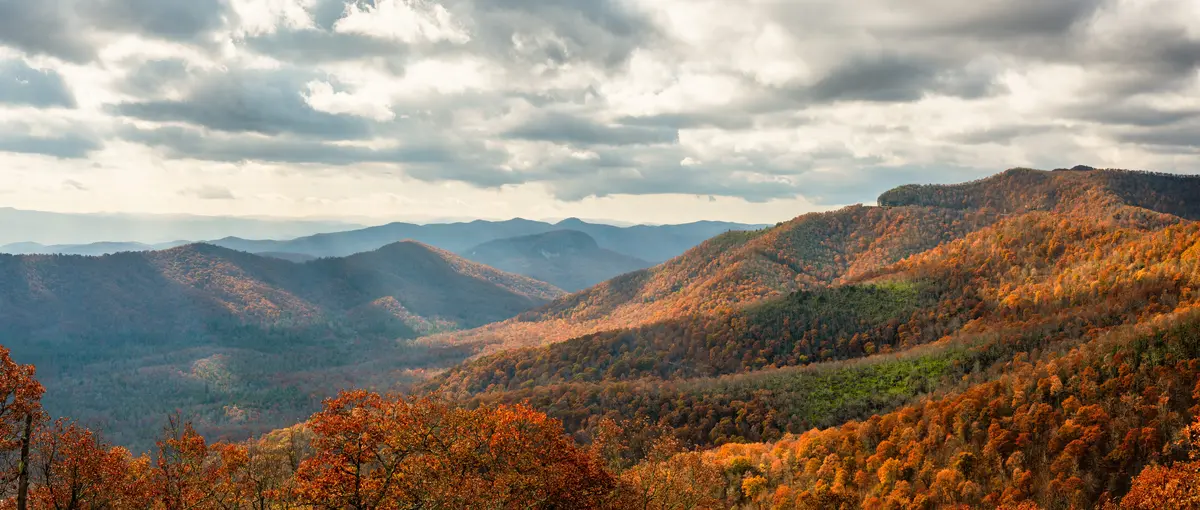
The city's character matters too. Greeneville is Tennessee's second-oldest town, former capital of the short-lived State of Franklin, and home to the Andrew Johnson National Historic Site. That history isn't dormant — it shapes a downtown that feels genuinely lived-in rather than staged for tourism. The Niswonger Performing Arts Center brings touring productions to a 1,600-seat venue in a city this size, which surprises most newcomers. The Nolichucky River and the foothills of the surrounding mountains are within easy reach for retirees who want to stay active outdoors.
Who should look elsewhere? Retirees who need frequent access to academic medical centers or subspecialty care will find the drive to Johnson City a recurring friction point. Those accustomed to a dense walkable grid — grocery, pharmacy, gym, all on foot — will mostly need a car outside the downtown core. And anyone hoping to land in an age-targeted community with organized social programming built in will find that infrastructure simply doesn't exist here yet. Greeneville rewards self-directed retirees; it doesn't do a lot of hand-holding.
Healthcare & Medical Access in Greeneville
Greeneville Community Hospital is the anchor, and it sits inside city limits — a genuine advantage over towns where the nearest ER is a county away. The facility is a 140-bed acute-care hospital within the Ballad Health system of 21 regional hospitals. For day-to-day and moderate acute needs, the coverage is solid: a 24/7 emergency department, cardiology services, an ICU, diagnostic imaging, radiation oncology, and surgical capability including the da Vinci robotic system. A women's health center and a full outpatient suite — rehabilitation, 3D mammography, chronic care management, and a metabolic health program — round out what's available without leaving town.
The hospital's federal quality rating from the Centers for Medicare & Medicaid Services lands in the average range, which is a neutral read, not a standout one, and it's worth knowing before you move. Eighty-six percent of patients say they would recommend the hospital, which is a meaningful signal. For retirees with straightforward medical needs, the hospital will cover most situations well. For those managing complex or rare conditions, the honest answer is that the Ballad Health network connects Greeneville Community Hospital to tertiary medical centers in the region — including facilities in Johnson City — and those resources are about 40 minutes to Johnson City by car.
Specialty depth within Greeneville itself is limited compared to a metro. If you're managing a condition that requires regular visits to a subspecialist — advanced oncology, transplant follow-up, complex cardiac intervention — build the drive to Johnson City into your planning rather than assuming it's covered locally. Frontier Health, headquartered in Greeneville, addresses behavioral health needs across the region. Assisted living in Greeneville runs below the Tennessee state median and noticeably below the national norm — relevant if you're planning for long-term care costs rather than just the purchase decision.

The Retiree Budget in Greeneville
Tennessee's tax posture for retirees is about as favorable as it gets in the United States. The state levies no income tax — which means Social Security, pension income, IRA withdrawals, and 401(k) distributions are entirely state-tax-free. The Hall Income Tax on interest and dividends was repealed in 2021, so investment income is also untaxed at the state level. For a retiree drawing from multiple income sources, this is a meaningful and permanent advantage.
Property taxes add to the appeal. The effective rate in Greeneville is approximately 0.41% — among the lower rates in a state that already runs well below the national average. Tennessee also operates two senior property-tax relief programs administered through the county trustee. The statewide Tax Relief program reimburses a portion of taxes for qualifying homeowners 65 and older whose 2025 household income did not exceed $38,470, calculated on up to $33,600 of market value. A separate Property Tax Freeze locks a qualifying senior's annual bill so future rate increases don't raise it. Both require annual application. The income threshold for the freeze program varies by county — confirm the Greene County-specific limit directly with the Greene County Trustee before counting on either program. For a fuller picture of how these taxes interact with day-to-day costs, see the cost of living breakdown.
Daily expenses on a fixed income here are forgiving. Groceries, utilities, and local dining run well below what most relocating retirees paid in their previous city. The Depot Street Farmers Market provides a seasonal alternative to grocery-store pricing for produce. The absence of a state income tax on retirement distributions means retirees can often structure withdrawals more aggressively than they could in other states without triggering a larger tax bill. The interactive calculator below can help you model what a mortgage or housing cost looks like at current rates against this tax and cost structure.
Looking to buy in Greeneville? Estimate your payment.
Enter your numbers to see an estimated monthly mortgage payment.
Estimate only. Excludes HOA fees and mortgage insurance. The interest rate above is a starting point, not a quoted rate — replace it with your own to see real numbers. Insurance is a flat placeholder, not a Greeneville quote.
Beyond the Monthly Mortgage Payment — What to Factor In
- The property tax rate above — The 0.41% used in the estimate is the median effective rate — tax actually paid as a share of market value — published by Ownwell, 2026. Half of local homes pay more and half pay less: your own bill depends on that property's assessed value and any exemptions it qualifies for, which can differ a lot from its market price. Confirm with the Greene County assessor before you budget.
- Total cost of ownership — Your monthly mortgage payment is just the baseline. Depending on the specific city, county, and service district, homeownership costs also include local utility fees, municipal surcharges, and special assessments (such as water, sewer, storm drainage, or local energy taxes) that vary by location.
- Independent due diligence — Because these recurring local costs and municipal fees change depending on the exact property address, buyers must research them independently during their transaction process.
Tax laws, local municipal fees, and utility costs change frequently and individual situations vary. This page is general information, not tax or legal advice — always consult a qualified tax professional, CPA, or local municipal offices for personalized guidance.
Walkability, Community & Staying Active in Greeneville
The Walkability Reality
Downtown Greeneville's Main Street is genuinely walkable by small-city standards — one of the more pleasant historic downtowns in East Tennessee. The 19th-century commercial architecture is intact, the blocks are short, and the Greene County Courthouse anchors a civic core that feels used rather than preserved behind glass. Independent restaurants, coffee shops, and the farmers market are within comfortable walking distance of each other along the Main Street corridor.
Outside those central blocks, the picture changes. Most of Greeneville requires a car for daily errands — groceries, pharmacy, medical appointments, and anything beyond the downtown core. The city sits in rolling hill country, which adds charm to the scenery and a mild gradient to any walking route. Retirees who need flat, car-free access to all services will find that the downtown delivers it; the broader city does not.
Parks and Active Aging
Veterans Memorial Park includes a fitness walk specifically designed for senior citizens alongside pavilions and picnic areas — a low-key but genuinely useful amenity. Kinser Park along the Nolichucky River and the Horse Creek Recreation Area offer more rugged outdoor options for retirees who stay active through hiking and paddling. Big Spring Memorial Park provides a central green space that anchors the historic district.
Community Life and Engagement
The Capitol Theatre and the Niswonger Performing Arts Center give Greeneville a cultural calendar that punches above its population. Tusculum University's Doak House Museum and the Andrew Johnson National Historic Site draw residents as much as tourists — and both generate a steady calendar of lectures, events, and volunteer opportunities that retirees often find themselves anchoring. The Main Street program's revitalization, cited as a statewide model, creates an ongoing context for civic engagement that self-directed retirees tend to find energizing rather than exhausting.
The social fabric here is tight in the way small cities often are — familiar faces at the farmers market, a reliable crowd at the coffee shop most mornings, neighbors who know your name within a month. For retirees moving from a larger, more anonymous metro, that shift takes adjustment. Most find it one of the better surprises of the move.
Right-Sizing: Downsizing in Greeneville
The good news for downsizers is that entry-level and mid-range housing in Greeneville is genuinely accessible by most national comparisons. With a typical home price of $248,513 (August 2026), retirees selling a home in a higher-cost market often arrive with enough equity to purchase outright or carry a very small mortgage — which changes the retirement math significantly. Single-level ranch homes built through the 1970s and 1980s exist throughout the city, particularly in areas like Sunnyside and Alexander Mill, and they represent the most common entry point for retirees who want to avoid stairs without paying a premium for a newer build.
The honest limitation: Greeneville's housing stock skews older. Single-level homes with updated interiors, wider doorways, and low-maintenance exteriors — the specifics aging-in-place buyers often list — require some searching. The inventory of purpose-built patio homes or lock-and-leave condos designed for retirees is thin. There is no active adult or 55+ community in Greeneville — none was found during research. That's not a temporary gap; it reflects the city's size and development pattern. Retirees who specifically want an age-targeted community with shared amenities and social programming built in will need to look at Johnson City or beyond.
For those who eventually need more support, Morning Pointe of Greeneville and Brookdale Greeneville both operate within the city as assisted living and memory care options. These are not 55+ independent living communities — they serve residents who need daily care. Assisted living here runs below both the state and national medians, which matters for long-range financial planning. For details on how neighborhood character and price levels interact across the city, see the neighborhoods breakdown.
One thing long-term residents know: the older single-level homes in the historic core neighborhoods hold their character well but require attention to maintenance. Buyers who plan to age in place for twenty years should factor renovation costs into the purchase decision — a low purchase price can mask a significant near-term renovation budget on a 1960s ranch.
Greeneville vs. Nearby Retirement Destinations
| City | Cost vs Greeneville | Primary Hospital | Walkability | Senior Living Depth | Overall Retirement Fit |
|---|---|---|---|---|---|
| Greeneville | Anchor | Greeneville Community Hospital (140-bed, in-city) | Walkable downtown core; car needed elsewhere | Assisted living present; no 55+ community found | Strong for affordability and authenticity; thin on senior-specific infrastructure |
| Johnson City | Noticeably higher | Ballad Health's largest regional tertiary center | More commercial sprawl; some walkable districts | Multiple 55+ communities and a broader senior services network | Best for retirees who want deeper healthcare and senior-community options |
| Kingsport | About the same | Ballad Health regional hospital | Walkable downtown; car-dependent outer areas | Several senior living options; active arts scene | Comparable cost with a slightly larger city feel and a stronger downtown arts calendar |
| Morristown | Somewhat higher | Ballad Health regional hospital | Mostly car-dependent | Some senior housing; smaller cultural footprint | Reasonable option but offers less historic character and walkability than Greeneville |
| Newport | Noticeably cheaper | Rural hospital; limited specialty depth | Small downtown; very car-dependent | Minimal senior-specific options | Genuine affordability, but healthcare access is a real trade-off |
| Tusculum | About the same | Adjacent to Greeneville Community Hospital | Walkable near the university; limited elsewhere | Very limited; essentially relies on Greeneville's options | Works well as a quieter alternative for those who still want Greeneville's services nearby |
Johnson City is the most direct comparison for retirees weighing healthcare depth. Its Ballad Health tertiary center carries subspecialty services that Greeneville Community Hospital simply doesn't, and its senior living infrastructure is considerably more developed — if regular specialist visits or an organized adult community are priorities, Johnson City is the practical choice, with the trade-off of a noticeably higher cost of living. Kingsport offers a roughly comparable cost structure with a similar small-city feel and a stronger arts scene in its downtown, making it worth a serious look for culturally active retirees. Newport is the region's most affordable option, but healthcare access there requires a longer drive for anything beyond urgent care. Greeneville sits in a useful middle position: more affordable than Johnson City and Morristown, better-resourced than Newport, and more historically distinctive than any of them — which is ultimately why most people who choose it did so deliberately, not by default.

Local Expert Takeaway: Greeneville works best for retirees who've done the math and like what they see: no state income tax on any retirement income, an effective property tax rate of approximately 0.41%, a typical home price well below most comparable small cities, and a historic downtown on Main Street that you can actually walk. The catch is what the city doesn't have — no 55+ community, a hospital that covers everyday care well but routes complex cases to Johnson City, and a housing stock that requires some hunting for move-in-ready single-level homes. Retirees who thrive here tend to be self-directed, comfortable in a car, and genuinely interested in a place with its own identity. Veterans Memorial Park's senior fitness walk, the programming at the Niswonger, and the farmers market at Depot Street are where you'll find them on any given week.
Quick Takeaways & FAQs
✅ Tennessee taxes none of your retirement income — not Social Security, not a pension, not investment withdrawals — and Greeneville's effective property tax rate of approximately 0.41% keeps the annual housing cost remarkably low.
⚠️ No 55+ communities exist in Greeneville, and the hospital's federal quality rating lands in the average range — retirees with complex medical needs or a preference for age-targeted living should factor in the drive to Johnson City or plan accordingly.
📍 Downtown Main Street is genuinely walkable for daily errands and coffee-shop routines, but most of the broader city requires a car — living close to the historic core matters if walkability is a priority in your daily routine.
Does Tennessee tax Social Security or pension income for retirees?
What is the nearest hospital to Greeneville, and how capable is it?
Are there 55+ or active adult communities in Greeneville?
How affordable is Greeneville for a retiree on a fixed income?
Is downtown Greeneville actually walkable for a retiree?
Moving to Tennessee?
Tell us what you need help with and we'll connect you with local resources.
