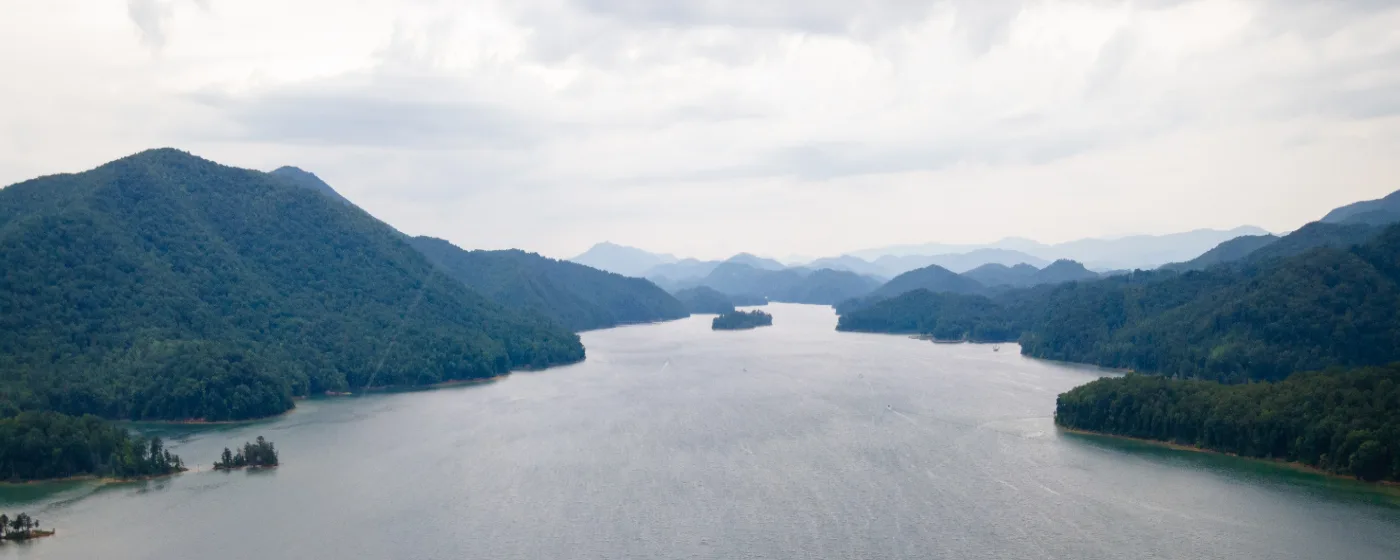
Most people researching a move to Johnson City focus on the cost of housing or East Tennessee State University's pull on the local economy. What they don't expect is how much of daily life here happens outside. For a city of 74,943 people, Johnson City has assembled an outdoor recreation network — trails, mountain parks, lakefront greenspace, and a rail-to-trail corridor — that would be impressive in a metro three times its size. The Appalachian foothills start right at the city's edge, and the parks system takes full advantage of that geography.
The outdoor infrastructure here isn't accidental. Tweetsie Trail, Tannery Knobs Mountain Bike Park, Buffalo Mountain Park, Winged Deer Park, and Founders Park aren't scattered amenities — they form a connected system, with trail links tying several of them together into a single rideable and walkable network. That connectivity is what separates Johnson City's parks from what you'd find in a comparable Tennessee city. You can pedal from a mountain bike park to a flat rail trail to a lake-front district park without loading your bike into a car.
The seasons here matter too. Johnson City gets 201 sunny days a year — fewer than the Sunbelt cities many people move from, but enough for year-round trail use. Winters are mild by Appalachian standards, and summer heat is moderated by elevation. The trade-off is that the hills that make Buffalo Mountain spectacular also make a few of its trails genuinely punishing — The Noggin trail averages a 22.8% grade. Knowing which parks reward a casual outing and which demand preparation is worth understanding before you arrive.
Whether you're drawn by mountain biking, a flat family walk, lake access, or a downtown green space for a Friday evening, the sections below cover Johnson City's signature parks, the Tweetsie Trail corridor, water and lakefront recreation, and what the seasonal rhythm of outdoor life here actually looks like.
Signature Parks: From Downtown Green to Mountain Preserve
Johnson City's parks span a wide range — from a compact downtown green to a 725-acre mountain preserve — and each one fills a distinct role in how residents actually use the outdoors.
Founders Park
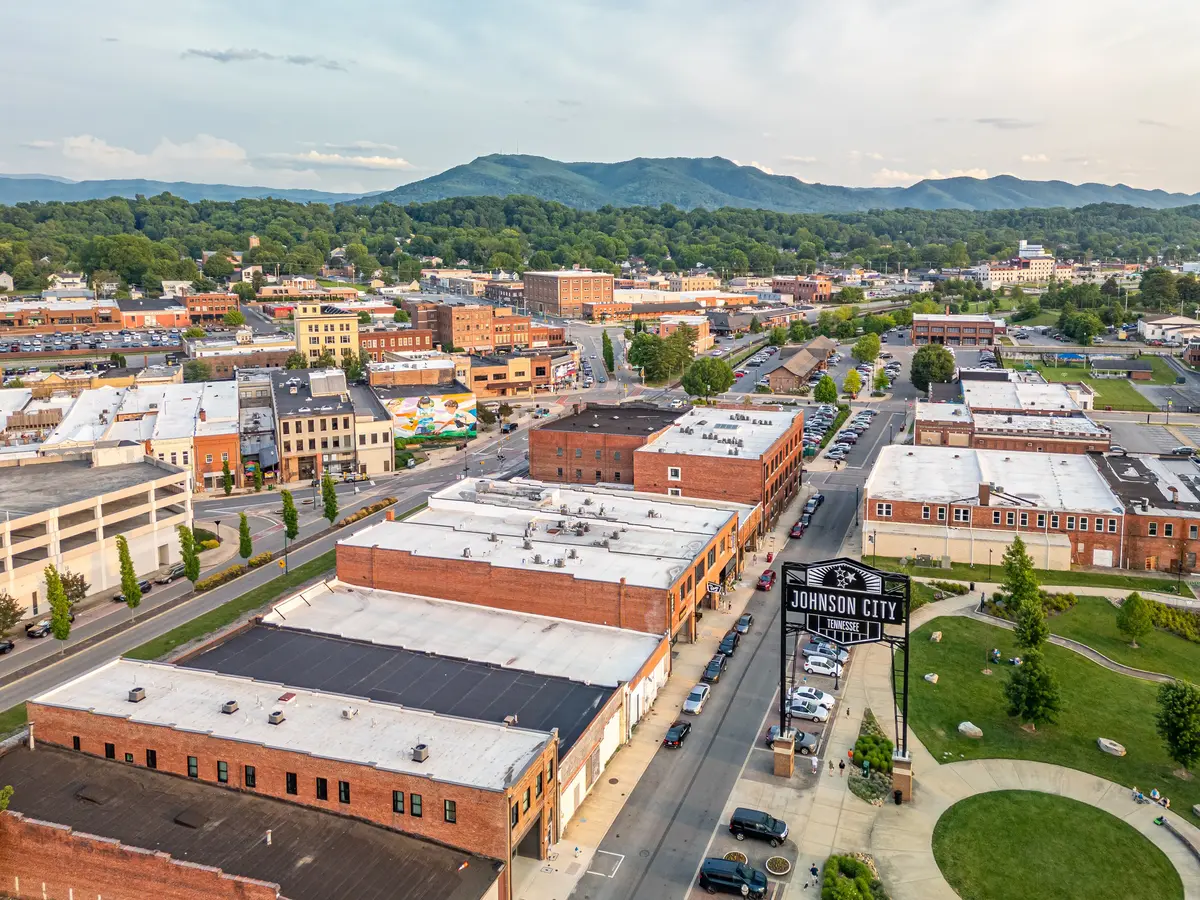
Founders Park anchors the downtown experience in a way that few city greens manage. Walking paths weave past sculptures and along a creek, and an open lawn gives the whole thing a breathing-room quality rare in a small-city downtown. The park draws food trucks and live music regularly, and leashed dogs are welcome — which, in practice, makes it the informal weekday gathering point for downtown residents. If you're evaluating the walkability of a home near downtown, this is the green space that makes that lifestyle functional.
Buffalo Mountain Park
Buffalo Mountain Park is the most serious outdoor destination in the city. The 725-acre natural resource area was acquired in 1994 through a land swap with the U.S. Forest Service, and it operates as a nature preserve rather than a recreational facility — which means the experience is more backcountry than neighborhood park. The trail network includes the White Rock Loop, the park's longest trail at 3.9 miles, and a Tip Top overlook that delivers panoramic views of Johnson City's downtown and the surrounding Appalachian ridgelines. The Noggin trail is the one to know before you go: a 22.8% average grade that filters out casual hikers quickly. Picnicking and nature programs round out what the park offers, but the main draw is unambiguously the terrain.
Winged Deer Park
Winged Deer Park is the city's district-scale family park — 200 acres established in 1991, with its lakefront sitting on Boone Lake. The amenity list here is genuinely comprehensive: five lighted softball fields, three lighted soccer fields, batting cages, an 18-hole disc golf course, two sand volleyball courts, a playground, and a half-mile walking track. A lighted, handicap-accessible boardwalk runs along the lakefront, and the Festival Plaza area handles community events. The park also contains a historical area with the Robert Young Cabin and the James H. Quillen Historical Tree Arboretum — the kind of layering that makes a park worth returning to across different seasons and life stages.
| Park | Size | Best For | Key Feature |
|---|---|---|---|
| Founders Park | Downtown-scale | Walkable Families | Creek, sculptures, food trucks and live music |
| Buffalo Mountain Park | 725 acres | Nature Views | White Rock Loop, Tip Top overlook, The Noggin trail |
| Winged Deer Park | 200 acres | Families Youth Sports | Boone Lake access, disc golf, softball and soccer fields |
| Tannery Knobs Mountain Bike Park | 40+ acres | Nature Active Commuters | IMBA-designed trails, pump track, 1,900-ft elevation views |
| Tweetsie Trail (Johnson City segment) | 9.5 mi linear | Walkable Families | Flat grade, seven bridges, wildlife habitat certification |
| Tipton-Haynes State Historic Site | Historic site | Quiet Families | History, walking grounds, natural springs |
The range here means you can realistically live in Johnson City and have a mountain hike, a flat family walk, and a lakefront sports session all within a short drive — without leaving city limits.
Tweetsie Trail and the Connected Trail Network
Tweetsie Trail is the spine of Johnson City's outdoor network, and it earns that role by being genuinely useful rather than just scenic.
What Makes the Trail Different
At 9.5 miles, it's the longest rails-to-trails conversion in Tennessee — built on the former East Tennessee and Western North Carolina Railroad right-of-way and running from downtown Johnson City all the way to downtown Elizabethton. The railroad origin is the key detail: the trail maintains a nearly flat grade for its entire length, which makes it accessible to cyclists of all abilities, walkers, runners, and anyone with a stroller or leashed dog. Seven bridges cross the route, and the compacted stone surface holds up well across seasons.
The Trailhead Amenities
The Johnson City trailhead is set up for regular use rather than occasional visits — paved parking, benches, water fountains, a bike repair station, and restroom facilities are all on-site. The trail has earned a certified wildlife habitat designation and contains a native tree arboretum, which gives it a different texture than a typical rail trail. These aren't details that make headlines, but they're what separates a trail people use daily from one they visit once.
The Network Connection
What elevates Tweetsie Trail from a great standalone amenity to something more significant is its position in the larger trail system. Trail connectors on the Johnson City end link directly to Tannery Knobs Mountain Bike Park and the ETSU Trail System. Tannery Knobs, in turn, connects toward Winged Deer Park on the other side. In practical terms, this means a resident near downtown can ride the Tweetsie Trail, transition to technical mountain biking at Tannery Knobs — where trails designed by IMBA's Trail Solutions group cover over 40 acres of wooded terrain at roughly 1,900 feet of elevation — and extend the loop further toward the lake. That's a meaningful network for a mid-sized Tennessee city.
The honest caveat: Tweetsie Trail ends in Elizabethton, not back in Johnson City. If you're planning an out-and-back, budget for the full 19 miles round-trip or arrange a shuttle. Most locals pick a segment and use it regularly rather than treating it as a single destination.
Tannery Knobs Mountain Bike Park
Tannery Knobs deserves its own mention because it's genuinely unusual for a city park. More than 40 acres of IMBA-designed trails, a paved pump track, and views from the trailhead that look back over downtown Johnson City — all within easy reach of the urban core. The trail variety covers beginners and experienced riders alike, and the park also works as a hiking and trail-running destination for non-cyclists. For mountain bikers weighing a move to Northeast Tennessee, this park is one of the more persuasive arguments for Johnson City specifically over its neighbors.
Water, Lakefront, and Seasonal Recreation
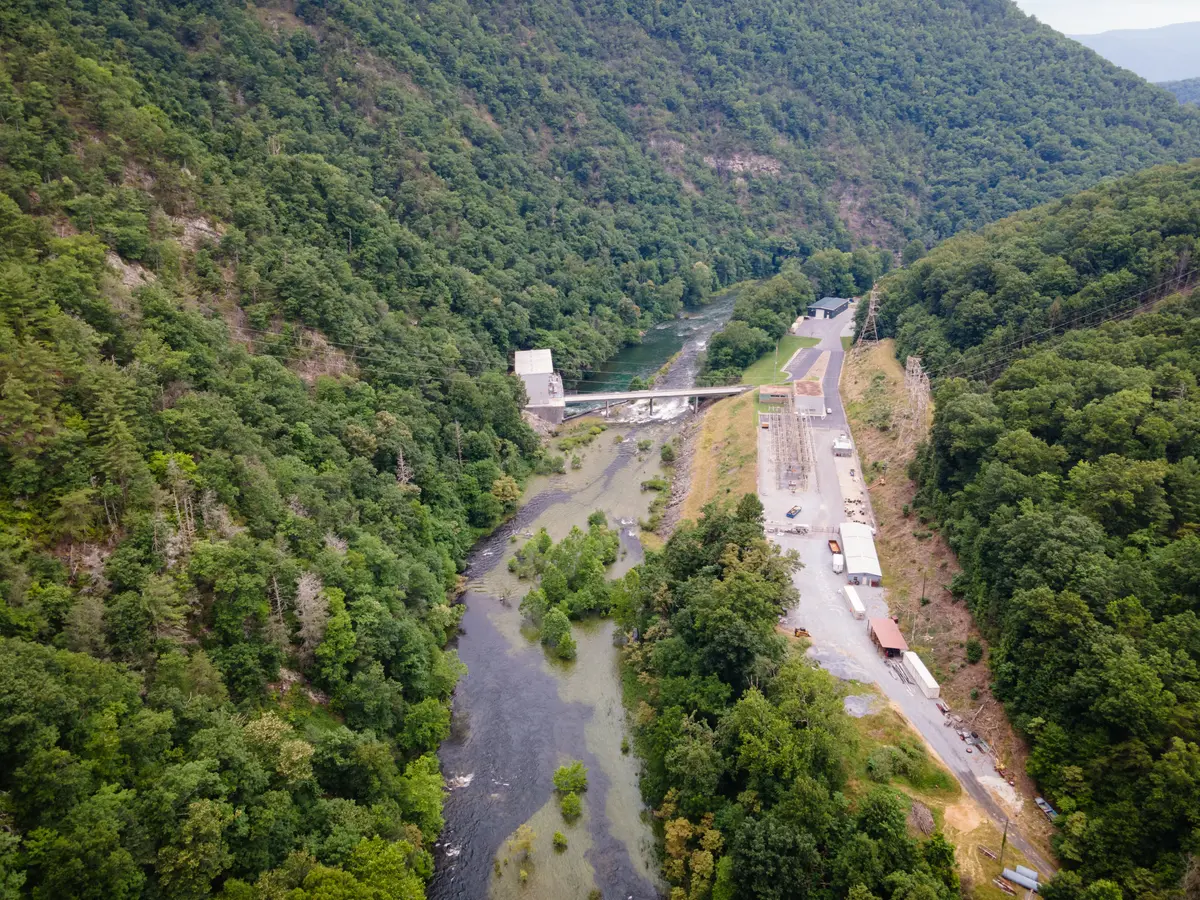
Johnson City's water access centers on Boone Lake at Winged Deer Park, and it's a more complete lakefront experience than the park's name alone suggests.
Boone Lake at Winged Deer Park
The 200-acre park's lakefront on Boone Lake includes public boating access, sand volleyball on the shore, and the handicap-accessible boardwalk that makes the waterfront genuinely usable rather than just scenic. The Festival Plaza area anchors larger community events at the water's edge. For residents who want lake access as part of daily life — not a weekend destination requiring a long drive — this is where that happens in Johnson City.
What Newcomers Miss
One thing that surprises people after living here a few months: Winged Deer Park is significantly more than the lake. The amphitheater, the sports fields, the disc golf course, the historical cabin, and the walking trails through forested sections of the park give it a character that rewards exploration at a slower pace. Many newcomers focus on the water and overlook the rest. The Robert Young Cabin alone — one of Johnson City's oldest surviving structures — is the kind of detail that makes a park visit feel like it belongs to a specific place rather than a generic green space.
Seasonal Patterns
With 201 sunny days a year, Johnson City's outdoor seasons are generous by regional standards. The trail network is usable most of the year — Buffalo Mountain's higher elevation holds moisture longer after rain, which can make its steeper trails slippery in winter, but the Tweetsie Trail's packed-stone surface stays accessible across seasons. Summer brings the lake amenities fully online, the amphitheater at Winged Deer Park fills with community events, and Founders Park's food truck and live music activity ramps up. Fall is when the Appalachian views from Buffalo Mountain's Tip Top overlook peak — the ridge-to-ridge color from a clear autumn day is the visual that tends to cement the decision for people who visited in October and then moved here by spring.
What out-of-state newcomers consistently underestimate is how quickly the hills steepen. Buffalo Mountain's 22.8% grade trails are not metaphorically steep — they're a genuine workout, and the Appalachian terrain is unforgiving in ways that flatland parks are not. Starting on the Tweetsie Trail and building from there is how most new residents find their outdoor footing.
Looking to buy in Johnson City? Estimate your payment.
Enter your numbers to see an estimated monthly mortgage payment.
Estimate only. Excludes HOA fees and mortgage insurance. The interest rate above is a starting point, not a quoted rate — replace it with your own to see real numbers. Insurance is a flat placeholder, not a Johnson City quote.
Beyond the Monthly Mortgage Payment — What to Factor In
- The property tax rate above — The 0.43% used in the estimate is the median effective rate — tax actually paid as a share of market value — published by Ownwell, 2026. Half of local homes pay more and half pay less: your own bill depends on that property's assessed value and any exemptions it qualifies for, which can differ a lot from its market price. Confirm with the Washington County assessor before you budget.
- Total cost of ownership — Your monthly mortgage payment is just the baseline. Depending on the specific city, county, and service district, homeownership costs also include local utility fees, municipal surcharges, and special assessments (such as water, sewer, storm drainage, or local energy taxes) that vary by location.
- Independent due diligence — Because these recurring local costs and municipal fees change depending on the exact property address, buyers must research them independently during their transaction process.
Tax laws, local municipal fees, and utility costs change frequently and individual situations vary. This page is general information, not tax or legal advice — always consult a qualified tax professional, CPA, or local municipal offices for personalized guidance.
Weekends and Local Favorites
The outdoor infrastructure and the social fabric of Johnson City overlap in a few specific, predictable ways that are worth knowing before you move.
Where People Actually Gather
Founders Park on a Friday evening is the clearest illustration of how a well-placed downtown green space shapes a neighborhood's social life. The combination of walking paths, a dog-friendly policy, and the regular rotation of food trucks and live music creates the kind of casual gathering that builds community without requiring advance planning. It's not a special-event venue — it's the default setting for downtown residents who want to be outside in the evening without going far.
Winged Deer Park functions as the city's organized-sports anchor. The five softball fields and three soccer fields see year-round league activity, and the disc golf course draws a steady crowd that skews younger. On weekends, the park's breadth means multiple different groups are there simultaneously — families on the walking track, disc golfers working the back half of the course, volleyball players at the lakefront — without the park feeling crowded or fragmented.
The Verified Local Lineup
Johnson City's dining and coffee scene has enough independent character to reward regulars. Among the restaurants, Freiberg's, Southern Craft BBQ, Label Restaurant, Tiebreakers, and The Firehouse represent the range of what the city has to offer — from casual barbecue to more deliberate dining. On the coffee side, Open Doors Coffeehouse, Dos Gatos Coffee Bar, The Moon Coffee and Tea House, Blue's Brews Co. Coffeeshop, and Auntie Ruth's Doughnuts & Pretzels give the city more independent café options than most comparably sized Tennessee cities can claim. The Johnson City Farmers' Market rounds out the local food culture for residents who prefer to shop and cook over dining out.
The Outdoor-to-Indoor Loop
The practical rhythm for active residents becomes clear quickly: a morning run or ride on the Tweetsie Trail or through Tannery Knobs, followed by coffee at one of the independent cafés, followed by a longer weekend outing to Buffalo Mountain or Winged Deer Park. It's a loop that works because the outdoor infrastructure is dense enough and the coffee and dining scene is independent enough to give both sides of it genuine character. What you give up compared to a larger city is variety — the dining scene has real quality but limited range. What you gain is proximity: from a home near downtown, the trail network, the mountain park, and the lake are all genuinely close.
For buyers weighing which neighborhood to settle in, proximity to the Tweetsie Trail trailhead and the Tannery Knobs connector is worth factoring in as a genuine lifestyle variable, not just a nice-to-have. And for a broader look at what housing costs in Johnson City, the outdoor amenity density here is unusually strong relative to the price of entry.
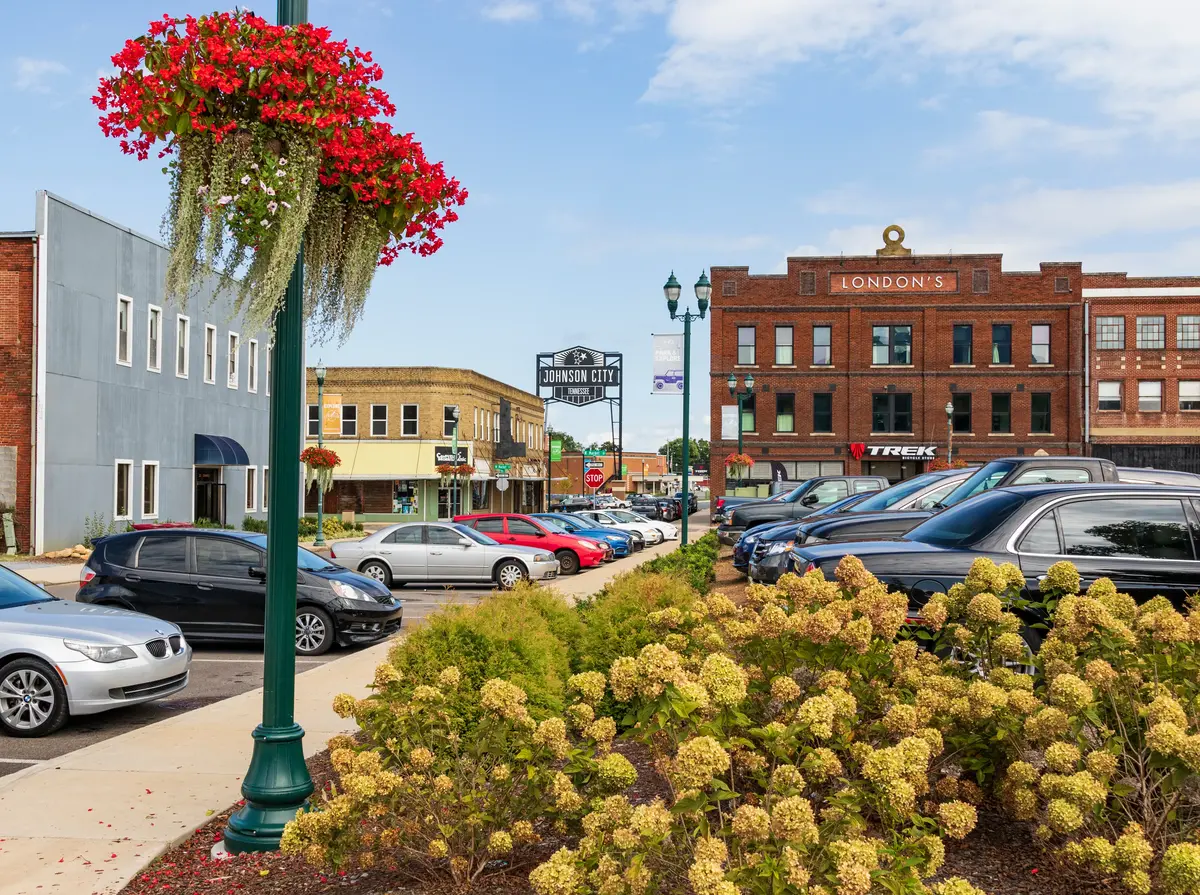
Local Expert Takeaway: Johnson City's parks aren't scattered amenities you might drive to on a good weekend — they form a connected network where Tannery Knobs links to the Tweetsie Trail, and the Tweetsie Trail connects all the way to Elizabethton. Buffalo Mountain Park gives you genuine Appalachian backcountry without leaving city limits, and Winged Deer Park's Boone Lake access is the kind of lakefront amenity most cities this size don't have. The Founders Park Friday evening scene is where you'll understand the community's texture in a way no brochure can describe. For buyers who want outdoor access embedded in daily life rather than reserved for weekend trips, Johnson City is among the most practical options in Northeast Tennessee.
Quick Takeaways & FAQs
✅ Johnson City's parks form a connected trail network — Tannery Knobs, Tweetsie Trail, and Winged Deer Park are all linked, so you can ride between them without loading a car.
⚠️ Buffalo Mountain Park's steepest trail averages a 22.8% grade — the terrain here is genuinely demanding, and newcomers accustomed to flatland parks routinely underestimate it.
📍 Tweetsie Trail is the longest rails-to-trails project in Tennessee at 9.5 miles, running from downtown Johnson City to downtown Elizabethton on a nearly flat former railroad grade.
How long is the Tweetsie Trail and who is it best suited for?
Is Tannery Knobs Mountain Bike Park suitable for beginners?
What outdoor amenities does Winged Deer Park offer?
How challenging are the trails at Buffalo Mountain Park?
Are Johnson City's parks connected, or do you need to drive between them?
Moving to Tennessee?
Tell us what you need help with and we'll connect you with local resources.
