Is the Chattanooga Area a Good Place to Live?
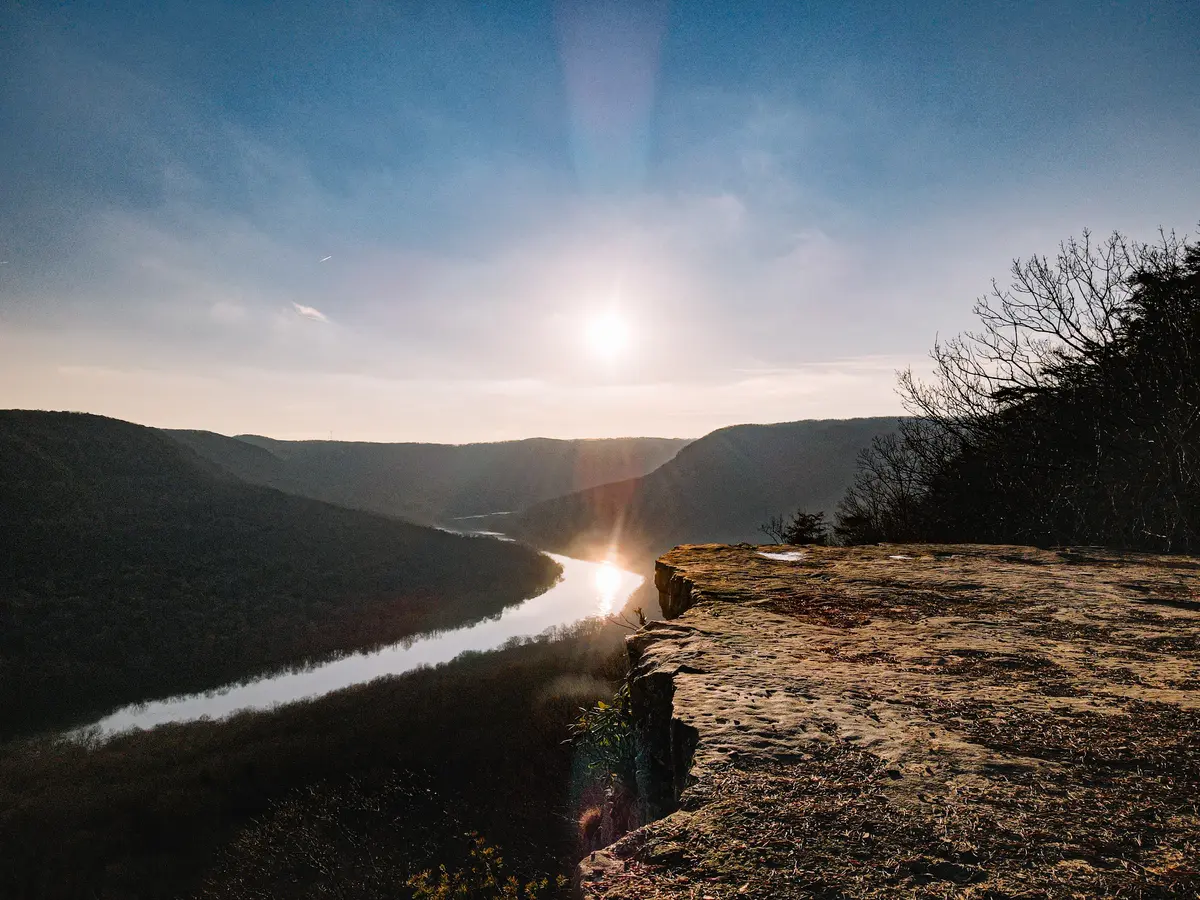
You are probably comparing the Chattanooga Area to Greater Nashville or the Knoxville Metro right now, trying to figure out whether the lower price point is worth what you give up. Here is what the spreadsheet does not tell you: the Chattanooga Area is not a smaller version of either of those markets. It has its own gravity — the Tennessee River running through downtown, Lookout Mountain rising on one edge and the Cumberland Plateau on another, and a manufacturing economy that kept the region stable through cycles that hollowed out comparable cities elsewhere. The catch is that the region is genuinely fragmented. Signal Mountain and Lookout Mountain feel nothing like East Ridge. Dunlap, tucked into the Sequatchie Valley, feels nothing like Collegedale. Choosing the right city here matters more than it does in a sprawling suburban metro where neighborhoods blur into each other.
The economic backbone is more diversified than the region's size would suggest. Volkswagen's assembly plant in Chattanooga anchors a deep supply chain that touches Cleveland, Collegedale, and the smaller towns. BlueCross BlueShield of Tennessee and Unum Group make Chattanooga a real insurance-industry hub. Regional healthcare employment runs across Hamilton County through one of the area's largest health systems. And the manufacturing corridor running up through Bradley County — Whirlpool, Duracell, and the chemical and food manufacturers — means that Cleveland is not simply a bedroom community for Chattanooga but a city with its own industrial identity. Add Bryan College in Dayton, Southern Adventist University in Collegedale, Tennessee Wesleyan University in Athens, and Lee University in Cleveland, and the region has more institutional anchors than most people expect to find this far outside a major metro.
On price, the Chattanooga Area sits toward the middle of Tennessee's regions — more within reach than the Southern Suburbs or Greater Nashville, but not dramatically cheaper than the Tri-Cities or Upper Cumberland. What you get for that price varies enormously by city: Lookout Mountain and Signal Mountain are the prestige end, with views and school reputations to match; Athens and Jasper offer genuine affordability for buyers who do not need to be inside Hamilton County. The outdoors access here is the real differentiator. The Tennessee Aquarium, the Walnut Street Walking Bridge, and the trails radiating off Lookout Mountain and Signal Point are not tourist amenities bolted onto a suburb — they are woven into the daily rhythm of how people who live here actually spend their weekends.
Whether you are weighing a company relocation, escaping a higher-cost market, or simply trying to understand whether this region suits your life, the city profiles below break down each community on its own terms — who moves there, what the housing stock looks like, which employers are actually local, and what daily life is honestly like once the honeymoon of a good weekend visit fades.
Explore All 12 Cities in the Chattanooga Area
Click into any city for the complete guide — neighborhoods, home prices, cost of living, pros & cons, schools, top employers, and mortgage help.
Chattanooga
Chattanooga is the region's center of gravity — a city where the Tennessee Aquarium and the Walnut Street Walking Bridge draw visitors, but where neighborhoods like North Shore, Southside, and St. Elmo have developed their own distinct identities for the people who actually live there. Volkswagen, BlueCross BlueShield, Unum, and the area's major health system together create a job market broad enough to absorb relocating professionals from several industries. Priced near the middle of this region, it is the most versatile choice here: close enough to everything, with enough neighborhood variety that buyers across a wide range of life stages tend to find a fit.
Full Chattanooga Guide →
Cleveland
Cleveland earns its keep as a mid-size city with its own industrial backbone — Whirlpool, Duracell, and Olin Corporation are not satellite operations of Chattanooga but full manufacturing presences in Bradley County. Lee University gives the city a residential college feel along the Ocoee Street Historic District, and the Cleveland/Bradley County Greenway offers the kind of trail access that typically takes a bigger city to pull off. Priced near the middle of this region, Cleveland draws buyers who want a real city identity of their own rather than a commuter position relative to somewhere else.
Full Cleveland Guide →
East Ridge
East Ridge is a small city that shares a border with Chattanooga and quietly benefits from that proximity without paying downtown prices. Camp Jordan Park gives the city a genuine civic anchor, and the I-75 and I-24 corridors make it one of the more logistically connected small cities in Hamilton County. It sits toward the more affordable end of the region, which draws first-time buyers and value-focused families who want Hamilton County schools without Signal Mountain's price tag.
Full East Ridge Guide →
Athens
Athens is a small city in McMinn County with a clearer small-town identity than most places this close to an interstate — the Historic Downtown Athens Square and the McMinn County Courthouse give it a genuine center, and DENSO Manufacturing and Mayfield Dairy Farms anchor the local economy with something more stable than retail. Tennessee Wesleyan University keeps a younger demographic cycling through, and the Eureka Trail gives outdoor-minded residents an accessible option that does not require a drive to the Smokies. It sits toward the more affordable end of this region, which makes it a realistic option for buyers who have been priced out of Hamilton County.
Full Athens Guide →
Soddy-Daisy
Soddy-Daisy sits along the Chickamauga Lake shoreline in northern Hamilton County, and that geography is the main reason people move here — the water access and the elbow room are genuine, not a marketing description. The Sequoyah Nuclear Plant and Hamilton County Schools anchor the employer base for residents who work locally rather than commuting south into Chattanooga. Priced near the middle of the region, it draws buyers who want a suburban feel with lakefront proximity and are willing to accept that errands and most services require driving.
Full Soddy-Daisy Guide →
Red Bank
Red Bank is a small city that functions in practice as an inner-ring neighborhood of Chattanooga — it is close enough that healthcare and insurance professionals treat it as a genuine option, and Stringer's Ridge Park gives it more outdoor credibility than most cities its size. The Dayton Boulevard corridor carries most of the commercial activity, with TN-8 connecting residents quickly toward downtown Chattanooga. Priced near the middle of the region, it is the pick for buyers who want urban proximity without paying North Shore prices.
Full Red Bank Guide →
Collegedale
Collegedale is shaped in ways that surprise people who do not look closely: McKee Foods — the company behind Little Debbie snack cakes — is headquartered here, and Southern Adventist University gives the city a campus feel and a civic identity well out of proportion to its size. The Commons at Collegedale functions as the city's gathering place, and Little Debbie Park is a genuine neighborhood amenity. It sits toward the pricier end of the region, reflecting a combination of school reputation and the quiet, planned character that draws families willing to pay for it.
Full Collegedale Guide →
Signal Mountain
Signal Mountain is a small town on top of a mountain, and that is not a figure of speech — the physical separation from the valley below creates a community with its own social gravity, where Signal Point and Edwards Point are the weekend anchors and the mountain's trail network makes outdoor access genuinely walkable from residential streets. Every major employer here — BlueCross BlueShield, Volkswagen, Unum — is located down in Chattanooga, so the commute is real and residents trade it knowingly for the setting and the school system. It sits toward the pricier end of the region, and buyers who move here tend to stay.
Full Signal Mountain Guide →- Is Signal Mountain Safe? A Data-Backed Look
- Cost of Living in Signal Mountain
- Best Neighborhoods in Signal Mountain
- Schools in Signal Mountain: A Family Guide
- Parks & Recreation in Signal Mountain
- Retiring in Signal Mountain
- First-Time Homebuyer's Guide to Signal Mountain
- Moving to Signal Mountain from California
Dayton
Dayton is a small town that most people outside Tennessee know for one thing — the Scopes Trial, still commemorated at the Rhea County Courthouse museum — but the modern economy is built around manufacturers like La-Z-Boy, Nokian Tyres, and Mueller Water Products, which means the job base is more durable than a county seat of this size usually carries. Bryan College adds an institutional presence and keeps a certain kind of resident in town who might otherwise leave for Chattanooga. Priced near the middle of the region, Dayton is a real option for buyers who want a slower pace without the full trade-off of total rural isolation.
Full Dayton Guide →
Dunlap
Dunlap is the county seat of Sequatchie County, tucked into the valley between the Cumberland Plateau and Walden's Ridge, and the geography alone tells you what daily life is like here — unhurried, scenic, and genuinely removed from the Chattanooga commuter sphere. The Dunlap Coke Ovens Park is one of the more historically distinctive local landmarks in the entire region, and Henson's Gap draws hang gliders from across the Southeast. MANN+HUMMEL and the other light manufacturers make up the employer base, and Sequatchie County Schools serves families who have chosen a small-town trajectory over suburban convenience. Priced near the middle of the region, it appeals to buyers whose priority is land, quiet, and a clear sense of place.
Full Dunlap Guide →
Jasper
Jasper is a small town in Marion County where the Tennessee River waterfront and the Sequatchie Valley overlooks do more to explain the real estate than any employment roster could. The Jasper Highlands mountaintop community at the pricier end of town draws buyers who want dramatic views and gated seclusion; the rest of the market sits toward the more affordable end of the region. With I-24 as the main artery and Marion County's public sector as the dominant local employer, Jasper rewards buyers who are either working remotely or driving to Chattanooga, rather than those expecting a dense local job market.
Full Jasper Guide →
Lookout Mountain
Lookout Mountain is a small town that occupies the top of the ridge overlooking Chattanooga, and Point Park, the Ochs Museum overlook, and the Incline Railway upper station are not just tourist draws — they are the landmarks residents walk past on a weekday morning. Every employer here is technically in Chattanooga or Collegedale, which means the community lives on the mountain and works in the valley, a trade-off that has attracted a particular kind of buyer for generations. It sits toward the pricier end of the region, and the combination of views, historic character, and Lookout Mountain Elementary's reputation creates a market with very little turnover.
Full Lookout Mountain Guide →- Is Lookout Mountain Safe? A Data-Backed Look
- Cost of Living in Lookout Mountain
- Best Neighborhoods in Lookout Mountain
- Schools in Lookout Mountain: A Family Guide
- Parks & Recreation in Lookout Mountain
- Retiring in Lookout Mountain
- First-Time Homebuyer's Guide to Lookout Mountain
- Moving to Lookout Mountain from California
Compare Every City in Chattanooga Area
Full ranked breakdowns across every city in the region — scored and compared side by side.
Local Expert Takeaway: The Chattanooga Area rewards buyers who do their homework city by city — the gap between what you get at the affordable end of the region and what you pay at the prestige end is real enough that choosing a city without understanding that range is the most common mistake people moving here make.
Frequently Asked Questions
Which city in the Chattanooga Area is the best fit for families with school-age children?
How far out of the way is the Chattanooga Area compared to Nashville or Knoxville?
Is the Chattanooga Area genuinely affordable, or is that reputation out of date?
What do people in the Chattanooga Area actually do for work?
Which city in the Chattanooga Area makes sense for someone moving from a higher-cost state?
Helpful Tennessee Resources
Explore Other Tennessee Regions
the Chattanooga Area is one of 10 distinct regions that make up Tennessee. Each has its own climate, character, and housing market — explore them all.

The state capital and the ring of towns north and west of it, from riverfront suburbs to farm country an hour out. 16 cities including Nashville, Clarksville, Hendersonville.
Explore all 16 Greater Nashville cities →
Nashville’s southern growth corridor — historic town squares, newer subdivisions, and some of the priciest addresses in the state. 11 cities including Murfreesboro, Franklin, Smyrna.
Explore all 11 Southern Suburbs cities →
East Tennessee’s urban center, with lake towns and research-lab suburbs spread along the Tennessee River valley. 14 cities including Knoxville, Oak Ridge, Maryville.
Explore all 14 Knoxville Metro cities →
The Mississippi River city and its eastern suburbs, where the metro thins into Fayette and Tipton county farmland. 11 cities including Memphis, Bartlett, Collierville.
Explore all 11 Greater Memphis cities →
Three cities that function as one metro in the far northeast corner, surrounded by the oldest towns in the state and the high Appalachians. 8 cities including Johnson City, Kingsport, Bristol.
Explore all 8 Tri-Cities cities →
West Tennessee away from Memphis — a regional hub city, college towns, and river and lake country up against the Mississippi. 9 cities including Jackson, Dyersburg, Martin.
Explore all 9 Jackson & Northwest Tennessee cities →
County-seat towns between Nashville and the Alabama line, with walking-horse farms, lakes and a long manufacturing tradition. 7 cities including Shelbyville, Tullahoma, Manchester.
Explore all 7 Southern Middle Tennessee cities →
The plateau and highland rim between Nashville and Knoxville — waterfalls, lakes and a university town, at the lowest prices in Middle Tennessee. 6 cities including Cookeville, McMinnville, Crossville.
Explore all 6 Upper Cumberland cities →
The gateway towns to Great Smoky Mountains National Park, and the lake country just north of them. 6 cities including Morristown, Sevierville, Seymour.
Explore all 6 Smokies & Lakeway cities →Moving to Tennessee?
Tell us what you need help with and we'll connect you with local resources.
