
Is the Upper Cumberland a Good Place to Live?
You've probably been priced out of Nashville, or told yourself you'd never live that far from a city, and now someone has mentioned the Upper Cumberland and you're doing mental math. The honest catch: this isn't a single community with a few neighborhoods — it's a stretch of Middle and East Tennessee that runs from the I-40 corridor up into the Cumberland Plateau, and the towns here are genuinely different from each other in ways that matter before you make an offer. Cookeville has a university, a trauma center, and a freight logistics headquarters. Crossville has a manufacturing base, a nationally regarded community theater, and the kind of quiet that takes some getting used to. Livingston sits at the affordable end and feels a world away from the interstate.
What holds the region together is what it offers against the rest of Tennessee. Compared to Greater Nashville, the Smokies and Lakeway corridor, or the Southern Suburbs, the Upper Cumberland sits comfortably below those markets on price — making it the destination for buyers who want a real house on real land without a real-estate bidding war. The employers here are a mix of higher education, healthcare, automotive manufacturing, and logistics — Tennessee Technological University anchors Cookeville's economy and keeps the city younger than you'd expect, while plants tied to Yorozu Automotive in McMinnville and the tile manufacturing operations in Crossville reflect the plateau's longstanding industrial base. These aren't bedroom communities; each town has its own economic center of gravity.
Day-to-day life in the Upper Cumberland means accepting some genuine trade-offs. I-40 is the spine that connects Cookeville and Crossville to Nashville and Knoxville, but McMinnville, Smithville, Livingston, and Fairfield Glade sit off that corridor — which means a longer drive for the airport, a specialty hospital, or a particular chain store. What you get in return is a pace that people who've moved here from larger metros describe as the point: a farmers market that doesn't require parking gymnastics, a county courthouse you can actually navigate, and a house with a backyard that backs up to trees rather than a fence six feet away. Fairfield Glade is something of an outlier — a planned community built around golf courses and lakes that draws retirees from across the country and sits toward the pricier end of this region for what it is.
Whether you're weighing this region against Greater Memphis, the Tri-Cities, or the Knoxville Metro, or you've already narrowed it down to the Upper Cumberland and just need to pick a town, the city pages below break down each community's neighborhoods, schools, cost of living, employers, and what the daily reality actually looks like — from the Tennessee Tech campus edge of Cookeville to the courthouse square in Livingston.
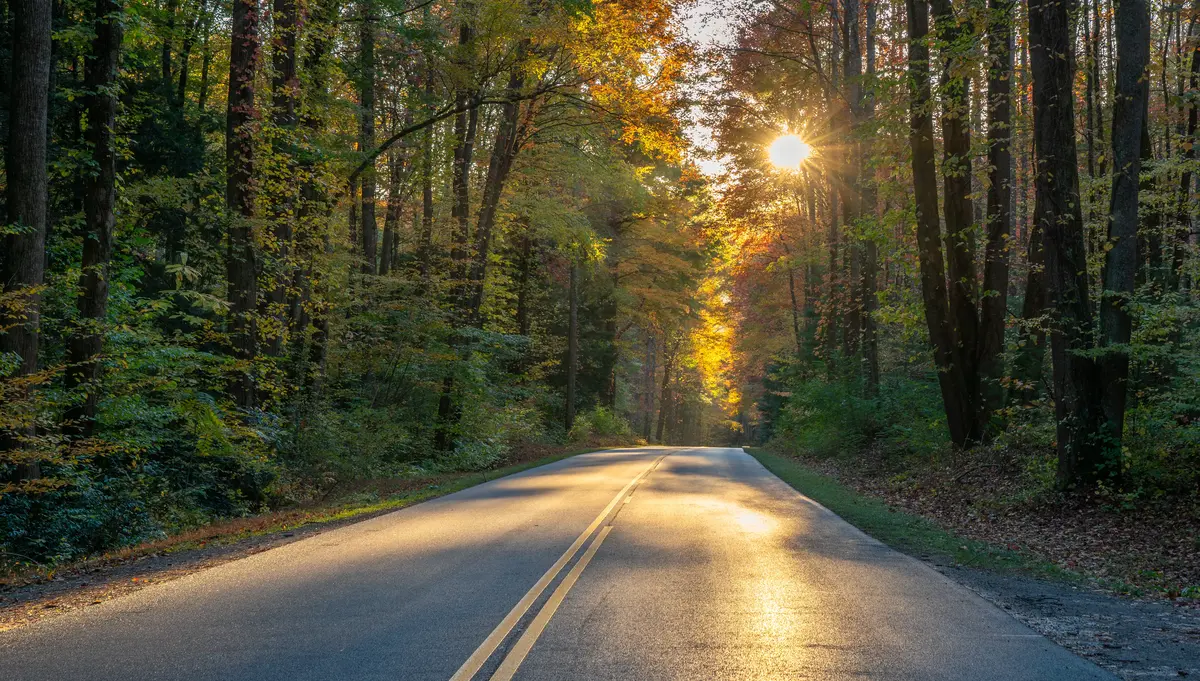
Explore All 6 Cities in the Upper Cumberland
Click into any city for the complete guide — neighborhoods, home prices, cost of living, pros & cons, schools, top employers, and mortgage help.
Cookeville
Cookeville is the Upper Cumberland's commercial and institutional center — a mid-size city where Tennessee Technological University sets the cultural tempo and full-service hospital care anchors healthcare for the surrounding counties. I-40 gives commuters and freight direct access east and west, and the city's Historic Westside and Cane Creek Park give it more texture than a typical interstate-exit town. It sits near the middle of this region on price, which makes it the natural first stop for buyers who want urban-lite amenities without a metro price tag.
Full Cookeville Guide →
McMinnville
McMinnville earns its nickname as the nursery capital of the country — the wholesale horticulture operations centered around Cumberland Valley Nursery and similar growers shape both the landscape and the local economy in ways visitors notice immediately. The small city pairs that agricultural identity with automotive manufacturing anchored by Yorozu, a walkable historic downtown, and Cumberland Caverns sitting just outside town. Home prices land near the middle of this region, and the surrounding Warren County countryside makes it a genuine draw for buyers who want land without paying plateau-resort premiums.
Full McMinnville Guide →
Crossville
Crossville sits at the intersection of I-40 and US-127 on the Cumberland Plateau, which makes it more accessible than its quiet reputation suggests — and that quiet is real, in the best way. The Cumberland County Playhouse draws audiences from well beyond the plateau and gives the small city a cultural anchor most towns this size don't have. Manufacturing — particularly the porcelain tile industry through Stonepeak and Crossville Inc. — is a steady employment base, and prices run near the middle of this region, making it a realistic landing spot for buyers relocating from higher-cost Tennessee markets.
Full Crossville Guide →
Fairfield Glade
Fairfield Glade is the Upper Cumberland's planned resort community — built around multiple golf courses, including Stonehenge and Heatherhurst, and a pair of lakes, it draws retirees from across the country who want a low-maintenance lifestyle with outdoor recreation on their doorstep. It sits toward the pricier end of this region, reflecting the amenity infrastructure and the demographic it serves. Buyers who aren't specifically looking for a golf-and-lake lifestyle often find the community's self-contained character limiting, but for the right buyer it is exactly what it advertises.
Full Fairfield Glade Guide →- Is Fairfield Glade Safe? A Data-Backed Look
- Cost of Living in Fairfield Glade
- Best Neighborhoods in Fairfield Glade
- Schools in Fairfield Glade: A Family Guide
- Parks & Recreation in Fairfield Glade
- Retiring in Fairfield Glade
- First-Time Homebuyer's Guide to Fairfield Glade
- Moving to Fairfield Glade from California
Smithville
Smithville is a small town where automotive manufacturing — Federal-Mogul Friction, Shiroki North America, and Tenneco among others — provides a working-class employment base that distinguishes it from the plateau's retirement-oriented towns. Center Hill Lake sits just outside the county seat and is genuinely one of the Upper Cumberland's best outdoor assets, drawing boaters and anglers year-round. Prices land near the middle of this region, and the town is best understood as a working community that happens to sit on the edge of exceptional water — not a resort town, not a college town, just a grounded small-town Tennessee county seat.
Full Smithville Guide →
Livingston
Livingston is the Upper Cumberland's most affordable option and the least complicated pitch: a small town with a genuine courthouse-square character, a regional medical center, and the Standing Stone rock formation as a local landmark that long-timers take for granted and newcomers find quietly remarkable. Overton County's school system centers on Livingston Academy, and the economy runs on healthcare, education, retail, and a candy manufacturer — Ajax Turner Company — that has been part of the town longer than most residents. If you need I-40 access regularly, the drive will feel long; if you don't, Livingston offers a great deal of house for the money.
Full Livingston Guide →Compare Every City in Upper Cumberland
Full ranked breakdowns across every city in the region — scored and compared side by side.
Local Expert Takeaway: The Upper Cumberland rewards buyers who pick a specific town for a specific reason — Cookeville if you need a mid-size city's infrastructure, Livingston if affordability is the priority, Fairfield Glade if retirement amenities are the point — because these towns are genuinely different places, not interchangeable options at similar price points.
Frequently Asked Questions
Which Upper Cumberland town is the best fit for families with school-age children?
Is the Upper Cumberland actually affordable compared to other parts of Tennessee?
What is Fairfield Glade, and is it only for retirees?
How important is I-40 access when choosing between these towns?
What do people who move to the Upper Cumberland not expect?
Helpful Tennessee Resources
Explore Other Tennessee Regions
the Upper Cumberland is one of 10 distinct regions that make up Tennessee. Each has its own climate, character, and housing market — explore them all.
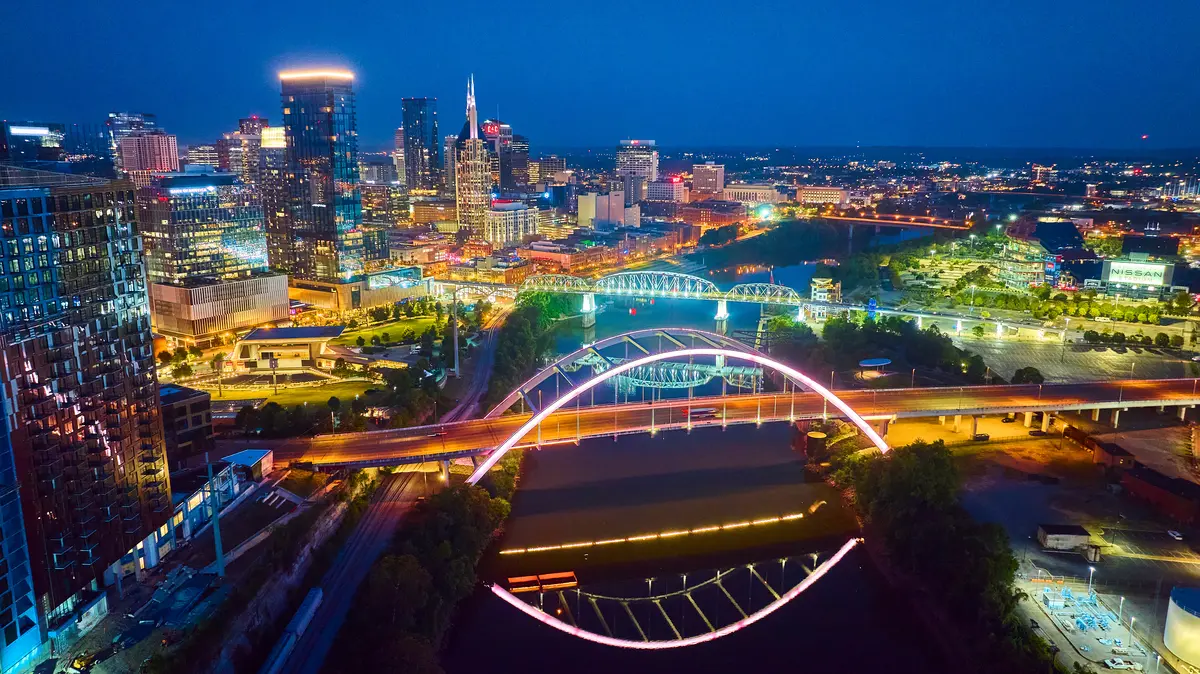
The state capital and the ring of towns north and west of it, from riverfront suburbs to farm country an hour out. 16 cities including Nashville, Clarksville, Hendersonville.
Explore all 16 Greater Nashville cities →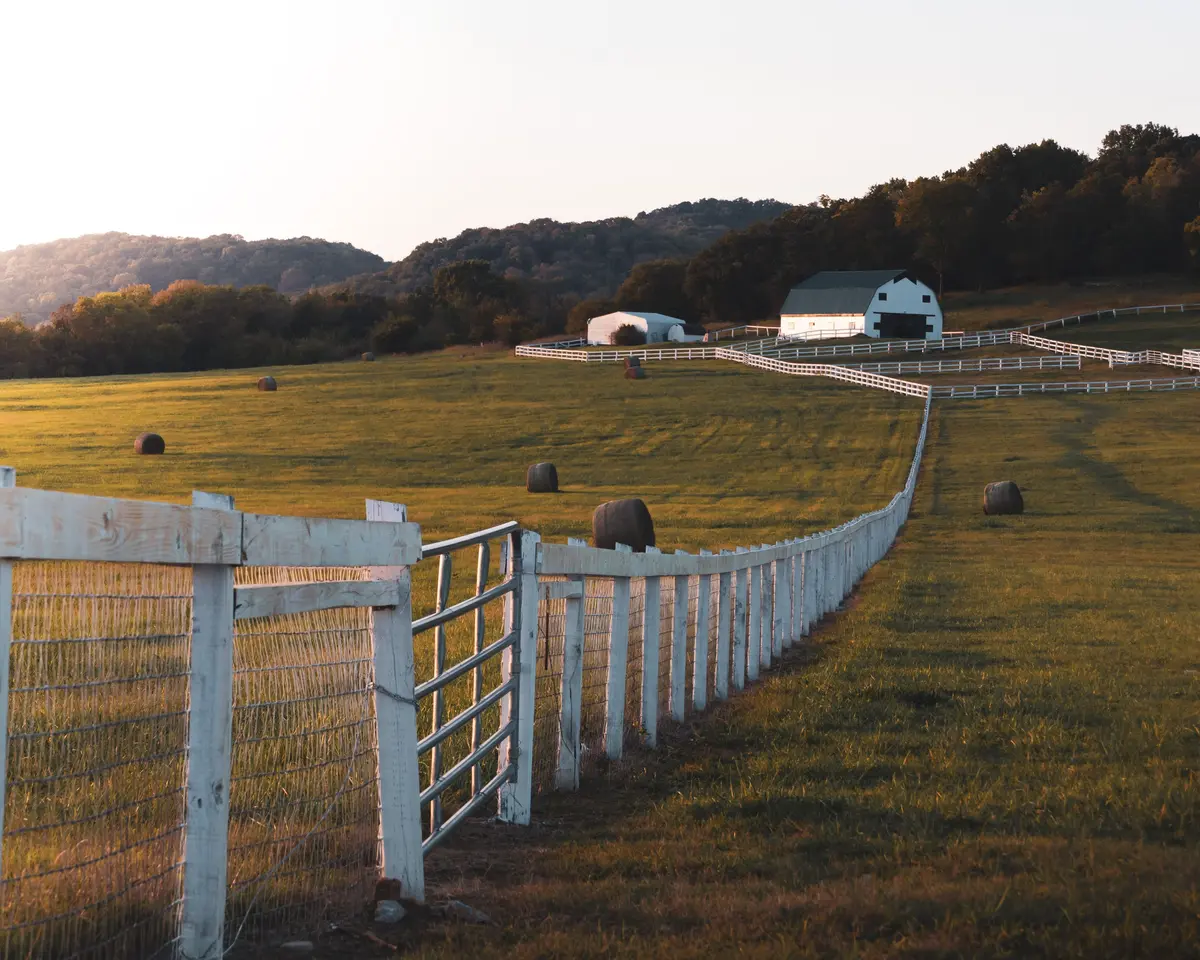
Nashville’s southern growth corridor — historic town squares, newer subdivisions, and some of the priciest addresses in the state. 11 cities including Murfreesboro, Franklin, Smyrna.
Explore all 11 Southern Suburbs cities →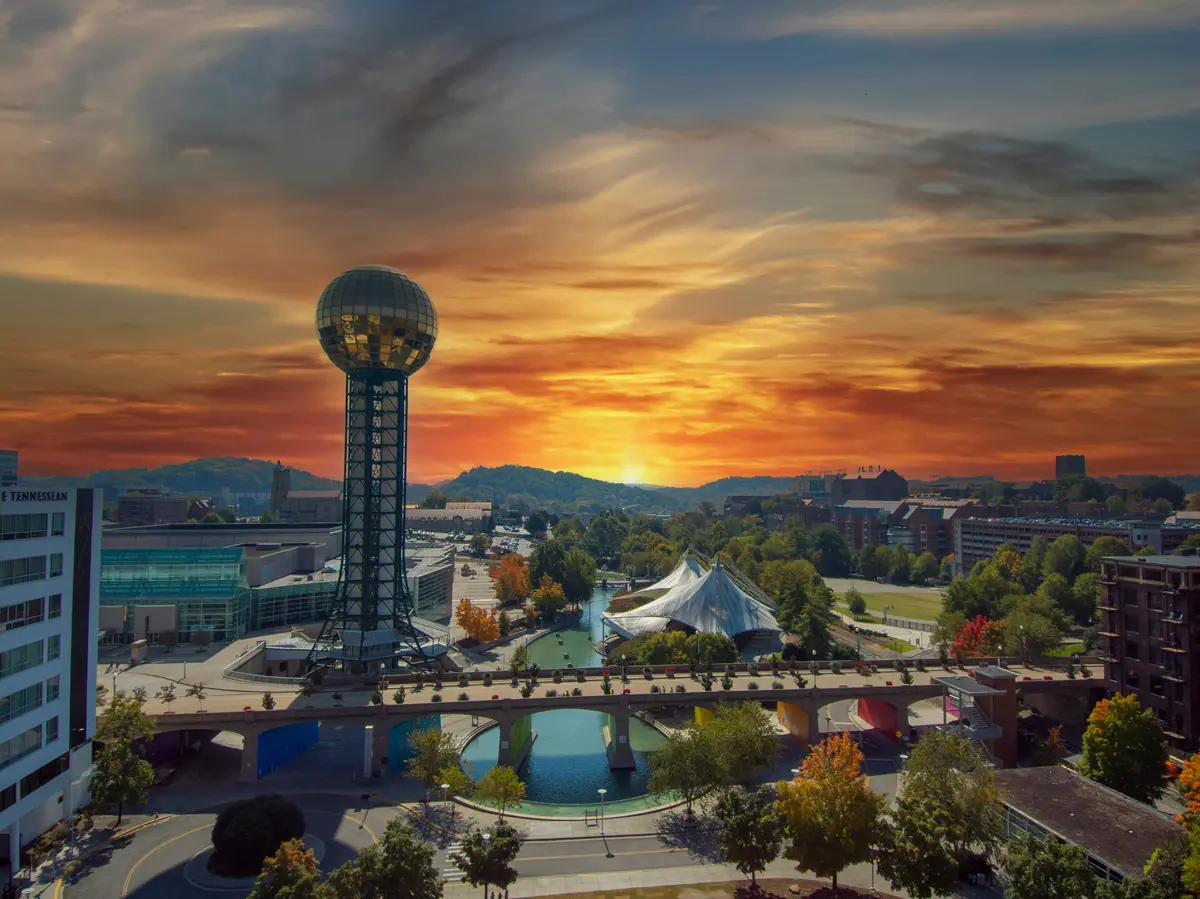
East Tennessee’s urban center, with lake towns and research-lab suburbs spread along the Tennessee River valley. 14 cities including Knoxville, Oak Ridge, Maryville.
Explore all 14 Knoxville Metro cities →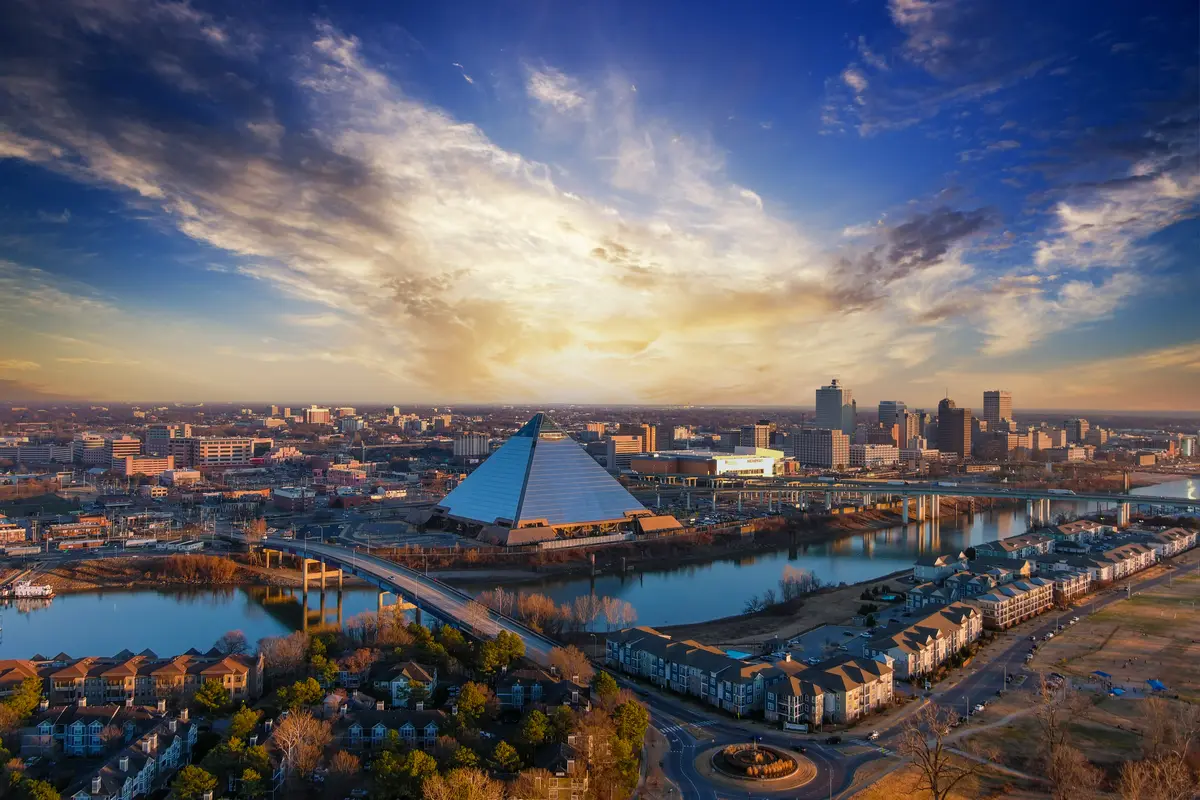
The Mississippi River city and its eastern suburbs, where the metro thins into Fayette and Tipton county farmland. 11 cities including Memphis, Bartlett, Collierville.
Explore all 11 Greater Memphis cities →
A riverfront downtown ringed by ridges and mountain towns, at the point where Tennessee meets Georgia and Alabama. 12 cities including Chattanooga, Cleveland, East Ridge.
Explore all 12 Chattanooga Area cities →
Three cities that function as one metro in the far northeast corner, surrounded by the oldest towns in the state and the high Appalachians. 8 cities including Johnson City, Kingsport, Bristol.
Explore all 8 Tri-Cities cities →
West Tennessee away from Memphis — a regional hub city, college towns, and river and lake country up against the Mississippi. 9 cities including Jackson, Dyersburg, Martin.
Explore all 9 Jackson & Northwest Tennessee cities →
County-seat towns between Nashville and the Alabama line, with walking-horse farms, lakes and a long manufacturing tradition. 7 cities including Shelbyville, Tullahoma, Manchester.
Explore all 7 Southern Middle Tennessee cities →
The gateway towns to Great Smoky Mountains National Park, and the lake country just north of them. 6 cities including Morristown, Sevierville, Seymour.
Explore all 6 Smokies & Lakeway cities →Moving to Tennessee?
Tell us what you need help with and we'll connect you with local resources.
