
Most small Tennessee county seats of 4,147 people don't sit within easy reach of a world-record fishing lake, a National Register historic state park, and one of the state's most dramatic waterfalls. Livingston does. The outdoor recreation around this Upper Cumberland city isn't an afterthought — it's the main reason many people decide to stay, and one of the first things newcomers mention when they describe what surprised them about living here. The Cumberland Plateau sets the stage: forested ridges, clear-water reservoirs, and gorges cut deep enough to hide 75-foot waterfalls.
Standing Stone State Park sits just off TN-52 west of town, Dale Hollow Reservoir is reachable via TN-294, and Cummins Falls State Park is a reasonable drive from the city. That puts three genuinely significant natural assets within striking distance of a weekday afternoon, not just a weekend expedition. For families weighing a move to a smaller market, that combination — affordable housing near serious outdoor recreation — is the argument Livingston makes most convincingly. For the full picture on housing costs, see the cost-of-living page.
The trade-off is real, and worth naming upfront: Livingston's outdoor offerings are almost entirely nature-dependent. There's no urban trail network winding through neighborhoods, no rec center with a lap pool, no paved greenway system connecting the city's residential streets. What you get instead is the real thing — state parks, a massive reservoir, and protected river gorges — within a short drive of home. Understanding that distinction shapes what daily outdoor life actually looks like here.
The sections below cover Standing Stone State Park in depth, Dale Hollow Reservoir and Pleasant Grove Recreation Area, Cummins Falls, and a practical overview of how the seasons shape recreation around Livingston throughout the year.
Standing Stone State Park: The City's Backyard
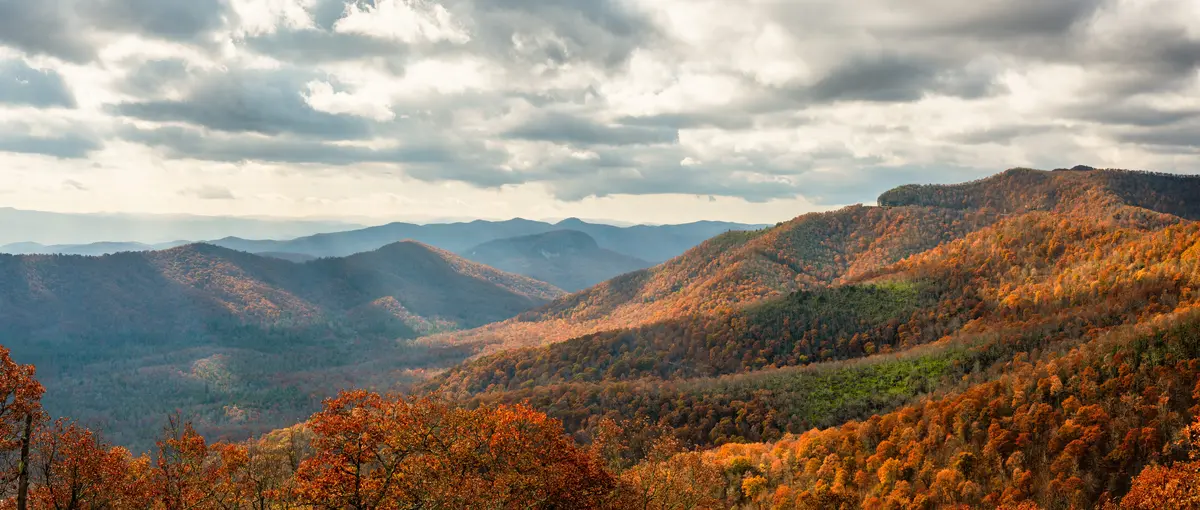
Standing Stone State Park is Livingston's most immediate outdoor asset — a 855-acre park along the shore of 69-acre Standing Stone Lake, set inside the surrounding 11,000-acre Standing Stone State Forest on the Cumberland Plateau. The park's position off TN-52 puts it close enough that residents treat it as a genuine backyard, not a destination they have to plan a trip around.
The trail system covers more than eight miles of day-use hiking, ranging from easy lakeside loops to routes that push into virgin forest. The Cooper Mountain Trail is the one serious test: 7.6 miles with 1,026 feet of elevation gain, enough to feel like a real accomplishment without requiring technical gear or a full day. The Lake Trail and Table Rock Trail give families and casual hikers options that stay scenic without the commitment. Wildflowers line the paths in spring, streams cross the route at multiple points, and the forest feels genuinely old in the way that Tennessee's protected lands can.
On the water, the lake supports fishing, paddling, and boat rentals. The park also has a swimming pool, volleyball and basketball courts, tennis courts, a playground, and a rustic amphitheater — the kind of facility mix that means a family can spend a full day here without running out of things to do. For an overnight stay, 17 historic WPA-era cabins and seven more modern cabins are available for reservation.
What Makes This Park Different
The park's Rustic Park Historic District is listed on the National Register of Historic Places. The stonework dam and bridges built by Civilian Conservation Corps and Works Progress Administration labor in the 1930s aren't just backdrop — they're the reason the place feels unlike any standard state park. A CCC museum on-site gives that history context worth stopping for.
One material note for anyone planning a visit in the near term: as of July 2026, the campground is closed for renovations, with reopening expected in late 2026. The day-use areas, trails, lake, and cabins remain accessible, but if tent or RV camping was part of your plan, check the Tennessee State Parks site before you go.
Best for: Families Nature Quiet
Dale Hollow Reservoir: World-Class Water on the Doorstep
Dale Hollow Reservoir, reachable from Livingston via TN-294, is a different scale of outdoor resource entirely. The reservoir spans 27,700 surface acres with 620 miles of shoreline — numbers that don't fully register until you're out on the water and the forested ridgelines stretch to every horizon. Water clarity can exceed 30 feet of visibility, which separates Dale Hollow from most of Tennessee's reservoirs and draws anglers and water sports enthusiasts from well beyond the region.
The fishing here has genuine historical weight. Dale Hollow holds the world record for smallmouth bass — 11 lbs., 15 oz., caught in 1955 — and the lake remains among the country's top destinations for that species. Largemouth bass, crappie, catfish, trout, and walleye round out a fishery that keeps serious anglers coming back across seasons. The Obey River below Dale Hollow Dam adds excellent rainbow and brown trout fishing for those who prefer moving water.
Beyond fishing, the water clarity opens up activities that most inland Tennessee lakes can't support. Scuba divers follow submerged cliff faces and rock formations along the lake bottom. Kayakers, paddleboarders, and swimmers use the lake through the warmer months. Water skiing, wakeboarding, and tubing are regular weekend sights. It is a lake that rewards however much attention you're willing to give it.
Pleasant Grove Recreation Area
Pleasant Grove Recreation Area sits on a peninsula along Dale Hollow's shoreline with views of the dam itself. The facility is a day-use spot managed by the U.S. Army Corps of Engineers: a reservable group picnic shelter, grills, drinking water, and a boat ramp that puts you directly on the water. It's the practical access point for a group outing — the kind of place a local family reserves for a summer gathering rather than fighting for a spot.
The Eagle Season Locals Know About
One thing newcomers rarely expect: from late fall through early spring, Dale Hollow hosts the second-largest wintering bald eagle population in Tennessee and Kentucky. Wildlife viewing becomes a real draw during those months, and residents who know the timing plan their lake visits around it. Nobody mentions this in the real estate listing, but it's the kind of detail that changes how you experience winter here.
Adjacent to Dale Hollow Dam, the Dale Hollow National Fish Hatchery — operated by the U.S. Fish and Wildlife Service — is the largest federal trout hatchery east of the Mississippi, producing 1.5 million trout annually. It's open to visitors and worth a look, especially with kids curious about where the fish actually come from.
Best for: Nature Families Views

Cummins Falls: Tennessee's Most Dramatic Day Trip
Cummins Falls State Park protects a 75-foot waterfall on the Blackburn Fork State Scenic River — the eighth-largest waterfall in Tennessee by water volume. For Livingston residents, it's a reachable day trip that delivers scenery the region doesn't widely advertise. The falls drop into a natural plunge pool where swimming is the payoff for making it down.
Getting to the base is not casual. The gorge trail is strenuous, involves river crossings, and the gorge itself is prone to flash flooding — the park can and does close on short notice when conditions warrant. A gorge access permit is required for the descent, and planning ahead matters here. First-timers who show up expecting a gentle nature walk occasionally get a surprise.
For families with younger children, or anyone who wants the view without the commitment, the Falls Overlook Trail offers a genuinely scenic alternative that stays on higher ground. The overlook gives a clear sightline to the falls without the river crossings or the flash-flood risk. That's not the lesser option — it's a different experience, and on a day when the gorge is closed it may be the only one available.
The honest advice: check conditions before you go, arrive with the right footwear if you're attempting the gorge, and treat the permit requirement as a real step rather than a formality. Cummins Falls rewards preparation and penalizes assumptions more than most Tennessee parks.
Best for: Nature Views
Looking to buy in Livingston? Estimate your payment.
Enter your numbers to see an estimated monthly mortgage payment.
Estimate only. Excludes HOA fees and mortgage insurance. The interest rate above is a starting point, not a quoted rate — replace it with your own to see real numbers. Insurance is a flat placeholder, not a Livingston quote.
Beyond the Monthly Mortgage Payment — What to Factor In
- The property tax rate above — The 0.56% used in the estimate is the median effective rate — tax actually paid as a share of market value — published by Ownwell, 2026. Half of local homes pay more and half pay less: your own bill depends on that property's assessed value and any exemptions it qualifies for, which can differ a lot from its market price. Confirm with the Overton County assessor before you budget.
- Total cost of ownership — Your monthly mortgage payment is just the baseline. Depending on the specific city, county, and service district, homeownership costs also include local utility fees, municipal surcharges, and special assessments (such as water, sewer, storm drainage, or local energy taxes) that vary by location.
- Independent due diligence — Because these recurring local costs and municipal fees change depending on the exact property address, buyers must research them independently during their transaction process.
Tax laws, local municipal fees, and utility costs change frequently and individual situations vary. This page is general information, not tax or legal advice — always consult a qualified tax professional, CPA, or local municipal offices for personalized guidance.
Seasonal Recreation and What Daily Outdoor Life Looks Like
Livingston gets 208 sunny days a year — below what warmer-weather marketing often implies for the South, but enough to support genuine year-round outdoor use. The seasons here shape recreation in ways that newcomers from flatter or more urban places don't always anticipate.
Spring and Summer
Spring is when Standing Stone State Park comes into its own. Wildflowers cover the trail margins, the streams run full, and the lake warms enough for swimming by early summer. Dale Hollow hits its peak recreational use through July and August — the water clarity makes it exceptional for swimming and water sports, and the reservoir absorbs crowds in a way smaller lakes can't. Families with kids gravitate toward the lake through the warm months in a way that's hard to overstate; it becomes the gravitational center of summer weekends for many Livingston households.
Fall
Fall brings two things that matter: the foliage on the Cumberland Plateau, which is legitimately excellent along the forest trails, and the beginning of eagle season at Dale Hollow. By late October and into November, fishing pressure drops while wildlife viewing picks up. Hikers who've spent the summer at the lake often shift back to Standing Stone's trails when the heat breaks.
Winter
Winter is quieter, which is the point for some residents. Dale Hollow in January, with bald eagles perched along the shoreline and few other visitors present, is a genuinely different experience from the summer version of the same place. The trails at Standing Stone remain accessible for most of the winter, though ice and mud can close sections after precipitation.
What Nobody Tells You Before You Move
After six months here, most newcomers say the same thing: they use the outdoor amenities far more than they expected to. The proximity makes casual use easy — a late-afternoon hike at Standing Stone, a weekend morning on Dale Hollow — in a way that requires actual scheduling in cities where a state park means a 90-minute drive. The catch is that Livingston's recreation is almost entirely car-dependent. There's no getting outdoors by walking out your front door; you're always driving somewhere first, even if that drive is short. That's a real consideration for buyers who value on-foot access to parks, and worth factoring before committing. For a broader look at how neighborhood choices affect daily life, see the neighborhoods page.
Youth sports and organized activities tied to Overton County Schools add another layer to the recreational picture — see the schools page for detail on what's available for families with kids.
Local Expert Takeaway: Livingston's outdoor case rests on three assets that punch well above what a city of 4,147 people has any right to claim: Standing Stone State Park for trails and lake life a short drive from town, Dale Hollow Reservoir for world-class fishing and water sports via TN-294, and Cummins Falls for a waterfall experience that's genuinely memorable. None of this requires leaving the region — it's all within the kind of drive you'd make on a Tuesday evening if the weather cooperates. The campground at Standing Stone is closed through late 2026 for renovations, so plan day-use and cabin stays accordingly. And learn the eagle season at Dale Hollow before you dismiss winter as dead time outdoors — it's one of the best things about living here that almost nobody outside Overton County knows.
Quick Takeaways & FAQs
✅ Dale Hollow Reservoir holds the world record for smallmouth bass and offers some of the clearest freshwater in Tennessee — a genuine recreational asset reachable via TN-294.
⚠️ Livingston's outdoor recreation is almost entirely car-dependent — there's no walkable trail network or greenway system connecting city neighborhoods to parks.
📍 Standing Stone State Park's campground is closed for renovations through late 2026; day-use trails, the lake, and historic cabins remain accessible in the meantime.
How far is Standing Stone State Park from downtown Livingston?
Is Dale Hollow Reservoir good for fishing year-round?
Can you swim at Cummins Falls?
Are there camping options near Livingston?
What outdoor activities does Livingston offer beyond hiking and fishing?
Moving to Tennessee?
Tell us what you need help with and we'll connect you with local resources.
