
Is Southern Middle Tennessee a Good Place to Live?
You are probably here because someone priced you out of Nashville, or because a job offer landed somewhere between Chattanooga and the southern suburbs and you have never given this part of Tennessee a serious look. Southern Middle Tennessee occupies that honest middle ground — not a bedroom community clinging to a metro edge, not a remote rural outpost, but a collection of working towns with their own identities, their own employers, and their own reasons to be somewhere specific. The honest trade-off is real: you give up the metro's density and its options, and in return you get home prices that are noticeably more within reach than Greater Nashville or the Chattanooga Area, and a pace of life that is not a marketing tagline.
What holds this region together is manufacturing and aerospace, not proximity to a single downtown. The Arnold Engineering Development Complex anchors the Coffee County towns of Tullahoma and Manchester with a federal defense and aerospace testing mission that has drawn a technically skilled workforce for generations. Automotive suppliers — including plants in Shelbyville, Lewisburg, and Pulaski — run operations that have supported steady local employment across the region for decades. Lawrenceburg has a cabinet manufacturing headquarters. Winchester sits beside Tims Ford Lake and draws residents who want water access without resort-town pricing. Shelbyville is the home of the Tennessee Walking Horse National Celebration, which gives a mid-size agricultural town a genuinely singular cultural identity. These are not interchangeable places.
Across the region, home prices sit at the more affordable end of Tennessee's regional spectrum — well below the Southern Suburbs, Greater Nashville, and Knoxville Metro, and generally on par with or below the Chattanooga Area. That affordability comes with the trade-offs you would expect: a serious shopping trip or a specialist medical appointment often means a drive, the dining scene outside of Winchester and the larger towns is limited, and anyone accustomed to urban transit will need to own a car. What you get in exchange is space, a lower cost of entry into homeownership, and communities where the school district, the local park, and the town square still function as the social center of daily life.
Whether you are comparing towns in this region or deciding whether Southern Middle Tennessee fits at all, the city cards below break down each place on its own terms — who lives there, who employs them, what the housing stock looks like, and where the real trade-offs land.
Explore All 7 Cities in Southern Middle Tennessee
Click into any city for the complete guide — neighborhoods, home prices, cost of living, pros & cons, schools, top employers, and mortgage help.
Shelbyville
Shelbyville is the largest town in the region and the one with the most recognizable cultural anchor — the Tennessee Walking Horse National Celebration at Celebration Grounds draws visitors from across the country and gives the city a distinctly agricultural, show-horse identity that shapes everything from the local economy to the feel of the public square. Manufacturing employers including Tyson Foods and a Walmart Distribution Center keep the job base broad. Home prices sit near the middle of this region, making it a reasonable entry point for buyers who want a mid-size town with actual commercial infrastructure.
Full Shelbyville Guide →
Tullahoma
Tullahoma punches above its size because of the Arnold Engineering Development Complex — one of the most significant aerospace and defense testing installations in the country — which draws engineers, contractors, and federal employees who want a small-city life without sacrificing a serious career. Motlow State Community College adds an educational anchor, and neighborhoods like The Highlands and Stillwater attract families who want newer construction close to good schools. Home prices sit near the middle of this region, and the town has enough independent commercial life to feel self-contained rather than dependent on a larger neighbor.
Full Tullahoma Guide →
Manchester
Manchester is the town most likely to surprise you: it is the seat of Coffee County, a small city with a real downtown, and also the home of Great Stage Park — the permanent festival grounds best known for hosting one of the country's most recognized music events — which gives it an outsized cultural presence relative to its size. Old Stone Fort State Archaeological Park, a prehistoric earthwork site at the confluence of two rivers, is the kind of landmark most towns its size simply do not have. Home prices sit near the middle of this region, and access to I-24 makes it the most highway-connected city in the group for anyone commuting toward Nashville or Chattanooga.
Full Manchester Guide →
Lewisburg
Lewisburg is a small city in Marshall County with a quietly industrial economy — Walker Die Casting, Teledyne Technologies, Amcor, and Berry Global together represent a manufacturing base that has supported steady local employment for decades. Rock Creek Park and the Marshall County Courthouse anchor a downtown that feels well-maintained rather than struggling. Home prices sit near the middle of this region, and the town draws buyers who want a genuine small-city feel — a real square, walkable in spots — without paying the premium that Winchester's lake access commands.
Full Lewisburg Guide →
Lawrenceburg
Lawrenceburg is the most affordable town in this region for homebuyers, and that pricing reflects a genuine small-city character rather than a hidden deficiency — it has David Crockett State Park, a functioning public square, and the James D. Vaughan Southern Gospel Music Museum, which is a legitimate piece of American musical history. Cabinets To Go is headquartered here, and the Lawrence County School System is the largest local employer by workforce. Buyers priced out of every other town in this guide will find the most room to negotiate here.
Full Lawrenceburg Guide →
Winchester
Winchester sits at the pricier end of this region, and the reason is Tims Ford Lake — a Tennessee Valley Authority reservoir with miles of shoreline that makes Franklin County a genuine destination for boaters and outdoor recreation rather than just a county seat. The presence of Hundred Oaks Castle, one of the more architecturally unusual landmarks in the state, gives downtown Winchester a character that most towns this size lack entirely. Buyers drawn here are typically weighing lake access and a stronger amenity base against the higher price of entry relative to the rest of Southern Middle Tennessee.
Full Winchester Guide →
Pulaski
Pulaski is a small town in Giles County with a historic downtown, a university presence in the form of University of Tennessee Southern, and a manufacturing job base anchored by Adient and Frito-Lay. The Sam Davis Home and the STAAR Theater give the town cultural anchors that outlast any single employer. Home prices sit near the middle of this region, and Pulaski tends to attract buyers who want a genuinely historic town square — the Giles County Courthouse is one of the most photographed in Tennessee — without paying Winchester's lake-access premium.
Full Pulaski Guide →Compare Every City in Southern Middle Tennessee
Full ranked breakdowns across every city in the region — scored and compared side by side.
Local Expert Takeaway: Southern Middle Tennessee rewards buyers who do the work of choosing a specific town rather than the region in general — each city has a genuinely different job base, character, and price point, and the difference between landing in the right one and the wrong one is larger than it looks on a map.
Frequently Asked Questions
Which city in Southern Middle Tennessee is best for someone who works in aerospace or defense?
Is Southern Middle Tennessee affordable compared to the rest of the state?
What do people who move here from a larger city wish they had known before the move?
Which city is the right fit for families with school-age children?
Does Southern Middle Tennessee make sense for retirees, or is it better suited to working families?
Helpful Tennessee Resources
Explore Other Tennessee Regions
Southern Middle Tennessee is one of 10 distinct regions that make up Tennessee. Each has its own climate, character, and housing market — explore them all.
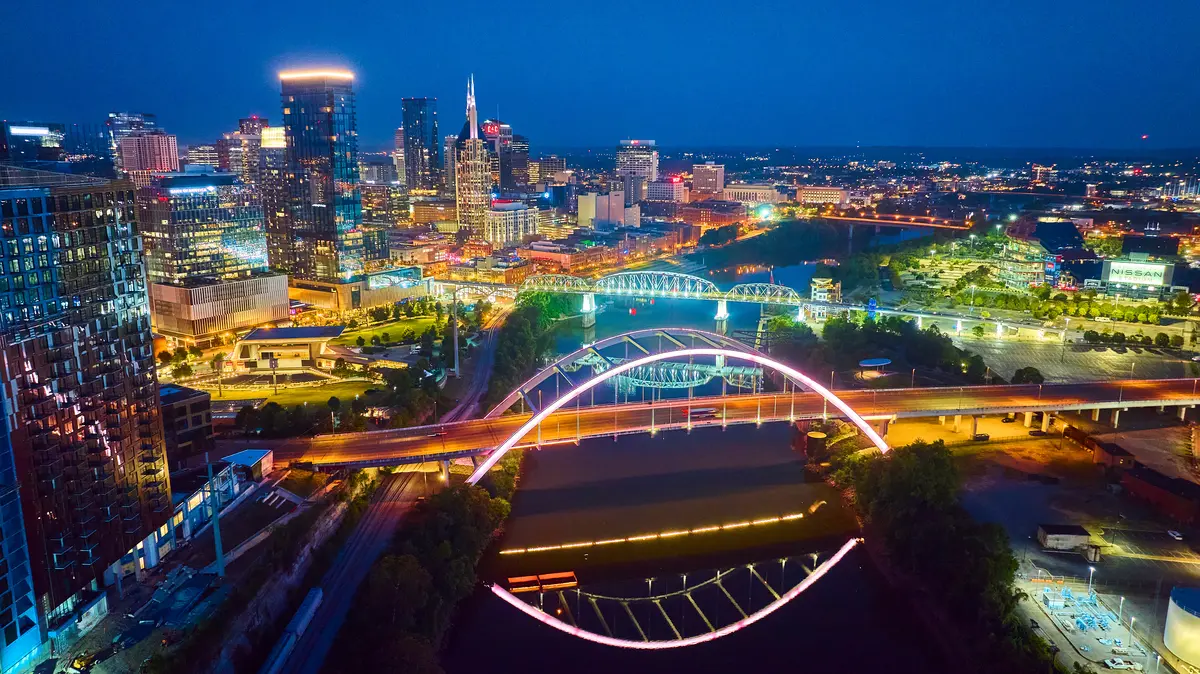
The state capital and the ring of towns north and west of it, from riverfront suburbs to farm country an hour out. 16 cities including Nashville, Clarksville, Hendersonville.
Explore all 16 Greater Nashville cities →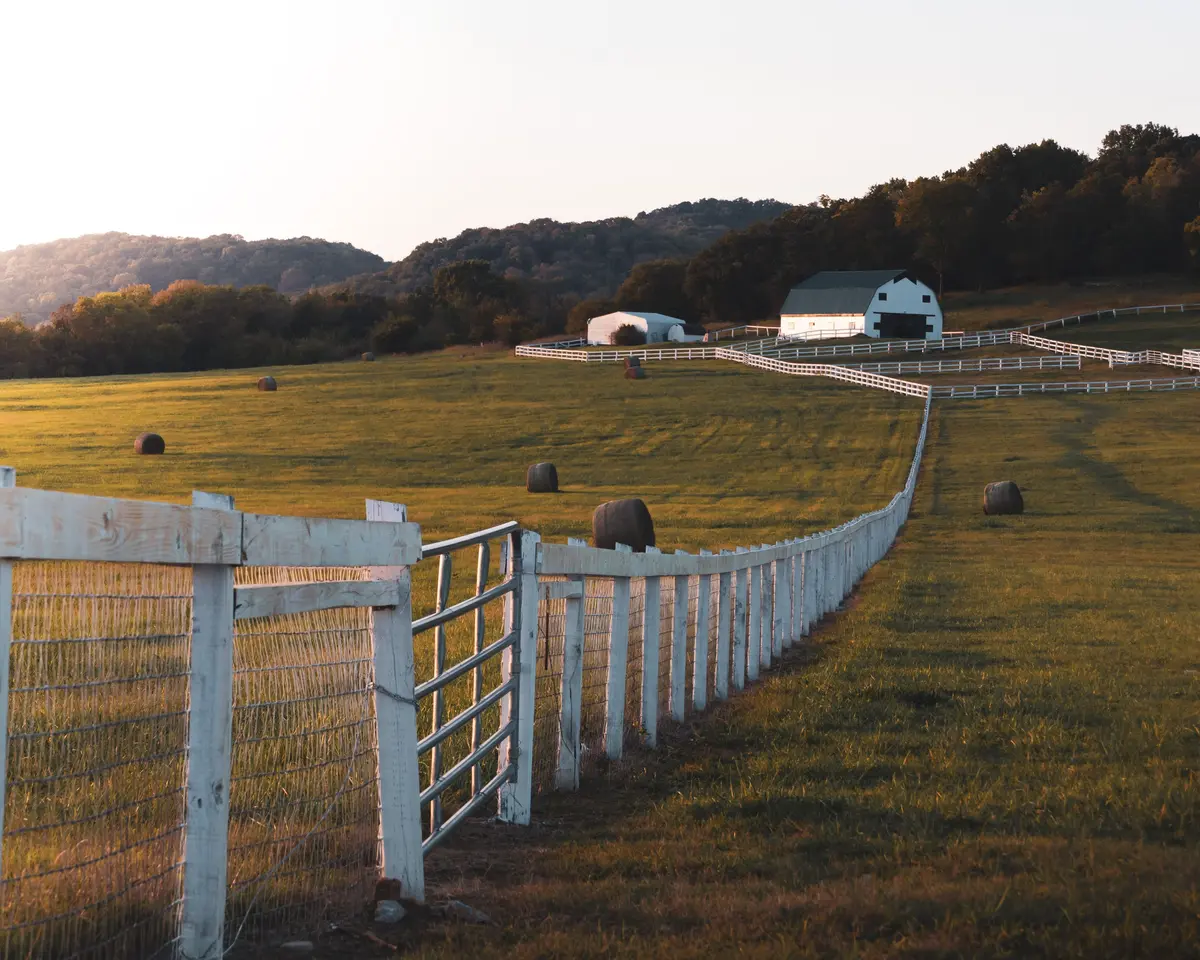
Nashville’s southern growth corridor — historic town squares, newer subdivisions, and some of the priciest addresses in the state. 11 cities including Murfreesboro, Franklin, Smyrna.
Explore all 11 Southern Suburbs cities →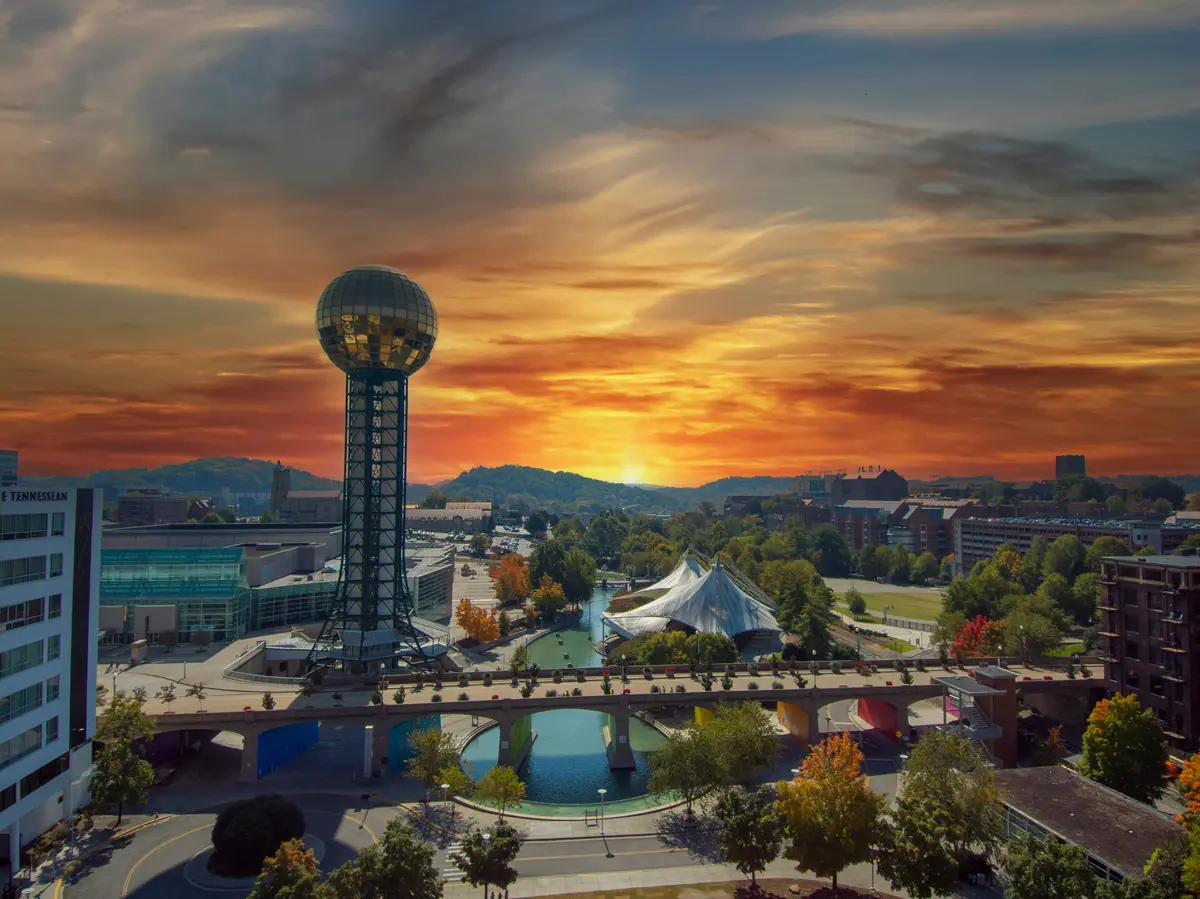
East Tennessee’s urban center, with lake towns and research-lab suburbs spread along the Tennessee River valley. 14 cities including Knoxville, Oak Ridge, Maryville.
Explore all 14 Knoxville Metro cities →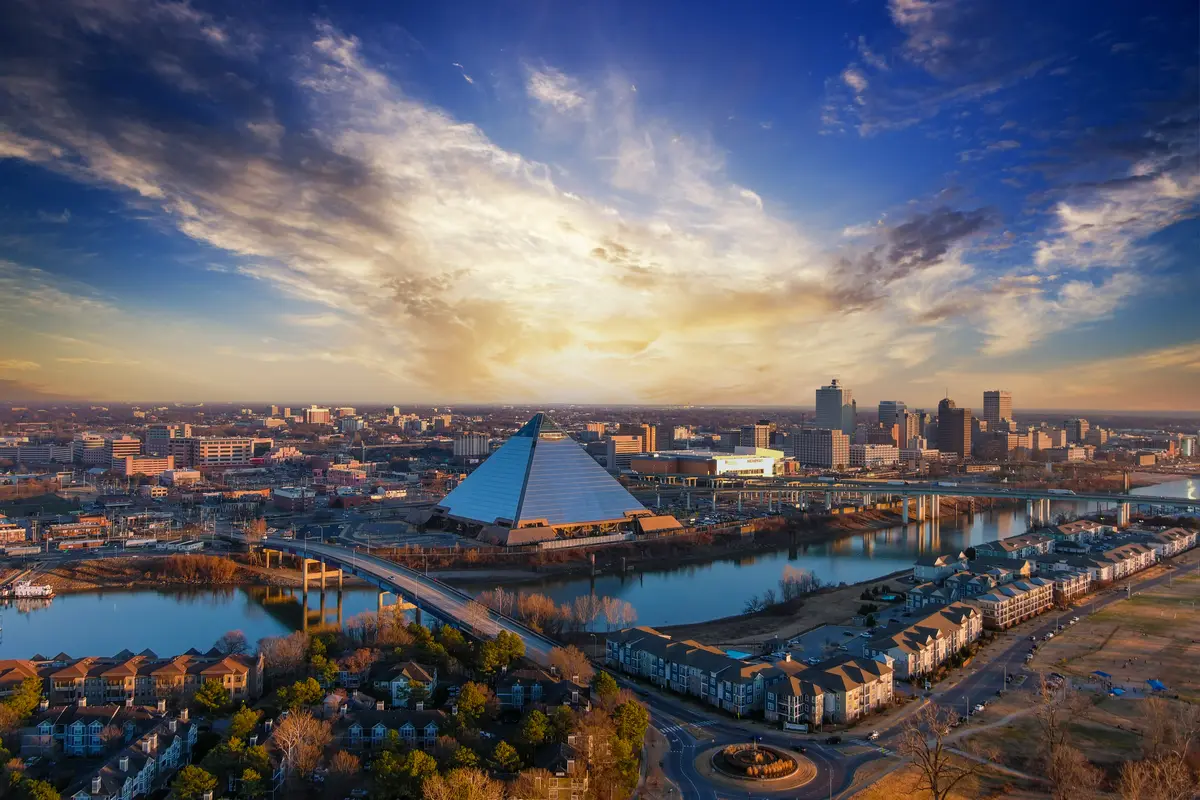
The Mississippi River city and its eastern suburbs, where the metro thins into Fayette and Tipton county farmland. 11 cities including Memphis, Bartlett, Collierville.
Explore all 11 Greater Memphis cities →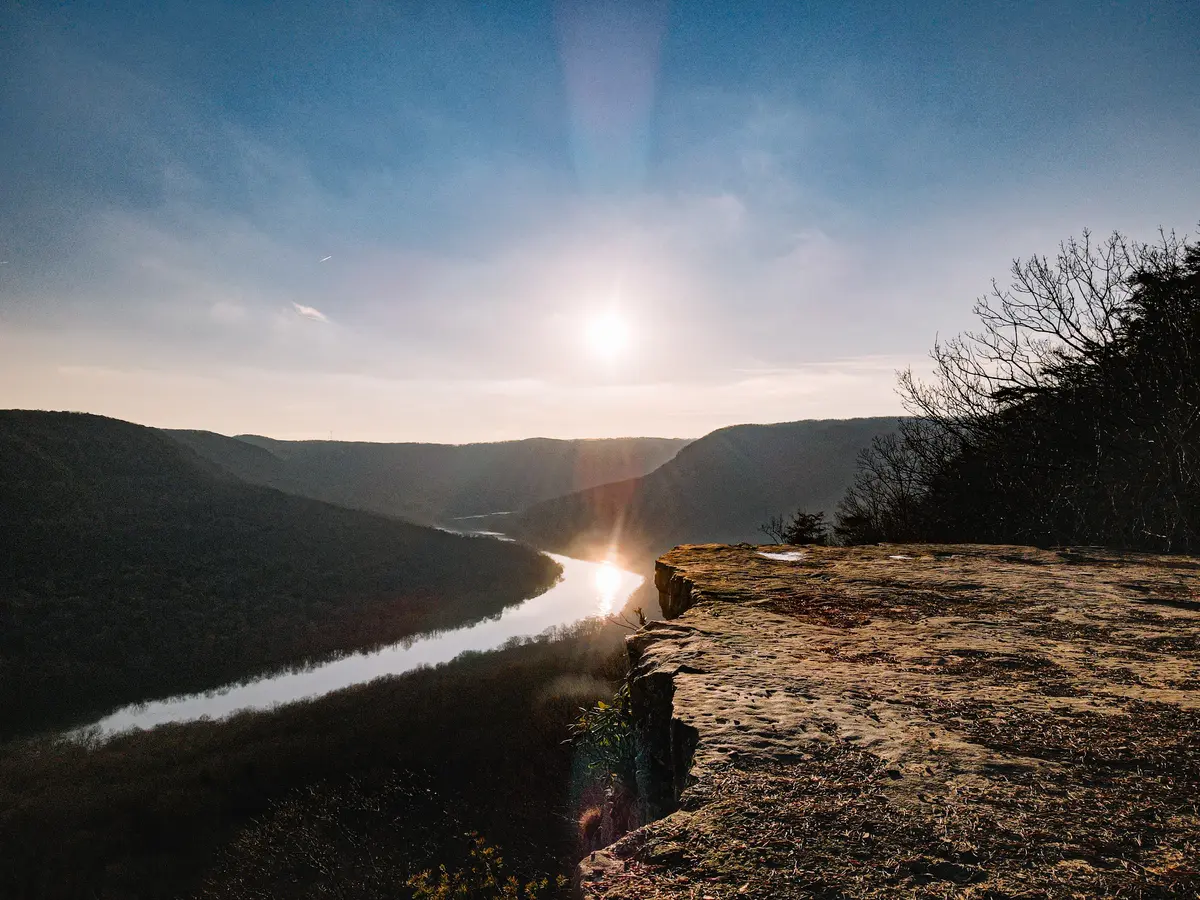
A riverfront downtown ringed by ridges and mountain towns, at the point where Tennessee meets Georgia and Alabama. 12 cities including Chattanooga, Cleveland, East Ridge.
Explore all 12 Chattanooga Area cities →
Three cities that function as one metro in the far northeast corner, surrounded by the oldest towns in the state and the high Appalachians. 8 cities including Johnson City, Kingsport, Bristol.
Explore all 8 Tri-Cities cities →
West Tennessee away from Memphis — a regional hub city, college towns, and river and lake country up against the Mississippi. 9 cities including Jackson, Dyersburg, Martin.
Explore all 9 Jackson & Northwest Tennessee cities →
The plateau and highland rim between Nashville and Knoxville — waterfalls, lakes and a university town, at the lowest prices in Middle Tennessee. 6 cities including Cookeville, McMinnville, Crossville.
Explore all 6 Upper Cumberland cities →
The gateway towns to Great Smoky Mountains National Park, and the lake country just north of them. 6 cities including Morristown, Sevierville, Seymour.
Explore all 6 Smokies & Lakeway cities →Moving to Tennessee?
Tell us what you need help with and we'll connect you with local resources.
