
What Is Living in Cleveland, Tennessee Like?
Maybe you've been priced out of a Chattanooga suburb and someone mentioned Cleveland as the smarter play. Maybe Whirlpool, Duracell, or one of the other major manufacturers brought you here on a job lead. Whatever the path, most people who research Cleveland for the first time have the same reaction: it's bigger than they expected, more industrial than it looks on a map, and considerably more affordable than anything closer to the city. Cleveland is the county seat of Bradley County, anchored by I-75 in the foothills of the Appalachian Mountains, about 35 minutes to Chattanooga on a clear run. That corridor is the spine of daily life here — it's how residents get to work, how freight moves through the region, and how the city has grown from roughly 32,000 residents in 1990 to 51,172 today, making it the 18th-largest incorporated city in Tennessee.
The economic backbone here is manufacturing, and it is not subtle about it. Whirlpool Corporation, Duracell, Olin Corporation, and Mars Chocolate North America all operate in or near Cleveland — a roster of Fortune 500 names that gives the city one of the more concentrated industrial economies in the state. Health care and retail round out the employment picture, and the presence of Lee University on the east side adds a distinct campus energy to that part of town. The Cleveland City Schools district serves 5,687 students enrolled in 2024-25 and holds a B+ rating, according to Niche — a figure that, combined with more land per dollar than Chattanooga's closer suburbs, draws a steady stream of families relocating from larger metros.
Cost of living is Cleveland's clearest selling point. The typical home price sits at $313,361 (Zillow Home Value Index, August 2026), noticeably below what buyers encounter in Ooltewah and broadly comparable to Chattanooga proper, while Athens runs lower still — the full cost of living breakdown goes deeper on taxes, rent, and groceries. The city's overall cost of living runs well below the national average, which is why so many buyers from the Atlanta and Chattanooga metro areas land here and feel like they've finally found room to breathe. The Cherokee National Forest, the Ocoee River, and the Cleveland/Bradley County Greenway mean the outdoors is not an afterthought — it is genuinely part of why people stay.
Whether you're weighing a first home, a job relocation, or a quieter pace without giving up access to a real city, the sections below break down Cleveland's neighborhoods, housing market, daily commute, school district, local favorites, and what life here actually looks like once you've signed the papers.
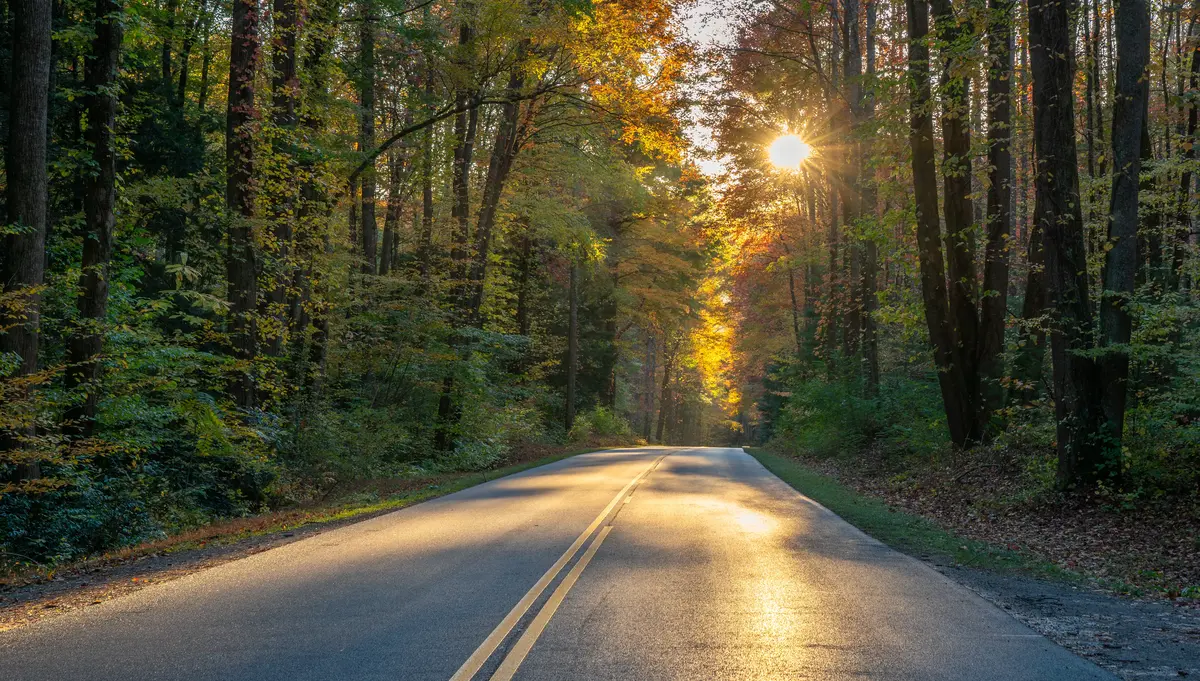
Cleveland at a Glance
Looking to buy in Cleveland? Estimate your payment.
Enter your numbers to see an estimated monthly mortgage payment.
Estimate only. Excludes HOA fees and mortgage insurance. The interest rate above is a starting point, not a quoted rate — replace it with your own to see real numbers. Insurance is a flat placeholder, not a Cleveland quote.
Beyond the Monthly Mortgage Payment — What to Factor In
- The property tax rate above — The 0.44% used in the estimate is the median effective rate — tax actually paid as a share of market value — published by Ownwell, 2026. Half of local homes pay more and half pay less: your own bill depends on that property's assessed value and any exemptions it qualifies for, which can differ a lot from its market price. Confirm with the Bradley County assessor before you budget.
- Total cost of ownership — Your monthly mortgage payment is just the baseline. Depending on the specific city, county, and service district, homeownership costs also include local utility fees, municipal surcharges, and special assessments (such as water, sewer, storm drainage, or local energy taxes) that vary by location.
- Independent due diligence — Because these recurring local costs and municipal fees change depending on the exact property address, buyers must research them independently during their transaction process.
Tax laws, local municipal fees, and utility costs change frequently and individual situations vary. This page is general information, not tax or legal advice — always consult a qualified tax professional, CPA, or local municipal offices for personalized guidance.
Why Are People Moving to Cleveland?
The honest case for Cleveland starts with the math. A median household income of $55,904 goes meaningfully further here than it would in most comparable Tennessee cities, and the industrial job base means there are real, non-remote reasons to relocate. Whirlpool's appliance manufacturing operation, Duracell's battery plant, and Olin Corporation's chemical manufacturing presence collectively represent the kind of stable, large-employer anchor that most cities this size don't have — and they've drawn a supporting ecosystem of suppliers, logistics firms, and service businesses around them.
The Manufacturing Core
Manufacturing is the dominant employment sector here, accounting for the largest share of local workers by a significant margin. That shapes the city's character: Cleveland punches above its weight economically for a city of 51,172, and wages in the electric and electronics manufacturing cluster run meaningfully above the county median. Families relocating from larger metros often find that one manufacturing income can carry a household here in a way it could not in Nashville or Knoxville.
Who Actually Moves Here
The two largest groups arriving in Cleveland are families with school-age children looking for more space than Chattanooga's closer suburbs offer, and workers brought in by one of the industrial employers or the growing distribution sector. Amazon's distribution operation in nearby Charleston draws additional residents who want a shorter commute from a less expensive base. Lee University also draws faculty, staff, and the families of students who end up staying after graduation.
The Appalachian Access Factor
A detail that surprises people after they've lived here a few months: the outdoor access is genuinely exceptional, not just regionally. The Ocoee River — which hosted the 1996 Olympic canoe and kayak slalom events — runs just east of the city. The Cherokee National Forest covers roughly 625,000 acres of accessible terrain for camping, hiking, and fishing. Red Clay State Historic Park, the last seat of the Cherokee national government before the Trail of Tears, sits just outside city limits. Buyers who come for the job and the price point often stay because of the weekends.
That combination — industrial stability, a rated school district, Appalachian access, and costs well below the national average — is what's driven Cleveland's decades-long growth. The neighborhood guide shows where different buyer types tend to land once they commit to the city.
What Daily Life Feels Like in Cleveland
Cleveland is not a city that tries to be Chattanooga. That's worth saying directly, because some buyers arrive expecting the River Walk and the aquarium vibe and find something genuinely different: a mid-sized industrial city with a real downtown, a campus neighborhood, a greenway system, and a pace that suits people who want space more than scene.
The Geographic Reality
I-75 runs through the heart of Cleveland, and like any major interstate, it creates a practical and psychological divide. The commercial corridors along the main arterials — US-11 and US-64 in particular — carry the chain retail, fast food, and big-box density you'd expect. The older residential neighborhoods closer to downtown and the Lee University area have a different texture: mature trees, smaller lots, sidewalks, and a more walkable feel by the city's own standards.
The Morning Routine
Most errands in Cleveland require a car. The exception is the downtown core and the Lee University area, where a handful of independent coffee shops and restaurants are genuinely reachable on foot. The Cleveland/Bradley County Greenway is the city's most-used daily amenity — residents log miles on it for exercise before and after work, and it connects enough of the city to function as a real commuter and recreation corridor, not just a weekend-only trail.
What Locals Notice After Six Months
The commute inside the city is short — an average of about 14 to 15 minutes one way, well below the national average. What surprises newcomers isn't the local drive; it's the freight traffic on I-75, which can stack up unpredictably during shift changes at the large manufacturing plants. Most residents learn quickly which window of the morning to avoid and which surface routes to use instead.
The school district's active TSSAA athletics programs give the city its social calendar in a real way. Friday night football fills the stands, and the community rhythm around Cleveland High School and the other district schools is one of the things families mention most when explaining why they didn't leave after the initial relocation. For a fuller picture of schools and youth activities, the schools page covers the district in detail.
The Cleveland Housing Market Right Now
Cleveland's typical home price stands at $313,361 (Zillow Home Value Index, August 2026) — a figure that buys considerably more house here than the same dollar amount in Ooltewah or in the tighter Chattanooga suburbs. It also comes with one honest caveat: the median household income of $55,904 runs below what's needed to carry the typical home at current rates, which means buyers here are often stretching, putting more down, or relying on dual incomes. That gap is worth understanding before you fall in love with a listing.
What the Money Gets You
At this price point, Cleveland delivers real square footage. Older ranch homes and split-levels in established neighborhoods go for less than the city median; newer construction on the south and east sides — closer to the growing commercial corridors — runs above it. Some areas command noticeably more than others, but the spread isn't extreme by the standards of larger Tennessee cities. The neighborhoods page describes what each part of the city actually delivers.
Rent and the Investor Market
The city-wide typical rent runs $1,400 per month (Zillow, August 2026), which keeps Cleveland accessible for renters making local wages. The effective property tax rate of 0.44% is among the lower rates in the state, which is one reason the investor and landlord market here is active — carrying costs on a rental property are comparatively modest. For a complete look at taxes, utilities, and cost comparisons, the cost of living page has the full breakdown.
Buyer Profile and Market Character
Well-priced homes in desirable parts of Cleveland move — this is not a market where listings sit for months without attention. The buyer pool skews toward young families, manufacturing and logistics workers, and people relocating from Chattanooga who want more space per dollar. First-time buyers have a real foothold here at the entry level; the first-time homebuyer page covers what the process looks like locally.
Cleveland Neighborhoods
Cleveland has several distinct areas — each with its own character and appeal. Here’s a breakdown to help you narrow down where to focus your home search.
🏡 North Cleveland
North Cleveland mixes established residential streets with easy access to US-11 and the city's commercial corridors, drawing working families and long-term residents who value proximity to the industrial employment base. The housing stock runs toward older ranch-style and split-level homes on larger lots.
🏠 South Cleveland
South Cleveland has seen consistent growth as newer construction and expanding retail have followed the US-64 and TN-312 corridors southward, making it a landing spot for families and buyers who want newer housing stock within the city. The feel is more suburban and car-dependent than older parts of town.
🌳 East Cleveland
East Cleveland's proximity to the Lee University campus gives it a more active, mixed-age character than other residential quadrants, with a blend of student housing, faculty homes, and established family neighborhoods. The area sits closest to the Ocoee River corridor and the routes toward the Cherokee National Forest.
🏘 Downtown Cleveland / Ocoee Street Historic District
The Ocoee Street Historic District is the most walkable part of the city — a stretch of restored commercial buildings, independent coffee shops, and the Museum Center at 5ive Points that gives downtown Cleveland its identity. Buyers here are typically drawn by character and proximity to the city's cultural anchors rather than lot size.
🏔 Burlington Heights
Burlington Heights is a mid-city residential neighborhood with a settled, established feel — larger lots, mature landscaping, and a mix of owner-occupied homes that have been in the same families for decades alongside properties turning over to younger buyers. It sits within a practical commute of most major employers.
🌆 Lee University Area
The neighborhood surrounding Lee University blends campus-adjacent apartments and student rentals with owner-occupied homes belonging to faculty, staff, and families who value the walkable, tree-lined streets in this part of the city. It has a different energy from the industrial and commercial corridors — quieter, more pedestrian-scaled, and with a built-in community anchor in the university itself.
Pros & Cons of Living in Cleveland
The Pros
- Home prices well below the national median
- Low property tax burden relative to national averages
- Strong manufacturing job base with major national employers
- Small-town feel with a private university (Lee University) anchoring downtown
The Cons
- Crime rates for both violent and property crime run higher than state and national averages
- Hot, humid summers with frequent thunderstorms
- Limited public transit means most residents need a car for commuting
Getting Around & Commuting in Cleveland
Cleveland is a car city. About 89% of workers drive to work, and the road network — I-75 running north-south through the city, US-64 carrying east-west traffic, and US-11 threading through older commercial corridors — handles the bulk of daily movement. The average one-way commute clocks in around 14 to 15 minutes for trips within the city, which is one of the genuinely low-stress aspects of daily life here.
The Chattanooga Connection
The most important commute number for anyone evaluating Cleveland is the drive south: about 35 minutes to Chattanooga under normal conditions on I-75. That puts a significant chunk of Hamilton County's job market, medical facilities, and amenities within reasonable reach on a weekday. Some residents make that run daily; others have moved work remote and treat Chattanooga as a once-a-week destination for appointments and evening plans.
Industrial Traffic Is the Wildcard
The freight and shift-change traffic generated by Whirlpool, Duracell, and the other large manufacturers creates periodic congestion that doesn't show up in the average-commute statistic. Newcomers often don't anticipate it. The plants run multiple shifts, and the overlap windows — particularly in the late afternoon — can push surface-street times up meaningfully if you're crossing the I-75 corridor at the wrong moment. Learning the local timing is the single most practical piece of advice for anyone commuting from the north or east side of the city.
Highways and Surface Routes
Beyond I-75, US-64 and its eastern extension carry most of the east-west load, connecting Cleveland toward the Ocoee River corridor and the national forest. TN-60 and TN-312 handle significant local traffic on the city's developing edges. US-74 provides an additional route for residents on the south side. Most daily errands and appointments require a car — that is simply the shape of the city.
Airport Access
Chattanooga Metropolitan Airport (CHA) sits about 25 miles from Cleveland — close enough that most residents use it as their default departure point. The drive is straightforward on I-75, and the airport's size means parking is rarely the ordeal it is at a larger hub. For longer international itineraries, residents typically connect through Atlanta.
Schools in Cleveland
Families relocating to Cleveland have public, private, and higher-education options nearby. Here’s a quick overview.
🎓 School District
Cleveland serves K–12 students across Cleveland and the surrounding area. Rated B+ (source: Niche.com).
📊 District Stats
- Enrollment 2024-25
- 5,687 students
- 4-year graduation rate
- 92.5%
- Math proficiency 2025-26
- 31.3%
- Reading proficiency 2025-26
- 33.9%
- Science proficiency 2025-26
- 36.3%
Source: Tennessee Department of Education Data Downloads (district profile, graduation rate and TCAP assessment files).
📚 Higher Education
Tennessee’s public universities — the University of Tennessee, Vanderbilt University, and Middle Tennessee State University — offer four-year degrees statewide, with a statewide community and technical college system of 13 community colleges and 24 colleges of applied technology, with tuition-free options for residents through Tennessee Promise and Tennessee Reconnect providing two-year and workforce programs.
🌐 Online Learning
UT Knoxville Online and MTSU Online offer fully accredited online degrees for remote learners across the state.
Safety in Cleveland
A quick look at how Cleveland compares on the numbers that matter most when weighing a neighborhood or a move.
🛡 Violent Crime
Approximately 4 per 1,000 residents.
🔒 Property Crime
Approximately 23 per 1,000 residents.
Compared to the most recent national figures from the Bureau of Justice Statistics (2024), Cleveland’s violent crime is above the national average (about 3.7 per 1,000), and property crime is above the national average (about 18.4 per 1,000).
Against Tennessee as a whole, Cleveland’s violent crime is roughly two-thirds of the state average, and property crime is about the same as the state average (Bureau of Justice Statistics, Crime Known to Law Enforcement, 2024 (tables 2 and 3)).
Crime rates can vary a lot within a single city, so the citywide numbers above are only a starting point. Some neighborhoods in Cleveland run well below these averages, while others run higher — the kind of block-by-block detail that matters most when you’re actually choosing where to live. The full guide below breaks it down neighborhood by neighborhood.
Working in Cleveland
Cleveland’s largest employers span several industries — here are some of the anchors of the local job market.
🏭 Whirlpool Corporation
Appliance manufacturing
🏭 Duracell
Battery manufacturing
🏭 Olin Corporation
Chemical manufacturing
💼 Amazon
Distribution/e-commerce, located in Charleston
🛒 Mars Chocolate North America
Food manufacturing
Parks & Recreation in Cleveland
Some of the outdoor spaces that shape everyday life in Cleveland.
🌱 Fletcher Park
Cleveland residents don’t have to go far for green space — spots like Fletcher Park are part of everyday life here, whether that’s a morning walk, a weekend hike, or just somewhere to unwind outside. The full guide below covers more of what Cleveland has to offer for parks and outdoor recreation.

Retiring in Cleveland
Cleveland draws retirees for its balance of amenities, outdoor access, and cost. Here’s what to weigh.
🌤 Climate
Cleveland sits in the Appalachian foothills and gets 209 sunny days a year — reasonable for the region, though summers are genuinely hot and humid, with temperatures regularly reaching the upper 80s and 90s. Winters are mild compared to the northern United States, with occasional ice and snow events but rarely extended cold. Fall is the season that wins people over, with the surrounding ridgelines delivering color that rivals any market in the Southeast.
🍴 Lifestyle
Daily life for retirees in Cleveland is quiet without being remote. The greenway, Fletcher Park, and the proximity to Red Clay State Historic Park and the Cherokee National Forest give active retirees substantial outdoor options. The Museum Center at 5ive Points and the Ocoee Street Historic District provide cultural anchors downtown, and the local dining and coffee scene — from City Cafe Diner to Ocoee Coffee Company — gives everyday life texture. Chattanooga's broader cultural and medical offerings are about 35 minutes away.
🏚 55+ Communities
No 55+ communities were found in Cleveland. Retirees who move here typically buy into established single-family neighborhoods or downsize within the existing housing stock. The retiring page covers the full picture for older buyers considering Cleveland.
✈ Getting Around
A car is the practical baseline in Cleveland — most errands and appointments require one. The internal commute is short, averaging around 14 to 15 minutes, and the road network is not particularly congested outside of freight and shift-change windows. The nearest major airport is Chattanooga Metropolitan Airport (CHA), about 25 miles away on I-75 — close enough to be the default for most residents.
🏛 Tennessee Taxes for Retirees — What to Know
- No state income tax — Tennessee has no personal income tax. Social Security, pensions, 401(k) and IRA withdrawals and annuity payments are all untaxed at the state level, with no state return to file. The Hall tax on interest and dividends — the state’s last income-type tax — was fully phased out and repealed effective 2021.
- Sales tax is the tradeoff — The state sales tax is 7.0%, and local add-ons bring the combined rate in Cleveland to 9.75% (Tennessee Department of Revenue (SUT-13, SUT-53); Streamlined Sales Tax rate boundary file TNR2026Q3, Q3 2026). Groceries are taxed at a reduced state rate of 4% plus the local rate; prescription drugs are exempt. Prepared food, candy, dietary supplements and alcohol pay the full rate.
- Property taxes are low, not the tradeoff — Property tax in Tennessee is set county by county, and rates are low by national standards. Unlike Texas, which funds local government through high property taxes in place of an income tax, Tennessee leans on its sales tax instead — so a retiree is not trading one bill for another. Your county trustee publishes the current rate.
- Tax relief for owners 65 and over — The state reimburses part of the property tax bill for low-income homeowners who are 65 or older, and for disabled homeowners of any age, through the Property Tax Relief program administered by county trustees. It is income-tested and must be applied for each year.
- A tax freeze — but only where the county or city adopted it — Tennessee also allows a Property Tax Freeze that locks a homeowner’s bill at the amount owed in the year they qualify, for owners 65 and over under an income limit. It is a local option: each county and city chooses whether to offer it, and sets its own income threshold, so it is available in some parts of the state and not others. Check with the county trustee.
- No estate, inheritance or gift tax — Tennessee has none of the three. The inheritance tax was repealed for deaths occurring in 2016 and after, and the gift tax was repealed effective January 1, 2012.
- No separate capital gains tax — Because Tennessee has no state income tax, capital gains — including on investments and on the sale of a home — are not taxed at the state level at all, unlike states such as Washington that tax capital gains separately from income.
Source: Tennessee Department of Revenue and Tennessee Comptroller of the Treasury.
Tax laws change frequently and individual situations vary. This is general information, not tax advice — always consult a qualified Tennessee tax professional or CPA for personalized retirement tax planning.
Weekends & Local Favorites in Cleveland
Cleveland's weekends split cleanly into two modes: the outdoor half and the in-town half. Most longtime residents use both, and the ratio shifts by season — fall in particular, when the Appalachian ridgelines light up and the Ocoee River corridor is at its best, tips heavily toward the outdoors.
The Outdoor Half
The Cleveland/Bradley County Greenway is the city's most-used recreation corridor — paved, well-maintained, and genuinely woven into the fabric of the city rather than dropped at its edge. Fletcher Park anchors another slice of in-city outdoor life, with a small lake, playgrounds, pavilion space, and trails that welcome dogs. Apple Valley Orchards draws residents during the harvest season for pick-your-own fruit and the kind of outing that becomes an annual habit. Blythe-Oldfield Park offers additional green space that younger families tend to discover early. When residents want more serious terrain, the Cherokee National Forest and the Ocoee River — site of the 1996 Olympic canoe and kayak slalom events — are a short drive east.
History and Culture
The Museum Center at 5ive Points is a Smithsonian Affiliate institution in downtown Cleveland — not a local curiosity, but a real museum with a permanent exhibit called "The River of Time" that traces the Ocoee Region's history from prehistoric Native American settlement through modern times, plus five to six rotating exhibitions per year. Outside stands the Cherokee Chieftain wood carving, part of the national Trail of Whispering Giants series. Red Clay State Historic Park, just outside city limits, was the last seat of the Cherokee national government before the Trail of Tears and offers hiking, 19th-century Cherokee structure replicas, and picnic areas that locals treat as a reliable half-day destination.
Coffee, Dining, and the Local Scene
The in-town coffee scene is stronger than the city's size might suggest. LASATERS Coffee & Tea, Ocoee Coffee Company, Lola Beans Coffee, BonLife Coffee Roasters, and First Bloom Coffee and Bakery all have regulars who treat them as a weekly anchor — and several of them feel like genuine neighborhood institutions rather than just caffeine stops. On the food side, City Cafe Diner is the kind of place that has been feeding people before early shifts for long enough that the menu is almost beside the point. Aubrey's Cleveland TN covers the sit-down end of the spectrum for families and after-work crowds. Old Fort, Big Tom's Backyard Grill & Bar, and The Juicy Seafood round out a local dining scene that is more varied than Cleveland often gets credit for.
Farmers Markets and Local Provisions
The Bradley County Farmers Market on Peerless Road and Bennett Acres Farmstand give residents a reliable source for local produce and farm goods through the growing season. These markets have built a consistent following among families who moved here from larger cities and wanted to hold onto a Saturday-morning market habit — and Cleveland delivers on that in a way that surprises people who assumed a smaller industrial city wouldn't.
Local favorites in Cleveland
Restaurants
- City Cafe Diner
- Aubrey's Cleveland TN
- Old Fort
- Big Tom’s Backyard Grill & Bar
- The Juicy Seafood
Outdoors
- Cleveland/Bradley County Greenway
- Fletcher Park
- Blythe-Oldfield Park
- Apple Valley Orchards
- Red Clay State Historic Park (nearby)
Coffee
- LASATERS Coffee & Tea
- Ocoee Coffee Company
- Lola Beans Coffee - Cleveland
- BonLife Coffee Roasters
- First Bloom Coffee and Bakery
Farmers Markets
- Bennett acres Farmstand
- Bradley County Farmers Market - Peerless Road
Top Things Locals Say About Cleveland
The best intel about a city comes from the people who actually live there. Here’s what Cleveland residents say when newcomers ask the questions everyone’s thinking.
“I knew the commute to Chattanooga was 35 minutes on paper, but what I didn't expect was how rarely I actually need to make it. Everything I need day-to-day is in Cleveland — the greenway, the coffee shops, the grocery runs — and I only head south when I want to, not because I have to.”
— Recent Cleveland home buyer
“What's the most surprising thing about living in Cleveland?”
How much outdoor access you have without leaving Bradley County. People move here for the price point and the job, and then they discover the Ocoee River corridor is 20 minutes away and the greenway runs through the middle of the city. The outdoors isn't a weekend road trip — it's genuinely integrated into the routine.
“What do locals love most about Cleveland?”
The pace and the space. Houses here come with yards. The commute inside the city is short enough that you're not losing an hour of your day in traffic. And the cost of living means you can actually afford to do the things you moved here to do — a boat for the lake, a bigger house, a neighborhood where the kids can be outside. Chattanooga is close enough to use but far enough that it doesn't price you out.
“What should newcomers to Cleveland know?”
Learn the I-75 freight and shift-change patterns before you commit to a commute route. The large manufacturing plants run multiple shifts, and the overlap windows — particularly mid-to-late afternoon — can push surface-street times up in ways that don't show in average commute statistics. Most longtime residents have a go-to surface route for those windows. Also: downtown Cleveland and the Lee University area feel quite different from the commercial corridors on US-64 and US-11 — see both before you decide where to rent or buy.
“How much do you need a car in Cleveland?”
A car is essential for most of daily life here. About 89% of workers drive to work, and nearly all routine errands — groceries, appointments, the big-box corridors — require one. The exception is a narrow slice of the downtown core and the Lee University neighborhood, where a handful of coffee shops and restaurants are genuinely reachable on foot. The greenway is the most practical car-free option in the city, but it's a recreation and commuter trail, not a substitute for a vehicle.
Cities Near Cleveland
Other communities near Cleveland worth a look — each with its own character and price point.
| City | Distance | Best For | Vibe | Median Rent | Median Buy |
|---|---|---|---|---|---|
| Chattanooga | 30 mi | urban amenities & career mobility | riverfront, cultural, walkable core | $1,513 | $319,185 |
| Athens | 20 mi | entry-level buyers & small-town feel | quiet, affordable, slower pace | $1,097 | $262,695 |
| Ooltewah | 20 mi | new construction & top-rated schools | suburban, fast-growing, family-oriented | $1,500 | $400,000 |
More Helpful Guides for Cleveland
Going deeper on Cleveland? Our blog series covers everything from first-time buying to retiring here — explore the guides below.
Local Expert Takeaway: Cleveland is where the Chattanooga metro's affordability actually lives. The $313,361 typical home price (August 2026), a 14-to-15-minute average internal commute, and a manufacturing job base anchored by Whirlpool and Duracell make the case on paper — but what keeps people is the weekend access: the Ocoee River, the Cherokee National Forest, the greenway, and a local coffee and dining scene centered on places like LASATERS, Ocoee Coffee Company, and City Cafe Diner that feel rooted rather than generic. The catch is honest: the median household income doesn't quite carry the typical home at current rates, freight traffic on I-75 can be unpredictable during shift changes, and anyone wanting the riverfront energy of downtown Chattanooga will need to drive about 35 minutes to get it. For buyers who do the math and like what they see, Cleveland tends to stick.
Quick Takeaways & FAQs
✅ A typical home price of $313,361 (August 2026) delivers real square footage in a city with a stable, Fortune-500-anchored manufacturing economy.
⚠️ The median household income runs below what's needed to carry the typical home at current rates — dual incomes or a meaningful down payment are often part of the math here.
📍 The Ocoee River hosted the 1996 Olympic canoe and kayak slalom events and remains one of the most accessible whitewater corridors in the eastern U.S., a short drive from downtown Cleveland.
Is Cleveland, TN a good place to live for families?
How far is Cleveland, TN from Chattanooga?
What are the biggest employers in Cleveland, TN?
What is the typical home price in Cleveland, TN?
What outdoor activities are available near Cleveland, TN?
Helpful Links for Moving to Cleveland
Moving to Tennessee?
Tell us what you need help with and we'll connect you with local resources.
