
Chattanooga made history in April 2025 when it became the first city in North America to receive National Park City designation from the National Park City Foundation — joining London, Adelaide, and Breda as the only four cities worldwide to hold that title. That designation is not a marketing badge. It reflects something residents already lived: a 194,144-person city where a 16-mile riverfront greenway, a 2,000-foot mountain, and over 80 parks sit inside or immediately adjacent to city limits. The Tennessee River does not just run past Chattanooga — it organizes it, and the outdoor infrastructure built around it is genuinely what draws people here.
The economic backbone here includes Volkswagen Chattanooga, BlueCross BlueShield of Tennessee, and Unum Group, anchoring a city that has attracted a younger, outdoors-oriented professional class alongside families with school-age children enrolled in the Hamilton County school system. The parks system reflects that mix: Outdoor Chattanooga, the city's own municipal recreation program, offers everything from guided kayak clinics to adaptive recreation programs, specifically designed to make the river and the mountain accessible to people who've never paddled or hiked before. That is not a typical feature of a mid-sized Southern city.
Cost of living here is genuinely competitive with comparable metros. For a full breakdown of what homes cost and how that compares to nearby markets, see the cost-of-living page. Day-to-day, residents get 207 sunny days a year — enough to use the trails and river access most months — and mild winters that rarely shut down outdoor activity for long. The catch is humidity in July and August, and a tourist season on Lookout Mountain that can make the marquee spots feel crowded on weekends. Locals learn to go early or on weekdays.
Whether you're comparing neighborhoods, weighing the commute, or simply figuring out what weekends here actually look like, the sections below cover Chattanooga's signature parks, its trail and river network, the Lookout Mountain experience, and the recreation programs that fill in the rest of the picture.
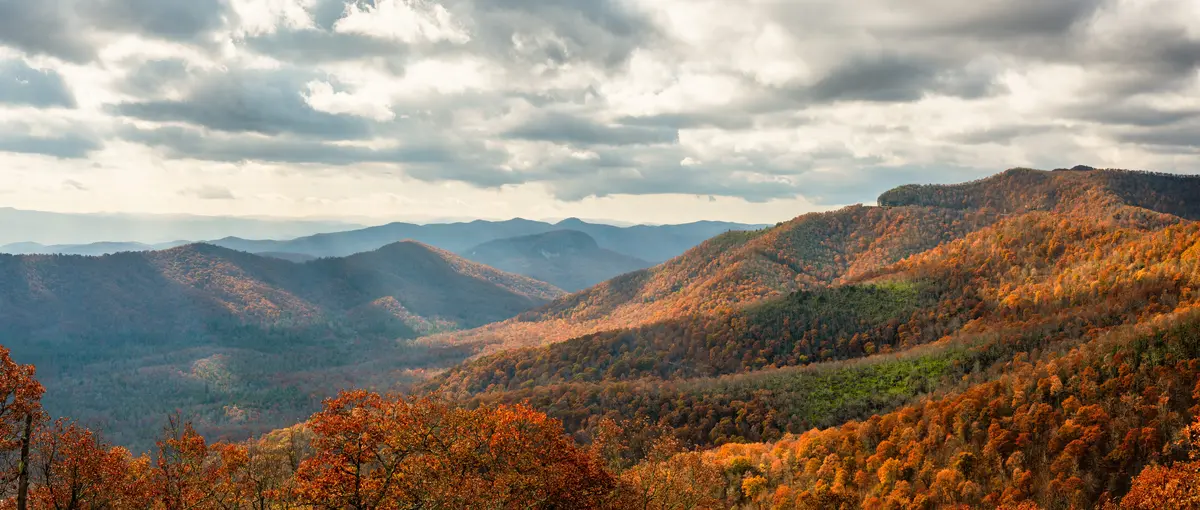
Signature Parks: The Riverfront Anchors
Two parks define Chattanooga's riverfront identity, and together they handle most of what a city asks of its public green space — gathering, play, spectator events, and easy water access.
Coolidge Park
Coolidge Park sits on the North Shore of the Tennessee River and earns its designation as one of the city's signature parks in a way that is hard to miss. The centerpiece is a restored 1894 Dentzel carousel — 52 hand-carved animals, gold-leaf finish, a calliope band organ — drawing families from across the region on warm weekends. It is the kind of thing you mention to people from out of town and they assume you're exaggerating.
The park connects directly to downtown via the Walnut Street Walking Bridge, one of the longest pedestrian bridges in the world, and offers direct river access for kayaking and paddleboarding. Families with younger children gravitate to the splash pad, surrounded by hand-carved stone animal sculptures, which runs through the warm months. On a Saturday in May, this is where Chattanooga shows up.
Ross's Landing
On the south bank, near the Tennessee Aquarium, Ross's Landing handles the city's bigger civic moments. It features a natural amphitheater, a river pier, Chattanooga Green, a marina, and an accessible playground, all with direct walkway connections to the Tennessee Riverwalk. This is where festivals land, where the river pier draws people on weekday evenings, and where the scale of the waterfront becomes obvious to first-time visitors.
Erlanger Park
The newest anchor on the riverfront is Erlanger Park, the Chattanooga Lookouts' downtown ballpark that opened in April 2026. The $115 million, 8,032-capacity stadium drew record crowds during its opening weekend. For residents, it adds a genuine seasonal draw to a riverfront that was already well-used — minor league baseball at a brand-new stadium steps from the water is a better Friday night than most mid-sized cities can offer.
| Park | Location | Best For | Signature Feature |
|---|---|---|---|
| Coolidge Park | North Shore | Families Walkable | 1894 Dentzel carousel, river access |
| Ross's Landing | Downtown / South Shore | Families Transit | Amphitheater, marina, Riverwalk access |
| Erlanger Park | Downtown Riverfront | Families Views | Minor league ballpark, opened April 2026 |
| Reflection Riding Arboretum | Lookout Mountain edge | Nature Families | Red wolf program, native plant restoration |
| South Chickamauga Creek Greenway | East corridors | Nature Commuter | ~9-mile connector trail, wetland habitat |
| Urban Ecology Preserve | South Chickamauga Creek | Nature Quiet | 27-acre preserve created 2024 |
The Parks and Outdoors department manages over 80 neighborhood parks and athletic facilities city-wide, backed by a Parks and Outdoors Plan adopted unanimously in 2023.
The Trail and River Network
The Tennessee Riverwalk is the structural backbone of Chattanooga's outdoor life. Approximately 16 miles of paved, multi-use path run along the southern bank of the Tennessee River — open to pedestrians, cyclists, and inline skaters — connecting the downtown riverfront all the way to Chickamauga Dam to the northeast and threading past St. Elmo to the south. It passes river overlooks, wetlands, industrial heritage areas, and playgrounds along the way.
What makes the Riverwalk more useful than it looks on a map: connector paths extend the network significantly. The South Chickamauga Creek Greenway adds roughly 9 miles of additional trail, and the planned buildout brings the full network to approximately 22 miles once complete. That means a resident who wants a genuine half-day trail ride without loading a car can find one inside city limits — which is not something you can say about most comparably-sized Tennessee cities.
Water Access
The river is not just scenery. Coolidge Park and Ross's Landing both provide direct river access for kayaking and paddleboarding, and Outdoor Chattanooga — the city's own municipal recreation program — runs kayaking and paddleboarding clinics, guided hikes, bouldering sessions, wildflower walks, and adaptive recreation programs. The municipal program is specifically built to bring in people who are new to outdoor recreation, not just to serve experienced paddlers.
One honest note: the Tennessee Riverwalk's paved surface makes it fast and accessible, but it is not a wilderness experience. On warm-weather weekends, the downtown stretches near Coolidge Park and Ross's Landing get genuinely crowded. Cyclists and pedestrians share the same path, and the bottlenecks near the Walnut Street Bridge area are real. Residents who want a quieter experience on the river tend to use the northeastern segments toward Chickamauga Dam, where trail traffic thins out considerably.
Ecology and Conservation Trails
The Reflection Riding Arboretum & Nature Center sits at the foot of Lookout Mountain and operates as more than a walking trail — it is an active conservation site, working with red wolves and native plant restoration as part of Chattanooga's National Park City initiative. In 2024, the city also created a 27-acre Urban Ecology Preserve along South Chickamauga Creek specifically to protect critical habitat. These are not decorative green spaces; they carry real ecological function, and that shapes the experience of using them.
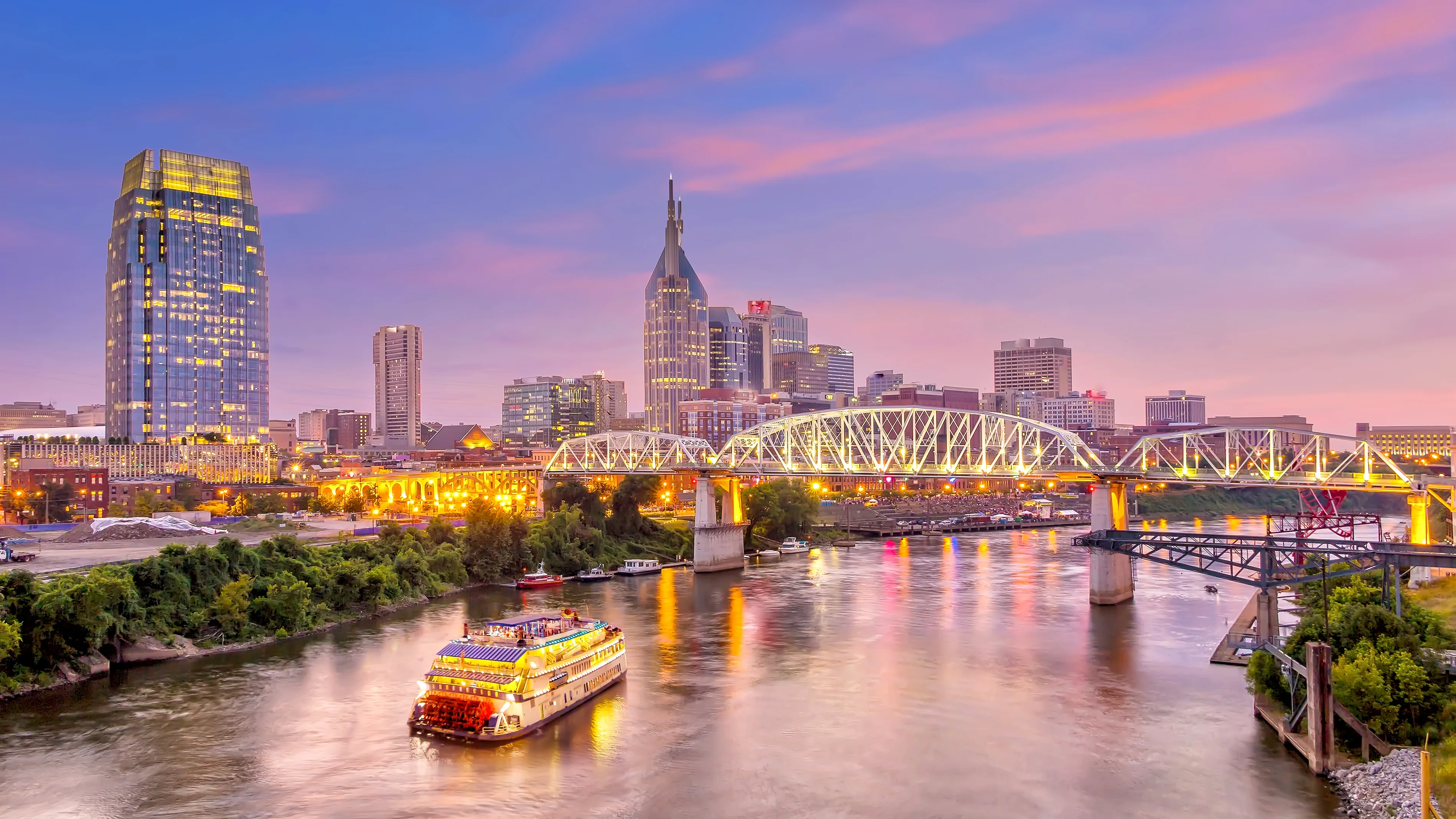
Lookout Mountain: The Marquee Outdoor Experience
Lookout Mountain rises 2,000 feet above sea level on the edge of the city and concentrates more outdoor draw in one ridge than most cities can claim across their entire footprint. Three distinct experiences sit on or near the summit, and they appeal to very different visitors — which is part of what makes the mountain genuinely useful rather than a single-day novelty.
Rock City
Rock City is the most immediately dramatic: soaring sandstone rock formations, the Swing-A-Long Bridge, and panoramic views from Lover's Leap where, on a clear day, you can reportedly see seven states. The scale of the formations is something photographs do not capture well. This is the experience most people from outside the region know first, and it holds up on repeat visits in different seasons — the formations look different under autumn foliage than under summer green.
Ruby Falls
Ruby Falls is the underground counterpart. Discovered in 1928 by Leo Lambert and opened to the public in 1929, it claims the title of the tallest and deepest underground waterfall accessible to the public in the United States. You descend 260 feet by glass-front elevator to reach it. The site has added layers over the years: the High Point Zip Adventure features roughly 700 feet of ziplines and a 40-foot climbing wall, Treetop Hideaways offers luxury treehouse lodging on the property, and the historic Ruby Falls Castle — on the National Register of Historic Places — anchors the entrance area.
Chickamauga & Chattanooga National Military Park
Point Park, the Chickamauga & Chattanooga National Military Park's Lookout Mountain unit, sits at the summit and offers a quieter, less commercially-oriented experience than Rock City or Ruby Falls. It is the choice for residents who want the elevation and the views without the weekend crowds that gather at the commercial attractions.
The practical reality of living near the mountain: tourist traffic on Lookout Mountain is real, especially on fall weekends when leaf-peepers stack up alongside regular visitors. Residents who work or live on the mountain's flanks — in St. Elmo or Lookout Valley — absorb this seasonally. It is not a dealbreaker, but it changes the feel of a Saturday in October in ways newcomers don't always anticipate. For the full picture on those neighborhoods, see the best neighborhoods page.
| Attraction | Type | Best For | Standout Detail |
|---|---|---|---|
| Rock City | Above-ground geological | Families Views | Panoramic views from Lover's Leap |
| Ruby Falls | Underground waterfall / adventure | Families Nature | Tallest publicly accessible underground falls in the U.S. |
| Raccoon Mountain Caverns | Cavern tours / camping | Nature Quiet | Wild cave tours available |
| Point Park / Military Park | Historic / scenic | Quiet Views | Summit views without commercial traffic |
| Reflection Riding Arboretum | Conservation / walking | Nature Families | Red wolf program, native plants |
| High Point Zip Adventure | Aerial adventure | Nature Views | ~700 ft ziplines, 40-ft climbing wall at Ruby Falls |
Looking to buy in Chattanooga? Estimate your payment.
Enter your numbers to see an estimated monthly mortgage payment.
Estimate only. Excludes HOA fees and mortgage insurance. The interest rate above is a starting point, not a quoted rate — replace it with your own to see real numbers. Insurance is a flat placeholder, not a Chattanooga quote.
Beyond the Monthly Mortgage Payment — What to Factor In
- The property tax rate above — The 0.56% used in the estimate is the median effective rate — tax actually paid as a share of market value — published by Ownwell, 2026. Half of local homes pay more and half pay less: your own bill depends on that property's assessed value and any exemptions it qualifies for, which can differ a lot from its market price. Confirm with the Hamilton County assessor before you budget.
- Total cost of ownership — Your monthly mortgage payment is just the baseline. Depending on the specific city, county, and service district, homeownership costs also include local utility fees, municipal surcharges, and special assessments (such as water, sewer, storm drainage, or local energy taxes) that vary by location.
- Independent due diligence — Because these recurring local costs and municipal fees change depending on the exact property address, buyers must research them independently during their transaction process.
Tax laws, local municipal fees, and utility costs change frequently and individual situations vary. This page is general information, not tax or legal advice — always consult a qualified tax professional, CPA, or local municipal offices for personalized guidance.
Seasonal Recreation and Weekends & Local Favorites
Chattanooga's outdoor calendar is genuinely four-season, though two of those seasons are better than the other two. Spring and fall are when the city is at its best outdoors — mild temperatures, low humidity, and a mountain that turns vivid color in October. Summer is usable but humid, and July and August push most serious trail users toward early-morning starts or river-based activity where the water temperature provides some relief.
What the Seasons Actually Look Like
Spring brings wildflower season to the Reflection Riding Arboretum and the trail corridors, and Outdoor Chattanooga runs guided wildflower walks during this window. Fall brings the heaviest tourist volume to Lookout Mountain and Rock City specifically — if you move here from a quieter market, the weekend traffic toward the mountain in October can genuinely surprise you. Winter is mild enough that the Riverwalk stays usable most days; hard freezes are relatively rare, and the trail rarely loses more than a few weeks of full usability in a typical year.
Programs Worth Knowing
Outdoor Chattanooga is the part of the parks system that most newcomers discover last and appreciate most. The city's own municipal outdoor recreation program runs kayaking, paddleboarding, bouldering, guided hikes, and adaptive recreation — designed specifically for people without gear or experience. For families with school-age children, this is a practical way to try river activities without buying equipment. Youth programs and adult programming both run through the city's 19 community centers; a 2025 Comprehensive Recreation Program Plan is currently in development to expand that further. For youth sports and organized activities through the schools, see the schools page.
Weekends and Local Favorites
Where residents actually spend weekend mornings: the Tennessee Riverwalk from Ross's Landing toward Chickamauga Dam for cyclists who want distance, and Coolidge Park for families who want something the kids can navigate independently. The Chattanooga Market and Main Street Farmers Market both run through the growing season and draw the same crowd as the parks — people who moved here, in part, because of the outdoor culture.
For coffee before or after a trail run: Rembrandt's Coffee House, Niedlov's Cafe & Bakery, Milk & Honey, Stone Cup Cafe, and Velo Coffee Roasters each have their own character and loyal regulars. For a meal after a long trail day, Boathouse Rotisserie & Raw Bar, State of Confusion, Feed Table and Tavern, STIR, and Scotties on The River cover the range from casual to sit-down. These are the places residents mention when asked what they'd miss if they left.
One seasonal note newcomers consistently miss: the Lookout Mountain attractions get heavily marketed nationally, and the parking and entry queues at Rock City and Ruby Falls on a fall Saturday afternoon can genuinely frustrate someone who expected a quiet nature experience. Residents treat those as weekday spots or early-morning visits. The Riverwalk and Coolidge Park, by contrast, absorb crowds reasonably well because they have the linear space for it.
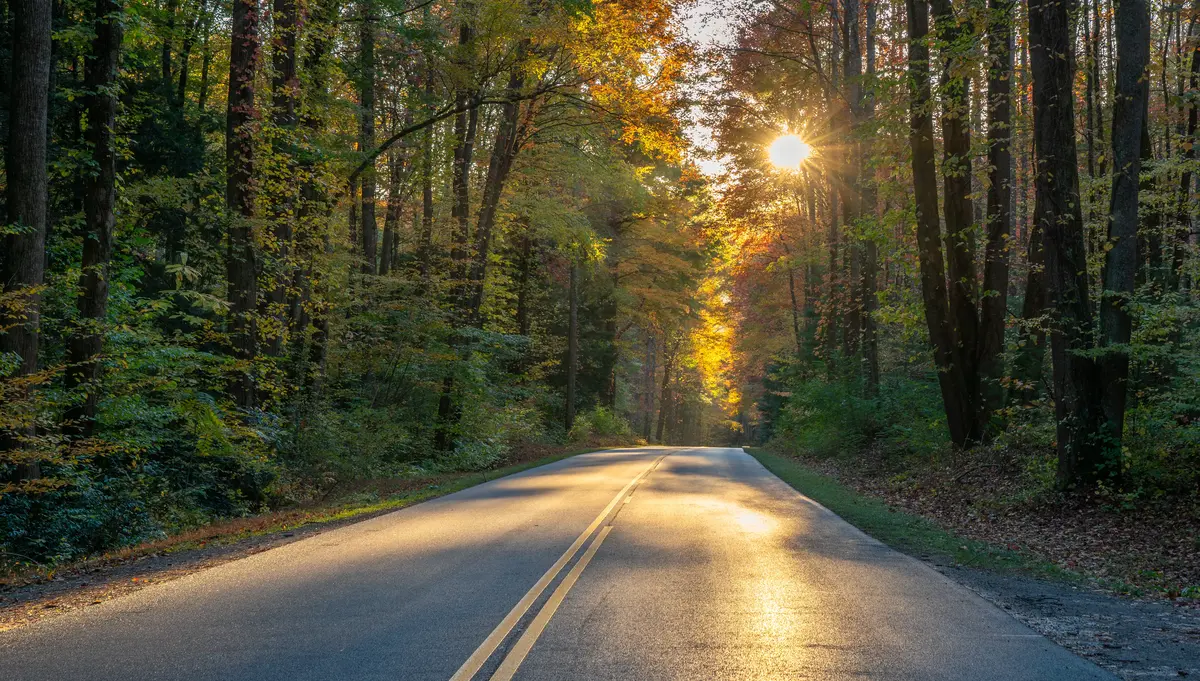
Local Expert Takeaway: Chattanooga earned its National Park City designation in April 2025 because the outdoor infrastructure is genuinely woven into daily life — not a tourist overlay on top of it. The Tennessee Riverwalk's 16 miles of paved multi-use path, Coolidge Park's 1894 carousel and river access, and Outdoor Chattanooga's municipal kayaking and guided hike programs mean residents of nearly every ability level can use the outdoors without a long drive or specialized gear. The honest catch: fall weekends on Lookout Mountain belong to tourists. Rock City and Ruby Falls are worth the trip, but go on a Tuesday or first thing in the morning. The locals who love this city most are the ones who figured out early that the Riverwalk northeast toward Chickamauga Dam is where you go when Coolidge Park is packed.
Quick Takeaways & FAQs
✅ Chattanooga became the first National Park City in North America in April 2025 — a designation that reflects 16 miles of riverfront trail, a mountain with underground waterfalls, and over 80 city-managed parks.
⚠️ Fall weekends on Lookout Mountain bring genuine tourist crowds to Rock City and Ruby Falls; residents who want the views without the queues learn to visit on weekdays or early morning.
📍 Outdoor Chattanooga, the city's own municipal recreation program, runs kayaking, paddleboarding, guided hikes, and adaptive recreation specifically designed for beginners — one of the more practical features of moving here without outdoor gear.
How long is the Tennessee Riverwalk in Chattanooga?
Is Lookout Mountain worth visiting if you live in Chattanooga, or is it mainly for tourists?
What outdoor programs does Chattanooga offer for people new to hiking or paddling?
What is Coolidge Park and why do locals recommend it?
What is the National Park City designation Chattanooga received?
Moving to Tennessee?
Tell us what you need help with and we'll connect you with local resources.
