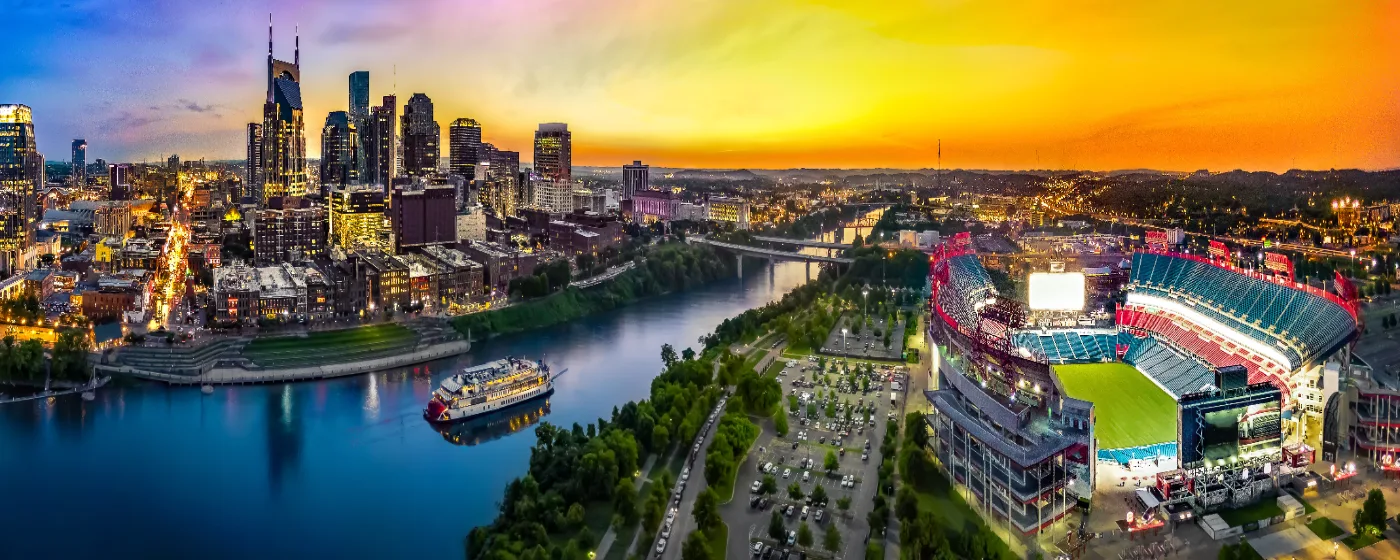
Nashville's population of 721,074 makes it the largest incorporated city in Tennessee, and that scale creates a city where the neighborhood you choose matters more than almost any other decision you'll make in the buying process. Pick the wrong side of town for your commute and you'll spend an extra 45 minutes a day in traffic. Pick the wrong school boundary and you may find yourself redistricted out of the zone you moved there for. The typical home price of $429,741 (August 2026) means a meaningful amount of money is riding on getting this right.
The economic backbone here is anchored by Vanderbilt University Medical Center, HCA Healthcare, Bridgestone Americas, and the State of Tennessee — employers that are spread across the city and its suburbs rather than concentrated in a single district. Metro Nashville Public Schools, which holds a B- rating, according to Niche, 78,040 students enrolled in 2024-25 across a district whose individual school performance varies significantly by zone. That variance is one of the biggest drivers of where families with school-age children choose to buy. On 2025-26 state assessments, 31.6% of students reached math proficiency and 33% reached reading proficiency — numbers that make individual school research essential rather than optional.
Affordability is real compared to nearby markets — Franklin is noticeably higher, Brentwood is noticeably higher, and Hendersonville is noticeably higher — but Nashville is not cheap. The median household income of $75,197 sits below the income needed to qualify for the typical home here, which means many buyers are stretching. The full cost-of-living picture, including the effective property tax rate of 0.81%, is covered in depth on the cost of living page. Day-to-day life is organized around the car in most neighborhoods, with Centennial Park, Percy Warner Park, Radnor Lake State Park, and the Cumberland River Greenway providing the outdoor anchors that pull people outside when the weather allows.
Whether you're narrowing down a shortlist or just starting to understand how Nashville is organized, the sections below break down all eight neighborhoods by buyer type, honest trade-offs, and what living there actually looks like on a Tuesday morning.
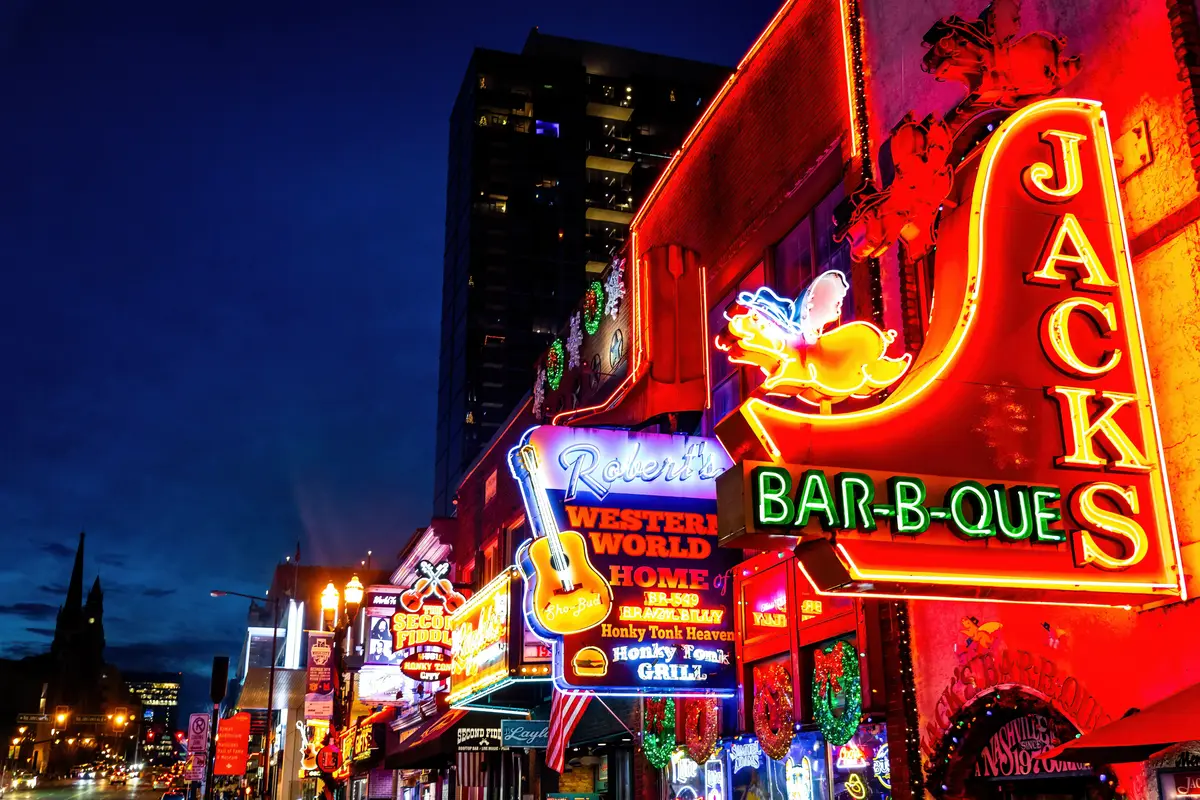
The Nashville Reality
Nashville is not one city — it's a collection of distinct communities stitched together inside Davidson County, and the dividing line that matters most is the one between inside the loop and outside it. I-440 and a parkway loop form a rough inner ring, and neighborhoods inside that ring — East Nashville, Green Hills, Inglewood, North Nashville — operate on a different logic than the outer communities of Antioch, Donelson, Hermitage, Bellevue, and Madison. Inside the loop, walkability is occasionally real, price premiums are steep, and the character shifts block by block. Outside it, you get more house, more lot, and a longer drive to nearly everything.
School boundaries are the second geographic reality that reshapes buyer decisions. Metro Nashville Public Schools administers the entire county, but school quality is uneven enough that a single block can put two families in dramatically different situations. Buyers who skip the step of verifying which school a specific address feeds — not just the neighborhood's general reputation — routinely discover the mismatch after they've signed. The schools page covers boundary patterns in detail.
The third reality is the airport corridor. I-40 runs east toward Nashville International Airport (BNA), and neighborhoods like Donelson sit right underneath the flight path. Proximity to BNA is a genuine asset for frequent travelers and a genuine nuisance for light sleepers. Understanding which way the prevailing landing approach runs, and which streets bear the most noise, is the kind of local knowledge that changes an offer decision.
Neighborhoods at a Glance
| Neighborhood | Best For | Vibe |
|---|---|---|
| East Nashville | Walkable Renters | Creative, indie-minded, mural-covered — Five Points is the commercial heart, and the Tomato Art Fest is the annual proof of concept |
| Antioch | First-Time Value | Fast-growing southeast corridor with new retail anchors, diverse communities, and Davidson County's highest sales volume |
| Green Hills | Luxury Schools | Established, upscale, and car-dependent in the residential sections — the Mall at Green Hills and the Bluebird Cafe are the cultural anchors |
| Donelson / Hermitage | Families Commuters | 1950s brick ranches, big lots, tight-knit community, commuter rail access, and Andrew Jackson's historic estate next door in Hermitage |
| Bellevue | Nature Privacy | Hilly and wooded southwest Nashville — the Harpeth River and Percy Warner Park are the draws, isolation is the trade-off |
| Madison | First-Time Value | Brick ranches on quarter-acre lots along the Gallatin Pike corridor — more space per dollar than anything closer to the core |
| North Nashville | First-Time Arts | Historically rooted, actively evolving — new development and investor interest are arriving alongside a well-established arts scene |
| Inglewood | Hot Market Walkable | Tree-lined streets, mid-century ranches, and a growing local food and coffee scene — Redfin ranked it Nashville's hottest neighborhood of 2026 |
Nashville typical home price: $429,741 (Zillow ZHVI, August 2026). Typical rent: $1,834/mo (Zillow ZORI, August 2026). Neighborhood tiers on this page are relative to these figures.
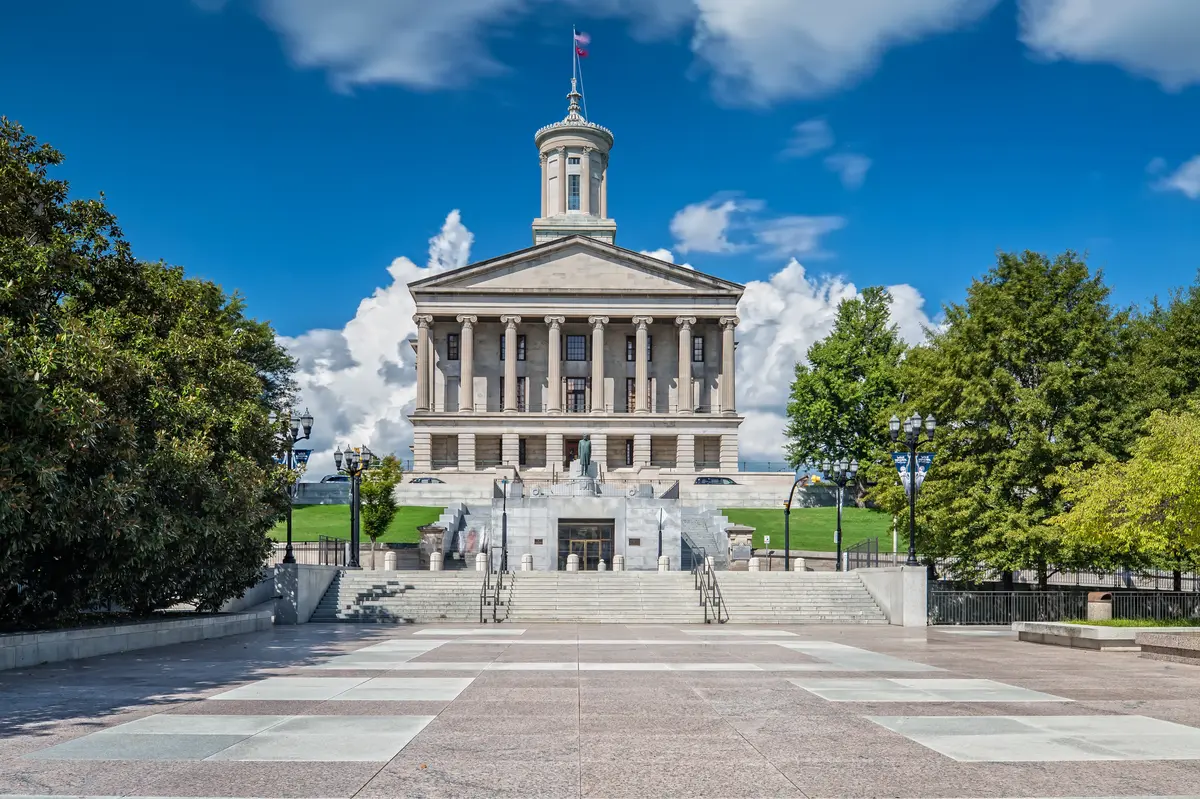
Best Neighborhood by Buyer Type
| Buyer Type | Best Neighborhood | Why |
|---|---|---|
| First-Time Buyer | Antioch | Runs below the city median and posted the highest sales volume in Davidson County in 2025 — more competition, but more entry-level inventory than anywhere else inside the county line. |
| Luxury Buyer | Green Hills | The city's most established upscale enclave, with Vanderbilt proximity, mature tree cover, and Nashville's best retail corridor at the Mall at Green Hills. |
| Walkability Seeker | East Nashville | Five Points is the closest thing Nashville has to a genuinely on-foot commercial district — coffee, dining, and independent retail within a short walk of residential streets. |
| Families with Kids | Donelson / Hermitage | Generous lot sizes, the Stones River Greenway, Music City Star rail access, and a community culture built around long-term residents rather than renters. |
| Commuters | Donelson | The Music City Star commuter rail stop and direct I-40 access make this the strongest public-transit commute option in Nashville's outer neighborhoods. |
| Large-Lot Buyers | Bellevue | Wooded, hilly terrain produces naturally larger parcels — the trade-off is that you're a longer drive from nearly everything, including the nearest major grocery run. |
| Renters | East Nashville | The densest concentration of rental inventory close to downtown, with the cultural amenities that keep young renters from feeling they need to leave on weekends. |
Looking to buy in Nashville? Estimate your payment.
Enter your numbers to see an estimated monthly mortgage payment.
Estimate only. Excludes HOA fees and mortgage insurance. The interest rate above is a starting point, not a quoted rate — replace it with your own to see real numbers. Insurance is a flat placeholder, not a Nashville quote.
Beyond the Monthly Mortgage Payment — What to Factor In
- The property tax rate above — The 0.81% used in the estimate is the median effective rate — tax actually paid as a share of market value — published by Ownwell, 2026. Half of local homes pay more and half pay less: your own bill depends on that property's assessed value and any exemptions it qualifies for, which can differ a lot from its market price. Confirm with the Davidson County assessor before you budget.
- Total cost of ownership — Your monthly mortgage payment is just the baseline. Depending on the specific city, county, and service district, homeownership costs also include local utility fees, municipal surcharges, and special assessments (such as water, sewer, storm drainage, or local energy taxes) that vary by location.
- Independent due diligence — Because these recurring local costs and municipal fees change depending on the exact property address, buyers must research them independently during their transaction process.
Tax laws, local municipal fees, and utility costs change frequently and individual situations vary. This page is general information, not tax or legal advice — always consult a qualified tax professional, CPA, or local municipal offices for personalized guidance.
Most Popular Neighborhoods
East Nashville
Cross the Cumberland River on any given afternoon and the energy shift is immediate — street murals, independent coffee shops, and a bar scene that stretches well past midnight along the Five Points corridor. East Nashville runs above the city median in price, which surprises buyers who picture it as the scrappy alternative to Green Hills; the creative reputation is fully priced in at this point. The annual Tomato Art Fest, held 18 of the last 19 years, is the neighborhood's loudest statement of identity, and the Shelby Bottoms Greenway and Cumberland River Greenway give residents a genuine outdoor escape without leaving the zip code.
Best for: Buyers who want walkable streets, a dense independent food and arts scene, and don't mind paying above the city median to be inside the loop.
Antioch
Antioch recorded 1,121 home closings in ZIP code 37013 alone in 2025 — the highest of any Davidson County ZIP code — and the reason is straightforward: it runs below the city median while sitting inside the county line. The Century Farms mixed-use corridor, now home to the Tanger Outlets and Nashville SC's headquarters, has fundamentally changed what Antioch offers as a daily destination; a Tennessee Nashville Chinatown development is planned to fully open by 2027. The honest trade-off is that the rapid growth has produced uneven infrastructure, and traffic along some of the main commercial corridors moves slowly during peak hours.
Best for: First-time buyers and budget-conscious families who want Davidson County's school system and relative affordability over an in-town zip code.
Green Hills
Green Hills is the neighborhood Nashville's established professionals and Vanderbilt-adjacent buyers gravitate toward, and the price tier reflects it — running above the city median by a meaningful margin. The Mall at Green Hills, with its Nordstrom and four-story Restoration Hardware, sits alongside the Bluebird Cafe on the same general commercial corridor, which is an unusual combination of retail prestige and live-music credibility. The residential streets are car-dependent; the walkable commercial core exists around the mall and Hill Center and not much beyond it, which is a real limitation if you're coming from a city with genuine pedestrian infrastructure.
Best for: Buyers prioritizing upscale retail access, university proximity, and an established neighborhood feel, and who are comfortable with car-dependent daily life.
Donelson / Hermitage
Donelson earned the nickname "Hip Donelson" from the community itself — a self-aware nod to the fact that 1950s brick ranches on large lots are having a moment, and residents here knew it before the rest of Nashville caught on. Homes sit at the city median, making it one of the better value propositions for the lot sizes and community cohesion you get in return. The Music City Star commuter rail stop is one of the most underused advantages in Nashville real estate; buyers who need to reach downtown regularly without sitting on I-40 should price this in. Hermitage, immediately east, adds the Andrew Jackson estate and Nashville Shores Lakeside Resort as summertime anchors, and the flight path from Nashville International Airport is the one thing to verify before making an offer on any specific street.
Best for: Families who want a tight-knit community, large lots at the city median, commuter rail access, and don't need to be inside the loop.
Bellevue
Bellevue is where Nashville buyers go when they've decided that trees and space matter more than proximity to downtown, and Percy Warner Park bordering the neighborhood makes that trade feel more than reasonable. Prices run above the city median despite the distance from the core, which catches buyers off guard; the wooded terrain, updated retail at One Bellevue Place, and access to the Harpeth River greenway justify the premium for people who prioritize nature access. The catch is the drive: getting to any of Nashville's major employment centers from Bellevue's residential streets requires real planning, particularly during morning rush hours on the main routes connecting southwest Nashville to the core.
Best for: Buyers who want a wooded, private feel with outdoor recreation directly accessible — and who have factored the commute into their daily math.
Madison
Madison sits directly north of Inglewood along the Gallatin Pike corridor and offers what the inner ring neighborhoods structurally cannot anymore: brick ranches on quarter-acre lots running below the city median. Amqui Station anchors a stretch of the commercial corridor that has seen steady investment rather than the speculative swings that reshape other Nashville neighborhoods every few years. The honest limitation is that Madison still lacks the independent food and arts density that makes East Nashville and Inglewood destinations in their own right — residents tend to drive south toward Inglewood or into downtown for anything beyond everyday errands.
Best for: Budget-conscious buyers who want Davidson County, a real yard, and don't need walkable streets in exchange.
North Nashville
North Nashville is one of the most historically layered parts of the city — a community with deep cultural roots and an arts scene that predates the current development cycle by decades. New businesses and housing investment have arrived in recent years, drawn by downtown proximity and pricing that still undercuts the inner-loop neighborhoods to the east and south. The trajectory is clearly upward, but the pace and shape of that change remains uneven across the corridor; buyers here are making a bet on continued investment, and that bet carries more uncertainty than buying into a fully stabilized neighborhood.
Best for: First-time buyers and investors comfortable with a neighborhood still in active transition, who want downtown proximity without East Nashville prices.
Inglewood
Redfin ranked Inglewood Nashville's hottest neighborhood of 2026 based on a surge in buyer competition, and the physical evidence is easy to see: tree-lined streets of mid-century ranch homes and cottages that have attracted a growing cluster of independent restaurants, coffee shops, and breweries immediately north of East Nashville. Prices run above the city median, and the competition that earned it the Redfin designation means well-priced listings move quickly. The trade-off for buyers coming from outside Nashville is that Inglewood can feel like it's riding East Nashville's coattails — the scene is real, but it's less dense and less established, and the gap narrows every year.
Best for: Buyers who want East Nashville's energy at a slightly earlier stage of the cycle, in a neighborhood with more single-family character and less renter density.
Common Mistakes Buyers Make in Nashville
Assuming One Side of I-440 Looks Like the Other
I-440 is not just a highway — it's a price and character divide. Green Hills sits south of it and commands a premium rooted in decades of investment and university proximity. Neighborhoods immediately north of I-440 operate on completely different dynamics. Buyers who compare listings across this line as though they're interchangeable routinely end up confused about why a house in one area moves in days and an apparently similar one sits for weeks.
Skipping the School Boundary Check
Metro Nashville Public Schools assigns students by address, not by neighborhood name. Two houses on opposite sides of a street can feed different schools with meaningfully different reputations. The single most common mistake buyers make in Nashville is assuming that buying in a neighborhood with a strong school association guarantees placement there — it does not until you've verified the specific address on the district's boundary map. The schools page covers how to do this correctly.
Underestimating the Airport Corridor in Donelson
Donelson's brick ranches and large lots are genuinely compelling, and the community culture is real. What buyers from outside Nashville often don't price in is the flight path. Nashville International Airport's approach routes run directly over portions of Donelson, and the noise level varies significantly by street. Buying in Donelson without spending time at the specific property during peak arrival windows is one of the most avoidable surprises in Nashville real estate.
Chasing Square Footage in Antioch Without Researching the Specific Street
Antioch's growth story is real, but the neighborhood is large and internally uneven. The Century Farms corridor feels like a different city from some of the older residential streets further from the commercial investment. Buyers focused on price per square foot sometimes end up on a street where the surrounding infrastructure hasn't caught up to the development pace — and where the commute on I-24 during rush hour is longer and harder than a map suggests.
Best Areas to Rent in Nashville
| Area | Ideal For | Trade-off |
|---|---|---|
| East Nashville | Young professionals, creatives, anyone who wants walkable streets and a dense independent scene | Among the tighter rental markets in the city — inventory moves quickly and units in the Five Points corridor carry a premium for the location |
| Antioch | Renters prioritizing space and value inside Davidson County | Car-dependent daily life; some commercial corridors are still catching up to the new retail investment |
| Green Hills | Vanderbilt affiliates, professionals who want upscale retail within walking distance of their unit | Apartment inventory skews toward higher price points; the residential streets are not walkable in the traditional sense |
| Madison | Renters who want a real yard or more square footage than in-town renting allows | Requires a car for nearly everything; the dining and entertainment scene is thinner than Inglewood or East Nashville |
| Inglewood | Renters who want East Nashville energy in a slightly quieter, more residential setting | The rental inventory here is smaller than East Nashville and tighter for that reason — options are limited and competition is real |
Nashville's city-wide typical rent reflects a market that absorbed significant apartment construction over the past several years, but well-located units in East Nashville and Inglewood still move faster than the overall number suggests. For the full rental and ownership cost picture, see the cost of living page.
Local Expert Takeaway: The single best move a Nashville buyer can make before writing an offer is to drive the neighborhood on a Tuesday morning — not a Saturday afternoon. The Saturday version of East Nashville, Inglewood, or Green Hills looks like a lifestyle brochure. The Tuesday version tells you what the commute on I-40 feels like, which coffee shop you'll actually stop at, and whether the school pickup situation on your specific street is manageable. Nashville rewards buyers who do that homework, and it tends to punish buyers who bought the Saturday version and moved in expecting it to last all week.
Quick Takeaways & FAQs
✅ Antioch recorded more home closings in a single ZIP code in 2025 than any other Davidson County ZIP — a real signal of where value-driven buyers are landing inside the city limits.
⚠️ The median household income in Nashville sits below the income needed to buy the typical home here, which means most buyers are stretching — often more than they realize until they model the full monthly cost.
📍 Donelson's Music City Star commuter rail stop is one of the most consistently underused advantages in Nashville real estate — buyers who need a downtown commute without sitting on I-40 should price it into their neighborhood search.
What is the most affordable neighborhood to buy a home in Nashville?
Which Nashville neighborhood is best for families with young kids?
Is East Nashville still worth buying into, or has it been fully priced out?
How do Nashville's school boundaries affect which neighborhood I should buy in?
What is Inglewood like to live in compared to East Nashville?
Moving to Tennessee?
Tell us what you need help with and we'll connect you with local resources.
