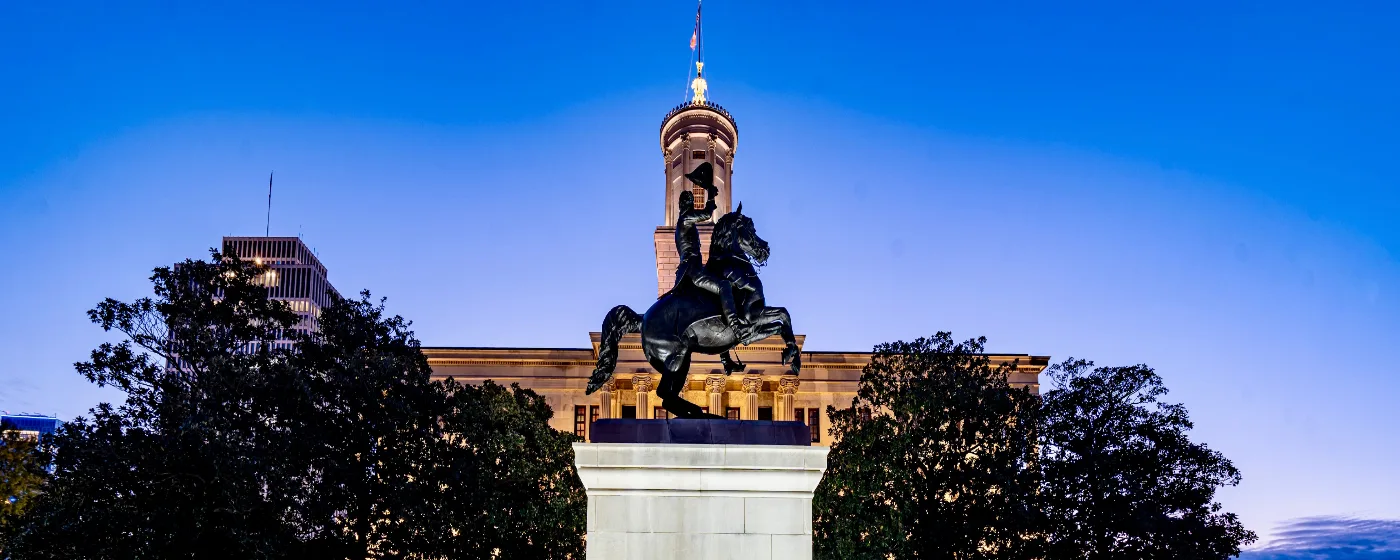
Clarksville doesn't look like a city of 188,829 people from the outside, and that's the first thing relocating buyers get wrong. It sprawls in every direction from the Cumberland River bluffs, and where you land inside that sprawl — which corridor, which school zone, which side of I-24 — shapes your daily life more than any single home feature. The city's growth has been pushed in multiple directions at once: Fort Campbell draws the northern and western buildout, Austin Peay State University anchors downtown, and a steady wave of manufacturing and tech employment has pulled commercial development east along US-79 (Wilma Rudolph Boulevard).
The economic engine here is genuinely diverse for a mid-size Tennessee city. Fort Campbell is the dominant employer by far, and the military community's rhythms — PCS cycles, deployment schedules, on-post proximity — influence the rental market, school enrollment, and even which neighborhoods feel more transient versus settled. LG Electronics, Hankook Tire, and Google's data center have added a civilian industrial layer, and Austin Peay State University brings a university-town energy to the historic core. Montgomery County's school district, which holds a B rating, according to Niche, serves 38,646 students enrolled in 2024-25 across a system large enough to have meaningful differences between individual campuses and attendance zones.
On cost, Clarksville sits in a position that surprises buyers coming from Nashville or any coastal market: the typical home price is $319,419 (August 2026), a figure that would be entry-level in most comparable metro-adjacent cities. That said, the median household income in Clarksville runs below what's needed to carry that typical purchase comfortably, so the affordability picture is real but not unlimited. For a full breakdown of taxes, rent, and what your dollar actually buys month to month, the cost of living page has the detail. Day to day, the city offers Dunbar Cave State Park, the Cumberland Riverwalk, and a surprisingly active downtown arts scene alongside suburban-scale parks and greenways spread across every quadrant.
Whether you're arriving on PCS orders, relocating for a manufacturing or tech role, or simply pricing yourself out of the Nashville market and looking 50 miles northwest, the sections below break down Clarksville's eight main neighborhoods, the geographic divides that actually matter, common buyer mistakes, and where to rent while you get your footing.
The Clarksville Reality
The divide that matters most in Clarksville isn't east vs. west or old vs. new — it's your relationship to Fort Campbell and I-24. Almost every neighborhood choice in this city traces back to one question: how close do you need to be to the installation gates, and how much do you care about the commute to Nashville? Those two pulls run in opposite directions, and the city's geography makes you choose.
I-24 is the spine. Neighborhoods north of the interstate and close to TN-236 (Tiny Town Road) — including Fields of Northmeade and the broader Tiny Town Road / North Clarksville corridor — sit within a short drive of Fort Campbell's main gates and are the natural landing zone for military families. Neighborhoods east along US-79 (Wilma Rudolph Boulevard) — the St. Bethlehem corridor — trade gate proximity for retail access and a more civilian-suburban feel. Rossview pushes further east along TN-237 toward I-24, which makes it useful for the Nashville commute but less convenient for anyone whose day starts on post. Downtown and Greenwood sit on the river bluffs and answer to a third logic entirely: walkability, historic character, and Austin Peay.
School attendance boundaries add another layer. Montgomery County operates a large, unified district, but individual schools vary in reputation and capacity, and a street or two can put you in a different zone. Buyers who assume the whole city feeds into the same schools — or that any new address automatically lands them in the zone they researched — are the ones who call a Realtor frustrated after closing. Check the boundary map against your specific address before you make an offer, not after.
Neighborhoods at a Glance
| Neighborhood | Best For | Vibe |
|---|---|---|
| Sango | Families Schools | Established suburban with mature trees, wide streets, and a close-knit feel |
| Rossview | Quiet Commuters | Semi-rural eastern edge with farmland views and newer retail nearby |
| St. Bethlehem | First-Time Buyers Renters | Practical all-in-one corridor — every errand walkable from your car, at least |
| Downtown Clarksville | Walkable Character | Historic blocks and loft apartments, riverfront energy, and Austin Peay foot traffic |
| Greenwood | Value Riverfront | One of the city's oldest neighborhoods — bungalows, big lots, and real history |
| Tiny Town Rd / North Clarksville | Families Fort Campbell | Single-family suburban grid closest to the installation gates |
| Fields of Northmeade | Families Commuters | Polished new construction with sidewalks, underground utilities, and curb appeal |
| West Creek | Families Schools | Newer builds near the Red River with energy-efficient construction and strong zones |
Clarksville typical home price: $319,419 (Zillow ZHVI, August 2026). Typical rent: $1,374/mo (Zillow ZORI, August 2026). Neighborhood tiers on this page are relative to these figures.
Best Neighborhood by Buyer Type
| Buyer Type | Best Neighborhood | Why |
|---|---|---|
| First-Time Buyer | St. Bethlehem | The broadest mix of housing vintages and price points in the city, with every service and errand close by. |
| Luxury Buyer | Sango | Larger lots, mature landscaping, and the most consistently polished residential character in Montgomery County. |
| Walkability Seeker | Downtown Clarksville | The only neighborhood where you can reach the Cumberland Riverwalk, the Customs House Museum, and a brewery on foot. |
| Families with Kids | Rossview | Community identity built around its schools, with a quieter, lower-traffic residential feel than the busier western corridors. |
| Fort Campbell Commuters | Tiny Town Rd / North Clarksville | Sits directly along TN-236 off I-24, putting the installation gates closer than any other part of the city. |
| Large-Lot Buyers | Greenwood | Older platting means bigger lots and more breathing room than anything built in the last two decades. |
| Renters | St. Bethlehem | The highest concentration of apartment complexes and rental inventory in one accessible corridor. |
Looking to buy in Clarksville? Estimate your payment.
Enter your numbers to see an estimated monthly mortgage payment.
Estimate only. Excludes HOA fees and mortgage insurance. The interest rate above is a starting point, not a quoted rate — replace it with your own to see real numbers. Insurance is a flat placeholder, not a Clarksville quote.
Beyond the Monthly Mortgage Payment — What to Factor In
- The property tax rate above — The 0.75% used in the estimate is the median effective rate — tax actually paid as a share of market value — published by Ownwell, 2026. Half of local homes pay more and half pay less: your own bill depends on that property's assessed value and any exemptions it qualifies for, which can differ a lot from its market price. Confirm with the Montgomery County assessor before you budget.
- Total cost of ownership — Your monthly mortgage payment is just the baseline. Depending on the specific city, county, and service district, homeownership costs also include local utility fees, municipal surcharges, and special assessments (such as water, sewer, storm drainage, or local energy taxes) that vary by location.
- Independent due diligence — Because these recurring local costs and municipal fees change depending on the exact property address, buyers must research them independently during their transaction process.
Tax laws, local municipal fees, and utility costs change frequently and individual situations vary. This page is general information, not tax or legal advice — always consult a qualified tax professional, CPA, or local municipal offices for personalized guidance.
Most Popular Neighborhoods
1. Sango
Sango sits in the western part of Montgomery County and has earned a reputation as one of the area's most sought-after residential pockets, with mature trees shading wide streets in the older sections and newer subdivisions filling in around them. The close-knit community feel is real — residents here tend to stay longer than in the more transient military-adjacent areas. The catch is that Sango's desirability keeps demand high, and there's relatively little turnover to work with in any given season.
Best for: Established families, buyers prioritizing neighborhood continuity, and anyone who wants suburban polish with genuine roots.
2. Rossview
On Clarksville's eastern edge along TN-237 (Rossview Road), Rossview is where agricultural heritage and modern suburb meet — farmland still visible from many residential streets, while newer retail has crept closer from the St. Bethlehem corridor. Access to I-24 makes it a reasonable Nashville commute option. The trade-off is that it feels more removed from city services and the post than its location on a map might suggest, and errands still require a drive west.
Best for: Families drawn to quieter streets and school-anchored community identity, buyers who value I-24 access without paying downtown prices.
3. St. Bethlehem
Locals call it St. B, and the name understates how comprehensively this corridor along US-79 (Wilma Rudolph Boulevard) has become Clarksville's commercial spine. Governor's Square Mall, big-box retail, national chains, and dozens of dining options line Wilma Rudolph, while the residential streets behind that commercial front range from 1960s ranch homes to post-2000 subdivisions. The honest downside: living here means trading quiet for convenience, and the through-traffic on US-79 is relentless.
Best for: Newcomers who want to minimize logistical friction while learning the city, renters seeking maximum rental inventory, and buyers who genuinely use every amenity on that corridor weekly.
4. Downtown Clarksville
Downtown is the only part of Clarksville where you can actually leave the car parked. Historic homes and loft apartments sit within a compact grid dating to 1784, a short walk from the Cumberland Riverwalk, the Customs House Museum & Cultural Center, Austin Peay State University, and a handful of independent breweries and cafés. The First Thursday Art Walk has built a genuine monthly rhythm here. The trade-off is that downtown Clarksville's housing stock is older and the inventory is limited — you're choosing character over square footage, and sometimes over updated mechanicals.
Best for: Buyers who prioritize walkable streets and cultural anchors, Austin Peay faculty and staff, and anyone who wants to feel like they live in a real American downtown rather than a subdivision.
5. Greenwood
Greenwood is one of Clarksville's oldest neighborhoods, sitting south of downtown along US-41A Bypass and TN-12 with the Cumberland River forming its western edge. The housing stock is older and the lots run generously large by contemporary subdivision standards, which is exactly what draws buyers here. Prices sit below the city-wide median — the entry point into Clarksville's market — but that gap reflects the age of the homes and the renovation work many of them still need. Walkable proximity to the Cumberland Riverwalk is a genuine asset.
Best for: Value-oriented buyers comfortable with older construction, history enthusiasts, and buyers who want the riverfront and downtown access without downtown price pressure.
6. Tiny Town Road / North Clarksville
The TN-236 (Tiny Town Road) corridor off I-24 functions as Clarksville's Fort Campbell neighborhood by proximity — it skirts the installation's southern boundary, and the commute to the gates is measured in minutes rather than miles. Single-family homes, neighborhood parks, and a growing retail base have made it genuinely family-friendly rather than just militarily convenient. The downside: the area is still maturing, which means some retail gaps and less established neighborhood character than Sango or Rossview.
Best for: Active-duty families and Fort Campbell civilians who want the shortest possible gate commute, families with school-age children, and buyers comfortable with a neighborhood still finding its footing.
7. Fields of Northmeade
Fields of Northmeade is the most finished-looking newer subdivision in north Clarksville — brick-and-stone construction, underground utilities, sodded lawns, sidewalks, and decorative streetlights throughout. Sitting approximately 10 miles north of downtown off TN-236 (Tiny Town Road), it's close to the Kentucky state line and popular with Fort Campbell commuters who want new construction without a long drive. Prices sit at the city-wide median, so you're getting that polished new-construction feel without a premium. The distance from downtown and its growing-suburb context means you're not close to much else without a car.
Best for: Fort Campbell commuters who want turnkey new construction, families wanting sidewalks and a polished streetscape, buyers priced out of Sango who still want suburban order.
8. West Creek
West Creek sits about 5.5 miles from downtown, accessed via I-24 and US-41A (Fort Campbell Boulevard), and draws buyers with energy-efficient new construction and the Red River running near enough to give some properties genuine waterfront character. Strong school zones and proximity to shopping and dining corridors add practical weight to what is otherwise a purely residential address. Prices run at the city-wide median, and the newer construction means lower maintenance costs in the early years — the honest caveat is that like any newer neighborhood, it lacks the established tree canopy and community texture that comes with time.
Best for: Families prioritizing school zones and energy-efficient homes, buyers who want newer construction with some natural scenery, and anyone whose daily life centers on the US-41A corridor.
Common Mistakes Buyers Make in Clarksville
Assuming the Whole City is One School Zone
Montgomery County runs a large unified district, but individual school assignments depend entirely on your street address. Buyers who research a school they love and then buy a home two blocks outside its attendance boundary — something that happens regularly in the Rossview and Sango areas where zone edges are not intuitive — find themselves in a different building than they planned. Pull the attendance boundary map and match it to your specific address before you make an offer.
Underestimating How Much Fort Campbell Shapes the Market
PCS season — when military families transfer in and out — compresses buyer and seller activity into short windows. If you're a civilian buyer competing in spring or early summer near the Tiny Town Road corridor or Fields of Northmeade, you're competing with families who need to close on a firm timeline and often move fast. Buyers who approach those corridors on a casual timeline sometimes find the homes they wanted are already gone.
Treating US-79 (Wilma Rudolph Boulevard) as a Neighborhood Rather Than a Corridor
St. Bethlehem's convenience is real, but it comes with the reality of living adjacent to one of the busiest commercial arterials in the region. Buyers drawn to the area's retail access sometimes close on a home expecting suburban quiet and find that through-traffic noise and the volume of surrounding commercial activity change the feel of their block significantly. Drive the street at peak hours before you commit.
Chasing Square Footage in the Far North Without Checking the Commute South
New construction in the TN-236 (Tiny Town Road) and Fields of Northmeade corridors offers genuine value per square foot, and it's tempting for Nashville-bound buyers to push further north for more home. The drive to Nashville is about 50 minutes from a centrally located address — but add the north Clarksville approach and morning congestion on I-24, and that figure grows. Buyers who optimize purely for square footage without mapping their actual commute route sometimes regret the choice by month six.
Best Areas to Rent in Clarksville
| Area | Ideal For | Trade-off |
|---|---|---|
| St. Bethlehem / Wilma Rudolph corridor | Newcomers who want maximum retail and dining access while learning the city | Traffic noise and commercial density make it feel less residential than other areas |
| Tiny Town Rd / North Clarksville | Fort Campbell-affiliated renters who want short gate commutes and family-friendly streets | Growing retail base still has gaps; you'll drive further for some services |
| Downtown Clarksville | Austin Peay students and staff, renters who want walkable streets and cultural anchors | Rental inventory is limited and the older building stock means variable unit quality |
| West Creek / US-41A corridor | Renters who want newer construction and strong school zones without buying yet | Car-dependent for most errands; limited on-foot access to anything |
| Greenwood / Near-downtown | Renters who want historic character and river access at a lower price point | Older housing stock means higher utility costs and more variable condition between units |
Clarksville's city-wide typical rent is $1,374 per month (Zillow ZORI, August 2026), which remains notably lower than comparable cities in the Nashville metro. The military community's PCS cycle creates seasonal bursts of rental demand — typically spring through early summer — when competition for well-located units tightens quickly, so timing your search to avoid that window pays off. For a full breakdown of what renters versus buyers face across the market, see the cost of living page.
Local Expert Takeaway: In Clarksville, the neighborhood decision almost always comes down to one thing: your daily commute anchor. If Fort Campbell is your workplace, Tiny Town Road or Fields of Northmeade puts you closest to the gates with the newest housing stock in that corridor. If you're heading south toward Nashville most mornings, Rossview's I-24 access earns its keep. If you want the only genuinely walkable neighborhood in the city — one where a First Thursday Art Walk and the Cumberland Riverwalk are a short stroll away — Downtown Clarksville is the answer, but you're trading square footage for it. Greenwood is where value-seekers who don't mind renovation work land, and Sango is where people who want the most established, mature residential feel in Montgomery County end up. Check the school boundary map for your exact address before you fall in love with a neighborhood — zone edges here are not intuitive, and they matter.
Quick Takeaways & FAQs
✅ Clarksville's typical home price of $319,419 (August 2026) is dramatically lower than comparable Nashville-adjacent markets, making it one of the most accessible mid-size Tennessee cities for buyers.
⚠️ The military PCS cycle compresses the spring rental and buying market near Fort Campbell — civilians competing in those corridors between April and July face tighter timelines than the rest of the year.
📍 Downtown Clarksville is the only neighborhood in the city where you can park the car and walk to the river, a museum, a brewery, and a university campus — all within the same compact historic grid.
What is the best neighborhood in Clarksville, TN for families?
Which Clarksville neighborhood is closest to Fort Campbell?
Is Downtown Clarksville a good place to buy a home?
What is Greenwood like in Clarksville, TN?
Where should I rent in Clarksville while I decide where to buy?
Moving to Tennessee?
Tell us what you need help with and we'll connect you with local resources.
