
Most towns of 4,516 people don't back up against a 3,700-acre state park with 19 miles of hiking trails, a mountain bike network, three lakes, an 18-hole golf course, and a full resort lodge. White Bluff does. Montgomery Bell State Park sits directly adjacent to the city, and for anyone weighing a move here, that proximity isn't a footnote — it's one of the central reasons people choose this town over similarly priced options closer to Nashville. You don't need to drive an hour to get into real woods. You need to drive a few minutes.
White Bluff is a small Dickson County city about 35 minutes to Nashville via US-70, and the outdoor landscape shapes daily life in ways that a spreadsheet of home prices can't capture. The rolling hardwood hills that surround the town aren't backdrop — they're accessible, well-maintained, and genuinely varied in what they offer across seasons. Families with kids who love to fish or bike, adults who want a post-work trail run, and retirees looking for a quiet morning walk all find something usable within a short drive of any neighborhood in town.
The catch, and it's worth saying plainly: White Bluff's recreation picture is almost entirely built around one anchor — Montgomery Bell. If you're the kind of person who wants a dense urban park network with manicured sports fields, a rec center with a lap pool, and walkable green space on every block, this town won't deliver that. What it offers instead is access to something larger and wilder, maintained by the state, free to enter, and uncrowded on most weekday mornings. Whether you're considering a move or just researching the area, the sections below break down White Bluff's signature park, its trail and water options, the golf and camping scene, and how the seasons shape outdoor life here.
Montgomery Bell State Park: What 3,700 Acres Next Door Actually Means
The first thing newcomers notice after moving to White Bluff is how quickly they start taking Montgomery Bell for granted — in the best possible way. A park this size, this close, with this range of activities stops feeling like a destination and starts feeling like the backyard.
The park covers more than 3,700 acres of Dickson County terrain: ridgelines, creek hollows, hardwood forest, and three separate lakes connected by a network of trails. It's open year-round for hiking, fishing, boating, camping, and golf. For a town with a typical home price of $344,440 (August 2026), having this at the edge of city limits is a quality-of-life multiplier that doesn't show up in any cost comparison.
The Hiking Network
Over 19 miles of maintained hiking trails wind through the park at varying difficulty levels. The 1.5-mile Ore Pit Loop is the most historically layered route — it passes through the old iron ore excavation sites and the location of the first Cumberland Presbyterian Church in the region, which gives it more texture than a standard nature walk. The 10-mile backcountry overnight loop is the serious option: it links the park's interior ridges in a way that feels genuinely remote despite being minutes from US-70.
Weekday mornings on most of these trails, you'll see more herons than other hikers. That solitude is a real thing about this park that people from larger metro areas consistently underestimate.
The Mountain Bike Trail System
The trail system off US-70 on the north side of the park is a legitimate mountain biking destination, not a converted hiking path. Approximately 23 to 25 miles of color-coded singletrack run from beginner to advanced terrain, and the trails are jointly maintained by Tennessee State Park rangers and SORBA Mid-TN volunteers. That maintenance partnership matters: the trails stay in better condition through wet winters and early spring than most comparable regional systems, which means more usable riding days per year.
For anyone moving here from a city with an active cycling community, this system is worth knowing about before you make an offer — it's the kind of amenity that takes years to build and rarely gets mentioned in a real estate listing.
Water: Lake Acorn, Lake Woodhaven, and Turnbull Creek
White Bluff's water recreation runs across two distinct categories: the park's managed lake experience and the creek fishing that the town was literally named for.
Lake Acorn and Lake Woodhaven
Lake Acorn, at 17 acres, is the park's centerpiece. During the warm season, the lake has a sandy swim beach and a rental fleet of kayaks, canoes, pedal boats, and flat-bottom fishing boats. It's the kind of setup where a family with young kids can show up without any gear and have a full afternoon on the water. The Lodge at Montgomery Bell — a 119-room resort property fully renovated and overlooking Lake Acorn — also offers kayak rentals, so guests staying overnight have immediate water access without pre-planning.
Lake Woodhaven serves a different purpose. It has a year-round public boat launch, and trolling motors are permitted on both lakes outside the summer rental season. For fishing-focused residents, this is the more practical option: a real launch, accessible in any month, without summer-crowd timing considerations.
The two lakes serve different moods and different users, and having both within one park is what makes the water recreation here more versatile than it looks at first glance.
Turnbull Creek Fishing
Turnbull Creek runs through the White Bluff area and is the reason the town has the name it does — the bluffs overlooking the creek gave early settlers their landmark. Today it's a local fishing draw, known specifically for smallmouth bass, rock bass, and spotted bass. It's not a trophy fishery by regional standards, but it's a legitimate creek fishery within the town itself, the kind of spot where a resident can put in a few hours on a weekday evening without driving anywhere.
For families with kids who are just getting into fishing, Turnbull Creek is where that starts. It's accessible, close, and productive enough to keep younger anglers interested.

Golf, Camping, and the Lodge: The Full Stay-and-Play Picture
Montgomery Bell isn't just a day-use park. The overnight and amenity infrastructure here is deep enough that residents use it differently across seasons — as a weekend camping destination, a golf course you can walk to from town, and a lodge that's close enough to use for a low-key staycation.
The Frank G. Clement Golf Course
The Frank G. Clement Golf Course is an 18-hole, par-72 layout on the Tennessee Golf Trail, with a driving range, practice green, pull carts, and a veranda clubhouse. It hosts the Dogwood Classic, which typically serves as the opening event of Tennessee's tournament season. For a state park course, the competitive pedigree is real.
What that means for White Bluff residents practically: you have a golf trail course at a state park price point, about five minutes from most neighborhoods in town. The crowd skews local and unhurried on most weekday mornings.
Camping Options
The camping spread at Montgomery Bell covers a wide range of preferences. The 109 tent, trailer, and RV sites handle the standard weekend crowd. The 8 modern two-bedroom cabins with full kitchens serve families who want structure without sacrificing the outdoor setting. The most unusual option is the historic group camp — 47 Civilian Conservation Corps-era rustic cabins from the 1930s, which can sleep up to 120 people and are available from mid-April through October 31. For residents organizing a family reunion or a group gathering, that facility is genuinely rare and rarely marketed well.
One thing people discover after moving here: the group camp gets booked well in advance for summer weekends. If that matters to you, plan further out than you think you need to.
The Lodge
The Lodge at Montgomery Bell completed a full renovation and now offers 119 rooms overlooking Lake Acorn, a full-service restaurant and bar, and 6,000 square feet of event space. It's far enough from White Bluff's residential streets to feel like a getaway, and close enough that residents use it for anniversary dinners or out-of-town guest weekends without the hassle of a real drive. The outdoor pool is seasonal. Kayak rentals run through the lodge as well, separate from the lake's rental operation.
Looking to buy in White Bluff? Estimate your payment.
Enter your numbers to see an estimated monthly mortgage payment.
Estimate only. Excludes HOA fees and mortgage insurance. The interest rate above is a starting point, not a quoted rate — replace it with your own to see real numbers. Insurance is a flat placeholder, not a White Bluff quote.
Beyond the Monthly Mortgage Payment — What to Factor In
- The property tax rate above — The 0.42% used in the estimate is the median effective rate — tax actually paid as a share of market value — published by Ownwell, 2026. Half of local homes pay more and half pay less: your own bill depends on that property's assessed value and any exemptions it qualifies for, which can differ a lot from its market price. Confirm with the Dickson County assessor before you budget.
- Total cost of ownership — Your monthly mortgage payment is just the baseline. Depending on the specific city, county, and service district, homeownership costs also include local utility fees, municipal surcharges, and special assessments (such as water, sewer, storm drainage, or local energy taxes) that vary by location.
- Independent due diligence — Because these recurring local costs and municipal fees change depending on the exact property address, buyers must research them independently during their transaction process.
Tax laws, local municipal fees, and utility costs change frequently and individual situations vary. This page is general information, not tax or legal advice — always consult a qualified tax professional, CPA, or local municipal offices for personalized guidance.
Seasons, Rhythms, and What Outdoor Life Here Actually Looks Like
White Bluff gets approximately 205 sunny days a year — not the rounder figure Middle Tennessee tourism marketing reaches for, but enough to make the outdoor calendar feel full for most of the year. What actually structures outdoor life here is the seasonal rhythm of Montgomery Bell more than any civic calendar.
Spring and Fall: The Best Months
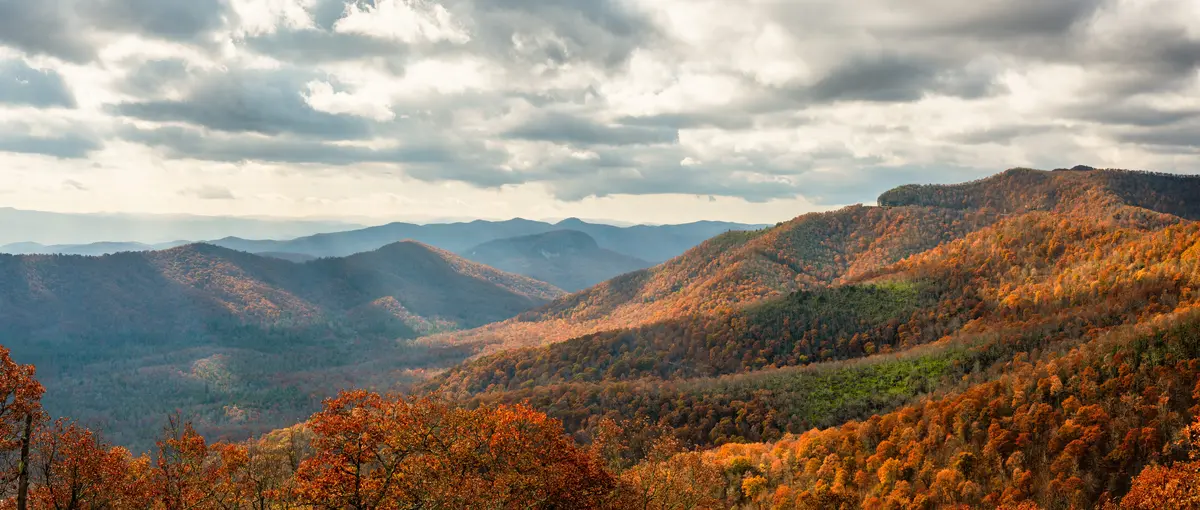
Spring and fall are when the park earns its reputation. Wildflowers push through the forest floor in April and May, and the hardwood foliage along the ridgelines peaks in October and early November. Both are prime hiking and photography windows, and both are when the trails see their most consistent foot traffic from White Bluff residents. The mountain bike trails are also at their best in these shoulder months — dry enough to ride well, cool enough to push hard.
New residents who move here in summer sometimes don't fully appreciate the park until their first October, when the ridge views open up and the crowd thins out at the same time.
Summer: Water and Heat
Summer tilts the park's activity toward Lake Acorn — the swim beach, the boat rentals, the lodge pool. The trails are still there, but Tennessee humidity means most serious hikers shift to early morning starts. Turnbull Creek sees more activity from local anglers in summer evenings when the heat breaks.
Mann's Market, the family-owned produce stand along US-70 that has served White Bluff since 1994, is one of the practical seasonal anchors of summer life in town. Watermelons, tomatoes, cantaloupes, corn, okra, and cucumbers from a stand that's been in the same family for over three decades — it's the kind of local institution that doesn't make the tourism brochure but gets mentioned in every conversation about what White Bluff actually feels like to live in. Now in its second generation of family ownership, Mann's Market runs through the warm months and is worth timing a first visit around.
The Off-Season: Quiet Trails and Year-Round Access
The cooler months at Montgomery Bell are genuinely underrated by people who haven't experienced them. The crowds thin to almost nothing, the leafless hardwoods open long sight lines across the ridges, and the trails stay accessible in most conditions. Lake Woodhaven's year-round boat launch means fishing doesn't stop with the season. For residents who run or hike regularly, mornings in the park during the quieter months are often described as among the best the park offers — just quiet enough to feel like it belongs to you.
The honest version of outdoor life in White Bluff: it rewards people who are self-motivated about getting outside. There's no urban park system pushing you toward green space with programming and event calendars. What's here instead is a large, well-maintained state park that you can use as intensively or as casually as you choose, twelve months a year, without fighting for parking or waiting for a court. For the right kind of buyer, that's the whole case for this town. For more on who that buyer tends to be, see the White Bluff city guide.

Local Expert Takeaway: Montgomery Bell State Park is the reason White Bluff's outdoor life punches well above what a town of 4,516 people would normally offer. The 19-mile hiking network, 23-to-25-mile mountain bike system, three-lake water setup, and Frank G. Clement Golf Course are all within a short drive of any neighborhood in town. Layer in Turnbull Creek fishing and Mann's Market's summer produce and you have a year-round outdoor rhythm that's hard to replicate at this price point in Middle Tennessee. The catch is that it's almost entirely self-directed — if you want programmed recreation infrastructure, you'll need to supplement with what Dickson has to offer. But if you want real woods, real water, and room to move without crowds, White Bluff delivers it.
Quick Takeaways & FAQs
✅ Montgomery Bell State Park's 3,700+ acres sit directly adjacent to White Bluff, giving residents year-round access to hiking, mountain biking, three lakes, fishing, golf, and camping without a significant drive.
⚠️ White Bluff's recreation picture is almost entirely anchored by one park — residents who want a municipal rec center, urban trail network, or walkable green space on every block will need to look toward Dickson for those amenities.
📍 The mountain bike trail system at Montgomery Bell — 23 to 25 miles of color-coded singletrack maintained jointly by state park rangers and SORBA Mid-TN — is a legitimate regional destination, not a converted hiking path, and is a significant draw for cycling-focused buyers.
Is Montgomery Bell State Park actually within White Bluff, or is it just nearby?
Can you swim at Montgomery Bell State Park?
How good is the mountain biking at Montgomery Bell, and is it appropriate for beginners?
What kind of fishing is available near White Bluff?
What is the best time of year to use Montgomery Bell State Park?
Moving to Tennessee?
Tell us what you need help with and we'll connect you with local resources.
