
Most people who retire to Hartsville didn't find it on a listicle. They found it because a family member already lived here, or because they were priced out of Gallatin and Goodlettsville and kept driving until the numbers made sense. Hartsville sits in Trousdale County — Tennessee's smallest county by land area — about 60 minutes to Nashville, with the Cumberland River curving along the town's edge and a genuine courthouse-square downtown that hasn't been swallowed by chain retail. With a population of 12,623, this is not a retirement resort town. It's a working small city where retirees can land affordably and quietly, which is exactly what draws them.
The economic backbone here is corrections, manufacturing, and healthcare — Trousdale Turner Correctional Center, PowerCom Industrial Center, and Trousdale Medical Center are the anchors. The Trousdale County school district serves 1,371 students enrolled in 2024-25, and the Tennessee College of Applied Technology keeps a local presence. None of that directly affects a retiree's daily life, but it matters for the town's long-term fiscal health and for family members who might follow you here. The city's affordable housing market — a typical home price of $329,758 as of August 2026 — is the headline that makes Hartsville worth a serious look for anyone stretched thin in the Nashville suburbs.
Day to day, life in Hartsville runs on a car. You'll drive to the grocery store, drive to the lake, drive to most services. The upside of that car-dependent reality is that the roads are calm, the countryside is genuinely pretty, and you're not paying Nashville prices for the privilege of sitting in Nashville traffic. Bledsoe Creek State Park's ADA-accessible trails and the waterways around Cordell Hull Lake give active retirees real outdoor options. The cost of living runs meaningfully below the Nashville metro, and Tennessee's income-tax posture is unusually generous to people drawing from Social Security or a pension.
The sections below cover what retirees most need to know: who Hartsville genuinely fits, what healthcare access looks like up close, how the retiree budget plays out under Tennessee's tax rules, what staying active looks like in a town this size, how downsizing works without a 55+ community on the market, and how Hartsville stacks up against the nearby alternatives worth considering.
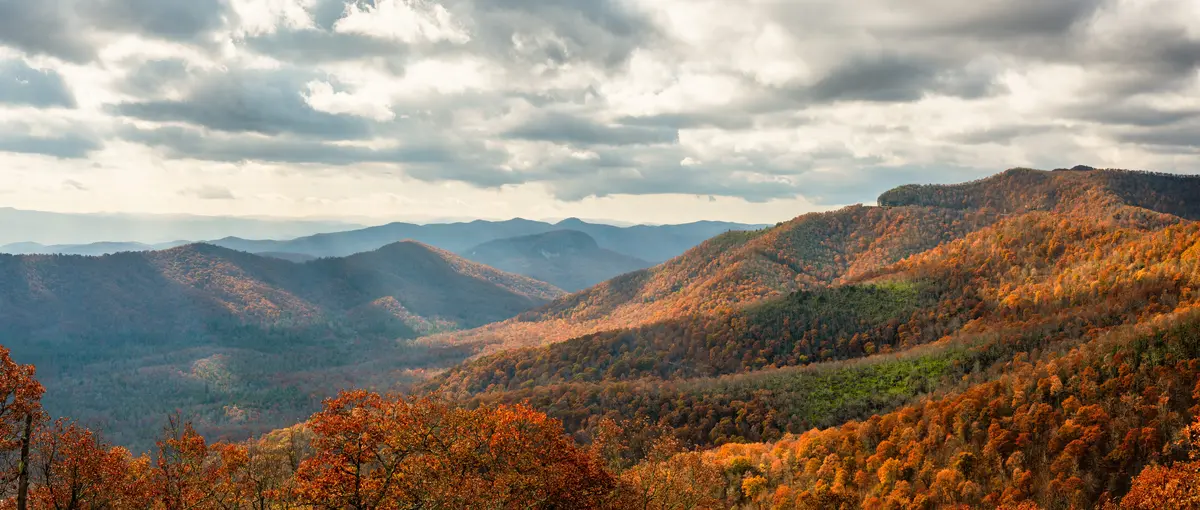
Why Retirees Are Choosing Hartsville
Hartsville makes the most sense for retirees who have already decided that a quieter pace beats proximity to the city — and who can handle being car-dependent in exchange for a lower monthly nut. The typical home price of $329,758 (August 2026) puts ownership within reach for buyers coming from mid-market backgrounds, and the town's genuine small-city texture — a real courthouse square, lake access, a handful of independent local spots — means it doesn't feel like a placeholder while you wait for something better.
The profile of retiree who lands here and stays: someone with Tennessee roots or family nearby, comfortable driving 20 to 30 minutes for a specialist or a Costco run, and drawn to the kind of community where you recognize people at the farmers market. The Honeysuckle Farmstand and the Hartsville Taco Company become part of your weekly rhythm. You're not looking for a walkable arts district; you're looking for a porch, a reasonable mortgage, and a safe, low-drama environment. Hartsville delivers all three.
Who should look elsewhere: retirees who need frequent specialist visits or who want to walk to coffee and dinner without a car. The healthcare infrastructure here is real but limited in depth, and the honest answer on walkability is that most errands require driving. If your retirement picture includes frequent trips to a major medical center, factor the 60-minute drive to Nashville carefully. For that buyer, Gallatin — with a larger hospital system right in town — may be the smarter call, even at a higher price point.
Healthcare & Medical Access in Hartsville
Highpoint Health – Trousdale is the city's hospital — a 25-bed critical access facility inside city limits, part of the Highpoint Health System (a joint venture between Lifepoint Health and Ascension Saint Thomas). For day-to-day emergencies and acute needs, it punches well above its size: the campus includes a 24/7 emergency room, laboratory, X-ray, CT imaging, and rehabilitation services, all in one place. The ER's average time from arrival to a provider has been reported at 9 minutes — well below typical national figures — which matters enormously when you're the one waiting.
Highpoint Health also operates a Senior Life Solutions program co-located on the Trousdale campus, designed specifically to provide behavioral and wellness support for older adults. That's a meaningful addition that many towns this size simply don't have.
The honest limitation is specialty depth. Cardiology, oncology, orthopedic surgery, neurology — complex or recurring specialist care means leaving town. Within the broader Highpoint Health network, Highpoint Health – Sumner in Gallatin is a 155-bed flagship facility, and Highpoint Health – Riverview serves the Carthage area. Both are accessible from Hartsville without going all the way to Nashville. For anything requiring a major academic medical center — Vanderbilt, TriStar, HCA's full complement of specialists — you're looking at that about 60 minutes to Nashville drive. Retirees managing a single stable chronic condition will find Hartsville workable. Those juggling multiple specialists on a monthly schedule should map the drives before committing.

The Retiree Budget in Hartsville
Tennessee's income tax picture is one of the cleanest in the country for retirees. The state levies no income tax whatsoever — Social Security, pension payments, IRA and 401(k) withdrawals, and annuity income are all untaxed at the state level. The Hall Income Tax on interest and dividends was fully repealed in 2021, and there is no state estate or inheritance tax. For a retiree drawing from multiple income streams, that adds up to real money left on the table in most other states.
Property taxes in Hartsville are equally easy on a fixed income. The effective rate runs approximately 0.49% — among the lower rates in Middle Tennessee and well below national norms. Tennessee also offers a Property Tax Relief Program for qualifying seniors: homeowners 65 or older with 2025 household income at or below $38,470 may be eligible for a property tax credit. Disabled veterans and their unremarried surviving spouses qualify with no income limit. If you're in that bracket, it's worth contacting the Trousdale County Trustee to confirm your eligibility before you close on a home.
The one tax lever that works against retirees here is sales tax. Tennessee's combined state and local rate averages about 9.62% statewide — one of the higher combined rates in the country. Retirees on a fixed income whose spending is the primary driver of taxable activity will feel this at the register more than working households do. Groceries do get a reduced rate, but the full rate hits appliances, clothing, furniture, and most discretionary purchases. Budget for it. The interactive calculator below can help you model the full ownership cost picture at current rates.
Looking to buy in Hartsville? Estimate your payment.
Enter your numbers to see an estimated monthly mortgage payment.
Estimate only. Excludes HOA fees and mortgage insurance. The interest rate above is a starting point, not a quoted rate — replace it with your own to see real numbers. Insurance is a flat placeholder, not a Hartsville quote.
Beyond the Monthly Mortgage Payment — What to Factor In
- The property tax rate above — The 0.49% used in the estimate is the median effective rate — tax actually paid as a share of market value — published by Ownwell, 2026. Half of local homes pay more and half pay less: your own bill depends on that property's assessed value and any exemptions it qualifies for, which can differ a lot from its market price. Confirm with the Trousdale County assessor before you budget.
- Total cost of ownership — Your monthly mortgage payment is just the baseline. Depending on the specific city, county, and service district, homeownership costs also include local utility fees, municipal surcharges, and special assessments (such as water, sewer, storm drainage, or local energy taxes) that vary by location.
- Independent due diligence — Because these recurring local costs and municipal fees change depending on the exact property address, buyers must research them independently during their transaction process.
Tax laws, local municipal fees, and utility costs change frequently and individual situations vary. This page is general information, not tax or legal advice — always consult a qualified tax professional, CPA, or local municipal offices for personalized guidance.
Walkability, Community & Staying Active in Hartsville
Hartsville is not a walkable town in the traditional sense. The terrain is gently rolling rather than flat, which helps, but the distances between errands and the absence of continuous sidewalk networks in most residential areas mean a car is the practical tool for daily life. What the town does offer instead is a compact, human-scaled downtown — anchored by the Trousdale County Courthouse — where a short drive puts you in the middle of something that actually feels like a community center.
For outdoor activity, the options around Hartsville are genuinely good. Bledsoe Creek State Park covers 169 acres on the shores of Old Hickory Lake, with over six miles of hiking trails — including two ADA-paved accessible paths that make the park usable for retirees with mobility considerations. Fishing, kayaking, and paddleboarding round out the recreational picture. Defeated Creek Park and the waters around Cordell Hull Lake add to the lakeside access available within a short drive. Trey Parker Park and the Hartsville Splash Park give the city's more central green space for lighter activity and grandchildren visits.
Community life in Hartsville tends to organize itself around civic, church, and seasonal events rather than a formal senior center infrastructure. The Downtown Sound, a summer outdoor music and street-fair series held monthly during warm months, is the kind of recurring gathering where you'll recognize the same faces every time. Early Bird Cafe, New Geneva Coffee Roasters, and Mudlark Café are the informal social anchors — the spots where retirees who've settled in actually spend their mornings. Plain Jane's Italian Cuisine and Farmers Market / Farmers Harvest complete a small but reliable local dining and shopping circuit. Volunteerism through local churches and civic organizations is how most long-term residents plug in, and newcomers who approach it that way tend to find their footing quickly.
Right-Sizing: Downsizing in Hartsville
No 55+ communities were found in Hartsville. That's the honest starting point for any retiree who expected an age-restricted community with a clubhouse and a social director. The town's residential market is general-population housing — a mix of older ranch-style homes, modest two-stories, and some newer construction on the edges of town — and the downsizing decision here is really about finding the right general-market property rather than a purpose-built retirement product.
The good news is that Hartsville's housing stock skews toward single-level construction in a way that many suburban markets don't. Ranch homes and single-story builds from the mid-20th century are common, especially in established neighborhoods like Wilurm and Clark Place, and the neighborhood breakdown is worth reading before you target a specific area. Entry-level single-story homes are genuinely accessible here at prices that won't require liquidating a retirement account to close. Patio homes and smaller footprints exist in the general market, though they require some patience to find.
What Hartsville does not offer is a condo tower, a lock-and-leave lifestyle community, or an HOA-run active-adult development with amenity packages. If that's the picture you're working toward, Gallatin or Lebanon — both within the Highpoint Health regional network — have more developed senior-housing markets. For buyers who simply want a manageable single-level home in a quiet small city where property taxes are low and no one is going to charge them HOA fees for a pool they don't use, Hartsville is a legitimate option. Work with a buyer's agent who knows the local single-story inventory and can flag which listings are genuinely step-free from the entry.
Hartsville vs Nearby Retirement Destinations
| City | Cost vs Hartsville | Primary Hospital | Walkability | Senior Living Depth | Overall Retirement Fit |
|---|---|---|---|---|---|
| Hartsville | Baseline | Highpoint Health – Trousdale (critical access, 25 beds, in-city) | Car-dependent; gentle terrain; good trail access nearby | No 55+ communities found; general market single-level homes | Strong for budget-focused retirees with family ties; limited for those needing frequent specialists |
| Gallatin | Noticeably higher | Highpoint Health – Sumner (155-bed flagship, full-service) | More commercial infrastructure; still car-dependent for most errands | Broader senior-housing market; more assisted-living options | Better for retirees prioritizing in-town hospital depth and more housing choice |
| Lebanon | Noticeably higher | University Medical Center (regional hospital) | More retail and service density than Hartsville; still car-first | More developed 55+ and active-adult inventory | Suits retirees wanting a slightly larger city feel with Nashville proximity |
| Carthage | Noticeably lower | Highpoint Health – Riverview (critical access, same regional network) | Very car-dependent; smaller commercial footprint than Hartsville | Limited senior-housing inventory | Most affordable option in the region; best for retirees who want extreme quiet and low cost |
| Lafayette | About the same | Macon County General Hospital (independent critical access) | Minimal walkable infrastructure; rural pace | Very limited senior-living options | Works for retirees with deep rural preferences; less convenient to Nashville's medical network |
| Watertown | About the same | No in-town hospital; relies on Lebanon and Nashville | Very limited; small-town footprint | Minimal senior-housing market | Appeals to retirees prioritizing quiet and low cost; healthcare access requires more planning |
Gallatin is the clearest upgrade on healthcare depth — Highpoint Health – Sumner is a full-service regional hospital that handles most specialty needs without a Nashville drive, and it's the same Highpoint system that serves Hartsville's Trousdale campus. The cost premium is real, but for retirees managing complex conditions, the trade may be worth it.
Carthage sits in the same Highpoint regional network via Highpoint Health – Riverview, and its prices run noticeably below Hartsville, making it the leanest option in the corridor. The compromise is a smaller commercial footprint and fewer social options. Lebanon adds the most urban infrastructure of any of these towns, with more senior-housing depth and retail variety, but it prices accordingly and the sprawl along the main commercial corridor can feel more suburban than small-town.
Lafayette and Watertown are both honest alternatives for the retiree who wants maximum quiet and minimum overhead — but both require more planning around healthcare access than Hartsville does, since neither has Hartsville's in-city hospital presence.

Local Expert Takeaway: Hartsville is the right retirement move if your priorities are low property taxes, an untaxed retirement income, and a genuine small-town environment — and you're realistic about driving for specialists and most shopping. The in-city hospital at Highpoint Health – Trousdale handles urgent needs well, the ADA trails at Bledsoe Creek State Park give active retirees real outdoor options, and the combination of a 0.49% effective property tax rate and zero state income tax leaves more of a fixed-income budget intact than almost anywhere else in Middle Tennessee at this price point.
Quick Takeaways & FAQs
✅ Tennessee's zero state income tax means Social Security, pensions, and retirement account withdrawals are all untaxed at the state level — a meaningful advantage for most retirees.
⚠️ No 55+ communities exist in Hartsville, and specialist-level medical care requires a drive to Gallatin or Nashville — retirees with complex medical needs should plan accordingly.
📍 Highpoint Health – Trousdale's ER sits inside city limits with a reported average wait time of 9 minutes from arrival to provider — unusually fast for a critical access hospital.
Is Hartsville, TN a good place to retire?
What hospital serves retirees in Hartsville?
Does Tennessee tax Social Security or pension income?
Are there 55+ communities or active-adult developments in Hartsville?
What property tax relief is available to seniors in Hartsville?
Moving to Tennessee?
Tell us what you need help with and we'll connect you with local resources.
