
What Is Living in Bean Station, Tennessee Like?
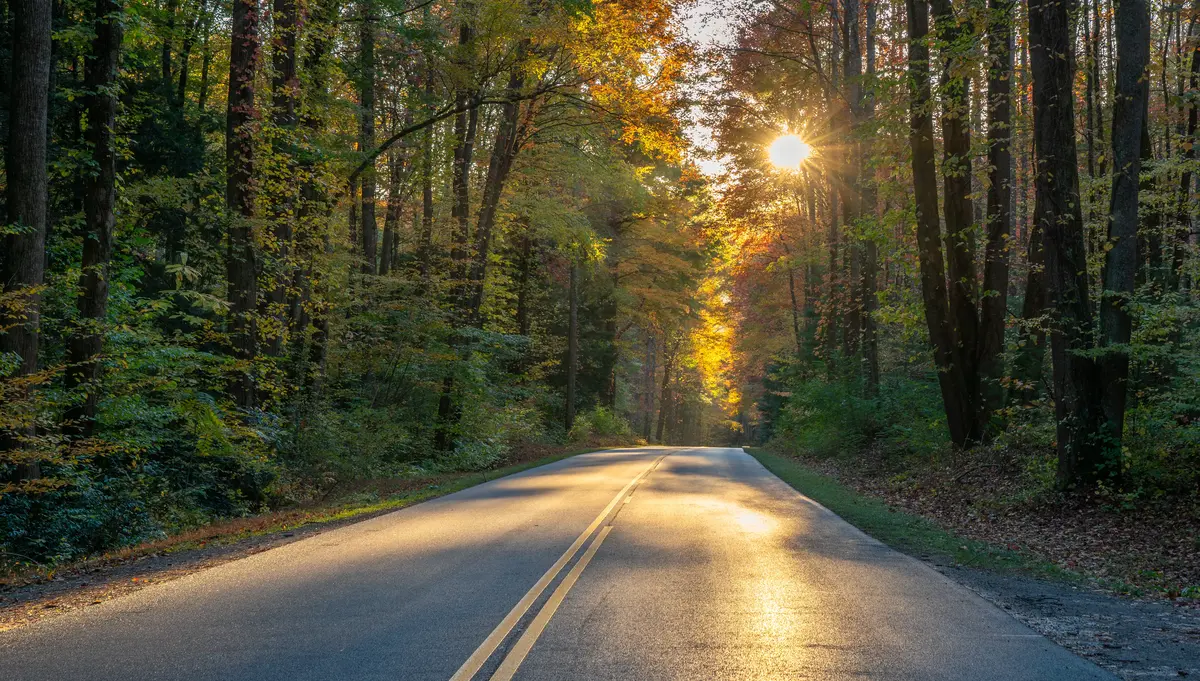
If you're choosing between Bean Station and somewhere like Morristown, the decision usually comes down to one real trade-off: quiet lakeside living versus a shorter drive to everything else. Bean Station sits at the crossroads of US-25E and US-11W — routes that have defined this spot since the frontier era — on the western shore of Cherokee Lake in Grainger County. It's a town of 3,190 people where the pace is genuinely slow, the water is visible from half the neighborhoods, and almost everything beyond groceries and gas means driving somewhere else.
The economic backbone is straightforward. Grainger County Schools is the anchor public employer, joined by the United States Postal Service, PSSI, and Compass Group. Most working residents commute out — the drive is about 25 minutes to Morristown, where the bulk of the retail, healthcare, and manufacturing jobs are. The Grainger County school district holds a C rating, according to Niche, and serves 2,852 students enrolled in 2024-25. The district is small and tight-knit in the way that rural East Tennessee schools tend to be, with active TSSAA athletics programs and a community that shows up for Friday night football at Grainger High.
The cost picture is one of Bean Station's strongest arguments. The typical home price is $271,160 (Zillow Home Value Index, August 2026), and the effective property tax rate sits at just 0.59% — among the lowest in the state. That affordability is real, though worth keeping in context: the median household income of $50,114 runs below what it takes to comfortably carry that home price, so buyers here often work with a second income or bring equity from elsewhere. What you get for the money is space, lake access, Clinch Mountain views, and a level of quiet that the suburbs ringing Knoxville or Morristown simply can't offer at this price point. For outdoor recreation, the details are on the parks and recreation page.
Whether you're weighing a move or just researching the area, the sections below cover Bean Station's neighborhoods, housing market, commuting reality, local employers, daily life, and what makes this particular corner of Grainger County worth understanding before you make an offer.
Bean Station at a Glance
Looking to buy in Bean Station? Estimate your payment.
Enter your numbers to see an estimated monthly mortgage payment.
Estimate only. Excludes HOA fees and mortgage insurance. The interest rate above is a starting point, not a quoted rate — replace it with your own to see real numbers. Insurance is a flat placeholder, not a Bean Station quote.
Beyond the Monthly Mortgage Payment — What to Factor In
- The property tax rate above — The 0.59% used in the estimate is the median effective rate — tax actually paid as a share of market value — published by Ownwell, 2026. Half of local homes pay more and half pay less: your own bill depends on that property's assessed value and any exemptions it qualifies for, which can differ a lot from its market price. Confirm with the Grainger County assessor before you budget.
- Total cost of ownership — Your monthly mortgage payment is just the baseline. Depending on the specific city, county, and service district, homeownership costs also include local utility fees, municipal surcharges, and special assessments (such as water, sewer, storm drainage, or local energy taxes) that vary by location.
- Independent due diligence — Because these recurring local costs and municipal fees change depending on the exact property address, buyers must research them independently during their transaction process.
Tax laws, local municipal fees, and utility costs change frequently and individual situations vary. This page is general information, not tax or legal advice — always consult a qualified tax professional, CPA, or local municipal offices for personalized guidance.
Why Are People Moving to Bean Station?
Bean Station draws two distinct groups: people priced out of the Knoxville and Morristown metros who want a real house at a real price, and remote workers or retirees who want Cherokee Lake out the back door without paying lake-house premiums. The town sits on over 400 miles of Cherokee Lake shoreline, and that geography does the selling.
The history here runs deeper than most towns ten times its size. The Bean Station Inn, built in 1814, was a stopping point for Andrew Jackson, Henry Clay, and James K. Polk. That centuries-old identity as a crossroads is still visible in the highway layout today, and it gives the town a sense of place that newer exurbs don't have.
The Affordability Case
With a typical home price of $271,160 (August 2026) and a 0.59% effective property tax rate, Bean Station is one of the most affordable places to own in East Tennessee. Comparable markets in Morristown, Rutledge, and Rogersville are priced at about the same level, so Bean Station's advantage isn't dramatic in dollar terms — it's the lake access and the quieter setting you get for that same price point. See the full cost breakdown on the cost of living page.
Who It Doesn't Suit
If you need daily conveniences within walking distance — a coffee shop, a grocery run, a spontaneous dinner out — Bean Station will frustrate you within a month. This is a town where nearly every household has a car, and that's not a quirk, it's a prerequisite. Buyers expecting a walkable small-town main street tend to be disappointed; the town's commercial offerings are modest, and a serious shopping trip means driving to Morristown or beyond.
The jobs picture is equally honest. Manufacturing, healthcare, and retail make up the largest employment sectors locally, but the employers with the most weight — factories, hospitals, larger retailers — are largely in Morristown or Jefferson City. If your income depends on what's in Bean Station itself, the options are limited to the postal service, school district, and a handful of service businesses.
What Daily Life Feels Like in Bean Station
Most mornings in Bean Station start with a drive. Whether it's the commute to Morristown or a grocery run, the car is part of the routine in a way that feels completely normal once you've settled in — about 98% of households here have at least one vehicle. The pace of life is genuinely unhurried, and that's not marketing language: it's a town where neighbors know each other's names and the evening entertainment is often the view from the porch.
The Lakeside Reality
Cherokee Lake is the defining feature of daily life for a large share of residents. With more than 28,000 surface acres and shoreline that winds through multiple neighborhoods, it shapes where people live, how they spend weekends, and why they stay. Spring crappie fishing, summer boating, and fall bass runs are part of the seasonal rhythm here in a way that's hard to replicate in a landlocked suburb.
The East Tennessee Crossing Byway runs through town, linking Bean Station to historic sites and mountain vistas along a route that most locals treat as a weekend drive rather than a commuter road. The Veterans Overlook on Clinch Mountain draws both residents and visitors for the views across the lake and valley.
What Surprises People After Six Months
Newcomers consistently underestimate how much the seasons dictate the pace. Summer weekends bring a noticeable surge of lake traffic — boats, visitors, and a remarkable concentration of seasonal fireworks shops along US-25E that gives that stretch of highway a character entirely its own from late June through early July. The town sits on one of the main approach routes to the fireworks trade, and the roadside scene shifts considerably during those weeks. It catches a lot of newcomers off guard their first summer.
The flip side is that fall and winter are remarkably quiet — not in a sleepy, nothing-to-do way, but in the way that makes people who moved here specifically for the calm remember why they came. The Bean Station Farmers' Market draws a steady local crowd through the growing season. Harris Court Park anchors the town's green space. For families thinking about where kids can play and what the school experience looks like, the schools page covers the district in detail.
Community Texture
Bean Station was officially incorporated only in 1996, which means it's a young municipality by legal measure but an ancient community by history. That combination produces a place that still feels like a county-road town that happened to get a mayor. The Bean Station History Museum and the Tate Springs Spring House are the kinds of places longtime residents take pride in and newcomers walk past twice before noticing how significant they are.
The Bean Station Housing Market Right Now
The typical home price in Bean Station is $271,160 (Zillow Home Value Index, August 2026). For context on how that fits into the broader regional market, the cost of living page covers the full picture, including rent ranges and what the tax rate means in practice.
What the Price Buys
At this price point in Bean Station, buyers are typically looking at established single-family homes on real lots — not townhomes or attached product. Lake-adjacent and lake-view parcels command a premium over the city-wide figure; properties further from the water or closer to the commercial corridor on US-25E tend to sit at the lower end of the range. Some areas cost noticeably more than others depending on waterfront proximity, but the spread is not dramatic compared to what you'd see in larger lake markets.
The inventory is small. This is not a market with dozens of active listings at any given moment, which means well-priced homes in the Bayside and Lakeshore Drive areas move when they appear. Buyers who are serious about a specific neighborhood should be watching closely rather than casually browsing.
The Affordability Tension
One honest note: the median household income of $50,114 runs below what's typically needed to carry the city's median home price. That gap means a significant share of buyers here are bringing equity from a previous sale, combining two incomes, or making a deliberate trade-off on square footage or condition to get into the market. First-time buyers navigating that math will find specific guidance on the first-time homebuyer page.
The property tax rate of 0.59% is one of the most compelling numbers in the whole cost picture. Grainger County ranks among the lowest quartile of all U.S. counties for median property taxes collected, which matters meaningfully over the life of a mortgage for buyers comparing East Tennessee options.
Bean Station Neighborhoods
Bean Station has several distinct areas — each with its own character and appeal. Here’s a breakdown to help you narrow down where to focus your home search.
🏡 Bayside
Bayside sits along the Cherokee Lake shoreline and draws buyers who want the water as part of daily life rather than an occasional outing. The housing stock is a mix of established lake homes and more modest residences, making it one of the more sought-after pockets in town.
🏠 Gammon Springs
Gammon Springs has a quieter, more residential feel away from the lake corridor, suiting buyers who want the Bean Station address without lake-adjacent pricing. It's a straightforward neighborhood of single-family homes with easy access to the main highway routes.
🌳 Fishermans Paradise
The name is earned — Fishermans Paradise attracts anglers and water-focused buyers who want proximity to Cherokee Lake's fishing access points. It has a casual, outdoors-oriented character that fits the town's overall identity well.
🏘 Country Club
Country Club sits near the Clinchview Golf and Country Club course and draws residents who want a slightly more structured community setting with green space nearby. It tends to appeal to buyers who value the golf amenity as part of their daily routine.
🏔 Campbell Heights
Campbell Heights is a residential neighborhood with a more elevated setting, offering the kind of slightly removed, hilltop quiet that buyers moving from denser areas often find themselves drawn to. Single-family homes on larger lots are the norm here.
🌆 Paradise Valley
Paradise Valley lives up to its name in the way that East Tennessee valley communities often do — tucked away enough to feel private, close enough to US-25E to stay connected. It suits buyers who want space and scenery without being far from the town's core.
Pros & Cons of Living in Bean Station
The Pros
- Direct access to Cherokee Lake for boating, fishing, and lakefront living
- Low property tax burden compared to national and state averages
- Affordable home prices relative to nearby Knoxville and Morristown
- Low overall crime rate and quiet, rural small-town feel
The Cons
- Limited local job base, meaning most residents commute elsewhere for work
- School district test scores and academic rankings trail Tennessee state averages
- Fewer shopping, dining, and entertainment options than nearby metro areas
Getting Around & Commuting in Bean Station
Bean Station has been a transportation crossroads for centuries, and the road network still reflects that. US-25E and US-11W intersect here, with TN-32 and TN-375 also serving the city. For daily commuting, that means reasonable access to neighboring communities without requiring an interstate — though the drives are longer than they look on a map when you factor in traffic through commercial corridors.
Where People Actually Go
The most common commute destination is Morristown, at about 25 minutes under normal conditions. Jefferson City is another significant destination for healthcare and manufacturing workers. A smaller share of residents make the longer haul toward Knoxville's employment base, where the drive runs closer to an hour depending on where in the metro you're headed.
The average commute for Bean Station workers runs roughly 29 minutes — slightly above the national average. That figure reflects a workforce that relies almost entirely on personal vehicles; about 84% of workers drive alone to work.
What Commuters Should Know
US-25E through the commercial stretch of town creates the most consistent friction. The four-way traffic pattern at the main intersection can back up during morning and afternoon peak windows, and summer weekends compound that with lake-bound visitor traffic and the seasonal fireworks shops that draw off-highway stops. Buyers who work standard office hours and live on the Bayside side of town navigate this daily.
For those who travel for work or fly frequently, McGhee Tyson Airport (TYS) is about 57 miles away — roughly an hour's drive on a typical day. That's manageable for occasional travel but worth factoring in for any role that requires frequent flying.
Remote Work & the Commuter Profile
A meaningful and growing segment of Bean Station residents work remotely, which is part of why the town appeals to people relocating from larger metros. If your job is a laptop and a reliable internet connection, the lake-view setting and the low property tax rate are an easy case to make. The commuter profile here is split roughly between local essential-sector workers and remote professionals who chose this specifically to not commute anywhere.
Schools in Bean Station
Families relocating to Bean Station have public, private, and higher-education options nearby. Here’s a quick overview.
🎓 School District
Grainger County serves K–12 students across Bean Station and the surrounding area. Rated C (source: Niche.com).
📊 District Stats
- Enrollment 2024-25
- 2,852 students
- 4-year graduation rate
- 97%
- Math proficiency 2025-26
- 29.8%
- Reading proficiency 2025-26
- 40.3%
- Science proficiency 2025-26
- 47.9%
Source: Tennessee Department of Education Data Downloads (district profile, graduation rate and TCAP assessment files).
📚 Higher Education
Tennessee’s public universities — the University of Tennessee, Vanderbilt University, and Middle Tennessee State University — offer four-year degrees statewide, with a statewide community and technical college system of 13 community colleges and 24 colleges of applied technology, with tuition-free options for residents through Tennessee Promise and Tennessee Reconnect providing two-year and workforce programs.
🌐 Online Learning
UT Knoxville Online and MTSU Online offer fully accredited online degrees for remote learners across the state.
Safety in Bean Station
A quick look at how Bean Station compares on the numbers that matter most when weighing a neighborhood or a move.
🛡 Violent Crime
Approximately 2.88 per 1,000 residents.
🔒 Property Crime
Approximately 10.25 per 1,000 residents.
Compared to the most recent national figures from the Bureau of Justice Statistics (2024), Bean Station’s violent crime is below the national average (about 3.7 per 1,000), and property crime is below the national average (about 18.4 per 1,000).
Against Tennessee as a whole, Bean Station’s violent crime is roughly half the state average, and property crime is roughly half the state average (Bureau of Justice Statistics, Crime Known to Law Enforcement, 2024 (tables 2 and 3)).
Crime rates can vary a lot within a single city, so the citywide numbers above are only a starting point. Some neighborhoods in Bean Station run well below these averages, while others run higher — the kind of block-by-block detail that matters most when you’re actually choosing where to live. The full guide below breaks it down neighborhood by neighborhood.
Working in Bean Station
Bean Station’s largest employers span several industries — here are some of the anchors of the local job market.
💼 United States Postal Service
Postal/logistics
🛒 PSSI
Food-industry sanitation services
🛒 Compass Group
Food & vending services
🎓 Grainger County Schools
Education
Parks & Recreation in Bean Station
Some of the outdoor spaces that shape everyday life in Bean Station.
🌱 Veterans Overlook on Clinch Mountain
🌱 Cherokee Lake & Dollar Island
🌱 Harris Court Park
Bean Station residents don’t have to go far for green space — spots like Veterans Overlook on Clinch Mountain and Cherokee Lake & Dollar Island are part of everyday life here, whether that’s a morning walk, a weekend hike, or just somewhere to unwind outside. The full guide below covers more of what Bean Station has to offer for parks and outdoor recreation.
Retiring in Bean Station
Bean Station draws retirees for its balance of amenities, outdoor access, and cost. Here’s what to weigh.
🌤 Climate
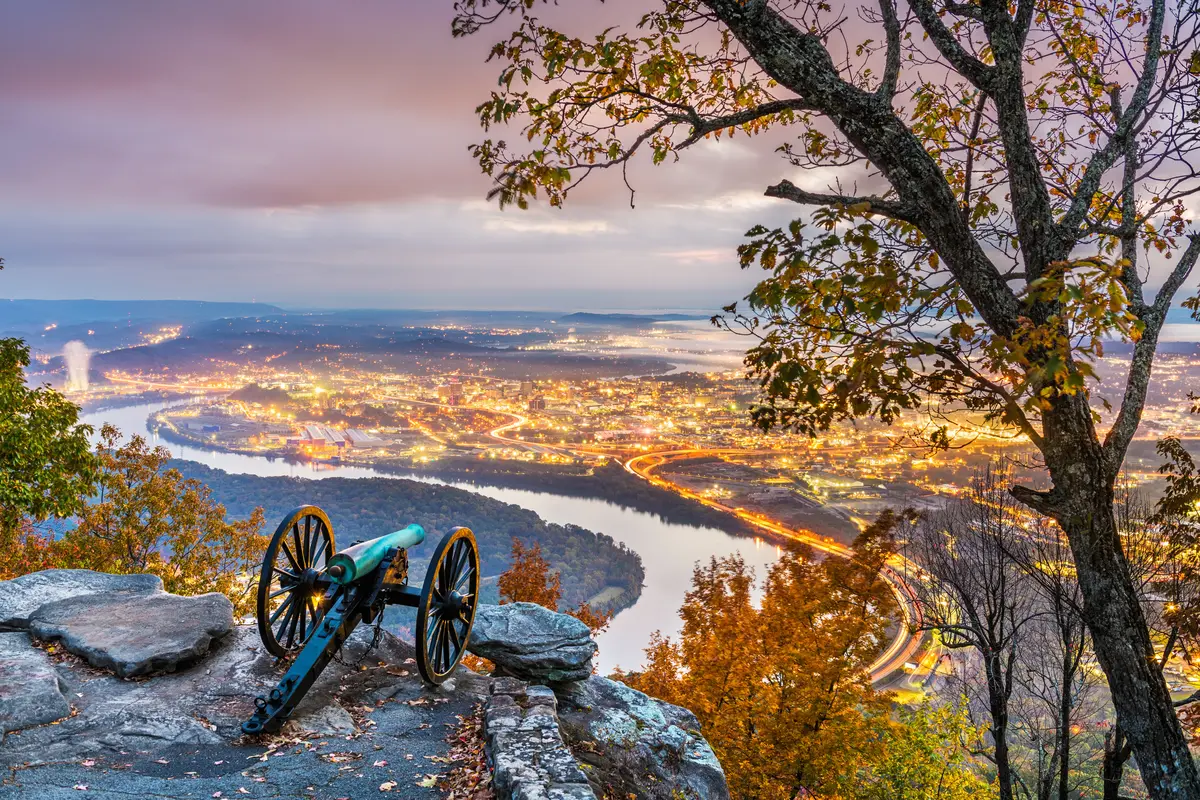
Bean Station gets 205 sunny days a year, with four distinct seasons that feel genuinely different from one another. Winters are mild by Appalachian standards but do include cold snaps and occasional snow. Spring and fall are the sweet spot — warm enough for the lake, cool enough for the mountain drives.
🍴 Lifestyle
Daily life here centers on the outdoors: Cherokee Lake for fishing and boating, Clinch Mountain for views and drives, and Harris Court Park for everyday green space. The dining scene is small but functional, with a handful of local restaurants and the Bean Station Farmers' Market adding seasonal rhythm. It's a town built for people who find meaning in the pace, not the programming.
🏚 55+ Communities
No 55+ communities were found in Bean Station. Retirees looking for that kind of structured community setting will find more options in Morristown or Jefferson City, both within reasonable driving distance.
✈ Getting Around
A car is essential for daily life — most errands require a drive, and nearly every household relies on personal vehicles. Morristown, with its fuller range of medical and retail services, is about 25 minutes away. For air travel, McGhee Tyson Airport (TYS) is approximately 57 miles from Bean Station.
🏛 Tennessee Taxes for Retirees — What to Know
- No state income tax — Tennessee has no personal income tax. Social Security, pensions, 401(k) and IRA withdrawals and annuity payments are all untaxed at the state level, with no state return to file. The Hall tax on interest and dividends — the state’s last income-type tax — was fully phased out and repealed effective 2021.
- Sales tax is the tradeoff — The state sales tax is 7.0%, and local add-ons bring the combined rate in Bean Station to 9.75% (Tennessee Department of Revenue (SUT-13, SUT-53); Streamlined Sales Tax rate boundary file TNR2026Q3, Q3 2026). Groceries are taxed at a reduced state rate of 4% plus the local rate; prescription drugs are exempt. Prepared food, candy, dietary supplements and alcohol pay the full rate.
- Property taxes are low, not the tradeoff — Property tax in Tennessee is set county by county, and rates are low by national standards. Unlike Texas, which funds local government through high property taxes in place of an income tax, Tennessee leans on its sales tax instead — so a retiree is not trading one bill for another. Your county trustee publishes the current rate.
- Tax relief for owners 65 and over — The state reimburses part of the property tax bill for low-income homeowners who are 65 or older, and for disabled homeowners of any age, through the Property Tax Relief program administered by county trustees. It is income-tested and must be applied for each year.
- A tax freeze — but only where the county or city adopted it — Tennessee also allows a Property Tax Freeze that locks a homeowner’s bill at the amount owed in the year they qualify, for owners 65 and over under an income limit. It is a local option: each county and city chooses whether to offer it, and sets its own income threshold, so it is available in some parts of the state and not others. Check with the county trustee.
- No estate, inheritance or gift tax — Tennessee has none of the three. The inheritance tax was repealed for deaths occurring in 2016 and after, and the gift tax was repealed effective January 1, 2012.
- No separate capital gains tax — Because Tennessee has no state income tax, capital gains — including on investments and on the sale of a home — are not taxed at the state level at all, unlike states such as Washington that tax capital gains separately from income.
Source: Tennessee Department of Revenue and Tennessee Comptroller of the Treasury.
Tax laws change frequently and individual situations vary. This is general information, not tax advice — always consult a qualified Tennessee tax professional or CPA for personalized retirement tax planning.
Weekends & Local Favorites in Bean Station
Cherokee Lake is the anchor of almost every good weekend here. Bean Station Point is one of the better-known bass fishing spots on the lake, and the spring crappie runs draw anglers from well outside the county. Lakeside Marina and Huff's German Creek Marina both offer boat access, with Huff's providing seasonal rentals for those who haven't committed to their own boat yet. The combination of more than 28,000 surface acres and the quiet coves around Dollar Island makes the lake feel different every season.
On the Water and in the Hills
When the lake isn't the plan, Clinch Mountain is. The Veterans Overlook gives a panoramic view across the valley and lake below, and the East Tennessee Crossing Byway turns the drive itself into the destination — connecting historic markers, mountain vistas, and the kind of roadside Tennessee that doesn't show up on a highlights reel. The Tate Springs Spring House and the Bean Station History Museum are worth an afternoon for anyone who wants to understand why this specific crossroads has mattered for 250 years.
Harris Court Park is the town's main green-space anchor, the kind of place where youth sports and informal gatherings happen against a backdrop that most suburban parks can't match. The Clinchview Golf and Country Club adds an 18-hole course for residents who play.
Food, Coffee & the Farmers' Market
The dining scene is small and unpretentious. Cook's Boathouse Restaurant is the lakeside option that draws both locals and visitors. El Paraiso Mexican Grill fills the casual weeknight slot. Ben's Place rounds out the local sit-down options. For a quick stop, The Bean House handles the coffee crowd, and the Subway on US-25E is exactly what it is. None of these are destination dining, but they're reliable and they're here.
The Bean Station Farmers' Market runs through the growing season and is genuinely local in the way that small-county markets tend to be — familiar faces, seasonal produce, and the kind of casual community gathering that doesn't require an event calendar. For anyone moving from a city accustomed to weekly markets, this one is smaller in scale but warmer in feel.
One thing no newcomer expects: the concentration of seasonal fireworks shops along US-25E is a legitimate local institution. The strip is not ironic — the density of shops is remarkable, and in the weeks around the Fourth of July, the commercial energy of the town shifts noticeably. It's a quirk that becomes part of the local identity once you've lived through a summer here.
Local favorites in Bean Station
Restaurants
- Veterans Overlook at Clinch Mountain
- Cook's Boathouse Restaurant
- El Paraiso Mexican Grill
- Ben's Place
- Subway
Outdoors
- Veterans Overlook on Clinch Mountain
- Harris Court Park
- Lakeside Marina
- Huff's German Creek Marina
Coffee
- The Bean House
Farmers Markets
- Bean Station Farmers’ Market
Top Things Locals Say About Bean Station
The best intel about a city comes from the people who actually live there. Here’s what Bean Station residents say when newcomers ask the questions everyone’s thinking.
“I knew it was quiet — that was the whole point. What I didn't expect was how much the lake changes your sense of time. You stop counting weeks by your calendar and start counting them by what's running at Bean Station Point.”
— Recent Bean Station home buyer
“What's the most surprising thing about living in Bean Station?”
The summer transformation catches almost everyone off guard. The US-25E corridor fills up with seasonal fireworks shops from mid-June through the Fourth of July, and the traffic around the main intersection gets noticeably heavier with lake visitors. It's not unpleasant — it's just a side of the town that doesn't show up in the real estate listings. By August it quiets down again and you remember why you picked a lakeside town over a suburb.
“What do locals love most about Bean Station?”
The lake is the honest answer. Cherokee Lake is enormous — over 400 miles of shoreline — and Bean Station sits right on it. The Bayside and Lakeshore Drive areas especially have that every-morning-feels-like-a-weekend quality that people move here chasing. Combine that with property taxes that are genuinely low even by Tennessee standards, and the value proposition feels real rather than just a talking point.
“What should newcomers to Bean Station know?”
Plan your Morristown trips efficiently, because you'll be making them regularly — groceries, medical appointments, most of the retail. The drive is easy, but it's still a drive, and newcomers who didn't build that into their mental model of life here tend to find it frustrating at first. Also: get your boat situation sorted before summer. Waiting until June to figure out marina access is a rookie move that locals all made exactly once.
“How much do you need a car in Bean Station?”
A car is part of daily life for nearly every household in town — about 98% have at least one vehicle. Most errands mean a drive, and the services people use regularly are in Morristown or Jefferson City. Within Bean Station itself, you can walk between a handful of spots near the main corridor, but groceries, medical care, and most shopping require getting in the car. If you work remotely and structure your week thoughtfully, you might only leave town a few times — but those trips are by vehicle.
Cities Near Bean Station
Other communities near Bean Station worth a look — each with its own character and price point.
| City | Distance | Best For | Vibe | Median Rent | Median Buy |
|---|---|---|---|---|---|
| Morristown | 15 mi | Jobs, retail & medical access | Busy, suburban, service-rich | $1,436 | $267,036 |
| Rutledge | 10 mi | Rural quiet & county-seat feel | Small, historic, unhurried | $1,050 | $275,000 |
| Rogersville | 15 mi | History lovers & small-town charm | Walkable, preserved, tight-knit | $1,000 | $260,000 |
More Helpful Guides for Bean Station
Going deeper on Bean Station? Our blog series covers everything from first-time buying to retiring here — explore the guides below.
Local Expert Takeaway: Bean Station is one of the few places in East Tennessee where you can buy a real house with Cherokee Lake nearby for well under $300,000 and pay some of the lowest property taxes in the state. The catch is real: you will drive everywhere, the school district is a work in progress, and the town's modest commercial footprint means Morristown is part of your weekly routine whether you planned on it or not. If the lake, the quiet, and the price are the priorities — and especially if you work remotely — Bean Station makes a strong case. If you need walkability, a busy dining scene, or a short commute to a major employment hub, the math doesn't work as well.
Quick Takeaways & FAQs
✅ Cherokee Lake frontage and Clinch Mountain views are accessible at a typical home price of $271,160 — a combination that's hard to find at this price point anywhere in East Tennessee.
⚠️ The Grainger County school district holds a C rating, according to Niche, and on 2025-26 state assessments, 29.8% of students reached math proficiency and 40.3% reached reading proficiency — families with school-age children should weigh this carefully.
📍 A seasonal concentration of fireworks shops along US-25E shapes the town's commercial character every summer and catches newcomers off guard their first July — it's a quirk that becomes part of the local identity once you've lived through it.
What is the typical home price in Bean Station, TN?
How are the schools in Bean Station?
Is Bean Station, TN safe?
What is the commute like from Bean Station to Morristown?
Is Bean Station, TN a good place to retire?
Helpful Links for Moving to Bean Station
Moving to Tennessee?
Tell us what you need help with and we'll connect you with local resources.
