
Most people who retire to Bean Station get there by way of Cherokee Lake. They came to fish or boat for a long weekend, drove past the ridgeline on Clinch Mountain, and did the math: a lakeside setting in East Tennessee, a typical home price well below anything they'd find closer to Knoxville or Asheville, and a state that doesn't tax retirement income. The town of 3,190 sits in Grainger County, about 25 minutes to Morristown along US-25E, with the Great Smoky Mountains region to the south and the rolling ridge-and-valley country of upper East Tennessee all around it. For retirees who have been watching prices climb everywhere else, it has a quiet urgency to it.
The honest version is a bit more complicated. Bean Station is genuinely small — the 135th-largest incorporated city in Tennessee — and it functions like one. Most errands require a car, structured 55+ communities are not part of the local inventory, and senior services within city limits are limited. What it does have is a real hospital about 9 miles away in Morristown, Tennessee's retirement-friendly tax structure, Cherokee Lake as a four-season backyard, and a cost of living that, by BestPlaces' composite index, runs approximately 16% below the U.S. average. The compromise is real: you get affordability and scenery in exchange for convenience and depth of senior services.
The resident profile here skews toward homeowners, many of them retirees, in a suburban-rural mix where most people know their neighbors and community identity is tied tightly to the lake, local history, and the land. The Bean Station History Museum and the Tate Springs Spring House are not just landmarks — they're signposts for the kind of community this is: one that takes its roots seriously. Daily life revolves around outdoor recreation, independent errands by car, and the slower cadence of a small Tennessee town with 205 sunny days a year.
Whether you are seriously considering a move or just putting Bean Station on the shortlist, the sections below cover healthcare access, the retiree tax picture, what a fixed income actually buys here, walkability and community life, the downsizing inventory, and how Bean Station stacks up against the other retirement destinations in the region.
Why Retirees Are Choosing Bean Station
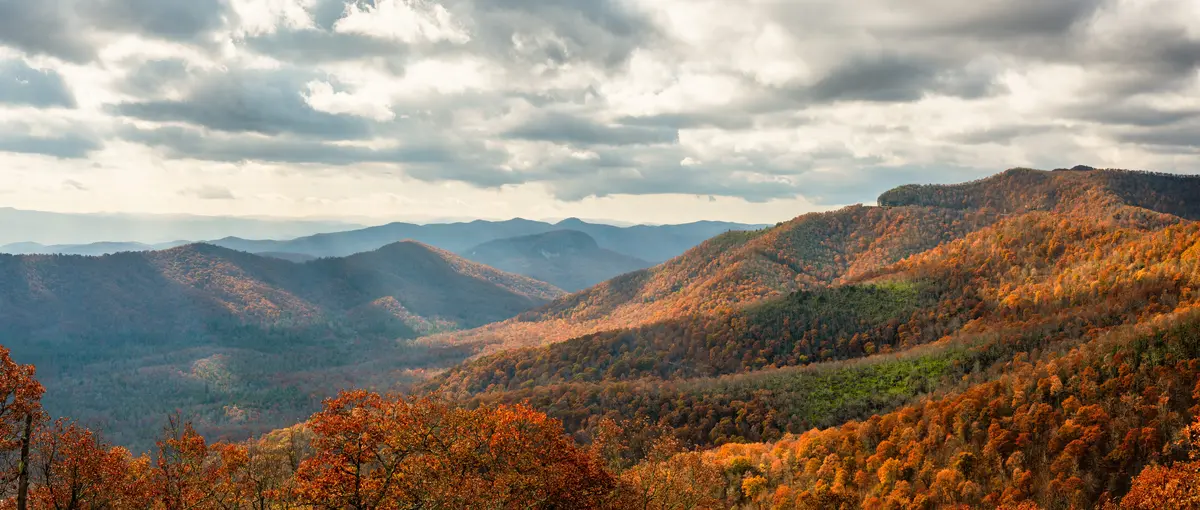
The draw is straightforward: Cherokee Lake on one side, Clinch Mountain on the other, and a typical home price of $271,160 (Zillow Home Value Index, August 2026) that still allows a meaningful down payment from the proceeds of a sold suburban house somewhere more expensive. For retirees leaving Knoxville, the Nashville suburbs, or states like Ohio and Georgia, the number lands with real impact.
Bean Station fits best for retirees who are comfortable being car-dependent and who place outdoor access — fishing, boating, hiking, gardening — at the center of retirement life. Residents here, per Niche.com, are predominantly homeowners, and many are already retirees. The community leans conservative and small-town in the most literal sense: neighbors tend to know each other, pace is slow, and weekend life follows the lake's seasons. That suits a specific kind of retiree very well.
It suits others less well. If walkable errands, cultural programming, or proximity to a major medical hub are non-negotiables, Bean Station will feel thin. Retirees who need specialist care more than occasionally will find themselves making the drive to Morristown regularly — or further to Knoxville for advanced oncology, orthopedics, or cardiac subspecialties. That's a real planning consideration, not a minor inconvenience. See the best neighborhoods page for a look at which pockets of Bean Station offer the most manageable terrain and the closest access to US-25E.
Healthcare & Medical Access in Bean Station
The nearest hospital is Morristown-Hamblen Healthcare System, about 9 miles from Bean Station. That distance is one of the more reassuring numbers for a city this size — many small Tennessee towns put their residents 30 or 40 miles from the nearest emergency department. Here, a medical emergency does not mean a long rural drive before care begins.
Morristown-Hamblen is a 167-bed facility serving an eight-county region with a notably broad service line for a community hospital. It runs a Heart, Lung, and Vascular Center; a Regional Cancer Center; a Breast Center; an Emergency Department; and a Critical Care Unit. In 2024, the system introduced a robotic-assisted surgical platform for general, urologic, and gynecological procedures — the kind of capability that previously required a trip to Knoxville. The hospital also holds Advanced Primary Stroke Center accreditation from The Joint Commission, which matters significantly for retirees: stroke response time is directly tied to outcomes, and accreditation means the protocols and staffing are in place.
The honest limitation is specialty depth. Morristown-Hamblen handles the volume and urgency of a regional community hospital well. For complex oncology second opinions, high-volume orthopedic joint replacement programs, advanced cardiac interventions, or major neurosurgery, the realistic destination is the University of Tennessee Medical Center or Covenant Health's flagship campus in Knoxville. That's a longer drive — plan it into your retirement picture if you or a spouse has a condition that may require specialist-level management over time. Routine primary care, cardiology follow-up, and outpatient procedures are covered in Morristown. The specialized tier is not.
For assisted living and memory care, the nearest facilities with strong regional reputations are in Morristown and Jefferson City. Neither is a long drive, but they are not in Bean Station itself — another detail worth mapping out before committing to the area.

The Retiree Budget in Bean Station
Tennessee's tax posture for retirees is genuinely one of the best in the country. The state has no income tax, which means pensions, IRA distributions, 401(k) withdrawals, and Social Security benefits all arrive intact — nothing withheld at the state level. For a retiree on a fixed income, that difference can be meaningful compared with states that tax retirement income at 5% or more.
The state also fully repealed its estate and inheritance taxes in 2016, so heirs owe no state-level tax on inherited property or investments (federal rules still apply). That matters for retirees thinking through wealth transfer to children or grandchildren.
On property taxes, Bean Station's effective rate is approximately 0.59% — well below the national average and among the lower rates in Tennessee's Lakeway Area. Tennessee also runs two senior-specific programs worth knowing: a Property Tax Relief Program that provides partial reimbursement for eligible low-income homeowners 65 and older, with income limits adjusted annually; and a Property Tax Freeze Program that locks a qualifying senior's tax bill at the level owed in the year they first qualify. If your income falls near the eligibility threshold, applying in the first year you qualify locks in the lower bill permanently. Check current income limits with Grainger County directly, as they adjust each year.
Beyond taxes, the BestPlaces composite index puts Bean Station's overall cost of living at roughly 16% below the U.S. average — covering housing, food, transportation, healthcare, and other necessities. For retirees stretching a fixed income, that gap shows up in groceries, utilities, and the general cost of maintaining a home. Sales tax in Tennessee runs 7% at the state level, with the combined local rate reaching approximately 9.6% in Grainger County — notable for daily spending, though it does not touch retirement income, property, or food purchased at grocery stores. See the full tax and cost breakdown on the cost-of-living page.
Looking to buy in Bean Station? Estimate your payment.
Enter your numbers to see an estimated monthly mortgage payment.
Estimate only. Excludes HOA fees and mortgage insurance. The interest rate above is a starting point, not a quoted rate — replace it with your own to see real numbers. Insurance is a flat placeholder, not a Bean Station quote.
Beyond the Monthly Mortgage Payment — What to Factor In
- The property tax rate above — The 0.59% used in the estimate is the median effective rate — tax actually paid as a share of market value — published by Ownwell, 2026. Half of local homes pay more and half pay less: your own bill depends on that property's assessed value and any exemptions it qualifies for, which can differ a lot from its market price. Confirm with the Grainger County assessor before you budget.
- Total cost of ownership — Your monthly mortgage payment is just the baseline. Depending on the specific city, county, and service district, homeownership costs also include local utility fees, municipal surcharges, and special assessments (such as water, sewer, storm drainage, or local energy taxes) that vary by location.
- Independent due diligence — Because these recurring local costs and municipal fees change depending on the exact property address, buyers must research them independently during their transaction process.
Tax laws, local municipal fees, and utility costs change frequently and individual situations vary. This page is general information, not tax or legal advice — always consult a qualified tax professional, CPA, or local municipal offices for personalized guidance.
Walkability, Community & Staying Active in Bean Station
Bean Station is not a walkable town by any conventional measure. Errands require a car. The terrain is hilly in parts — the Clinch Mountain ridgeline shapes the eastern edge of the city, and many neighborhoods that back up to the lake involve grades that make walking for utility impractical for retirees with mobility concerns. If walking for transportation is a daily need, this is a genuine limitation to plan around.
What the town does offer is walkability in the recreational sense, which is a different thing and arguably more relevant to retirement quality of life. Harris Court Park sits near the water and gives residents a flat, accessible place to walk without getting in a car. The shoreline of Cherokee Lake, which stretches for over 400 miles of total shoreline across more than 28,000 surface acres, gives boaters, kayakers, and anglers a genuine outdoor life that doesn't require leaving town at all. Huff's German Creek Marina and Lakeside Marina both service the lake near Bean Station — they are the social infrastructure of retirement life here in a way that a senior center might be elsewhere.
The community's active interests, as reflected by the Nextdoor community, run toward walking, local history, gardening, home improvement, and emergency preparedness. That's a useful signal: this is a town where people engage with place and with neighbors, not one that organizes around programming or events. The Bean Station Farmers' Market and the Bean Station History Museum anchor the civic calendar in a quiet way. Volunteering through Grainger County Schools or local civic organizations is the route most engaged retirees take to stay connected.
One thing newcomers don't always anticipate: the seasonal swing in lake traffic. Summer brings boaters and visitors from across the region to Cherokee Lake, which adds noise and activity along the water that the rest of the year simply doesn't have. Retirees who choose lakefront or near-water properties should know that the quiet of October is not the same as the quiet of July.
Right-Sizing: Downsizing in Bean Station
The structured downsizing options that many retirees expect — patio home communities, age-restricted condos, active-adult neighborhoods with HOA maintenance — are not part of Bean Station's housing inventory. The nearest communities with that profile are in Morristown and Jefferson City.
What the Bean Station market does offer is a stock of modestly sized single-family homes, many of them ranches and one-level builds that suit a retiree's practical needs even without the 55+ label. The typical home price of $271,160 (August 2026) is low enough that a buyer coming from a more expensive market can often purchase outright or carry a very small mortgage — which changes the retirement math considerably. Single-level homes do exist in the inventory, particularly in areas like Lakeshore Drive and parts of Country Club, though the hilly topography near the lake means not every parcel is flat and not every home is on navigable terrain for someone with mobility limitations.
The honest gap in the downsizing picture is the absence of maintenance-free living. Retirees who want a community where exterior upkeep is handled — lawn care, snow removal, exterior repairs — through an HOA or management structure will not find that in Bean Station proper. That model exists in Morristown and Jefferson City, and some retirees end up choosing Bean Station for the lake access and Morristown for the services, landing somewhere in between. For buyers who are weighing the inventory in detail, the neighborhoods page covers the character of each area.
Bean Station vs Nearby Retirement Destinations
| City | Cost vs Bean Station | Primary Hospital | Walkability | Senior Living Depth | Overall Retirement Fit |
|---|---|---|---|---|---|
| Bean Station | Anchor | Morristown-Hamblen (~9 mi), Advanced Primary Stroke Center accredited | Car-dependent; recreational walking on Cherokee Lake | Assisted living options in Morristown; limited within city | Strong for outdoor-focused, budget-conscious retirees |
| Morristown | About the same | Morristown-Hamblen on-site | More walkable core; flat central areas | Multiple assisted living and memory care options in town | Better for retirees who want services close at hand |
| Rutledge | About the same | Farther from hospital; Morristown is the nearest regional facility | Very rural; essentially no walkable errands | Minimal dedicated senior infrastructure | Best for those seeking deep rural quiet; limited services |
| Rogersville | About the same | A local community hospital; Morristown is the regional backup | Small walkable historic downtown | Some assisted living options; a genuine historic town center | Good for history-minded retirees who want a Main Street |
| A nearby small town in Claiborne County | About the same | A local community medical center | Car-dependent; spread-out layout | Limited senior housing inventory | Affordable option; suits retirees comfortable in a rural town |
| Jefferson City | About the same | A local community hospital on-site | Modest walkability near the college district | Better assisted living and memory care options than Bean Station | Good balance of services and small-town scale |
Morristown is the clearest upgrade on services: same cost range, hospital on-site, more senior living options, and a flatter, more navigable layout for retirees who anticipate needing those things. Jefferson City offers a similar advantage in senior care depth, with a college-town atmosphere that suits retirees who want proximity to cultural activity and a younger population mix. Rogersville is the pick for anyone drawn to a walkable historic downtown; it has a genuine Main Street that Bean Station does not.
Where Bean Station holds its own — and where it pulls ahead of every city on this list — is the combination of Cherokee Lake access and the quiet, owner-occupied character of its neighborhoods. For a retiree who is healthy, mobile, and genuinely wants to spend retirement on the water rather than near a senior center, Bean Station makes a compelling case that the surrounding towns, for all their advantages, simply can't match.

Local Expert Takeaway: Bean Station works best for retirees who arrive with a plan: buy a single-level home near Cherokee Lake, drive to Morristown-Hamblen Healthcare System for anything beyond routine care, and build a social life around the water, the Bean Station Farmers' Market, and the kind of neighbor relationships that small towns in East Tennessee still sustain. Tennessee's zero income tax and an effective property tax rate of approximately 0.59% make the fixed-income math easier than almost anywhere else in the region. Retirees who want structured senior living or maintenance-free housing need to factor in Morristown or Jefferson City as the base instead, or plan on driving for those services.
Quick Takeaways & FAQs
✅ Tennessee taxes none of your retirement income — no state tax on Social Security, pensions, or IRA withdrawals — and Bean Station's effective property tax rate of approximately 0.59% is among the lowest in the region.
⚠️ Bean Station has no 55+ communities and most errands require a car; retirees who need walkable services or structured senior living will find Morristown or Jefferson City better suited.
📍 Morristown-Hamblen Healthcare System, the nearest hospital at about 9 miles, holds Advanced Primary Stroke Center accreditation from The Joint Commission — solid regional coverage, though complex specialist care still means a longer drive to Knoxville.
Is Bean Station, TN a good place to retire on a fixed income?
How close is Bean Station to a hospital?
Are there any 55+ communities or active-adult neighborhoods in Bean Station?
Does Tennessee tax Social Security or pension income?
What do retirees actually do day-to-day in Bean Station?
Moving to Tennessee?
Tell us what you need help with and we'll connect you with local resources.
