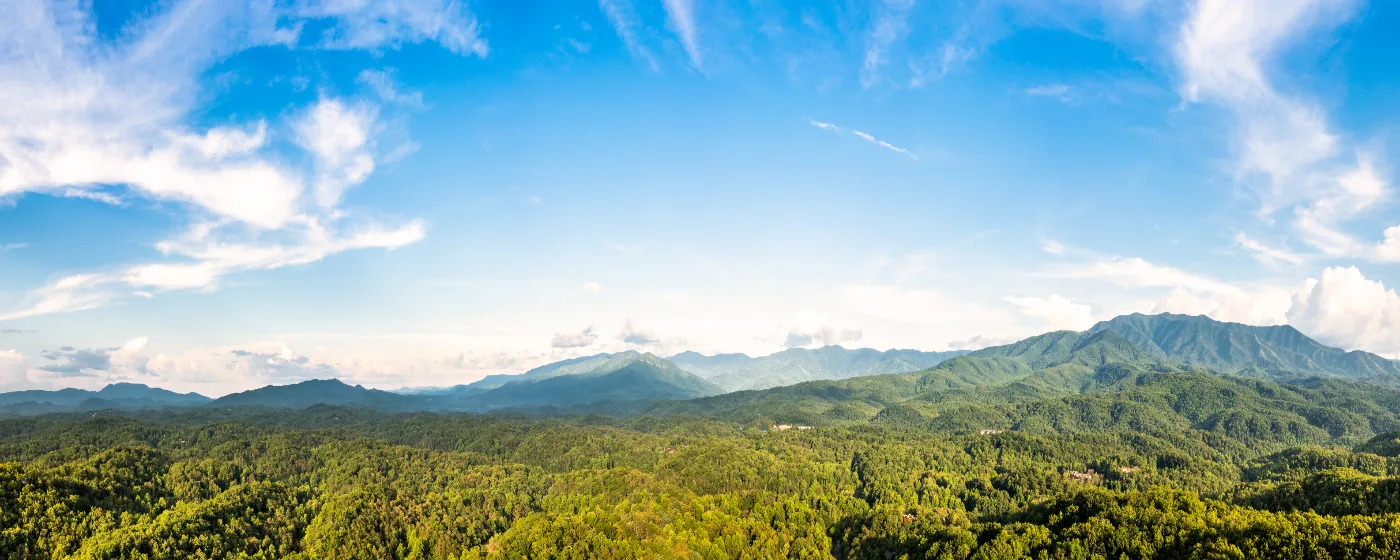
Most towns claim access to the outdoors. Gatlinburg is the outdoors — a city of 3,715 people pressed right against the entrance to Great Smoky Mountains National Park, the most visited national park in the country. The park recorded 12.2 million recreational visitors in 2024, and roughly 62% of those visitors passed through Gatlinburg on their trip. For the people who actually live here, that figure has two faces: summer weekends mean navigating crowds along the main park corridor, but your backyard is 522,427 acres of ancient forest, cascading waterfalls, and ridgeline trails climbing past 4,000 feet.
What surprises most people after they move here is how quickly the tourist layer peels away once you step onto a trail. The Gatlinburg Trail starts practically in town and within minutes you're walking a flat river path past stone chimneys left by nineteenth-century homesteaders. Climb higher and the crowds thin. The park's more than 800 miles of trails and 150 routes mean that on any given morning you can find solitude a short drive up the park road, even in July. That's a meaningful quality-of-life fact that doesn't show up in a neighborhood comparison or a cost-of-living breakdown.
Beyond the national park, Gatlinburg has built its own year-round recreational infrastructure. Ober Gatlinburg Ski Resort and Amusement Park operates atop Mount Harrison through every season. Anakeesta Adventure Park spans more than 90 acres above the Parkway with mountaintop coasters and treetop bridges. These are tourist draws, yes — but residents use them too, especially in the quieter shoulder seasons when wait times drop and the mountain views are at their clearest. The honest trade-off is that access to extraordinary recreation sometimes requires patience with the crowds that fund it.
The sections below cover the national park trails a resident actually uses, Ober Gatlinburg's four-season programming, Anakeesta and the mountaintop attractions, and the water and seasonal recreation that fill out life in the Smokies.
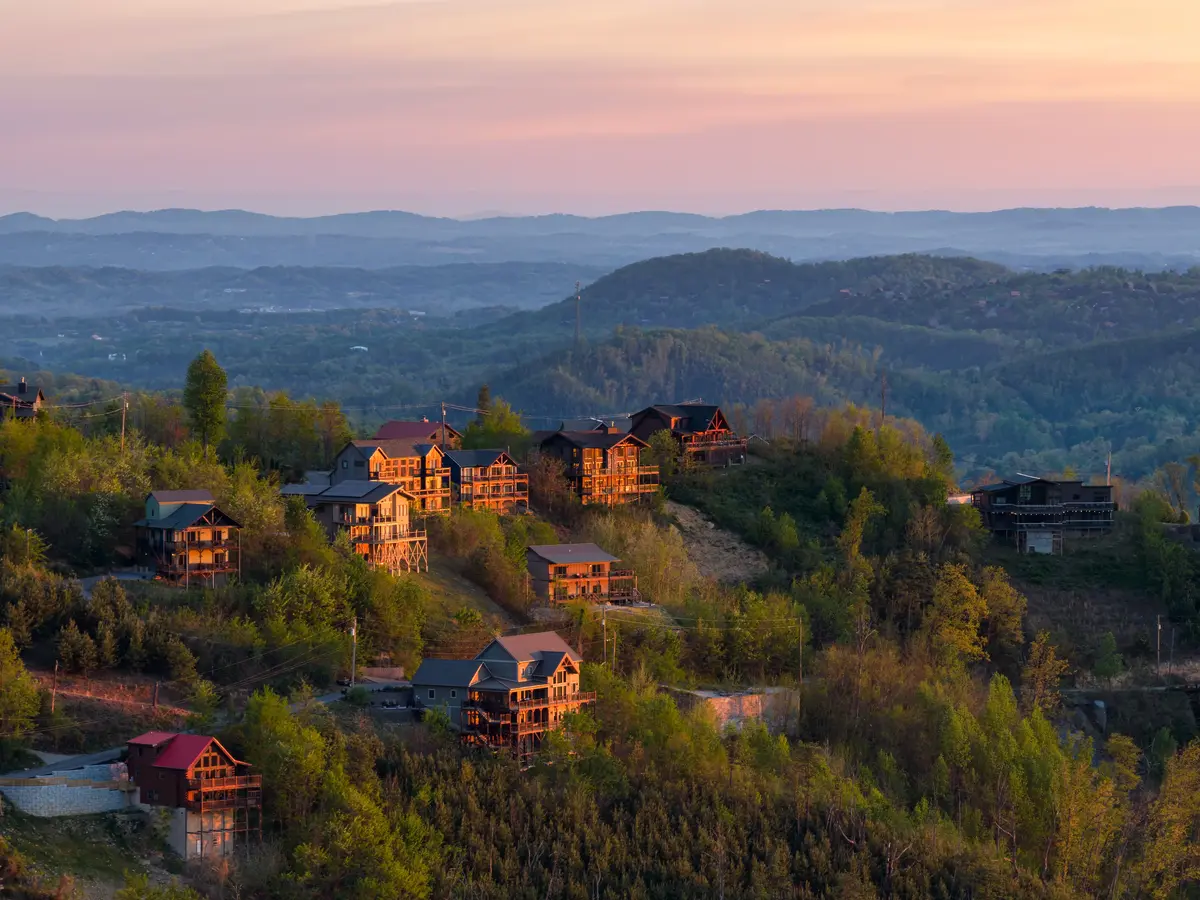
Great Smoky Mountains National Park: Your Literal Backyard
Living in Gatlinburg means the park entrance is not a destination — it's a turn you make on the way home. More than 800 miles of trails begin within a short drive of the Parkway, ranging from flat river walks suitable for a weekday evening to exposed ridgeline scrambles that require a full day.
The Gatlinburg Trail: The Resident's Everyday Walk
The Gatlinburg Trail is the one locals reach for first. It's a 3.8-mile round-trip path running nearly flat alongside the West Prong of the Little Pigeon River, connecting the edge of downtown to the Sugarlands Visitor Center. Two things make it genuinely rare inside the park: dogs on leash and bicycles are both permitted, which is true of only one other trail in the entire 522,427-acre system. Along the way, the trail passes stone chimneys and homestead foundations from the families who farmed this valley before the park was established — the kind of detail that makes a Tuesday evening walk feel less like exercise and more like a history lesson.
A short spur near the Sugarlands end branches off to Cataract Falls, a worthwhile half-mile detour when the water is running full in spring.
Chimney Tops: The Summit Experience Close to Home
When you want elevation, the Chimney Tops Trail delivers a double-capstone rock summit at 4,724 feet. The trailhead sits off Newfound Gap Road and the first mile crosses footbridges over rushing streams before the trail steepens toward the exposed rock caps. From the top, Mount LeConte and Mount Kephart frame the view to the east, with Sugarland Mountain to the west. It's the hike residents take out-of-town guests on when they want to make an impression.
Laurel Falls: The Important Caveat
The Laurel Falls Trail — a paved 2.6-mile round-trip to an 80-foot two-tiered waterfall — closed in January 2025 for an approximately 18-month rehabilitation project. The work includes trail resurfacing and widening, a new viewing platform, a wider bridge at the upper falls, and 50 additional parking spaces. It draws visitors from across the region in normal years, which tells you how beloved it is and how impactful the closure has been. Verify the current status with the NPS before planning a visit — the expected reopening window was summer 2026, but confirm that directly.
The scale of the park's trail network — more than 150 routes and around 700 miles of streams suitable for fishing — means Laurel Falls is genuinely missed but the park is far from closed. Residents who know the system simply shift to less-trafficked corridors for the duration.
Ober Gatlinburg: Tennessee's Only Ski Mountain, Four Seasons Running
Ober Gatlinburg Ski Resort and Amusement Park has operated atop Mount Harrison since 1962 — more than six decades as a year-round anchor above the city. Tennessee's only ski area, it runs 11 trails distributed across beginner, intermediate, and advanced terrain, with full snowmaking coverage and night skiing when conditions allow.
Getting There Is Half the Experience
The Gatlinburg Aerial Tramway lifts guests 2.1 miles over the treetops from the downtown Parkway to the lodge on Mount Harrison. For residents, this isn't just a tourist novelty — it's a genuine alternative to driving the resort road on a crowded winter weekend. Local knowledge: the tram line moves faster than the parking situation below.
Winter at Ober
The ski terrain breaks down to 27% beginner, 55% intermediate, and 18% advanced runs — not a destination for expert skiers chasing steep terrain, but entirely solid for families learning the sport or intermediate riders who want lift-served skiing within an hour of home. Snow tubing, a Family Snow Zone, and snowboarding round out the cold-weather programming. January 2025 brought the Ober Challenge Lift, a new fixed-grip quad chairlift that serves both the ski slopes in winter and the downhill mountain bike trails in summer.
Spring Through Fall at Ober
The resort doesn't go quiet when the snow melts. The lineup through the warmer months includes a Mountain Coaster, an Alpine Slide, the Cloud Catcher Zipline — which launched in 2024 and holds the highest-elevation launch of any regional zipline — and a 5,000-square-foot Sky Village scenic deck, also new in 2024. The indoor ice arena and ice bumper cars run year-round regardless of the season outside. The Wildlife Encounter features black bears, river otters, and bobcats in an on-mountain setting that most cities would consider a standalone attraction.
Downhill mountain biking has grown quickly since the Ober Challenge Lift began serving the bike park in summer. For residents who ride, having lift-access trails on Mount Harrison — rather than a shuttle-dependent operation — is a material upgrade to what the sport looked like here five years ago.

Anakeesta and the Mountaintop Recreation Layer
Anakeesta Adventure Park occupies more than 90 acres above downtown Gatlinburg and represents a different kind of outdoor experience — less wilderness, more engineered mountain recreation built explicitly around the views and the elevation. Guests reach the summit by gondola or Ridge Rambler from the Parkway below.
What's Up There
The Treetop Skywalk is the signature feature: 16 hanging bridges stretching more than 1,000 feet, suspended 50 to 60 feet above the forest floor. It's the kind of thing that sounds gimmicky until you're on it and realizing the tree canopy is genuinely impressive at that height. The AnaVista Tower sits at downtown's highest point, making it the best panoramic vantage over the city and the ridgelines beyond. Two mountain coasters — The Hellbender and the Rail Runner — and a Dueling Zipline fill out the thrill-oriented programming.
What's Coming
Anakeesta committed to a five-year, $100 million multi-phase expansion. Phase 1 centers on a next-generation lift system — 56 glass-bottom gondola cabins designed for 360-degree views — with a planned opening in spring 2026. Phase 2, targeting 2027, adds new thrill rides and dining. For residents, this means the mountaintop above the Parkway is going to look substantially different over the next several years. It also means more visitor traffic during construction phases, which is worth factoring in if you're weighing which neighborhoods sit close to that corridor — see the neighborhood guide for that context.
The Honest Reality of Living Next to Tourist Attractions
Ober Gatlinburg and Anakeesta are both legitimate recreational assets for residents and major commercial operations built around tourist throughput. In July and October — peak foliage season is the biggest one most newcomers underestimate — wait times for gondolas and trams stretch considerably. Residents learn to go early on weekday mornings, or to save the mountaintop attractions for the quieter stretches of winter and early spring when the leaf-peepers have gone home and the slopes are the draw instead. That seasonal rhythm becomes second nature within a year of living here; it just takes the first October to calibrate.
Looking to buy in Gatlinburg? Estimate your payment.
Enter your numbers to see an estimated monthly mortgage payment.
Estimate only. Excludes HOA fees and mortgage insurance. The interest rate above is a starting point, not a quoted rate — replace it with your own to see real numbers. Insurance is a flat placeholder, not a Gatlinburg quote.
Beyond the Monthly Mortgage Payment — What to Factor In
- The property tax rate above — The 0.37% used in the estimate is the median effective rate — tax actually paid as a share of market value — published by Ownwell, 2026. Half of local homes pay more and half pay less: your own bill depends on that property's assessed value and any exemptions it qualifies for, which can differ a lot from its market price. Confirm with the Sevier County assessor before you budget.
- Total cost of ownership — Your monthly mortgage payment is just the baseline. Depending on the specific city, county, and service district, homeownership costs also include local utility fees, municipal surcharges, and special assessments (such as water, sewer, storm drainage, or local energy taxes) that vary by location.
- Independent due diligence — Because these recurring local costs and municipal fees change depending on the exact property address, buyers must research them independently during their transaction process.
Tax laws, local municipal fees, and utility costs change frequently and individual situations vary. This page is general information, not tax or legal advice — always consult a qualified tax professional, CPA, or local municipal offices for personalized guidance.
Water, Fishing, and Seasonal Recreation in the Smokies
The national park encompasses around 700 miles of streams, and a meaningful share of them run directly through or just above Gatlinburg. The West Prong of the Little Pigeon River runs through town itself — you can hear it from the Parkway on a quiet morning. For residents who fish, this access is not incidental; it's one of the most specific reasons people name for choosing Gatlinburg over Pigeon Forge or Sevierville.
Trout Fishing
The park's streams support wild brook trout — the only trout native to the southern Appalachians — along with rainbow and brown trout in the lower and mid-elevation waters. Fishing within the national park requires a Tennessee or North Carolina fishing license but no additional park permit, which is one of the few outdoor activities here with no separate fee layer. The streams are catch-and-release for most species in the upper elevations; confirm current regulations with the NPS before you go, as they vary by watershed and species.
Seasonal Recreation Patterns
Spring is waterfall season. Snowmelt and spring rains push Cataract Falls, the streams off the Gatlinburg Trail, and dozens of unnamed cascades to their fullest flow, typically peaking between March and early May. Summer shifts activity toward higher elevation — the ridgeline trails above 4,000 feet stay cooler than the valley floor, and morning starts before the day-tripper traffic builds are how residents carve out the experience without the crowds.
Fall is genuinely spectacular and genuinely crowded. The Smokies' hardwood forest puts on one of the most dramatic foliage displays in the eastern United States, and October visitation reflects that. Residents who've been here more than one autumn learn to treat October weekends the way urban commuters treat rush hour: you know it's coming, you plan around it, and you don't resent it because it's also why the local economy functions. The hikers and leaf-peepers who pack the park corridor in mid-October are the same economic engine that supports the parks infrastructure, the maintained trails, and the parking-tag revenue that funded the Laurel Falls rehabilitation project.
Winter is the underrated season for actual residents. The crowds thin, the park takes on a completely different character — bare ridgelines, frost on the creek banks, the occasional dusting of snow at elevation — and Ober Gatlinburg shifts into full ski mode. If you're deciding whether to move here and you've only seen Gatlinburg in summer or October, make a point of visiting in January or February. It's a different town, and for a lot of residents it's their favorite version of it.
For families thinking about youth athletics and structured recreation alongside the outdoor programming, the schools page covers the extracurricular and sports landscape within the Sevier County school system.
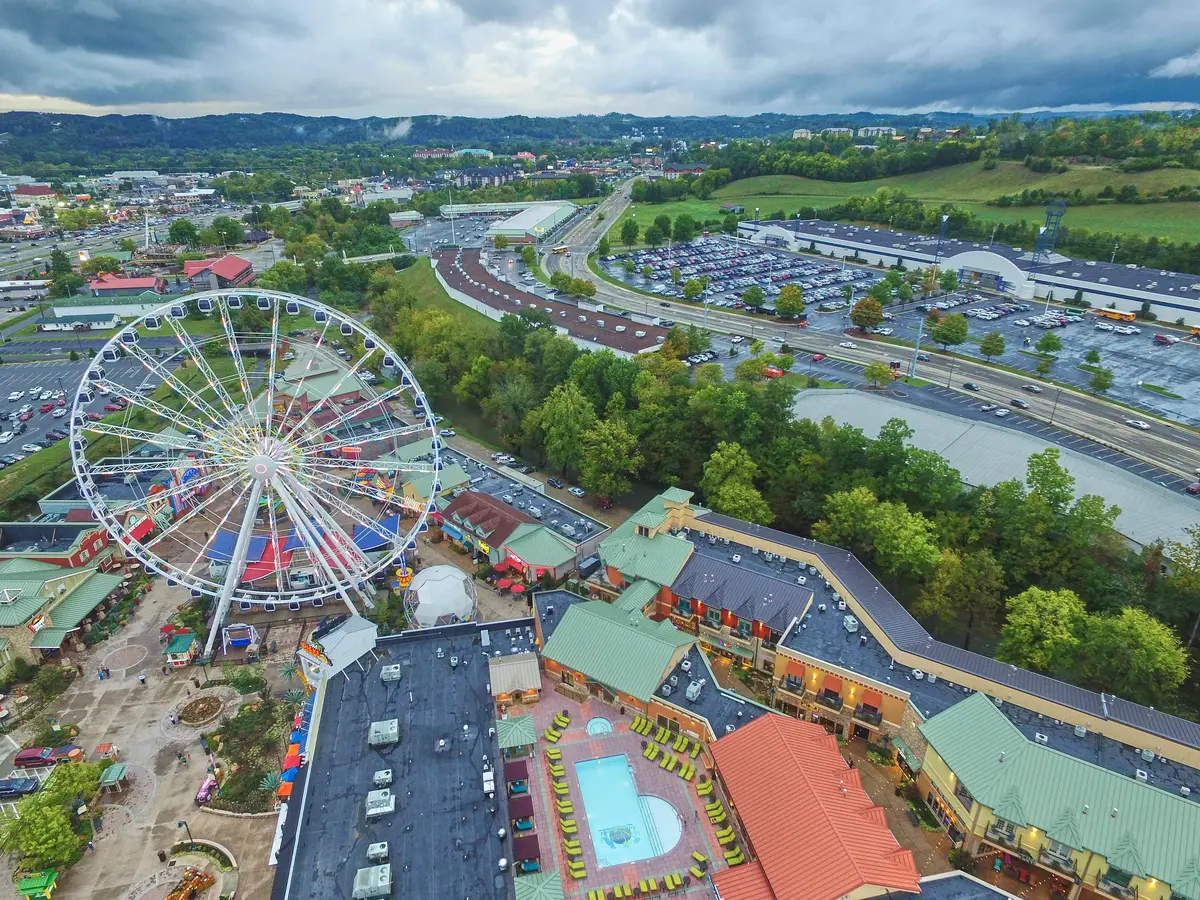
Local Expert Takeaway: Gatlinburg's outdoor recreation isn't an amenity — it's the city's founding premise. The Gatlinburg Trail and Chimney Tops give residents daily and weekend access to the national park without driving far or fighting crowds, if you learn the timing. Ober Gatlinburg's year-round operation on Mount Harrison means residents have lift-served skiing, mountain biking, and ziplining within a tram ride of the Parkway. The honest trade-off is that October turns the whole corridor into a visitor gauntlet — plan accordingly, and you'll stop noticing it by your second fall here.
Quick Takeaways & FAQs
✅ The Gatlinburg Trail is one of only two trails in the entire national park where dogs on leash and bicycles are permitted — and it starts practically at the edge of downtown.
⚠️ October foliage season brings peak crowds to the park corridor and the mountaintop attractions; first-year residents consistently underestimate how much it affects daily life for the entire month.
📍 Ober Gatlinburg opened a new quad chairlift in January 2025 that serves both ski slopes in winter and the downhill mountain bike park in summer — a meaningful upgrade for year-round residents who ride.
Is Laurel Falls Trail open in Gatlinburg?
Can you bring dogs on trails in Great Smoky Mountains National Park?
Does Ober Gatlinburg operate year-round?
How crowded are Gatlinburg's trails and parks in October?
Is fishing good near Gatlinburg, and do you need a special permit?
Moving to Tennessee?
Tell us what you need help with and we'll connect you with local resources.
