
Most cities claim proximity to nature as a selling point. Sevierville actually delivers it. The Little Pigeon River runs directly through the city, the Great Smoky Mountains rise to the south, and Douglas Lake — a TVA reservoir covering roughly 30,000 acres — sits just north of town. For a city of 19,010 people, the range of outdoor options here is genuinely unusual: you can kayak a mountain-fed river in the morning, hike to a waterfall in the afternoon, and be back for dinner without touching the highway twice.
What surprises people who move here from mid-size metros isn't the proximity to the national park — they already knew about that. It's the quality of what the city itself manages. The Parks and Recreation Department oversees the Sevierville Community Center, the Family Aquatics Center, a growing greenway system, and Sevierville City Park, all free or low-cost. The city has held Tree City USA designation from the Arbor Day Foundation continuously since 1985, which sounds like a ceremonial award until you actually walk the greenway corridors and understand how seriously the city takes its tree canopy.
The honest trade-off is tourist traffic. US-441, which runs directly through the heart of Sevierville toward Gatlinburg and Great Smoky Mountains National Park, becomes a genuine obstacle on peak-season weekends from May through October. Great Smoky Mountains National Park is the most visited national park in the country, drawing enormous crowds from across the region, and a meaningful share of that traffic flows through Sevierville. Residents learn quickly which trailheads and access points let them slip in ahead of the crowds, and that local knowledge is worth developing early.
Whether you're weighing a move or already under contract, the sections below lay out the city-managed facilities, the greenway system, the water and fishing options, and what proximity to Great Smoky Mountains National Park actually means for daily outdoor life in Sevierville.
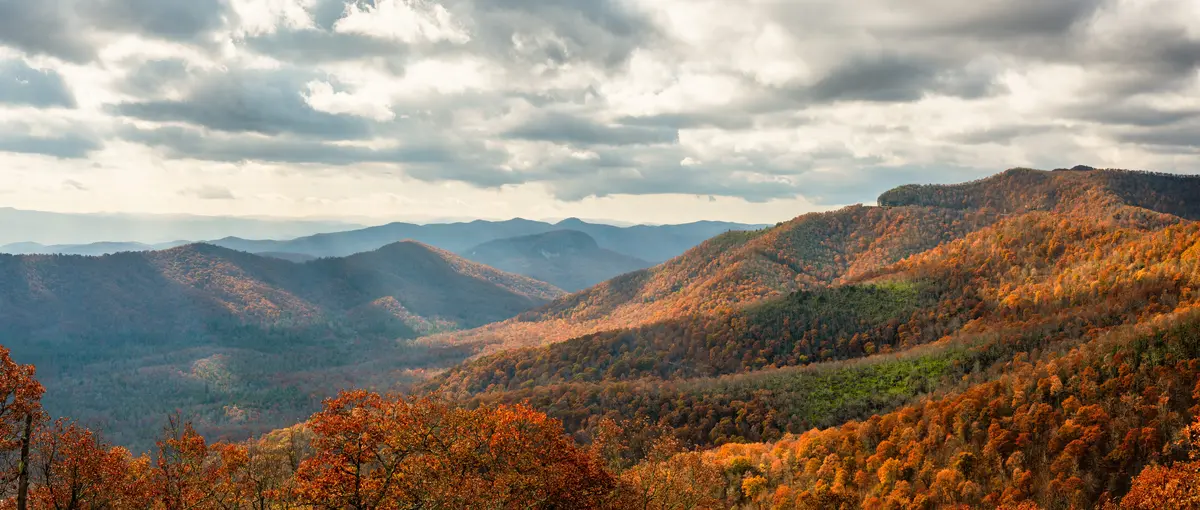
City Parks and the Community Center: What the City Itself Manages
Sevierville City Park is the civic anchor of the city's recreation system. It's free to enter, and it packs a lot into one footprint: tennis, pickleball, and basketball courts; a playground; a walking trail; a blueway access point on the Little Pigeon River; and an Unleashed PetSafe dog park with separate large and small dog areas, agility equipment, and enough space that it functions as its own destination rather than an afterthought.
The Family Aquatic Center, also at City Park, rounds out the summer picture. The facility features a fully-renovated 25-meter outdoor pool, two water slides, a plunge pool, and a splash pad — the kind of setup that keeps families from driving to a resort waterpark for a regular Tuesday afternoon swim. It's a legitimate neighborhood amenity, not just a summer novelty.
For year-round fitness, the Sevierville Community Center is what most residents actually rely on. The building includes a bowling center, a gymnasium, a fitness center, a natatorium (an indoor pool), an aerobics room, a cycling area, a children's center, and meeting rooms. An outdoor walking trail and picnic area extend the usable space. This is not a small operation.
| Facility | What It Offers | Best For |
|---|---|---|
| Sevierville City Park | Tennis, pickleball, basketball, playground, blueway access, dog park, picnic shelters | Families Nature |
| Family Aquatic Center | 25-meter pool, two water slides, plunge pool, splash pad | Families |
| Sevierville Community Center | Bowling, gym, fitness center, natatorium, cycling area, children's center | Families Year-Round |
| Sevierville Civic Center | Meeting rooms, event space, community programming | Community |
| Dog Park at City Park | Separate large/small dog areas, agility equipment | Pet Owners |
| Blueway Access at City Park | River launch point for kayaks and canoes on the Little Pigeon River | Nature |
Youth programming rounds out the department's offerings. The Parks and Recreation Department runs baseball, softball, and basketball clinics and coordinates seasonal leagues — including fall baseball through Smoky Mountain Youth Baseball. For more on youth activities and school-age programming, see the full schools guide.
The Greenway System: 10 Miles of Paved, Accessible Trails Inside City Limits
Sevierville's greenway network totals 10 miles of developed, fully ADA-accessible paved surface, and the city is actively expanding it. That's not a hiking network — these are flat, paved corridors designed for walking, running, and cycling — but for a city this size, 10 miles of connected urban trail is a meaningful quality-of-life feature that residents use constantly.
The system runs in three segments, each with a distinct character.
West Prong Greenway
At 2 miles, the West Prong Greenway is the most scenic of the three. It runs along the Little Pigeon River, passes the historic McMahan Burial Mound, and continues on a boardwalk to the Great Smoky Mountains Parkway Bridge. Benches line the route, and migratory birds and waterfowl are a regular feature along the riverbank. Connecting to Paine Memorial Park, this is the segment most residents point new people toward first.
Middle Creek Greenway
The Middle Creek Greenway covers 2 miles, linking Veterans Boulevard to the Municipal Complex. It functions as a connector route as much as a recreational trail — useful for commuting on foot or bike if you're near that corridor, and a quieter option than the more-traveled West Prong path.
Veterans Boulevard Greenway
The longest segment at 6 miles, the Veterans Boulevard Greenway runs from Dolly Parton Parkway and includes a connecting route to LeConte Medical Center. It's the most practical of the three for anyone using the greenway as actual transportation. The Dolly Parton Parkway end ties into the broader southern Sevierville corridor, which is worth knowing if you're considering neighborhoods in that part of town — see the neighborhood guide for how location affects everyday greenway access.
One thing to know before you move here: the greenways are a genuine asset, but they don't connect to Great Smoky Mountains National Park trails. The park is not far, but getting there still means a drive. The greenway system serves the city; the park serves the region.

Water Recreation: Douglas Lake, the Little Pigeon River, and What Actually Lives in It
Douglas Lake is the outdoor anchor that gets underplayed in most Sevierville coverage. The TVA reservoir covers roughly 30,000 acres with more than 500 miles of shoreline — substantially larger than most people picture when they hear "a lake near Sevierville." Fishing, boating, kayaking, paddleboarding, swimming, and camping are all on the table. The TVA manages water levels seasonally, raising them each spring for summer recreation, which means late spring through early fall is the prime window.
Fishing is the headline draw. Douglas Lake is well regarded among regional anglers for crappie and largemouth bass, and also supports sauger, catfish, bluegill, walleye, and white bass across its channels. It's not a secret — it consistently appears in regional fishing guides — but it's large enough that crowds rarely feel like a problem the way they do on the park's more trafficked trails.
The Little Pigeon River, which flows directly through the city, adds a second fishing option closer to home. It's noted for smallmouth bass, and Sevier County maintains a catch-and-release rule — one keeper over 20 inches per angler — to protect the fishery. That kind of active management is a signal that the resource is taken seriously locally, not just promoted for tourism.
| Water Feature | Primary Activities | What Locals Know |
|---|---|---|
| Douglas Lake | Fishing, boating, kayaking, paddleboarding, swimming, camping | Well-regarded crappie and bass fishery; best late spring through early fall |
| Little Pigeon River (city reach) | Kayaking, fishing, blueway access from City Park | Smallmouth bass fishing; county-managed catch-and-release rules apply |
| Boyds Creek Recreation Area | Outdoor recreation, river access | Less trafficked than City Park; good for those in the Boyds Creek neighborhood |
| Waldens Creek | Creek corridor, natural scenery | Primarily a neighborhood and natural corridor reference rather than a dedicated facility |
| Wilderness at the Smokies Waterpark | Indoor/outdoor waterpark, resort amenity | Rafter's Rage opened May 2025 — a six-person raft ride spanning 825 feet at up to 19 mph |
Wilderness at the Smokies, the indoor/outdoor waterpark resort within city limits, occupies a different category from the natural water options — it's a ticketed resort, not a free public amenity. But for families with younger kids, having it within the city rather than a long drive away is a real convenience, especially given its expanded offerings.
Looking to buy in Sevierville? Estimate your payment.
Enter your numbers to see an estimated monthly mortgage payment.
Estimate only. Excludes HOA fees and mortgage insurance. The interest rate above is a starting point, not a quoted rate — replace it with your own to see real numbers. Insurance is a flat placeholder, not a Sevierville quote.
Beyond the Monthly Mortgage Payment — What to Factor In
- The property tax rate above — The 0.37% used in the estimate is the median effective rate — tax actually paid as a share of market value — published by Ownwell, 2026. Half of local homes pay more and half pay less: your own bill depends on that property's assessed value and any exemptions it qualifies for, which can differ a lot from its market price. Confirm with the Sevier County assessor before you budget.
- Total cost of ownership — Your monthly mortgage payment is just the baseline. Depending on the specific city, county, and service district, homeownership costs also include local utility fees, municipal surcharges, and special assessments (such as water, sewer, storm drainage, or local energy taxes) that vary by location.
- Independent due diligence — Because these recurring local costs and municipal fees change depending on the exact property address, buyers must research them independently during their transaction process.
Tax laws, local municipal fees, and utility costs change frequently and individual situations vary. This page is general information, not tax or legal advice — always consult a qualified tax professional, CPA, or local municipal offices for personalized guidance.
Great Smoky Mountains National Park: Living Next to the Country's Most Visited Park
No parks and recreation guide for Sevierville is honest without addressing what it actually means to live next to Great Smoky Mountains National Park. The short version: it's one of the most significant quality-of-life assets in the entire eastern United States, and it comes with a specific friction that residents either learn to navigate or eventually resent.
Great Smoky Mountains National Park is the most visited national park in the country. It contains more than 800 miles of trails, including 70 miles of the Appalachian Trail, and charges no entrance fee. That combination of scale, accessibility, and free admission is why the crowds are what they are — the park draws visitors from across the region and far beyond every season of the year.
What Residents Actually Use
Living here means you stop treating the park like a tourist destination and start using it the way locals do — on weekday mornings, at trailheads that don't appear on the most-shared lists, during shoulder months when the summer families and fall-color visitors are gone. The difference between a spring Saturday on a popular trail and a mid-October Tuesday on the same route is not subtle. Residents who build that rhythm into their lives find the park genuinely extraordinary. Those who keep trying to use it the way a visitor would get frustrated.
The Seasonal Reality
Peak tourist season runs roughly from late April through October, with the fall color weeks among the most congested. US-441, the main route through Sevierville toward the park entrance, becomes a slow corridor on those weekends. After six months here, most residents have a go-to set of access points and trail combinations that sidestep the worst of it. Building that knowledge takes a season, and nobody warns you about it before you move in.
At a Glance: What the Park Offers Sevierville Residents
| Feature | Detail |
|---|---|
| Total trail miles | More than 800 miles |
| Appalachian Trail within the park | 70 miles |
| Entrance fee | None |
| Annual visitation scale | Draws more visitors than any other national park in the country |
| Peak congestion window | Late April through October; fall color weeks especially heavy |
| Best local access strategy | Weekday mornings, shoulder months, lesser-known trailheads |
| Connection to city greenways | No direct trail connection; driving required |
For anyone weighing Sevierville against nearby Gatlinburg or Pigeon Forge as a place to live, the park access is roughly equal — the real differences are in housing character and neighborhood feel, which the neighborhoods guide covers in full. What Sevierville offers specifically is a slightly more residential buffer between daily life and the tourism corridor, with 204 sunny days a year to make use of everything above.
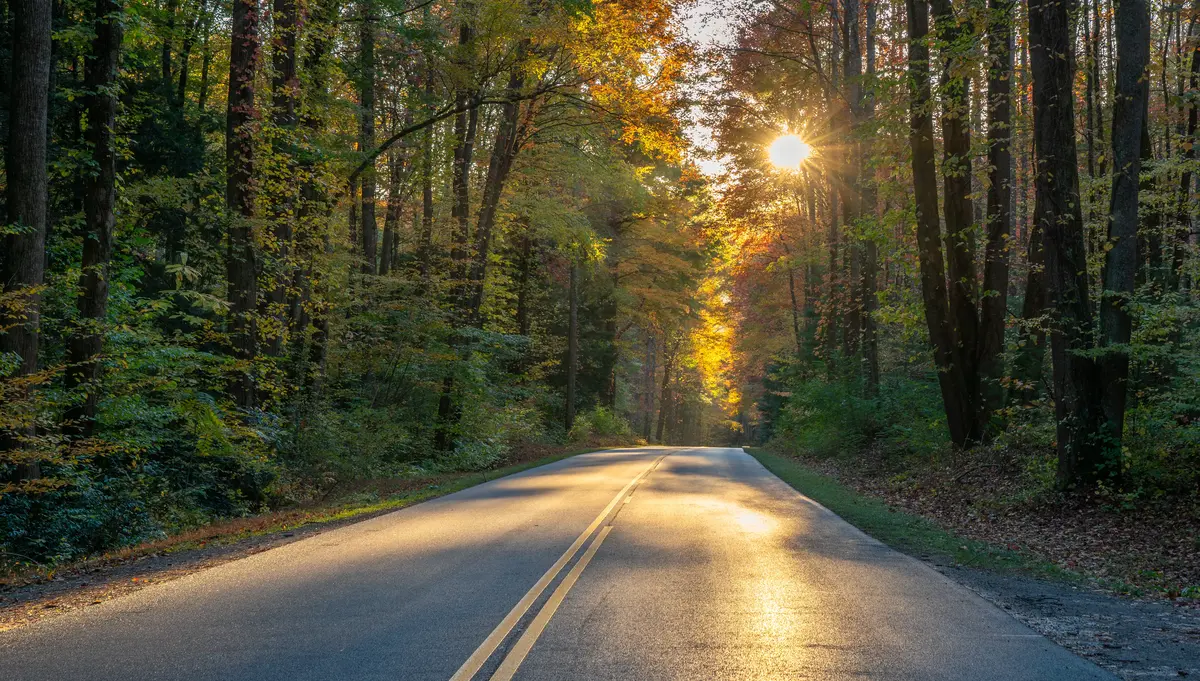
Local Expert Takeaway: Sevierville's outdoor life is legitimately layered — the city-managed system handles the daily routine (the Community Center natatorium, the City Park dog run, the greenway along the Little Pigeon River), while Douglas Lake and Great Smoky Mountains National Park handle the weekends. The greenway's 10 miles of paved ADA-accessible trail are what most residents actually use weekly; the park's 800-plus miles are what makes them proud to live here. The catch is learning the park's rhythms before peak season arrives — the first year, most newcomers get caught in the US-441 traffic on a Saturday in October and spend the second year doing it differently.
Quick Takeaways & FAQs
✅ Great Smoky Mountains National Park — 800-plus miles of trails, no entrance fee, directly accessible from the city — is one of the most significant outdoor assets available to any resident in the eastern United States.
⚠️ US-441 through Sevierville toward the park entrance becomes a serious bottleneck on peak-season weekends from late April through October; residents who don't plan around this pattern find it genuinely disruptive.
📍 The city's three greenway segments total 10 miles of fully ADA-accessible paved trail, with the West Prong Greenway along the Little Pigeon River passing the McMahan Burial Mound and ending at a parkway bridge — a route most residents don't discover until a neighbor mentions it.
Is Great Smoky Mountains National Park actually easy to access from Sevierville, or is traffic a real problem?
What does Sevierville City Park offer, and is it free?
How good is fishing at Douglas Lake, and can you fish the Little Pigeon River in the city?
What's the Sevierville greenway system like — is it useful for daily exercise or just recreational?
What does the Sevierville Community Center offer, and is it worth using over a private gym?
Moving to Tennessee?
Tell us what you need help with and we'll connect you with local resources.
