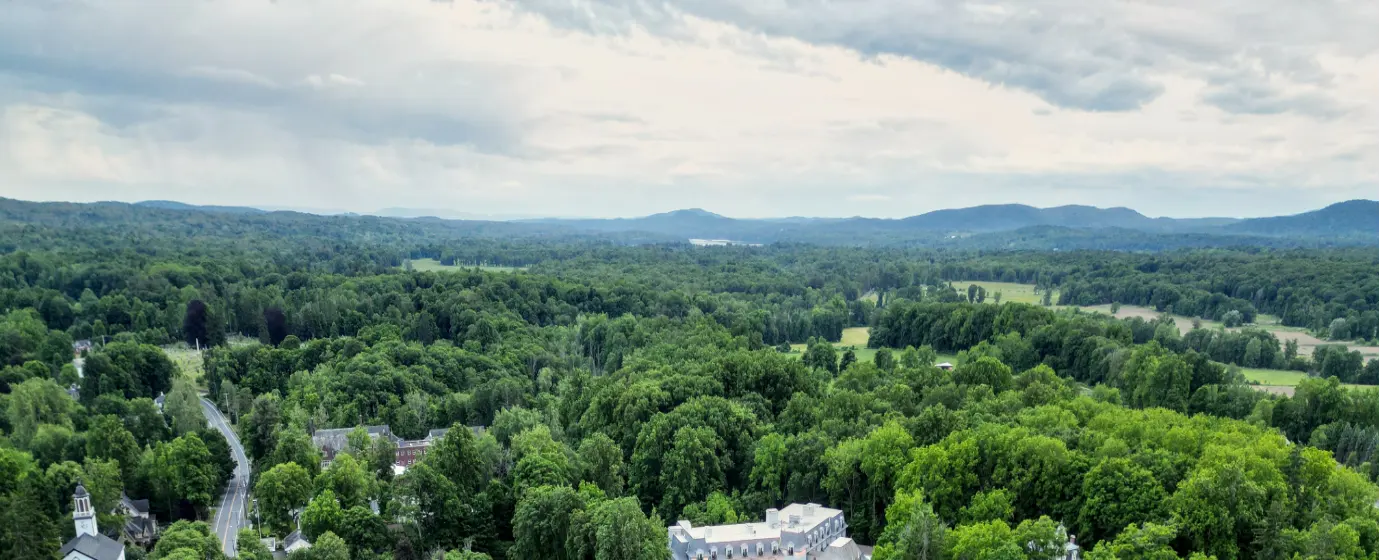
If you've been priced out of Olympia, Tacoma, or anywhere closer to the Sound, Centralia shows up on your radar for one reason: the numbers look different here. The typical home value sits at $399,303 (Zillow Home Value Index, May 2026) — a figure that feels almost anachronistic in a state where coastal metros routinely push past a million dollars. But before you call it a bargain and move on, the fuller picture matters. Centralia is affordable within the Pacific Northwest context, not in any absolute sense — and there's a real gap between what the city costs and what many of its residents earn.
The median household income in Centralia runs $56,219, which produces a price-to-income ratio of roughly 7.1x against that home value. Traditional affordability benchmarks sit at 3–4x. That gap doesn't mean homeownership is out of reach, but it does mean most buyers here are stretching, taking on a longer commute from a lower-cost base, or relying on dual incomes. The city's employment base doesn't generate the salaries you'd find in Bellevue or Redmond, and that tension is the most honest thing to understand before reading the rest of this guide.
On the non-housing side, Centralia quietly outperforms expectations. Washington's zero state income tax means every paycheck goes further than it would across the Columbia River in Oregon. Grocery costs index almost exactly at the national average — a meaningful edge compared to Seattle-area prices. Centralia City Light, the municipal electric utility, keeps power bills noticeably below the national average, and the city's I-5 position means gas is easy to find at competitive prices. The sales tax rate of 8.4% (bumped slightly in April 2026 by a Transportation Benefit District add-on) is the one line item that bites everyone equally.
Whether you're deciding between renting and buying, comparing Centralia to Chehalis or Winlock, or just trying to build a realistic monthly budget, the sections below break down housing, everyday costs, a city-by-city price comparison, and the tax picture that makes Washington's smaller cities worth a second look.
What It Really Costs to Live in Centralia
Centralia costs more than most people expect — and less than most Pacific Northwest cities. The 2026 cost-of-living estimate puts Centralia at roughly 14% above the U.S. national average, driven mainly by housing and transportation. That sounds counterintuitive for a city of 18,000 on I-5 between Olympia and Chehalis, but it reflects a broader regional reality: even smaller Washington markets have absorbed years of westside spillover demand.
The typical home value of $399,303 (Zillow Home Value Index, May 2026) anchors the whole picture. That figure is well below the Washington state median, making Centralia genuinely more accessible than most of the state's cities. But wages here run below the statewide average too, so the affordability advantage shrinks when you measure it against local incomes rather than against Seattle prices.
What actually keeps Centralia's non-housing costs manageable is a combination of factors specific to this city: a municipal electric utility that undercuts the national rate, groceries priced almost exactly at the U.S. average, and Washington's permanent absence of a state income tax. Those three things together offset meaningful portions of the housing strain for buyers and renters alike.
Housing: Rent vs Buy in Centralia
The Buying Side
The $399,303 typical home value (Zillow Home Value Index, May 2026) covers a wide range in practice. Entry-level homes — older construction, smaller footprints, areas further from the Historic Downtown District — start closer to the low-to-mid $300s. Move-up inventory with more square footage or recent updates pushes past the $450,000 mark. If you're comparing what that range buys here versus what it buys in Olympia, the difference in square footage and lot size is immediately visible.
The effective property tax rate in Centralia is approximately 0.71% — among the lower rates in Washington state. That figure is one of the quiet wins of buying here: Lewis County's tax burden is meaningfully lighter than King, Pierce, or Thurston counties. Use the mortgage calculator below to model your full monthly ownership cost; per Washington state rules, no state income tax applies, which affects your net take-home going into that payment.
The Renting Side
A two-bedroom apartment in Centralia rents for approximately $1,220/month — well below the Washington state median monthly rent of $1,824. That gap is real and renters notice it quickly, especially anyone relocating from Olympia or Tacoma.
Renting makes more sense here than in many markets if you're uncertain about your timeline. The price-to-income ratio at 7.1x means buying requires meaningful financial commitment. For someone earning close to the $56,219 median household income, renting the first year while building savings and learning which parts of the city suit you is a reasonable strategy — not a failure of ambition.
Who tends to buy: dual-income households, buyers with equity from a prior home, and people committed to a 5-plus-year stay who want to lock in before values climb further.
Who tends to rent: solo earners near the median income, people still evaluating the Centralia-versus-Chehalis question, and anyone who moved here for work and isn't sure the role will be permanent.

Everyday Costs Beyond Housing in Centralia
Centralia's non-housing expenses are close enough to the national average to make budgeting straightforward. Grocery costs index at approximately 99 on a 100-point national scale — effectively at parity with the U.S. average, which is a genuine advantage inside Washington state, where most larger cities run above that mark. Washington exempts groceries and prescription medications from its 8.4% sales tax, so the tax rate doesn't compound your food bill.
Electricity runs approximately 14.95 cents per kilowatt-hour (May 2026) through Centralia City Light, the city's own municipal utility — roughly 19% below the national average rate the same month. Rates did climb about 10% year-over-year from April 2025 to April 2026, tracking a statewide upward trend, so budget with that trajectory in mind rather than treating 2026 rates as a ceiling. Washington's grid leans heavily on hydroelectric power, which is the structural reason local rates stay competitive even as they rise.
| Category | Typical Monthly Cost | Notes |
|---|---|---|
| Housing (2BR rent) | $1,100–$1,350 | Approximate range for a two-bedroom apartment; owners should use the mortgage calculator above for a purchase estimate |
| Utilities (electric, gas, water) | $130–$200 | Centralia City Light rate ~14.95 ¢/kWh (May 2026); natural gas and water vary by usage and season |
| Groceries | $350–$500 | Indexed near 99 (U.S. average = 100); groceries exempt from WA sales tax |
| Transportation & Gas | $200–$350 | Most residents drive; I-5 access keeps fuel competitive. Olympia is roughly 30 minutes north on a clear day |
| Phone & Internet | $100–$160 | Standard national carrier and ISP rates; fiber availability varies by neighborhood |
| Dining & Entertainment | $150–$300 | Includes occasional dinners out at local restaurants along W Main St, plus the McMenamins Olympic Club theater for a night out |
| Miscellaneous / Personal | $100–$200 | Clothing, personal care, household goods; 8.4% sales tax applies to most non-food retail |
These are estimates for a single adult or couple renting a two-bedroom unit. A household with two earners near or above the median will find the non-housing categories manageable; a solo earner at the median will feel the housing line most acutely.
Looking to buy in Centralia? Estimate your payment.
Enter your numbers to see an estimated monthly mortgage payment.
Estimate only. Excludes HOA fees and mortgage insurance. The interest rate above is a starting point, not a quoted rate — replace it with your own to see real numbers. Insurance is a flat placeholder, not a Centralia quote.
Centralia vs Nearby Cities: Cost Comparison
| City | Median Home Price | Typical 2BR Rent | Cost vs Centralia |
|---|---|---|---|
| Centralia, WA | $399,303 (ZHVI, May 2026) | ~$1,220/mo | Baseline |
| Chehalis, WA | ~$370,000–$390,000 (approx.) | ~$1,100–$1,200/mo | Slightly cheaper |
| Napavine, WA | ~$350,000–$375,000 (approx.) | Limited rental inventory | Modestly cheaper; rural trade-off |
| Winlock, WA | ~$310,000–$340,000 (approx.) | ~$950–$1,100/mo | Noticeably cheaper; smaller services |
| Tumwater, WA | ~$430,000–$460,000 (approx.) | ~$1,400–$1,600/mo | Noticeably higher |
| Olympia, WA | ~$480,000–$520,000 (approx.) | ~$1,600–$1,900/mo | Significantly higher |
* ZHVI = Zillow Home Value Index. Nearby-city figures are approximate ranges based on available 2025–2026 market data; Centralia's figure is the verified May 2026 ZHVI.
The pattern is consistent: Chehalis and Napavine offer modest savings with comparable rural character, while Winlock trades cost for a smaller service footprint. Olympia, just 30 minutes up I-5, costs meaningfully more for both buyers and renters — which is the core reason Centralia keeps attracting people who work in the capital region but want a lower ownership entry point.
Taxes & the Bottom Line for Centralia
No State Income Tax
Washington levies no personal income tax — zero, at any income level. For someone moving from Oregon, where rates climb to 9.9%, the difference on a $70,000 salary is thousands of dollars per year staying in your pocket. This single policy is one of the most underappreciated cost-of-living advantages of any Washington city, Centralia included.
Sales Tax: 8.4% and Climbing
Centralia's combined sales tax rate is 8.4% in 2026 — 6.5% state plus a 1.9% local add-on. That local portion ticked up by 0.2 percentage points on April 1, 2026, when the City of Centralia added a Transportation Benefit District levy dedicated to transportation services. Groceries and prescription medications remain exempt under Washington state law, which softens the impact on everyday household spending. On bigger purchases — appliances, furniture, a used vehicle — the 8.4% adds up quickly.
Property Tax: A Quiet Advantage
The effective property tax rate of approximately 0.71% is one of the more favorable in the state. Lewis County's overall tax burden runs lighter than the counties surrounding Seattle, Tacoma, or Olympia. For buyers at the typical price point, that rate produces an annual property tax bill that most Washington metros would consider low — and the mortgage calculator above can show you how that rolls into a monthly figure for your specific purchase price.
The Bottom Line
Centralia fits buyers and renters who are willing to accept a longer commute to Olympia or the south Sound in exchange for lower housing and tax costs. The no-income-tax environment rewards earners at every level, and the municipal electric utility keeps one more monthly bill below the national norm. The honest downside: the price-to-income ratio at that typical home value means ownership still requires real financial preparation for anyone earning close to the local median — this isn't a city where the numbers automatically work, even if they work better than most of Washington.
Local Expert Takeaway: Centralia's cost story is most honestly framed as: genuinely affordable within Washington, genuinely stretched for local earners. The no-income-tax advantage and Centralia City Light's below-average electricity rates are real and recurring — they show up on every paycheck and every utility bill. But a household earning close to the $56,219 median income will feel the housing-to-income gap acutely, especially if buying. The buyers who make this work tend to be dual-income couples, people moving equity from a prior home, or Olympia-area commuters deliberately choosing a lower-cost base. The renters who thrive here are usually those treating it as a financial runway — building savings while paying well below state-average rent — rather than a permanent end state.
Quick Takeaways & FAQs
✅ Centralia's municipal electric utility (Centralia City Light) charges roughly 19% below the national average rate, making utility bills a consistent budget win for both renters and owners.
⚠️ The price-to-income ratio at the typical home value is approximately 7.1x against the local median household income — ownership here requires real financial preparation, not just a lower sticker price.
📍 Washington's 8.4% sales tax applies in Centralia as of April 2026 (bumped by a new Transportation Benefit District levy), but groceries and prescriptions remain fully exempt.
What is the typical home price in Centralia, WA?
How much does it cost to rent a two-bedroom apartment in Centralia?
Does Washington state have an income tax, and does that affect Centralia residents?
What is the sales tax rate in Centralia, WA?
Is Centralia cheaper than Olympia or other nearby cities?
Moving to Washington?
Tell us what you need help with and we'll connect you with local resources.
