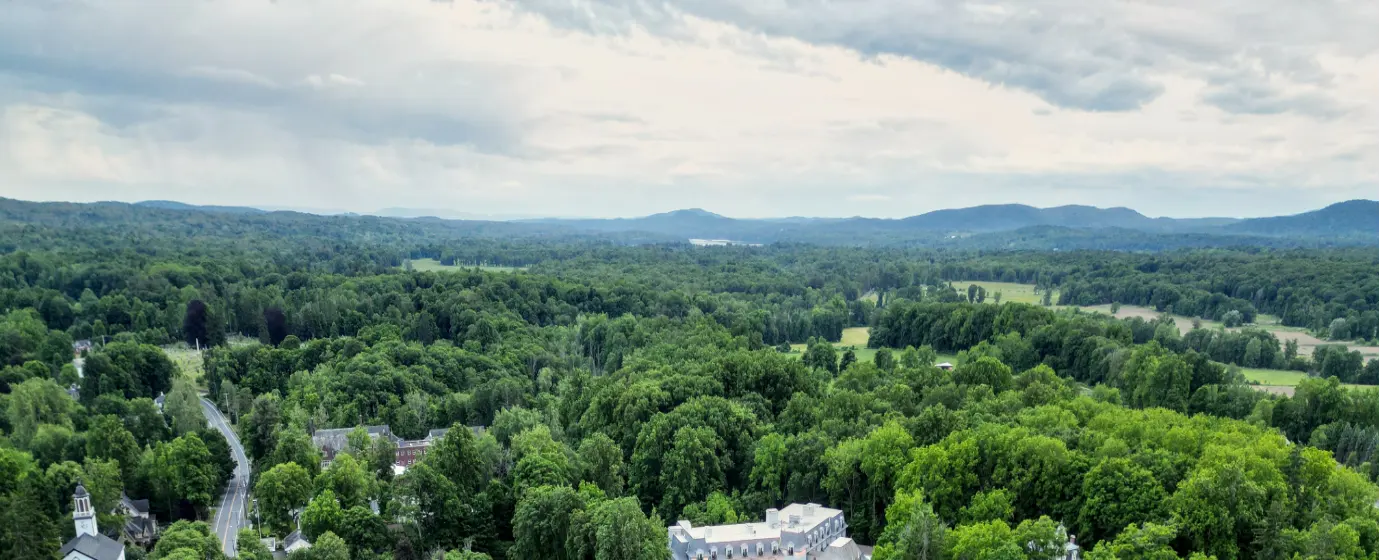
Maybe you've been priced out of Olympia and someone mentioned Centralia. Maybe you drove I-5, took the Mellen Street exit, and found a downtown with actual brick buildings and a working Amtrak depot, and you wondered why nobody talks about this place. The thing most newcomers miss is that Centralia is genuinely two cities in one: a compact, walkable historic core anchored along S Tower Avenue, and a ring of residential neighborhoods that range from dense Craftsman-bungalow blocks to acreage lots where the tree line starts at your back fence. Getting the geography right before you make an offer matters more here than in most Washington cities its size.
The economic backbone here runs on steady institutions — Centralia College, the Centralia School District, and Lewis County government anchor a buyer pool that skews toward educators, public employees, and trades workers. That mix helps explain why the typical home value sits at $399,303 (Zillow Home Value Index, May 2026) — well below what you'd pay in Olympia or Lacey for a comparable lot. The Centralia School District holds a C- rating, according to Niche, which is a real consideration for families researching schools before committing to a specific neighborhood block.
Day-to-day life here leans heavily on the outdoors and on the city's walkable core. The 120-acre Fort Borst Park — where the Chehalis and Skookumchuck Rivers converge — handles everything from lighted baseball games at Wheeler Field to off-leash dog runs. The 80-acre Seminary Hill Natural Area puts nine named trail loops within a few minutes of downtown. The Centralia Farmers Market runs May through September, and the Historic Centralia Train Depot connects you to Amtrak's Cascades and Coast Starlight lines for car-free travel to Portland or Seattle. Olympia is roughly 30 minutes north on I-5, which shapes where commuters choose to land.
Whether you're comparing a Craftsman bungalow in Edison against a wooded parcel in Cooks Hill, or trying to figure out whether Downtown's walkability is worth the trade-offs, the sections below break down all 8 of Centralia's official neighborhoods — price ranges, buyer types, honest downsides, and where renters actually find decent options.
The Centralia Reality
I-5 doesn't just pass through Centralia — it cuts the city in half in a way that shapes every buying decision. The neighborhoods west of the freeway and clustered around the historic core (Downtown, Edison, Logan, Washington's Addition) feel fundamentally different from the quieter, more spread-out areas to the east and south (Seminary Hill, Cooks Hill, Scammon Creek, Salzer Creek). West-side buyers get walkability to S Tower Avenue, the Farmers Market, and the Amtrak depot. East and south-side buyers get larger parcels, tree cover, and separation from commercial noise — but every errand involves a car.
The second reality is school boundaries. The Centralia School District covers the entire city, so the district-wide rating applies regardless of which neighborhood you choose. What changes block by block is proximity to specific elementary schools, and that boundary line can be the difference between a five-minute walk and a daily drive. Buyers with school-age children should verify the exact boundary for any home they're considering — it's not a detail you want to discover after closing.
The third divide is the difference between the Mellen Street corridor and the Harrison Avenue corridor. Harrison Avenue feeds directly into the historic downtown grid and the older residential neighborhoods. The Mellen Street corridor funnels toward the Centralia Factory Outlets and more commercial uses — the surrounding blocks carry more traffic noise and a harder transition to quiet residential living than the listing photos will tell you.
Neighborhoods at a Glance
| Neighborhood | Best For | Price Range | Vibe |
|---|---|---|---|
| Downtown / Historic District | Walkable First-Time | $280,000–$420,000 | Brick storefronts, Amtrak access, weekend foot traffic |
| Edison | First-Time Families | $310,000–$430,000 | Craftsman bungalows, front porches, Logan Park nearby |
| Salzer Creek | Families Nature | $350,000–$480,000 | Creek-adjacent, semi-rural feel, larger lots |
| Seminary Hill | Nature Views | $370,000–$520,000 | Forested, trail access, elevated positions with valley views |
| Logan | First-Time Commuter | $290,000–$400,000 | Modest cottages, compact lots, close to downtown core |
| Cooks Hill | Privacy Nature | $390,000–$560,000 | Wooded parcels, evergreen surroundings, low density |
| Washington's Addition | Value Renter | $270,000–$380,000 | Older housing stock, central location, entry-level pricing |
| Scammon Creek | Nature Quiet | $340,000–$490,000 | Creek corridor, rural-edge feel, limited inventory |
Price ranges reflect the general band for owner-occupied homes in each area based on the city-wide Zillow Home Value Index of $399,303 (May 2026) and relative neighborhood positioning — not independently appraised neighborhood medians.
Best Neighborhood by Buyer Type
| Buyer Type | Best Neighborhood | Why |
|---|---|---|
| First-Time Buyer | Washington's Addition | Entry-level pricing from the $270,000s gives more room for the inspection surprises that come with older homes. |
| Luxury Buyer | Cooks Hill | Wooded acreage parcels and custom builds at the top of the city's price band, with genuine separation from neighbors. |
| Walkability Seeker | Downtown / Historic District | S Tower Avenue shops, independent cafés, and the Amtrak depot are all on foot from most addresses. |
| Families with Kids | Edison | Craftsman-era blocks feel settled and safe, Logan Park is a quick walk, and the neighborhood reads more residential than Downtown's commercial mix. |
| Commuters | Logan | Tight proximity to Harrison Avenue and the I-5 on-ramp keeps the freeway under five minutes, which adds up fast on 30-minute Olympia commutes. |
| Large-Lot Buyers | Scammon Creek | Creek-corridor parcels offer the kind of distance between houses that simply doesn't exist in the older residential grid. |
| Renters | Edison | The highest concentration of smaller rental homes and accessible multi-family options in a neighborhood that doesn't feel like an apartment complex district. |
Looking to buy in Centralia? Estimate your payment.
Enter your numbers to see an estimated monthly mortgage payment.
Estimate only. Excludes HOA fees and mortgage insurance. The interest rate above is a starting point, not a quoted rate — replace it with your own to see real numbers. Insurance is a flat placeholder, not a Centralia quote.
Most Popular Neighborhoods in Centralia
Downtown / Historic District
The Historic Downtown Centralia District — listed on the National Register of Historic Places with roots to 1885 — centers on S Tower Avenue and gives you the most genuinely walkable address in Lewis County. You can walk to the Amtrak depot, the Farmers Market, and a cluster of independent shops and galleries without touching a car. The honest downside: older commercial-adjacent housing stock means more deferred maintenance, and weekend foot traffic from the McMenamins Olympic Club Hotel & Theater and the Centralia Factory Outlets shoppers pushes more vehicle congestion than quieter blocks would.
Best for: Buyers who want the most walkable address in Centralia and don't mind older homes that need attention. Price range: $280,000–$420,000.
Edison
Edison is Centralia's most in-demand residential neighborhood for good reason — the Craftsman bungalows and early cottages here have the kind of front-porch presence and original woodwork that buyers coming from newer construction genuinely respond to. Logan Park at 1411 Logan Street gives the neighborhood a walkable anchor, and the blocks feel residential rather than transitional. The catch is that these homes are old, and the gap between a well-maintained Edison bungalow and a neglected one is significant — budget for inspection findings.
Best for: First-time buyers and families with kids who want character housing within easy reach of downtown. Price range: $310,000–$430,000.
Salzer Creek
Salzer Creek runs along the city's western edge and the neighborhood takes its name from the waterway, giving it a creek-adjacent, semi-rural feel that contrasts sharply with the denser grid neighborhoods closer to S Tower Avenue. Lots tend to run larger here, and the proximity to open space is real — but so is the car dependency; a trip to the Farmers Market or the Centralia Factory Outlets from the deeper Salzer Creek addresses requires a drive. Flooding risk near the creek corridor is a legitimate due-diligence item and not one you should skip a survey on.
Best for: Families and nature-oriented buyers who want more lot for their money and can live without walkability. Price range: $350,000–$480,000.
Seminary Hill
Seminary Hill is the most geographically distinctive neighborhood in Centralia — an 80-acre forested natural area sits directly within and adjacent to it, with nine named trail loops through western red cedar and Douglas fir, and viewpoints over the Skookumchuck River Valley. The hills were preserved from logging in 1980, which means the tree canopy here is established and genuine. The trade-off is that elevated terrain and limited through streets make some addresses genuinely inconvenient for daily errands, and the steeper lots present real constraints for buyers who want flat outdoor space.
Best for: Trail-oriented buyers and anyone prioritizing elevated views and immediate natural access over convenience. Price range: $370,000–$520,000.
Logan
Logan sits just north of the Edison neighborhood and shares some of its older-bungalow character, though the housing stock here tends toward smaller, more modest cottages rather than the larger bungalows Edison is known for. The proximity to Harrison Avenue and the I-5 on-ramp makes this one of the most commuter-practical neighborhoods in the city — you can be heading north toward Olympia in minutes. Compact lot sizes are the consistent limitation; buyers expecting yard space comparable to Salzer Creek or Cooks Hill will be disappointed.
Best for: First-time buyers and Olympia commuters who prioritize I-5 access and a sub-$400,000 price point. Price range: $290,000–$400,000.
Cooks Hill
Cooks Hill is where Centralia's pricing ceiling lives — wooded parcels with evergreen surroundings and genuine separation between properties, which is a different product entirely from what the older grid neighborhoods offer. Custom and semi-custom builds appear here more frequently than anywhere else in the city, and the low-density feel is real rather than manufactured. The downside is distance: Cooks Hill buyers are making a deliberate choice to be farther from S Tower Avenue, the depot, and Fort Borst Park, and that distance registers every time you run a routine errand.
Best for: Privacy-seeking buyers and anyone at the top of Centralia's price band who wants wooded acreage over walkability. Price range: $390,000–$560,000.
Washington's Addition
Washington's Addition carries some of the oldest housing stock in Centralia, which translates to the city's most accessible entry-level pricing — a meaningful advantage for buyers stretching to get into the market. Its central location keeps most city amenities within a short drive, and the neighborhood doesn't feel isolated the way some of the outer corridors do. The honest reality is that the age of the structures means buyers need to go in with eyes open: deferred maintenance, outdated systems, and renovation needs are common, and the neighborhood's character reflects its working-class roots rather than any recent reinvestment.
Best for: First-time buyers and value-oriented buyers who are comfortable with older homes and renovation potential. Price range: $270,000–$380,000.
Scammon Creek
Scammon Creek sits on the city's quieter outer edge, following a creek corridor that gives the neighborhood a rural-transition feel more common to Lewis County's unincorporated areas than to a city of Centralia's size. Parcels tend to be larger and inventory tends to be thin — when something comes up here, it moves, because buyers actively seeking this combination of space and quiet have few alternatives within city limits. The practical downside is that everything requiring a trip — groceries, school drop-off, the farmers market — adds meaningful drive time compared to addresses closer to the downtown core.
Best for: Quiet-seeking buyers and nature-oriented households who want creek access and larger lot sizes at prices below Cooks Hill. Price range: $340,000–$490,000.
Common Mistakes Buyers Make in Centralia
Treating the Mellen Street Corridor Like a Residential Street
The Mellen Street corridor connects to I-5 and anchors the Centralia Factory Outlets, and buyers who find listings near that stretch sometimes underestimate how commercial and trafficked it stays throughout the day. Consistent truck and retail traffic doesn't dissipate on weekends. If you see a listing price that seems favorable relative to comparable Edison or Logan homes, Mellen corridor proximity is often why.
Skipping the Flood and Drainage Check for Creek-Adjacent Addresses
Salzer Creek and Scammon Creek give their neighborhoods their names and their appeal — but buyers sometimes skip the FEMA flood map review and the seller's disclosure on drainage history when they're drawn in by lot size and greenery. Southwest Washington's rainfall totals mean creek corridors here aren't decorative features; they're active water systems. A property survey and a conversation with the Lewis County floodplain administrator should happen before you waive any contingency on a creek-adjacent parcel.
Assuming All Downtown-Adjacent Addresses Are Walkable
The on-foot access that defines the S Tower Avenue core drops off faster than most buyers expect. Addresses more than three or four blocks east toward Seminary Hill, or south along the Mellen corridor, lose on-foot access to the Farmers Market and the Amtrak depot quickly. "Near downtown" in a listing description doesn't mean walkable — pull up a map and walk the actual route before you let proximity be the selling point.
Ignoring School Boundary Lines When Buying in Edison or Logan
Edison and Logan share borders and similar housing stock, and buyers sometimes assume that homes on either side of the dividing streets feed the same elementary school. They don't always. The Centralia School District's elementary boundaries zigzag through these older neighborhoods in ways that aren't obvious from a street-level look, and landing on the wrong side of a boundary can mean a daily drive instead of a walk. Verify the exact boundary with the district before you go under contract, not after.
Best Areas to Rent in Centralia
| Area | Ideal For | Typical Rent Range | Trade-off |
|---|---|---|---|
| Downtown / Historic District | Young professionals, singles, commuters | $1,100–$1,600/mo (1–2 BR) | Older buildings, limited parking, weekend noise from S Tower Ave events |
| Edison | Couples, small families, first-time renters | $1,200–$1,700/mo (2–3 BR) | Competitive availability; single-family rentals move fast |
| Logan | Commuters, budget renters | $1,050–$1,500/mo (1–2 BR) | Smaller homes, compact lots, limited storage |
| Washington's Addition | Budget-conscious renters | $950–$1,350/mo (1–2 BR) | Oldest housing stock in the city; expect dated interiors and deferred maintenance |
| Salzer Creek | Families, nature-oriented renters | $1,400–$1,900/mo (3 BR) | Car-dependent for all errands; rental inventory is thin |
Centralia's rental market is tight by small-city standards — single-family homes in Edison and Logan routinely lease within days of listing, and the overall vacancy rate reflects a city where most long-term residents have shifted to ownership. Renters who want a detached house with a yard should set up alerts and be ready to apply quickly, because waiting a week to schedule a showing often means the home is already gone.
Local Expert Takeaway: The single most useful thing to know before buying in Centralia: the neighborhood you choose matters less than the specific block you're on within it. The difference between a Seminary Hill address with direct trail access to the 80-acre natural area and one that just technically carries the Seminary Hill name is significant. The same goes for Edison — a well-maintained Craftsman on a quiet interior block and a deferred-maintenance cottage one street from a commercial corridor are priced similarly but live very differently. Walk the block at 7 PM on a Tuesday, not just during a Saturday open house, before you decide.
Quick Takeaways & FAQs
✅ Seminary Hill's 80-acre forested natural area puts nine named trail loops — through old-growth cedar and Douglas fir — within walking distance of homes priced well below comparable wooded neighborhoods in Thurston County.
⚠️ The Mellen Street corridor carries more commercial traffic than listing photos suggest — homes within two blocks of that stretch trade at a discount for a real reason.
📍 The Historic Centralia Train Depot connects residents to Amtrak's Cascades and Coast Starlight lines, making car-free travel to Portland or Seattle an actual option — not just a theoretical one.
What is the most affordable neighborhood in Centralia, WA?
Which Centralia neighborhood is best for families with kids?
Is it worth buying near Downtown Centralia, or is the area too commercial?
How does Seminary Hill compare to Cooks Hill for buyers who want nature access?
What's the rental market like in Centralia, and which area has the most options?
Moving to Washington?
Tell us what you need help with and we'll connect you with local resources.
