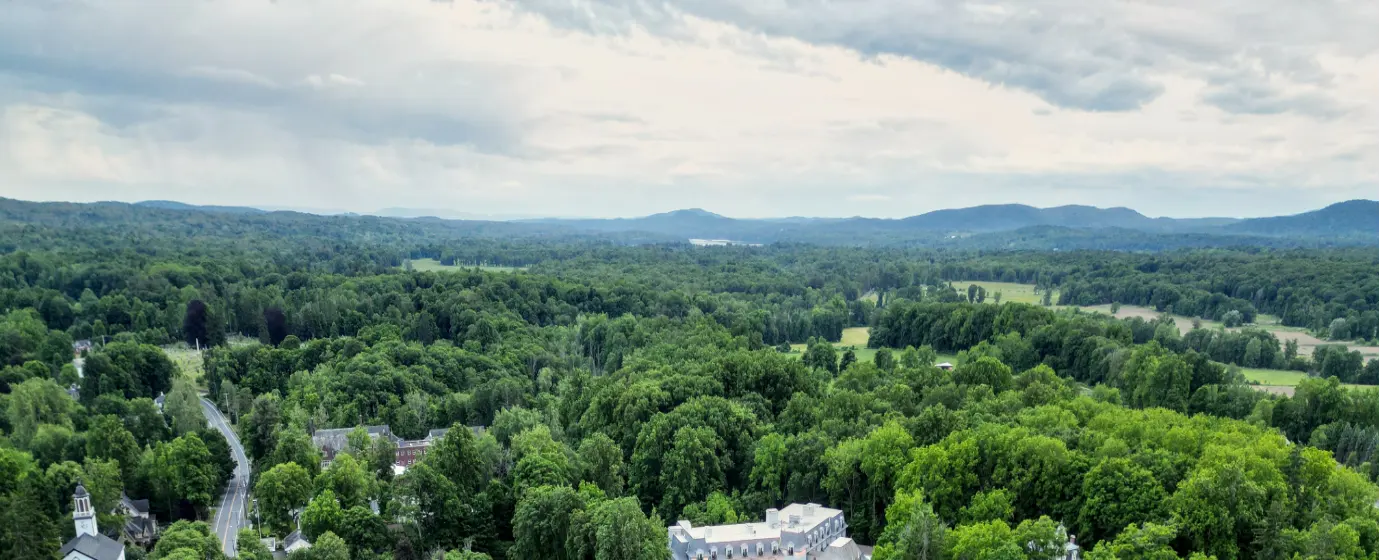
Most people driving I-5 through Centralia glance at a patch of green on the west side of the highway and keep going. That green is Fort Borst Park — 120 acres sitting at the confluence of the Chehalis and Skookumchuck Rivers — and it's probably the most underrated municipal park in Southwest Washington. Centralia is a working-class city of roughly 18,800 people in Lewis County, positioned about 30 minutes south of Olympia, and its park system punches well above the typical small-city weight class.
What makes the outdoor picture here genuinely interesting is the range. In one direction you have a full-scale athletic complex with lighted stadiums, a stocked fishing pond, a boat ramp, and a dog park. In the other, a few blocks east of downtown, an 80-acre forested preserve — Seminary Hill Natural Area — offers a trail network with real elevation, named routes, and hilltop views that most residents don't discover until a neighbor mentions it. The city's Parks and Recreation Department, operating on a $2.5 million annual budget with 161 employees and partnerships, manages both anchors and a collection of smaller neighborhood parks in between.
The next few years will change the picture further. In 2024 Centralia was selected as one of 52 communities nationwide to receive a technical assistance grant from the USDOT Thriving Communities Program, funding the Hub City Greenway initiative — a city-wide plan to stitch existing paths, parks, and community sites into a connected trail network. The 2024 Parks Plan sets capital improvement priorities through 2030, including playground expansions, ADA upgrades, and sports facility improvements. Youth sports leagues and organized kids' activities tie closely into the park system as well — see the full picture at the schools and activities page.
The sections below cover Fort Borst Park in depth, the Seminary Hill trail system, water recreation and seasonal fishing, and what the Hub City Greenway plan actually means for day-to-day life in Centralia's neighborhoods.
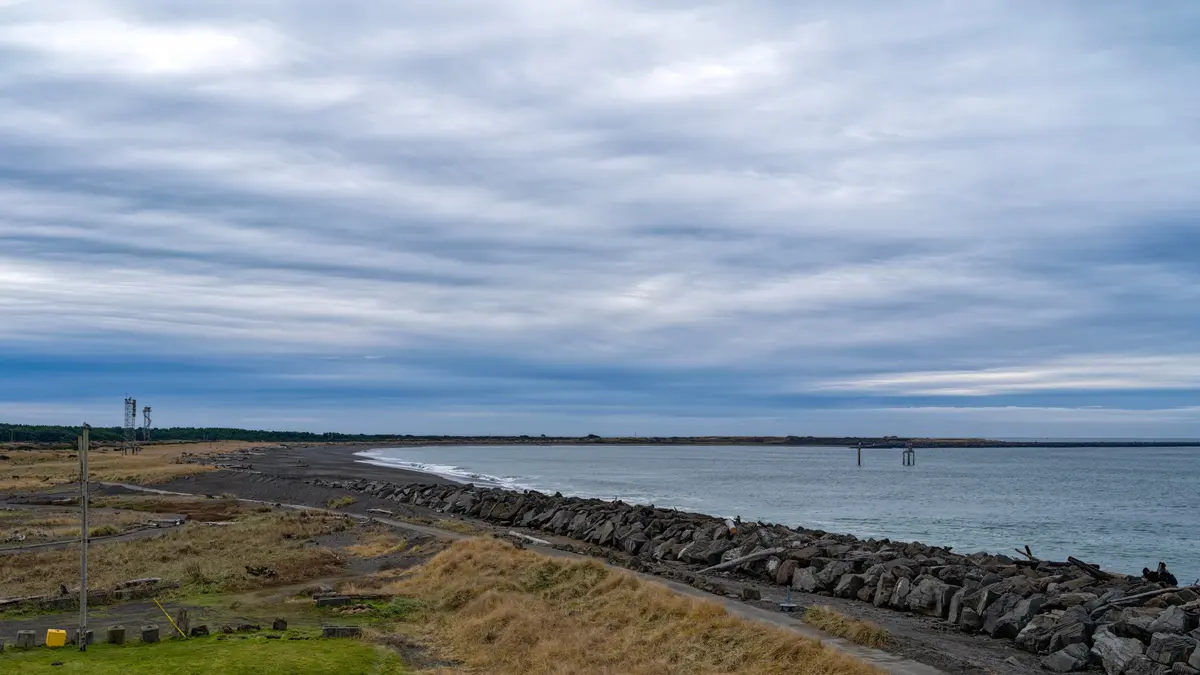
Fort Borst Park: Centralia's 120-Acre Anchor
Fort Borst is visible from I-5, which is both a blessing and a slight misrepresentation — the freeway view reveals only the edge of something much larger. At 120 acres on the city's west side, it functions less like a neighborhood park and more like a full municipal recreation campus.
The Athletic Complex
The Sports Complex at Fort Borst is the kind of facility you'd expect in a city twice Centralia's size. Wheeler Field seats 570 under lights for baseball. The turf football and soccer stadium seats 3,500 — a number that matters on Friday nights when it fills for home games. Four lighted fastpitch softball fields with a concession stand round out the competitive sports infrastructure, alongside Dick Scott Little League Stadium for youth baseball.
This isn't a passive amenity. On weeknight evenings and weekend mornings throughout spring and summer, Fort Borst is genuinely busy — softball leagues, youth soccer, Little League — in a way that makes the park feel like the social center of the city rather than a backdrop to it.
The Historic Structures
Walk away from the fields and the park shifts tone entirely. The Borst Homestead and Fort Borst Blockhouse sit along the river corridor, remnants of a mid-1800s pioneer settlement at the confluence of the Chehalis and Skookumchuck Rivers. The blockhouse is a short, plain-spoken piece of history that most new residents walk past twice before stopping to actually read the signage. It's worth the pause.
Everything Else Inside the Fence
| Amenity | Details |
|---|---|
| Off-leash dog park | Fenced, dedicated area within the park |
| Park arboretum | Labeled tree collection; good for a slow walk |
| Picnic shelters | Covered shelters with outdoor kitchens; reservable |
| Playground | Standard equipment; visible from the parking area |
| Concrete boat ramp | Chehalis River access; usable for kayaks, small motorized craft |
| River frontage | Open bank access along the Chehalis |
| Borst Lake / Borst Pond | 4.9-acre stocked fishing pond; WDFW-managed |
The dog park and the boat ramp tend to draw the most daily traffic outside of scheduled sports events. If you're a dog owner, expect to recognize the same faces at the same hours within a few weeks of moving here — it becomes its own community.
The December Surprise
Every December, a local Scout group transforms the park with a Christmas light drive-through event, suggested contribution around $5 per vehicle, with the route run in reverse of the normal park direction. Newcomers who stumble on it the first year almost always go back the second. It's one of those seasonal Centralia rituals nobody warns you about — you find out when you see the line of cars backed up toward the park entrance on a December evening.
Seminary Hill Natural Area: 80 Acres in Walking Distance of Downtown
The trailhead is at Barner Drive and Locust Street — or, per the city's official facility listing, 902 E Locust Street — which puts it a short walk from the Historic Downtown Centralia District. That proximity is the whole surprise: a genuine forested preserve accessible without a car, practically in the city center.
The Trail Network
Seminary Hill's named routes give you real options, not just variations on a single loop. The Canyon Trail climbs up to 354 feet of elevation gain — the most demanding option, and the one that earns the hilltop viewpoints. From the top, on a clear day, you can see across Centralia and Chehalis to the river valley below.
| Trail Name | Character |
|---|---|
| Canyon Trail | Steep, up to 354 ft elevation gain; rewarding summit views |
| Kiser Trail | Named for Rufus Kiser, Centralia College botanist; moderate terrain |
| Indian Pipe Trail | Named for the rare parasitic plant found here; lower elevation |
| Waterleaf Trail | Flatter, wooded; good for slower walks |
| Grand Fir Trail | Through old-growth adjacent forest; shaded |
| Maple Trail | Mixed terrain; accessible entry-level option |
| Ridge Trail | Runs along the upper ridge; connects to viewpoints |
| Pleasant Trail | Gentle grade; accessible for most fitness levels |
Dogs are permitted on leash throughout. The trail surfaces vary — some sections can be muddy in wet months, which in Southwest Washington means most of October through March.
What Locals Know About Its History
The interpretive signs at the trailhead tell a specific and local story: in 1980, the Friends of Seminary Hill Natural Area organized to stop the site from being logged. The Kiser Trail's name honors Rufus Kiser, a botanist who taught at Centralia College and spent years advocating for the preserve's protection. Knowing that context makes the walk feel different — this forest exists because people in this town decided it was worth fighting for.
Most weekday mornings, you'll encounter dog walkers, solo hikers, and the occasional Centralia College student cutting through. Weekend afternoons bring more families. The area tends to feel genuinely quiet rather than deserted — there's a difference.
Water Recreation and Seasonal Fishing in Centralia
Centralia sits at the junction of two rivers, and the city hasn't wasted that geography. The Chehalis River runs through Fort Borst Park with a concrete boat ramp that gives you access for kayaks, canoes, and small motorized craft. River conditions vary seasonally — the Chehalis runs high and fast in winter — but in spring and summer the water draws a consistent crowd of paddlers and casual floaters.
Fort Borst Lake: The Stocked Fishing Pond
The 4.9-acre Borst Pond inside Fort Borst Park is a Washington Department of Fish and Wildlife-managed fishery with a specific stocking calendar that serious anglers in Centralia know by heart. The WDFW stocks catchable rainbow trout starting in late December and January, then again ahead of the April season opener with both catchable rainbow and triploids. Between February and March, surplus adult hatchery steelhead averaging 8 to 10 pounds are periodically stocked as well — which is a remarkable thing to have inside a city park.
The pond is accessible, flat-bank fishing — no boat required. On a January Saturday morning after a fresh stocking, you'll find a line of anglers stretched along the bank, some of them clearly regulars, some first-timers who just moved to town and looked up where to fish. It's one of those low-barrier recreational assets that doesn't show up on relocation brochures but matters a lot once you're here.
WDFW Partnerships and Hayes and Plummer Lakes
Beyond Fort Borst Lake, the Centralia Parks Department maintains active partnerships with WDFW on maintenance and improvements at Hayes and Plummer lakes. Both sit in Lewis County and give residents additional freshwater options without driving to a trailhead an hour away. The county's river network — the Chehalis and its tributaries, including the Skookumchuck — also opens seasonal steelhead and salmon fishing opportunities for those willing to put in the research on licenses and seasonal closures.
A Realistic Weather Note
Southwest Washington's shoulder seasons are longer than most newcomers from drier climates expect. The Chehalis Valley floor, where Centralia sits, collects moisture and fog in ways that the ridgelines don't. From October through April, outdoor recreation planning should always account for the possibility of rain. That said, locals adapt quickly — waterproof layers become a default, and the trails at Seminary Hill stay open year-round regardless of conditions.
Looking to buy in Centralia? Estimate your payment.
Enter your numbers to see an estimated monthly mortgage payment.
Estimate only. Excludes HOA fees and mortgage insurance. The interest rate above is a starting point, not a quoted rate — replace it with your own to see real numbers. Insurance is a flat placeholder, not a Centralia quote.
The Hub City Greenway and What's Being Built Next
In 2024, Centralia was named one of 52 U.S. communities selected for a technical assistance grant from the USDOT Thriving Communities Program. The money funds the Hub City Greenway initiative — a plan to connect Centralia's existing neighborhood paths, parks, and community sites into a coherent, navigable trail network. For a city this size, selection at the federal level is meaningful, and the plan has real capital backing behind it.
What the 2024 Parks Plan Actually Commits To
The city's 2024 Parks Plan establishes a 20-year vision but focuses near-term capital improvement priorities through 2030 on four areas: playground expansion at existing parks, Hub City Greenway trail connections, ADA compliance upgrades across facilities, and sports facility improvements at Fort Borst. These are not conceptual priorities — they're the capital line items the Parks Department is working from.
| Priority Area | Timeline | Status |
|---|---|---|
| Hub City Greenway trail expansion | Through 2030 | USDOT grant awarded; technical assistance underway |
| Playground expansions | Through 2030 | Capital priority in 2024 Parks Plan |
| ADA compliance upgrades | Through 2030 | Active priority; phased implementation |
| Sports facility improvements at Fort Borst | Through 2030 | Capital priority; stadium and field scope TBD |
| Hayes and Plummer lakes improvements | Ongoing | Active WDFW partnership |
The Greenway's central idea — connecting parks to neighborhoods and community anchors on foot or by bike — addresses the practical gap that anyone who's spent time in Centralia already notices: the park assets are strong, but moving between them without a car requires navigating streets that weren't designed with pedestrians in mind.
What It Means If You're Moving Here Now
The honest read is that Fort Borst and Seminary Hill are excellent today, while the connective tissue between them is still a work in progress. If walkable, car-free access to parks is a hard requirement for your household, Centralia isn't quite there yet. If you're comfortable driving five minutes to reach a 120-acre park or an 80-acre forest preserve, the recreational quality of life here is substantially better than the city's size and price point would suggest.
After the trails are built out, the calculus improves further. Buyers moving here in 2025 or 2026 are getting in ahead of infrastructure improvements that will make the park system more useful in daily life — not a guarantee, but a reasonable expectation given the federal funding and the 2024 plan's specificity.
Local Expert Takeaway: Seminary Hill is Centralia's best-kept secret — 80 acres of named trails, a 354-foot summit view, and a trailhead you can walk to from downtown — but most newcomers don't find it until a neighbor mentions it. Fort Borst covers the other end of the spectrum: lighted stadiums, a stocked fishing pond, a boat ramp, and a dog park inside one park. The weak link right now is connectivity — getting from one anchor to the other on foot is rougher than it should be. The Hub City Greenway plan is actively working to fix that, backed by a federal grant. Buy into Centralia's parks today and the system will be measurably better by the time you've lived here a few years.
Quick Takeaways & FAQs
✅ Fort Borst Park packs 120 acres of athletic fields, river access, a stocked fishing pond, and a dog park into a single city park visible from I-5 — an unusually deep amenity set for a city this size.
⚠️ The trail connections between Centralia's parks and neighborhoods are still a work in progress — if car-free access to green space is essential for your household, the Hub City Greenway improvements are still years away from full build-out.
📍 Fort Borst Lake is stocked with catchable rainbow trout starting in late December and with surplus hatchery steelhead averaging 8–10 lbs in February and March — it's a WDFW-managed fishery inside a city park, which most residents outside Lewis County don't know exists.
Is Fort Borst Park free to visit?
Can I fish at Fort Borst Lake without a boat?
How hard are the Seminary Hill trails?
What is the Hub City Greenway and how will it affect Centralia's parks?
Are there good spots for kayaking or paddling near Centralia?
Moving to Washington?
Tell us what you need help with and we'll connect you with local resources.
