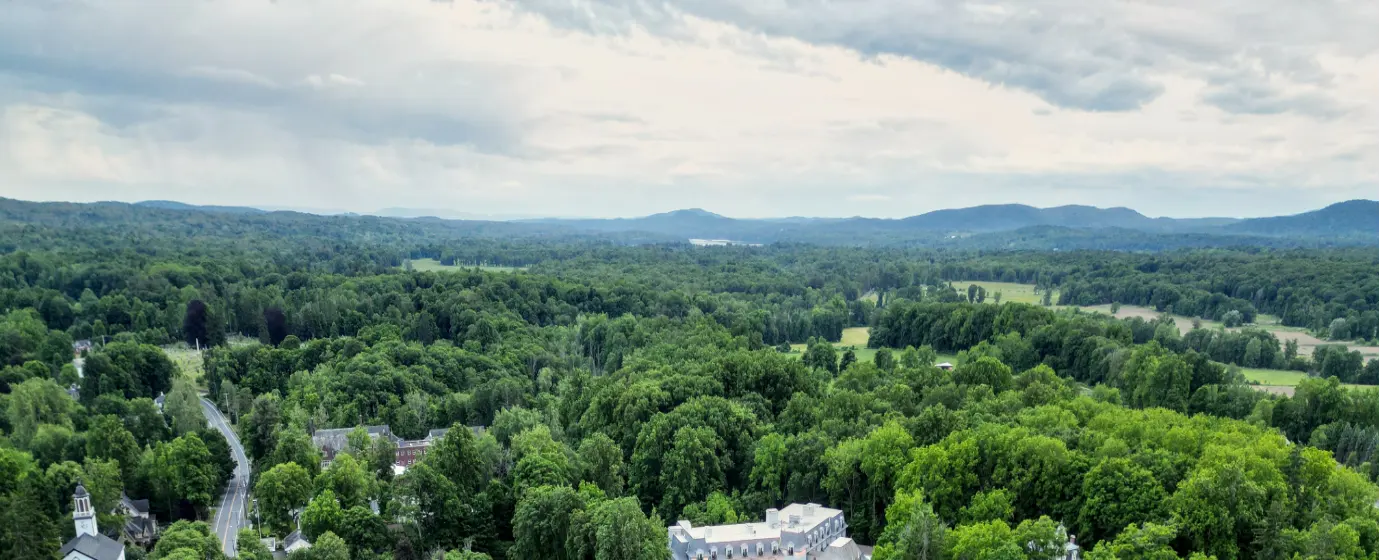
Most people discover Centralia one of two ways: they drove I-5 through Lewis County and clocked the outlet mall off the highway, or someone told them it was the affordable middle ground between Portland and Seattle that nobody talks about. Either way, the surprise is the same — this is a real, working small city with a brick-and-mortar historic downtown, an on-site hospital, and home prices that look like a typo to anyone arriving from the coast. For retirees, that combination is harder to find than it sounds.
Centralia sits in southwest Washington on I-5, roughly 30 minutes south of Olympia. The city of about 18,800 people is the commercial center of Lewis County, which means it punches above its size in services. Providence Centralia Hospital is not a rural critical-access clinic — it's a 128-bed facility with orthopedic surgery, cancer care, and emergency services. Centralia College anchors an active continuing-education culture. The Historic Downtown District along Tower Avenue is on the National Register of Historic Places and walkable enough for daily errands if you choose the right block.
Washington's no-income-tax structure is a genuine retirement advantage, not marketing copy. Social Security, pensions, IRA withdrawals — none of it is taxed at the state level. Paired with a cost of living that runs well below the state's major metros and a Zillow Home Value Index median of $399,303 (May 2026), fixed-income budgets go meaningfully further here than in Olympia or Tacoma. The catch, and it is a real one: Centralia is not a resort retirement town. It rains consistently from October through April, the city has gritty edges alongside its restored storefronts, and retirees who want specialist-level medical care beyond what Providence Centralia offers will make regular drives north.
Whether you're relocating from the Seattle area, moving from out of state, or simply wondering whether the numbers pencil out, this guide covers what retirees actually need to know: healthcare depth, the tax picture, daily budget realities, where to live, how downsizing works here, and how Centralia stacks up against nearby alternatives.
Why Retirees Are Choosing Centralia
The case for Centralia in retirement starts with price and doesn't end there. A typical home at $399,303 (Zillow Home Value Index, May 2026) means most retirees selling a paid-off home in a higher-cost market arrive with cash left over — enough to eliminate a mortgage entirely or fund a renovation for single-level living. That's a different retirement math than what's available 30 minutes north in Olympia.
The retirees who fit here best are the ones who want a genuine small-city life rather than a resort-community version of it. Centralia has independent cafés and brewpubs along Tower Avenue, an antique and arts shopping district with real foot traffic, and a historic train depot that hosts community events. It's a place where people know their neighbors and where showing up regularly to the same spots builds a social life organically. If you want organized resort amenities — a golf course community, a heated lap pool at a clubhouse — Centralia doesn't have that built in.
The honest counterpoint: retirees who prioritize specialist medical depth, mild year-round weather, or a car-free lifestyle will find Centralia limiting. The western Washington rain shadow doesn't reach this far south, and November through March is genuinely grey and wet. Advanced specialty care — cardiology subspecialties, major cancer centers, neurosurgery — means a drive to Olympia or Tacoma. And outside the Historic Downtown blocks, most of Centralia requires a car. If those trade-offs work for you, few cities in Washington offer this combination of affordability, services, and proximity to a state capital at this price point.
Healthcare & Medical Access in Centralia
Providence Centralia Hospital is the anchor of healthcare in Lewis County — a 128-bed, not-for-profit hospital located directly in the city, not in a neighboring town. For retirees, that matters: you're not depending on a rural clinic or a long drive for emergency care.
The services on-site go well beyond basic emergency care. Providence Centralia performs knee and hip replacements, offers cancer services, provides diagnostic imaging, and runs a maternity unit. U.S. News & World Report rates it as High Performing in Hip Fracture and Pneumonia care — two of the most clinically relevant benchmarks for older adults — and 86% of patients report they would recommend the facility. For a city of 18,800, this is a meaningful level of care.
What Providence Centralia Covers Well
Orthopedic procedures, emergency services, cancer care, and routine diagnostic work are all handled on-site. Providence also offers telehealth and virtual visits through the Providence app, which is genuinely useful for retirees managing chronic conditions who don't want to drive to a clinic for every follow-up. The hospital's Providence network extends to larger facilities in Olympia and Tacoma, which means referrals within the same system when specialist depth is needed.
The Honest Gap
Centralia is not the right choice if advanced subspecialty care needs to be five minutes away. Cardiology subspecialties, Level I trauma, major academic cancer centers, and neurosurgery programs require a drive north. Olympia — approximately 30 minutes up I-5 — adds meaningful options, and Tacoma's larger medical infrastructure is roughly an hour. Most retirees in good general health will rarely notice this gap. Those managing serious cardiac disease or requiring frequent specialist visits should factor the drive into their daily-life calculus before committing.
Primary care access in Centralia is adequate, with several family medicine and internal medicine practices in the area, many operating within the Providence system for integrated records. Dental care, optometry, and pharmacy services are available locally without leaving the city.
The Retiree Budget in Centralia
Washington's Tax Advantage — Real and Specific
Washington is one of nine states with no personal income tax, and for retirees that means exactly what it sounds like: Social Security benefits, pension income, IRA withdrawals, and 401(k) distributions are all exempt from state taxation. There is no state-level calculation to manage, no partial exemption threshold to track. You keep what you draw.
Washington does levy a 7% capital gains tax, but the exemption is structured generously for retirees: the annual deduction threshold is $278,000 (2025 figure), and — critically — retirement account distributions and real estate sales are specifically excluded from the taxable base. Most retirees who sell a home and live off portfolio withdrawals are entirely unaffected by the capital gains tax.
Property Tax Reality
Lewis County's effective property tax rate for Centralia is approximately 0.71% — moderate by Pacific Northwest standards and well below what buyers in King or Pierce County typically carry. For context, that rate is the figure to use when modeling your annual carrying cost on any home here. The engine below will calculate actual payment estimates based on purchase price; what matters to know is that the rate itself won't shock a retiree coming from most Western states.
Daily Cost of Living on a Fixed Income
Groceries, utilities, and everyday services in Centralia run close to Washington state averages — not dramatically cheaper than Olympia, but meaningfully below Seattle or the coast. The Centralia Factory Outlets on Alder Street give retirees access to name-brand goods at discount prices without a trip to a larger city. For a full breakdown of day-to-day costs, see the cost of living in Centralia page.
The bigger daily-budget advantage is the absence of a mortgage for retirees who buy outright or put substantial equity toward a purchase here. At the city's current price point, that scenario is realistic for households arriving from Seattle, the Bay Area, or other equity-heavy markets — freeing cash flow that would otherwise service debt.
Looking to buy in Centralia? Estimate your payment.
Enter your numbers to see an estimated monthly mortgage payment.
Estimate only. Excludes HOA fees and mortgage insurance. The interest rate above is a starting point, not a quoted rate — replace it with your own to see real numbers. Insurance is a flat placeholder, not a Centralia quote.
Walkability, Community & Staying Active in Centralia
Where You Can and Can't Ditch the Car
Centralia's walkability is highly location-dependent. The Downtown/Historic District carries a Walk Score of 77 — rated "Very Walkable" — and that score reflects a real pedestrian experience: restored early-20th-century storefronts along Tower Avenue within a few blocks of grocery options, pharmacies, cafés, and the weekly farmers market. If you buy or rent in the blocks immediately surrounding the historic core, daily errands without a car are genuinely feasible.
Outside the downtown core, most of Centralia is a car-dependent suburb. Seminary Hill, Cooks Hill, and the Scammon Creek area require driving for nearly everything. Retirees who know they'll eventually want to downsize further — or who already have mobility considerations — should weight neighborhood choice heavily toward downtown proximity from the start. The terrain in the historic core is largely flat, which matters for aging in place on foot.
Social Life and Community
The active social infrastructure for retirees in Centralia is real, if not as formally organized as in a purpose-built retirement community. Centralia College runs continuing education and community programming that draws older adults regularly. The McMenamins Olympic Club Hotel & Theater on Tower Avenue — a restored historic venue — hosts live music, film screenings, and events that give retirees a reliable Friday-night option within walking distance of the downtown core.
Fort Borst Park offers walking trails, open green space, and seasonal events that draw a cross-generational crowd. Berry Fields Cafe draws a regular morning crowd of locals — the kind of place where you recognize faces within the first month. Dick's Brewing Company on N. Tower Ave and The Juice Box both serve as informal community gathering spots for the 55-and-older crowd as much as anyone else; Centralia's social life tends to happen in these kinds of neighborhood anchors rather than in organized club settings.
Volunteering and Civic Life
Lewis County's relatively small population means volunteers are noticed and used. The Historic Downtown Centralia District's preservation efforts, Centralia College's foundation, and the city's parks programs all draw active retirees who want to contribute rather than simply consume. Retirees who describe their ideal retirement as "staying useful" tend to find Centralia accommodating.
Right-Sizing: Downsizing in Centralia
Centralia is not saturated with purpose-built 55-plus communities the way a Sun Belt market would be, so retirees downsizing here typically choose from three realistic paths: a smaller single-family home, a patio-style home in a newer subdivision, or an assisted or independent living community when the transition calls for it.
Single-Level and Smaller Single-Family Homes
The most common downsizing move in Centralia is a lateral one: selling a larger home and purchasing a smaller, single-level ranch-style home in one of the flatter parts of the city. The inventory of post-war single-story homes in neighborhoods like Logan and Washington's Addition is genuine, and at the city's current price point, these purchases are often cash-friendly for equity-rich sellers. The catch is that this inventory moves — Centralia's market is not so slow that the right single-level home sits unsold for months.
Independent and Assisted Living
For retirees who want to move directly into a managed community, Centralia has options. Independent living in the city averages approximately $3,350 per month (A Place for Mom, 2026). Assisted living — represented locally by Centralia Point Assisted Living among others — averages approximately $4,848 per month (FamilyAssets, February 2026). Both figures are broadly in line with Washington state averages, meaning you're not paying a Seattle premium, but you're also not finding the deeply discounted rates of rural Idaho or Eastern Washington.
The managed-community options in Centralia are adequate for most needs but not expansive. Retirees who want a large continuing-care retirement community (CCRC) with multiple care levels, resort amenities, and a deep waitlist culture will likely find that Olympia or Tacoma offers more depth and selection.
What to Watch For
Single-level inventory in the historic core is limited — the older housing stock in the walkable downtown neighborhoods tends toward two-story Victorian and Craftsman homes, which are beautiful but not ideal for aging in place. Retirees who prioritize both walkability and single-level living may need to be patient or compromise on one of those goals. New construction of patio homes and smaller footprint properties has happened in the city's outer growth areas, but those neighborhoods sacrifice the on-foot access that makes downtown Centralia appealing in the first place.
Centralia vs Nearby Retirement Destinations
| City | Cost vs Centralia | Primary Hospital | Walkability | Senior Living Depth | Overall Retirement Fit |
|---|---|---|---|---|---|
| Centralia | Anchor | Providence Centralia Hospital (128-bed, on-site, High Performing in Hip Fracture) | High in historic downtown; car-dependent elsewhere | Moderate — independent and assisted living available | Value Walkable Core Best for retirees wanting affordability with real services |
| Chehalis | About the same | Shared access to Providence Centralia; Arbor Health Memorial Hospital nearby | Moderate downtown core; smaller commercial district | Limited — fewer managed-community options than Centralia | Quiet Works for retirees who want a smaller, quieter footprint |
| Napavine | Noticeably cheaper | Dependent on Centralia or Chehalis facilities | Very limited — small town, car essential | Minimal | Privacy Nature Rural retirees on tight budgets; no services on foot |
| Winlock | Noticeably cheaper | Dependent on Centralia or Chehalis | Minimal | Very limited | Quiet Deep rural feel; best for self-sufficient retirees with low medical-access needs |
| Grand Mound | About the same | Dependent on Centralia (roughly 15 min south) | Limited — highway commercial strip, not walkable | Very limited | Commuter Convenient I-5 access; lacks retirement-specific community infrastructure |
| Toledo | Noticeably cheaper | Dependent on Centralia (25–30 min) | Minimal | Minimal | Nature Privacy Rural river-valley setting; ideal only for retirees who genuinely prefer isolation |
Chehalis is Centralia's closest peer and worth comparing directly: similar price levels, a smaller downtown, and its own Arbor Health Memorial Hospital that supplements Providence Centralia's coverage — making the two-city area together a reasonable healthcare corridor. Retirees who prioritize deep senior living infrastructure and more formal specialty care, however, will find Olympia (30 minutes north) the more complete answer, at a noticeably higher cost.
Napavine, Winlock, and Toledo offer genuine cost savings and rural quiet, but they trade away the service depth that makes Centralia viable for retirees managing health conditions or wanting on-foot access to daily life. For retirees who are healthy, self-sufficient, and primarily motivated by low cost and open space, those smaller towns are honest options. For everyone else, the combination of an on-site hospital, a walkable historic district, and Washington's no-income-tax structure makes Centralia the most practical retirement base in Lewis County.
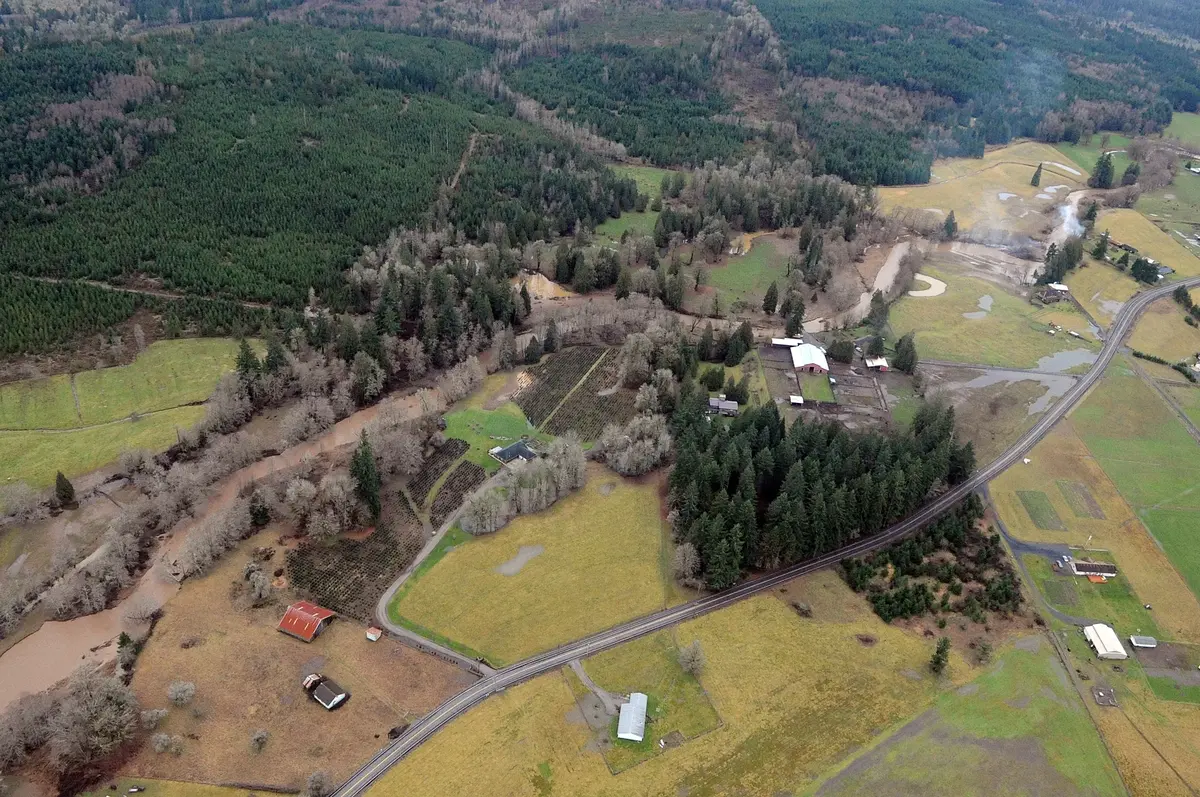
Local Expert Takeaway: The retiree who does best in Centralia buys or rents within a few blocks of Tower Avenue — close enough to walk to Berry Fields Cafe in the morning, catch a show at McMenamins Olympic Club in the evening, and reach Providence Centralia Hospital in under ten minutes if something goes wrong. Washington's no-income-tax structure handles the budget math; the historic downtown handles the social life. The honest limitation is that specialist care beyond what Providence offers means driving north, and the November-through-March grey is real. Get the location right within the city, and the retirement case here is genuinely strong.
Quick Takeaways & FAQs
✅ Washington's no state income tax means Social Security, pension, and IRA withdrawals are completely exempt — one of the most retirement-friendly tax structures in the country.
⚠️ Specialist-level medical care beyond Providence Centralia Hospital requires a drive to Olympia or Tacoma — retirees with complex ongoing medical needs should factor that distance into daily life.
📍 The Downtown/Historic District's Walk Score of 77 applies specifically to the blocks around Tower Avenue — Seminary Hill and Cooks Hill are car-dependent, so neighborhood choice matters enormously for aging in place.
Is Social Security taxed in Washington State if I retire in Centralia?
What hospital serves retirees in Centralia, WA?
How much does assisted living cost in Centralia, WA?
Is Centralia walkable enough for retirees who don't want to drive every day?
How does Centralia compare to Olympia for retirement?
Moving to Washington?
Tell us what you need help with and we'll connect you with local resources.
