If you've decided your next home needs to double as your office, you've already narrowed the map considerably. North Puget Sound — the corridor running roughly from Marysville and Everett north through the Skagit Valley to the Canadian border, plus Whidbey Island to the west — gives remote workers a genuine choice: small-town quiet with a ferry commute, mid-size city energy with real coworking options, or something in between. What ties these 13 cities together is proximity to the Sound itself, easy I-5 access for most of them, and a collective identity that sits squarely between Pacific Northwest outdoor culture and a growing remote-worker migration that's been reshaping home prices since 2020.
The gap between the best and worst setups for remote workers here is wider than most people expect. Bellingham tops this group with a composite score of 8.21 out of 10, driven by its airport sitting just four miles from downtown, multiple coworking spaces, and one of the strongest independent coffee scenes on this list. Oak Harbor, at the other end, scores 4.36 — its island geography means a ferry or bridge to reach Sea-Tac, coworking is scarce, and named local coffee spots are essentially absent from the data. The rankings below weigh internet speed, coworking access, coffee culture, airport convenience, and affordability together into a single composite score for each city.
How This Ranking Was Built
Each city is scored 1-10 on every dimension below against a fixed statewide scale — never against the other cities in this region — then combined into one weighted Composite score out of 10.
Internet Speed — 25%Weighted contribution to the composite score, graded 1-10 against a fixed statewide scale.
Coworking Access — 20%Weighted contribution to the composite score, graded 1-10 against a fixed statewide scale.
Coffee Culture — 20%Weighted contribution to the composite score, graded 1-10 against a fixed statewide scale.
Airport Access — 20%Weighted contribution to the composite score, graded 1-10 against a fixed statewide scale.
Affordability — 15%Weighted contribution to the composite score, graded 1-10 against a fixed statewide scale.
Top 13 Cities: Best for Remote Workers Snapshot
Ranked by overall composite score. Click any city to jump to the full breakdown.
| # | City | Composite | Internet | Coworking | Median Price |
|---|
| 1 | Bellingham
Whatcom County | 8.2/10 | 8.0 | 8.0 | $633,071 |
| 2 | Everett
Snohomish County | 8.2/10 | 8.3 | 8.3 | $619,916 |
| 3 | Lake Stevens
Snohomish County | 7.3/10 | 6.2 | 6.2 | $707,767 |
| 4 | Mount Vernon
Skagit County | 6.4/10 | 6.0 | 6.0 | $590,838 |
| 5 | Ferndale
Whatcom County | 6.4/10 | 4.3 | 4.3 | $600,714 |
| 6 | Lynden
Whatcom County | 6.3/10 | 4.3 | 4.3 | $568,224 |
| 7 | Burlington
Skagit County | 6.0/10 | 3.5 | 3.5 | $489,679 |
| 8 | Marysville
Snohomish County | 5.8/10 | 7.3 | 7.3 | $574,733 |
| 9 | Anacortes
Skagit County | 5.5/10 | 4.4 | 4.4 | $690,991 |
| 10 | Mukilteo
Snohomish County | 5.3/10 | 4.7 | 4.7 | $863,937 |
| 11 | Arlington
Snohomish County | 5.1/10 | 4.8 | 4.8 | $598,417 |
| 12 | Stanwood
Snohomish County | 4.4/10 | 2.9 | 2.9 | $656,789 |
| 13 | Oak Harbor
Island County | 4.4/10 | 5.0 | 5.0 | $485,449 |

Coffee Culture
8.7/10
out of 10
Airport Access
10/10
out of 10
Affordability
5.9/10
out of 10
Median Price
$633,071
2026 market price
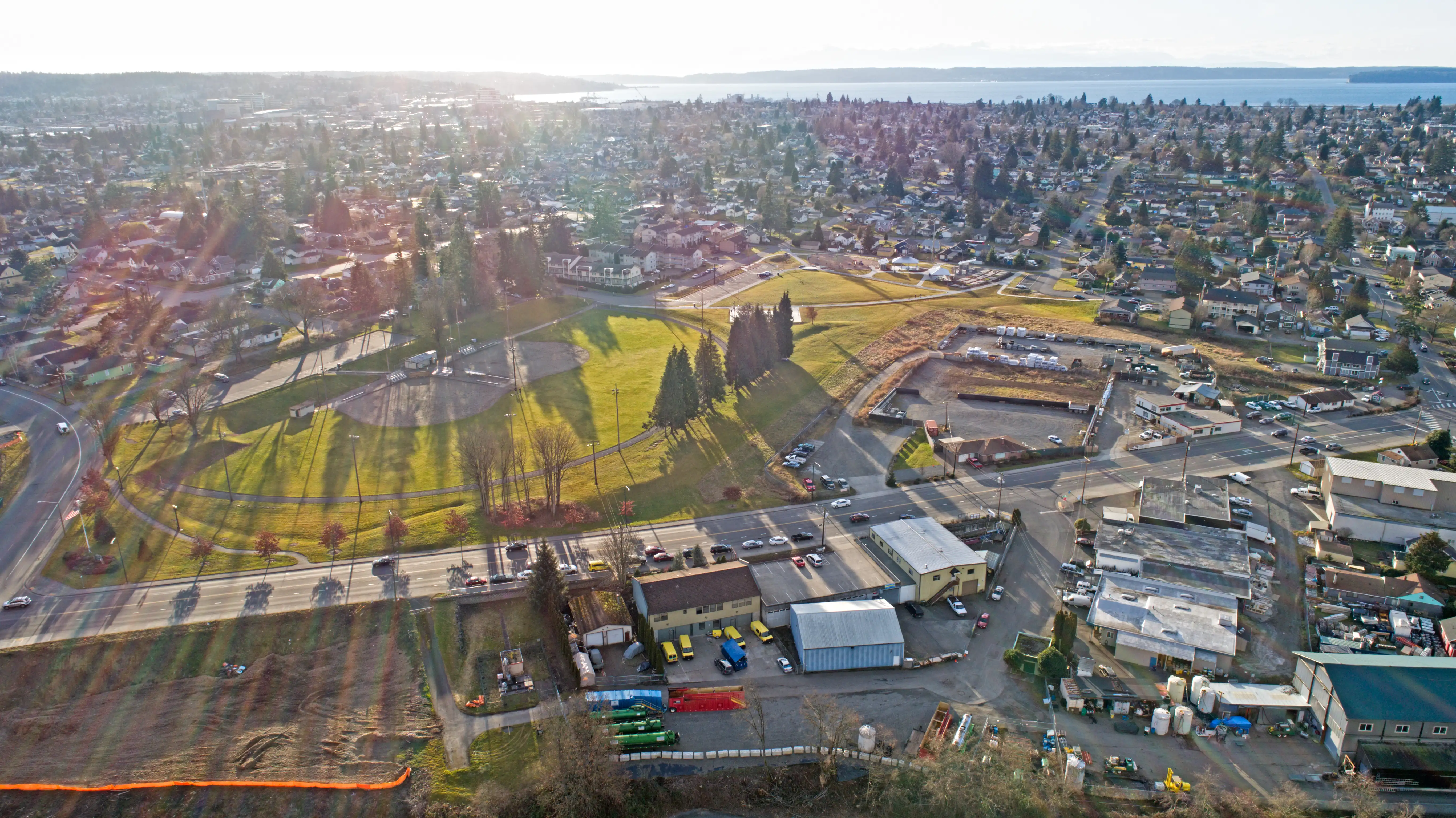
Bellingham earns its top spot by being consistently strong across every dimension that matters to remote workers. A $633,071 median home price is the steepest trade-off here — it's among the pricier entries in this group — but what you get in return is Bellingham International Airport four miles away (the best airport-access score in the entire list), multiple confirmed coworking spaces, and a coffee culture that rivals cities twice its size. Woods Coffee and Tony's are fixtures of a café scene that makes working-from-a-third-place genuinely pleasant, not a compromise.
This city suits remote workers who fly at least a few times a month and want the feel of a real city — walkable neighborhoods, Western Washington University's energy, and enough broadband density to support a serious home office setup. Buyers who need maximum affordability will find Mount Vernon or Burlington more accommodating, but few cities in this corridor match Bellingham's all-around remote-work infrastructure.
Coffee Culture
7.5/10
out of 10
Airport Access
10/10
out of 10
Affordability
6.1/10
out of 10
Median Price
$619,916
2026 market price
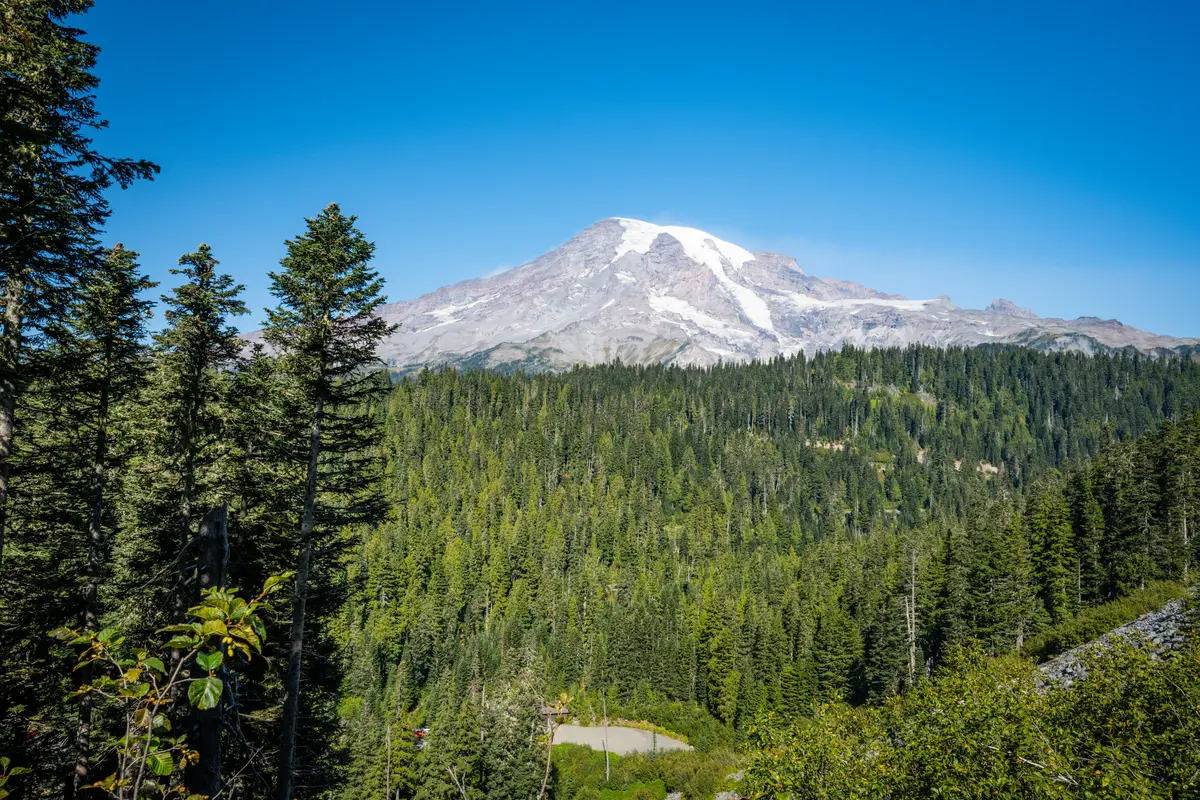
Everett's case is built on two pillars: Paine Field three miles from the city center and broadband infrastructure that benefits from a population of 112,000 — the largest city in this group. That combination earns it the top internet and coworking scores among all 13 cities. Home prices near $620K are noticeably more affordable than Bellingham on a per-amenity basis, and the independent café scene — anchored by Narrative Coffee — gives remote workers solid daily-work options beyond the home office.
Everett is the better fit for remote workers who prioritize connectivity and travel frequency over small-town character. It reads less like a destination city and more like a working city — which is exactly what many remote workers actually want. Buyers who need the Snohomish County corridor but want a more suburban feel might look at Lake Stevens or Marysville, but neither matches Everett's coworking depth.
Coffee Culture
10/10
out of 10
Airport Access
9.1/10
out of 10
Affordability
5.0/10
out of 10
Median Price
$707,767
2026 market price
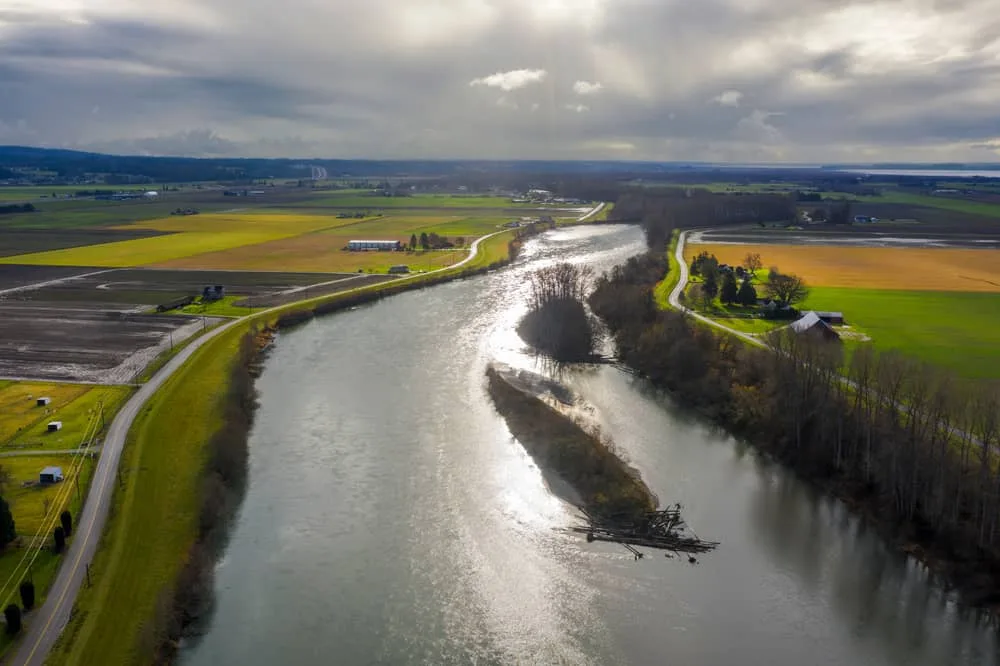
Lake Stevens earns its rank largely on the strength of an extraordinary local coffee scene — six named independent spots for a city of 40,000 is a density that beats every other city on this list, earning a perfect 10 for coffee culture. Paine Field is 17 miles out, which puts major airport access within a reasonable drive without the full Everett price tag. The catch is that dedicated coworking is limited; remote workers who need a shared office will likely commute to Everett for that.
The $707,767 median is the third-highest price in this group, which means Lake Stevens buyers are paying for a family-friendly lake community and coffee culture rather than remote-work infrastructure. It suits buyers who work from home full-time, don't need coworking, and value neighborhood quality and daily café access over a commute to a shared desk.
Coffee Culture
6.5/10
out of 10
Airport Access
7.2/10
out of 10
Affordability
6.5/10
out of 10
Median Price
$590,838
2026 market price
Mount Vernon's appeal for remote workers is understated but real. Its $590,838 median price is among the more affordable in this group, and its position as the commercial and civic hub of Skagit County means broadband options are more developed than the population figure alone would suggest. Bellingham airport is about 33 miles north — workable for occasional travel but not the seamless door-to-terminal experience Bellingham or Everett residents enjoy. A handful of independent coffee spots, including a local bakery café, cover daily work-from-café needs.
Mount Vernon suits remote workers who want a true small-city feel — a real downtown, a farmers market, tulip-festival country just outside town — without paying Whatcom County prices. Buyers prioritizing coworking access should know that dedicated shared spaces are limited here; those who need flexible office time regularly will find Bellingham a better fit.

Coffee Culture
7.5/10
out of 10
Airport Access
10/10
out of 10
Affordability
6.3/10
out of 10
Median Price
$600,714
2026 market price
Ferndale's single biggest advantage for remote workers is its airport proximity: Bellingham International just seven miles away, earning a perfect 10 on that dimension. That's rare for a city its size. The trade-off is a small population that translates to limited broadband competition and essentially no dedicated coworking infrastructure — remote workers who need a shared office will need to drive to Bellingham for that. Four local coffee spots, including a roastery, give daily café work a fighting chance.
At a $600,714 median, Ferndale is priced similarly to Mount Vernon but without the urban-core amenities. It's the right fit for remote workers who fly regularly, prefer a quieter residential setting, and are willing to make Bellingham their coworking destination a few days a week. Buyers who need coworking five days a week will find that commute friction adds up.

Coffee Culture
7.5/10
out of 10
Airport Access
9.3/10
out of 10
Affordability
6.8/10
out of 10
Median Price
$568,224
2026 market price
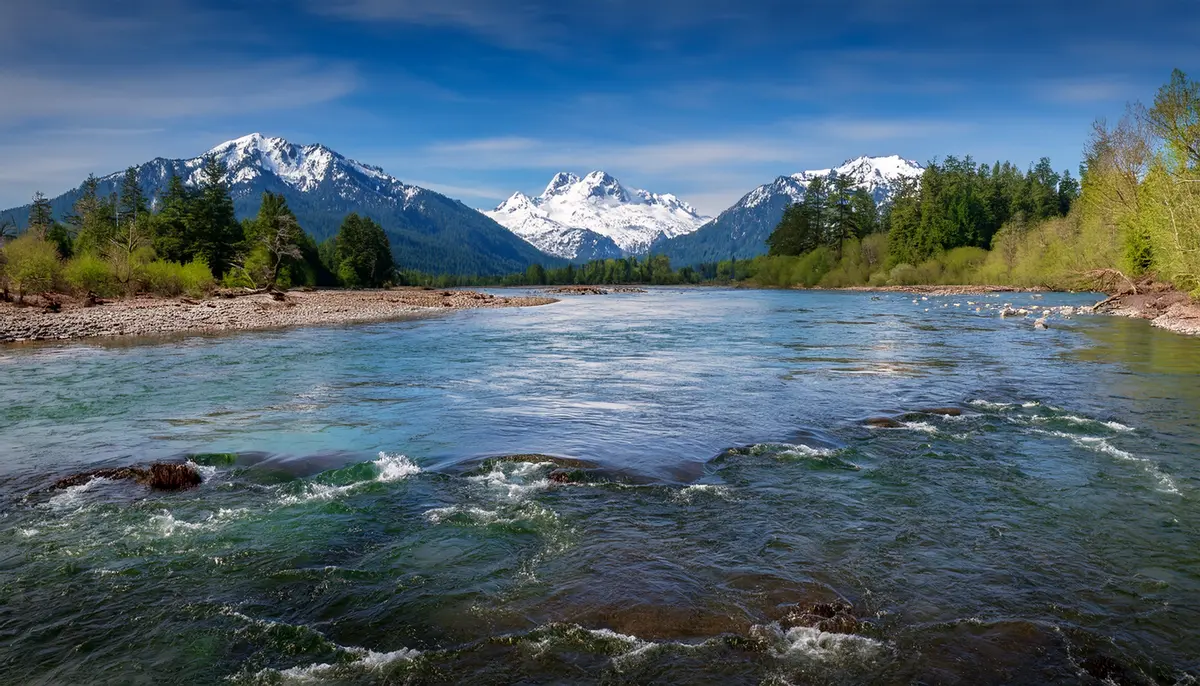
Lynden surprises: a town of roughly 17,000 that clocks a $568,224 median home — among the lower price points for Whatcom County cities in this group — while still delivering four named coffee spots, including a bookshop café that's become a genuine local institution. Bellingham International Airport is 15 miles away, which puts frequent flyers within a 20-minute drive under normal conditions. The infrastructure gaps are real, though: broadband competition is limited and dedicated coworking simply doesn't exist locally.
Lynden works best for remote workers who are genuinely productive at home, don't need a shared office, and want a close-knit Dutch-heritage small-town feel that none of the larger cities in this group can replicate. It's noticeably more affordable than Bellingham while still sitting inside Whatcom County's airport-access zone — a trade-off many buyers find worth making.
Coffee Culture
8.7/10
out of 10
Airport Access
7.5/10
out of 10
Affordability
7.8/10
out of 10
Median Price
$489,679
2026 market price
Burlington punches well above its weight on two dimensions: a $489,679 median home that is among the most affordable in this entire group, and five named local coffee spots — a coffee-per-capita density that rivals much larger cities. Bellingham airport is about 30 miles north, a manageable drive for occasional travelers. The limiting factor is broadband: at under 11,000 residents, provider competition is thin, and there are no confirmed dedicated coworking spaces in town.
For remote workers who own their home office setup, work on stable fiber if it's available, and want to stretch their housing dollar without leaving the I-5 corridor, Burlington is one of the most compelling value plays in this group. Buyers who need reliable coworking access or frequent-flyer convenience will find Bellingham or Everett a better operating base.
Coffee Culture
2/10
out of 10
Airport Access
5.8/10
out of 10
Affordability
6.7/10
out of 10
Median Price
$574,733
2026 market price
Marysville's 76,000 residents generate enough density for solid broadband infrastructure and reasonable coworking availability — it ranks among the stronger performers on internet connectivity in this group. What holds it back is a nearly absent local coffee scene: no named independent cafés appear in the data, which means remote workers who rely on café environments for focus and variety will find themselves driving to Everett or working through chains. The median home near $574,733 sits in the middle of this group's price range.
Marysville suits remote workers who are disciplined home-office operators — strong internet, reasonable space for the price, and Everett's amenities 15 minutes south. Sea-Tac is about 48 miles out, which makes it less appealing for frequent flyers compared to Snohomish County cities closer to Paine Field. Buyers who need daily café culture as part of their workflow should look at Everett or Lake Stevens instead.

Coffee Culture
7.5/10
out of 10
Airport Access
6.4/10
out of 10
Affordability
5.2/10
out of 10
Median Price
$690,991
2026 market price
Anacortes carries a $690,991 median home — the second-highest price in this group — without the coworking or broadband infrastructure to match. Its position on Fidalgo Island, connected by bridge to the mainland, keeps it from the kind of provider competition that larger I-5 corridor cities enjoy. Four local coffee spots cover daily café needs adequately, and Bellingham airport at 41 miles is reachable, if not quick.
The honest case for Anacortes is lifestyle, not logistics: ferry service to the San Juan Islands, Deception Pass State Park minutes away, and a waterfront downtown that draws buyers willing to pay a premium for the setting. Remote workers who travel infrequently and work independently from home will find it livable. Those who need fast infrastructure or coworking will be underserved at this price point relative to what Bellingham or Everett offer.

Coffee Culture
6.5/10
out of 10
Airport Access
6.6/10
out of 10
Affordability
3.4/10
out of 10
Median Price
$863,937
2026 market price
Mukilteo's remote-work profile is defined by one uncomfortable reality: a $863,937 median home that is the highest in this group by a wide margin, paired with broadband and coworking scores that reflect a smaller suburb rather than a city. Three local coffee spots — including Blackdove — cover daily café work needs, and Sea-Tac is about 39 miles south, a manageable but not quick trip. The infrastructure simply doesn't justify the premium for most remote workers comparing it against other cities here.
Mukilteo makes more sense for buyers whose household income is tied to Boeing or aerospace supply-chain employers in the area and who happen to work remotely — the lifestyle and location have real appeal for that profile. Pure remote workers evaluating this list on infrastructure-per-dollar will find Everett delivers a substantially similar setup at a noticeably lower price point.
Coffee Culture
2/10
out of 10
Airport Access
7.7/10
out of 10
Affordability
6.3/10
out of 10
Median Price
$598,417
2026 market price
Arlington sits at a $598,417 median — mid-pack for this group on price — but trails on the amenities that define a strong remote-work city. No named local coffee spots appear in the data, which is a meaningful gap for workers who use café environments regularly. Internet infrastructure at 22,000 residents is adequate but not exceptional, and dedicated coworking is limited. Paine Field under 28 miles away is a genuine plus for buyers who travel a few times a month.
Arlington suits remote workers who prioritize outdoor access — the North Cascades are closer here than from most cities in this group — over urban remote-work infrastructure. Buyers who want a true café-and-coworking setup will find the city thin on options and should look to Everett or Bellingham. For self-sufficient home-office workers who fly occasionally, Arlington's airport proximity and moderate pricing are the real draws.
Coffee Culture
4/10
out of 10
Airport Access
7.3/10
out of 10
Affordability
5.6/10
out of 10
Median Price
$656,789
2026 market price
Stanwood's remote-work story is constrained by its size: at roughly 8,400 residents, broadband infrastructure is limited enough that the data flags a need to verify speeds before committing — a meaningful caution for anyone whose livelihood depends on upload reliability. One coffee spot along the historic downtown strip covers the basics but doesn't constitute a café culture. Paine Field at about 32 miles is reachable, and the median near $656,789 is higher than its rural character might suggest.
Stanwood is a genuine fit for remote workers who have already secured verified fiber service, don't need coworking, and are specifically drawn to a small historic downtown and proximity to Camano Island's shoreline. Buyers evaluating it purely on remote-work infrastructure will find Marysville or Arlington offer more for similar or lower prices.

Coffee Culture
2/10
out of 10
Airport Access
2.6/10
out of 10
Affordability
7.9/10
out of 10
Median Price
$485,449
2026 market price
Oak Harbor finishes last in this group, and the geography explains most of it. Its location on Whidbey Island means Sea-Tac — over 100 miles away including ferry or bridge crossing — is a significant deterrent for frequent flyers, earning the lowest airport-access score in the entire list. No named local coffee spots appear in the data, and dedicated coworking options are scarce. The one genuine bright spot is a $485,449 median home, the lowest in this group and meaningfully below the regional norm.
Oak Harbor makes sense for remote workers who travel rarely or never, have verified reliable home internet, and are specifically drawn to Whidbey Island's pace and natural setting — Deception Pass and the island's rural character are real draws for the right buyer. Anyone who flies regularly for work or depends on coworking infrastructure should treat the low home price as a trade-off with real daily-life costs, not a discount on equivalent amenities.
Bellingham and Everett are the clearest wins for remote workers who need reliable infrastructure — both offer confirmed coworking options, solid broadband, and airports practically at their doorstep. For buyers who want meaningfully lower home prices and can tolerate thin coworking options, Burlington and Lynden are the most compelling trade-offs in this group.
Want to see what's for sale in these neighborhoods?
Sign up for listing alerts — get notified when homes hit the market.
Get Listing Alerts →
Frequently Asked Questions
Which North Puget Sound city has the best coworking options for remote workers?
Bellingham and Everett stand out clearly from the rest of the group on coworking access. Both cities have the population density and urban infrastructure to support multiple confirmed flexible-workspace options — something smaller cities like Ferndale, Lynden, and Stanwood simply can't match locally. Remote workers in smaller Whatcom or Skagit County towns generally commute to Bellingham for shared office time, while Snohomish County workers typically look to Everett.
Which city is most affordable for remote workers who still want solid infrastructure?
Burlington comes closest to threading that needle. Its median home near $489,679 is the lowest among the 13 cities in this group, and it offers five named local coffee spots — a café density that rivals much larger cities. The trade-off is limited broadband competition and no confirmed coworking spaces, so it works best for remote workers who are self-sufficient from a home-office setup. Lynden, at a median near $568,224, is the next most affordable and adds better airport proximity via Bellingham International 15 miles away.
How does airport access vary across these 13 cities, and does it matter for remote workers?
It matters enormously if you travel even a few times a month. Bellingham, Everett, Ferndale, and Lynden all score at or near the top on airport access — Bellingham International is four miles from downtown Bellingham, three miles from Paine Field in Everett, and reachable within 15 minutes from Ferndale and Lynden. Oak Harbor sits at the opposite extreme: over 100 miles to Sea-Tac with a ferry or bridge crossing required, earning the lowest airport-access score in the group. Marysville and Mukilteo rely primarily on Sea-Tac, roughly 39–48 miles south depending on traffic.
Is the coffee-shop culture in these cities actually useful for remote work, or just nice to have?
For many remote workers it's functional infrastructure, not a lifestyle perk — café environments provide focus, social proximity, and a reason to leave the house on low-meeting days. Lake Stevens leads this group with six named independent coffee spots, an impressive count for a city of 40,000. Burlington and Bellingham both have five. At the other end, Marysville, Arlington, and Oak Harbor have no named independent cafés in the data at all, which means remote workers in those cities default to chains or simply stay home. That gap is worth weighing seriously if café work is part of your routine.
Can remote workers realistically afford homes in North Puget Sound, or has this market priced them out?
The range in this group is wide. Oak Harbor at approximately $485,449 and Burlington near $489,679 are the entry points, while Mukilteo's median near $863,937 is the ceiling — a spread that reflects very different market dynamics even within the same region. Most cities cluster between $568,000 and $710,000, which is above Washington state's overall median but well below King County levels. Remote workers with flexible income and no need to be near a specific employer tend to do best targeting the Skagit County cities — Mount Vernon and Burlington — where prices are lower and the I-5 corridor keeps the region accessible.
Moving to Washington?
Tell us what you need help with and we'll connect you with local resources.

Todd Davidson
About the Author
Todd Davidson is the founder of The Move Genie, a premier digital resource offering in-depth city guides, neighborhood profiles, and localized market insights for communities nationwide. Drawing on an extensive background in home financing and real estate, he established the platform to streamline the relocation process, helping families make confident, data-driven decisions when comparing new areas.