What Is Living in Yakima, Washington Like?
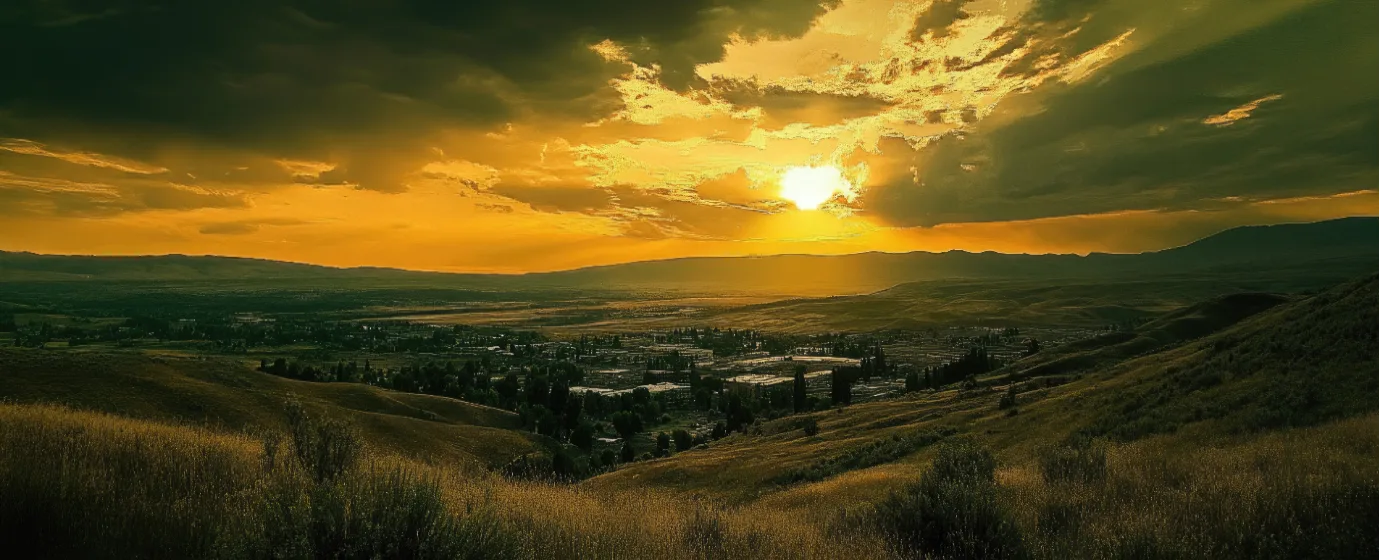
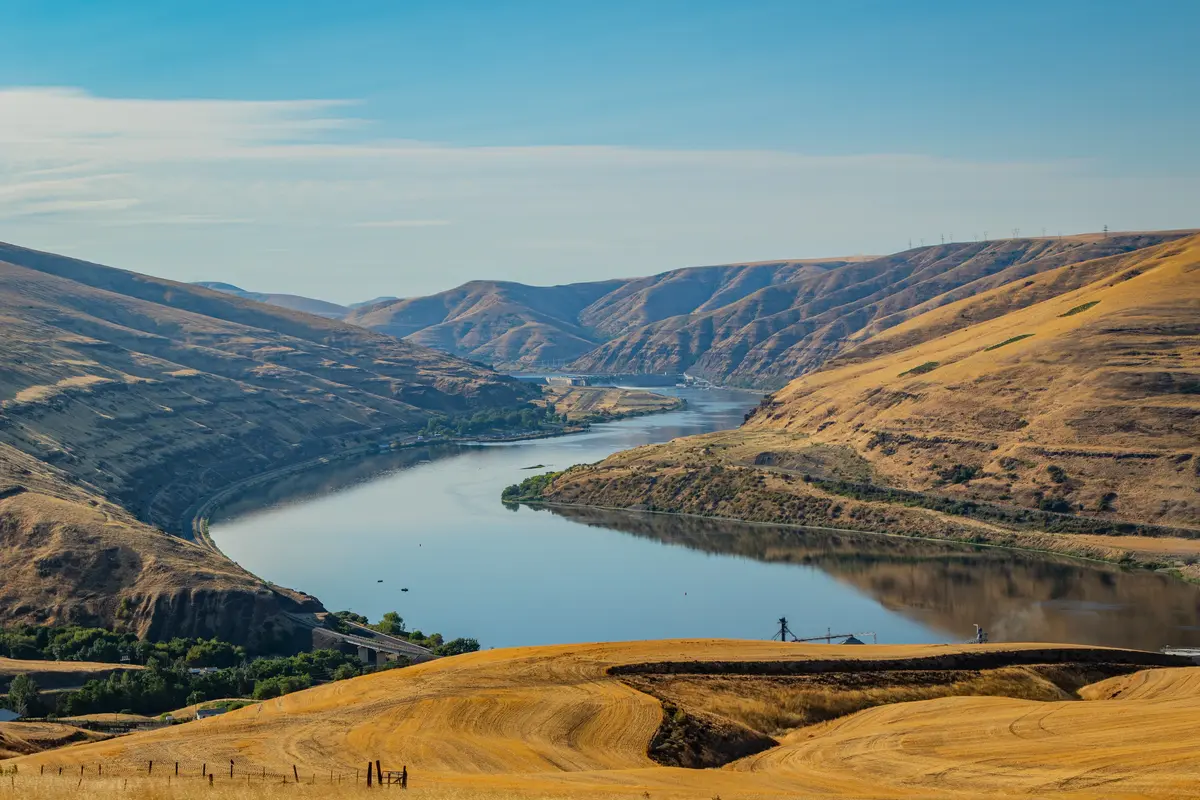
If you're choosing between Yakima and somewhere on the west side of the Cascades, the decision usually comes down to one real trade-off: you can have 300 days of sunshine, a yard, and a mortgage your paycheck can manage — or you can have Seattle's job density and its price tag. Yakima sits in a wide agricultural valley on I-82, roughly 150 miles southeast of Seattle, where the mountains break and the landscape opens into apple orchards, hop yards, and high-desert sky. The Cascades that keep western Washington perpetually damp also keep Yakima reliably dry, and that climate difference is one of the first things people mention after they've lived here a season.
The city's economic backbone is deeply tied to the land around it. Yakima County leads the nation in apple, hop, sweet cherry, pear, and mint production — and the valley accounts for roughly 70–75% of the entire country's hops supply. That agricultural base supports a chain of employers from Tree Top Inc., one of the valley's largest food-processing operations, to the Confederated Tribes and Bands of the Yakama Nation, a major regional employer and governmental force. The Yakima School District serves the city's families, and Yakima County government provides a significant number of stable public-sector jobs. The result is an economy that doesn't move with tech layoffs or startup funding rounds — it moves with the harvest.
Housing costs run noticeably below the Washington state average, which draws buyers who've been priced out of the Puget Sound corridor. The overall cost of living tracks close to the national average, though car ownership costs run higher than most cities given how car-dependent the infrastructure is — Yakima Transit's bus routes and Dial-A-Ride service exist, but a personal vehicle is a practical necessity for most errands. The Yakima Greenway, the 46-acre Yakima Area Arboretum, Sarg Hubbard Park, and immediate access to Cowiche Canyon and the Yakima River Canyon mean that outdoor life fills the weekends in ways that feel genuinely different from a bedroom suburb.
Whether you're considering a full relocation or just starting to research the area, the sections below break down Yakima's neighborhoods, housing market, commute realities, major employers, and what a typical weekend actually looks like here.
Yakima at a Glance
Looking to buy in Yakima? Estimate your payment.
Enter your numbers to see an estimated monthly mortgage payment.
Estimate only. Excludes HOA fees and mortgage insurance. The interest rate above is a starting point, not a quoted rate — replace it with your own to see real numbers. Insurance is a flat placeholder, not a Yakima quote.
Why Are People Moving to Yakima?
The people who move to Yakima on purpose — not because of a job transfer, but because they chose it — tend to have done the math on what a dollar buys east of the Cascades versus west of them. The gap is substantial, and it doesn't go away.
The Agricultural Economy Is a Stabilizer
Yakima's economy doesn't spike and crash the way tech-dependent markets do. Tree Top Inc. has processed fruit in the valley for generations. The Confederated Tribes and Bands of the Yakama Nation operate a broad range of governmental, cultural, and economic enterprises that make them one of the region's significant employers. Yakima County government and the Yakima School District together anchor a large slice of stable, benefit-bearing public-sector work.
The valley's agriculture — more than $1 billion in annual crop sales — creates a downstream economy of food processing, logistics, equipment, and services that keeps multiple industries running year-round. This isn't a one-employer town; it's a region whose core industry has been reliable for over a century.
The Wine and Hop Culture Draws a Specific Buyer
More than 90 wineries operate across five American Viticultural Areas in the Yakima Valley. That's not a weekend day-trip — that's a lifestyle that people in their 30s and 40s move here specifically to access. The hop-yard landscape around the valley gives the area a character you won't find anywhere else in the Pacific Northwest.
Who Actually Moves Here
| Buyer Type | What Draws Them | Best Fit |
|---|---|---|
| Priced-out west-siders | Housing costs well below the state average; sunshine; space | Value Families |
| Agricultural / food-industry workers | Proximity to employers; lower cost of living vs. rural alternatives | Commuter Value |
| Outdoor enthusiasts | Canyon hiking, river access, ski areas within 90 minutes | Nature Views |
| Wine and agriculture culture seekers | 90+ valley wineries, hop farms, farm-to-table food scene | Lifestyle |
| Remote workers from major metros | Lower housing costs while keeping remote income; dry climate | Value Quiet |
| Retirees from western WA | Affordable entry point, sunshine, slower pace | Quiet Value |
The honest downside: Yakima's median household income of $62,815 sits below state norms, and the poverty rate of 16.64% reflects real economic strain in parts of the city.
What People Discover After Six Months
The summer heat catches almost everyone off-guard. Highs that regularly reach 100°F from late June through August are genuinely different from the mild western Washington summers most transplants are used to. Evaporative coolers are common; central air is necessary, not optional.
Late August also brings wildfire smoke season. The valley's bowl geography and agricultural burning create inversion layers that trap particulates, and in the worst years air quality drops to levels that keep people indoors for days at a stretch. This is a documented, recurring pattern — not a one-time event — and it's worth weighing seriously before you commit.
What Daily Life Feels Like in Yakima
Yakima is not a city that pretends to be something it isn't. The downtown along Yakima Avenue has a working-city feel — the Capitol Theatre anchors a stretch of restored early-20th-century buildings, independent restaurants fill storefronts between the avenues, and the Yakima Valley Museum keeps the valley's agricultural and cultural history accessible. It's not a sanitized tourist strip; it's a real downtown that locals actually use.
The Greenway Is the City's Social Spine
The Yakima Greenway runs along the river for miles, connecting Sarg Hubbard Park and the Yakima Area Arboretum in a way that lets you move between green spaces without touching a major road. On weekend mornings, the paved trail is where you'll find families with strollers, cyclists, and dog walkers — it functions as the city's de facto gathering place in a way that no single park or plaza does.
The Yakima Area Arboretum's 46 acres, established in 1967 and home to more than 1,000 plant specimens, sit at the edge of the Greenway and are walkable year-round. In spring the flowering trees draw a consistent local crowd that treats it as a neighborhood park rather than a formal attraction.
Coffee and Breakfast Culture
Caffé 11th Avenue on West Yakima Avenue is a genuine neighborhood anchor — a sit-down café where regulars order without looking at the menu. Cowiche Canyon Kitchen & Ice House Bar on East Yakima Avenue brings a wine-country sensibility to a downtown address, with a menu built around local ingredients.
The Geographic Divide That Matters
Yakima has a real east-west split that shapes daily life in ways that aren't obvious from a map. The areas west of the freeway — West Valley and the Nob Hill corridor — feel functionally different from the denser, more economically mixed neighborhoods closer to downtown and east of I-82. Buying in one zone without understanding the other is one of the most common mistakes relocating buyers make here.
Air Quality Is a Real Factor
From late July through September, air quality in the valley can shift quickly. The bowl-shaped terrain traps agricultural smoke and wildfire particulates, and in peak years the valley can log multiple consecutive days of unhealthy air. Newcomers from the west side are often unprepared for this — it's not an occasional inconvenience, it's a seasonal reality that affects how much time you spend outside during those weeks.
The flip side: from October through June, the skies over Yakima are reliably clear in a way that genuinely affects mood and lifestyle. That 300-day sunshine figure isn't marketing language — it's what longtime residents point to when asked why they stay.
The Yakima Housing Market Right Now
The Zillow Home Value Index for Yakima stands at $365,096 (May 2026), up 1.6% over the prior year. That figure puts Yakima housing costs noticeably below the Washington state average — a gap that has been the primary driver of in-migration from the Puget Sound corridor over the past several years.
How the Market Is Moving
Homes in Yakima are going to pending in around 20 days on average — a pace that reflects genuine demand without the frenzied multiple-offer environment of peak western Washington markets. Inventory is limited enough that well-priced homes in good condition move quickly, but buyers aren't routinely making offers sight unseen the way they were in 2021–2022.
Prices and days-on-market vary meaningfully by area across the city. See the Best Neighborhoods page for a full breakdown of where values sit and what each part of the city offers.
What the Price Point Gets You
The effective property tax rate of approximately 1.03% is close to the national average — not the near-zero rates some Pacific Northwest buyers expect, but not punishing either. For a full picture of how ownership costs compare to renting, and how Yakima's taxes and housing expenses stack up overall, see the cost of living page.
Rent vs. Own
Renting remains common in Yakima, particularly in the denser neighborhoods near downtown. For a full picture of what renters are paying and how those figures compare to ownership costs, see the cost of living page.
Yakima Neighborhoods
Yakima has several distinct areas — each with its own character and appeal. Here’s a breakdown to help you narrow down where to focus your home search.
🏡 Downtown Yakima
The blocks along Yakima Avenue and the Capitol Theatre district offer the most on-foot access in the city, with independent restaurants, the Yakima Valley Museum, and the Greenway all within walking distance — a fit for buyers who want urban texture at a mid-market price point.
🏠 West Valley
An unincorporated area west of the freeway with larger lots, newer construction, and a suburban feel that draws families prioritizing space and schools; it moves faster than the city median, reflecting consistent demand from buyers who've done the neighborhood comparison.
🌳 Terrace Heights
Sitting on the bluffs east of the Yakima River, Terrace Heights offers elevated views of the valley and a quieter residential character, with a mix of mid-century homes and newer builds that appeal to buyers who want separation from downtown density.
🏘 Nob Hill
Nob Hill Boulevard is one of the city's primary commercial corridors, and the residential streets surrounding it offer established single-family homes in a central location that suits buyers who want proximity to services without living directly downtown.
🏔 Fruitvale
A north-side neighborhood with a mix of older bungalows and mid-century ranches, Fruitvale has a settled, tree-lined character and draws buyers looking for walkable streets and an established community feel at prices that remain accessible.
🌆 Chalet
Chalet sits on the west side of the city with a suburban residential character and good access to both the Greenway and the retail corridor along 40th Avenue, making it a practical choice for families who prioritize outdoor access and commute convenience.
Pros & Cons of Living in Yakima
The Pros
- Abundant sunshine and mild
- dry climate
- significantly lower home prices than the Seattle metro
- strong agricultural economy with fresh local produce and wineries
- easy access to outdoor recreation in the Cascades and Yakima River Canyon
The Cons
- Higher-than-average crime rate compared to national and state benchmarks
- school district test scores and ratings lag state averages
- long drive (2.5+ hours) to reach the Seattle job market and major amenities
Getting Around & Commuting in Yakima
Yakima is built for cars. That's not a criticism — it's the operating reality, and understanding it shapes everything from which neighborhood you pick to what your monthly transportation budget looks like.
The Local Grid
Yakima Avenue is the main east-west spine, and most daily destinations — groceries, medical, schools, work — are reachable within 15 minutes of most residential neighborhoods by car. Traffic congestion is real during morning and afternoon rush periods on I-82 through town and on surface streets like 40th Avenue and Nob Hill Boulevard, but it resolves faster than anything a Seattle commuter would recognize as a serious delay.
Yakima Transit runs local bus routes throughout the city, plus an on-demand Dial-A-Ride service for accessibility needs. For most residents, the bus is a supplement rather than a primary mode — useful, but not a replacement for a personal vehicle in a city laid out at this scale.
Regional Commutes
| Destination | Mode | Typical Travel Time | Notes |
|---|---|---|---|
| Seattle | Drive (I-82 / I-90) | ~150 minutes | Passes over Snoqualmie Pass; winter chain restrictions apply |
| Seattle-Tacoma International | Fly (Yakima Air Terminal) | ~45 min flight | Scheduled service available; limited frequency |
| Ellensburg | Drive (I-82 N) | ~35 minutes | Central Washington University; additional employment hub |
| Tri-Cities (Kennewick / Richland / Pasco) | Drive (I-82 S) | ~75 minutes | Hanford-area employers; growing tech and energy sector |
| Union Gap | Drive | ~10 minutes | Major retail corridor; shopping not available downtown |
| Selah | Drive | ~10 minutes | Quieter residential; many Yakima workers live here |
The pass is the variable nobody tells you about before you move. I-90 over Snoqualmie Pass closes or restricts travel multiple times each winter, and when it does, the 150-minute drive to Seattle becomes a non-starter. Remote workers and frequent Seattle travelers need to factor this in — Yakima Air Terminal's scheduled service exists, but flights are limited and book up fast during storm windows.
The Commuter Trade-Off
Living in Yakima and commuting to Seattle regularly is not a workable daily arrangement — the distance makes that unsustainable. What works is remote-first employment with occasional Seattle trips, or local employment that doesn't require crossing the mountains. The buyers who struggle most with Yakima are the ones who underestimate how psychologically significant that mountain crossing is until they've done it in February.
Transportation Costs
Transportation costs in Yakima run roughly 19–21% above the national average, largely because the car-dependent infrastructure and longer regional drive distances add up. Budget accordingly — this is the one cost-of-living category where Yakima doesn't offer the discount buyers expect.
Schools in Yakima
Families relocating to Yakima have public, private, and higher-education options nearby. Here’s a quick overview.
🎓 School District
Yakima School District serves K–12 students across Yakima and the surrounding area. Rated C (source: Niche.com).
🏆 Graduation Rate
The 4-year high-school graduation rate here is approximately 83.4%.
📚 Higher Education
Washington’s public universities — the University of Washington, Washington State University, and Western Washington University — offer four-year degrees statewide, with a network of 34 community and technical colleges (SBCTC) providing two-year and workforce programs.
🌐 Online Learning
University of Washington Continuum College and Washington State University Online offer fully accredited online degrees for remote learners across the state.
Safety in Yakima
A quick look at how Yakima compares on the numbers that matter most when weighing a neighborhood or a move.
🛡 Violent Crime
Approximately 6.09 per 1,000 residents.
🔒 Property Crime
Approximately 31.51 per 1,000 residents.
Compared to the FBI’s most recent national data (2024), Yakima’s violent crime is above the national average (about 3.6 per 1,000), and property crime is above the national average (about 17.6 per 1,000).
Against Washington as a whole, Yakima’s violent crime is about double the state average, and property crime is somewhat above the state average (Bureau of Justice Statistics, Crime Known to Law Enforcement, 2024 (tables 2 and 3)).
Crime rates can vary a lot within a single city, so the citywide numbers above are only a starting point. Some neighborhoods in Yakima run well below these averages, while others run higher — the kind of block-by-block detail that matters most when you’re actually choosing where to live. The full guide below breaks it down neighborhood by neighborhood.
Working in Yakima
Yakima’s largest employers span several industries — here are some of the anchors of the local job market.
🏥 MultiCare Yakima Memorial Hospital
Healthcare
🛒 Tree Top Inc.
Food processing/agriculture
🎓 Yakima School District
Education
🏛 Yakima County
Government
🏛 Confederated Tribes and Bands of the Yakama Nation
Tribal government/services
Parks & Recreation in Yakima
Some of the outdoor spaces that shape everyday life in Yakima.
🌱 Sarg Hubbard Park
🌱 Central Washington State Fair Park
Yakima residents don’t have to go far for green space — spots like Sarg Hubbard Park and Central Washington State Fair Park are part of everyday life here, whether that’s a morning walk, a weekend hike, or just somewhere to unwind outside. The full guide below covers more of what Yakima has to offer for parks and outdoor recreation.
Retiring in Yakima
Yakima draws retirees for its balance of amenities, outdoor access, and cost. Here’s what to weigh.
🌤 Climate
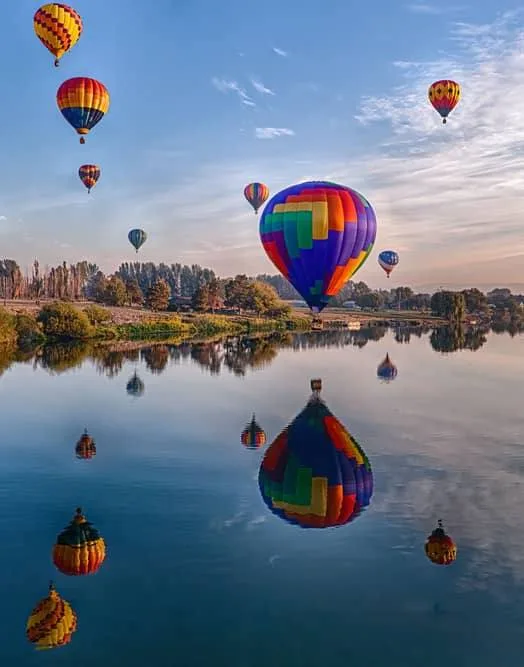
Yakima's roughly 300 annual sunshine days and dry high-desert air appeal strongly to retirees escaping the gray winters of western Washington. Summers are warm — often above 100°F — so air conditioning is essential, and late-August wildfire smoke can limit outdoor time for several weeks each year. From September through June, the climate is reliably mild and clear.
🍴 Lifestyle
The Yakima Valley's more than 90 wineries, the Yakima Greenway trail system, the Capitol Theatre, and the Yakima Valley Museum provide a full cultural and outdoor calendar without the pace of a large city. Cowiche Canyon Kitchen & Ice House Bar on East Yakima Ave and the café scene along Yakima Avenue give retirees walkable dining anchors in the central neighborhoods.
🏚 55+ Communities
The Yakima area has several active-adult and senior-living communities, with options ranging from independent living to full continuing-care facilities. The lower housing costs relative to the state average allow many retirees to right-size into a single-story home with a larger lot than they could afford closer to the coast.
✈ Getting Around
A personal vehicle is essential for daily life in Yakima — the city's layout requires it, and most destinations are 10–20 minutes by car. Yakima Air Terminal offers scheduled service to Seattle-Tacoma International, which simplifies visits to family or specialists on the west side. Driving over Snoqualmie Pass in winter requires planning around weather and chain restrictions.
🏛 Washington Taxes for Retirees — What to Know
- No state income tax — Washington does not tax personal income, so Social Security, pensions, and 401(k)/IRA withdrawals are all untaxed at the state level. There is no state return to file and no retirement exclusion to claim — the rate is simply zero.
- Military and public pensions — Because there is no income tax, military retirement pay and public-employee pensions are untaxed at the state level along with everything else.
- Sales tax is the tradeoff — The state sales tax is 6.5%, and local add-ons bring the combined rate in Yakima to 8.6% (Washington State Department of Revenue, Q3 2026 local sales & use tax rate table, July 2026). Groceries and prescription drugs are exempt.
- Property taxes, with senior relief — The effective property tax rate is roughly 0.9%. Homeowners 61+ (or unable to work due to disability, or a qualifying disabled veteran) who own and occupy their home may qualify for a reduction. Income limits are set against each county’s median household income, so the threshold differs by county — check with your county assessor. A separate deferral program is available for those who don’t qualify for the exemption.
- Capital gains tax — but not on retirement income — Washington taxes 7% on long-term capital gains above a $278,000 standard deduction for 2025, rising to 9.9% on gains above $1,000,000. Retirement accounts and real estate sales are both exempt. It therefore does not reach ordinary retirement income or the sale of a home.
- Estate tax — the one to plan for — Unlike most no-income-tax states, Washington has its own estate tax. For deaths on or after July 1, 2026, the exemption is $3 million with graduated rates topping out at 20%. Retirement accounts count toward the taxable estate, so long-time homeowners with sizable balances can cross the line without expecting to.
- No inheritance tax — Washington has no inheritance tax, and no gift tax.
- WA Cares payroll premium — Working Washingtonians pay 0.58% of gross wages into the WA Cares Fund, the state long-term care program, with no income cap. It applies to W-2 wages, so retirees who have stopped working do not pay it — but anyone relocating while still employed will see it. The private-insurance opt-out closed at the end of 2022 and is not available to new applicants; the remaining exemptions are narrow (living outside Washington, military spouses, certain visa holders, and veterans with a 70%+ service-connected rating).
- The Oregon border effect — Oregon has no sales tax, so Washington residents near the river — Vancouver, Camas, Washougal, Longview — often cross over for large purchases. Washington use tax technically applies to goods brought back for use in-state, though it is rarely enforced on ordinary personal purchases.
Tax laws change frequently and individual situations vary. This is general information, not tax advice — always consult a qualified Washington tax professional or CPA for personalized retirement tax planning.
Weekends & Local Favorites in Yakima
A weekend in Yakima tends to start outdoors and end with wine. That's not a cliché — it's the natural rhythm of a city surrounded by canyons, rivers, orchards, and more than 90 valley wineries.
The Outdoors Are Immediately Accessible
Cowiche Canyon is a 15-minute drive from most of the city — a basalt canyon trail that drops you into a world that feels nothing like the agricultural valley above it. The Yakima River Canyon, accessible off I-82 north of town, draws fly anglers year-round and floaters through the warmer months. The Yakima Greenway connects Sarg Hubbard Park and the Yakima Area Arboretum along the river, making a full morning of walking, bird-watching, and outdoor time possible without leaving city limits.
For bigger terrain: Mount Rainier sits roughly 60 miles northwest, and several ski areas are within 90 minutes of downtown. The access to both high-desert canyons and Cascade peaks from a single address is one of the legitimately unusual things about Yakima's location.
The Wine and Food Scene
The valley's five American Viticultural Areas put serious wine within a 30-minute drive in almost any direction. Locals develop their own regular tasting-room circuits the same way people in other cities develop bar regulars. Cowiche Canyon Kitchen & Ice House Bar on East Yakima Avenue brings that wine-country kitchen approach into the city itself, and it's where many Friday evenings start for people who live near downtown.
For a slower morning start, Caffé 11th Avenue on West Yakima Avenue operates as a proper neighborhood café — the kind of place where regulars claim tables by habit and the breakfast menu doesn't change because it doesn't need to.
The Central Washington State Fair
The Central Washington State Fair at State Fair Park runs every September and is a genuinely significant local event — not a small county fair, but one of the largest in the Pacific Northwest. For newcomers moving in late summer, it's an immediate introduction to the agricultural character of the valley and the scale of community participation that's harder to perceive in the off-season.
The Capitol Theatre and Arts Scene
The Capitol Theatre anchors Yakima's performing arts life — a restored 1920s venue that hosts touring productions, Broadway-style shows, and local performances throughout the year. The Yakima Valley Museum, adjacent to Franklin Park, keeps the valley's history grounded in the actual people and industries that shaped it rather than a sanitized version of the past.
Yakima doesn't have the gallery density of a larger city, but it has enough independent food, music, and arts programming that weekends fill up — especially from spring through October, when the outdoor calendar competes with everything else for attention.
Top Things Locals Say About Yakima
The best intel about a city comes from the people who actually live there. Here’s what Yakima residents say when newcomers ask the questions everyone’s thinking.
“I knew it would be sunny — I didn't know I'd be counting the days until the smoke cleared in August. The air quality in late summer is genuinely different from anything I experienced west of the mountains, and it changes how you plan your outdoor time. The rest of the year, though, I feel like I got exactly what I came for.”
— Recent Yakima home buyer
“What's the most surprising thing about living in Yakima?”
Most people are surprised by how much the Cascades act as a psychological and climate dividing line — not just a scenic one. The weather east of the pass genuinely operates on a different calendar. And the Greenway surprises people too: newcomers expect a paved trail and find an actual community space that connects the arboretum to Sarg Hubbard Park in a way that makes the city feel much more livable than the drive-everywhere reputation suggests.
“What do locals love most about Yakima?”
The access to real outdoor terrain without fighting traffic to get there. Cowiche Canyon feels like it should be hours away, and it's 15 minutes from most of the city. The wine trail is something people do on a Wednesday evening, not just a special-occasion thing. And the sunshine — it sounds like a tourism talking point until you've come through your first full winter here and realized you haven't been rained on in three months.
“What should newcomers to Yakima know?”
Get a sense of the east-west divide before you start looking at houses. Neighborhoods west of the freeway and those closer to downtown operate differently in terms of character, pace, and feel. Also: build your grocery and shopping routine around Union Gap, about 10 minutes south — that's where the major retail corridor sits, and it changes how you think about errands. And treat August air quality as a planning variable, not a surprise.
“Can you live in Yakima without a car?”
Technically, Yakima Transit runs local routes and a Dial-A-Ride service, so car-free living is possible for people with very limited daily range. Practically, almost everyone who moves here owns and depends on a car — the city's layout, the distance between neighborhoods, and the absence of a walkable retail core in most areas make personal transportation a genuine necessity for the vast majority of residents.
Cities Near Yakima
Other communities near Yakima worth a look — each with its own character and price point.
| City | Distance | Best For | Vibe | Median Rent | Median Buy |
|---|---|---|---|---|---|
| Union Gap | 4 mi | Retail access & value buyers | Practical, commercial, affordable | $1,200 | $340,000 |
| Selah | 6 mi | Families seeking quiet suburbs | Residential, slower-paced, tight-knit | $1,300 | $400,000 |
| Moxee | 9 mi | Rural lifestyle, lower price point | Agricultural, spread-out, uncrowded | $1,250 | $380,000 |
More Helpful Guides for Yakima
Going deeper on Yakima? Our blog series covers everything from first-time buying to retiring here — explore the guides below.
Local Expert Takeaway: Yakima rewards buyers who do the homework before they arrive. The Greenway and Cowiche Canyon trail system make outdoor weekends genuinely accessible, and a morning at Caffé 11th Avenue or an evening at Cowiche Canyon Kitchen on East Yakima Ave gives you the social scene that newcomers often worry won't exist. The housing price relative to the state average is real — but so is the summer heat, the wildfire smoke in August, and the fact that a car isn't optional here. Know those things going in, and Yakima tends to over-deliver on what it promises.
Quick Takeaways & FAQs
✅ Yakima County leads the nation in apple, hop, sweet cherry, pear, and mint production — the agricultural economy that surrounds the city creates stable, year-round employment across food processing, logistics, and public services.
⚠️ Late-summer air quality is a documented annual challenge: the valley's bowl geography traps agricultural smoke and wildfire particulates, sometimes for multiple consecutive days in July through September.
📍 The Yakima Greenway trail connects Sarg Hubbard Park to the 46-acre Yakima Area Arboretum along the river — the city's most-used outdoor amenity and the de facto gathering place for locals on weekend mornings.
Is Yakima, WA a good place to live?
What is the cost of living in Yakima, WA?
What are the major employers in Yakima, WA?
How far is Yakima from Seattle?
What neighborhoods are best in Yakima, WA?
Helpful Links for Moving to Yakima
Moving to Washington?
Tell us what you need help with and we'll connect you with local resources.
