
Most people who look at Yakima on a spreadsheet assume it's simply a cheap place to live — and for housing, that's largely true. But the full picture is more textured. Yakima sits in South Central Washington's high desert, about 150 miles southeast of Seattle via I-82 and US-12, and its economy runs on agriculture, food processing, and regional services. Those industries produce a city with housing costs that are dramatically lower than the western side of the Cascade Range, yet everyday spending on groceries and getting around runs above the national average — a mismatch that surprises people who move here from other small cities expecting uniform affordability.
The city's median household income of $62,815 is below national norms, and that context matters when reading any cost figure here. What draws relocators — particularly people priced out of the Puget Sound corridor — is the sheer gap between Yakima home prices and what the same money buys in Bellevue, Redmond, or even Kennewick. Washington's complete absence of a personal state income tax adds a meaningful lift to every paycheck, which helps offset the city's above-average sales tax rate and elevated transportation expenses.
On balance, Yakima's overall cost of living runs approximately 3% below the national average and noticeably below the Washington state average, driven almost entirely by housing. Utilities are moderate, helped by Pacific Power's electricity rates that run well below the national norm. Groceries, however, consistently come in above average for a city of this size and region — partly a function of supply chain geography — and transportation costs reflect a layout that makes a car non-negotiable for nearly every errand. Neither line item is a dealbreaker, but both deserve a real number in your budget before you sign a lease or make an offer.
Whether you're considering a move from Seattle, relocating for work, or evaluating Yakima against smaller nearby cities like Selah or Union Gap, the sections below break down housing costs, rent figures, everyday expenses, a side-by-side city comparison, and the full tax picture so you know exactly what living here costs in 2026.
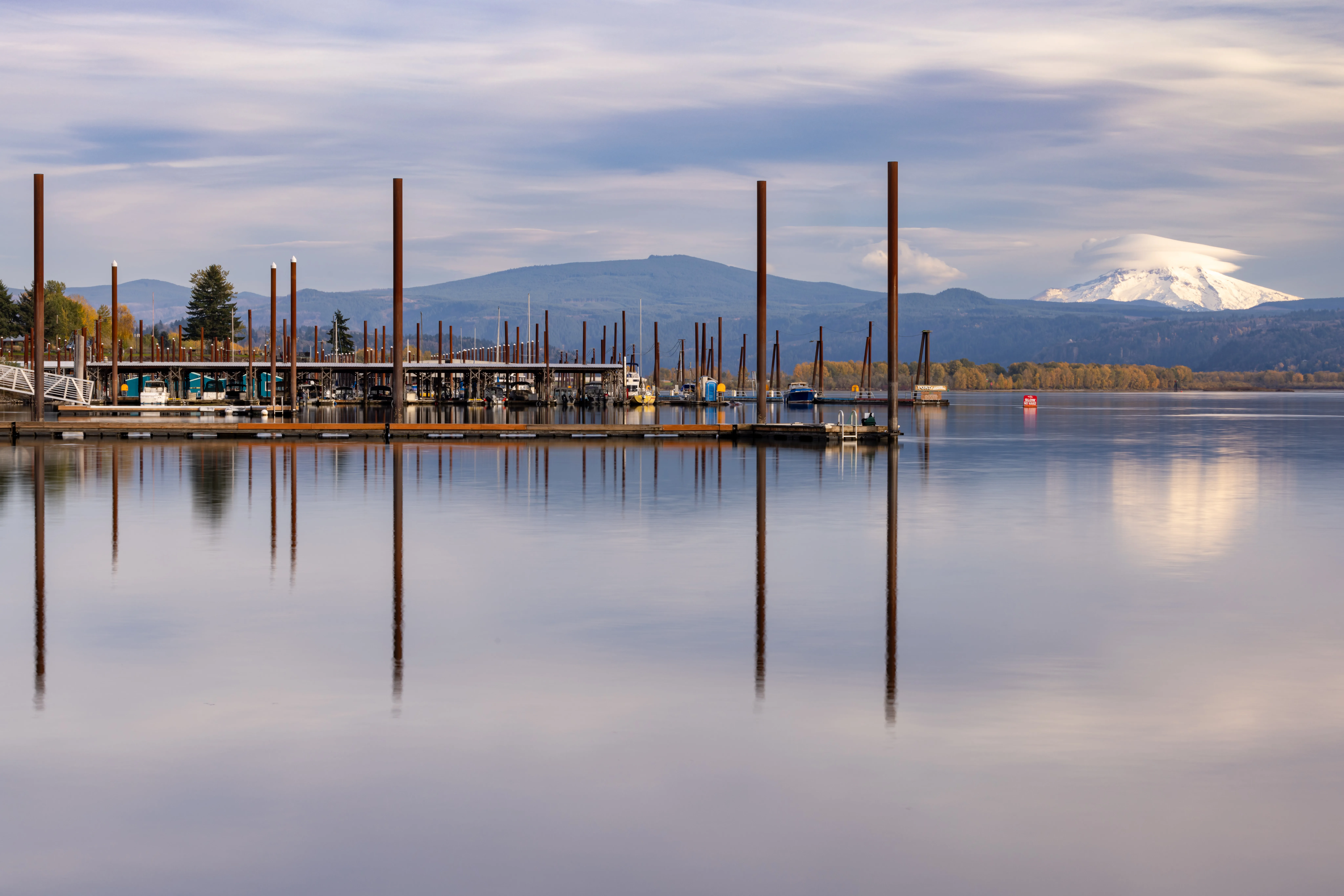
What It Really Costs to Live in Yakima
The headline number is straightforward: the Zillow Home Value Index for Yakima stood at $365,096 as of May 2026 — a figure that would be an entry-level floor in Seattle's suburbs but represents a genuine mid-market purchase here. That price point is what makes Yakima legible to buyers who've been priced out of the I-5 corridor, and it's the single biggest reason the city keeps attracting westside transplants.
What drives that number down relative to the rest of Washington is a combination of factors that won't change overnight: a regional economy built on agriculture and food processing rather than tech, a population under 100,000, and geographic separation from Puget Sound by a mountain range. Yakima isn't cheap because it's declining — it's priced where it is because it always has been a working-class and middle-income city, and that character persists.
The catch is that housing savings don't translate evenly across every budget category. Yakima's overall cost of living sits approximately 3% below the national average, but that average masks the grocery and transportation lines running meaningfully above the national baseline. If you're moving here from a genuinely high-cost city, the net effect still feels like relief. If you're moving from a lower-cost state expecting everything to be cheap, the grocery bill and the gas costs will read as a mild shock.
Housing: Rent vs Buy in Yakima
Buying in Yakima puts you into a market where entry-level homes — older construction, typically 1,000 to 1,400 square feet — start in the low-to-mid $200,000s, while the broader city-wide median sits at that $365,096 figure. If you want specifics on which parts of the city have more entry-level inventory versus which skew higher, the Best Neighborhoods guide covers that breakdown; for this section, the important point is that the price spread is wide enough to serve both first-time buyers and move-up purchasers within the same market.
The effective property tax rate in Yakima is approximately 1.03% — close to the Washington state average and neither a particular burden nor a discount. Owners use the interactive calculator below this section to see how different purchase prices and down payments affect monthly costs; this section intentionally doesn't quote a mortgage payment total because the right answer depends entirely on your specific scenario.
Renters in Yakima find a market that runs well below Washington's western cities. One-bedroom apartments average around $860–$895 per month, and two-bedroom units run approximately $1,200 per month as of 2025–2026, making Yakima one of the more accessible rental markets in the state. That two-bedroom figure is the most common comparison point for relocated renters coming from Ellensburg or the Tri-Cities.
Renting makes clearest sense here if you're arriving without a job locked in, if you want time to understand which part of the city fits your daily routine, or if you're waiting to see whether home prices soften further. Buying makes sense if you're staying at least four or five years and can absorb the transaction costs — at this price tier, the math often favors owning once you're past the break-even horizon.

Everyday Costs Beyond Housing in Yakima
Pacific Power serves Yakima with electricity at approximately 15 cents per kilowatt-hour as of July 2026 — about 27% below the national average. Combined monthly utility costs (electricity, water, sewer, and trash) run approximately $260 per month based on typical household usage, which is roughly 15% below the Washington city average. That said, rates are moving: the Yakima City Council approved water, wastewater, and stormwater rate increases in June 2026, driven in part by a utility tax increase enacted earlier in the year to fund fire station operations. The $260 figure reflects current rates, but plan for modest increases over the next billing cycle.
Groceries are the surprise line item. Cost-of-living research puts Yakima's grocery costs at approximately 6–9% above the national average — ironic for a city surrounded by some of Washington's most productive farmland, but consistent with how regional distribution networks price consumer goods in inland markets. Transportation costs run similarly elevated, approximately 19–21% above national norms, reflecting a city layout where a car handles virtually every trip. Yakima Transit exists but serves limited routes; budget for gas and car ownership as fixed costs, not optional ones.
| Category | Typical Monthly Cost | Notes |
|---|---|---|
| Housing (2BR Rent) | $1,100–$1,250 | Renters' baseline; owners — use the mortgage calculator below for your purchase scenario |
| Utilities | $240–$280 | Electricity, water, sewer, trash; Pacific Power rates are below national avg, but 2026 water/sewer increases apply |
| Groceries | $380–$480 | Estimated for one adult; runs 6–9% above national average despite the agricultural surroundings |
| Transportation & Gas | $350–$500 | Car-dependent city; budget for gas, insurance, and maintenance — public transit is limited |
| Phone & Internet | $100–$160 | Typical combined estimate; major carriers and cable internet available city-wide |
| Dining & Entertainment | $150–$300 | Downtown Yakima has independent restaurants and Single Hill Brewing on N Front St; range varies by lifestyle |
| Miscellaneous / Personal | $100–$200 | Clothing, household goods, personal care; sales tax of 8.6% applies to most purchases |
These figures are estimates for planning purposes. Your actual costs will vary based on household size, driving habits, and lifestyle choices.
Looking to buy in Yakima? Estimate your payment.
Enter your numbers to see an estimated monthly mortgage payment.
Estimate only. Excludes HOA fees and mortgage insurance. The interest rate above is a starting point, not a quoted rate — replace it with your own to see real numbers. Insurance is a flat placeholder, not a Yakima quote.
Yakima vs Nearby Cities: Cost Comparison
| City | Median Home Price | Typical 2BR Rent | Cost vs Yakima |
|---|---|---|---|
| Yakima, WA | $365,096 | ~$1,200/mo | Baseline |
| Selah, WA | ~$380,000–$410,000 | ~$1,250–$1,350/mo | Slightly higher — suburban premium, quieter setting |
| Union Gap, WA | ~$290,000–$320,000 | ~$1,050–$1,150/mo | Noticeably cheaper — smaller services footprint |
| Ellensburg, WA | ~$390,000–$430,000 | ~$1,300–$1,500/mo | Moderately higher — college-town rental pressure |
| Kennewick, WA | ~$380,000–$420,000 | ~$1,250–$1,400/mo | Comparable to slightly higher — Tri-Cities job market premium |
| Wenatchee, WA | ~$480,000–$530,000 | ~$1,400–$1,600/mo | Substantially higher — constrained valley geography drives prices up |
Wenatchee's constrained geography in the Columbia River valley has pushed its housing costs well above Yakima's range, making Yakima the more practical choice for buyers who work remotely or whose job is anchored in the south-central region. Union Gap sits directly adjacent and shares much of Yakima's service infrastructure at a lower price point, though the trade-off is a significantly smaller community feel.
Taxes & the Bottom Line for Yakima
Washington state levies no personal state income tax — a standing policy that effectively increases take-home pay for everyone who earns here, regardless of income bracket. For a household earning around Yakima's median, the absence of a state income tax is worth several hundred to a few thousand dollars annually compared to living in Oregon, California, or most other states. That advantage is real and durable.
The offset is sales tax. Yakima has a combined state and local sales tax rate of 8.6%, which applies to most retail purchases, restaurant meals, and big-ticket items. A local sales tax increase took effect in early 2026 specifically to fund the county's emergency communication systems. At 8.6%, you're paying above the national average on most retail purchases — budget accordingly when pricing a move-in shopping list.
The effective property tax rate of approximately 1.03% sits close to the state midpoint — not a bargain but not punishing either. At the city's typical home price level described earlier in this guide, the annual tax burden is meaningful but well within range for middle-income buyers. Washington does offer a senior exemption and a limited-income program that can reduce assessed value for qualifying homeowners.
The honest bottom line: Yakima works well financially for households that can absorb above-average grocery and transportation costs without strain, and who are coming from higher-cost markets where the housing gap is the primary motivation for moving. It's a harder fit for buyers who need everything to run cheap — because housing absolutely does, but the rest of the budget doesn't follow that same pattern. Buyers moving from Puget Sound will likely feel the savings immediately. Those moving from inland Idaho or rural eastern Oregon may find the grocery and transportation lines less favorable than expected.
For anyone weighing this city against a commute to Seattle or the broader I-90 corridor, see the Living in Yakima overview for the full picture on how that geography shapes daily life.

Local Expert Takeaway: Yakima's cost story isn't simply 'affordable' — it's specifically affordable in housing, moderate in utilities, and above-average in groceries and transportation. A household landing here from Seattle or Bellevue will feel genuine relief in their mortgage or rent payment, none in their grocery cart, and a real pinch at the pump. The no-income-tax advantage is real money in your paycheck every two weeks. Budget honestly for a car you'll actually use every day, plan for a combined state and local sales tax rate of 8.6% on every purchase, and know that the $365,096 city-wide typical home price gives you buying power that simply doesn't exist west of the Cascades at this income level.
Quick Takeaways & FAQs
✅ Yakima's typical home price of $365,096 (Zillow Home Value Index, May 2026) is dramatically lower than Seattle's suburbs, making it one of Washington's most accessible ownership markets for middle-income buyers.
⚠️ Groceries run 6–9% above the national average and transportation costs run 19–21% above — two budget lines that consistently surprise relocators expecting uniform affordability.
📍 Single Hill Brewing on N Front St in downtown Yakima doubles as a café and practical weekday stop as well as an evening one — the kind of anchor that shows how downtown is slowly knitting itself together.
What is the typical home price in Yakima, WA in 2026?
How much does it cost to rent an apartment in Yakima?
Does Washington state have an income tax, and how does that affect living in Yakima?
Are utilities expensive in Yakima?
Is Yakima cheaper to live in than other Washington cities?
Moving to Washington?
Tell us what you need help with and we'll connect you with local resources.
