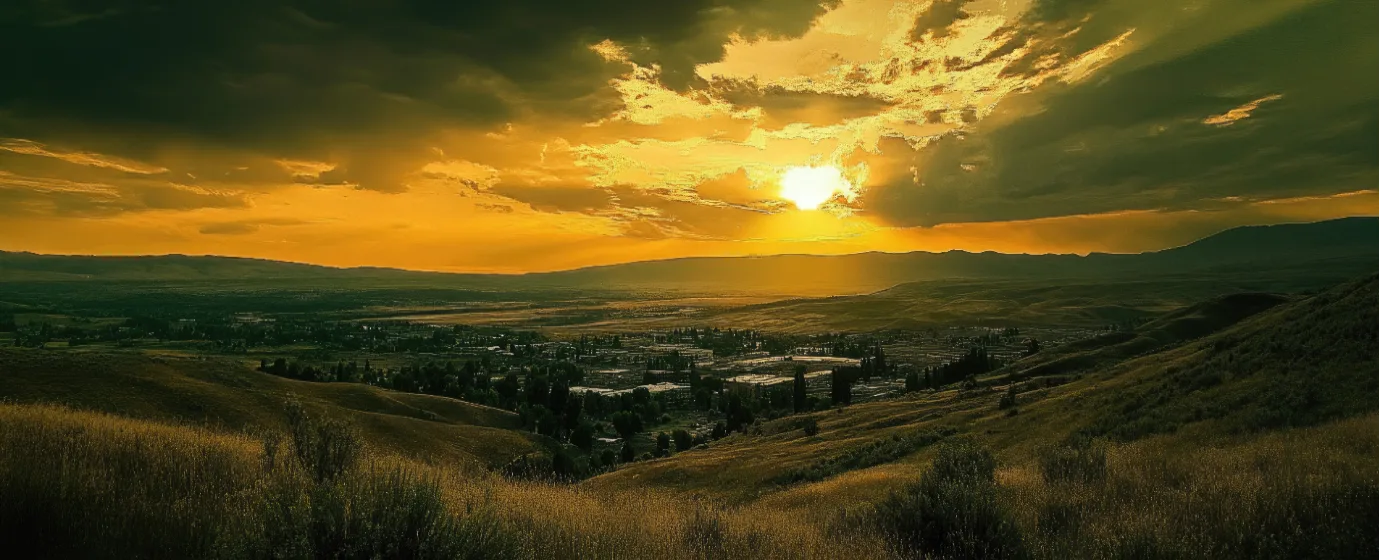
You've probably heard someone describe Yakima as an affordable alternative to the west side of the Cascades — and they're not wrong, but that framing skips the part that matters most to buyers: Yakima is not one housing market. It's half a dozen distinct communities stacked against each other, separated by the Yakima River, a patchwork of school districts, and corridors that shift in character block by block. The city proper sits in South Central Washington along I-82, roughly 150 minutes southeast of Seattle over Snoqualmie Pass, and the geography — a broad valley rimmed by ridgelines — is what keeps neighborhoods feeling genuinely separate rather than interchangeable suburbs.
The economic backbone here is agriculture and its downstream industries: Yakima Valley supplies over 75% of the nation's hops, and that agricultural identity filters into who moves here and what they value. Tree Top Inc. has been part of the city's economy for generations, and the Yakima School District — which holds a C rating, according to Niche — is the largest employer in education, though it's not the only district in play. Buyers who discover mid-process that West Valley sits inside the separate West Valley School District sometimes recalibrate their entire search. The full school boundary breakdown lives on the schools page.
The Zillow Home Value Index for Yakima hit $365,096 in May 2026 — well below state medians and noticeably below the Seattle metro, which makes the city genuinely accessible for first-time buyers by Washington standards. Day-to-day life here revolves around the Yakima Greenway trail system, Sarg Hubbard Park along the river, and the Capitol Theatre anchoring a downtown that has been under active revitalization for over a decade. The full cost-of-living picture is on its own page.
Whether you're being relocated here, moving from somewhere pricier, or simply trying to figure out which side of the river makes sense for your family, the sections below break down Yakima's neighborhoods, price bands, buyer types, common mistakes, and the rental zones worth knowing before you sign anything.
The Yakima Reality
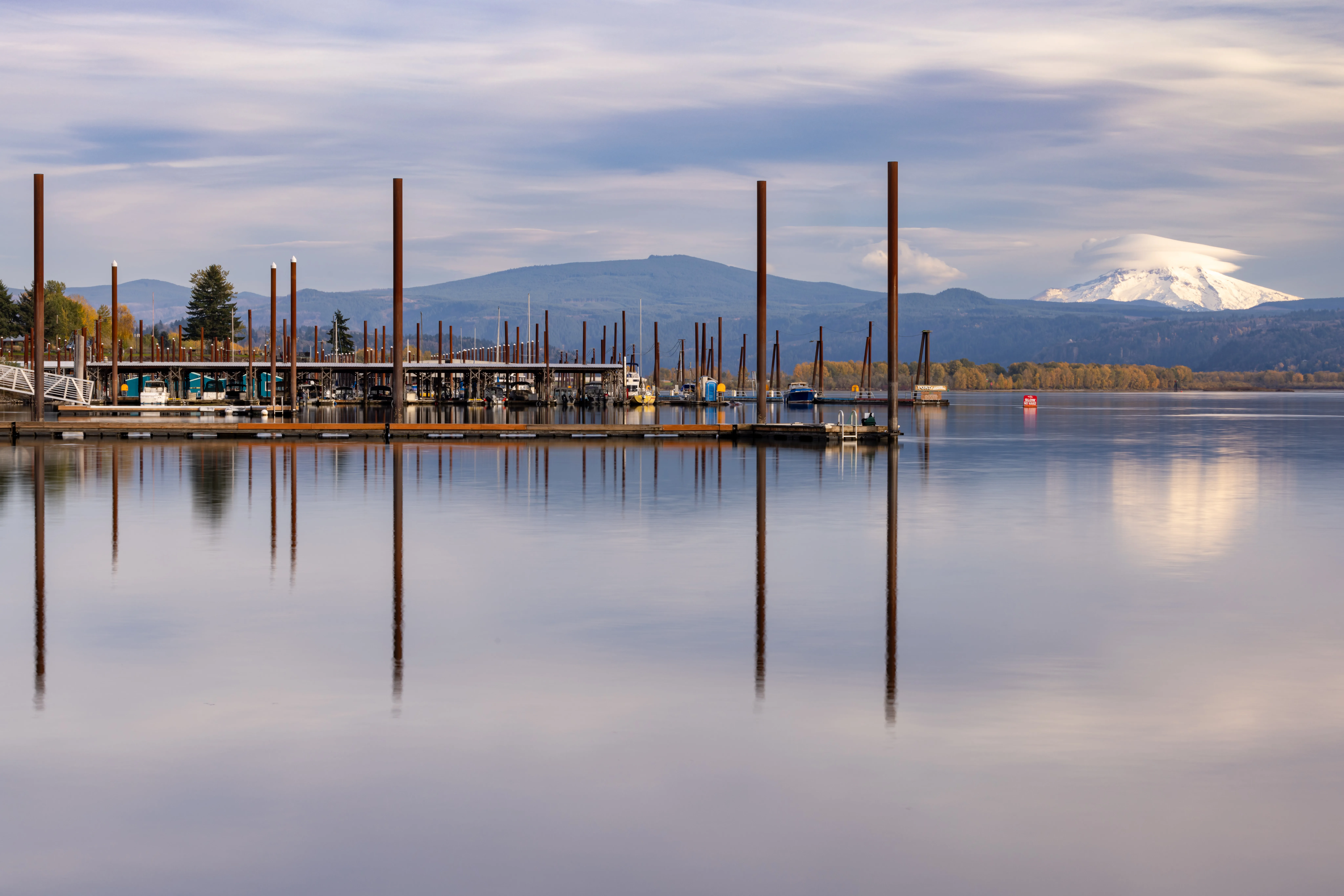
The divide that shapes almost every buying decision in Yakima isn't east-west in the way most cities work — it's a school-district line that cuts right through the western edge of the city. West Valley is technically adjacent to Yakima's established neighborhoods, but its schools fall under the West Valley School District rather than Yakima School District. For parents with school-age children, that single fact can make West Valley feel like a different city entirely — and for many families, it's the deciding factor before they've ever driven a block of Summitview Avenue.
The Yakima River creates a second, physical divide. Terrace Heights sits east of the river, accessed almost exclusively via Terrace Heights Drive, and it functions more like a semi-rural satellite than an urban neighborhood. Buyers who want proximity to downtown without the urban density tend to land there — but they should understand that the river crossing adds real psychological distance, especially in winter when the hills ice up. The drive looks short on a map; it feels longer in February.
South of the river and further east, Nob Hill Boulevard serves as the city's central spine — the corridor most locals use as shorthand for the livable middle of Yakima. North of downtown, Fruitvale shifts toward older stock and a more working-class character. The Barge-Chestnut Historic District occupies the hill between downtown and the western neighborhoods, with architectural variety that spans every decade from the 1880s forward. Understanding these corridors — Summitview, Tieton Drive, Nob Hill Boulevard, 16th through 40th Avenues — is the baseline local knowledge that separates a good purchase decision from a buyer who discovers the neighborhood's reality six months after closing.
Neighborhoods at a Glance
| Neighborhood | Best For | Price Range | Vibe |
|---|---|---|---|
| Downtown Yakima | Walkable Renters | $280,000–$360,000 | Urban revival in progress; Capitol Theatre, craft breweries, and block-by-block improvement |
| West Valley | Families Luxury School | $400,000–$600,000+ | Newest construction in the market; master-planned feel with its own school district |
| Terrace Heights | Nature Privacy | $350,000–$480,000 | River-adjacent, semi-rural feel; larger parcels, quieter streets, one road in |
| Nob Hill | First-Time Commuter | $330,000–$420,000 | Reliable and livable; the city's most balanced neighborhood for entry buyers |
| Fruitvale | Value First-Time | $260,000–$350,000 | Older stock north of downtown; genuine affordability with a working-class character |
| Chalet | Quiet Families | $320,000–$420,000 | Southwest hillside setting; established and calm with good freeway access |
| Barge-Chestnut Historic District | Walkable Views | $310,000–$450,000 | Historic architecture from every era; tree-lined streets between 16th and 36th Ave |
| West Nob Hill | Families Value | $310,000–$400,000 | Quieter extension of the Nob Hill corridor; more suburban spacing, good access |
Best Neighborhood by Buyer Type
| Buyer Type | Best Neighborhood | Why |
|---|---|---|
| First-Time Buyer | Nob Hill | A $370,000 budget typically lands a three-bedroom, two-bath home with a garage on a real lot — the most reliable entry point in the city. |
| Luxury Buyer | West Valley | The only pocket of Yakima with consistent new construction, custom builds, and a median pushing $436,159 (Zillow Home Value Index, June 2026). |
| Walkability Seeker | Downtown Yakima | The Capitol Theatre, Single Hill Brewing on N Naches Ave, and the Yakima Greenway trailhead are all on foot from the core. |
| Families with Kids | West Valley | Summitview Elementary, West Valley Middle, and West Valley High all feed into the separate West Valley School District — a meaningful distinction from Yakima School District. |
| Commuters | Chalet | Southwest location puts I-82 on-ramps within minutes without funneling through the city's core traffic. |
| Large-Lot Buyers | Terrace Heights | Larger parcels east of the river offer the closest thing to acreage within minutes of downtown Yakima. |
| Renters | Downtown Yakima / Nob Hill | Downtown offers the most walkable rental inventory; Nob Hill delivers more space per dollar with a quieter residential feel. |
Looking to buy in Yakima? Estimate your payment.
Enter your numbers to see an estimated monthly mortgage payment.
Estimate only. Excludes HOA fees and mortgage insurance. The interest rate above is a starting point, not a quoted rate — replace it with your own to see real numbers. Insurance is a flat placeholder, not a Yakima quote.
Most Popular Neighborhoods in Yakima
1. Downtown Yakima
Downtown is mid-transformation — the Capitol Theatre and the Yakima Valley Museum anchor a core that has real urban bones, and Single Hill Brewing at 102 N Naches Ave brings a consistent weekend crowd. The catch is that revitalization is uneven: a renovated block sits next to a vacant storefront, and buyers should walk the full area rather than judging it from one well-curated street. Entry-level condos and smaller homes fall in the $280,000–$360,000 range, making this the city's most accessible ownership price point with on-foot access to Yakima Avenue.
Best for: Walkability seekers, renters testing ownership, and buyers who want to bet on downtown's upward trajectory.
2. West Valley
West Valley is the unambiguous winner for buyers who want newer construction and a separate school district — Summitview Elementary through West Valley High all operate under West Valley School District, which consistently outperforms Yakima School District by state metrics. Homes in the $400,000–$600,000+ range are the norm, with master-planned communities and custom builds that simply don't exist in comparable numbers elsewhere in the market. The downside is the commute feel: Summitview Avenue and Nob Hill Boulevard are the two main connections eastward, and both back up during peak hours.
Best for: Families prioritizing schools, buyers stepping up from their first home, and anyone wanting Yakima's best new construction.
3. Terrace Heights
Terrace Heights is genuinely separate — a geographic pocket east of the Yakima River that you access almost exclusively via Terrace Heights Drive, with homes in the $350,000–$480,000 range sitting on noticeably larger parcels than anything closer to downtown. The semi-rural feel is real, and so is the isolation: one primary road in means that when weather hits or there's an accident, your options narrow fast. Buyers who move here expecting a five-minute downtown commute often recalibrate that estimate after their first winter.
Best for: Buyers who want privacy and space without leaving city proximity; nature lovers near the Yakima Greenway's eastern sections.
4. Nob Hill
Nob Hill Boulevard is the city's most reliable address for buyers who want a complete neighborhood without overreaching their budget — a $330,000–$420,000 price band covers a genuine range of three-bedroom homes with garages on proper lots. Demand is consistent enough that well-priced homes move within days of listing, which means coming in with financing fully sorted is not optional here. The area's central location also makes it the easiest starting point for buyers still learning the city's geography.
Best for: First-time buyers, commuters, and anyone who wants Yakima's most balanced neighborhood without the West Valley premium.
5. Fruitvale
Fruitvale sits north of downtown along the older numbered avenues, and it's the area where Yakima's entry-level price band — $260,000–$350,000 — reflects the age and condition of the housing stock honestly rather than as a bargain signal. Homes here are older, lots are smaller, and the character is straightforwardly working-class; buyers expecting a fixer-upper deal should budget for deferred maintenance carefully. That said, it's one of the few remaining pockets where a sub-$300,000 purchase is realistic within the Yakima city boundary.
Best for: Budget-focused buyers, investors comfortable with older stock, and first-time buyers who have flexibility on condition.
6. Chalet
Chalet occupies Yakima's southwest hillside — an established, quieter residential zone where the $320,000–$420,000 range buys homes with more breathing room between neighbors than you'd find on the Nob Hill corridor. The I-82 access is genuinely close, which makes it the commuter-friendly option that doesn't announce itself as such. The trade-off is that it lacks the walkable amenities of Nob Hill or Downtown — you're in the car for most errands, and the neighborhood itself has few commercial anchors.
Best for: Commuters, quieter-lifestyle buyers, and families who want established surroundings without paying West Valley prices.
7. Barge-Chestnut Historic District
Barge-Chestnut — bounded roughly by Summitview Ave and Tieton Drive between 16th and 36th Avenues — has been a recognized neighborhood since the Barge-Chestnut Neighborhood Association formed in 2009, and its homes span every architectural era from the 1880s forward. The established tree canopy, varied building styles, and hill position give it a character that newer areas can't replicate; prices in the $310,000–$450,000 range reflect that premium over purely functional older stock. The honest caveat: older homes mean older systems, and buyers who skip a thorough inspection on a 1920s Craftsman here tend to discover the plumbing on their own timeline.
Best for: Buyers who value architectural history, walkable streets to downtown, and a neighborhood with genuine community infrastructure.
8. West Nob Hill
West Nob Hill is the quieter, more suburban extension of the Nob Hill corridor — a $310,000–$400,000 price band that buys more lot and more calm than the central Nob Hill stretch, with similar freeway and commercial access. It doesn't have a distinct identity the way Barge-Chestnut or Terrace Heights does, which is both its strength and its weakness: it's reliably livable without being particularly memorable. Buyers who want to stay under $380,000 while staying out of Fruitvale's older stock often land here by process of elimination.
Best for: Families and value-focused buyers who want Nob Hill's fundamentals with more suburban spacing.
Common Mistakes Buyers Make in Yakima
Treating the West Valley School District Line as a Detail
Buyers who focus on West Valley's newer homes without researching the school district boundary often assume they're in Yakima School District — then discover mid-transaction that West Valley's schools (Summitview Elementary, West Valley High) are entirely separate. The implications for families with school-age children are covered on the schools page. This isn't a minor administrative fact; it's the primary reason buyers who start their search in West Valley often won't consider anything east of 40th Avenue.
Underestimating Terrace Heights Drive as a Single Point of Failure
Terrace Heights feels close on a map — the drive from the neighborhood to downtown Yakima is genuinely short in good conditions. But Terrace Heights Drive is the primary route in and out, and when weather, an accident, or road work closes or backs it up, your options are limited. Buyers who commute daily and discover this in their first winter are the ones who move two years later. If you're considering Terrace Heights, drive the route at 7:45 a.m. on a Tuesday in January before making an offer.
Chasing Square Footage in Fruitvale Without Accounting for Deferred Maintenance
The sub-$300,000 price points in Fruitvale are real, and the homes are larger than the numbers might suggest — but many of them were last renovated when their original owners still lived there. Buyers who skip the inspection or low-ball the inspection budget on older Fruitvale stock frequently encounter electrical panels, roof systems, and plumbing that eat the perceived discount. The price is honest about what you're buying; make sure your renovation budget is equally honest.
Assuming Nob Hill Boulevard's Character Is Uniform End to End
Nob Hill Boulevard runs east-west across the city, and the western end near 40th Avenue feels meaningfully different from the eastern reaches. Buyers who tour one part of the corridor and assume the whole boulevard operates the same way sometimes end up in a block with a different density, commercial intensity, or maintenance pattern than they expected. Walk both ends before deciding which section of Nob Hill you're actually buying into.
Best Areas to Rent in Yakima
| Area | Ideal For | Typical Rent Range | Trade-off |
|---|---|---|---|
| Downtown Yakima | Walkable Transit | $950–$1,400/mo | Most on-foot access in the city; inventory is limited and quality varies block to block |
| Nob Hill Corridor | Commuters Families | $1,100–$1,600/mo | Reliable, central, and well-maintained; less character than historic areas, more consistency |
| West Valley | School Families | $1,400–$2,000/mo | Access to West Valley School District; rental inventory is thin — most units are owner-occupied |
| Barge-Chestnut / West Side | Walkable Quiet | $1,050–$1,500/mo | Historic character and proximity to downtown; older buildings mean older HVAC and windows |
| Fruitvale | Value Renters | $850–$1,200/mo | Lowest rents in the market; older stock and the neighborhood's working-class character aren't for everyone |
Yakima's rental market moves faster than many newcomers expect — well-priced units in Nob Hill and the West Valley area can clear within a week of listing, especially in late spring and summer when agricultural and university cycles align. If you're relocating and planning to rent first while you learn the city, budget at least 60 days to find something you actually want rather than the first vacancy that appears.
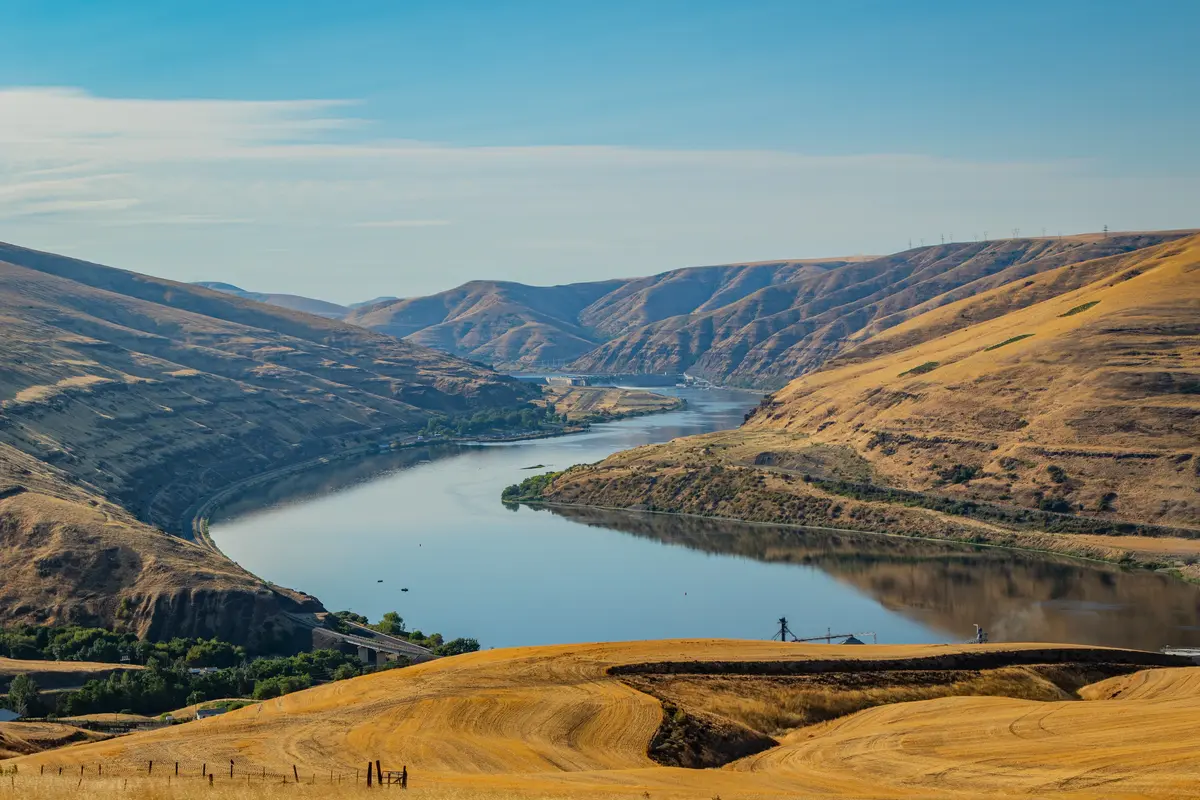
Local Expert Takeaway: The single most useful thing to know before touring Yakima neighborhoods: West Valley's school district line is not on most maps buyers are shown, and it changes the calculus for families with kids more than any price difference does. After that, the Nob Hill corridor is the city's most honest entry point — a $370,000 budget lands a real house, and homes here move in days when priced right. If you want architectural character and proximity to downtown, walk the Barge-Chestnut streets between Summitview and Tieton before you write it off as 'too old.' And if the rural-feel of Terrace Heights appeals, drive Terrace Heights Drive on a weekday morning before you fall in love with the lot size.
Quick Takeaways & FAQs
✅ West Valley's Zillow Home Value Index hit $436,159 in June 2026 — the highest of any Yakima submarket — and homes there move to pending in roughly 12 days.
⚠️ West Valley operates under a separate school district from the rest of Yakima, which is the single most important fact families often discover too late in their search.
📍 Single Hill Brewing at 102 N Naches Ave and Bale Breaker Brewing Company on Birchfield Rd are two of the city's most established craft breweries — and both are within Yakima's city limits, a fact that surprises visitors who expect a small agricultural town.
What is the most affordable neighborhood in Yakima to buy a home?
Which Yakima neighborhood is best for families with children?
Is Terrace Heights a good place to buy in Yakima?
How does West Valley compare to buying in Yakima proper?
What is the Barge-Chestnut Historic District in Yakima?
Moving to Washington?
Tell us what you need help with and we'll connect you with local resources.
