
Most Californians who move to Yakima say the same thing in the first week: the number on the listing doesn't look real. A three-bedroom house with a yard for under $400,000 feels like a misprint when you've been watching Sacramento listings push well past that and Bay Area prices sit three to four times higher. Yakima sits in south-central Washington, roughly 150 miles southeast of Seattle via US-12 and I-82, in the middle of the Yakima Valley — an agricultural corridor that grows over 75% of the country's hops and ships apples, wine grapes, and mint across the continent. That farming backbone isn't incidental to the city's character; it shapes the economy, the culture, and the pace of daily life in ways that feel immediately different from coastal California.
The city's economy runs on a handful of anchors: Tree Top Inc. (food processing and agriculture), the Yakima School District (education), Yakima County (government), and the Confederated Tribes and Bands of the Yakama Nation (tribal government and services), alongside a regional health system and several agricultural employers. Those anchors skew toward stable, mid-wage roles — which is part of why the median household income of $62,815 sits below what most California transplants earned at home. If you're bringing remote income, a pension, or a business from California, the math changes quickly in your favor. The Yakima School District holds a C rating, according to Niche, a meaningful caveat if you have school-age children — something worth researching before you make an offer.
Yakima's overall cost of living runs roughly 18% below the Washington state average and near the U.S. national average, which still represents a dramatic step down from virtually any California metro. The typical Yakima home value sits at $365,096 (Zillow Home Value Index, May 2026) — a figure that makes the down-payment math fundamentally different for buyers leaving San Diego, Los Angeles, or the Bay Area. Day-to-day life centers on the Yakima Greenway, Sarg Hubbard Park, and the Yakima Area Arboretum for outdoor time, while the Capitol Theatre and Yakima Valley Museum anchor the cultural calendar downtown. For a fuller breakdown of expenses, see the cost of living in Yakima page.
Whether you're being priced out of your California city, chasing a remote-work lifestyle change, or simply ready for four seasons and elbow room, this guide walks through the California-to-Yakima comparison on home prices, taxes, lifestyle, and the honest trade-offs that don't show up in the spreadsheet.
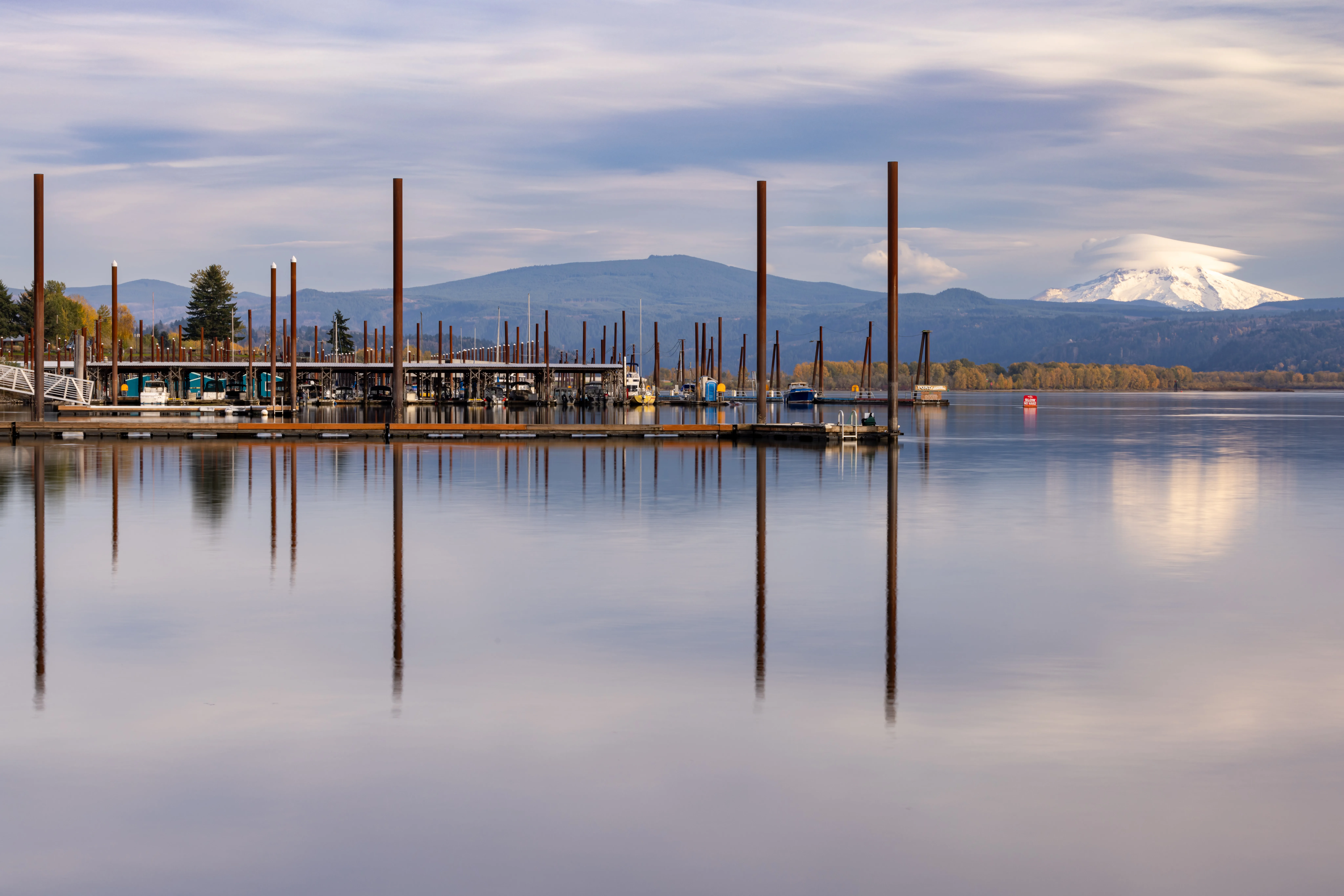
The Home Price Reality: What Your California Equity Buys Here
The gap isn't subtle. Yakima's typical home value of $365,096 (Zillow Home Value Index, May 2026) buys a detached single-family home with a garage and a real yard in most parts of the city. That same budget is a down payment in much of California, if it stretches that far.
The price difference is most pronounced for buyers leaving coastal markets. San Diego and Los Angeles medians sit at more than double Yakima's figure; Bay Area medians run nearly four times higher. Sacramento is noticeably higher. Fresno is the one California market where the price advantage largely disappears — the two cities trade at similar levels. Everywhere else in California, the spread is significant to dramatic.
What the Down Payment Math Actually Looks Like
A California buyer who sold a San Diego home with even modest equity often arrives in Yakima with enough to buy outright or put 40–50% down. That changes your monthly budget in ways that compound quickly — no private mortgage insurance, a smaller loan, and a property tax bill calculated on a much lower assessed value.
Yakima's effective property tax rate is approximately 1.03% of assessed value. On a $365,096 purchase, that produces a meaningfully lower annual bill in absolute dollar terms than what buyers in newer California subdivisions face on $800,000-plus assessed values. For neighborhood-level character and area guidance, the best neighborhoods in Yakima page breaks down what each part of the city actually delivers.
One Honest Catch on Pricing
Yakima is not a market that rewards delay. The Redfin median sale price was $360,500 in November 2025, up 3.0% year-over-year. That pace is moderate — not a frenzy — but the inventory that makes Yakima feel affordable is real inventory in a real market, not a distressed or stagnant one. Don't assume the prices will hold if you take six months to decide.
The Tax Shift: No State Income Tax Changes Everything
Washington has no personal state income tax on wages or salaries. For most earners moving from California, this is the single largest financial change the move produces — larger than the housing savings for anyone in an upper-income bracket.
California's top marginal state income tax rate is 13.3%, the highest in the country. Even at a moderate income, a California resident earning $120,000 is paying somewhere in the 9–10% bracket to the state. In Washington — and specifically in Yakima — that bill drops to zero.
| Tax Category | California | Yakima, Washington | Net Effect for Most Movers |
|---|---|---|---|
| State income tax (wages) | 1%–13.3% marginal | $0 (no state income tax) | Major annual savings |
| Combined sales tax | 7.25%–10.75% (varies by locality) | 8.6% (as of Q3 2026) | Slightly higher in Yakima for some buyers |
| Groceries taxed? | Mostly exempt (some exceptions) | Exempt | Comparable |
| Prescription drugs taxed? | Exempt | Exempt | Comparable |
| Effective property tax rate | Varies; Prop 13 caps at 1% base | Approx. 1.03% | Slightly higher rate; far lower dollar amount on lower home values |
| Capital gains (state) | Taxed as ordinary income (up to 13.3%) | 7% on gains above $262,000 (WA) | Depends on income and gain size |
The sales tax comparison deserves an honest look. Yakima has a combined state and local sales tax rate of 8.6%, which is higher than California's statewide base of 7.25% — but lower than many California localities that stack district taxes on top, pushing some counties above 10%. For most households, the sales tax difference is narrow and easily offset by the income tax elimination.
The 2028 Caveat for High Earners
Washington's legislature passed a new 9.9% income tax on individuals earning above $1 million, scheduled to take effect January 1, 2028. If your household income clears seven figures, factor that into any long-term planning. For the overwhelming majority of California transplants, it is irrelevant — but it exists and it is law.
What Doesn't Change: Property Tax Structure
California's Proposition 13 caps property tax increases on an existing home, which is a genuine long-term benefit for owners who bought decades ago. Washington has no equivalent cap — your assessed value adjusts with the market. On a $365,096 home at 1.03%, the annual bill stays manageable in dollar terms, but don't expect the same locked-in structure you may have had in California. For a full breakdown of Washington's tax picture, the Yakima cost of living page covers income, sales, and property taxes together.
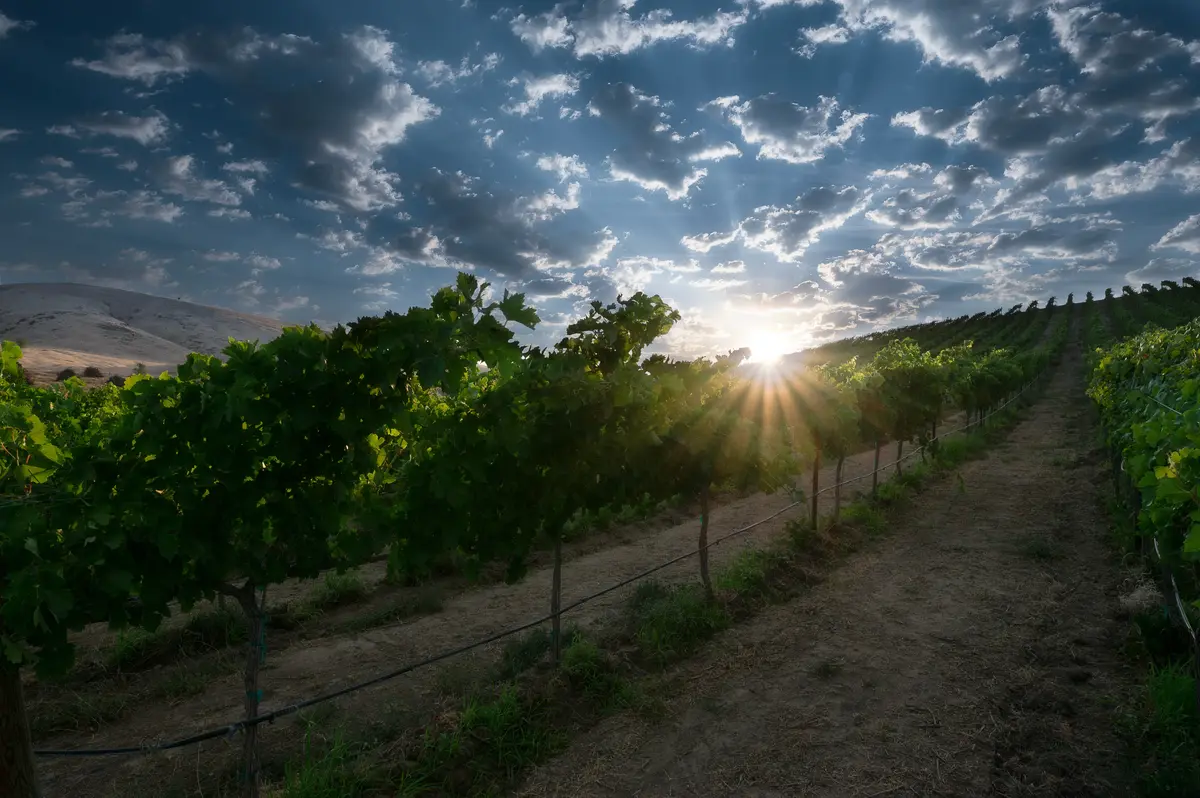
Lifestyle Adjustment: What California Didn't Prepare You For
Yakima will surprise you in a specific way around month four. You will realize you have not sat in traffic in weeks. The commute that defined your California mornings — the 45 minutes on the 405, the crawl on I-80, the Caltrain timing that governed your entire day — simply does not exist here in the same form. That absence takes some getting used to; it sounds like a trivial thing until you notice how much cognitive load it was carrying.
The Climate Is Not What the Pacific Northwest Sounds Like
Most Californians picture Seattle when they hear "Washington" — gray skies, constant drizzle, perpetual cloud cover. Yakima sits on the east side of the Cascades in a rain shadow and gets roughly 300 sunny days a year. Summers are hot and dry, routinely pushing into the 90s and occasionally above 100°F. Winters bring cold snaps and occasional snow, but the air is crisp and dry rather than wet. It is genuinely more similar to inland California's Central Valley climate than to the coast — which is either reassuring or a surprise depending on what you were expecting.
The Honest Trade-Off on Amenities
Yakima is a city of roughly 96,900 people. It has a real downtown with the Capitol Theatre hosting concerts and performances, independent restaurants, a lively steakhouse scene, and Single Hill Brewing in the heart of downtown where the taproom doubles as a coffee bar. What it does not have is the density of dining, culture, and nightlife that a California metro of 500,000-plus delivers. Californians coming from mid-sized cities like Fresno or Bakersfield often find the amenity gap smaller than expected; those coming from San Francisco or Los Angeles feel it more acutely.
Seattle is approximately 150 miles away — typically a 2.5-hour drive through Snoqualmie Pass or via I-82 west. The pass closes occasionally in winter, which is worth knowing before you plan your first December trip. For most needs — weekend entertainment, specialty shopping, airport access — Yakima functions as a self-contained city, with Seattle as the occasional destination rather than the daily backstop.
Where Locals Actually Gather
The Yakima Greenway is the city's communal backyard — 10 miles of paved path along the Yakima River connecting Sarg Hubbard Park to Rotary Lake, used by cyclists, walkers, and weekend crowds from March through October. The Central Washington State Fair in late September draws the whole valley together in a way that marks the agricultural calendar. Downtown farmers markets during summer are where new residents typically meet their neighbors for the first time — the hop and apple culture that defines the valley shows up in what's on the tables.
Looking to buy in Yakima? Estimate your payment.
Enter your numbers to see an estimated monthly mortgage payment.
Estimate only. Excludes HOA fees and mortgage insurance. The interest rate above is a starting point, not a quoted rate — replace it with your own to see real numbers. Insurance is a flat placeholder, not a Yakima quote.
The Full California-to-Yakima Comparison
Before you commit to the move, it helps to see every major variable in one place. The table below compares Yakima directly against California broadly, with notes on where the advantage is clear and where it's more complicated.
| Category | Typical California Metro | Yakima, WA | Verdict for CA Movers |
|---|---|---|---|
| Home prices | Noticeably to dramatically higher depending on metro | $365,096 typical (Zillow Home Value Index, May 2026) | Strong Yakima advantage in most comparisons |
| State income tax | Up to 13.3% marginal | $0 for most earners | Major Yakima advantage |
| Combined sales tax | 7.25%–10.75% | 8.6% | Narrow gap; Yakima slightly higher than CA base |
| Groceries / prescriptions | Mostly exempt (CA) | Fully exempt (WA) | Comparable; slight Yakima edge |
| Effective property tax rate | ~1% (Prop 13 base, varies) | ~1.03% | Roughly equal rate; far lower dollar amount in Yakima |
| Overall cost of living | 30%–80%+ above national average | Near national average; ~18% below WA state average | Substantial Yakima advantage vs. most CA metros |
| Climate | Varies: coastal mild to Central Valley hot | Semi-arid; hot summers, cold winters, ~300 sunny days | Closer to Central Valley than coast |
| Traffic / commute | Among worst in the U.S. in major metros | Minimal congestion within city | Strong Yakima quality-of-life advantage |
| Metro amenity density | High (major metros) | Mid-size city; Seattle ~150 mi | California advantage for amenity-dependent buyers |
The Income Equation Californians Often Miss
A household earning $150,000 in California pays somewhere between $12,000 and $15,000 in state income tax annually, depending on filing status and deductions. That same household in Yakima pays $0 in state income tax through at least the end of 2027. Over five years, the cumulative savings rival or exceed the entire down payment on a Yakima home. Remote workers, retirees drawing investment income below the capital gains threshold, and anyone with a portable income stream should run this math carefully before assuming California's higher salaries offset Washington's tax advantage.
What to Know Before You Make the Move
Six months in, California transplants typically report two surprises. The first is how quickly the income tax savings become invisible — the money simply stays in your account, and you stop noticing it as a gift. The second is the winter. Yakima's winters are real in a way that coastal California never is: hard frosts, occasional ice on roads, and a few snaps where temperatures drop well below freezing. First-time Pacific Northwest homeowners sometimes underestimate what a 10-day cold stretch with 15°F nights means for pipes, heating bills, and car maintenance habits developed in a milder climate.
The Rental vs. Buy Question
Some California movers rent first to test the city before buying — a sensible instinct. Yakima's rental market is affordable by national standards, which makes the test period financially sustainable. If you're on the fence between renting and buying immediately, that exploratory period is easier here than in most markets. See the first-time homebuyer page for a breakdown of financing options and what the buying process looks like locally.
Who Tends to Stay and Who Tends to Leave
Californians who stay in Yakima long-term are almost always those who came for a specific reason — family nearby, a job with a local anchor, or a deliberate choice to trade metro density for land, space, and financial breathing room. Those who leave within two years typically cite the same two things: the distance from a major airport for frequent travelers, and a social scene that takes longer to build than in a larger city where events and connections are constant and automatic. Neither of these is a disqualifier, but both are worth naming honestly before you sign.
One Thing Not to Skip Before You Arrive
Check school boundaries before selecting a neighborhood if you have children. The district's rating is an average across a large and varied district, and where you live within city limits determines which school your child attends. The Yakima schools guide maps out the boundary nuances that can meaningfully change the equation. For a broader read on which parts of the city might suit your household, the best neighborhoods page covers the distinctions between areas like West Valley, Terrace Heights, and the Barge-Chestnut Historic District that matter most to buyers relocating from out of state.
For safety context as part of your research, the Yakima safety page covers crime patterns and what they mean by area — useful framing for anyone trying to understand which parts of the city the aggregate numbers actually reflect.
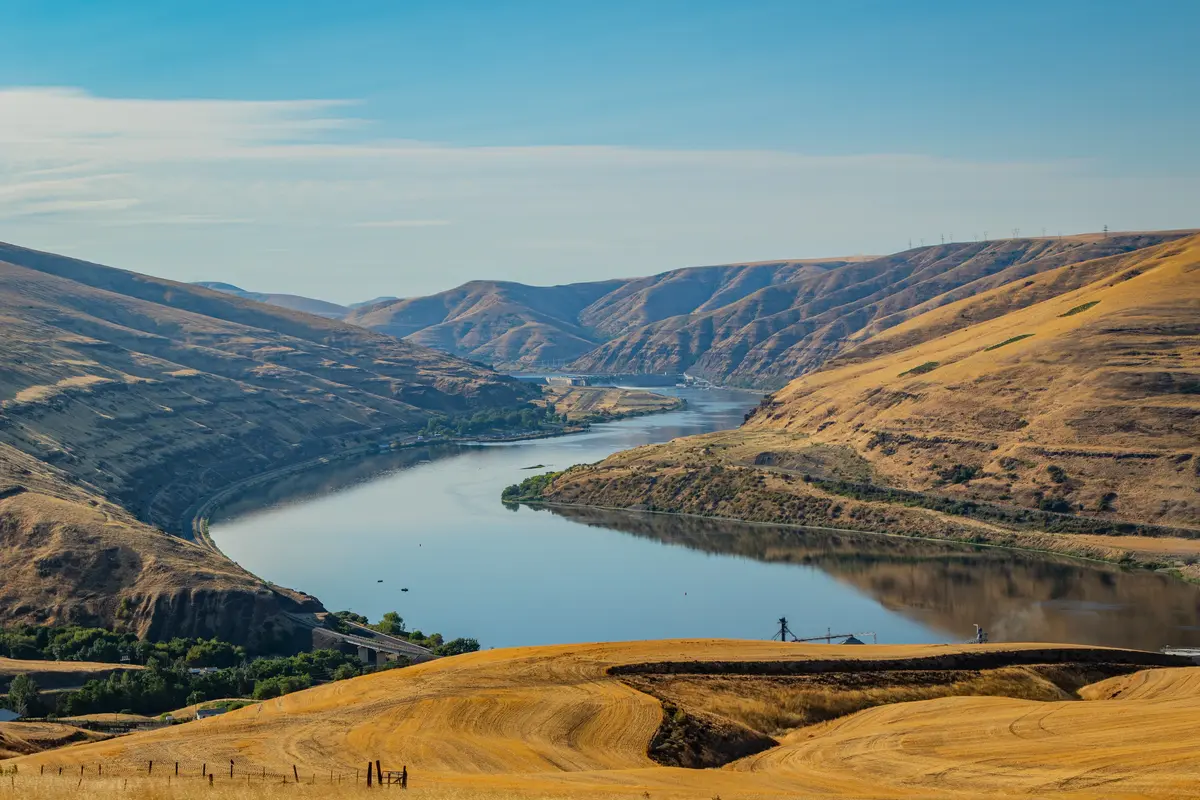
Local Expert Takeaway: The financial case for leaving California and landing in Yakima is genuinely strong — no state income tax, a typical home price of $365,096, and a lifestyle centered on the Yakima Greenway, the Capitol Theatre, and one of the country's most productive agricultural valleys. The move works best for buyers who want space, fiscal breathing room, and a mid-size city that functions well on its own terms. It works less well for buyers who are mentally still counting on a major metro's density of options. Come for a long weekend, walk the Greenway, spend an evening at one of the downtown taprooms, and ask yourself honestly whether the quiet is a relief or a red flag. That answer is usually decisive.
Quick Takeaways & FAQs
✅ Washington has no state income tax on wages for most earners — a household paying $12,000 or more annually to California keeps that money the moment they establish residency here.
⚠️ Yakima's crime rates run higher than many California suburbs, and the school district's rating warrants honest research before committing to a specific neighborhood.
📍 Yakima produces over 75% of U.S. hops, and that agricultural identity shapes everything from the weekly farmers market to the taproom culture at spots like Single Hill Brewing in downtown.
Do I really pay no state income tax if I move from California to Yakima?
How does Yakima's sales tax compare to what I was paying in California?
Is Yakima actually affordable compared to California, or just affordable for Washington?
What's the biggest lifestyle adjustment for California transplants moving to Yakima?
Should I rent first or buy immediately when moving to Yakima from California?
Moving to Washington?
Tell us what you need help with and we'll connect you with local resources.
