
Most people who move to Waco in retirement didn't plan on it. They came for a Baylor graduation, or drove through on I-35, or followed a child who'd taken a job here — and then stayed. The city of 147,788 sits almost exactly halfway between Dallas and Austin on one of the most-traveled corridors in Texas, which means it has more medical infrastructure, more dining, and more cultural programming than you'd expect from a city its size. The tradeoff is that Waco is still unmistakably a Texas driving city: the car is not optional for daily life, and the summers are genuinely punishing in a way that surprises people from the Midwest or the coasts.
The financial case for retiring here is straightforward. The typical home price stood at $197,359 as of July 2026 — well below what most retirees are leaving behind if they're coming from the coasts or even from the Austin metro. Texas collects no state income tax, Social Security is untaxed at the state level, and homeowners 65 and older lock in a freeze on the school-district portion of their property tax bill. For anyone on a fixed income, that combination is meaningful. Waco's overall cost of living runs roughly 10% below the national average, with housing costs noticeably further below that mark. See the full picture on the cost of living page.
The city has two hospital systems operating inside city limits, a large Medicare plan marketplace with roughly 70 participating insurers, and corridor access to the major medical centers in Dallas and Austin when advanced specialty care is needed. Cameron Park and the Waco Riverwalk give active retirees genuinely pleasant places to walk outdoors, and Waco has more than 230 sunny days a year — important for anyone planning to spend time outside. The Dr Pepper Museum, Waco Mammoth National Monument, and the Texas Ranger Hall of Fame and Museum mean day-trip variety doesn't require leaving town.
Whether you're weighing Waco seriously or comparing it against Temple, Woodway, or other Central Texas options, the sections below break down healthcare access, the retiree budget, walkability, downsizing choices, and how the city stacks up against nearby retirement destinations.
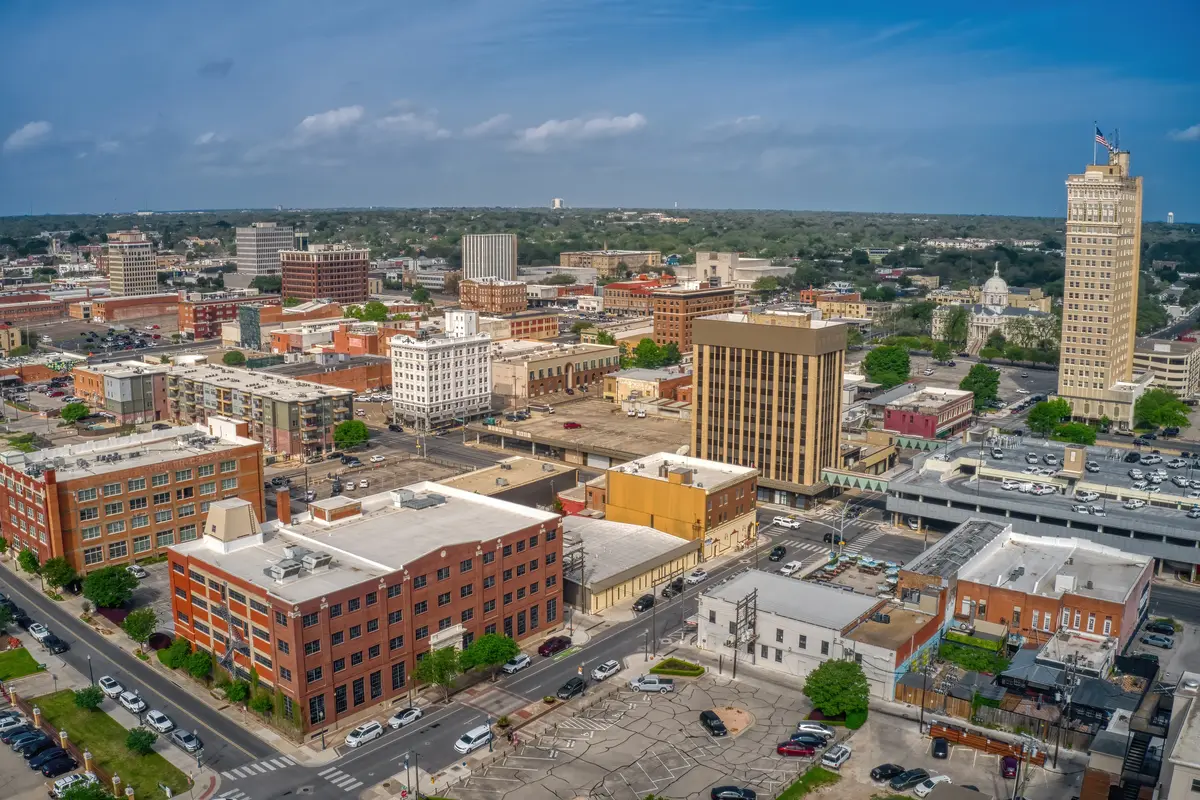
Why Retirees Are Choosing Waco
Waco fits a specific retirement profile well: someone who wants a genuine city — real hospitals, real restaurants, real cultural anchors — without paying city prices. The typical home price of $197,359 (July 2026) puts ownership well within reach for retirees arriving with equity from a higher-cost market. For couples downsizing from a larger home in a pricier state, that math alone often settles the decision.
The I-35 corridor position matters more than people initially realize. Retirees who want to stay close to adult children in Dallas or Austin can do that without paying Austin real estate prices or dealing with Dallas sprawl. The drive is manageable, which means family stays accessible. Waco Regional Airport (ACT) handles regional hops, and both major metros are reachable for flights requiring larger hubs.
The city doesn't suit everyone equally. If car-free living or dense urban walkability is a priority, Waco will disappoint — it's a driving city by design and by geography, and that won't change. Retirees who want a 55+ gated community with amenity-rich common areas will also find the options thin here; no dedicated 55+ communities were found in Waco. And the summer heat — sustained triple digits from June through September — is not a minor footnote for anyone with health sensitivities to heat. The fit is best for retirees who are financially motivated, active enough to drive, and willing to trade some amenities for a significantly lower cost of living.
Healthcare & Medical Access in Waco
For a city of Waco's size, the healthcare footprint is genuinely strong. Baylor Scott & White Medical Center – Hillcrest is the closest hospital and sits inside city limits — it has earned Healthgrades' America's 250 Best Hospitals Award and the Patient Safety Excellence Award, which are recognitions that matter when you're evaluating where you'll receive routine and acute care in retirement.
Ascension Providence also operates inside Waco and has a long tradition of cardiac care with 24/7 emergency services. Having two full-service hospital systems in a city this size gives retirees meaningful redundancy — you're not choosing between one option and a long drive.
The Medicare landscape here is notably competitive. Approximately 50,128 Medicare-eligible residents in the Waco market have drawn roughly 70 private insurance companies offering supplemental plans, which translates to real price competition and a wide range of plan structures. That kind of marketplace depth is usually found in much larger cities.
Where Waco has an honest limitation is in subspecialty depth. Advanced oncology, complex neurosurgery, and certain transplant programs are more developed in Dallas and Austin. For routine care, cardiology, orthopedics, and emergency medicine, Waco handles it well. For the most complex cases, the corridor position along I-35 — about 95 minutes to Dallas — means major medical centers are reachable without relocating. Retirees with known specialty care needs should map out those relationships before committing to Waco as a permanent base.
One cost note: healthcare services in Waco run modestly above the national average by some cost-of-living indices, even as overall living costs sit well below it. Prescription costs, specialist fees, and facility charges may be slightly higher here than in larger metros with more provider competition — worth factoring into a retirement budget.

The Retiree Budget in Waco
Texas has no state income tax, full stop. Social Security income, pension distributions, and investment withdrawals are not taxed at the state level. For retirees managing a fixed income, this is one of the most consequential facts about relocating here — and it's a structural advantage that doesn't change with election cycles.
Property taxes require a more careful read. The effective rate in Waco is approximately 1.53%, which is real money — Texas leans heavily on property taxes to fund local services because it has no income tax. However, homeowners 65 and older qualify for an over-65 exemption that freezes the school-district portion of their tax bill. Even if your home's appraised value rises, that school-district piece cannot increase. In April 2025, the Texas Senate passed legislation proposing to raise the senior homestead exemption add-on significantly — verify current status with the McLennan County Appraisal District before closing on a purchase, because the outcome materially affects what you'll owe.
Day-to-day living costs are where Waco genuinely shines on a fixed income. The overall cost of living runs roughly 10% below the national average, with housing costs running further below that. Groceries cost around 6–8% less than the national average. The catch is that healthcare services run modestly above national averages — plan for premiums and out-of-pocket costs that won't be fully offset by the savings you see elsewhere.
The interactive mortgage calculator below can help you model what ownership looks like at current rates. What it won't capture is the full property-tax picture after exemptions — run those numbers separately using McLennan County Appraisal District figures for the most accurate read.
Looking to buy in Waco? Estimate your payment.
Enter your numbers to see an estimated monthly mortgage payment.
Estimate only. Excludes HOA fees and mortgage insurance. The interest rate above is a starting point, not a quoted rate — replace it with your own to see real numbers. Insurance is a flat placeholder, not a Waco quote.
Walkability, Community & Staying Active in Waco
Waco is a car-dependent city, and there's no diplomatic way to soften that for retirees evaluating it against more walkable options. Most daily errands — grocery runs, medical appointments, pharmacy trips — require a vehicle. If driving becomes difficult as you age, that dependency becomes a genuine quality-of-life issue, not just an inconvenience.
That said, the walkable pockets that do exist are genuinely pleasant. The Waco Riverwalk runs along the Brazos River and connects to Cameron Park, one of the larger urban park systems in Texas. Cameron Park's trails offer real elevation change — this is not a flat, featureless greenway — which suits active retirees who want more than a sidewalk stroll. The Downtown Waco area around Magnolia Market at the Silos and the historic Waco Suspension Bridge is compact enough that a visitor can cover meaningful ground on foot. The Baylor neighborhood has a similar density of shops and coffee near the university.
The city's senior programming has been in active transition. As of 2025, Waco was conducting a formal review and relocation of its senior programs and facilities, with a stated goal of providing more accessible spaces. That process signals the city takes senior services seriously — but it also means the landscape for specific programming locations was shifting. New residents should contact the City of Waco directly for current offerings rather than relying on any fixed description.
Beyond city programming, Waco's cultural anchors give retirees a full calendar without leaving town. The Cameron Park Zoo, the Dr Pepper Museum, and the Waco Mammoth National Monument all draw steady local engagement. Baylor University brings lecture series, arts programming, and sporting events that the broader community attends. For retirees who want consistent social engagement, the Waco Downtown Farmers Market is an anchor for the warm-weather calendar — the kind of place where you see the same faces every week.
Volunteering opportunities in a city with a major university, a large public school district, and a strong nonprofit sector are genuine. Organizations tied to Baylor, local food banks, literacy programs, and the city's parks system all regularly engage retirees looking for purposeful engagement beyond leisure.
Right-Sizing: Downsizing in Waco
No 55+ communities were found in Waco. That's an honest gap — retirees who want the programming, the shared amenities, and the peer community that come with a purpose-built active-adult development will need to look elsewhere in the region, or accept that Waco simply doesn't offer that structure right now.
What Waco does have is a range of independent living and assisted living options. U.S. News identified five independent living communities in the city as of 2026, with roughly 15 senior living communities of various types operating across the market. These facilities serve a real need and include reputable providers, but they are distinct from 55+ ownership communities — they are residency arrangements rather than ownership options for active, healthy retirees who simply want to downsize.
For retirees buying a home, the single-level inventory question is the practical one. Waco's housing stock skews toward traditional single-family homes, many of which were built in the mid-20th century and include stairs, narrow doorways, and layouts that don't age well. Single-level homes and ranch-style construction exist throughout the market — particularly in West Waco and in the Parkdale and Viking Hills area — but they aren't the dominant form in every neighborhood. If single-level living without modification is a hard requirement, plan to be selective and patient rather than assuming the first few homes you tour will meet that standard.
Patio homes and low-maintenance attached housing exist in Waco but represent a smaller share of the market than you'd find in retirement-oriented metros. New construction in the suburbs of Woodway and Hewitt tends to include more of this housing type, though those communities come in noticeably higher on price. For retirees whose primary motivation is value, staying within Waco city limits and finding a well-maintained ranch home is typically the most cost-efficient path. See the neighborhoods page for a detailed breakdown of where different housing types cluster.
Waco vs Nearby Retirement Destinations
| City | Cost vs Waco | Primary Hospital | Walkability | Senior Living Depth | Overall Retirement Fit |
|---|---|---|---|---|---|
| Waco | Anchor | Baylor Scott & White – Hillcrest (in city) | Car-dependent; good park trails | ~15 senior communities; no 55+ ownership | Strong value; limited 55+ structure |
| Temple | About the same | Baylor Scott & White Medical Center – Temple (major regional campus) | Car-dependent; similar to Waco | More active-adult options than Waco | Better for specialty care access; comparable cost |
| Killeen | Noticeably cheaper | Carl R. Darnall Army Medical Center (military); Seton Medical Center | Car-dependent | Limited civilian senior living options | Best for veterans; limited general retiree appeal |
| Woodway | Noticeably higher | Uses Waco hospital systems (adjacent suburb) | Quieter; still car-dependent | Newer single-level construction available | Good for retirees prioritizing newer homes and suburban quiet |
| Georgetown | Pricier | Ascension Seton Williamson (regional hospital) | More walkable downtown; still largely car-dependent | Sun City Texas (large 55+ community) | Best pure retirement infrastructure in the region; costs reflect it |
| Hewitt | Noticeably higher | Uses Waco hospital systems (adjacent suburb) | Car-dependent suburban | Limited; small community | Appealing for safety and quiet; thin senior programming |
Temple is the most direct healthcare competitor to Waco — Baylor Scott & White's Temple campus is one of the larger regional medical centers in Central Texas, with deeper subspecialty depth than Hillcrest. If advanced specialty care access is your top retirement priority and cost is roughly equal, Temple deserves serious consideration.
Georgetown wins on 55+ community infrastructure. Sun City Texas is one of the largest active-adult communities in the country, and it brings everything — golf, clubs, organized social programming — that Waco's market simply cannot match right now. The catch is price: Georgetown runs noticeably higher than Waco, and buyers coming from a lower-cost market may find the value equation tipped the wrong way.
Woodway and Hewitt, as Waco's immediate suburbs, give retirees access to the same hospital systems and most of the same retail, but at higher price points and in quieter, more suburban settings. They suit retirees who want the infrastructure of Waco with a bit more distance from the city's energy. Killeen's cost advantage is real, but its retirement infrastructure outside the military community is thin — it suits veterans specifically and fewer others.
For most retirees making a value-driven decision in Central Texas, Waco remains the strongest combination of city-scale healthcare, genuine affordability, and daily-life texture — as long as 55+ community programming is not the deciding factor.
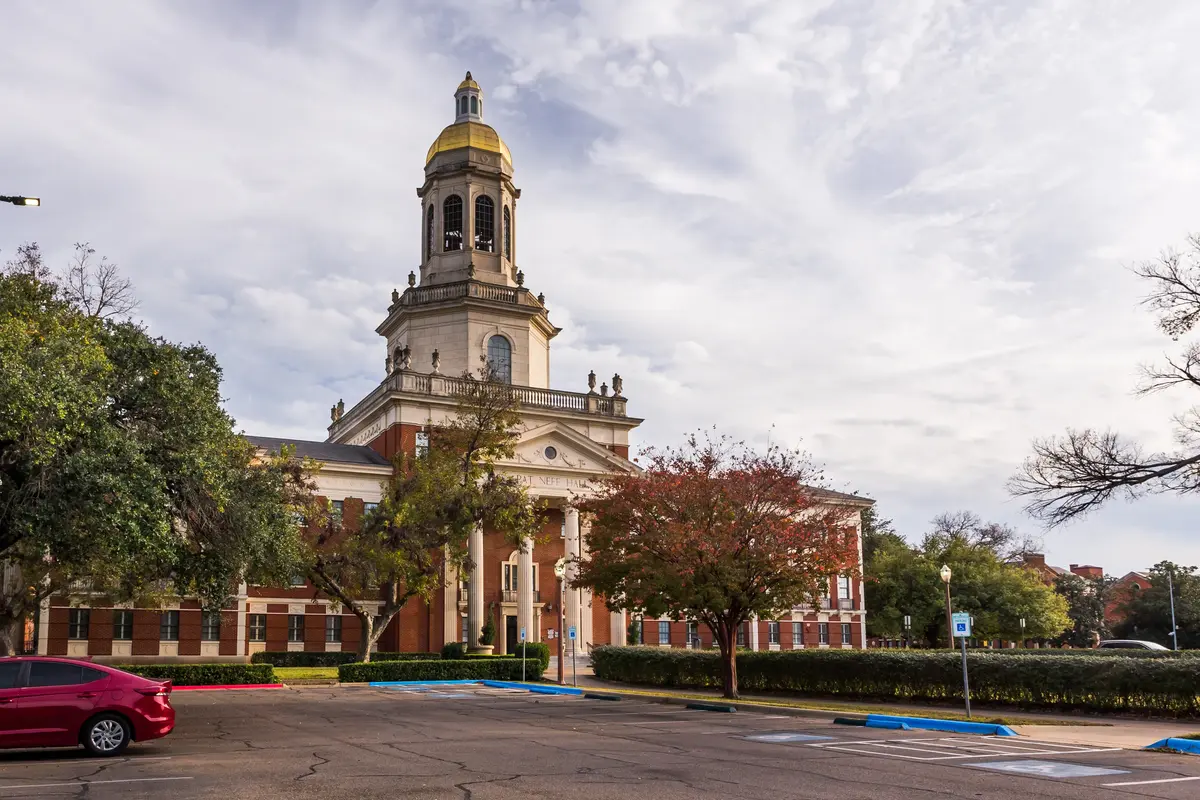
Local Expert Takeaway: Waco's retirement case rests on three things that are genuinely hard to find together: two hospital systems inside city limits, a home price well below $200,000, and no state income tax. The catch most retirees discover around month six is the car dependency — not just for errands, but for almost everything. If you can live comfortably with that, and you're not counting on a 55+ community structure that simply doesn't exist here yet, Waco rewards the trade-off with lower monthly costs, real cultural anchors like the Waco Mammoth National Monument and Cameron Park, and corridor access to Dallas and Austin when you need what a smaller city can't provide.
Quick Takeaways & FAQs
✅ Texas collects no state income tax and gives homeowners 65+ a property tax freeze on the school-district portion of their bill — two structural advantages that directly stretch a fixed retirement income in Waco.
⚠️ No dedicated 55+ communities were found in Waco, and the city is car-dependent for nearly all daily errands — two real limitations that matter more as you age.
📍 Baylor Scott & White Medical Center – Hillcrest sits inside city limits and carries national patient-safety recognition, but complex subspecialty care often means a drive to Dallas or Austin — plan those relationships before you move.
Is Waco a good place to retire on a fixed income?
What hospitals are in Waco for retirees?
Are there 55+ communities in Waco?
How does the Texas senior property tax exemption work in Waco?
Is Waco walkable for retirees who may not want to drive?
Moving to Texas?
Tell us what you need help with and we'll connect you with local resources.
