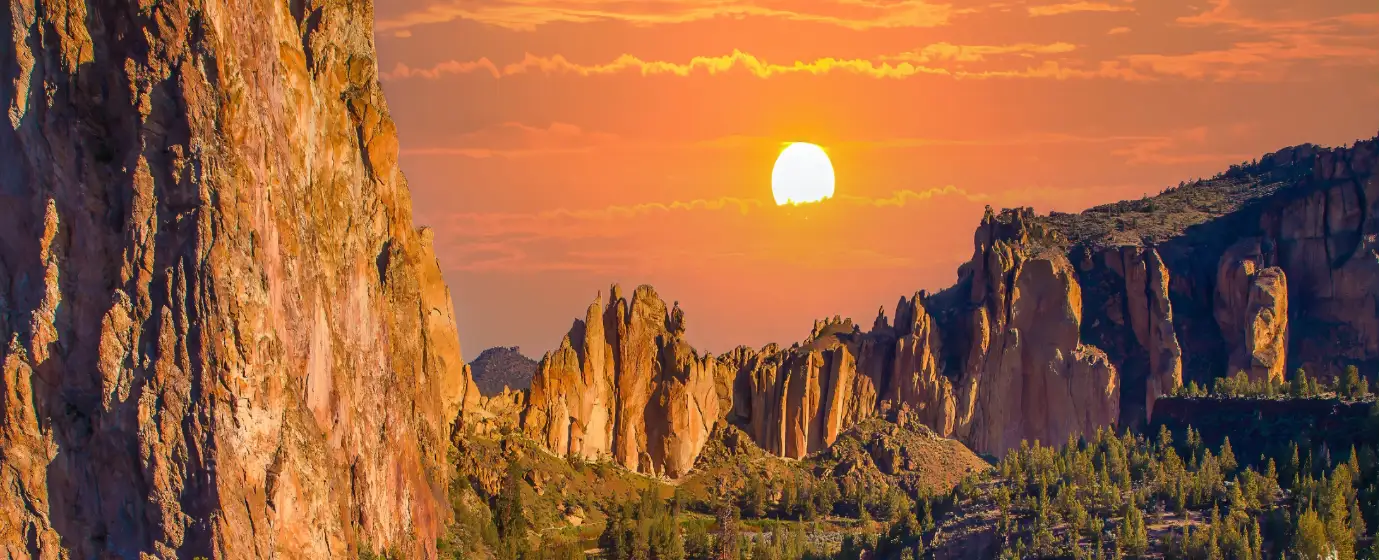
People who move to Redmond from wetter corners of the Pacific Northwest often say the same thing once they realize what's sitting in their backyard: a nearly four-mile paved canyon trail cuts through the center of the city, one of climbing's most iconic state parks is a short drive north, and a restored waterfall along the Deschutes River is closer than many residents' nearest grocery run. For a city of 38,199, the outdoor infrastructure here is genuinely outsized.
Redmond's recreation story runs on two distinct tracks. The first is entirely local — the Dry Canyon Trail system, the Redmond Area Park and Recreation District (RAPRD), the city's spray park, skate park, pump track, and disc golf course. The second connects residents to the broader Central Oregon landscape: Smith Rock State Park, Cline Falls State Scenic Viewpoint, Eagle Crest Resort's 1,700 acres of high-desert terrain, and Deschutes River access that begins nearly at the city line. You don't have to drive far to find something serious. That proximity, more than anything else, is what keeps drawing people here from larger markets.
Recreation is also one of the honest arguments for choosing Redmond over nearby alternatives. Homes here carried a typical price of $517,100 as of July 2026, noticeably below Sisters and Bend, which puts residents closer to the outdoors without the premium those markets charge — a trade the Redmond cost of living page covers in full. The tradeoff is that Redmond's own amenity base is still maturing, and a few facilities that residents have been waiting on are only now coming online. That context matters if you're weighing this city against its neighbors.
This guide covers the Dry Canyon Trail system and city parks, the signature state parks within reach of Redmond, water recreation at Cline Falls and the Deschutes River, and what RAPRD's facilities and programming actually look like day to day — including what's changing in the near term.
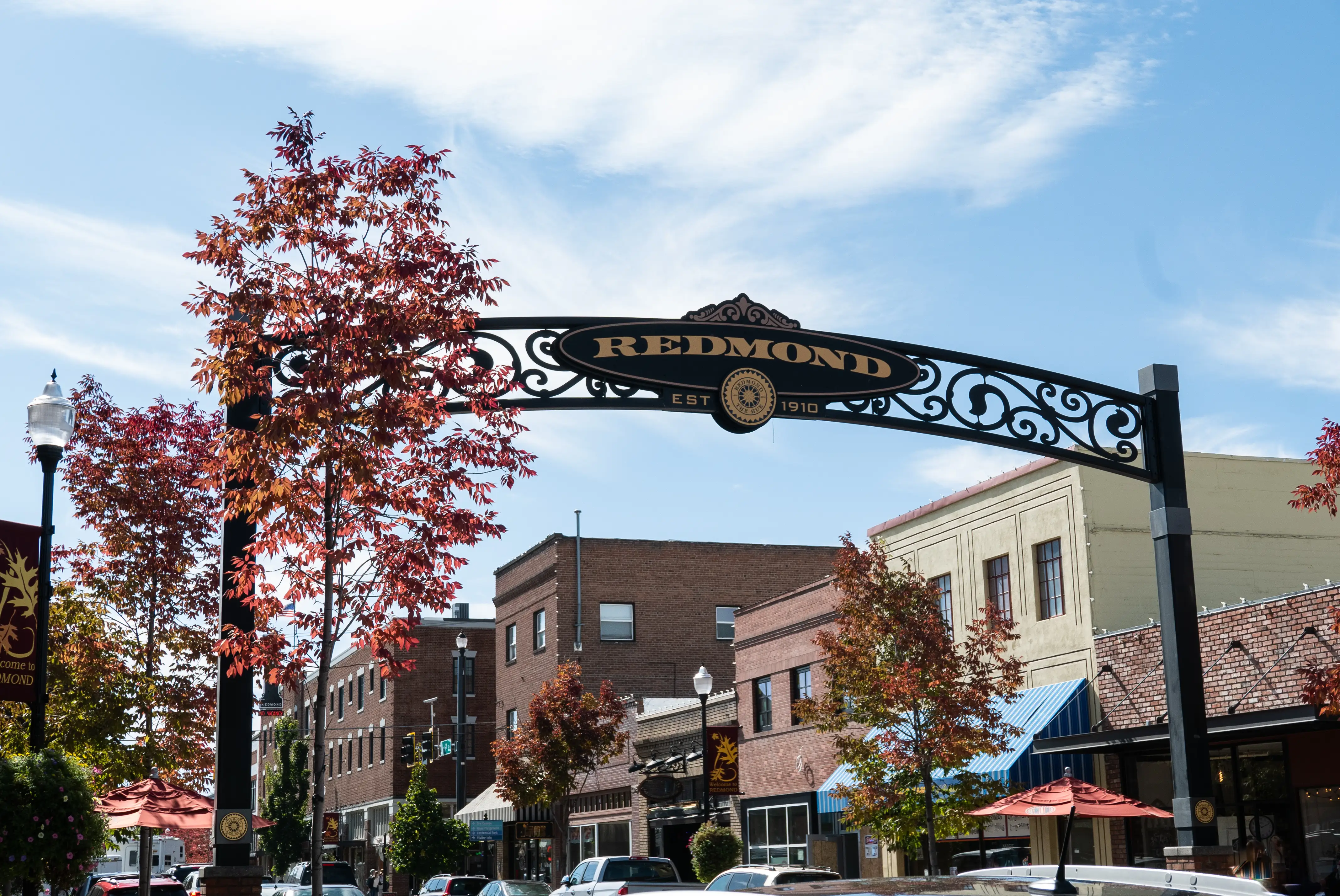
The Dry Canyon Trail: Redmond's Backyard Asset
The Dry Canyon Trail is the spine of Redmond's park system — a nearly four-mile paved corridor that cuts through the geographic center of the city and connects eight distinct parks in a single continuous route. What makes it unusual isn't just its length; it's that the experience changes completely as you move through it.
The southern end is domesticated in the best way: manicured grass, playgrounds, sports fields, and a performing arts amphitheater. Walk north and the city falls away quickly. The rimrock walls rise, juniper and sagebrush take over, and the canyon floor takes on the feel of genuine high-desert wildland. That transition — from neighborhood park to nature preserve in under a mile — is something most cities simply don't have.
Who Uses It and How
The trail surface runs at grades between one and four percent for nearly its entire length, which means it's genuinely accessible for strollers, wheelchairs, and casual cyclists — not just trail runners and athletic commuters. That accessibility drives its daily use more than any single feature. Families with kids run alongside serious cyclists and people walking dogs, and nobody has to fight for the same lane.
Within the Dry Canyon corridor, you'll find disc golf on one of Central Oregon's most-referenced courses, pickleball and tennis courts, softball fields, and an off-leash dog park. Maple Bridge Climbing Arches — tucked beneath a 70-foot-tall, 780-foot-long concrete bridge within the park — draw both sport climbers and families who wouldn't identify as climbers at all. It's the kind of feature that makes a first visit feel unexpectedly rewarding.
Specialty Recreation Around the City
Beyond the canyon corridor, the City of Redmond's parks division operates several facilities worth knowing before you move. The Wiegand Family Dog Park includes separate fenced areas for large and small dogs — a detail that matters more than it sounds if you're relocating with a small breed. The Homestead Bike Pump Track features rolling jumps and banked turns designed for riders of all ages, and a community skate park rounds out the infrastructure for younger residents. A Centennial Spray Park serves as the city's warm-weather water option for families with young children.
What surprises people after a few months here is how much the canyon trail functions as a genuine social hub rather than just a fitness amenity. On a warm Saturday it's where you run into neighbors, where kids learn to ride bikes, and where the city's collective pace slows down noticeably from the weekday routine.
Smith Rock State Park: A World-Class Resource Nine Miles Out
Smith Rock State Park is the outdoor asset that puts Redmond on maps people don't associate with Central Oregon suburbs. Roughly 650 acres of volcanic tuff and basalt rise above the Crooked River about nine miles from the city, drawing visitors from across the region and well beyond. For residents, the distance that feels like a drive to outsiders feels like a neighborhood amenity.
The park offers more than a thousand bolted climbing routes, making it one of the most route-dense single-park climbing destinations in the country. For non-climbers, the trail network covers miles of hiking and mountain biking terrain with Cascade volcano views that photograph well but read even better in person.
What Locals Know About Timing
One thing residents figure out quickly: some climbing areas at Smith Rock are closed or have limited access from approximately January 15 to August 1 each year to protect golden eagle and falcon nesting habitat. If climbing is your primary draw, you plan around that window — most serious climbers here know the restricted zones and shift to other areas of the park or travel to alternatives during the closure period. Hikers and mountain bikers have essentially no restrictions, so the majority of users never encounter the limitation at all.
The Bivy Campground at the base of the park handles tent camping, which is relevant for residents who want to host visiting family without spending on a hotel. Wildlife in the park — golden eagles, prairie falcons, mule deer, river otter, and beaver — is consistent enough that wildlife watching counts as a genuine standalone activity rather than a lucky bonus.
For families considering a move and comparing recreation access across Central Oregon cities, Smith Rock's proximity to Redmond versus Bend is one of the honest geographic advantages of choosing this side of the market. See the neighborhoods page for how the areas closest to the park access corridors compare in character and housing stock.
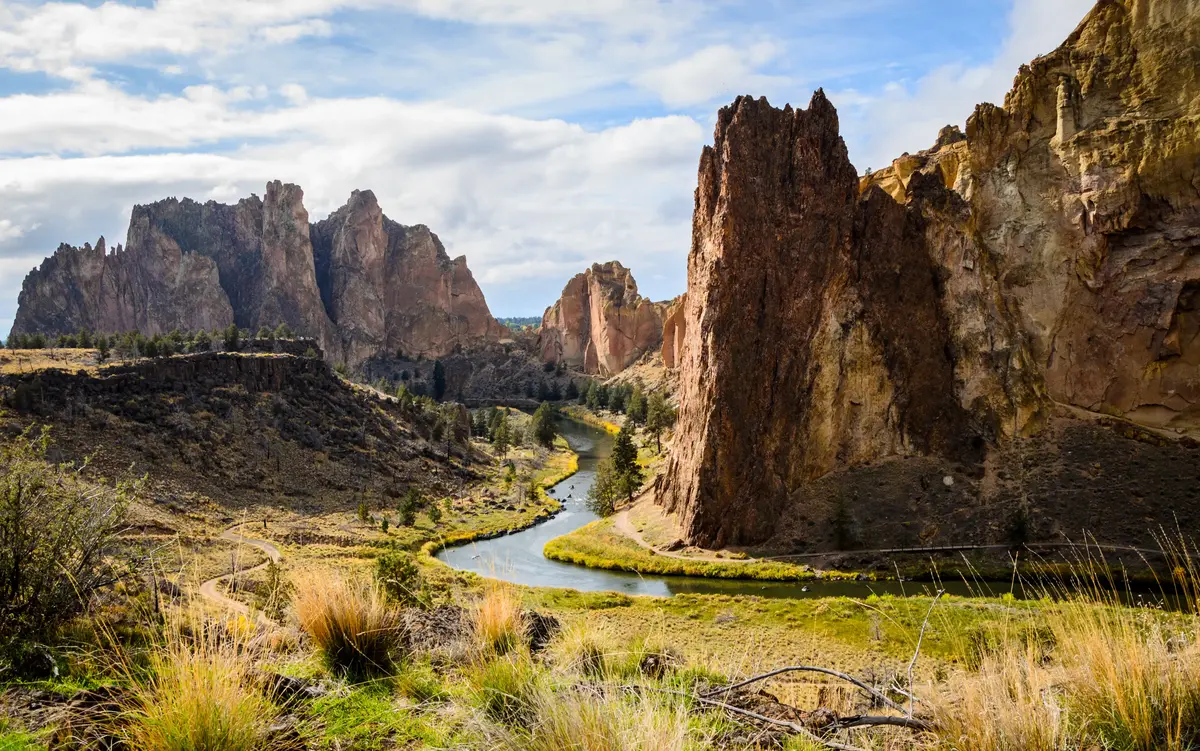
Water Recreation: Cline Falls and the Deschutes River
Redmond doesn't sit on the water the way Bend does, but the Deschutes River is closer than most people realize when researching from out of state. Cline Falls State Scenic Viewpoint, about four miles west of the city via OR-126, is the most immediate access point — a 9-acre day-use park built around a 20-foot waterfall that drops over a basalt shelf.
The park's range is wider than its size suggests. Swimming here runs from deep calm pools to shallow coves and short inner-tubing stretches depending on where along the river you position yourself. Fishing targets rainbow trout, brown trout, and largemouth bass. A mostly flat 1.5-mile round-trip trail leads north to the falls themselves. The dam at this site was removed in 2017, restoring the waterfall and river corridor to something closer to its natural state — a change that meaningfully improved the character of the swimming and fishing compared to what earlier residents describe.
Eagle Crest's Deschutes Access
Eagle Crest Resort, west of downtown Redmond near the river, adds a different kind of water and trail access. The resort spans 1,700 acres of high-desert terrain and includes paved trails that connect neighborhoods to the Deschutes River — a feature that matters for residents who buy into the Eagle Crest area and want river proximity as a daily routine rather than a weekend destination.
The resort's amenity picture is substantial: three golf courses, a spa, sports centers, indoor and outdoor pools, tennis, pickleball, racquetball, fitness facilities, and an equestrian center with guided trail rides and lessons. For buyers considering the Eagle Crest neighborhood, the recreation access is a meaningful part of what the premium buys relative to the rest of Redmond's housing market.
A Seasonal Reality
Central Oregon's 162 sunny days a year sounds modest until you experience a Redmond summer — reliably dry, warm, and long enough that water access becomes something residents plan around beginning in late spring. The flip side is that winter river access is genuinely limited, and residents who moved here expecting year-round outdoor swimming usually recalibrate to trail running and indoor facilities during the colder months. That seasonal adjustment is worth knowing before the move rather than after.
Looking to buy in Redmond? Estimate your payment.
Enter your numbers to see an estimated monthly mortgage payment.
Estimate only. Excludes HOA fees and mortgage insurance. The interest rate above is a starting point, not a quoted rate — replace it with your own to see real numbers. Insurance is a flat placeholder, not a Redmond quote.
RAPRD: The District Behind the Programs
The Redmond Area Park and Recreation District — RAPRD — has operated since 1975 and serves as the backbone of the city's organized recreation programming. Understanding what RAPRD runs is worth doing early, because its facilities aren't always obvious from a drive-through of the city.
The district operates the Cascade Swim Center with a 25-meter indoor pool, an activity center, and the High Desert Sports Complex. Programming spans youth and adult sports leagues, swim lessons, art and cooking classes, fitness programming, horseback riding, and aquatic programs. For parents evaluating after-school and weekend structure, RAPRD is the primary infrastructure — supplementing what the school district provides through its own activities.
The Hub: What's Coming
In November 2022, voters in the RAPRD service boundary approved a $49 million bond to fund a new facility called The Hub Aquatic and Recreation Center. The planned build includes a competitive pool, leisure pool, gymnasium, exercise facilities, and group fitness rooms. As of 2025–2026, the center was preparing to open.
This matters for anyone evaluating Redmond's recreation infrastructure right now versus what it will look like in the near term. The gap between Redmond's outdoor assets — genuinely excellent — and its indoor recreation options has been real. The Hub is the investment designed to close it.
The Ten-Year Plan
RAPRD also completed a Parks and Recreation Master Plan in 2025, built from community surveys and public input gathered earlier that year. The plan sets the direction for improvements to parks, trails, and recreation across the next decade. For buyers thinking about long-term livability — particularly families with kids who will grow into different activity needs — the master plan signals sustained investment rather than a finished product.
| Facility / Feature | Type | Best For |
|---|---|---|
| Dry Canyon Trail | Paved canyon corridor, nearly 4 miles | Families Nature |
| Smith Rock State Park | State park, ~9 mi from city | Nature Views |
| Cline Falls State Scenic Viewpoint | Day-use river park, ~4 mi via OR-126 | Families Nature |
| Eagle Crest Resort trails | Paved resort trails, Deschutes River access | Luxury Nature |
| Cascade Swim Center (RAPRD) | Indoor 25-meter pool | Families Quiet |
| The Hub Aquatic and Recreation Center | New community rec center (preparing to open) | Families First-Time |
| Maple Bridge Climbing Arches | Urban climbing feature in Dry Canyon | Nature Families |
| Wiegand Family Dog Park | Fenced dual-area off-leash park | Families |
| Homestead Bike Pump Track | Rolling jumps and banked turns | Families Nature |
The outdoor picture Redmond presents on paper is real — residents confirm it. The indoor and organized programming side is the area still catching up, and The Hub's arrival changes that calculus substantially once it's fully operational.
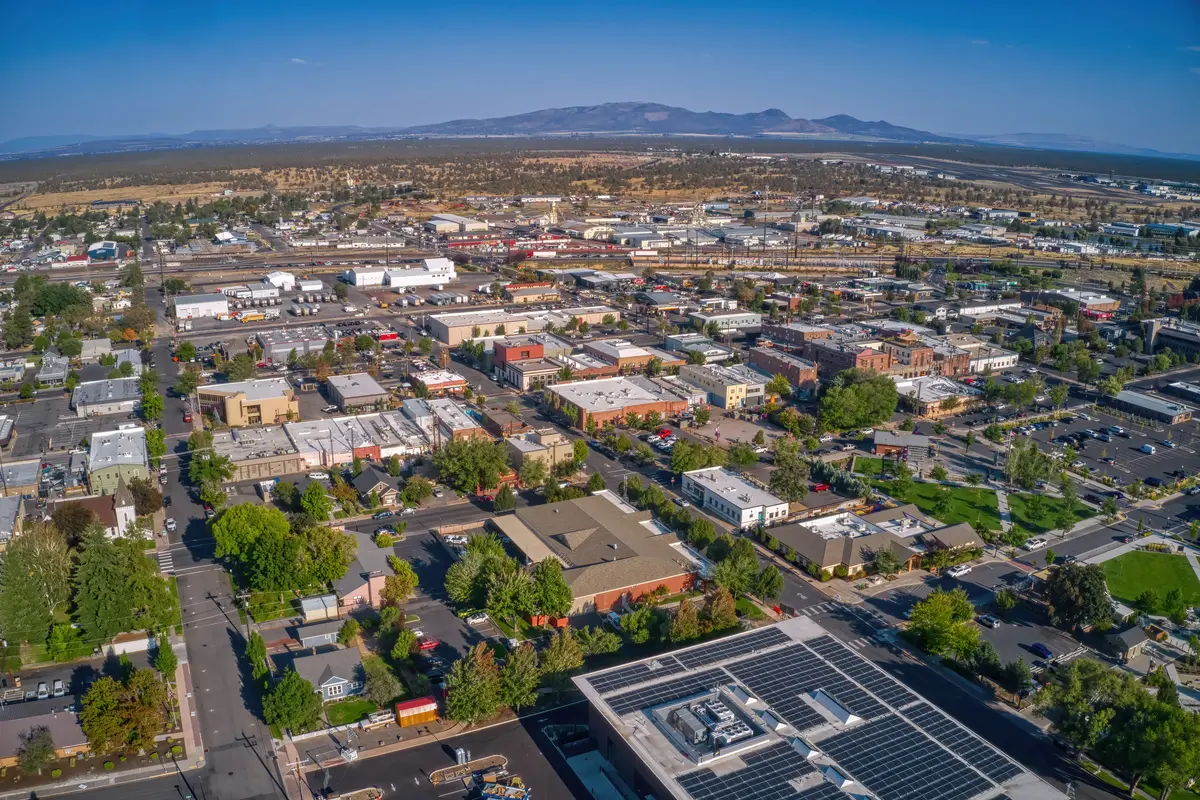
Local Expert Takeaway: Redmond's outdoor recreation infrastructure is the strongest argument for the city that rarely gets framed correctly. The Dry Canyon Trail connects eight parks in a single paved corridor you can walk, run, or bike on any morning of the year without a car. Smith Rock State Park is close enough to treat as a regular destination rather than a day trip. Cline Falls gives you a Deschutes River waterfall and swimming hole four miles from town. Where Redmond honestly still trails its neighbors is on the indoor and organized recreation side — the Cascade Swim Center is solid, but the city has been waiting for a larger community facility. The Hub Aquatic and Recreation Center, approved by voters and preparing to open, is the infrastructure piece that completes the picture. If you're moving here in the near term, the outdoor assets are already there; the indoor ones are arriving.
Quick Takeaways & FAQs
✅ The Dry Canyon Trail connects eight parks in a nearly four-mile paved corridor through the center of Redmond, accessible for strollers and wheelchairs as easily as trail runners.
⚠️ Indoor and organized recreation has lagged behind the outdoor picture — the city's answer, a $49 million community rec center called The Hub, was preparing to open as of 2025–2026.
📍 Smith Rock State Park's climbing areas are partially closed from approximately January 15 to August 1 each year for raptor nesting — plan accordingly if sport climbing is your primary reason for moving here.
Is the Dry Canyon Trail good for young kids and strollers?
How far is Smith Rock State Park from Redmond?
Can you swim in the Deschutes River near Redmond?
What does RAPRD operate and who does it serve?
Are there any restrictions on climbing at Smith Rock?
Moving to Oregon?
Tell us what you need help with and we'll connect you with local resources.
