
Maybe you've been renting in Bend and watching prices pull further out of reach. Maybe you moved to Central Oregon for the lifestyle and realized Redmond is where the math starts to work. Either way, the moment you start shopping here, one thing becomes clear fast: $517,100 — the Zillow Home Value Index typical home price as of July 2026 — is not a starter-home price in any traditional sense. It's a real number that requires real preparation, and first-time buyers who underestimate what it takes to get to the closing table tend to learn that lesson the hard way.
Redmond has grown by more than 5,000 residents since April 2020, a 15%-plus increase that reflects genuine demand — from remote workers, from out-of-state buyers priced out of coastal markets, and from people who want the Bend lifestyle at a cost that leaves room in the budget. The city's employer base runs across manufacturing, healthcare, and skilled trades, anchored by BASX Solutions, St. Charles Redmond, and the Redmond School District, among others. That economic diversity matters because it means the buyer pool here isn't entirely dependent on one sector — which keeps demand broad and competition real, even when the market cools seasonally.
The median household income in Redmond sits at $84,164 — a solid figure, but one that falls meaningfully short of what lenders typically want to see at the city's typical price point. That gap is the central budgeting challenge for first-time buyers here. It doesn't make homeownership impossible, but it does mean down payment size, credit profile, and debt load matter more than they would in a cheaper market. The cost-of-living page covers the broader spending picture; this guide focuses on what it takes to actually get to the keys.
Whether you're six months from being ready or actively shopping, the sections below walk through what a first-timer's budget actually buys in Redmond, how the Oregon buying process works step by step, how to build a realistic cash-to-close estimate, and the specific mistakes that derail first-time buyers in this market.
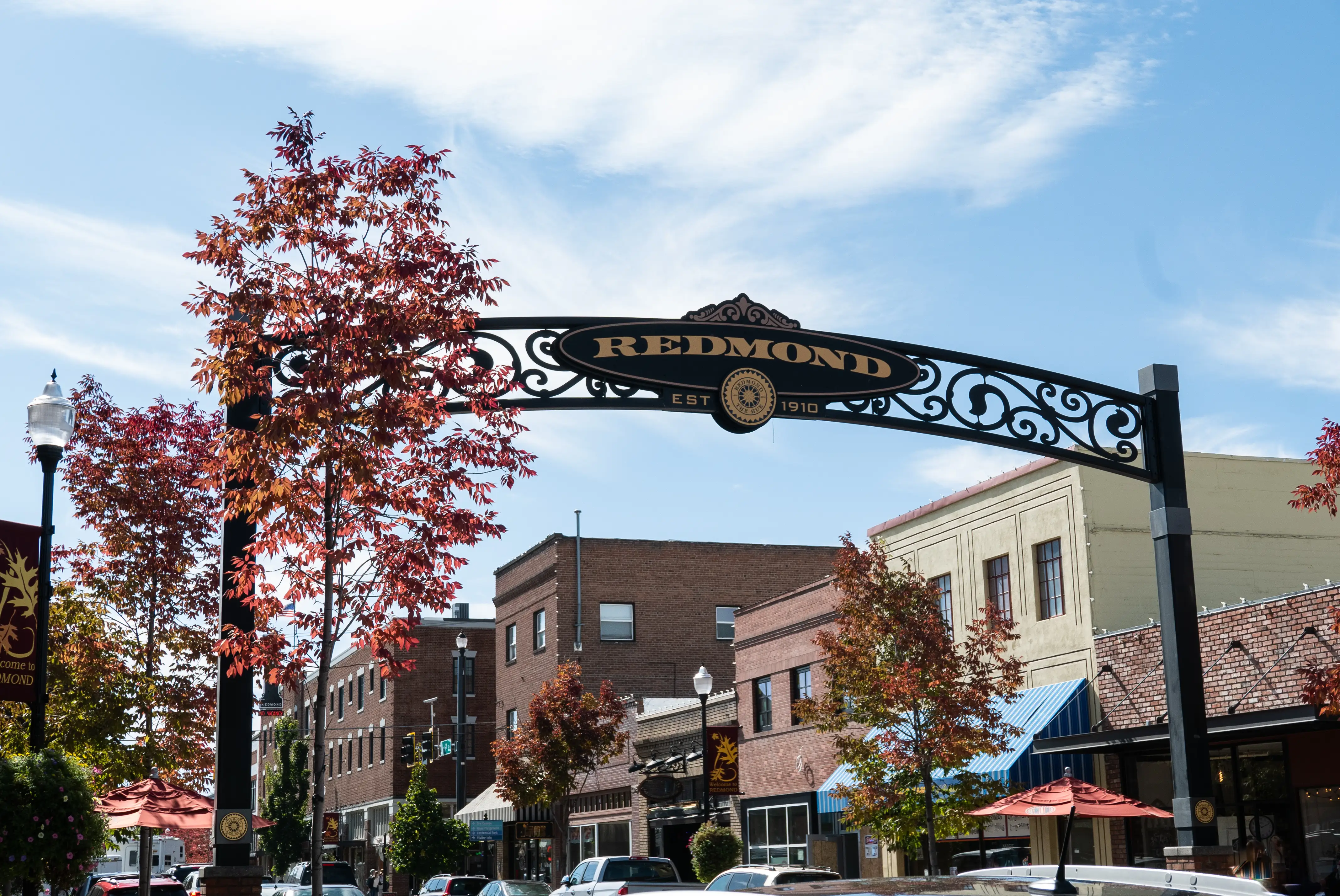
The Redmond First-Time Buyer Reality
The typical home price in Redmond is $517,100 as of July 2026 (Zillow Home Value Index). That figure puts entry-level ownership firmly in the realm of planning, saving, and qualifying — not impulse. Compared to Bend, prices here are noticeably lower, which is exactly why buyers who've been looking west on US-97 start looking toward Redmond instead.
What does that price buy you on the lower end? Older construction in established parts of the city, smaller lots, and homes that may need cosmetic work. Newer build communities on the edges of town — including Obsidian Trails and Fieldstone Crossing — draw relocating buyers looking for modern floor plans and less deferred maintenance, which keeps demand in those neighborhoods active. The entry point for a detached single-family home in any move-in-ready condition is rarely much below $420,000, and the gap between list and reality closes quickly once you add closing costs and reserves.
The market here has been described by local appraisers as a tempering market — meaning it's not the frenzied seller's market of a few years ago, but it is not a buyer's market either. Well-priced homes attract offers. Overpriced listings sit. First-time buyers who confuse a calmer pace with an easy negotiation often find out otherwise when a well-located home gets multiple offers on its first weekend. Coming in prepared — with pre-approval in hand and a clear sense of your ceiling — is what separates the buyers who close from the ones who keep losing.
The Homebuying Process in Redmond, Step by Step
Step 1: Get Pre-Approved Before You Tour Anything
In Redmond — as across Oregon — most sellers won't show their home to an unqualified buyer, and many won't consider an offer without a pre-approval letter. This isn't a formality; it's the price of admission. Pre-approval letters are typically valid for 60 to 90 days and reflect the maximum a lender is conditionally willing to lend based on your income, debts, credit, and assets.
To get pre-approved, you'll need recent pay stubs and W-2s, two years of tax returns, bank and asset statements, and a government-issued ID. Shop three or four lenders and get your quotes within a 14-day window — credit bureaus treat multiple mortgage inquiries in a short period as a single inquiry, which limits the hit to your score. Lenders here generally look for a debt-to-income ratio of 36% or below for the best terms, though buyers with strong credit or solid reserves can sometimes qualify above that threshold.
Step 2: Work With a Local Buyer's Agent
Central Oregon's market has its own rhythms — neighborhoods, builder relationships, and off-market signals that a local agent will read better than an out-of-area one. Your buyer's agent costs you nothing directly; seller compensation structures in Oregon mean you should clarify upfront how your agent is paid, but a buyer's agent is a standard part of every transaction here.
Step 3: Make Offers That Reflect the Market
A tempering market still rewards prepared buyers. In Redmond, a competitive offer typically includes a meaningful earnest money deposit (commonly 1% to 3% of the purchase price), a realistic closing timeline, and — critically — a clear decision about which contingencies to include. Oregon purchase agreements standardize the inspection, financing, and appraisal contingencies; skipping them entirely to "win" a multiple-offer situation is the single fastest way to create a serious financial problem.
Step 4: Inspection, Appraisal, and the Oregon Escrow Process
Oregon closes through an escrow company, not a real estate attorney. The escrow company handles document preparation, fund coordination, and closing logistics. A typical timeline from accepted offer to keys runs about 35 days, though this varies depending on loan type and how quickly inspections are scheduled.
Property taxes in Oregon are paid in arrears, which means at closing you'll prorate taxes with the seller based on the closing date — and prepay a portion of taxes and homeowners insurance into an escrow account. Budget for that prepaid amount on top of your standard closing costs. Funds at closing are transferred by cashier's check or wire to the escrow company; personal checks are not accepted.

How Much Home Can You Afford in Redmond
Oregon buyer closing costs typically run 2% to 5% of the purchase price. At Redmond's price levels, that's a meaningful range — and first-time buyers frequently underestimate it because they focus entirely on the down payment. The table below shows what different entry points and loan structures require in total cash to close. All figures are estimates; your actual costs will vary based on lender, loan terms, title company, and timing.
| Scenario | Purchase Price | Down Payment | Est. Closing Costs (3%) | Cash Needed at Table |
|---|---|---|---|---|
| FHA (3.5% down) — lower entry | $420,000 | $14,700 (3.5%) | ~$12,600 | ~$27,300 |
| FHA (3.5% down) — city median | $517,100 | ~$18,100 (3.5%) | ~$15,500 | ~$33,600 |
| Conventional (3% down) — lower entry | $420,000 | $12,600 (3%) | ~$12,600 | ~$25,200 |
| Conventional (3% down) — city median | $517,100 | ~$15,500 (3%) | ~$15,500 | ~$31,000 |
| Conventional (10% down) — city median | $517,100 | ~$51,700 (10%) | ~$15,500 | ~$67,200 |
| Conventional (20% down) — city median | $517,100 | ~$103,400 (20%) | ~$15,500 | ~$118,900 |
These numbers do not include prepaid property taxes and homeowners insurance, which are collected at closing into an escrow account and add several thousand dollars to the total cash requirement. The interactive mortgage calculator below lets you adjust purchase price, down payment, and rate to model your monthly payment — use it alongside this table, not instead of it.
One structural reality worth naming: Redmond's median household income of $84,164 falls short of what's typically needed to comfortably carry the city's median home price at current rates. That doesn't mean ownership is out of reach, but it does mean many first-time buyers here will need a meaningful down payment, a second income, limited existing debt, or some combination of all three to qualify at comfortable terms.
Looking to buy in Redmond? Estimate your payment.
Enter your numbers to see an estimated monthly mortgage payment.
Estimate only. Excludes HOA fees and mortgage insurance. The interest rate above is a starting point, not a quoted rate — replace it with your own to see real numbers. Insurance is a flat placeholder, not a Redmond quote.
Common First-Time Buyer Mistakes in Redmond
Shopping Before You Have Pre-Approval
This one costs more than just time. Touring homes without pre-approval means you can't move when you find the right place. Redmond sellers — especially on newer construction — are accustomed to buyers who arrive ready. Showing up without a letter signals you're not. Get pre-approved before you fall in love with a floor plan.
Waiving Inspection to Win a Multiple-Offer Situation
A tempering market still produces competitive moments, especially on well-priced homes near the Dry Canyon Trail corridor. First-time buyers sometimes waive the inspection contingency to make their offer look cleaner. That's a significant risk on any home, and a particularly expensive one on older Redmond stock where deferred maintenance — roofing, HVAC, foundation drainage — can run well into five figures. The right move is to schedule an inspection quickly and negotiate from its findings, not to skip it entirely.
Ignoring the School District Boundary Reality
Redmond School District 2J holds a C+ rating, according to Niche, and some families buying here are doing so with an eye toward Bend's schools — or private options. What matters for your purchase is confirming which school serves your specific address before you make an offer, not after. Boundary lines don't always follow neighborhood names, and a house two streets over from where you're looking can fall in a different zone. The full picture is on the schools page.
Underestimating the Total Cash Required at Closing
The down payment is the number buyers fixate on. The closing costs — running 2% to 5% of the purchase price in Oregon — plus prepaid property taxes and homeowners insurance into escrow are the numbers that surprise people at the closing table. At a $480,000 purchase price, a 3% down payment is $14,400. Closing costs at 3% add another $14,400. Prepaids can push the total another $3,000 to $5,000 higher. Buyers who saved for the down payment and forgot the rest are the ones asking for closing cost concessions at the last minute — and in a market where sellers have other options, that's a negotiating position you don't want to be in.
Treating Redmond as a Fallback for Bend Without Understanding the Commute
A lot of buyers come to Redmond because Bend is noticeably more expensive, and that's a perfectly sound reason to be here. But if your job or your partner's job is in Bend, the drive along US-97 — about 20 minutes to Bend — is part of your daily life. It's manageable; it is not nothing. Buyers who underweight the commute when choosing a neighborhood on the far edge of Redmond sometimes find that the drive feels longer in practice than it looked on a map, especially during peak hours or in winter driving conditions on the high desert. Factor that in before you commit to a location.

Local Expert Takeaway: Redmond is genuinely more accessible than Bend for first-time buyers, but accessible doesn't mean easy. The typical home price of $517,100 (July 2026) requires serious cash preparation — plan for down payment plus 3% to 5% in closing costs plus prepaid escrow items, all due on closing day. Get pre-approved before you tour anything, budget honestly for total cash to close, and don't skip the inspection to win an offer you'll regret. The buyers who land here successfully treat it like the financial commitment it is.
Quick Takeaways & FAQs
✅ Redmond's typical home price sits noticeably below Bend's, making it one of Central Oregon's more realistic entry points for first-time buyers who've been priced out of the larger market.
⚠️ The city's median household income falls meaningfully short of what's typically needed to carry the median home price — most first-time buyers here need strong credit, limited debt, or a substantial down payment to qualify comfortably.
📍 Oregon closes through an escrow company, not an attorney, and closing costs plus prepaid taxes and insurance routinely catch first-time buyers short — budget well beyond your down payment figure.
What credit score do I need to buy a home in Redmond, Oregon?
How long does it take to close on a home in Redmond?
Is it better to buy in Redmond or Bend as a first-time buyer?
What are typical closing costs for a buyer in Redmond, Oregon?
Do I need a pre-approval letter before touring homes in Redmond?
Moving to Oregon?
Tell us what you need help with and we'll connect you with local resources.
