
What Is Living in Memphis, Tennessee Like?
Memphis surprises people. Not because it's rough around the edges — most newcomers expect that — but because it is genuinely, stubbornly its own thing. The 2nd-largest incorporated city in Tennessee with a population of 609,647, Memphis sits on a bluff above the Mississippi River, flanked by I-40 running east-west, I-55 dropping south toward Mississippi, and I-240 looping the inner city. What drives daily life here isn't suburban routine — it's an economy built around logistics and freight, a cultural identity tied to music and civil rights history, and home prices that would seem implausible to anyone arriving from a coastal market.
The economic backbone is FedEx, whose global headquarters and Express SuperHub at Memphis International Airport make the city North America's busiest cargo airport by volume. FedEx's footprint shapes hiring, real estate demand, and even the rhythm of the city's overnight sky. Beyond FedEx, St. Jude Children's Research Hospital brings world-class pediatric research talent to Midtown, AutoZone and International Paper run their corporate headquarters here, and a major regional health system anchors healthcare employment across Shelby County. The Memphis-Shelby County Schools district holds a C+ rating, according to Niche — a realistic picture that families weigh carefully against the city's other strengths.
Housing is the number that stops out-of-state buyers mid-scroll. The typical home price in Memphis was $145,335 as of August 2026 — a figure that makes genuine homeownership accessible on a median household income of $51,211, which is rare in any major American city. The cost of living page breaks down what that income actually buys here. Shelby Farms Park, one of the largest urban parks in the country, anchors the east side; Overton Park sits in the heart of Midtown; the Mississippi River Greenbelt Park and Big River Crossing give the city a waterfront identity most landlocked metros can't touch. Tennessee's lack of a state income tax stretches that median income further than the raw number suggests.
Whether you're considering a move or just researching the area, the sections below break down Memphis's neighborhoods, cost of living, schools, local favorites, commute patterns, and what daily life here is really like.
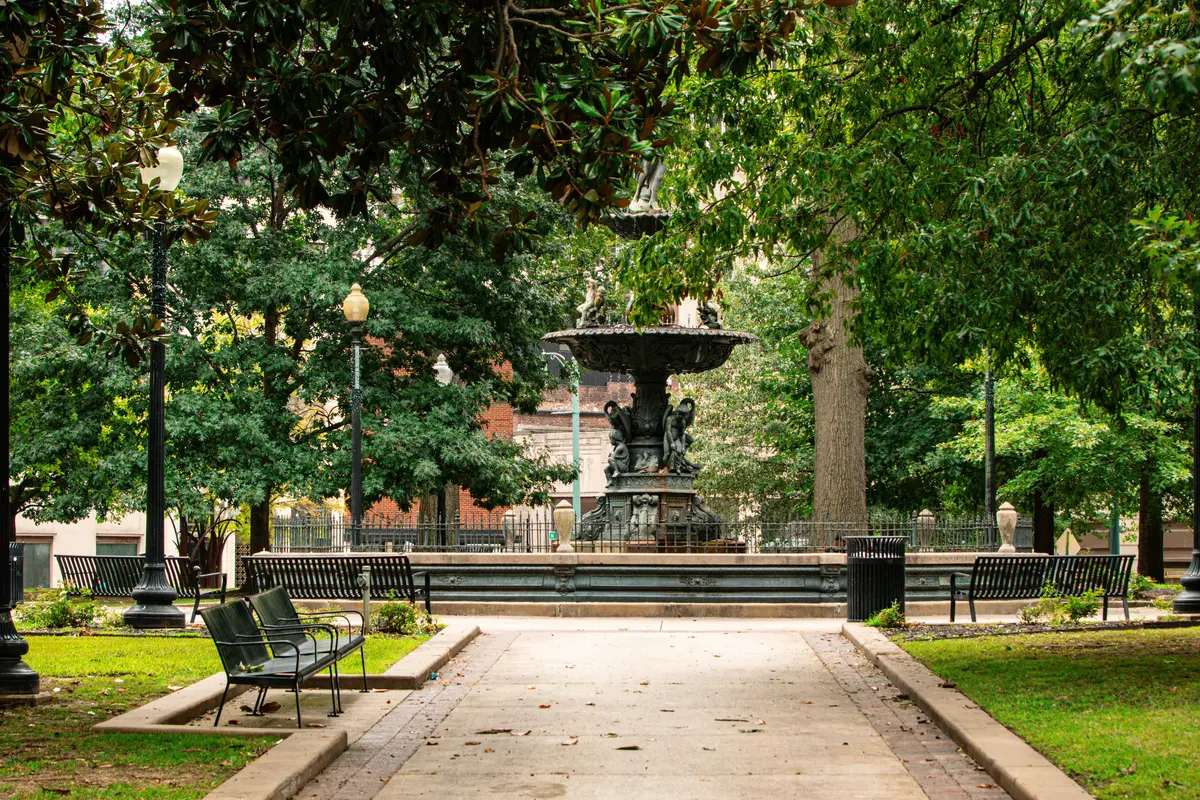
Memphis at a Glance
Looking to buy in Memphis? Estimate your payment.
Enter your numbers to see an estimated monthly mortgage payment.
Estimate only. Excludes HOA fees and mortgage insurance. The interest rate above is a starting point, not a quoted rate — replace it with your own to see real numbers. Insurance is a flat placeholder, not a Memphis quote.
Beyond the Monthly Mortgage Payment — What to Factor In
- The property tax rate above — The 0.59% used in the estimate is the median effective rate — tax actually paid as a share of market value — published by Ownwell, 2026. Half of local homes pay more and half pay less: your own bill depends on that property's assessed value and any exemptions it qualifies for, which can differ a lot from its market price. Confirm with the Shelby County assessor before you budget.
- Total cost of ownership — Your monthly mortgage payment is just the baseline. Depending on the specific city, county, and service district, homeownership costs also include local utility fees, municipal surcharges, and special assessments (such as water, sewer, storm drainage, or local energy taxes) that vary by location.
- Independent due diligence — Because these recurring local costs and municipal fees change depending on the exact property address, buyers must research them independently during their transaction process.
Tax laws, local municipal fees, and utility costs change frequently and individual situations vary. This page is general information, not tax or legal advice — always consult a qualified tax professional, CPA, or local municipal offices for personalized guidance.
Why Are People Moving to Memphis?
The honest case for Memphis starts with a number almost nobody believes until they see it: a typical home price of $145,335 (August 2026 Zillow Home Value Index). In a country where homeownership has become aspirational for households earning far above median, Memphis is one of the few large American cities where the math still works for ordinary incomes. The fact is direct — the median household income here is at or above what's needed to buy the typical home.
That affordability isn't an accident. Shelby County recorded the largest population decrease in the United States in 2024, according to the University of Tennessee Boyd Center for Business and Economic Research. People leaving is a real part of the Memphis story. But it's also what keeps prices grounded, and it creates an opening for buyers who want square footage, a yard, and a real neighborhood — without a decade of saving first.
The Economy Is Bigger Than Most Outsiders Realize
Memphis's Gross Regional Product crossed $100 billion for the first time, reaching $102.9 billion — making it the second-largest metro economy in Tennessee behind Nashville. FedEx alone anchors a significant share of private-sector employment at the metro level. Add St. Jude Children's Research Hospital, AutoZone's corporate headquarters, International Paper, and a major regional health system, and you have an employer base that is genuinely diversified across logistics, healthcare, retail, and manufacturing.
The city is also adding new economy jobs. The xAI Colossus supercomputer facility — a 1-million-square-foot installation — brought AI and tech employment to Memphis. Ford's $5.6 billion BlueOval City electric vehicle plant, roughly 50 miles northeast, is expected to employ 5,800 workers and pull from the Memphis labor pool. These aren't marginal additions to a stagnant economy; they represent a real shift in what kinds of jobs are available here.
Memphis Is One of Only Four U.S. Metros Served by All Five Class I Railroads
BNSF, CN, CSX, and Union Pacific all run through Memphis — combined with I-40, I-55, and I-240 converging here, and the largest cargo airport in North America, Memphis has freight infrastructure that simply doesn't exist at this scale in most cities. For anyone in logistics, supply chain, or related industries, this isn't a minor perk — it's the reason the industry concentrates here.
The cultural pull is just as real. Memphis is where the blues took shape, where Sun Studio recorded rock and roll into existence in a single building, and where the National Civil Rights Museum stands as one of the most significant institutions in the American South. The National Civil Rights Museum opened Founders Park — a free outdoor space with a reflective plaza and the Legacy Terrace — in October 2025. These aren't marketing claims. They're why people who visit Memphis for a weekend sometimes end up staying.
What Daily Life Feels Like in Memphis
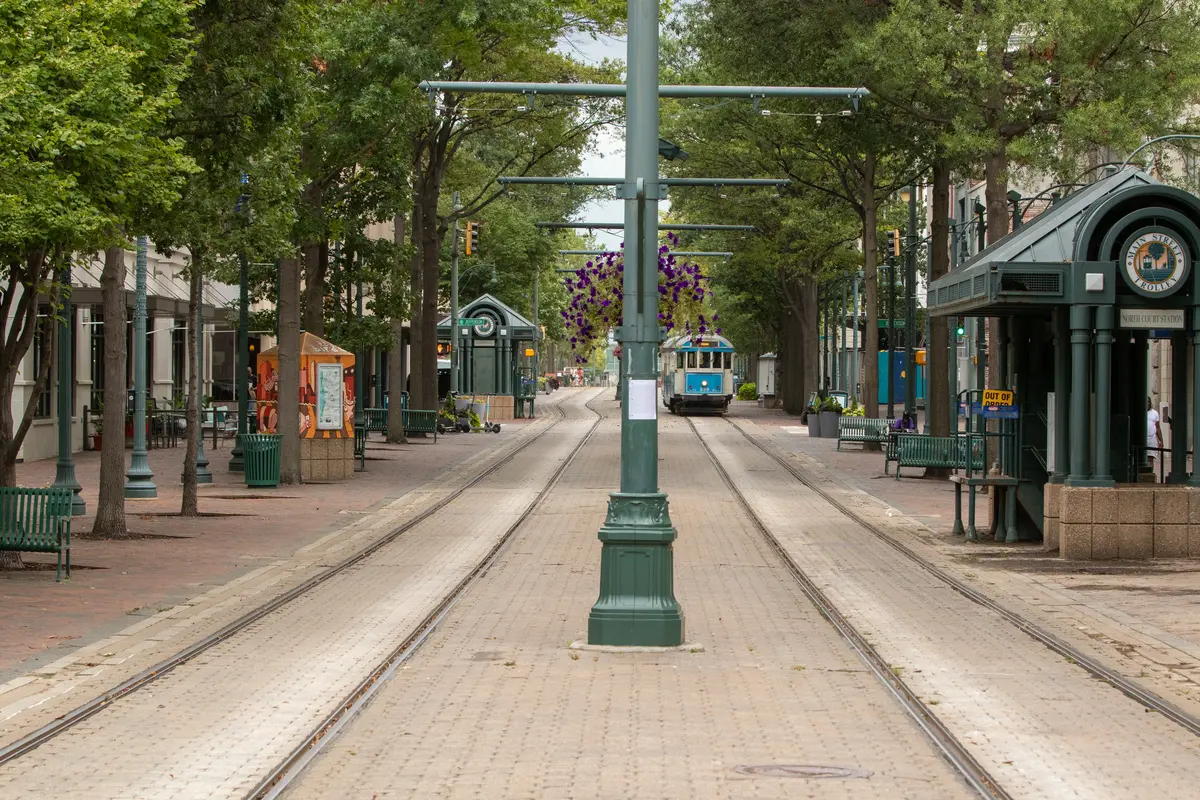
Memphis is a car city. Most errands, most commutes, and most weekend plans involve driving — the Memphis Area Transit Authority (MATA) operates fixed-route buses and on-demand service across Shelby County, but the system works best for commuters without a car rather than as a primary choice for most residents. The heritage trolley line has been suspended since August 2024 pending brake-system repairs; as of mid-2026 MATA was working toward resuming service.
What you get in exchange for car dependence is space and speed. Nobody sits in the kind of traffic that defines life in Nashville or Atlanta. Getting across town is measured in minutes, not moods. That changes the texture of daily life — you actually go places on a Tuesday night because the drive doesn't feel punishing.
The Geographic Reality
The city stretches considerably from west to east. The Mississippi River defines the western edge; Cordova and the eastern suburbs push well past I-240. Living on one end versus the other matters for commute and weekend routine in ways that online maps underplay. Midtown sits roughly in the middle and functions as the city's cultural core — denser, older housing stock, walkable streets around Overton Park. East Memphis and Cordova trend newer and quieter. Downtown has been gaining ground, with the Brooks Museum of Art's $180 million relocation project set to bring major cultural investment to the riverfront district.
The neighborhoods page covers the character and price tier of each area in detail — including which parts of the city run above the city-wide typical home price and which run below.
What Surprises People After Six Months
First-time Memphis residents consistently underestimate the heat and humidity of a Southern summer. Memphis averages 218 sunny days a year, but June through August is genuinely punishing — the kind of humid heat that makes outdoor plans feel optimistic by midday. Locals schedule around it: early morning runs, evening patios, indoor midday errands.
The second surprise is more pleasant: how much the food scene has developed. The inaugural MICHELIN Guide American South recognized five Memphis restaurants, with Hog & Hominy earning a Bib Gourmand honor. This isn't a city living on its barbecue reputation alone — it's a city with a serious dining culture that most outsiders discover only after they've moved here. The parks and recreation page covers the outdoor side of daily life, including Shelby Farms Park and the Mississippi River trail network.
The honest downside longtime residents name most often: Memphis asks something of you. The crime picture is real — a violent crime rate of 2.51 per 1,000 residents and a property crime rate of 6.9 per 1,000 residents sit above the national rates, though well below Tennessee's state violent crime rate of 6 per 1,000 and the state property crime rate of 20.8 per 1,000. Neighborhood selection matters more here than in lower-crime metros, and buyers who research that carefully tend to stay. Those who don't sometimes leave.
The Memphis Housing Market Right Now
The typical home in Memphis was priced at $145,335 as of August 2026, making this one of the most genuinely affordable large cities in the South. That figure belongs to a city of 609,647 people with a functioning economy, a major international airport, and a downtown undergoing active reinvestment — which makes it stand out sharply against comparable metros.
Buyers arriving from outside Tennessee are often disoriented by how much home the number buys. Older bungalows and post-war ranch homes in established neighborhoods. Brick construction that was built to last. Properties with actual yards. At the same time, some parts of the city run noticeably above the city-wide typical home price — East Memphis and Cordova are the clearest examples — while Midtown, Whitehaven, Frayser, and Downtown Memphis come in below it, and Raleigh runs roughly at it. The full character and price tier of each area is on the best neighborhoods page.
Tennessee's effective property tax rate here is approximately 0.59%, which is low by national standards. The state also levies no income tax on wages, a detail that meaningfully affects take-home pay for buyers comparing Memphis to higher-tax metros. The full tax picture — property, sales, and income — lives on the cost of living page.
For buyers coming from Germantown, Collierville, or Bartlett, the contrast is immediate: prices in each of those suburbs run noticeably higher than the Memphis city-wide figure. Many buyers who initially target those suburbs end up in East Memphis or Cordova once they run the numbers — similar lifestyle, lower price, shorter commute for anyone working in the city's core employment centers.
Typical city-wide rent sits at $1,232 per month (Zillow, August 2026), which makes Memphis one of the more affordable rental markets among cities of its size in the South. That figures into the rent-vs-buy calculation differently here than almost anywhere else — the gap between renting and owning is narrow enough that first-time buyers often find ownership pencils out sooner than they expected. The first-time homebuyer page covers the buying process and loan programs in detail.
Memphis Neighborhoods
Memphis has several distinct areas — each with its own character and appeal. Here’s a breakdown to help you narrow down where to focus your home search.
🏡 East Memphis
East Memphis is the city's established commercial and residential corridor — think tree-lined streets, brick homes, and dense retail along Poplar Avenue. It suits buyers who want proximity to employers and amenities at prices that run above the city-wide typical home price.
🏠 Midtown
Midtown is Memphis's cultural and architectural heart, anchored by Overton Park and the old-growth forest that residents have fought hard to protect. The housing stock runs older and more eclectic, prices sit below the city-wide typical home price, and the walkable streets make it the closest thing Memphis has to an urban-neighborhood experience.
🌳 Whitehaven
Whitehaven is where Graceland sits on SR-3, and the neighborhood carries a strong residential identity distinct from its tourist-draw reputation. Prices run below the city-wide typical home price, and the area draws buyers looking for established housing at accessible entry points.
🏘 Cordova
Cordova is the eastern suburb that many families land on when they want newer construction, good commercial infrastructure, and a quieter residential feel — at prices that run above the city-wide typical home price but well below what comparable suburban living costs in Germantown or Collierville.
🏔 Frayser
Frayser is one of Memphis's most affordable neighborhoods, with prices running below the city-wide typical home price and a predominantly residential character built around older single-family housing. It suits buyers focused on entry-level ownership who are comfortable doing neighborhood due diligence.
🌆 Raleigh
Raleigh sits in the northern part of the city and offers prices roughly at the city-wide typical home price, a mix of post-war and mid-century housing, and a community feel that longtime residents describe as underappreciated by buyers who focus their search further east.
Pros & Cons of Living in Memphis
The Pros
- Very low cost of living and housing prices relative to most large U.S. cities
- Major logistics and healthcare employers (FedEx, St. Jude, AutoZone) fuel the job market
- Deep, world-renowned music, food, and cultural heritage
- Shorter-than-average commute times for a metro of its size
The Cons
- Violent and property crime rates remain well above national averages
- Memphis-Shelby County Schools rank in the lower half of Tennessee districts
- Hot, humid summers and a rising property tax rate
Getting Around & Commuting in Memphis
Memphis is built for the car. I-40, I-55, and I-240 give the metro genuine freeway coverage, and most residents commute by personal vehicle. The average drive to Downtown Memphis runs about 21 minutes — a figure that holds up well against any large Southern city and reflects how manageable the city's scale actually is once you're on the right route.
The Highway Network
I-40 is the dominant east-west corridor, carrying commuter traffic between Cordova and the core employment centers near Downtown. I-55 handles the south leg, connecting to Mississippi and carrying freight as much as commuters. I-240 loops the inner city and is where most intra-Memphis trips eventually touch. US-72, which runs as Poplar Avenue through the heart of East Memphis and Midtown, is the city's most important surface arterial — the one road that almost every Memphis resident uses regularly. SR-3, which traces Elvis Presley Boulevard through Whitehaven, is both a commute route and a cultural landmark in its own right.
US-61, historically known as the Blues Highway, connects Memphis northward toward the Delta. US-78 and Lamar Avenue carry east-side freight and commercial traffic. Shelby Drive (SR-175) is the main east-west surface route through the southern suburbs.
The Freight Reality
Memphis International Airport — renamed in August 2026 to honor FedEx founder Frederick W. Smith — is North America's busiest cargo airport, handling approximately 3,754,236 metric tons of cargo in 2024. The FedEx Express SuperHub accounts for nearly all of that volume. For people who work in logistics, aviation, or freight-adjacent industries, the airport is a major employer in itself. For everyone else, it means consistent overnight air freight activity that residents on the flight path notice and newcomers sometimes don't anticipate.
The airport sits roughly 12 miles from the city's core, making it genuinely convenient for passenger travel — one of the few cities where the cargo giant and the passenger terminal coexist without the passenger experience suffering for it.
Transit and Getting Around Without a Car
MATA's fixed-route bus network and on-demand Groove and Ready! services cover Memphis and much of Shelby County. The network functions best for people commuting to a fixed workplace on a consistent schedule — it is not a system built for spontaneous trips across town. The heritage trolley line, a Downtown and Riverfront fixture, has been suspended since August 2024 pending brake-system repairs; MATA was working toward resumption as of mid-2026.
Most residents drive. The honest answer for anyone weighing a car-free lifestyle here is that it works in a narrow set of circumstances — living in Midtown near employment, relying on the bus network for a fixed route — but most errands and most social life will require either a car or ride-share. The flip side: parking is cheap and plentiful by urban standards, and the city's scale means driving rarely feels like the grind it does in larger metros.
Schools in Memphis
Families relocating to Memphis have public, private, and higher-education options nearby. Here’s a quick overview.
🎓 School District
Memphis-Shelby County Schools serves K–12 students across Memphis and the surrounding area. Rated C+ (source: Niche.com).
📊 District Stats
- Enrollment 2024-25
- 105,856 students
- 4-year graduation rate
- 84.4%
- Math proficiency 2025-26
- 22.3%
- Reading proficiency 2025-26
- 25.7%
- Science proficiency 2025-26
- 28.6%
Source: Tennessee Department of Education Data Downloads (district profile, graduation rate and TCAP assessment files).
📚 Higher Education
Tennessee’s public universities — the University of Tennessee, Vanderbilt University, and Middle Tennessee State University — offer four-year degrees statewide, with a statewide community and technical college system of 13 community colleges and 24 colleges of applied technology, with tuition-free options for residents through Tennessee Promise and Tennessee Reconnect providing two-year and workforce programs.
🌐 Online Learning
UT Knoxville Online and MTSU Online offer fully accredited online degrees for remote learners across the state.
Safety in Memphis
A quick look at how Memphis compares on the numbers that matter most when weighing a neighborhood or a move.
🛡 Violent Crime
Approximately 2.51 per 1,000 residents.
🔒 Property Crime
Approximately 6.9 per 1,000 residents.
Compared to the most recent national figures from the Bureau of Justice Statistics (2024), Memphis’s violent crime is below the national average (about 3.7 per 1,000), and property crime is below the national average (about 18.4 per 1,000).
Against Tennessee as a whole, Memphis’s violent crime is roughly a third of the state average, and property crime is roughly a third of the state average (Bureau of Justice Statistics, Crime Known to Law Enforcement, 2024 (tables 2 and 3)).
Crime rates can vary a lot within a single city, so the citywide numbers above are only a starting point. Some neighborhoods in Memphis run well below these averages, while others run higher — the kind of block-by-block detail that matters most when you’re actually choosing where to live. The full guide below breaks it down neighborhood by neighborhood.
Working in Memphis
Memphis’s largest employers span several industries — here are some of the anchors of the local job market.
💼 FedEx
Logistics/express shipping, global HQ
🏥 St. Jude Children's Research Hospital
Pediatric healthcare/research
🛒 AutoZone
Retail, corporate HQ
🏭 International Paper
Manufacturing
🏥 Methodist Le Bonheur Healthcare
Healthcare
Parks & Recreation in Memphis
Some of the outdoor spaces that shape everyday life in Memphis.
🌱 Mud Island River Park
Memphis residents don’t have to go far for green space — spots like Mud Island River Park are part of everyday life here, whether that’s a morning walk, a weekend hike, or just somewhere to unwind outside. The full guide below covers more of what Memphis has to offer for parks and outdoor recreation.
Retiring in Memphis
Memphis draws retirees for its balance of amenities, outdoor access, and cost. Here’s what to weigh.
🌤 Climate
Memphis averages 218 sunny days a year, with mild winters that rarely bring extended cold snaps. Spring arrives early and is genuinely pleasant — flowering trees bloom across Midtown by late March. Summer runs long and humid, with heat that retirees from northern climates take a season or two to fully adjust to. Fall is the reward: warm, dry, and extended well into November.
🍴 Lifestyle
Retirees in Memphis have access to a cultural calendar that punches well above the city's size — the National Civil Rights Museum, Graceland, the annual Memphis in May festivals, and a restaurant scene the MICHELIN Guide has now recognized. The Agricenter Farmer's Market and Winchester Farmers Market draw community gatherings through the growing season. Overton Park and Shelby Farms Park offer genuine outdoor recreation without the crowd levels that larger metros produce.
🏚 55+ Communities
The Oaks at Woodchase is a 55+ community within Memphis city limits. Tennessee's lack of a state income tax on wages and the city's low effective property tax rate of approximately 0.59% make fixed-income budgets stretch further here than in most comparable Southern cities. The full retirement and healthcare picture for Memphis is on the retiring page.
✈ Getting Around
A car is the practical baseline for most daily life in Memphis. The city's manageable scale — about 21 minutes to Downtown Memphis from most residential areas — means driving rarely feels burdensome. Memphis International Airport, roughly 12 miles from the city's core, provides direct flights to major hubs and makes travel straightforward for retirees with family in other cities.
🏛 Tennessee Taxes for Retirees — What to Know
- No state income tax — Tennessee has no personal income tax. Social Security, pensions, 401(k) and IRA withdrawals and annuity payments are all untaxed at the state level, with no state return to file. The Hall tax on interest and dividends — the state’s last income-type tax — was fully phased out and repealed effective 2021.
- Sales tax is the tradeoff — The state sales tax is 7.0%, and local add-ons bring the combined rate in Memphis to 9.75% (Tennessee Department of Revenue (SUT-13, SUT-53); Streamlined Sales Tax rate boundary file TNR2026Q3, Q3 2026). Groceries are taxed at a reduced state rate of 4% plus the local rate; prescription drugs are exempt. Prepared food, candy, dietary supplements and alcohol pay the full rate.
- Property taxes are low, not the tradeoff — Property tax in Tennessee is set county by county, and rates are low by national standards. Unlike Texas, which funds local government through high property taxes in place of an income tax, Tennessee leans on its sales tax instead — so a retiree is not trading one bill for another. Your county trustee publishes the current rate.
- Tax relief for owners 65 and over — The state reimburses part of the property tax bill for low-income homeowners who are 65 or older, and for disabled homeowners of any age, through the Property Tax Relief program administered by county trustees. It is income-tested and must be applied for each year.
- A tax freeze — but only where the county or city adopted it — Tennessee also allows a Property Tax Freeze that locks a homeowner’s bill at the amount owed in the year they qualify, for owners 65 and over under an income limit. It is a local option: each county and city chooses whether to offer it, and sets its own income threshold, so it is available in some parts of the state and not others. Check with the county trustee.
- No estate, inheritance or gift tax — Tennessee has none of the three. The inheritance tax was repealed for deaths occurring in 2016 and after, and the gift tax was repealed effective January 1, 2012.
- No separate capital gains tax — Because Tennessee has no state income tax, capital gains — including on investments and on the sale of a home — are not taxed at the state level at all, unlike states such as Washington that tax capital gains separately from income.
Source: Tennessee Department of Revenue and Tennessee Comptroller of the Treasury.
Tax laws change frequently and individual situations vary. This is general information, not tax advice — always consult a qualified Tennessee tax professional or CPA for personalized retirement tax planning.
Weekends & Local Favorites in Memphis
Memphis weekends are organized around music, food, water, and a handful of cultural institutions that are genuinely among the most significant in the country — not significant for a city this size, just significant. Beale Street is the obvious anchor, and it earns its reputation: live blues spilling out of clubs on a Friday night, the smell of barbecue smoke from Blues City Cafe, the kind of block that still feels lived-in rather than theme-parked. The Beale Street Music Festival and the World Championship Barbecue Cooking Contest, both part of the annual Memphis in May International Festival, are events that draw visitors from across the country — but locals treat them as the community celebration they were built to be.
The Institutions Worth Your Time
Sun Studio is where rock and roll was recorded into existence — a single building where the biggest names in early American music cut their first records. Walking through it is one of those experiences that actually delivers on its premise. Graceland anchors the southern end of the city on SR-3 and remains one of the most-visited private homes in the United States. The National Civil Rights Museum opened Founders Park in October 2025 — a free outdoor space with a reflective plaza, educational signage, and the Legacy Terrace — and has a new Legacy Experience gallery planned for 2026. These are the places new residents say they took for granted until out-of-town guests forced them to go.
Mud Island River Park gives the city a peninsular riverfront experience unlike anything else in the region. Meeman-Shelby Forest State Park, on the river's edge north of the city, offers forested trails and quiet that's hard to square with being a short drive from a metro of 600,000.
The Food and Coffee Scene
Memphis barbecue is the foundation, and Charlie Vergos' Rendezvous is the institution everyone mentions first — dry-rub ribs, basement setting, decades of history. Gus's World Famous Fried Chicken draws lines that reflect a genuine following, not hype. The Arcade Restaurant is the oldest café in Memphis and serves breakfast to the kind of crowd that includes regulars from every decade since it opened. B.B. King's Blues Club on Beale Street is as much a live music venue as a restaurant, and the combination works.
The coffee scene has grown into something genuinely independent. Ramblin' Joe's Coffee, Otherlands Coffee Bar, Memphis Chess Club, Aldar Cafe, and The Hub each have their own character and following — together they represent a café culture that gives the city's creative and remote-working population real options beyond chains.
The inaugural MICHELIN Guide American South put five Memphis restaurants on the map, including Hog & Hominy with a Bib Gourmand honor. That recognition landed because the dining scene here had already earned it — the guide confirmed what locals already knew.
Parks and Outdoor Life
Shelby Farms Park — one of the largest urban parks in the United States — anchors the east side of the city with trails, open water, and room to spread out in a way that genuinely surprises visitors. Overton Park in Midtown sits alongside the Memphis Zoo and functions as the city's neighborhood green space: dog walkers, joggers, families, and the old-growth forest that residents have fought to protect. The Mississippi River Greenbelt Park and Big River Crossing give pedestrians and cyclists a direct connection to the river and across into Arkansas — on a clear evening, there's no better vantage point in the city. The parks and recreation page covers trail networks, facilities, and seasonal events across the city's park system.
The Winchester Farmers Market and Agricenter Farmer's Market both bring local produce, vendors, and community gathering to different parts of the city — the Agricenter market in particular takes advantage of its setting at one of the more unusual agricultural research facilities attached to any American city.
Local favorites in Memphis
Restaurants
- B.B. King's Blues Club
- Blues City Cafe
- Charlie Vergos' Rendezvous
- Gus's World Famous Fried Chicken
- The Arcade Restaurant
Outdoors
- Shelby Farms Park
- Overton Park
- Mississippi River Greenbelt Park
- Meeman-Shelby Forest State Park
- Big River Crossing
Coffee
- Ramblin' Joe's Coffee
- Otherlands Coffee Bar
- Memphis Chess Club
- Aldar Cafe
- The Hub
Farmers Markets
- Winchester Farmers Market
- Agricenter Farmer's Market
Top Things Locals Say About Memphis
The best intel about a city comes from the people who actually live there. Here’s what Memphis residents say when newcomers ask the questions everyone’s thinking.
“I knew the prices were low, but I assumed there was a catch I hadn't found yet. Six months in, the catch turned out to be: you have to learn the city's geography before you buy, not after. The neighborhoods feel completely different from each other, and that matters more here than anywhere I've lived before.”
— Recent Memphis home buyer
“What's the most surprising thing about living in Memphis?”
How different the neighborhoods feel from one another. East Memphis and Midtown are practically different cities — one is quiet, residential, and commercial-dense; the other is older, more eclectic, built around Overton Park and the cultural institutions along Poplar Avenue. Most people who haven't spent real time in both don't appreciate how much neighborhood selection shapes their actual daily life here.
“What do locals love most about Memphis?”
The sense that it hasn't been optimized for anyone yet. Beale Street on a Friday night is still a real music scene, not a simulation of one. Sun Studio is still in the same building where the city's musical history was made. Shelby Farms Park is enormous and mostly uncrowded. The food scene is quietly excellent — five MICHELIN Guide recognitions didn't surprise anyone who already knew the dining scene. And the housing prices mean you can actually afford to live somewhere you want to live, which changes how people relate to a city.
“What should newcomers to Memphis know?”
Poplar Avenue is the axis most people's lives end up organized around — whether you're commuting from Cordova, heading to Overton Park from Midtown, or running weekend errands from East Memphis. Learn it early. Also: summer here is real Southern heat and humidity, and the locals aren't exaggerating when they tell you to schedule outdoor plans before 10 a.m. in July. Memphis in May is a genuine civic celebration — the Beale Street Music Festival and the World Championship Barbecue Cooking Contest draw serious crowds, and first-year residents who stumble into it without planning are usually the ones who plan around it every year after.
“How much do you need a car in Memphis?”
Almost entirely. MATA buses serve most of the city and the on-demand service fills some gaps, but the honest picture is that Memphis is built around the car and most daily life reflects that. Midtown is the one area where on-foot access works reasonably well for everyday errands near the dense stretch along Poplar Avenue. Everywhere else — Cordova, East Memphis, Whitehaven, Raleigh — most trips mean a drive. The upside is that parking is cheap, the roads are rarely gridlocked outside of peak rush hours on I-40 and I-240, and a crosstown trip that would take 45 minutes in a larger metro takes 20 here.
Cities Near Memphis
Other communities near Memphis worth a look — each with its own character and price point.
| City | Distance | Best For | Vibe | Median Rent | Median Buy |
|---|---|---|---|---|---|
| Germantown | 15 mi | families, top-rated schools | polished, suburban, well-kept | $2,381 | $485,907 |
| Collierville | 25 mi | families, newer construction | quiet, upscale, small-town feel | $1,992 | $505,746 |
| Bartlett | 15 mi | families, value-seekers | established, residential, accessible | $1,844 | $320,892 |
More Helpful Guides for Memphis
Going deeper on Memphis? Our blog series covers everything from first-time buying to retiring here — explore the guides below.
Local Expert Takeaway: Memphis is not a city that rewards casual research. The buyers who thrive here are the ones who spend a weekend in Midtown, drive through East Memphis, and walk the Mississippi River trail before making a decision. The typical home price of $145,335 (August 2026) is real, the cultural institutions are world-class, and the employer base is more diversified than the FedEx headline suggests. The honest trade-off: crime geography matters here, and neighborhood selection requires more due diligence than in lower-crime metros. Do that work, and Memphis is one of the few large Southern cities where you can still buy a brick house with a yard near a functioning cultural scene without a decade of saving.
Quick Takeaways & FAQs
✅ Memphis offers a typical home price of $145,335 (August 2026) — rare affordability in a city with a $100 billion regional economy, world-class institutions, and a genuine music and food culture.
⚠️ Crime rates run above national averages, and neighborhood selection matters more in Memphis than in most comparable cities — buyers who skip that research step sometimes leave within two years.
📍 Memphis International Airport — renamed in August 2026 for FedEx founder Frederick W. Smith — is North America's busiest cargo airport, and that freight infrastructure is the single biggest reason the city's economy stays anchored even as population has shifted.
Is Memphis, TN a good place to live?
What is the typical home price in Memphis, TN?
How are the schools in Memphis, TN?
What are the best neighborhoods in Memphis, TN?
What is it like to commute in Memphis?
Helpful Links for Moving to Memphis
Moving to Tennessee?
Tell us what you need help with and we'll connect you with local resources.
