
Memphis is the 2nd-largest incorporated city in Tennessee, with a population of 609,647 spread across neighborhoods that feel like entirely different cities. You can land in East Memphis and spend a Saturday morning on the Shelby Farms Greenway without ever feeling like you're in the same metropolitan area as Frayser, three miles to the northwest. That gap — geographic, economic, cultural — is the central reality of buying here, and it shapes every decision from which school your kids attend to how long your commute takes.
The economic backbone of Memphis is genuinely impressive for a city at this price point. FedEx runs its global headquarters here. St. Jude Children's Research Hospital draws researchers and medical professionals from around the world. AutoZone and International Paper are both headquartered locally, and a major regional health system is one of the area's largest employers. Memphis-Shelby County Schools is one of the largest districts in Tennessee and holds a C+ rating, according to Niche — a reality that pushes many families toward specific attendance zones or nearby suburban districts in Germantown, Bartlett, or Collierville when making their final neighborhood call.
The affordability picture here is genuinely unusual for a major American city. The typical home price in Memphis stood at $145,335 as of August 2026, according to the Zillow Home Value Index — a figure well below comparable metros in the Southeast. The median household income sits at $51,211, which means the typical home is within reach for a household earning the local median, a situation that is increasingly rare. The city-wide typical rent runs $1,232 per month, making Memphis one of the more affordable large-city rental markets in the country. The catch is that price alone doesn't tell the story: neighborhood selection here matters more than in most cities, because the spread between Memphis's strongest and weakest areas is unusually wide.
Whether you're weighing a first purchase, a corporate relocation, or a move from a pricier market, the sections below break down Memphis's eight key neighborhoods, which buyer types they suit, the mistakes newcomers consistently make, and where renters get the most traction.

The Memphis Reality
Memphis does not divide neatly along a single highway. The real dividing lines here are plural and compounding: the school attendance zone you land in, how close you sit to a major commercial corridor, and which direction you're commuting every morning. Broadly, the city's eastern quadrant — East Memphis, Cordova — delivers newer housing stock, higher price points, and proximity to the suburban retail spine. The northern neighborhoods — Frayser, Raleigh — offer entry-level affordability and suburban layouts but require more homework on specific blocks. Downtown and Midtown occupy the cultural and historic core. South Memphis and Whitehaven anchor the southern end of the city.
The school boundary question is the one that quietly redirects the most buyers. Memphis-Shelby County Schools covers the entire city, and its performance drives a meaningful number of families to either prioritize specific schools within the district, pay for private options, or shift their search entirely to Germantown, Bartlett, or Collierville, where school districts are noticeably higher-performing and home prices are noticeably higher to match. Understanding where the school boundaries fall before you fall in love with a house is not optional here; it is the first step. See the full picture on the Memphis schools page.
The second reality is that Memphis's crime figures vary sharply by neighborhood — city-wide statistics tell you far less than block-level research. Memphis carries a violent crime rate of 2.51 per 1,000 residents and a property crime rate of 6.9 per 1,000 residents — both well below the Tennessee state rates of 6 per 1,000 and 20.8 per 1,000 respectively, and the violent rate sits below the national figure of 3.7 per 1,000. That city-wide picture is meaningfully better than Memphis's reputation suggests, but it masks the difference between an East Memphis block and a corridor in South Memphis. Do the block-level homework, not just the zip-code lookup. The full breakdown is on the Memphis safety page.
Neighborhoods at a Glance
| Neighborhood | Best For | Vibe |
|---|---|---|
| East Memphis | Families Luxury Nature | Tree-lined, established, garden-district feel with Fortune 500 office presence |
| Midtown | Walkable Renters Transit | Arts-forward, historic bungalows, independent restaurants and galleries |
| Whitehaven | Families First-Time Value | Suburban and spread-out, anchored by Graceland and airport proximity |
| Cordova | Families Commuters School-Focused | Fast-growing, newer construction, large lots and suburban retail |
| Frayser | First-Time Value | Working-class North Memphis, older stock, strong community advocacy |
| Raleigh | Commuters Value Quiet | Suburban, mid-city, understated residential with good transit access |
| Downtown Memphis | Walkable Transit Renters | Riverfront condos and lofts, music and cultural institutions, urban core |
| South Memphis | Value Privacy | Historic music heritage, soul and blues roots, evolving residential fabric |
Memphis typical home price: $145,335 (Zillow ZHVI, August 2026). Typical rent: $1,232/mo (Zillow ZORI, August 2026). Neighborhood tiers on this page are relative to these figures.
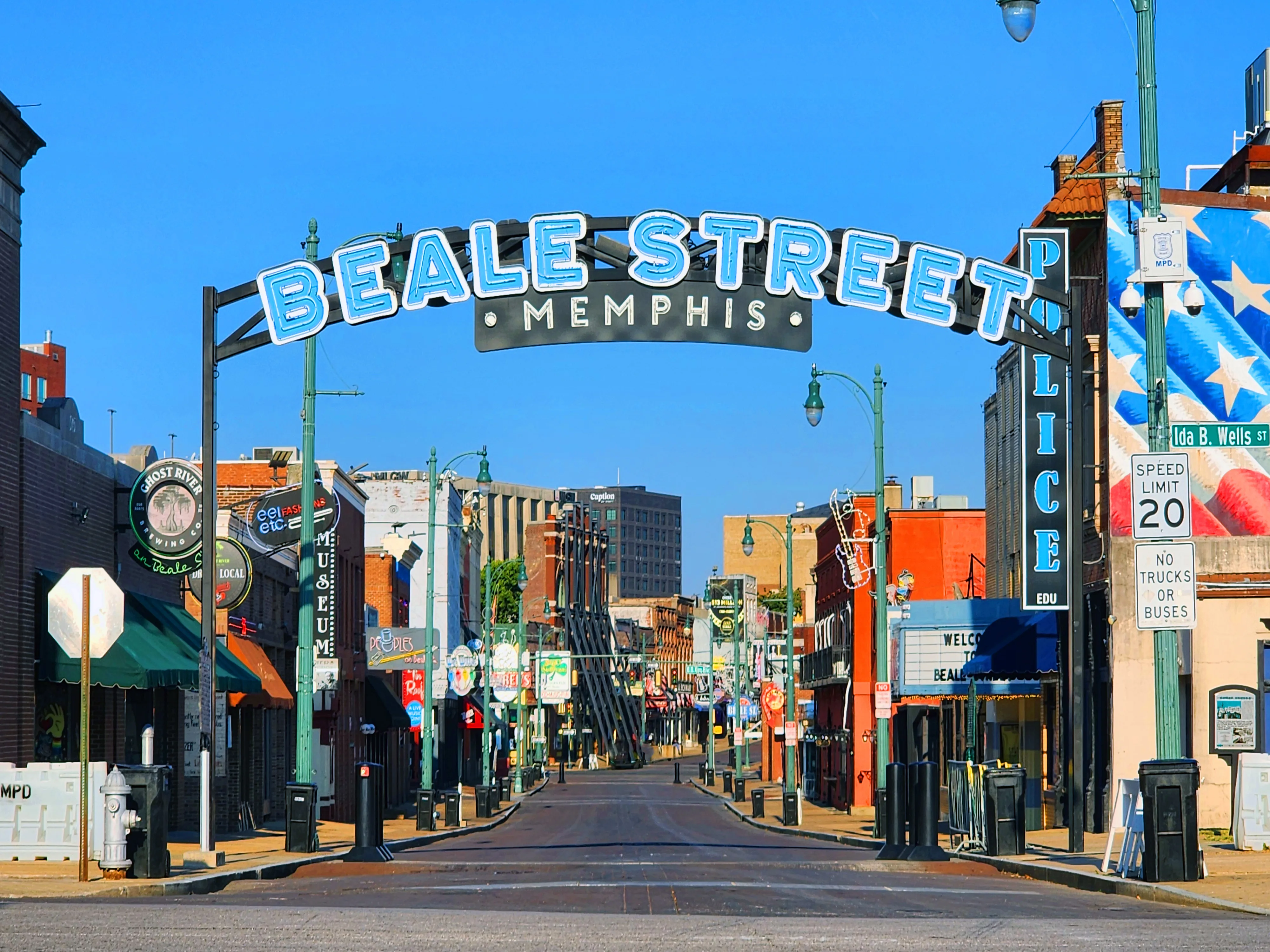
Best Neighborhood by Buyer Type
| Buyer Type | Best Neighborhood | Why |
|---|---|---|
| First-Time Buyer | Whitehaven | Below the city median price, recent affordable-housing investment, and a suburban layout that gives new owners room to build equity. |
| Luxury Buyer | East Memphis | The strongest price tier in the city, with large wooded lots, proximity to the Memphis Botanic Garden, and an established professional community. |
| Walkability Seeker | Midtown | Cooper-Young, Overton Square, and Broad Avenue Arts District put restaurants, coffee, and live music within walking distance of most front doors. |
| Families with Kids | Cordova | Newer construction, large homes, and the suburban school options that draw families who want Memphis prices without surrendering a suburban-style environment. |
| Commuters | Raleigh | Mid-city location with interstate access cuts the trip in most directions while keeping costs at the city median. |
| Large-Lot Buyers | Cordova | Newer subdivisions here rank among the highest in the metro for four-or-more-bedroom homes on generous lots. |
| Renters | Midtown | The widest variety of historic apartments and rental bungalows in the city, in a walkable environment that doesn't require a car for daily life. |
Looking to buy in Memphis? Estimate your payment.
Enter your numbers to see an estimated monthly mortgage payment.
Estimate only. Excludes HOA fees and mortgage insurance. The interest rate above is a starting point, not a quoted rate — replace it with your own to see real numbers. Insurance is a flat placeholder, not a Memphis quote.
Beyond the Monthly Mortgage Payment — What to Factor In
- The property tax rate above — The 0.59% used in the estimate is the median effective rate — tax actually paid as a share of market value — published by Ownwell, 2026. Half of local homes pay more and half pay less: your own bill depends on that property's assessed value and any exemptions it qualifies for, which can differ a lot from its market price. Confirm with the Shelby County assessor before you budget.
- Total cost of ownership — Your monthly mortgage payment is just the baseline. Depending on the specific city, county, and service district, homeownership costs also include local utility fees, municipal surcharges, and special assessments (such as water, sewer, storm drainage, or local energy taxes) that vary by location.
- Independent due diligence — Because these recurring local costs and municipal fees change depending on the exact property address, buyers must research them independently during their transaction process.
Tax laws, local municipal fees, and utility costs change frequently and individual situations vary. This page is general information, not tax or legal advice — always consult a qualified tax professional, CPA, or local municipal offices for personalized guidance.
Most Popular Neighborhoods
East Memphis
East Memphis is the city's established residential benchmark — tree-lined streets, the 11-mile Shelby Farms Greenway connecting residents to Shelby Farms Park, and the Memphis Botanic Garden's 96 acres a few minutes from most front doors. Theatre Memphis, operating since 1921, keeps the cultural calendar active year-round. Homes here run above the city median, and buyers coming from markets like Germantown or Collierville will find East Memphis noticeably more affordable while offering comparable residential character. The trade-off is that school zones still fall under Memphis-Shelby County Schools, so families who want the neighborhood's lifestyle without the district's academic profile often end up paying private tuition on top of an above-median purchase price.
Best for: Established families, professionals relocating from higher-cost metros, buyers who want park access and cultural amenities in a traditional residential setting.
Midtown
Midtown is where Memphis feels most like a walkable urban neighborhood — Cooper-Young and Overton Square anchor a stretch of independent restaurants, coffee shops, and live music venues that has no real equivalent elsewhere in the city. Homes here are predominantly early-to-mid-twentieth-century bungalows and Craftsman houses, priced below the city median, making Midtown one of the more accessible entry points into historic Memphis housing stock. The honest trade-off is deferred maintenance: many of these homes carry decades of renovation needs, and buyers who skip a thorough inspection routinely discover that what looked like a deal carries a serious repair backlog.
Best for: First-time buyers who want urban on-foot access, renters considering a first purchase, arts and culture-oriented households, remote workers who want a neighborhood with daytime energy.
Whitehaven
Whitehaven is Memphis's largest neighborhood and one of its most distinctly suburban — a broad residential expanse connected to the city center and Memphis International Airport via I-55. Graceland sits here, a National Historic Landmark that brings consistent visitor traffic to the neighborhood's commercial strips. Homes price below the city median, and a 2025 City of Memphis initiative delivered ten new affordable homes in the Whitehaven Hills area, signaling active public investment in the neighborhood's housing stock. The catch is that some sections of Whitehaven have seen disinvestment over the past two decades, and block quality varies enough that buyers should research specific streets before making an offer.
Best for: First-time buyers prioritizing space and suburban layout, buyers who want below-median pricing with easy airport access, households comfortable doing block-level research before committing.
Cordova
Cordova is the growth story in Memphis real estate — a community of more than 68,000 residents with newer subdivisions, large four-bedroom homes, and a commercial base that has expanded steadily over the past two decades. Homes price above the city median, and the housing stock is predominantly post-2000 construction, which means fewer deferred-maintenance surprises than in older Memphis neighborhoods. Community planning priorities as of fall 2025 include mixed-use development, pedestrian safety improvements, and expanded amenities for youth and seniors, suggesting continued investment. The friction point: Cordova's growth has made the main east-west corridor a predictable congestion stretch during peak hours, and the neighborhood's suburban layout means almost every errand requires a car.
Best for: Families with kids wanting newer construction and larger homes, buyers relocating from other suburban markets, households prioritizing square footage over on-foot access.
Frayser
Frayser sits in North Memphis with a housing stock built largely between 1940 and 1969 — mid-century construction on established streets with the kind of lot sizes that have largely disappeared from newer Memphis developments. Homes here price below the city median, making Frayser one of the more affordable entry points in the city for detached single-family ownership. The neighborhood has a genuine community advocacy culture, with residents actively organizing around homeownership, schools, and local services. The real trade-off is that Frayser requires the most diligent block-by-block research of any neighborhood on this list — conditions range significantly street to street, and buyers who treat it as uniform will be disappointed.
Best for: Budget-conscious buyers who want a detached single-family home, investors with renovation experience, households with strong ties to North Memphis's existing community networks.
Raleigh
Raleigh offers a mid-city suburban feel at a price point that sits right at the city median — affordable for what it delivers, without the entry-level compromises that come with Frayser or South Memphis. The neighborhood has parks, schools, and a residential character that attracts families who want suburban convenience without driving to the outer edges of Shelby County. Commutes from Raleigh to major employment centers benefit from interstate access, keeping drive times manageable. The trade-off is that Raleigh doesn't generate the buzz that East Memphis or Midtown do — it's a practical choice rather than a destination neighborhood, and buyers who want on-foot amenities or cultural energy will find this a quieter proposition.
Best for: Commuters, buyers prioritizing value at the city median, households who want suburban residential stability without paying above-median prices.
Downtown Memphis
Downtown Memphis sits on the Mississippi River and delivers the densest walkable experience in the city — Beale Street, the National Civil Rights Museum, Mud Island River Park, and Big River Crossing are all accessible on foot from most residential addresses here. Housing is predominantly condos and lofts, and MATA bus lines and the Main Street Trolley provide transit connections. Memphis Central Station links to the Amtrak route between Chicago and New Orleans. The trade-off is that this is urban living in a city that still has urban-core challenges — parking, noise, and the specific texture of a neighborhood still finding its residential footing after decades of disinvestment and reinvestment cycles.
Best for: Renters testing the city before buying, buyers who want a cultural urban lifestyle and can live without a yard, professionals working in or near Downtown.
South Memphis
South Memphis carries some of the deepest cultural significance in any American neighborhood — the Stax Museum of American Soul Music grounds it in the history of a sound that traveled worldwide, and proximity to Graceland ties it to the city's rock-and-roll identity as well. The residential fabric here is genuinely mixed, with older housing stock and a neighborhood that is more actively discussed in community development circles than in mainstream buyer conversations. Buyers considering South Memphis should approach it with clear intentions and specific local knowledge rather than treating it as a uniform area.
Best for: Buyers with specific community ties, investors engaged in neighborhood revitalization, households drawn by cultural and historical significance rather than purely residential metrics.
Common Mistakes Buyers Make in Memphis
Treating the City-Wide Price as the Starting Point
The typical Memphis home price as of August 2026 is $145,335 — but that figure describes East Memphis and Cordova (both above the median) and Frayser (below it) as if they're in the same conversation. Buyers who anchor to the city-wide number and then tour across multiple neighborhoods end up confused when they can't find what they expect at the price they expect. Start with the neighborhood tier, then talk price with a local agent who knows the specific streets.
Ignoring School Boundaries Until It's Too Late
Memphis-Shelby County Schools boundaries are not the same as neighborhood boundaries, and the specific school an address feeds can change the daily reality of family life here considerably. Buyers regularly fall in love with a house in a desirable pocket of Whitehaven or Midtown, then discover that the school assignment doesn't match the neighborhood's overall reputation. Confirm the exact school assignment for any address before making an offer — not after it.
Underestimating Peak-Hour Congestion in Cordova
Cordova buyers who work anywhere west of their neighborhood quickly learn that the main east-west corridor moves very differently at 8 a.m. than it does on a Saturday afternoon. The drive time is not the same as the commute time. If your employment is in the medical district near Downtown or in a Midtown office, the daily reality of that corridor during peak hours is worth experiencing before you sign — not just estimating on a mapping app.
Chasing Square Footage Over Location Quality in Frayser
Frayser's below-median prices and mid-century lot sizes attract buyers who are optimizing for space per dollar, which is a reasonable goal in isolation. The mistake is buying based on the house alone without walking adjacent streets and researching specific blocks. Frayser is not uniform — some sections have strong homeownership rates and active community investment, and others don't. A large house on the wrong block in Frayser is a more expensive proposition than it first appears, once resale and carrying costs are considered.
Best Areas to Rent in Memphis
| Area | Ideal For | Trade-off |
|---|---|---|
| Midtown | Young professionals, creatives, anyone prioritizing on-foot access and cultural energy | Older building stock means more unit-to-unit variation in quality; do your walkthrough carefully |
| East Memphis | Relocating professionals, families wanting a quieter residential rental with park access | Rental inventory is smaller than Midtown or Downtown; availability moves quickly |
| Downtown Memphis | Urban renters, workers based in the city center, people who want to try Memphis before buying | Parking costs and urban noise are real factors; the neighborhood is still building residential density |
| Cordova | Families wanting newer construction rentals, households relocating from suburban markets | Car-dependent by design; almost no on-foot errands, and the rental market here skews toward single-family homes rather than apartments |
| Whitehaven | Budget-focused renters who want space and a suburban layout close to the airport | Block quality varies significantly; research specific addresses rather than relying on neighborhood-level reputation |
Memphis ranks among the more accessible large-city rental markets in the South — see the full breakdown on the cost of living page. Midtown consistently draws the widest pool of renters given its on-foot access and inventory variety, while Cordova draws households who want the suburban rental experience without committing to a purchase in a market they're still learning.
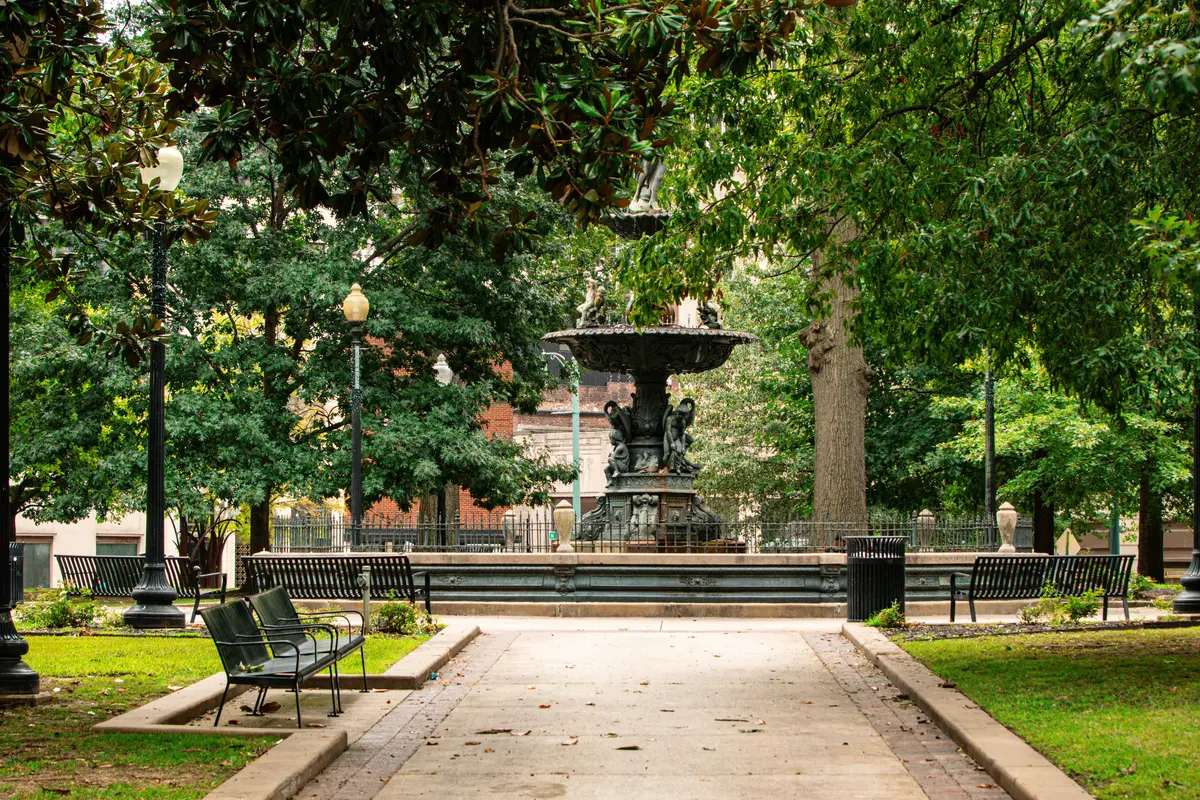
Local Expert Takeaway: Memphis's neighborhood map rewards buyers who do the work before they fall in love with a house. The gap between East Memphis and Frayser — in price, school assignment, on-foot access, and daily texture — is wider than in most American cities of comparable size. If you're relocating for FedEx, St. Jude, or AutoZone, East Memphis and Cordova are where most families land, and for good reason. If you're budget-conscious and willing to research blocks individually, Frayser and Whitehaven offer detached single-family ownership at a price point that barely exists in other major Southern metros. Midtown is the answer for anyone who wants urban character — Cooper-Young and the Broad Avenue Arts District deliver what many larger cities charge a premium for. Whatever your target, confirm the school zone and walk the specific block before you make an offer. Those two steps eliminate the most common regrets.
Quick Takeaways & FAQs
✅ Memphis's typical home price as of August 2026 sits low enough that households earning the local median income can realistically qualify — a rare situation in today's housing market.
⚠️ School boundary research is non-negotiable here: Memphis-Shelby County Schools district lines don't follow neighborhood lines, and the specific assignment for an address can change the calculus entirely for families with kids.
📍 Midtown's Cooper-Young and Broad Avenue corridors give Memphis one of the most genuinely walkable urban neighborhoods in the mid-South — something newcomers from larger cities often don't expect to find at this price point.
What is the safest neighborhood in Memphis?
Which Memphis neighborhood is best for families with kids?
Is Midtown Memphis a good place to buy a home?
How does Cordova compare to Germantown or Bartlett for buyers?
What should I know about renting in Downtown Memphis?
Moving to Tennessee?
Tell us what you need help with and we'll connect you with local resources.
