About Ali

What the Numbers Don't Tell You About Monmouth
The citywide typical home price of $480,666 (July 2026, Zillow Home Value Index) is accurate as far as it goes — but it flattens a market that has real texture. Entry-level inventory in Monmouth runs well below that figure: older ranches and smaller homes near the Southeast 99W corridor, some manufactured housing, and the occasional fixer near the university. The upper end of the market, particularly the larger craftsman-style homes in Edwards Addition and the better-maintained properties near the WOU campus, sits noticeably above the citywide figure.
The effective property tax rate of 0.82% is genuinely low by Willamette Valley standards. On a home priced near the city median, that rate translates to one of the more manageable ongoing ownership costs you'll find in this part of the state — and that matters when you're doing the full math on a purchase.
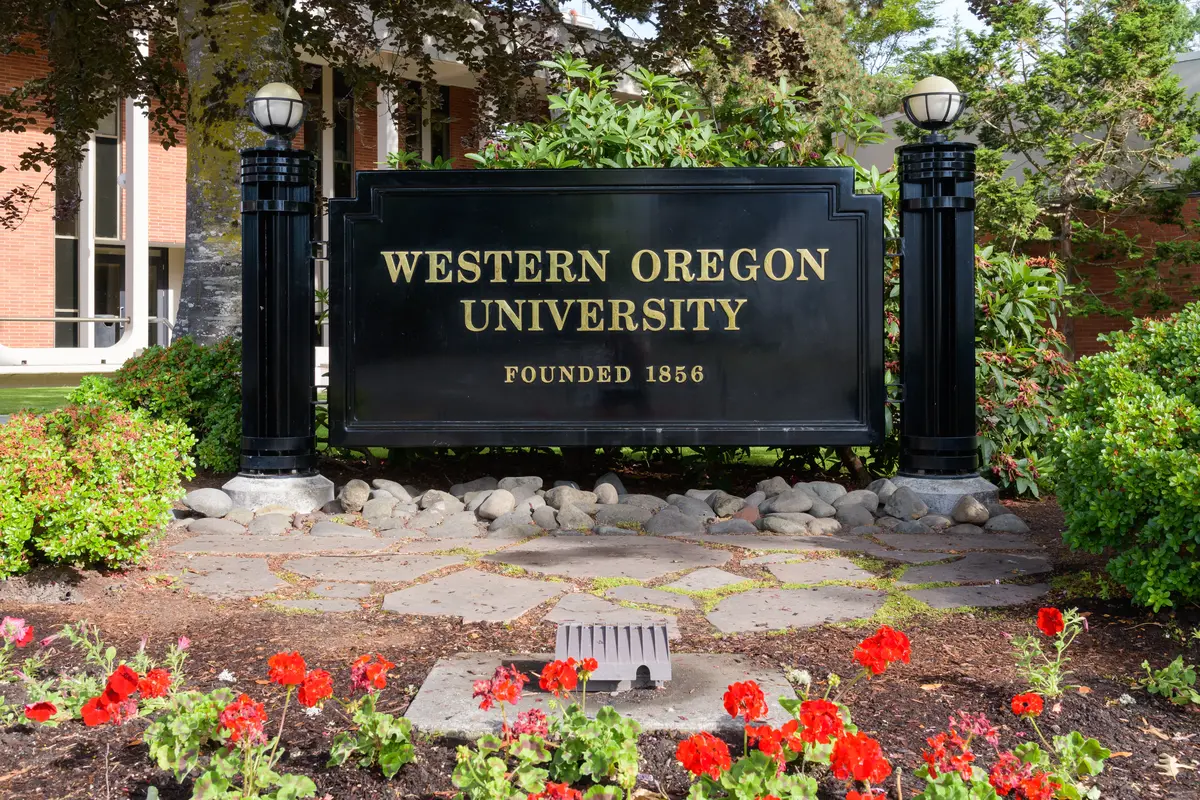
What no number tells you is that Monmouth runs on Western Oregon University. WOU was founded in 1856 — Oregon's oldest public university — and a July 2026 economic-impact study found that the state's investment in WOU returns $766.2 million annually. That university is not background scenery; it's the primary economic engine, the reason the housing market has a floor, and the reason this town has coffee shops, a functioning downtown, and a pedestrian culture that wouldn't exist otherwise. Campbell Hall on campus, built in 1871, is the oldest surviving building in Oregon's entire public higher education system. When I tell buyers that Monmouth is a university town, I mean that structurally, not just atmospherically.
One thing I'm candid about with every buyer: the median household income here, at $69,170, falls short of what's typically needed to purchase at the city median without a substantial down payment. That gap is real, and it's why I see a lot of buyers here coming with equity from a prior sale, a dual income, or a specific down-payment strategy already in place.
Monmouth Neighborhoods: Where You Land Matters
Monmouth is a small city — 11,428 people — but the six neighborhoods I work in regularly feel meaningfully different from one another. Getting the neighborhood right is the first decision, and I spend a lot of time on it with buyers before we ever look at a listing.
Western Oregon University Area
The blocks immediately surrounding the WOU campus have the highest on-foot access in the city. You can walk to Grain Station Brew Works, to the Cultural Harvest Collective market, and across to the Historic Downtown core without getting in a car. The housing stock here is older and ranges from well-maintained craftsman homes to smaller rentals. Buyers who value a walkable lifestyle and don't mind the rhythms of a university neighborhood — more foot traffic, student-adjacent noise during the academic year — land here happily.
Best for: Walkable streets First-Time Buyers
Edwards Addition
This is the neighborhood I point buyers toward when they want established Monmouth with a quieter feel. The lots are more generous, the housing stock trends toward mid-century and newer ranches with mature landscaping, and the community character is stable. It's not the flashiest neighborhood in the Willamette Valley, but buyers who move here tend to stay.
Best for: Families Quiet
Downtown / Historic Downtown Monmouth
The downtown core is genuinely revitalizing — most storefronts have been updated while keeping their historic bones, and the walkability to campus and local businesses is real. I see buyers here who want to feel connected to the community texture rather than isolated in a subdivision. The housing options near downtown tend to be older, often with some updating needed, but the location premium is real and the trajectory is positive.
Best for: Walkable streets Investors
Ash Creek Corridor
Running along the natural area and trail system, this part of Monmouth draws buyers who want proximity to the outdoors woven into their daily routine. The Ash Creek Natural Area has active habitat restoration underway, and the pedestrian bridge that connects Monmouth to Independence's Willamette River Trail is walkable from here. It's one of the most underappreciated location advantages in the city.
Best for: Nature Views
Southeast Monmouth (Hwy 99W Corridor)
This is where you find the most accessible price points in the city. The housing mix is broader here — smaller homes, some manufactured housing at Monmouth Mobile Estates, and properties that reflect the practical, working end of the market. Buyers on a tighter budget who need to get into homeownership often start their search here. The trade is that 99W itself generates traffic noise in places, and some properties need work.
Best for: Value First-Time Buyers
Monmouth Mobile Estates
Manufactured housing here serves buyers who need the lowest entry point into Monmouth ownership. It is a different ownership structure — land-lease versus fee-simple — and I walk buyers through exactly what that means for financing and resale before they get attached to a listing. It's the right answer for some buyers and the wrong one for others, and that conversation happens early.
Best for: Value Budget Buyers
Schools in Monmouth: What I Tell Buyers
Monmouth and adjacent Independence are served by Central School District 13J — a single district that the two cities share, along with fire services and many community events. With 2,951 students enrolled in 2025-26, it's a district where your child is unlikely to get lost in the crowd, but it's also a district where resources are more constrained than in a larger suburban system.
The state assessment picture is something I share directly: on 2024-25 state assessments, 19% of students reached math proficiency and 32.3% reached reading proficiency, according to figures the Oregon Department of Education publishes. Those numbers are below state averages, and I don't soften that for buyers who are prioritizing academic performance. Some families take that data and decide Monmouth isn't their fit. Others look at the district's size, the community investment around WOU, and the individual school campuses, and decide the tradeoffs work for them — especially when they're also weighing housing costs against what they'd pay in a higher-performing district's boundaries.
The district supports active OSAA athletics programs, and the Monmouth-Independence community takes its Friday night traditions seriously. That civic engagement around schools is real, even when the test score picture is complicated.
What I always tell buyers who are serious about Monmouth: do your own due diligence on the schools. Confirm the assigned school for any specific address directly with the district — boundaries can shift — and review the data the Oregon Department of Education publishes on their own portal. Don't rely on any third-party summary, including this one, for the final call on schools.
Families with children at WOU-connected households sometimes find that the university's presence creates an unusually rich set of enrichment opportunities — lectures, arts events, sports — that supplement what the K-12 system offers. That's not a substitute for strong test scores, but it's worth naming as part of the full picture.
Looking to buy in Monmouth? Estimate your payment.
Enter your numbers to see an estimated monthly mortgage payment.
Estimate only. Excludes HOA fees and mortgage insurance. The interest rate above is a starting point, not a quoted rate — replace it with your own to see real numbers. Insurance is a flat placeholder, not a Monmouth quote.
Monmouth vs Nearby Cities
| City | Typical Home Price | Typical Rent | Cost vs Monmouth |
|---|---|---|---|
| Monmouth (this city) | $480,666 | $1,473/mo | — |
| Independence | $430,520 | $1,945/mo | 10% lower |
| Dallas | $481,280 | $1,569/mo | About the same |
| Salem | $440,726 | $1,584/mo | 8% lower |
Source — home prices: Zillow ZHVI, July 2026; rent: Zillow ZORI, July 2026. Nearby-city figures are the same series, refreshed together.
The comparison I run most often is Monmouth against Salem, because that's where the majority of buyers landing in Monmouth are coming from — or are considering instead. Salem sits about 20 minutes away on 99W, and what you give up in proximity to Salem's full range of employment, retail, and services, you get back in price and pace. Salem's typical home price runs somewhat lower than Monmouth's citywide figure, which surprises a lot of buyers — Salem has entry-level inventory in older and outlying neighborhoods that pulls its median down, while Monmouth's smaller inventory keeps things tighter. The meaningful difference is character: Salem is a capital city with the friction and energy that brings; Monmouth is a university town of 11,428 people where you know your neighbors.
Independence is the comparison buyers think about least and should think about most. The two cities function as a de facto twin community — shared school district, shared fire services, connected by the pedestrian bridge over Ash Creek — and typical home prices in Independence run somewhat lower than Monmouth's. If you're price-sensitive and the school district serves both communities equally, there's a real question about which side of the city line makes more sense for your budget. I walk buyers through that comparison regularly.
Dallas sits about the same price level as Monmouth, which again surprises buyers who expect a smaller city to be cheaper. Dallas has its own character — more agricultural in feel, a different employment base — and a regional hospital serves that corridor, about 7 miles from Monmouth. For some buyers, Dallas's layout suits them better; for others, the WOU-anchored energy of Monmouth is what they came for.
Rickreall and Suver are small communities nearby that occasionally come up when buyers are exploring rural acreage options. They serve a different buyer profile entirely — someone who wants land and rural quiet rather than a walkable university town with a downtown and local amenities. If that's what you're after, they're worth a look; if you came to Monmouth for the community texture, they won't deliver the same thing.
Daily Life in Monmouth: The Honest Picture
The first thing people notice after moving to Monmouth is how small it actually is. That sounds obvious, but the lived experience of it — running into the same people at the Cultural Harvest Collective market, seeing students cross campus every morning, knowing that the whole community gathers at Monmouth City Park in summer — takes some adjustment if you're coming from a larger metro. Most buyers who've been here two years wouldn't trade it. Some people want more urban infrastructure and know it by month six.
Getting around Monmouth itself is easy without a car if you're near the university or downtown core. The WOU campus and the Historic Downtown are genuinely walkable and connected. The pedestrian bridge to Independence opens up the Willamette River Trail — a 5K soft-surface loop that draws walkers, cyclists, and birdwatchers — and Riverview Park's disc golf, sports fields, and river access. Beyond that core, a car is a practical necessity.
Monmouth has something unusual for a small Oregon city: fiber-optic internet through MINET, the locally owned telecom provider, with speeds up to one gigabyte for residents. For remote workers, that's not a minor detail — it's often the deciding factor in whether small-town Oregon is viable as a home base. I mention it early because I work with more remote-working buyers in this market than almost anywhere else in the Valley.
The city also sits on the edge of the Eola-Amity Hills wine appellation, surrounded by some of the most productive hop farms in the country. Weekend access to Willamette Valley wine country is genuine, not aspirational. For buyers who care about that, Monmouth is better positioned than most of the towns at this price point.
One piece of local history that comes up in almost every buyer conversation: Monmouth was the last dry city on the West Coast, with alcohol prohibited within city limits for over 100 years until 2002. Long-time residents still reference it. It tells you something about the community's civic identity — measured, a little proud of its distinctiveness, and more interesting than a comparable city of 11,428 would otherwise be.
Safety and Crime Context
Buyers ask me about safety, and I give them the actual numbers. Monmouth has a violent crime rate of 1.29 per 1,000 residents and a property crime rate of 9.17 per 1,000 residents. The state violent rate is 3.3 per 1,000 and the national violent rate is 3.7 per 1,000; the state property rate is 24.5 per 1,000 and the national property rate is 18.4 per 1,000 (Crime Known to Law Enforcement, 2024). Monmouth's crime rates sit well below state and national benchmarks on both measures. That's the full picture, and buyers can draw their own conclusions from it.
Weekends and Local Favorites
One of the best tests of a town is what Saturday morning looks like. In Monmouth, it usually involves something happening around the WOU campus or the downtown core, and often both at once.
For coffee, buyers who move here end up with genuine options: The Sippery Coffee Co. and Bugles Espresso both have local regulars; Habebah Coffee & Mediterranean Cuisine brings a completely different flavor profile to the mix; Luna's Cafe has a following; and Sonny's Coffee and Plants is one of those places that feels particular to this town in the best way. Dutch Bros Coffee anchors the fast-lane end of the morning for people who want drive-through speed. I tell buyers: you will not be driving to Salem for a decent cup of coffee.
Grain Station Brew Works is the gathering spot that comes up in nearly every buyer conversation about the dining scene — a brewpub that functions as a community living room in the way only a well-run local spot can. Yeasty Beasty fills a different niche, and Sing Fay Restaurant & Lounge has been a Monmouth fixture for long enough that it's become part of the local identity. Rookies Sports Tap Monmouth Bar is where you end up when there's a game on and you want to watch it with a crowd that actually cares.
The Cultural Harvest Collective farmers market connects residents directly to the Willamette Valley's agricultural abundance — local produce, local makers, the kind of market that reflects the farming country surrounding this city rather than importing a generic market concept.
Monmouth City Park is where the community physically gathers, and the Ash Creek Natural Area gives residents a genuine riparian corridor to walk and watch wildlife in. The pedestrian bridge to Independence isn't just a trail connection — it's how Monmouth residents access Riverview Park, the Willamette River, and a full afternoon outdoors without getting in a car.
What I tell buyers who ask about nightlife or a broader entertainment calendar: this is not a city with a packed events roster independent of WOU. When the university is in session, there is real energy — arts events, athletics, lectures open to the community. Outside of that rhythm, Monmouth is quiet in the evenings. Salem is about 20 minutes away for anyone who needs more. Buyers who resist that honestly tend to struggle here; buyers who embrace the pace tend to stay for years.

Final Advice From Ali
Quick Takeaways & FAQs
✅ Monmouth's fiber-optic internet through locally owned MINET — with speeds up to one gigabyte — makes it one of the most remote-work-ready small cities in the Willamette Valley.
⚠️ The school district's 2024-25 state assessment scores run below state averages, and the median household income falls short of what's typically needed to buy at the city median — both deserve honest consideration before committing.
📍 Monmouth and Independence function as a twin community sharing a school district and connected by a pedestrian bridge — buyers should explore both city limits before deciding where to make an offer.
What is the commute from Monmouth to Salem actually like day to day?
How are the schools in the Central School District, and what should I know before moving here with kids?
Which neighborhoods in Monmouth are best for families with kids?
What does $480,000 actually buy you in Monmouth right now?
What surprises people most after they've lived in Monmouth for six months?
How does Monmouth compare to Independence — should I be looking at both?
How fast do homes move in Monmouth, and what should I be prepared for as a buyer?
Is Monmouth a good fit if I'm choosing between here and Salem?
Moving to Oregon?
Tell us what you need help with and we'll connect you with local resources.
