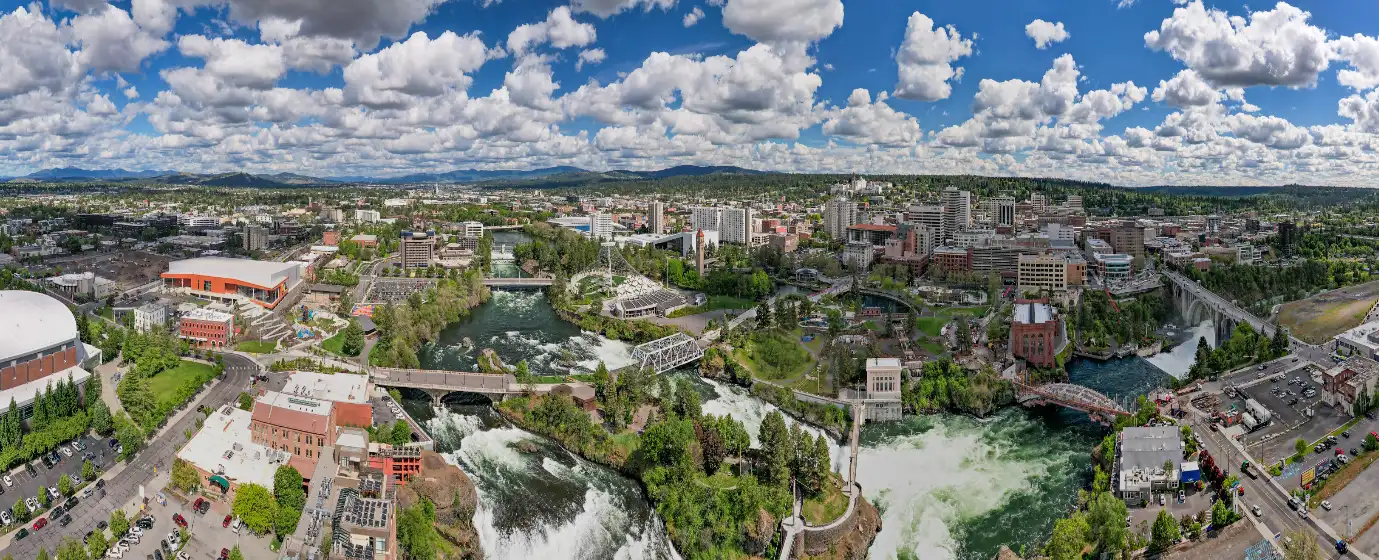
What Is Living in Spokane Valley, Washington Like?
Most people who move to Spokane Valley from western Washington say the same thing in month three: they had no idea they'd actually prefer it here. They expected a flat, sprawling suburb east of the mountains. What they found instead was a city of 108,235 people with its own economy, its own identity, and a median home price that made their previous mortgage look like a punchline. Spokane Valley runs along I-90 about six miles east of downtown Spokane, stretching from the Spokane River in the north toward the rolling hills of the South Side — and the freeway isn't just a commute route, it's the city's organizing spine. Everything here orients around it, for better and occasionally for worse.
The economic backbone is more industrial than people expect. Kaiser Aluminum's Trentwood rolling mill has anchored the northeast corner of the city for generations, and Wagstaff Inc. — a maker of specialized casting machinery with customers across the aluminum industry worldwide — is headquartered here too. Numerica Credit Union runs its operations center in Spokane Valley, and the Central Valley School District holds a B+ rating, according to Niche, making it one of the larger and better-regarded districts in eastern Washington — it employs thousands and draws educators who want district stability. Mercer Mass Timber is investing $30 million in a 270,000-square-foot cross-laminated timber facility at a former manufacturing site. The workforce is younger than you'd expect — the median resident age is 38.3 — and the median household income of $74,042 reflects a community built around skilled trades, healthcare support, education, and professional services.
On cost, Spokane Valley is among the more accessible markets in Washington State. Homes here can cost noticeably less than comparable properties in western Washington — which is why so many people priced out of the Seattle corridor end up here and stay. The Centennial Trail runs 40 miles along the Spokane River and connects all the way to the Idaho border, where it links up with the North Idaho trail toward Coeur d'Alene. Dishman Hills Natural Area sits on the South Side for those who want actual wilderness within city limits. The Spokane Valley Mall anchors daily retail on Sprague Avenue, and for events and gatherings, CenterPlace Regional Event Center at Mirabeau Point Park handles everything from weddings to community meetings.
Whether you're being relocated here for work, escaping western Washington prices, or simply exploring what life looks like in the Inland Northwest, the sections below break down Spokane Valley's job market, daily life, housing, commute reality, and weekend options — with the honest details that don't usually make it into a brochure.
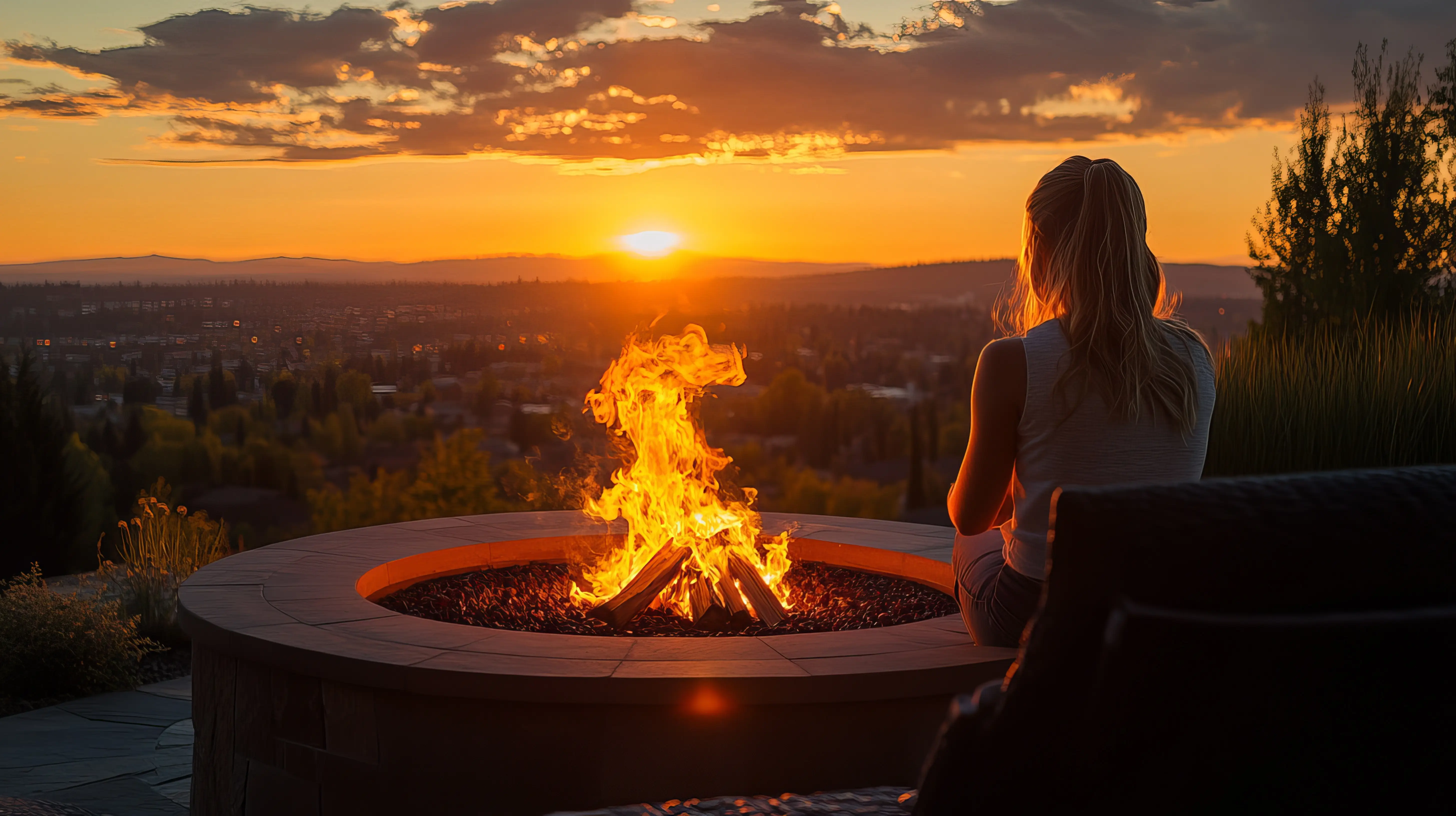
Spokane Valley at a Glance
Looking to buy in Spokane Valley? Estimate your payment.
Enter your numbers to see an estimated monthly mortgage payment.
Estimate only. Excludes HOA fees and mortgage insurance. The interest rate above is a starting point, not a quoted rate — replace it with your own to see real numbers. Insurance is a flat placeholder, not a Spokane Valley quote.
Why Are People Moving to Spokane Valley?
The case for Spokane Valley is easy to make on a spreadsheet. The case for it becomes even stronger once you've actually lived here for a season.
The Industrial Foundation That Still Delivers
Spokane Valley is the ninth-largest city in Washington State, and its economy punches above its population. Kaiser Aluminum Trentwood is not a relic — it remains one of the largest aluminum rolling operations in North America and a significant employer of skilled trades workers. Wagstaff Inc., which designs and builds casting equipment for aluminum plants globally, is headquartered here and represents the kind of precision manufacturing that doesn't relocate easily.
Mercer Mass Timber's $30 million investment at its 270,000-square-foot facility — backed by a Washington State Strategic Reserve Fund grant — signals that the city is actively adding manufacturing capacity, not shrinking it. That facility is expected to add approximately 50 manufacturing jobs as it ramps up operations. These are the kinds of jobs that come with wages rather than gig-economy variability.
Why the Broader Metro Context Matters
Spokane Valley sits inside the Spokane–Coeur d'Alene corridor, a combined metro of more than 788,000 people. That scale means access to a regional job market — healthcare, logistics, retail management, education, financial services — without the cost structure of a major metro. Numerica Credit Union, one of the larger credit unions in the Pacific Northwest, runs significant operations here. The Central Valley School District is a major employer in its own right, drawing educators and administrators who want district stability.
Washington State's business climate — no state income tax, streamlined permitting, and a ranking among the top ten states for business by CNBC in 2024 — makes Spokane Valley a genuine landing spot for small manufacturers and regional operations looking for affordable square footage and a workforce that already knows how to show up.
Who Actually Moves Here
| Buyer Type | Why Spokane Valley Works | Best Fit |
|---|---|---|
| Skilled trades workers | Direct employment at Kaiser Aluminum, Wagstaff, Mercer Mass Timber | Value |
| Families with school-age children | Central Valley School District's strong district rating, lower home prices than Spokane proper | Families School |
| Western WA transplants | Dramatically lower home prices; no state income tax stays the same | First-Time Value |
| Remote workers / hybrid commuters | 15-minute drive to downtown Spokane; quiet residential corridors | Commuter Quiet |
| Outdoor-focused buyers | Centennial Trail access, Dishman Hills, easy reach of the Selkirk Mountains | Nature |
| Retirees on fixed income | No state income tax, lower home prices, regional healthcare access | Value Quiet |
The city's population grew 5.72% from the 2020 Census, adding roughly 5,600 residents in four years — steady growth rather than a boom-and-bust cycle.
What Daily Life Feels Like in Spokane Valley
The Geographic Reality
Spokane Valley is not a walkable city in the traditional sense. Sprague Avenue is the main commercial spine — a long, car-oriented corridor with big-box retail, fast food, and the Spokane Valley Mall — and most daily errands happen by car. That's not a complaint from most residents; it's just the honest shape of the place.
What surprises newcomers is how uncrowded it feels compared to cities of similar size. There's space here. The subdivisions in Greenacres and Veradale have yards. The South Side has actual hills and views. Pasadena Park and Trentwood, closer to the river, carry a slightly older, more established character that feels nothing like the newer developments to the east.
Where Locals Actually Gather
Mirabeau Point Park — anchored by CenterPlace Regional Event Center — functions as the city's genuine public square. Families with kids spend summer weekends at the spray pad and along the river-adjacent trails. The Plantes Ferry Sports Complex draws youth league competitions on weekends from across the region, which means the Sprague-to-Sullivan corridor can clog up on Saturday mornings when multiple tournaments run simultaneously. It's a seasonal rhythm that catches newcomers off guard their first spring.
For a post-run coffee or a quieter afternoon, Beans and Berries Café on Mullan Road opened in June 2025 and fills a gap on that side of the city for a juice bar and café option that isn't a chain. For evenings, YaYa Brewing Company on E Montgomery Drive is the kind of neighborhood taproom where people bring dogs and stay longer than they planned — it recently expanded its taproom space, and it's become a reliable community anchor on that side of the Valley.
Seasons and What They Actually Mean
Spokane Valley gets four real seasons. Winters bring snow and occasional stretches of below-zero wind chills — the I-90 corridor between here and the Idaho border can ice up fast, and the first significant snowfall of the year always catches a few people who moved from coastal Washington without buying good tires. Summers are long, dry, and genuinely warm, with July highs in the upper 80s and smoke from regional wildfires becoming a near-annual presence in August. Spring and fall are the best-kept secrets: clear skies, moderate temperatures, and the Centennial Trail at its most stunning.
Air quality during wildfire season is the con nobody leads with when they're trying to recruit you. It's real, and it matters. Longtime residents check the air quality index the way coastal residents check the rain forecast.
What Schools Look Like Day-to-Day
The Central Valley School District serves most of Spokane Valley and is one of the stronger districts in eastern Washington — for a fuller picture of boundary lines, specific schools, and current test score trends, see the Spokane Valley schools guide. What daily life reflects is a district that's grown with the city and invested in facilities, with school choice and magnet options that parents in newer subdivisions research carefully before buying.
The Spokane Valley Housing Market Right Now
Three different data sources tell slightly different stories about Spokane Valley home prices right now, and understanding why is worth a moment. The Zillow Home Value Index (ZHVI) — a smoothed valuation model — puts the city at $399,691 as of mid-2026. The Redfin median sale price for the three months ending May 2026 was $430,000, essentially flat year-over-year (down 0.29%). The Spokane Realtors Association reported a median sale price of $458,645 for March 2026 specifically. None of these figures contradict each other — they measure different things at different windows — but together they paint a picture of a market in the mid-$400s for recent transactions, with the smoothed index slightly below that.
For a full breakdown of what those prices mean by area and housing type, the Spokane Valley cost of living page goes deeper. What this summary tells you is that the market has stabilized after the run-up of 2021–2023. Homes are moving — the average days on market was 26 as of spring 2026 — but the frenzied multiple-offer environment has eased significantly.
What the Market Pace Feels Like
Twenty-six days on market is not slow, but it's also not the weekend-offer-deadline frenzy that defined 2022. Buyers have time to do inspections. Sellers have to price honestly. It's a more functional market than the one that scared off a lot of people two years ago.
New construction is still happening — a 42-unit apartment complex on the Mason site broke ground in mid-2025, valued at $8.5 million — which tells you developers still see absorption demand here. Some parts of the city feel considerably more affordable than others, and that variation is real, but the specifics live on the best neighborhoods page rather than here.
The Western Washington Comparison
If you're coming from the Seattle metro, the King County Eastside, or even Bellingham, Spokane Valley prices will read as dramatically more accessible — not slightly cheaper, but a different category of affordability entirely. The no-state-income-tax advantage of Washington State follows you here, which isn't always true when people move to Idaho or Oregon looking for relief.
Spokane Valley Neighborhoods
Spokane Valley has several distinct areas — each with its own character and appeal. Here’s a breakdown to help you narrow down where to focus your home search.
🏡 Pasadena Park
One of the older, more established corners of Spokane Valley, Pasadena Park sits close to the Spokane River with mature trees and mid-century housing stock that attracts buyers who want character over new construction. It suits buyers willing to trade square footage for location and a neighborhood that already has roots.
🏠 Trentwood
Trentwood is the northeast anchor of Spokane Valley, closely tied to Kaiser Aluminum's presence and carrying a working-class, no-frills character that longtime residents defend fiercely. It's the most affordable corner of the city and suits trades workers, first-time buyers, and anyone who values function over finish.
🌳 South Side
The South Side rises toward the Dishman Hills and offers the city's best topography — actual hills, views, and proximity to Dishman Hills Natural Area for hiking and trail running. It suits buyers who want outdoor access and are willing to plan the I-90 crossing into their daily commute timing.
🏘 Greenacres
Greenacres is a sprawling residential area on the eastern edge of Spokane Valley, with newer subdivisions, larger lots, and a family-oriented character that's grown steadily over the past two decades. Liberty Lake is minutes away, and the neighborhood suits parents with school-age children who want space and newer construction.
🏔 Veradale
Veradale sits in the heart of the Valley near Sullivan Road and I-90, making it one of the most convenient locations in the city for commuters and shoppers alike. The housing mix runs from older ranch homes to newer builds, and the proximity to the Spokane Valley Mall corridor means most errands are genuinely close.
🌆 Opportunity
Opportunity occupies the middle of Spokane Valley along Sprague Avenue with a mix of commercial activity and residential streets that feel more urban than the eastern neighborhoods. It's walkable relative to the rest of the Valley, suits buyers who want to be central, and has some of the most competitively priced housing in the city.
Pros & Cons of Living in Spokane Valley
The Pros
- More affordable homes than nearby Spokane and Liberty Lake
- easy access to Centennial Trail and regional hiking
- low property tax burden relative to national averages
- strong manufacturing and industrial job base
The Cons
- Property crime runs well above the national average
- limited walkability (Walk Score around 30) means a car is essential
- long
- cold
- snowy winters follow the sunny summer season
Getting Around & Commuting in Spokane Valley
The I-90 Spine
I-90 is Spokane Valley's central organizing fact. It runs east-west through the entire city, and almost every major commute pattern either uses it or avoids it strategically. On a normal weekday morning, the drive from Veradale or Greenacres to downtown Spokane runs about 15 minutes. On a winter Friday when I-90 backs up at the Sullivan Road interchange, that same drive can stretch to 35 minutes or more.
The Sullivan Road interchange is the specific chokepoint locals learn quickly. During peak morning hours and on days when weather or an incident backs up the freeway, Sullivan becomes a slow crawl. The workaround most Valley residents discover within their first winter is using Sprague Avenue or Indiana Avenue as a surface parallel when I-90 is moving poorly — neither is fast, but both keep you moving.
East-West Is Easy; North-South Takes Planning
Getting across the Valley on Sprague, Trent Avenue, or Mission is straightforward. Getting north-south — say, from the South Side neighborhoods near Dishman Hills down to the Trentwood area near the river — means crossing the freeway, and that crossing has limited options. Pines Road, Sullivan Road, and Evergreen Road are your main choices, and all three see heavy congestion during school drop-off and afternoon commute windows. Buyers who work in north Spokane Valley and want to live on the South Side should drive that route at 7:45 a.m. before making an offer.
Transit Reality
The Spokane Transit Authority runs fixed-route bus service throughout Spokane Valley, using the Pence-Cole Valley Transit Center as the main local hub. The STA's 51-route system logged approximately 10.9 million rides in 2025 — about 37,100 per weekday in early 2026 — so the system functions and people use it. Whether it functions for your specific commute depends entirely on where you live relative to the routes. Most bus lines connect reliably to downtown Spokane; cross-Valley trips on transit are slower and require transfers.
Car ownership is essentially assumed here. The transit network supplements driving; it doesn't replace it for most households. If you're coming from a city where you went carless, that adjustment is real and worth planning for before you sign a lease.
Accessing the Broader Region
| Destination | Typical Drive Time | Route |
|---|---|---|
| Downtown Spokane | ~15 min | I-90 West |
| Coeur d'Alene, ID | ~35 min | I-90 East |
| Spokane International Airport | ~25 min | I-90 West to US-2 |
| Liberty Lake (east edge) | ~10 min | I-90 East |
| Spokane Valley Mall | ~5–10 min from most neighborhoods | Sprague Ave |
| Idaho border | ~20 min | I-90 East |
Spokane International Airport is close enough that Valley residents don't think of it as a burden — roughly 25 minutes in normal traffic, which beats the airport-access times in most metro areas of comparable size.
Schools in Spokane Valley
Families relocating to Spokane Valley have public, private, and higher-education options nearby. Here’s a quick overview.
🎓 School District
Central Valley School District serves K–12 students across Spokane Valley and the surrounding area. Rated B+ (source: Niche.com).
🏆 Graduation Rate
The 4-year high-school graduation rate here is approximately 94.2%.
📚 Higher Education
Washington’s public universities — the University of Washington, Washington State University, and Western Washington University — offer four-year degrees statewide, with a network of 34 community and technical colleges (SBCTC) providing two-year and workforce programs.
🌐 Online Learning
University of Washington Continuum College and Washington State University Online offer fully accredited online degrees for remote learners across the state.
Safety in Spokane Valley
A quick look at how Spokane Valley compares on the numbers that matter most when weighing a neighborhood or a move.
🛡 Violent Crime
Approximately 2.5 per 1,000 residents.
🔒 Property Crime
Approximately 35.7 per 1,000 residents.
Compared to the FBI’s most recent national data (2024), Spokane Valley’s violent crime is below the national average (about 3.6 per 1,000), and property crime is above the national average (about 17.6 per 1,000).
Against Washington as a whole, Spokane Valley’s violent crime is somewhat below the state average, and property crime is somewhat above the state average (Bureau of Justice Statistics, Crime Known to Law Enforcement, 2024 (tables 2 and 3)).
Crime rates can vary a lot within a single city, so the citywide numbers above are only a starting point. Some neighborhoods in Spokane Valley run well below these averages, while others run higher — the kind of block-by-block detail that matters most when you’re actually choosing where to live. The full guide below breaks it down neighborhood by neighborhood.
Working in Spokane Valley
Spokane Valley’s largest employers span several industries — here are some of the anchors of the local job market.
🏭 Kaiser Aluminum Trentwood
Aluminum manufacturing
💼 Wagstaff Inc.
Casting machinery
🏦 Numerica Credit Union
Financial services
🎓 Central Valley School District
Education
🏭 Mercer International/former Katerra facility
Cross-laminated timber manufacturing
Parks & Recreation in Spokane Valley
Some of the outdoor spaces that shape everyday life in Spokane Valley.
🌱 Mirabeau Point Park
🌱 Centennial Trail
Spokane Valley residents don’t have to go far for green space — spots like Mirabeau Point Park and Centennial Trail are part of everyday life here, whether that’s a morning walk, a weekend hike, or just somewhere to unwind outside. The full guide below covers more of what Spokane Valley has to offer for parks and outdoor recreation.
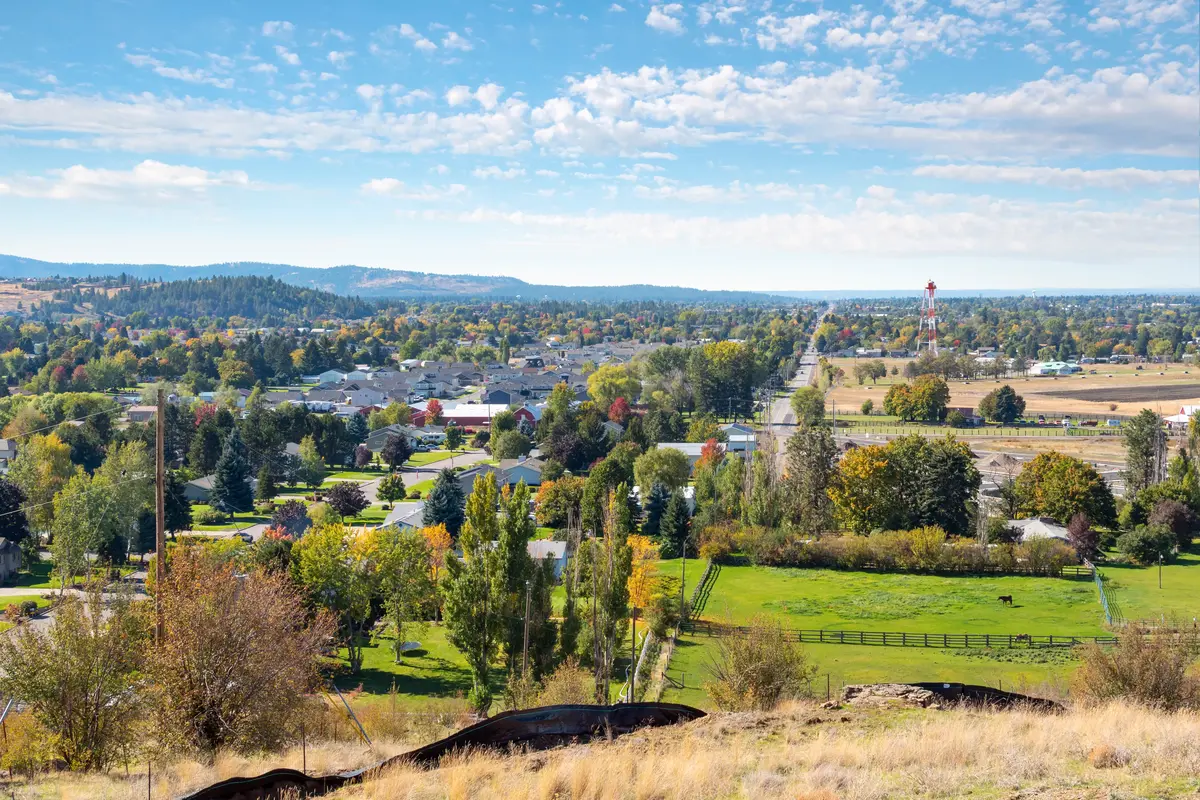
Retiring in Spokane Valley
Spokane Valley draws retirees for its balance of amenities, outdoor access, and cost. Here’s what to weigh.
🌤 Climate
Spokane Valley gets four genuine seasons — warm, dry summers with July highs in the upper 80s, and winters that bring real snow and occasional below-zero stretches. Spring and fall are mild and clear. Wildfire smoke from regional fires can affect air quality in August, which is a meaningful consideration for retirees with respiratory concerns.
🍴 Lifestyle
The Centennial Trail offers 40 miles of paved walking and cycling along the Spokane River, and Dishman Hills Natural Area provides wilder terrain on the South Side. CenterPlace Regional Event Center at Mirabeau Point Park hosts community events year-round. Coeur d'Alene — a favorite destination for lakefront dining and outdoor recreation — is about 35 minutes east on I-90.
🏚 55+ Communities
The Spokane Valley and greater Spokane metro area has a range of active-adult and senior-living communities, from independent living to assisted care. The city's continued residential growth has brought newer senior housing options alongside the established developments, particularly in the Veradale and Greenacres corridors.
✈ Getting Around
A car is essential for most daily tasks in Spokane Valley. Spokane International Airport is approximately 25 minutes west via I-90, a manageable drive for retirees who travel to visit family. Spokane Transit Authority bus service connects to downtown Spokane, though most Valley retirees rely primarily on driving for medical appointments, groceries, and recreation.
🏛 Washington Taxes for Retirees — What to Know
- No state income tax — Washington does not tax personal income, so Social Security, pensions, and 401(k)/IRA withdrawals are all untaxed at the state level. There is no state return to file and no retirement exclusion to claim — the rate is simply zero.
- Military and public pensions — Because there is no income tax, military retirement pay and public-employee pensions are untaxed at the state level along with everything else.
- Sales tax is the tradeoff — The state sales tax is 6.5%, and local add-ons bring the combined rate in Spokane Valley to 9.0% (Washington State Department of Revenue, Q3 2026 local sales & use tax rate table, July 2026). Groceries and prescription drugs are exempt.
- Property taxes, with senior relief — The effective property tax rate is roughly 0.9%. Homeowners 61+ (or unable to work due to disability, or a qualifying disabled veteran) who own and occupy their home may qualify for a reduction. Income limits are set against each county’s median household income, so the threshold differs by county — check with your county assessor. A separate deferral program is available for those who don’t qualify for the exemption.
- Capital gains tax — but not on retirement income — Washington taxes 7% on long-term capital gains above a $278,000 standard deduction for 2025, rising to 9.9% on gains above $1,000,000. Retirement accounts and real estate sales are both exempt. It therefore does not reach ordinary retirement income or the sale of a home.
- Estate tax — the one to plan for — Unlike most no-income-tax states, Washington has its own estate tax. For deaths on or after July 1, 2026, the exemption is $3 million with graduated rates topping out at 20%. Retirement accounts count toward the taxable estate, so long-time homeowners with sizable balances can cross the line without expecting to.
- No inheritance tax — Washington has no inheritance tax, and no gift tax.
- WA Cares payroll premium — Working Washingtonians pay 0.58% of gross wages into the WA Cares Fund, the state long-term care program, with no income cap. It applies to W-2 wages, so retirees who have stopped working do not pay it — but anyone relocating while still employed will see it. The private-insurance opt-out closed at the end of 2022 and is not available to new applicants; the remaining exemptions are narrow (living outside Washington, military spouses, certain visa holders, and veterans with a 70%+ service-connected rating).
- The Oregon border effect — Oregon has no sales tax, so Washington residents near the river — Vancouver, Camas, Washougal, Longview — often cross over for large purchases. Washington use tax technically applies to goods brought back for use in-state, though it is rarely enforced on ordinary personal purchases.
Tax laws change frequently and individual situations vary. This is general information, not tax advice — always consult a qualified Washington tax professional or CPA for personalized retirement tax planning.
Weekends & Local Favorites in Spokane Valley
The Trail That Actually Changes Your Routine
The Spokane River Centennial Trail is 40 miles of paved multi-use path that passes directly through Spokane Valley and runs all the way to the Idaho border, where it connects to the North Idaho Centennial Trail toward Coeur d'Alene. Cyclists, runners, and walkers use it year-round — the segment through Mirabeau Point Park is the most popular, but the stretches through the Trentwood and Pasadena Park areas along the river feel quieter and reward exploration. On summer mornings, the trail near the river is genuinely beautiful in a way that surprises people who pictured eastern Washington as all wheat fields and strip malls.
For a fuller look at parks and outdoor access — including Dishman Hills Natural Area and Plantes Ferry — the parks and recreation guide has the detail.
Food, Drink, and the Local Scene
Spokane Valley's dining scene is more honest than impressive — there are solid independent options alongside the predictable chain corridor on Sprague. The city doesn't have a concentrated restaurant district the way downtown Spokane does, so finding the good spots requires knowing where to look rather than just walking a main street.
YaYa Brewing Company on E Montgomery Drive is the clearest example of what the local independent scene does well: a neighborhood taproom with its own beers, recently expanded, and the kind of low-key atmosphere that draws regulars rather than tourists. Beans and Berries Café on Mullan Road is a newer addition — opened June 2025 — and fills the café and juice bar gap on that corridor without defaulting to a national chain.
Day Trips That Make the Location Make Sense
One of the underrated arguments for Spokane Valley is the day-trip radius. Coeur d'Alene is 35 minutes east, with a lake that draws the entire region in summer. Mount Spokane Ski and Snowboard Park is north of the city and accessible in under an hour. The Palouse — the rolling farmland southeast of Spokane — is a genuine surprise for people who've never driven it in late spring when the wheat turns green. None of these require a flight or a multi-hour commitment.
Silver Mountain Resort in Kellogg, Idaho — about 70 miles east on I-90 — gives Valley residents a full ski resort within a reasonable day-trip window, which is an asset that doesn't show up on any cost-of-living spreadsheet but shapes how people here think about winter weekends.
The Thing Newcomers Don't Expect
By August, longtime Valley residents are checking air quality apps before deciding whether to run the Centennial Trail or stay inside. Wildfire smoke from fires across eastern Washington, northern Idaho, and Montana settles into the Valley during dry, hot stretches — sometimes for days at a time. It's not a dealbreaker for most people who've lived through it once, but it's a genuine seasonal reality that shapes August in ways a newcomer from the coast won't anticipate until they're living it.
Top Things Locals Say About Spokane Valley
The best intel about a city comes from the people who actually live there. Here’s what Spokane Valley residents say when newcomers ask the questions everyone’s thinking.
“I knew the drive to downtown would be short, but I didn't expect how different the Valley would feel from Spokane itself — it's quieter, more spread out, and once I figured out to avoid Sullivan Road at 8 a.m., the commute became genuinely easy. The wildfire smoke in August was the thing nobody mentioned.”
— Recent Spokane Valley home buyer
“What's the most surprising thing about living in Spokane Valley?”
How much it has its own identity separate from Spokane. A lot of people think of it as just a suburb, but Greenacres feels nothing like Trentwood, and the South Side near Dishman Hills feels nothing like the corridor along Sprague. Once you've lived here a few months, you stop thinking of yourself as 'east of Spokane' and start thinking of yourself as a Valley person. The wildfire smoke in August is also something nobody from the coast expects — it's real, and it changes how you plan your outdoor time.
“What do locals love most about Spokane Valley?”
The Centennial Trail. Genuinely — it connects the whole city along the river and you can ride or run all the way to the Idaho border without getting in a car. Mirabeau Point Park is where families spend summer weekends, and YaYa Brewing on E Montgomery Drive is where people end up on Friday evenings. The combination of trail access, space, and prices that don't require a second income just to have a yard is what most longtime residents point to when they explain why they haven't left.
“What should newcomers to Spokane Valley know?”
Learn the Sullivan Road interchange before you commit to a neighborhood. If you work in north Spokane or downtown and you're looking at South Side houses, drive that route at 7:45 a.m. before you make an offer — the north-south crossing over I-90 can be genuinely painful during school hours. Also: buy good tires before your first winter. Eastern Washington gets real snow, and I-90 between the Valley and the Idaho border can ice quickly. People who grew up here know this; people who moved from Seattle often don't until it costs them.
“Can you live in Spokane Valley without a car?”
Technically possible; practically very difficult for most people. The STA bus network connects the Valley to downtown Spokane reliably, and if you live near one of the main routes on Sprague or Trent Avenue, you can manage basic errands. But most of the city's residential neighborhoods, employers like Kaiser Aluminum and Wagstaff, and destinations like Dishman Hills are not walkable from each other. Households without a car in Spokane Valley are the exception, not the rule.
Cities Near Spokane Valley
Other communities near Spokane Valley worth a look — each with its own character and price point.
| City | Distance | Best For | Vibe | Median Rent | Median Buy |
|---|---|---|---|---|---|
| Spokane | 10 mi | Urban amenities, arts, dining | Walkable core, established city feel | $1,413 | $403,557 |
| Liberty Lake | 8 mi | Newer construction, families | Planned, polished, lakeside access | $1,600 | $580,200 |
| Millwood | 6 mi | Affordable entry-level buyers | Small, quiet, historic mill town | $1,350 | $363,976 |
More Helpful Guides for Spokane Valley
Going deeper on Spokane Valley? Our blog series covers everything from first-time buying to retiring here — explore the guides below.
Local Expert Takeaway: Spokane Valley rewards buyers who do their homework on specific locations within the city. The stretch along the Centennial Trail near Mirabeau Point Park or Trentwood offers river access and established neighborhoods. The South Side near Dishman Hills gives you genuine hills and views. The corridor around Veradale and Greenacres near I-90 and Sullivan Road is newer and more suburban but puts you close to most services. What unites all of them: a 15-minute drive to downtown Spokane, a manufacturing and trades economy with real wages, and home prices that still read as genuinely accessible by Washington State standards. Post a run on the Centennial Trail, stop at YaYa Brewing on E Montgomery Drive, and you'll understand quickly why people who move here tend to stay.
Quick Takeaways & FAQs
✅ The Spokane River Centennial Trail runs 40 miles through Spokane Valley all the way to the Idaho border — usable year-round and one of the best infrastructure assets in the Inland Northwest.
⚠️ Wildfire smoke is a real August reality that surprises nearly every newcomer from western Washington — Valley residents check air quality the way coastal residents check the rain forecast.
📍 The Sullivan Road interchange on I-90 is the Valley's daily chokepoint; most commuters learn its patterns within the first month and adjust their timing accordingly.
Is Spokane Valley a good place to live?
How far is Spokane Valley from downtown Spokane?
What is the housing market like in Spokane Valley right now?
What are the main employers in Spokane Valley?
Does Spokane Valley have good public transit?
Helpful Links for Moving to Spokane Valley
Moving to Washington?
Tell us what you need help with and we'll connect you with local resources.
