
You've probably done the math on paper and liked what you saw. Spokane Valley's home prices look almost startlingly reasonable compared to western Washington — and the no-state-income-tax headline is real. But before you assume the budget picture is simple, there are a few line items that tend to surprise people after they arrive: grocery prices that run noticeably above the national average, a gas excise tax that's among the highest in the country, and a sales tax rate that applies to most purchases you'll make every week. The overall picture is still favorable, especially coming from a high-cost metro — but the math has some wrinkles worth understanding before you commit.
Spokane Valley sits just east of Spokane along Interstate 90, a position that gives residents access to a mid-size city's employer base without paying Spokane's city tax. The city's economy draws on a mix of manufacturing, financial services, and public-sector employment — a base stable enough to support a median household income of $74,042. That income figure matters for the housing conversation: at current home prices, the price-to-income ratio sits around 5.4x, above the old 3x rule of thumb but dramatically lower than what Seattle buyers contend with.
On the ground, Spokane Valley reads as a middle-income suburb where a dual-income household earning near the median can realistically own a home, spend an evening at a local taproom on E. Montgomery Drive, and still have money left at the end of the month. Utilities are kept in check by Avista Utilities and Washington's hydroelectric-heavy grid. The absence of state income tax puts real dollars back in your paycheck every pay period. The catches — grocery costs, gas prices, and a combined sales tax that adds up fast — are real but manageable if you know to budget for them.
Whether you're relocating for work, moving out of Spokane proper, or escaping a higher-cost market entirely, the sections below break down Spokane Valley's housing costs, rent vs. buy math, everyday expense benchmarks, a comparison against nearby cities, and the full tax picture.
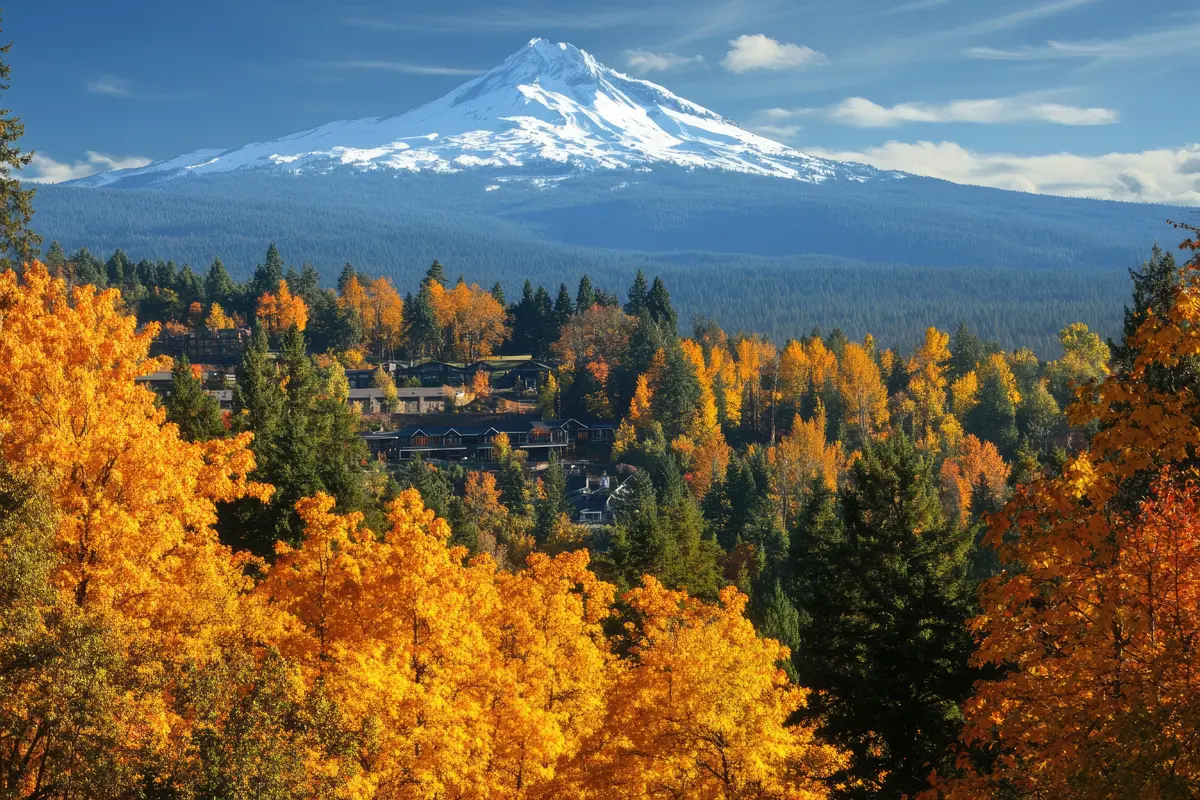
What It Really Costs to Live in Spokane Valley
The honest posture: Spokane Valley is one of the more affordable mid-size suburban markets in the Pacific Northwest, but it is not a bargain suburb by national standards. The Zillow Home Value Index places the typical home at $399,691 (mid-2026) — noticeably below what buyers pay in Liberty Lake or the west-side Seattle suburbs, and well below the Seattle metro median that routinely clears $750,000. Compared to Spokane itself, prices are close but tend to run slightly higher in Spokane Valley's more developed corridors.
What drives the number here is a combination of suburban infrastructure, proximity to I-90, and the kind of single-family lot sizes that have largely disappeared from western Washington at this price point. The market rewards buyers who have done the research — the gap between a well-priced listing and an overpriced one is real, and it takes local knowledge to navigate it confidently.
The cost picture outside housing is more mixed. Washington's no-income-tax advantage is genuine and significant — especially for households earning well above the median. But the state recoups some of that through a high sales tax, and grocery costs here run above average in ways that catch people off guard. Transportation costs also exceed the national norm, driven largely by Washington's high gas excise tax. Budget for those line items, and Spokane Valley's overall cost profile remains solidly cheaper than most comparable western Washington markets.
Housing: Rent vs Buy in Spokane Valley
Buying a home in Spokane Valley means entering a market where the typical home, as measured by the Zillow Home Value Index, lands at $399,691 (mid-2026). For specifics on how prices and character vary across the city's different pockets, the Best Neighborhoods guide breaks that down in detail.
The effective property tax rate in Spokane Valley runs approximately 0.83% of assessed value annually. That rate has been held down in part by the city council's decision to freeze the city's own levy portion at roughly $0.79 per $1,000 of assessed value — a rate unchanged since 2009. For context, that's meaningfully below the national median effective rate of around 1.02%, which gives Spokane Valley a quiet edge over many comparable Midwest and East Coast suburbs where property taxes are the biggest ownership headache. Use the mortgage calculator below this section to model a full monthly payment at your actual down payment and current rates.
Renting remains a viable option, particularly for households still building savings or not ready to commit to the market. Two-bedroom apartments and rental homes in Spokane Valley typically range from around $1,300 to $1,700 per month depending on age, condition, and location. That range keeps renting affordable relative to the purchase market, though the gap between renting and owning has narrowed enough that buyers with a solid down payment often come out ahead on a monthly basis — before factoring in equity.
The honest case for renting first: Spokane Valley's neighborhoods feel different from one another in ways that take time to appreciate. Spending six months in a rental before buying gives you a real read on commute patterns, noise, and which parts of the city match your day-to-day habits. For commute context, the full commute breakdown covers what the typical drive to downtown Spokane actually looks like in practice.

Everyday Costs Beyond Housing in Spokane Valley
Utilities in Spokane Valley are a genuine bright spot. Avista Utilities serves most of the city, and Washington's grid — roughly two-thirds renewable, primarily hydroelectric — keeps electricity rates low. Total monthly utility costs (electricity, gas, water, and sewer) for a standard residence in the Spokane/Spokane Valley area typically average between $223 and $232, according to a 2026 local market analysis. That's a meaningful budget advantage over Sun Belt cities where summer cooling alone can double that number.
Groceries are where Spokane Valley pushes back against its affordable reputation. Prices here run approximately 10–11% above the national average — a real line item for families doing a weekly shop. That said, they remain noticeably below Seattle-area grocery costs, and the sales tax exemption on unprepared food and prescription drugs softens the blow. Gas is the other recurring surprise: Washington's excise tax of 59.04 cents per gallon is among the highest in the country, which is why transportation costs in the Spokane area tend to run roughly 16–20% above the national average. If you drive a lot, budget for it.
| Category | Typical Monthly Cost | Notes |
|---|---|---|
| Housing (2BR rent) | $1,300–$1,700 | Rental range for Spokane Valley; homeowners — use the mortgage calculator above for an ownership estimate |
| Utilities | $223–$232 | Electricity (Avista), gas, water/sewer; lower in mild months, higher in January cold snaps |
| Groceries | $400–$600 | Estimated for 1–2 person household; runs ~10% above national average locally |
| Transportation & Gas | $250–$400 | Assumes car-dependent lifestyle; WA gas excise tax is 59¢/gal — budget higher than you expect |
| Phone & Internet | $100–$175 | Competitive provider options in the Valley; fiber availability varies by street |
| Dining & Entertainment | $150–$350 | Subject to combined sales tax; local taprooms and restaurants along E. Montgomery offer mid-range nights out |
| Miscellaneous & Personal | $100–$250 | Clothing, household goods, subscriptions; most subject to WA sales tax |
All figures are estimates for general budgeting purposes; individual costs vary by household size, lifestyle, and specific location within Spokane Valley.
Looking to buy in Spokane Valley? Estimate your payment.
Enter your numbers to see an estimated monthly mortgage payment.
Estimate only. Excludes HOA fees and mortgage insurance. The interest rate above is a starting point, not a quoted rate — replace it with your own to see real numbers. Insurance is a flat placeholder, not a Spokane Valley quote.
Spokane Valley vs Nearby Cities: Cost Comparison
| City | Median Home Price | Typical 2BR Rent | Cost vs Spokane Valley |
|---|---|---|---|
| Spokane Valley | $399,691 (ZHVI, mid-2026) | $1,300–$1,700/mo | — Baseline — |
| Spokane | ~$340,000–$365,000 | $1,150–$1,550/mo | Modestly cheaper on purchase price; Spokane imposes a city B&O tax that affects some self-employed and business owners |
| Liberty Lake | ~$480,000–$530,000 | $1,500–$1,900/mo | Noticeably higher — newer construction and planned-community amenities carry a real premium |
| Millwood | ~$300,000–$350,000 | $1,100–$1,400/mo | Cheaper entry point; smaller inventory and fewer amenities than the Valley |
| Otis Orchards | ~$360,000–$410,000 | $1,200–$1,550/mo | About the same; more rural feel, longer drives to services |
| Opportunity | ~$370,000–$420,000 | $1,250–$1,600/mo | About the same; functionally blends into the Valley's western edge |
* ZHVI = Zillow Home Value Index. Non-Spokane Valley figures are approximate ranges based on available market data; treat them as directional rather than exact.
The clearest takeaway from this table: Liberty Lake carries a meaningful premium for its planned amenities, while Spokane proper trades slightly cheaper purchase prices for a city tax structure that affects some residents. Spokane Valley sits in the middle — more infrastructure and services than the outer unincorporated areas, without Liberty Lake's price tag.
Taxes & the Bottom Line for Spokane Valley
Washington's No-Income-Tax Advantage
Washington has no personal income tax on wages, salaries, Social Security benefits, pensions, or IRA withdrawals. For a household earning at or above the $74,042 median, this is a real and recurring advantage — the kind of thing you notice every time a paycheck clears without a state withholding line. Retirees drawing down savings get the same benefit: no state tax on distributions from retirement accounts.
One nuance worth knowing: Washington taxes 7% on long-term capital gains above a $278,000 standard deduction for 2025, rising to 9.9% on gains above $1,000,000. Real estate sales are explicitly exempt, as are retirement account distributions and most small-business transactions — so for most Spokane Valley homeowners, this tax won't touch them at all. It's relevant primarily for high-income investors with large non-real-estate portfolios.
Sales Tax: The Real Trade-Off
Washington's state sales tax is 6.50%, and the combined state-plus-local rate in the Spokane Valley area adds up to a meaningful figure on everyday purchases. The statewide average combined rate runs 9.51%, and local ZIP codes in the Valley carry rates in a similar band — worth verifying against the Washington Department of Revenue's current rate table for your specific address. The good news: unprepared groceries and prescription drugs are fully exempt, which softens the impact on essential spending.
The sales tax is the honest catch in the no-income-tax story. If you spend heavily on goods, dining, or home improvement, you'll feel it consistently.
Property Tax: Steadier Than Most
The effective overall property tax rate in Spokane Valley runs approximately 0.83% annually — below the national median. The city's own levy portion has been frozen since 2009, which provides a degree of predictability that buyers in fast-growing suburban markets elsewhere rarely enjoy. At the typical home value discussed earlier, that rate translates to a manageable annual bill by national standards, without any dollar-amount surprises the engine's calculator isn't already accounting for.
Who the Budget Fits
Spokane Valley's cost structure works best for dual-income households earning $70,000 or above, buyers relocating from higher-cost western Washington markets, and remote workers whose salaries reflect Seattle or California pay scales. It tends to feel tighter for single-income households at or below the median, particularly once gas, groceries, and sales tax are factored in alongside a mortgage. The price-to-income ratio of roughly 5.4x is manageable but not comfortable — this isn't a city where affordability is effortless, just one where it's more achievable than most of the Pacific Northwest.

Local Expert Takeaway: Spokane Valley's cost profile is most favorable for households that can put 10–20% down on a home near the $399,691 typical value and whose income is primarily W-2 wages — because the no-income-tax advantage is immediate and automatic. What catches people off guard is the grocery bill (budget 10% more than you'd expect) and how fast gas adds up in a car-dependent suburb's weekly driving. Evenings out at a local taproom along E. Montgomery Drive are genuinely affordable, but the sales tax at the register is a line item you'll notice every time. Run your real numbers with the mortgage calculator on this page before comparing monthly costs to what you're paying now — the property tax rate and utility savings often make the monthly total better than the sticker price suggests.
Quick Takeaways & FAQs
✅ Washington's no state income tax means every Spokane Valley paycheck and retirement withdrawal comes in full — a real, recurring advantage for households at or above the $74,042 median.
⚠️ Grocery prices run 10–11% above the national average and Washington's gas excise tax is among the nation's highest — two line items that consistently surprise newcomers from lower-tax states.
📍 The city of Spokane Valley has held its own property tax levy flat since 2009, giving homeowners a level of annual predictability rare in fast-growing Pacific Northwest suburbs.
What is the typical home price in Spokane Valley in 2026?
Does Washington state's no-income-tax benefit apply to Spokane Valley residents?
What is the property tax rate in Spokane Valley?
How do utility costs in Spokane Valley compare to other cities?
Is Spokane Valley cheaper than Spokane to live in?
Moving to Washington?
Tell us what you need help with and we'll connect you with local resources.
