
Maybe a coworker mentioned that Spokane Valley prices are a fraction of what you'd pay in Seattle. Maybe you've been renting on E Sprague Ave and quietly watching the For Sale signs. Either way, the math is real: the Zillow Home Value Index puts the typical home value in Spokane Valley at $399,691 as of mid-2026 — noticeably below what you'd pay in western Washington, and well within reach for a dual-income household in the Inland Northwest. That said, a price tag under $399,691 doesn't mean easy. Inventory sits at roughly 2.8 months of supply, homes are going pending in about 26 days on average, and sellers are still getting approximately 97.5% of asking price. This is a competitive market dressed up in accessible clothing.
Who actually buys here for the first time? Largely people employed locally — at Kaiser Aluminum Trentwood, Numerica Credit Union, and the area's manufacturing and services base — who are done overpaying rent and ready to put equity to work. The price-to-income ratio sits at roughly 5.4 times the median household income, which is tighter than the historical norm and means budgeting honestly matters more than it did five years ago. A $399,691 home is achievable; an unplanned $399,691 home with underfunded closing costs is a crisis. The sections below are designed to prevent that. For a full picture of costs in Spokane Valley, including taxes and day-to-day expenses, that page goes deeper.
The loan landscape here is relatively straightforward. Most purchases fall comfortably within standard loan limits, which means first-time buyers have access to the full conventional toolkit — 3% down on select programs, FHA at 3.5% with a 580+ credit score, VA at zero down for qualifying veterans, and USDA for the occasional eligible rural parcel on the eastern fringe of the Valley. Washington State's 30-year fixed mortgage rate averaged around 6.93% as of July 2026, with national averages hovering near 6.76% — close enough that shopping two or three lenders before locking can make a real difference at these price points. Private mortgage insurance applies whenever you put less than 20% down, and that cost belongs in your monthly budget math from day one.
Whether you're comparing Spokane Valley to Liberty Lake on the east or to Spokane proper to the west, the sections below break down what your budget actually buys here, how the local purchase process works step by step, a budget snapshot table you can use as a starting point, and the specific mistakes that trip up first-time buyers in this market most often.
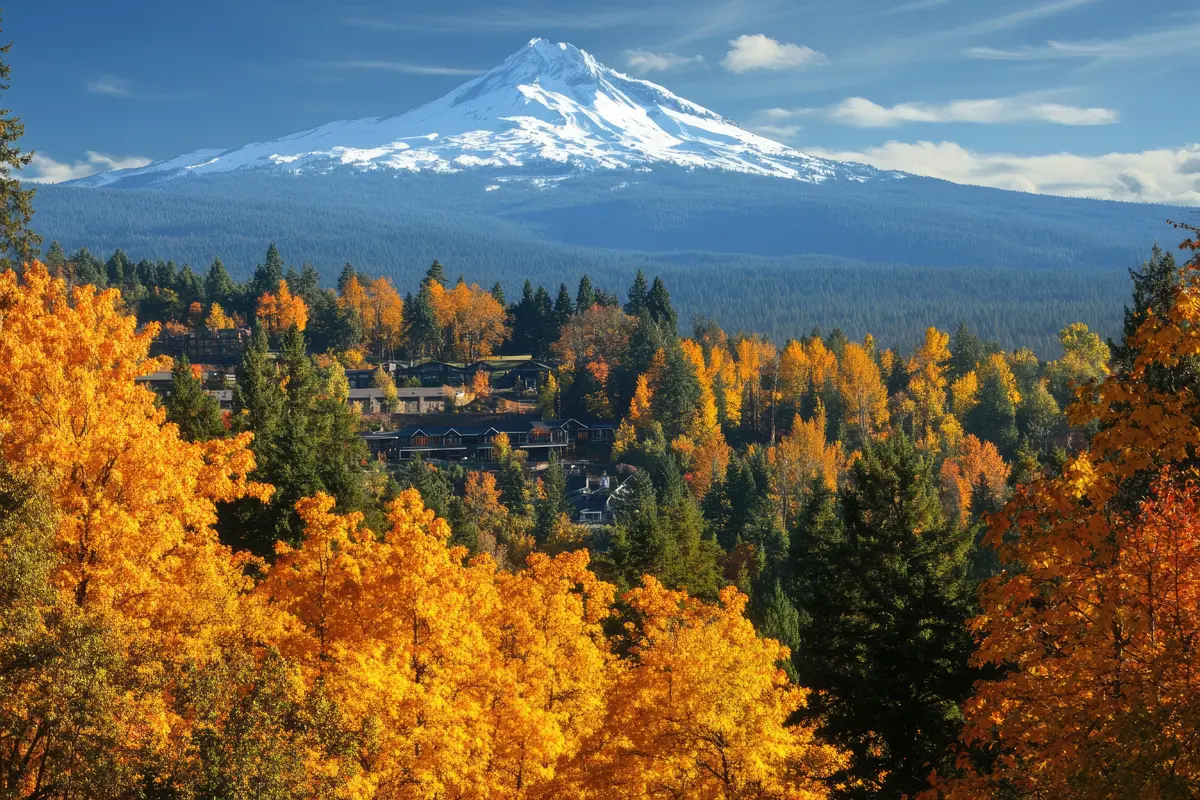
The Spokane Valley First-Time Buyer Reality
The Zillow Home Value Index for Spokane Valley stands at $399,691 as of mid-2026 — and that number is doing real work. It means a first-time buyer with solid credit and a few months of disciplined saving can genuinely compete here, without the six-figure down payment that western Washington markets demand. But the entry point has moved. Homes priced below $350,000 are increasingly sparse and often need meaningful work; the realistic floor for a move-in-ready single-family home is closer to $360,000–$380,000.
At the other end of the range, the mid-$400s to low $500s open up newer construction in the eastern portions of the Valley — larger lots, updated kitchens, and newer HVAC systems that won't surprise you six months after closing. Older ranch homes in the established corridors closer to central Spokane Valley tend to offer more lot size and mature landscaping but come with the maintenance realities of 1960s–1980s construction.
The competitive reality is this: Spokane Valley homes receive an average of two offers, and they go pending in roughly 26 days. That's not a bidding-war frenzy, but it's fast enough that buyers who start touring without a pre-approval letter regularly lose homes to buyers who are ready to move. The good news is that sellers are not demanding perfection — you don't need to automatically waive every contingency to win. You need to be organized, pre-approved, and working with an agent who knows the Valley's different pockets before you start scheduling showings.
The Homebuying Process in Spokane Valley, Step by Step
Step 1: Get Pre-Approved Before You Do Anything Else
This is the step Spokane Valley first-timers most commonly skip or defer — and it costs them. With homes going pending in under a month, a seller receiving two offers will not wait while you scramble to find a lender. Pre-approval tells you exactly what price range is realistic, which prevents the painful experience of falling in love with a home at $440,000 when your approval tops out at $390,000. Shop at least two lenders: a local credit union like Numerica and a mortgage broker who can compare multiple programs simultaneously.
Step 2: Define Your Target Area Before Touring
Spokane Valley spans enough geography that where you buy shapes daily life significantly. Buyers who skip this step end up touring homes across completely different parts of the Valley on the same afternoon and can't articulate why one feels right and the other doesn't. Before your first showing, drive the commute from each target neighborhood to your workplace — downtown Spokane is typically about 15 minutes from most of the Valley, but the route matters more than the distance when you're doing it five days a week.
Step 3: Make an Offer That's Competitive Without Being Reckless
Spokane Valley homes sell for approximately 97.5% of asking price, which means modest negotiating room exists. Your offer strategy doesn't need to be aggressive to the point of waiving your inspection contingency — that's the local mistake that bites first-time buyers hardest (more on this below). An escalation clause, a clean pre-approval letter attached to the offer, and a flexible closing timeline often matter more to a seller than a marginally higher price.
Step 4: Inspection and Appraisal — Both Matter Here
Washington State requires a seller disclosure, but it does not replace an independent home inspection. In a market where older 1960s–1980s ranch homes are common entry-level inventory across the Valley, deferred maintenance on roofs, electrical panels, and HVAC systems shows up regularly. Budget for the inspection ($350–$500 typically) and take the results seriously. If the appraisal comes in below the purchase price, you'll need to negotiate the gap or bring additional cash — another reason your savings target should include a buffer beyond the down payment.
Step 5: Closing in Washington State
Washington is an escrow state, meaning a title and escrow company handles the closing rather than a real estate attorney. The process typically takes 30–45 days from accepted offer to keys in hand. You'll receive a detailed closing statement at least three business days before closing that itemizes every fee — review it line by line against your original Loan Estimate and flag any discrepancies with your lender before you sign anything.
How Much Home Can You Afford in Spokane Valley
The table below uses approximate estimates for illustration — your actual closing costs, rate, and PMI will vary based on lender, credit profile, and loan type. Use this as a starting framework before your lender gives you exact figures. The interactive calculator below the table will let you run the monthly-payment math once you've settled on a scenario.
| Scenario | Purchase Price | Down Payment | Est. Closing Costs | Cash Needed at Table |
|---|---|---|---|---|
| FHA (3.5% down) — entry-level | $360,000 | $12,600 (3.5%) | $7,200–$10,800 (2–3%) | ~$19,800–$23,400 |
| FHA (3.5% down) — typical Valley median | $399,691 | $13,989 (3.5%) | $8,000–$12,000 (2–3%) | ~$21,989–$25,989 |
| Conventional (3% down) — entry-level | $360,000 | $10,800 (3%) | $7,200–$10,800 (2–3%) | ~$18,000–$21,600 |
| Conventional (3% down) — typical Valley median | $399,691 | $11,991 (3%) | $8,000–$12,000 (2–3%) | ~$19,991–$23,991 |
| Conventional (10% down) — mid-range | $430,000 | $43,000 (10%) | $8,600–$12,900 (2–3%) | ~$51,600–$55,900 |
| Conventional (20% down) — no PMI | $430,000 | $86,000 (20%) | $8,600–$12,900 (2–3%) | ~$94,600–$98,900 |
A few things this table won't show you: Washington State has no income tax, which improves take-home pay relative to most states and can meaningfully affect how much mortgage payment a given gross income can support. The effective property tax rate in Spokane Valley runs approximately 0.83% annually — factor that into your total housing cost alongside insurance and any HOA dues before settling on a purchase price ceiling.
Credit score matters as much as down payment percentage. FHA accepts a 580 minimum for the 3.5% option; conventional programs generally require 620, and the best rates typically go to buyers at 740 or above. If your score is sitting at 610 right now, six months of credit discipline before applying can shift your rate and your monthly payment more than quibbling over purchase price.
Looking to buy in Spokane Valley? Estimate your payment.
Enter your numbers to see an estimated monthly mortgage payment.
Estimate only. Excludes HOA fees and mortgage insurance. The interest rate above is a starting point, not a quoted rate — replace it with your own to see real numbers. Insurance is a flat placeholder, not a Spokane Valley quote.
Common First-Time Buyer Mistakes in Spokane Valley
Waiving the Inspection to Win a Bidding Situation
This is the single most consequential mistake first-time buyers make in this market. When homes across Spokane Valley go to two offers and both buyers are eager, the temptation to drop the inspection contingency is real. Don't. Older Valley ranch homes frequently carry aging roofs, original electrical panels, and crawl spaces with moisture issues that a seller's disclosure won't fully surface. A $400 inspection that reveals a $12,000 roof situation is not a deal-killer — it's leverage. Waiving it removes that leverage entirely.
Touring Homes Before Getting Pre-Approved
The Spokane Valley market moves in about 26 days on average. Buyers who tour first and get pre-approved second routinely lose the home they want to a buyer who was ready the same day. Pre-approval isn't just paperwork — it's the document that tells a seller you're a real buyer. Going into a weekend of showings without it is a way to practice losing.
Underestimating Cash Needed at Closing
First-time buyers consistently anchor on the down payment number and forget that closing costs in Washington typically run 2–3% of the purchase price on top of it. On a $400,000 home, that's another $8,000–$12,000 due at the table. Arrive underfunded and the deal can fall apart in the final week — one of the most stressful outcomes in a home purchase. Build that full cash-needed figure into your savings target from the first month you start planning.
Assuming Address Boundaries Are Obvious
Spokane Valley straddles multiple municipal and district boundaries, and they don't always follow the streets buyers assume they do. Homes along the western edge of the Valley can fall into entirely different jurisdictions than a neighbor two blocks away — affecting everything from utility providers to zoning rules. Verify the specific address against any boundary that matters to your household before making an offer, not after, because online listing tools often lag behind real boundary changes.

Local Expert Takeaway: Spokane Valley is one of the most accessible first-time buyer markets in Washington State — but accessible doesn't mean forgiving. The buyers who succeed here get pre-approved before they tour, build closing costs into their savings target from day one, and keep their inspection contingency even when the market feels competitive. With homes averaging 26 days on market and sellers still getting close to asking price, there's enough room to be strategic without being reckless. Map out your target neighborhoods before your first showing — knowing whether you want a newer build on the eastern side of the Valley or an established home closer to central Spokane Valley will sharpen every conversation with your lender and your agent.
Quick Takeaways & FAQs
✅ Spokane Valley's typical home value of $399,691 (Zillow Home Value Index, mid-2026) is noticeably below comparable western Washington markets, giving first-time buyers real purchasing power in the Inland Northwest.
⚠️ With only about 2.8 months of active inventory and homes going pending in roughly 26 days, buyers who skip pre-approval or underbudget closing costs regularly lose homes they could have won.
📍 Spokane Valley straddles multiple district and municipal boundaries that don't always follow obvious street patterns — verify any boundary that matters to your household directly before making an offer, since online listing tools often lag behind real changes.
What credit score do I need to buy a home in Spokane Valley?
How much cash do I actually need to buy a home in Spokane Valley?
Is Spokane Valley a buyer's or seller's market right now?
What loan types are available to first-time buyers in Spokane Valley?
How long does it take to close on a home in Spokane Valley?
Moving to Washington?
Tell us what you need help with and we'll connect you with local resources.
