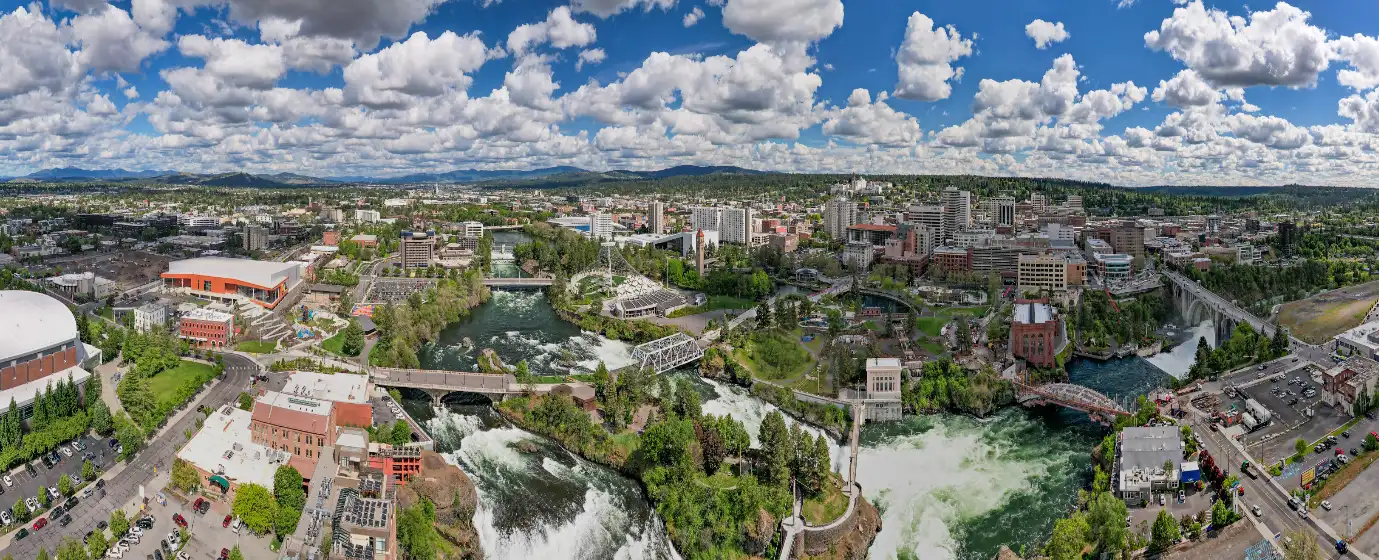
Most people researching Spokane Valley focus on prices and commute times. What catches them off guard after they move is how much raw outdoor access comes with the address. The Spokane River runs right through the city. A 40-mile paved trail traces its banks. And rising above the south end of the valley is Dishman Hills — a 3,200-plus-acre wild landscape of granite rock formations, ponderosa pine, and seasonal creeks that starts within city limits. You don't have to drive to find nature here; for most residents, it's within biking distance.
That outdoor infrastructure isn't accidental. Spokane Valley sits along a river corridor that has drawn recreation users for generations, and the city and Spokane County have invested steadily in formalizing what was already well-loved terrain. The Phase 1 renovations at Plante's Ferry Sports Complex — completed in April 2026 at a cost of $9.2 million — brought three synthetic turf fields with lights to the 95-acre riverfront complex. The eastern 14 miles of the Centennial Trail, the stretch running through Spokane Valley toward the Idaho border, were resurfaced in spring 2024, three months ahead of schedule. These are not aspirational amenities; they're finished and in use.
What the recreation picture can't fully compensate for is seasonal reality. Spokane Valley winters are cold and snowy enough that the Discovery Playground splash pad at Mirabeau Point Park shuts down from mid-October through mid-May, and the park's restrooms close entirely for six months of the year. Residents who move here from milder climates often underestimate how much seasonal switching is required — hiking boots give way to snowshoes, and the Centennial Trail's crowd thins dramatically by November. That rhythm is part of the appeal for many, but it's worth knowing before you arrive expecting year-round warm-weather recreation.
Whether you're moving here with kids who need weekend field space, a trail runner looking for a home base, or someone who simply wants to live within walking distance of a river path, the sections below cover Spokane Valley's signature parks, its trail network, water-adjacent recreation, and the seasonal calendar that shapes outdoor life here.
Mirabeau Point Park: The City's Recreational Core
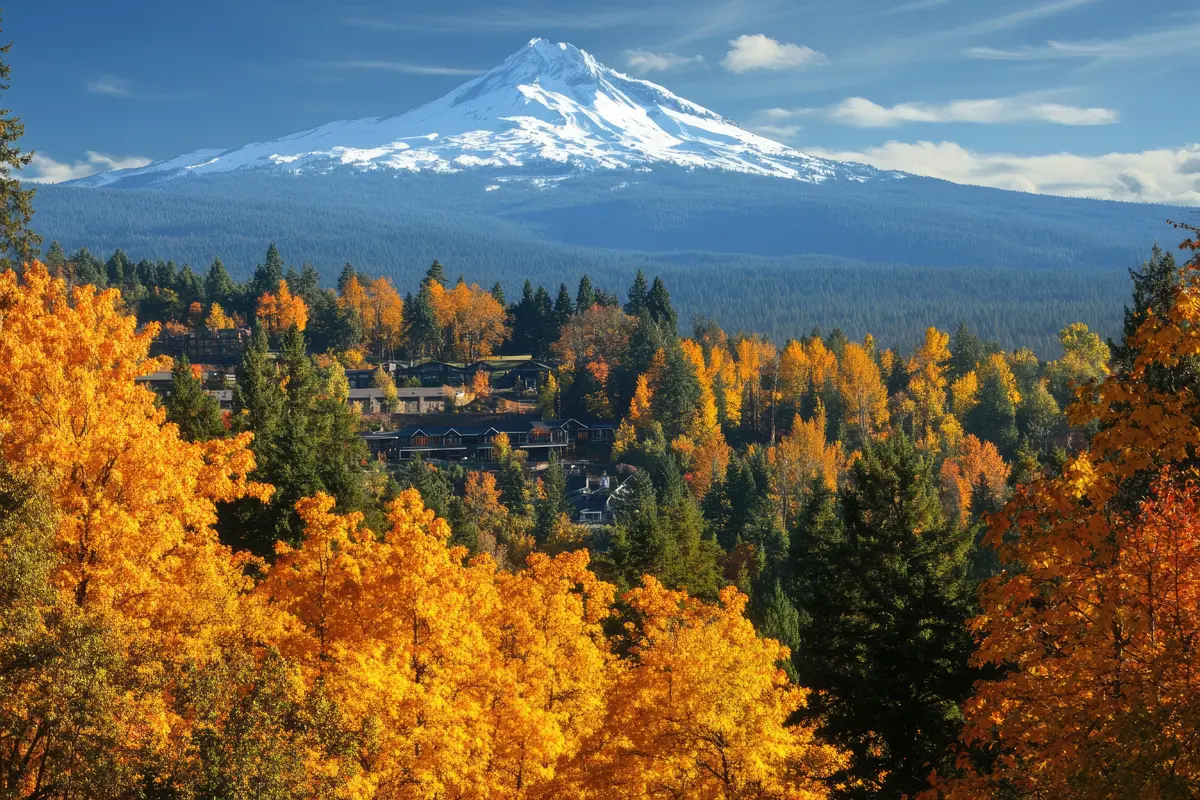
At 55.51 acres along the west bank of the Spokane River, Mirabeau Point Park functions as Spokane Valley's de facto town square for outdoor life. The CenterPlace Regional Event Center, the Spokane Valley Senior Center, and the Parks and Recreation Department offices all share this campus — which means the park is rarely empty and always maintained.
Mirabeau Meadows and the River Edge
The open meadow section along the river is where families spread out on summer afternoons, and where Valleyfest — the city's signature September festival — spills out from Mirabeau Point across to Plante's Ferry Sports Complex each year. The Hearts of Gold Parade launches from Sprague Avenue on Friday night, and by Saturday the meadow fills with live entertainment and activities that make the park feel like the center of something real.
Mirabeau Springs: The 40-Foot Waterfall Most Visitors Miss
Tucked into a 7.5-acre sub-area of the park, Mirabeau Springs is one of those places that surprises people who've lived here for years without finding it. A 40-foot waterfall feeds a pond accessible via a viewing dock and boardwalk, with a covered picnic shelter nearby. Swimming, wading, and fishing aren't permitted — this is a quiet, observational space, not a swimming hole — but it's genuinely beautiful in a way that doesn't feel like a municipal park at all.
The Discovery Playground and Splash Pad
The Discovery Playground is designed as a multi-sensory, fully accessible space for all ages and abilities — a meaningful distinction in a region where playgrounds often skew toward able-bodied kids only. Its splash pad runs May 15 through October 15, from 10 a.m. to 8 p.m. daily. If you're moving here with young children, that's the window; the restrooms close entirely from mid-October through mid-April, which catches new residents off guard the first time they show up in March expecting full facilities.
The Pinecroft Expansion
Adjacent to Mirabeau Point Park sits the Pinecroft Natural Area Preserve — described by the Washington Department of Natural Resources as one of the region's last remaining Ponderosa pine grassland ecosystems. As of September 2025, the City of Spokane Valley was in the process of signing an agreement with the DNR to open the preserve to the public with interpretive trail signage, which would effectively add nearly 100 acres to the park. That agreement, if finalized, would make Mirabeau Point's footprint substantially larger and give walkers direct access to a landscape type that's genuinely rare in eastern Washington.
The Centennial Trail: 40 Miles of Paved River Access
The Spokane River Centennial Trail is the outdoor amenity that most directly shapes daily life for Spokane Valley residents who are even mildly active. The 40-mile paved pathway runs from Nine Mile Falls through downtown Spokane and the length of Spokane Valley all the way to the Idaho state line — and draws more than 2.5 million users per year for walking, running, and cycling. That's not a weekend recreation option; it's a lifestyle anchor.
The Spokane Valley Stretch
The eastern 14 miles of the trail — the section that runs through Spokane Valley toward the Idaho border — were resurfaced in spring 2024 as part of a Phase 1 project that finished three months ahead of schedule. New asphalt, safety upgrades, and kiosk renovations came with it. If you've heard the trail described as rough or patchy in conversations with longer-term locals, those complaints apply to conditions before 2024; the Spokane Valley section is now among the best-maintained portions of the full 40-mile route.
What Using It Daily Actually Looks Like
The trail is wide enough that walkers, cyclists, and runners can coexist without conflict on most days — though summer weekend mornings near Mirabeau Point get genuinely crowded. Weekday early-morning runs along the river are the move locals learn quickly. The trailhead access at Mirabeau Point Park makes that section particularly convenient for anyone living in central Spokane Valley.
The Planned Loop Extension
A proposed Spokane River Loop Trail would add five miles of paved trail on the river's north bank, connecting to the existing Centennial Trail via suspension bridges at Flora Road and Trent Avenue. This is a planned project, not a finished one — but it's worth knowing about if trail connectivity is a deciding factor in where you buy. The eastern Spokane Valley stretch, already fresh from its 2024 resurfacing, would become the foundation of a genuine river loop.
Managed by Washington State Parks as Centennial Trail State Park, the trail is free to use and open year-round. Winter use drops but doesn't disappear — a segment of regulars runs and walks it through January and February, which says something about the culture of outdoor activity here even in cold months.
Dishman Hills: The Wild Edge of Spokane Valley
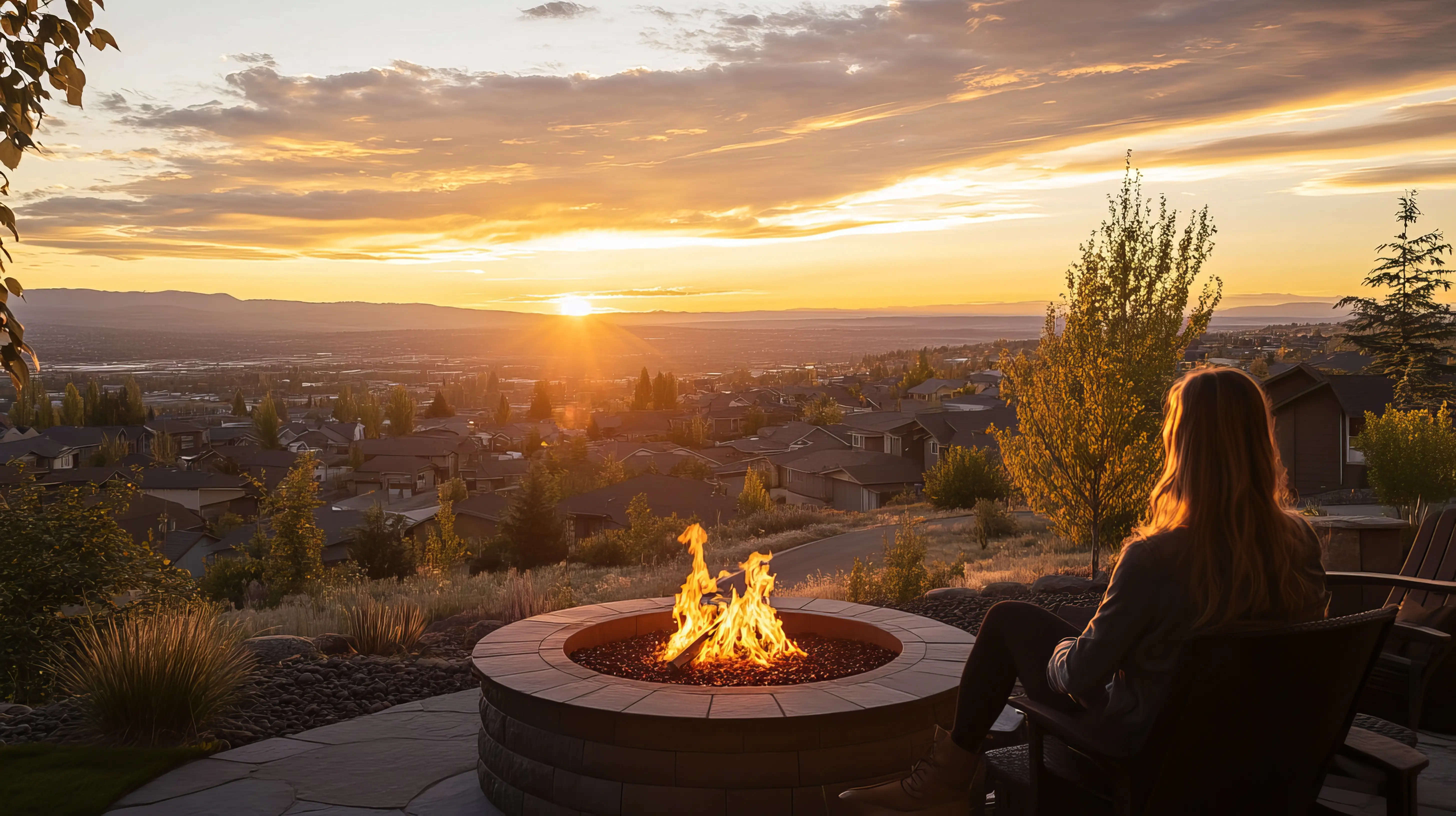
Dishman Hills is the reason serious hikers choose Spokane Valley over neighboring communities. The core unit — a 530-acre Washington State DNR–designated Natural Resources Conservation Area adjacent to Camp Caro Community Park — is dramatic terrain: sculpted rocky hills, ponderosa pine and fir forest, aspen groves, spring wildflower blooms, and ponds. It doesn't look like what most people picture when they hear "city park."
The Full Protected Landscape
The 530-acre core is just the beginning. The broader Dishman Hills protected area spans more than 3,200 acres when you include the Glenrose unit and the Iller Creek unit, collectively offering more than 20 miles of trails managed jointly by the Dishman Hills Conservancy, Spokane County Parks, and the Washington Department of Natural Resources. That three-party management structure sometimes means trail signage is inconsistent between units — something to know before your first visit so you don't end up confidently heading the wrong direction on a trail that changes managing agencies mid-route.
The Iller Creek Unit: For Climbers and View-Seekers
The Iller Creek unit — 966.62 acres of county-owned open space on the east flanks of Tower Mountain — is where the landscape turns genuinely rugged. Granite monoliths scattered through the unit draw rock climbers, and the ridge lines offer panoramic views of Spokane Valley and the Palouse to the south that most newcomers don't know exist until someone local walks them up there. Seasonal creeks cross the unit in spring and early summer; by August most are dry, so adjust your expectations accordingly.
Trails Open to Mountain Bikers
Many of the Dishman Hills trails are open to both hikers and mountain bikers — a meaningful detail if you're coming from a market where trail access is more restricted. The mix of users generally works, though the more technical rocky sections are better suited to hikers, and the wider connector trails in the lower elevations see the most bike traffic. If you're moving here as a mountain biker, Dishman Hills gives you legitimate technical terrain without driving an hour.
| Area / Unit | Size | Key Features | Best For |
|---|---|---|---|
| Dishman Hills Natural Area (core) | 530 acres | Rocky hills, ponds, ponderosa pine, wildflowers | Nature Quiet |
| Iller Creek Unit | 966.62 acres | Granite monoliths, Tower Mountain views, seasonal creeks | Nature Views |
| Glenrose Unit | Part of 3,200+ total acres | Connector trails, open forest | Nature |
| Full Protected Landscape | 3,200+ acres combined | 20+ miles of trails, multi-agency management | Nature Privacy |
The Dishman Hills Conservancy runs volunteer trail maintenance days throughout the year — worth knowing if you want to meet the people who actually use this land regularly, not just pass through it on a summer weekend.
Looking to buy in Spokane Valley? Estimate your payment.
Enter your numbers to see an estimated monthly mortgage payment.
Estimate only. Excludes HOA fees and mortgage insurance. The interest rate above is a starting point, not a quoted rate — replace it with your own to see real numbers. Insurance is a flat placeholder, not a Spokane Valley quote.
Plante's Ferry, Seasonal Recreation, and the Full Activity Calendar
Plante's Ferry Sports Complex on Upriver Drive is where the organized-sports side of Spokane Valley's outdoor life concentrates. The 95-acre venue sits along the north bank of the Spokane River, and its April 2026 Phase 1 renovation — $9.2 million funded through state and county sources — transformed it into a genuinely competitive regional sports facility.
What the Renovations Actually Delivered
The post-renovation complex now includes 5 baseball and softball fields, 9 grass soccer fields, and 3 new synthetic turf fields with lights — the turf fields being the addition that changes the facility's capacity most significantly, because lighted synthetic turf extends the usable season on both ends. Over 650 parking spaces, including 20 ADA-accessible spots, and upgraded stormwater infrastructure came with the renovation. For families with kids in organized leagues, this is the facility that will define a significant portion of weekend life — see the full picture of youth sports and activities in Spokane Valley.
The River Walking Trails
Beyond the sports fields, Plante's Ferry has scenic walking trails along the riverbank that get overlooked because of the complex's athletic-facility identity. These aren't destination trails — they're short, flat, and best treated as a warm-up loop or a place to walk while watching a game — but they connect to the broader river corridor in a way that makes the complex feel less like a parking lot with fields and more like a park that happens to have fields in it.
Seasonal Rhythm: What to Expect Month by Month
Spokane Valley's outdoor calendar has genuine peaks and valleys. The Centennial Trail and Dishman Hills are accessible year-round, but trail conditions in January and February can be icy, and the higher Dishman Hills terrain holds snow into March. The splash pad at Mirabeau Point opens May 15 and closes October 15 — those dates function almost as the city's unofficial seasonal markers. Valleyfest in September is the one outdoor event that draws the entire community regardless of fitness level or age, and the Hearts of Gold Parade down Sprague Avenue on the Friday evening is genuinely local in a way that large regional festivals rarely are.
After the Trail: Where the Day Ends
Bardic Brewing and Cider on E Sprague Avenue is the one independently verified local spot for post-trail decompression in Spokane Valley itself — a husband-and-wife brewery and cidery that's been confirmed open as of mid-2026. It's the kind of place that ends up on the short list for people who've just come off the Centennial Trail or a Dishman Hills loop and want something local rather than a chain.
| Recreation Asset | Location / Access | Open Season | Standout Feature |
|---|---|---|---|
| Centennial Trail (Valley section) | Along Spokane River, Mirabeau to Idaho border | Year-round | 14-mile section resurfaced 2024 |
| Mirabeau Point Park | Off I-90, central Spokane Valley | Year-round (facilities seasonal) | 40-ft waterfall, accessible playground, splash pad |
| Dishman Hills Natural Area | South Spokane Valley, near Camp Caro | Year-round | 530-acre DNR conservation area; 3,200+ total acres |
| Iller Creek Unit | East flank of Tower Mountain | Year-round (best spring–fall) | Granite monoliths, Palouse views, rock climbing |
| Plante's Ferry Sports Complex | Upriver Drive, north bank of Spokane River | Year-round (lighted turf extends season) | 3 synthetic turf fields added in 2026 renovation |
| Mirabeau Springs | Within Mirabeau Point Park | Year-round (restrooms closed Oct 16–Apr 14) | Secluded waterfall, boardwalk, picnic shelter |
| Pinecroft Natural Area Preserve (planned) | Adjacent to Mirabeau Point Park | Pending DNR agreement (as of Sept 2025) | ~100 acres of rare Ponderosa pine grassland |
The pattern that emerges across all of these assets is a city where outdoor access is unusually strong relative to its size — but where getting the most from it requires understanding the seasonal constraints that Inland Northwest winters impose.

Local Expert Takeaway: Spokane Valley's outdoor infrastructure punches well above its weight for a city of 108,000. The Centennial Trail gives you a 40-mile paved river path from your backyard; Dishman Hills gives you 3,200-plus acres of genuine wilderness that begins inside city limits; and Plante's Ferry's 2026 renovation finally made the riverfront sports complex match its setting. The catch that catches newcomers: the recreational window compresses hard in winter. The splash pad closes mid-October, Dishman Hills trails ice over by January, and the trail crowd thins significantly. Build your outdoor life around the May-through-October peak and plan winter alternatives — otherwise the Inland Northwest season will feel shorter than you expected.
Quick Takeaways & FAQs
✅ The Centennial Trail's eastern 14-mile Spokane Valley section was fully resurfaced in spring 2024 and draws more than 2.5 million users per year along the Spokane River.
⚠️ Dishman Hills' 3,200-plus-acre protected landscape starts inside city limits, but three-agency management means trail signage between the core, Glenrose, and Iller Creek units can be inconsistent — bring a downloaded map on your first visit.
📍 Mirabeau Springs — a 40-foot waterfall with a viewing boardwalk tucked inside Mirabeau Point Park — is one of the most genuinely scenic spots in the city and is unknown to a surprising number of long-time residents.
Is the Centennial Trail accessible from central Spokane Valley without driving to a trailhead?
Can you swim or fish at Mirabeau Springs or Mirabeau Point Park?
Are Dishman Hills trails open to mountain bikers?
What exactly did the Plante's Ferry Sports Complex renovation include?
When is Valleyfest, and where does it take place?
Moving to Washington?
Tell us what you need help with and we'll connect you with local resources.
