
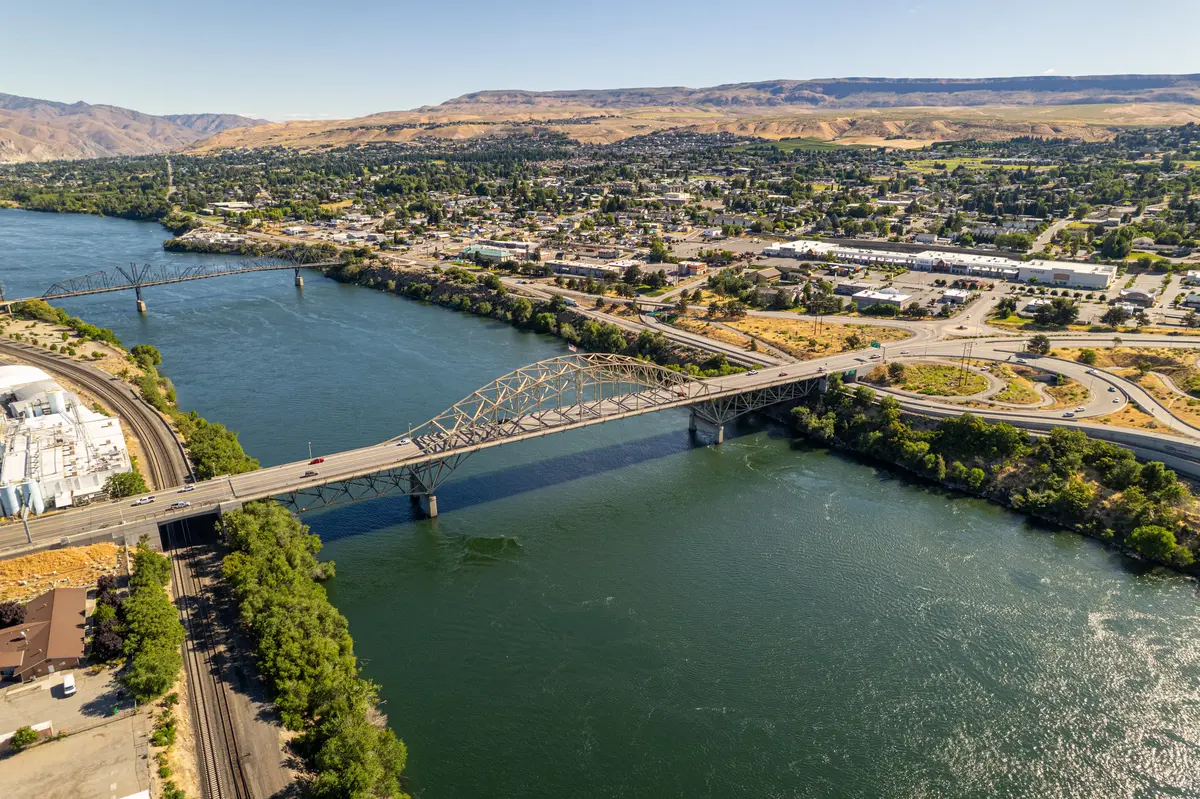
Move to East Wenatchee with kids and you will quickly learn that the school district is the same name as the city's parks department, the same name as the little league complex, and one of the most recognizable institutions in Douglas County's only incorporated city. Eastmont is not just where your children go to school — it's woven into the civic identity of the community. The district sits east of the Columbia River, drawing students from a compact urban core that stays within easy reach of Wenatchee proper via the George Sellar Bridge and the Odabashian Bridge.
Eastmont School District earns a B rating overall. That grade reflects genuine strengths — a district-reported graduation rate that has climbed to 92%, reading proficiency that matches the Washington state average, and a high school athletic program that fields 22 varsity sports under WIAA. It also reflects real challenges: math proficiency runs noticeably below the state average, two dedicated art teacher positions were eliminated for the 2024–2025 school year as an enrollment-driven budget measure, and two campuses carry active Washington School Improvement Framework designations. Families who dig into the numbers will find a district that is honest about its gaps and working to close them — not one that papers them over.
The student body mirrors the community. Approximately 53% of students identify as Hispanic or Latino, and just over half qualify for free or reduced-price meals. For families moving from more homogeneous districts, that diversity is frequently cited as a genuine benefit of raising children here — a real-world environment that reflects the broader world more than many suburban alternatives. East Wenatchee's parks and recreation infrastructure reinforces school programs, giving kids outdoor options across all seasons in the shadow of the Cascades.
Whether you are choosing between Eastmont and a private option in Wenatchee, trying to understand which elementary feeds the high school's stronger programs, or just sizing up youth sports before you sign a lease, the sections below break down the district's structure and ratings, its standout schools, what the athletic and activities programs actually look like, and who this district is — and is not — the right fit for.
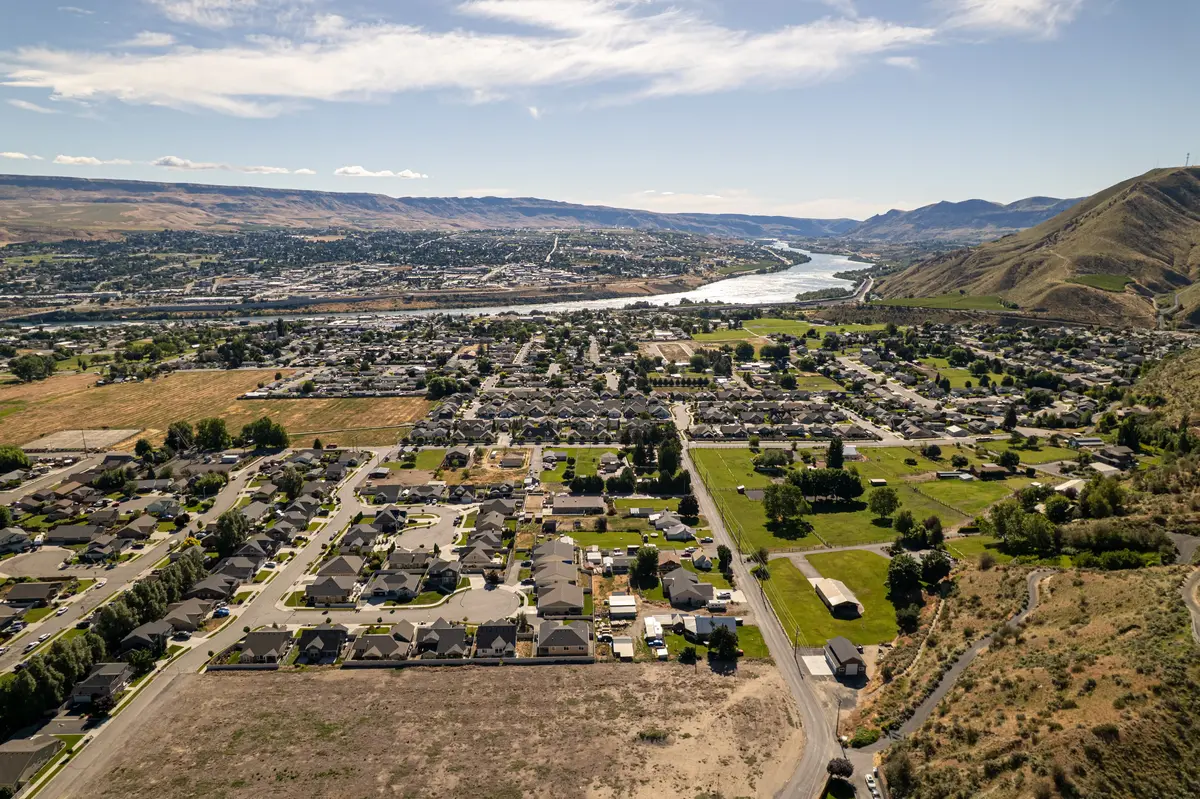
Eastmont School District at a Glance
Eastmont School District serves 6,089 students across 12 public schools, headquartered at 800 Eastmont Ave in East Wenatchee. It is a 4A district — the largest classification in WIAA for this region — which means more course offerings, more competitive athletics, and a larger peer group than many rural North Central Washington alternatives.
| Metric | Eastmont SD | WA State Average |
|---|---|---|
| Overall District Rating | B | — |
| Graduation Rate | 92% | ~83% |
| Reading Proficiency | 53% | 53% |
| Math Proficiency | 33% | 41% |
| Hispanic/Latino Enrollment | ~53% | ~24% |
| Economically Disadvantaged | 50.7% | ~44% |
| Total Schools | 12 | — |
| Total Enrollment | 6,089 | — |
The graduation rate is the headline number. At 92%, it sits well above the state figure and has risen from 89% over the past five school years — a meaningful upward trend, not a plateau.
Math proficiency is the honest counterpoint. At 33%, it trails the state average by a significant margin. That gap is concentrated in middle and early high school grades, and it is worth asking any principal you meet what the current intervention strategy looks like before you assume the trend line is moving in the right direction at your child's specific campus.
Reading proficiency lands exactly at the state average of 53%. That is a B-level result in the most straightforward sense: not a top-of-the-state performer, not a school in crisis, but a district where your child's reading outcomes will track closely with what a typical Washington family can expect.
Diversity and Community Context
Minority enrollment runs approximately 56–60% districtwide, with Hispanic and Latino students making up the majority of that share. For families relocating from more homogeneous districts — particularly those coming from west-side suburban systems — this demographic profile often comes as a genuine surprise, and most describe it as a strength rather than a concern after a year on the ground. The district's bilingual and English-language-learner programming is correspondingly well-developed, which benefits all students through stronger language arts infrastructure.
Standout Schools Worth Knowing
Eastmont has 12 campuses, and this guide will not attempt to rank every one. Three schools stand out for distinct reasons — and two others carry state-level designations that parents with children at those campuses need to understand.
Eastmont Senior High School — The Anchor
Located at 955 3rd St NE, Eastmont Senior High is the capstone of the pipeline. With 1,534 students enrolled in 2024–2025, it is one of the larger 4A high schools in North Central Washington. The Wildcats compete in the Columbia Basin Big Nine 4A conference under WIAA, fielding 22 varsity sports — football, basketball, volleyball, wrestling, baseball, softball, cross country, swimming, soccer, golf, tennis, and track among them.
Beyond athletics, the 4A classification supports a course catalog that includes AP coursework and career and technical education pathways. Families who have come from smaller districts are often relieved to find genuine depth in elective offerings at this level, even after the art-teacher cuts at the elementary level discussed in the trade-offs section below.
Lee Elementary — Growth Recognition
Lee Elementary earned recognition from the Washington Office of Superintendent of Public Instruction (OSPI) under the Washington School Recognition Program for demonstrating growth for one or more student groups during the 2022–2023 school year. That designation matters because it is awarded based on improvement trajectory, not just absolute test scores — it signals a staff and building culture that is moving in the right direction. For families enrolling younger children, a school actively recognized for growth is worth more than a school coasting on a legacy score.
Grant Elementary — A Nuanced Picture
Grant Elementary received the same 2022–2023 OSPI growth recognition as Lee — a meaningful positive signal. At the same time, Grant carries a Tier 3 (Compound Tier 1) designation under OSPI's Washington School Improvement Framework for 2025–2026, which means it is receiving targeted state improvement support. Both things are true simultaneously: the campus is improving, and it is still flagged as needing additional resources. Parents considering the Grant Road corridor or Sunnyslope neighborhoods — where Grant Elementary serves as the neighborhood school — should request a conversation with the principal to understand the specific improvement plan in place.
Eastmont Junior High — The Middle-School Watch
Eastmont Junior High carries a Tier 2 WSIF designation for 2025–2026, which sits one level below Grant's Tier 3 but still indicates state-identified improvement needs. Tier 2 means the school is receiving additional support and oversight — not that it is failing, but that the state has identified it as a campus requiring targeted intervention. This is the school every student on the east side of the district passes through on the way to the high school, so its performance trend carries particular weight for families with elementary-age children making five-year enrollment decisions.
Youth Sports and Kids Activities
East Wenatchee punches above its weight for a city of roughly 14,000 when it comes to organized youth activities. The combination of Eastmont Parks & Recreation, the high school's WIAA program, and several independent leagues gives families a genuine range of options from age five through high school graduation.
Eastmont Parks & Recreation — The Foundation
The Eastmont Parks & Recreation department runs more than 25 youth programs, including aquatics, accessible through online registration at eastmontparks.recdesk.com. This is the entry point for most younger children — recreational leagues, swim lessons, and introductory sports programs that do not require travel or tryouts. For a city this size, 25+ programs is a meaningful depth of offering. Registration fills quickly for the most popular sessions, particularly summer aquatics, so families who arrive in the spring should get on the portal immediately rather than assuming there will be space.
Eastmont Youth Baseball — A Regional Model
Eastmont Youth Baseball operates as a Cal Ripken League recreational program for players ages 5–12, with games held at the Eastmont Community 4-Plex. What sets it apart from comparable leagues elsewhere in the valley is the Buddy Bambino division — the only program of its kind in the Wenatchee Valley specifically designed for children and young adults with special needs. For families with a child who has developmental or physical differences, that distinction is not a minor footnote. It means your child has a genuine option, not a vague promise of inclusion. Registration for the 2026 season closed, so plan ahead for spring 2027.
Club Soccer — Wenatchee FC Youth
Wenatchee FC Youth serves the greater Wenatchee Valley as the regional competitive club soccer organization. East Wenatchee families are well within the served area, and the club provides a structured pathway for players who want more competitive development than recreational leagues offer. Club soccer here means travel — games and tournaments will take you to Yakima, the Tri-Cities, and occasionally west of the Cascades — which is a commitment worth pricing out before your child tries out.
WIAA High School Athletics — The Varsity Pipeline
Once students reach Eastmont Senior High, the WIAA-sanctioned program takes over with 22 varsity sports in the Columbia Basin Big Nine 4A conference. That breadth matters for multi-sport athletes: a student who swims in winter, plays soccer in fall, and throws discus in spring can do all three under one roof without navigating club conflicts. The Wildcats' football, basketball, and wrestling programs draw consistent community attendance, and Friday night games at the high school are one of the more reliable gathering points for families across every part of East Wenatchee. If your family is coming from a region without a strong Friday-night-sports culture, it may take a season to appreciate how central that rhythm becomes to the community calendar.
What's Missing
Ice hockey, lacrosse, and competitive gymnastics are not available within the city limits and require travel to Wenatchee or beyond for club-level participation. Families who have a child already deep in one of those sports before moving here should confirm what the regional options look like before assuming East Wenatchee can accommodate a year-round training schedule.
Looking to buy in East Wenatchee? Estimate your payment.
Enter your numbers to see an estimated monthly mortgage payment.
Estimate only. Excludes HOA fees and mortgage insurance. The interest rate above is a starting point, not a quoted rate — replace it with your own to see real numbers. Insurance is a flat placeholder, not a East Wenatchee quote.
How Eastmont Compares to Nearby Options
Most families considering East Wenatchee weigh Eastmont against the Wenatchee School District across the river, and occasionally against smaller rural districts in Douglas or Chelan County. The comparison is more nuanced than a single rating suggests.
| District | Classification | Graduation Rate | Notable Strength | Best For |
|---|---|---|---|---|
| Eastmont SD (East Wenatchee) | 4A | 92% | Athletics depth, bilingual programming | Families School Programs |
| Wenatchee SD (Wenatchee) | 4A | ~86% | Arts integration, magnet programs | School Programs Walkable |
| Cascade SD (Cashmere) | 2B | ~90% | Smaller class sizes, tight community | Quiet Families |
| Waterville SD (Waterville) | 1B | Varies | Very small, personalized attention | Quiet Privacy |
| Rock Island SD (Rock Island) | 1B/2B | Varies | Small community feel | Quiet |
The clearest distinction is classification. Eastmont's 4A standing gives it a course catalog, athletic breadth, and extracurricular depth that smaller surrounding districts cannot match.
Wenatchee SD is the closest competitor, and the real difference comes down to specific program fit rather than a clear winner. Eastmont's graduation rate advantage is real; Wenatchee's arts integration infrastructure has historically been stronger, though Eastmont's 2024–2025 art-teacher cuts have widened that gap. Families who prioritize fine arts at the elementary level should factor that directly into the comparison.
Private and Charter Options
Washington does not have a robust charter school network in this region. Families seeking private alternatives will find a small number of faith-based schools in the broader Wenatchee Valley, but the drive times and tuition structures make them a secondary consideration for most East Wenatchee families rather than a realistic daily alternative. Homeschooling co-ops exist and draw families from across Douglas County, which is worth knowing if that path is on the table.
Who This District Is — and Is Not — the Right Fit For
Every district has a profile. Eastmont's fits some families well and genuinely does not fit others. Being clear about that upfront saves a lot of disappointment six months in.
Eastmont Is a Strong Fit If...
- Your child is a multi-sport or multi-activity athlete. Twenty-two varsity sports under one 4A umbrella, plus robust Parks & Rec programming for younger kids, means the infrastructure exists from age five through senior year.
- You value demographic diversity. A majority-Hispanic student body with strong bilingual programming creates a genuinely different daily environment than the predominantly white suburban districts many relocating families are leaving behind.
- You want strong graduation outcomes. A 92% graduation rate is a real strength for families who have been evaluating districts across the region.
- Your child thrives in a larger school environment. Eastmont High at 1,534 students has the critical mass to support meaningful peer groups for students with niche interests — robotics, theater, a second language, competitive debate — in a way that a 300-student 1B school simply cannot.
Eastmont Is a Poor Fit If...
- Dedicated arts education is non-negotiable at the elementary level. The 2024–2025 elimination of two dedicated art teacher positions means elementary art instruction now falls to general classroom teachers. If you are moving from a district with a full-time art specialist in every elementary building, the drop will be immediately noticeable.
- Your child needs intensive math support or acceleration. Math proficiency running eight points below the state average is a systemic signal, not a single-campus anomaly. Families with a student who is either significantly behind or significantly ahead in math should ask specifically what intervention and acceleration structures exist at the relevant campus — not at the district level, but at the building level.
- You are enrolling a middle schooler and want a school without improvement-support designations. Eastmont Junior High's Tier 2 WSIF status means the state has identified it as needing targeted improvement. That is not the same as a failing school, but it is a material fact for families making a middle-school enrollment decision.
- You want a small, everyone-knows-your-name environment. At 6,089 students across 12 schools, Eastmont is not a small-district experience. Students who have thrived in 1B or 2B rural districts sometimes find the 4A scale impersonal at first. The high school in particular can feel large if your child is not quickly plugged into a sport, a club, or an activity cohort.
One thing that surprises families after a full school year: the level of community investment in Eastmont athletics becomes a genuine social anchor in a way that does not show up in any rating. Friday night Wildcat games, the Parks & Rec youth leagues at the 4-Plex, and the Cal Ripken seasons weave the city together more than any single park or civic event. Families who initially chose East Wenatchee for other reasons often find a year later that the school community itself is what keeps them here.
Practical Tips for Families Moving to East Wenatchee
Getting ahead of a few specific logistics will make the transition significantly smoother than waiting until move-in day to sort them out.
Enrollment and Boundary Timing
Eastmont's attendance boundaries are drawn to reflect the geography of the city's neighborhoods — the Bench, Sunnyslope, the Grant Road corridor, Briarwood — and where you land will determine your elementary assignment. Before finalizing a neighborhood, pull the district's attendance boundary map at eastmontschools.net and confirm which elementary feeds your address. Boundaries in fast-growing areas occasionally shift between school years, so a map from two years ago may not reflect your actual assignment.
Open enrollment requests within the district are accepted on a space-available basis. If you have a preference for a specific campus — say, Lee Elementary based on its growth recognition — submit the open enrollment paperwork as early as the district allows, typically in January or February for the following fall.
Youth Sports Registration — Don't Wait
Eastmont Parks & Recreation programs fill faster than most families expect for a city this size. The online portal at eastmontparks.recdesk.com opens registration windows for each season, and the most popular programs — youth swimming, recreational soccer, and baseball — close weeks before the season starts. Set a calendar reminder for the registration open date, not for the program start date.
Eastmont Youth Baseball registration for the spring Cal Ripken season typically opens in late winter. If you have a child in the 5–12 age range and want to get them into the 2027 season, watch the Eastmont Youth Baseball site at eyb.sportngin.com starting in January. The Buddy Bambino division has limited spots and tends to fill first.
The Art Gap — A Real Conversation to Have
If you are enrolling children at the elementary level and fine arts programming matters to your family, ask the principal directly what art instruction currently looks like in the classroom. The district made the call to fold art into general instruction starting in 2024–2025. Some classroom teachers are strong integrators; others are not. Knowing where your specific building lands on that spectrum is worth a 20-minute conversation before school starts, not a discovery in October.
Getting Plugged In Before Day One
The most consistent advice from families who made smooth transitions to Eastmont: get your child into a Parks & Rec league or a youth baseball team before the first day of school. The social networks that form in youth sports here tend to carry over directly into the school hallways. A child who already knows six kids from their flag football team walks into fifth grade with a ready-made peer group. A child who arrives cold in late August without any prior contact does not have that same runway. For middle schoolers especially — where Eastmont Junior High's size can feel impersonal — a pre-established athletic or activity connection makes a measurable difference in the first semester.
Local Expert Takeaway: Eastmont School District is a B-rated, 4A district with a 92% graduation rate and genuine athletic depth — 22 varsity WIAA sports, a Cal Ripken youth baseball program with the Wenatchee Valley's only Buddy Bambino division for kids with special needs, and 25+ Parks & Rec youth programs through eastmontparks.recdesk.com. The honest caveats are real: math proficiency runs below the state average, dedicated art teachers were cut at the elementary level in 2024–2025, and both Eastmont Junior High and Grant Elementary carry active state improvement designations. Families who do their homework on boundary assignments, register for youth sports early, and ask building-level questions rather than relying on district-level averages tend to find Eastmont works well for them. Those who arrive expecting a top-decile suburban district and stop at the headline rating tend to be the ones who move their kids to private options by year two.
Quick Takeaways & FAQs
✅ Eastmont Senior High fields 22 varsity WIAA sports in the Columbia Basin Big Nine 4A conference — one of the broadest athletic menus for any school in North Central Washington.
⚠️ Elementary art instruction was cut to general classroom teachers for the 2024–2025 school year, and math proficiency runs noticeably below the Washington state average — two concrete limitations worth weighing before you move.
📍 Eastmont Youth Baseball's Buddy Bambino division at the Eastmont Community 4-Plex is the only league in the Wenatchee Valley specifically designed for children and young adults with special needs.
What is the Eastmont School District rating?
How many schools are in the Eastmont School District?
What youth sports are available in East Wenatchee for kids?
Are there concerns about specific Eastmont schools I should know about?
How does Eastmont compare to Wenatchee School District?
Moving to Washington?
Tell us what you need help with and we'll connect you with local resources.
