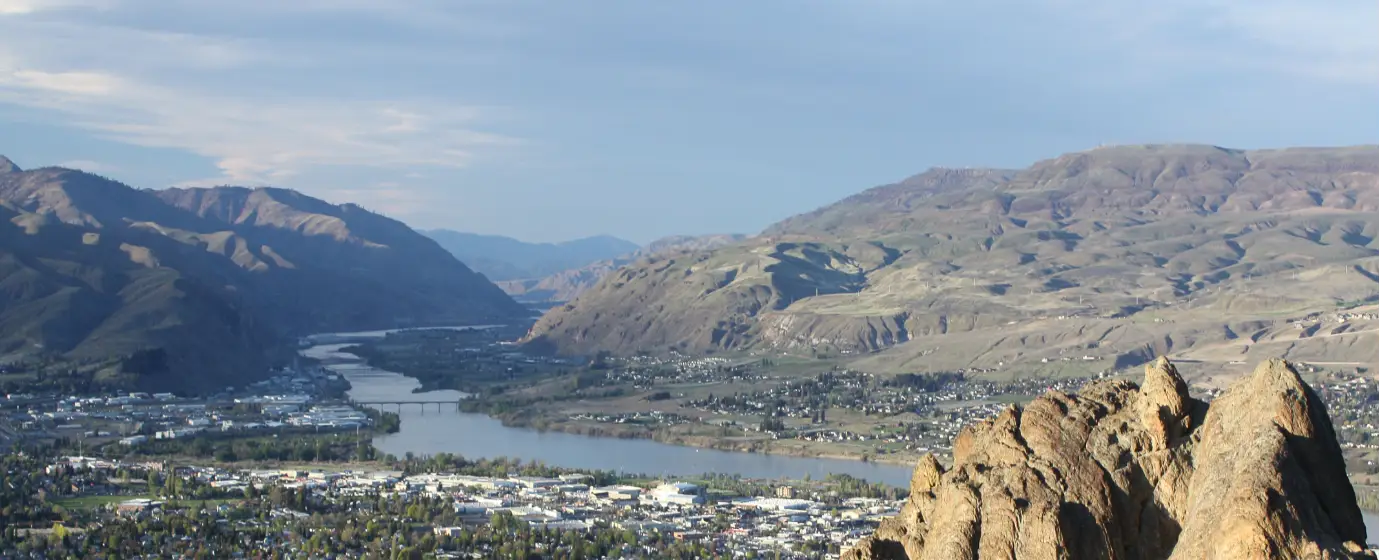
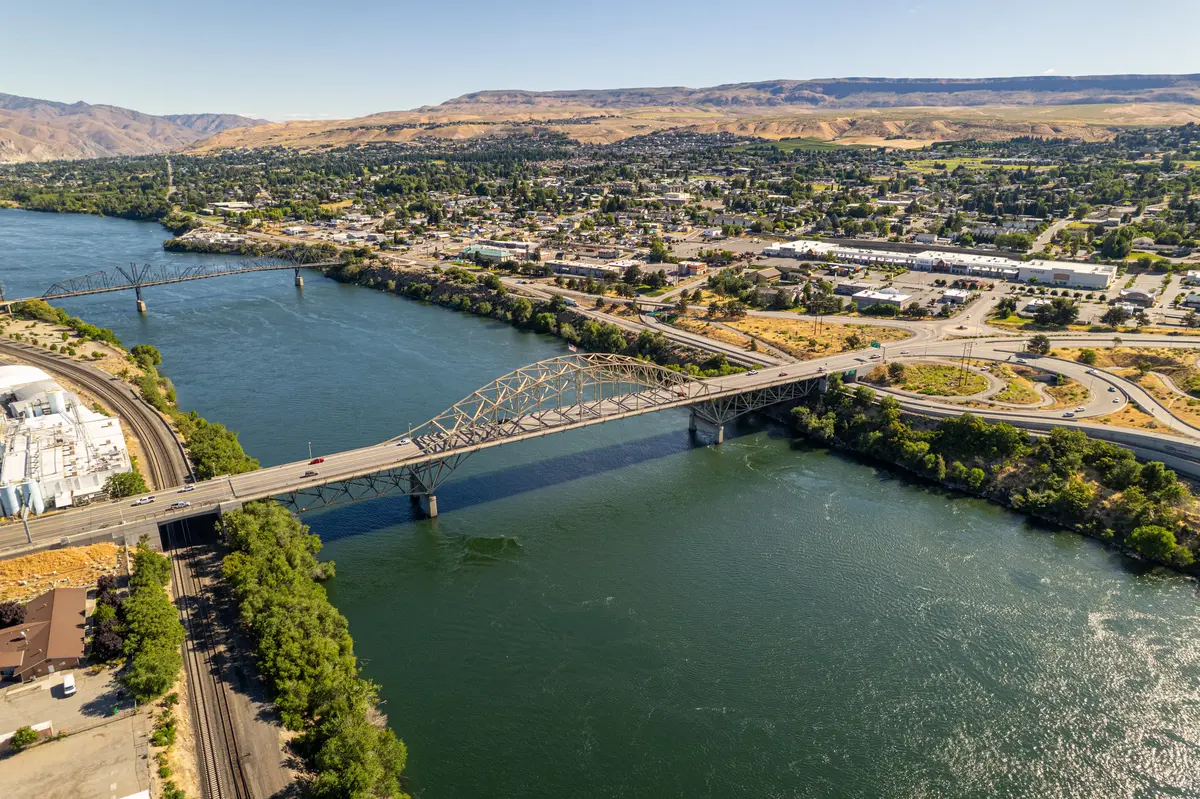
Maybe you've been renting in the Wenatchee Valley and watching prices inch up, or maybe you're relocating from the west side of the Cascade Range and someone told you North Central Washington is still "affordable." That's partly true — and partly a shock when you start touring homes. East Wenatchee sits on the Douglas County side of the Columbia River, directly across from Wenatchee via the George Sellar Bridge and the Odabashian Bridge, and it functions as a lower-tax alternative to its larger neighbor. But lower tax doesn't mean cheap. The Zillow Home Value Index for the city stood at $518,973 in June 2026, up 2.3% year-over-year, and homes are moving to pending in roughly 12 days on average. This is not a buyer's market where you can take a week to think it over.
The buyer pool here is competitive and local. Confluence Health, the Eastmont School District, Douglas County government, and the agricultural and food-processing firms clustered along the valley floor draw a steady stream of working households with stable incomes. Eastmont School District holds a B rating, according to Niche, which consistently draws families with school-age children across from Wenatchee or up from the Tri-Cities corridor. Median household income in East Wenatchee sits at $78,544 — enough to qualify for a purchase in the mid-$400s with disciplined budgeting, but stretched thin at the city's actual median price without a meaningful down payment. Washington's effective property tax rate here runs approximately 0.87%, which is one reason buyers from west-side markets often describe Douglas County as a relative bargain on the carrying-cost side even when the purchase price surprises them.
Day-to-day life in East Wenatchee is anchored by the outdoors and a genuinely short commute to Wenatchee — about 10 minutes in normal traffic. Wenatchee Confluence State Park sits just across the river. The Wenatchee area's rental vacancy rate was only 3.6% as of early 2026, which tells you something important: renting here isn't a comfortable holding pattern, and the financial case for buying, if you can qualify, is real. The catch is that getting to the closing table requires more preparation than first-timers typically expect in a market this fast. Washington state 30-year fixed mortgage rates were ranging between roughly 5.76% and 6.63% in early 2026 — get a current quote from a local lender before you plan any numbers.
Whether you've never owned a home or haven't owned a principal residence in the past three years (which qualifies you as a first-time buyer under HUD's definition used in Washington state), the sections below walk through what your budget actually buys here, the local buying process step by step, a realistic cash-needed breakdown, and the specific mistakes that cost first-timers in this market.
The East Wenatchee First-Time Buyer Reality
The city-wide Zillow Home Value Index of $518,973 (June 2026) is a useful anchor, but the number that matters more to a first-timer is the entry point. The most active price band for closed sales in the broader Wenatchee area runs between $401,000 and $600,000, with roughly two and a half months of supply across that range — meaning you're competing against other buyers with similar budgets for the same finite pool of homes.
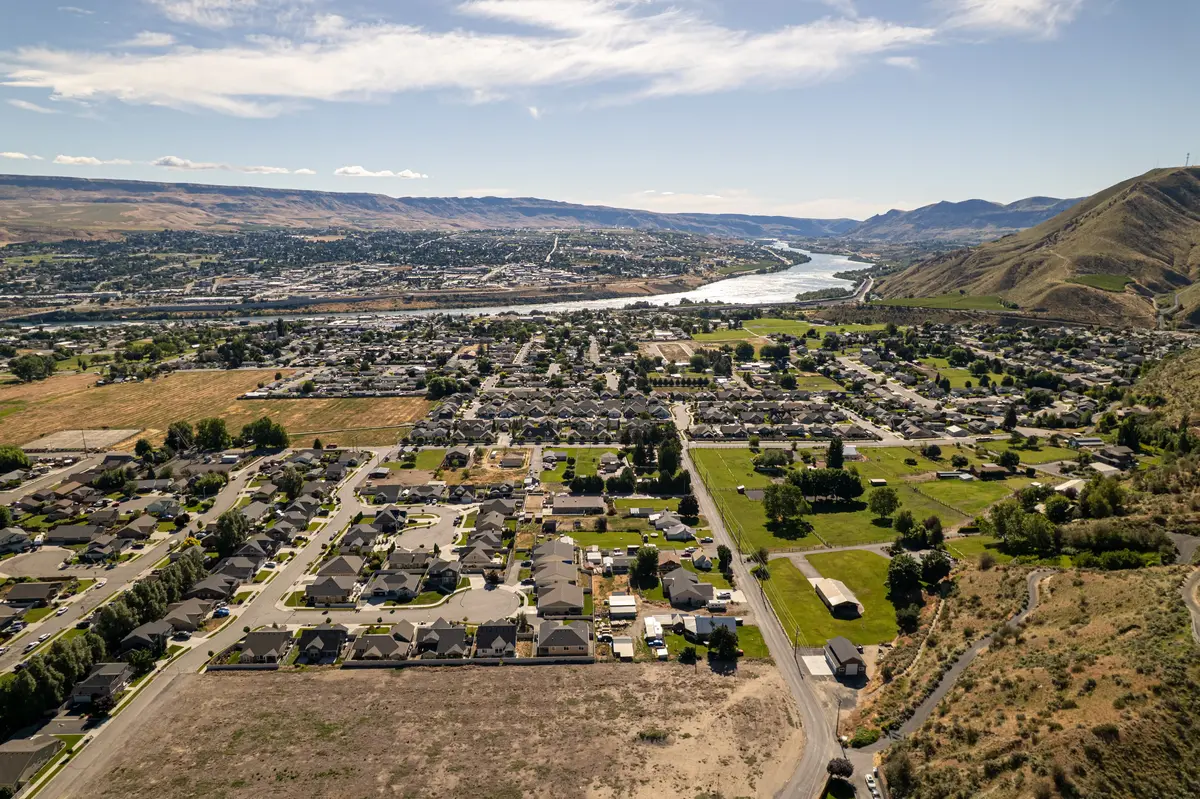
Entry-level inventory in East Wenatchee typically means older ranch-style construction, where homes at the lower end of the market are rarely turnkey. Expect deferred maintenance, smaller lots, and older mechanical systems that a home inspection will flag. For a fuller picture of which neighborhoods fit which price points, the neighborhoods guide breaks it down by area.
The overall market is rated very competitive by major listing platforms, with hot homes going pending in as few as four days and selling for roughly 1% above list price. That combination — limited entry-level inventory, fast timelines, and above-ask offers — is the core reality a first-timer needs to internalize before starting a search.
One thing that surprises buyers around month three: they discover the inventory they could afford and the inventory they actually wanted to buy were two different lists. Set that expectation now.
The Homebuying Process in East Wenatchee, Step by Step
Step 1: Get Pre-Approved Before You Set Foot in a Home
In most American markets, pre-approval is recommended. In East Wenatchee, it is required in practice. Listing agents here will not accept an offer without a lender letter, and because the average home goes pending in about 12 days, there is no time to get pre-approved after you find a home you love. Local lenders serving the East Wenatchee and Wenatchee market include Cashmere Valley Mortgage, Evergreen Home Loans, Guild Mortgage, PrimeLending, and Bay Equity Home Loans, among others. A local lender matters — they understand Douglas County title conventions, know area appraisers, and can call a listing agent to vouch for your file in a multiple-offer situation.
Step 2: Define Your Loan Type Early
Washington state minimum down payments break down cleanly: 0% for VA or USDA loans (USDA eligibility in East Wenatchee proper is limited — verify with your lender), 3% for conventional, and 3.5% for FHA. Your loan type affects how sellers perceive your offer. In a competitive situation, an FHA offer with an appraisal contingency can lose to a conventional offer at the same price. Know this before you write your first offer, not after you lose one.
Step 3: Search Within Your Pre-Approval Ceiling
Touring homes above your ceiling is the fastest way to ruin your appetite for what you can actually afford. Keep your search anchored to homes your lender has actually cleared you to buy, leaving room for escalation clauses and the emotional pull of a well-staged listing. Work with an agent who knows the local market well; comp values shift meaningfully from one part of the city to another.
Step 4: Write a Clean, Competitive Offer
In this market, sellers are receiving about 95% of asking price on average, but the best-located homes draw multiple offers and clear above list. A competitive first-timer offer typically includes: pre-approval letter attached, earnest money of at least 1%–2% of purchase price, and a clear inspection timeline. Waiving the inspection contingency entirely to compete is a risk most first-timers should not take — see the Mistakes section below.
Step 5: Inspection, Appraisal, and the Closing Stretch
Home inspections in Washington state typically run $400–$700 and are paid directly to the inspector at the time of service — not rolled into closing. Budget for it as a separate line item. Washington is a shared-cost state for closing: buyers cover lender fees, lender's title insurance, prepaid property taxes, prepaid homeowners insurance, the home inspection, and roughly half the escrow fee. Sellers customarily handle the real estate excise tax, owner's title policy, and the other half of escrow. Your lender will issue a Loan Estimate within three business days of application, which is your clearest roadmap for what closing will actually cost.
How Much Home Can You Afford in East Wenatchee
Buyer closing costs in Washington state typically run 2%–5% of the purchase price. At the city's current price level, that translates to a wide range of cash needed at closing depending on your loan type and purchase price. The table below uses approximate estimates — your actual figures will vary based on lender fees, rate, and negotiated terms. Use the mortgage calculator below the table for personalized payment estimates.
| Scenario | Purchase Price | Down Payment | Est. Closing Costs (2%–5%) | Est. Cash Needed at Table |
|---|---|---|---|---|
| FHA (3.5%) — entry level | $425,000 | ~$14,875 (3.5%) | ~$8,500–$21,250 | ~$23,375–$36,125 |
| Conventional (3%) — entry level | $425,000 | ~$12,750 (3%) | ~$8,500–$21,250 | ~$21,250–$34,000 |
| FHA (3.5%) — city median | $518,973 | ~$18,164 (3.5%) | ~$10,380–$25,950 | ~$28,544–$44,114 |
| Conventional (3%) — city median | $518,973 | ~$15,569 (3%) | ~$10,380–$25,950 | ~$25,949–$41,519 |
| Conventional (5%) — mid range | $550,000 | ~$27,500 (5%) | ~$11,000–$27,500 | ~$38,500–$55,000 |
| Conventional (10%) — established areas | $574,000 | ~$57,400 (10%) | ~$11,480–$28,700 | ~$68,880–$86,100 |
These figures are estimates only — your lender's Loan Estimate is the authoritative document. Note that putting less than 20% down on a conventional loan adds private mortgage insurance (PMI) to your monthly payment; FHA loans carry their own mortgage insurance premium regardless of down payment size.
Washington state also has a Housing Finance Commission that administers statewide assistance programs available to qualifying buyers in Douglas County — ask your lender or a HUD-approved housing counselor whether you qualify before assuming you need to bring the full cash amount above.
Looking to buy in East Wenatchee? Estimate your payment.
Enter your numbers to see an estimated monthly mortgage payment.
Estimate only. Excludes HOA fees and mortgage insurance. The interest rate above is a starting point, not a quoted rate — replace it with your own to see real numbers. Insurance is a flat placeholder, not a East Wenatchee quote.
Common First-Time Buyer Mistakes in East Wenatchee
Waiving the Inspection Contingency Without Understanding What You're Giving Up
Some buyers see waived inspections in competing offers and decide to match them. In a market with a meaningful share of older housing stock, that is a significant gamble. Roof age, HVAC condition, and older electrical panels are common inspection findings in this part of the valley. A better approach: get a pre-inspection before submitting your offer on a home that's been sitting for more than a week, or write a short inspection window (five to seven days) rather than waiving the contingency outright.
Shopping Without a Pre-Approval Letter
This one seems obvious, but buyers routinely start touring homes on a 12-day average timeline — and then spend three of those days gathering tax documents for a lender. By the time the letter arrives, the home is pending. Get your pre-approval before your first weekend of showings, not the weekend after. Local lenders who know the Wenatchee Valley can often turn a pre-approval around in 24–48 hours for an organized borrower.
Ignoring School Boundary Realities Before Making an Offer
The Eastmont School District serves East Wenatchee, and its strong district rating is a genuine draw. But not every address in the 98802 ZIP code feeds into the same elementary school, and boundary lines matter to families planning five years out. Check the district's boundary map against the specific address before you fall in love with a house — the schools page has more on how the district is organized.
Underbudgeting the Cash You Need at the Table
Most first-timers focus on the down payment and mentally file closing costs as "a few thousand dollars." At East Wenatchee price levels, 2%–5% closing costs mean you need to plan for $10,000–$26,000 on top of your down payment, plus the home inspection paid separately at the time of service. Add a three-to-six-month emergency reserve your lender may want to see, and the total cash picture is often $15,000–$30,000 more than buyers initially budgeted. Run the full number — down payment plus closing costs plus inspection plus reserve — before you set your purchase price ceiling, not after you're under contract.
Local Expert Takeaway: East Wenatchee's first-time buyer market rewards the prepared and punishes the reactive. Homes at the entry level move in days, not weeks, and they rarely wait for a buyer who still needs to gather lender documents. Get pre-approved with a lender who knows Douglas County, build a realistic cash budget that covers both your down payment and closing costs (plan for $10,000–$26,000 in closing costs alone at current price levels), and decide early whether FHA or conventional financing fits your financial picture. The buyers who lose here consistently are the ones who treat pre-approval as the last step before closing rather than the first step before searching.
Quick Takeaways & FAQs
✅ East Wenatchee's effective property tax rate of approximately 0.87% makes the annual carrying cost noticeably lower than many comparable Washington markets, which helps offset the $518,973 city median price over time.
⚠️ With homes going pending in roughly 12 days on average and a market rated very competitive by major listing platforms, first-timers who aren't pre-approved before they start touring will routinely lose homes to buyers who are.
📍 Under HUD's definition used in Washington state, you qualify as a first-time homebuyer if you haven't owned a principal residence in the past three years — not just if you've never owned — which opens up loan programs many repeat buyers don't realize they're eligible for.
What credit score do I need to buy a home in East Wenatchee?
How long does it take to close on a home in East Wenatchee?
Is East Wenatchee cheaper to buy in than Wenatchee?
Can I use a VA or USDA loan to buy in East Wenatchee?
What is earnest money and how much should I offer in East Wenatchee?
Moving to Washington?
Tell us what you need help with and we'll connect you with local resources.
