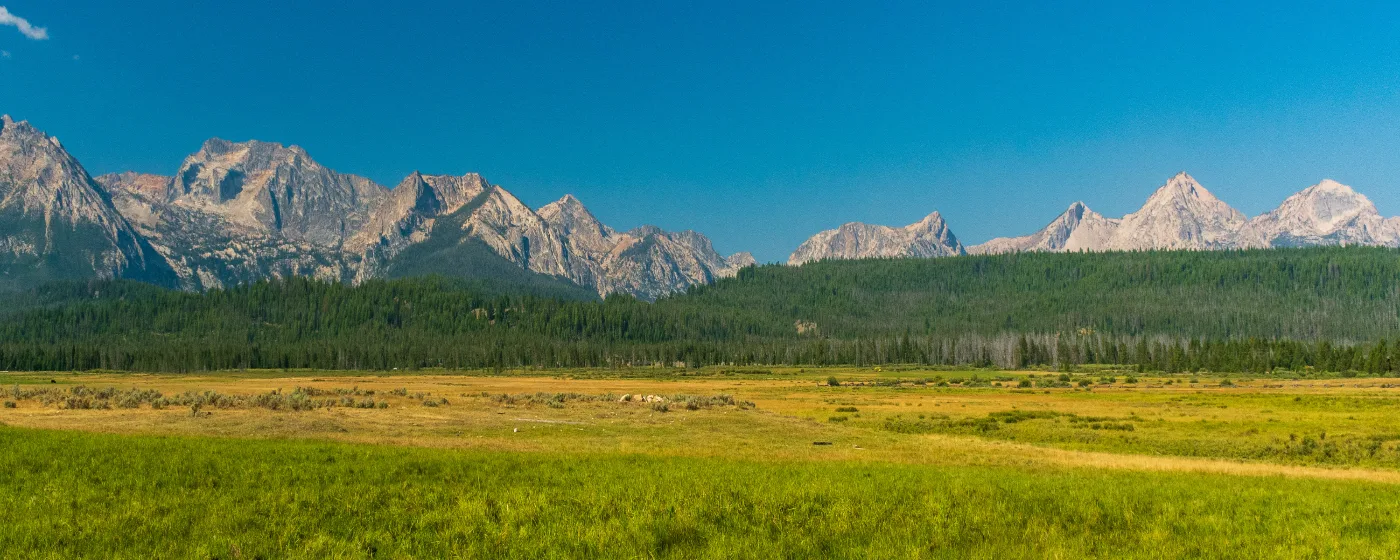
Most people who move to Stanley from California go through a version of the same conversation: someone mentions a place where you can own a home near world-class mountains, pay a fraction of what you're paying California in income taxes, and actually see the Milky Way from your backyard. Then you look it up and realize the town has 122 people, one of the most aggressive winter climates in the lower 48, and the nearest Target is over an hour away. That tension — extraordinary landscape against genuinely austere small-town infrastructure — is the decision every California buyer has to make honestly before writing an offer in Stanley.
Stanley sits in the Sawtooth Valley in central Idaho's Custer County, straddling Highway 75 where the Salmon River takes shape below the jagged granite teeth of the Sawtooth Mountains. The economy runs almost entirely on hospitality and federal land management: Redfish Lake Lodge, Mountain Village Resort, the Sawtooth National Forest, and the Stanley-Sawtooth Chamber of Commerce make up the core employment base. Most visitor-facing jobs operate May through October. If you're relocating here and need year-round employment, you'll likely commute to Ketchum or Sun Valley — roughly 60 minutes south on Highway 75 — or work remotely. The Challis Joint School District serves the area, and families with school-age children should research that carefully before committing.
Idaho's overall cost of living index sits at 97.7, compared to California's 142.2 — a meaningful gap that shows up in taxes more than anywhere else. Stanley's typical home value is $582,736 (Zillow Home Value Index, May 2026); California's statewide median runs noticeably higher. Idaho's flat income tax rate dropped to 5.3% in 2025, while California's top marginal rate reaches 13.3%. The math on that difference, applied to a remote worker's salary, funds a lot of road trips to Boise. For a deeper look at everyday costs, see the cost of living page.
Whether you're pricing out a cabin near Redfish Lake, comparing your California tax bill to Idaho's, or trying to figure out what winter actually feels like at 6,200 feet of elevation, the sections below cover what California transplants consistently get right — and wrong — when they move to Stanley.
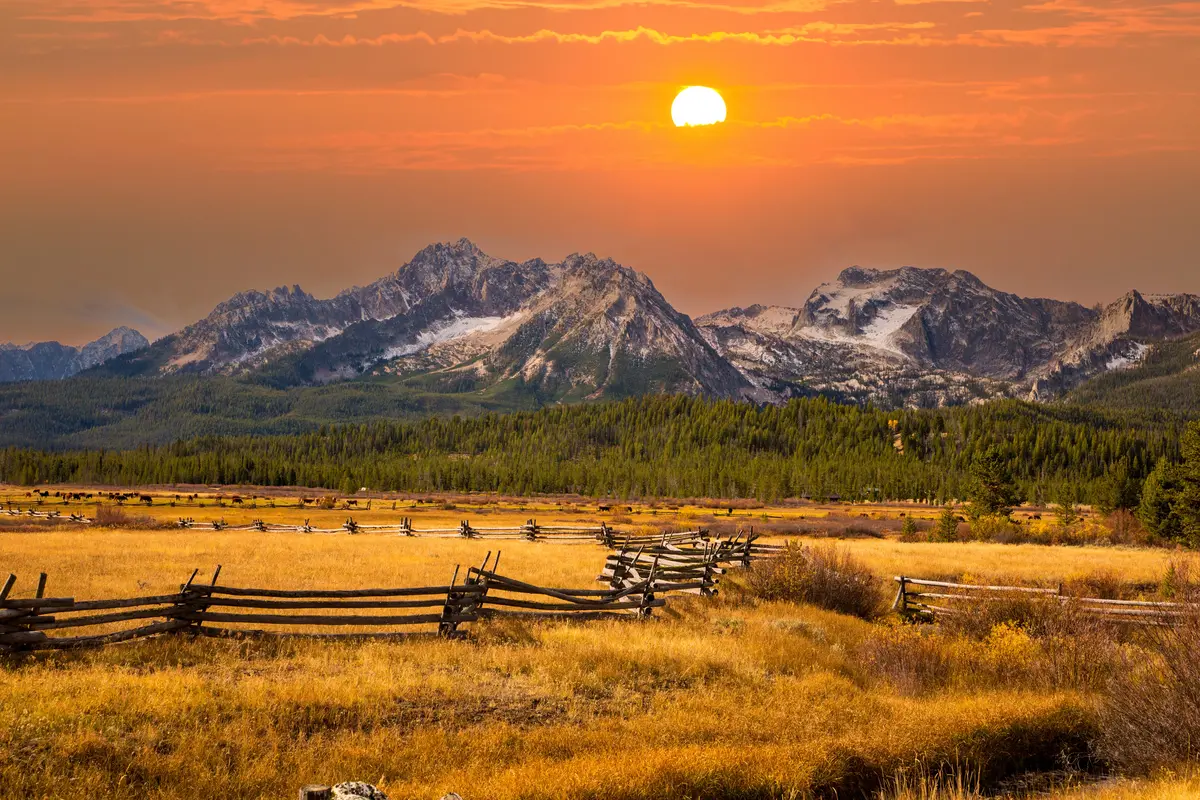
The Home Price Reality: What Your California Equity Buys Here
California buyers arriving with equity from a Bay Area or Southern California sale often feel, briefly, like they have all the leverage in the world. In a town of 122 people with a limited housing stock, that feeling requires some calibration.
What the Numbers Actually Say
Stanley's typical home value is $582,736 (Zillow Home Value Index, May 2026). That figure sits noticeably below California's statewide median of approximately $776,000 — but it represents a market with almost no inventory at any given time, properties that may be off-grid or reliant on well and septic, and seasonal access considerations that don't exist in Pasadena or Pleasanton.
Entry-level properties — older cabins, lots requiring construction, or homes needing significant weatherization — can come in below the typical value. But turnkey homes in desirable positions near Redfish Lake or along the Valley Creek corridor can push meaningfully above it. Stanley is not a market where being pre-approved and moving slowly works in your favor.
The Property Tax Advantage Is Real
Custer County's effective property tax rate is 0.32% — among the lowest in Idaho, which itself carries one of the lightest property tax burdens in the country. On a home at the typical value, that effective rate translates to annual property taxes well below what most California counties charge on a comparable assessment. California's effective property tax rates on purchased homes vary with Proposition 13 timing, but owners in coastal markets frequently pay more in absolute terms despite Idaho's nominally higher purchase price. For a full breakdown of Idaho's tax structure, see the cost of living page.
What You Will Not Find
Stanley has no HOA-governed subdivisions, no new-construction master-planned communities, and no condo market. If those are on your checklist, you're shopping in the wrong Idaho zip code. The inventory here runs to single-family cabins, rustic lodges on acreage, and raw land — full stop.
| Factor | California (Statewide) | Stanley, Idaho |
|---|---|---|
| Typical/Median Home Value | ~$776,000 (Jan 2026 est.) | $582,736 (ZHVI, May 2026) |
| Effective Property Tax Rate | Varies; often 1.0–1.2% on purchase price | 0.32% (Custer County) |
| New Construction Supply | Significant in growth metros | Minimal; mostly custom builds on raw land |
| Condo/HOA Market | Robust across most metros | Essentially nonexistent |
| Inventory Turnover | Moderate to high depending on metro | Very low; listings are rare events |
| Entry-Level Access | Difficult in coastal markets | Limited by scarcity, not price ceiling |
* ZHVI = Zillow Home Value Index.
The practical consequence: California buyers who move quickly and decisively — with financing arranged and a realistic sense of what condition Stanley housing stock comes in — tend to do better than those who approach it like a Bay Area suburban search with multiple showings and counter-offer cycles.
The Income Tax Difference: Where California Transplants Feel It Most
No single number reshapes a California remote worker's monthly budget faster than the shift from California's income tax to Idaho's. This is the most concrete financial reason people make this move.
The Rate Gap, Plainly Stated
California's top marginal state income tax rate for 2025 is 13.3% — the highest of any U.S. state — consisting of a 12.3% base rate plus a 1% surcharge on income over $1 million. Idaho, by contrast, moved to a flat 5.3% rate effective January 1, 2025, signed into law by Governor Brad Little in March 2025.
For a remote worker earning $120,000 a year, the difference between paying California's rates and Idaho's flat 5.3% is not a rounding error — it's a meaningful annual sum that changes what a monthly budget looks like. For a dual-income household at higher earnings, the gap widens further. Idaho also has no estate tax, no inheritance tax, and exempts Social Security benefits from state income tax entirely.
What Idaho Does Tax That California Doesn't
Idaho charges a 6.0% statewide sales tax — California's base rate is lower at 7.25% before local add-ons, but California exempts unprepared groceries. Idaho taxes groceries at the full rate, partially offset by a refundable Grocery Tax Credit of $155 per person per year, raised in the 2025 legislative session. In a place like Stanley where grocery runs involve a 45-to-60-minute round trip, this is a real-world number worth knowing, not just a tax footnote.
The No-Local-Income-Tax Point
Idaho prohibits local income taxes at the county and city level. If you're coming from a California city that piles local taxes on top of state taxes, you lose that layer entirely when you cross the state line. What you pay to Idaho is what you pay — there's no Custer County income surcharge waiting for you.
| Tax Category | California | Idaho (2025) |
|---|---|---|
| Top Marginal Income Tax Rate | 13.3% | 5.3% (flat) |
| Local Income Tax | Some cities impose additional taxes | Not permitted statewide |
| Sales Tax (base rate) | 7.25% (+ local add-ons) | 6.0% (avg combined 6.03%) |
| Grocery Tax Exemption | Yes (unprepared food exempt) | No — but $155/person grocery credit |
| Estate / Inheritance Tax | No state estate tax | None |
| Social Security Income Tax | Taxable at state level | Exempt from Idaho income tax |
The grocery credit is refundable, meaning it reduces your Idaho tax liability even if you owe nothing — a small but real offset for the food-tax difference.
One honest caveat for California remote workers: confirm your employer's payroll setup before assuming the change is automatic. Some California-based employers continue withholding at California rates until you formally establish Idaho residency and update your W-4 setup. Idaho's State Tax Commission publishes residency guidance that covers the required steps; don't skip them.
Daily Life in Stanley: What No California Real Estate Listing Tells You
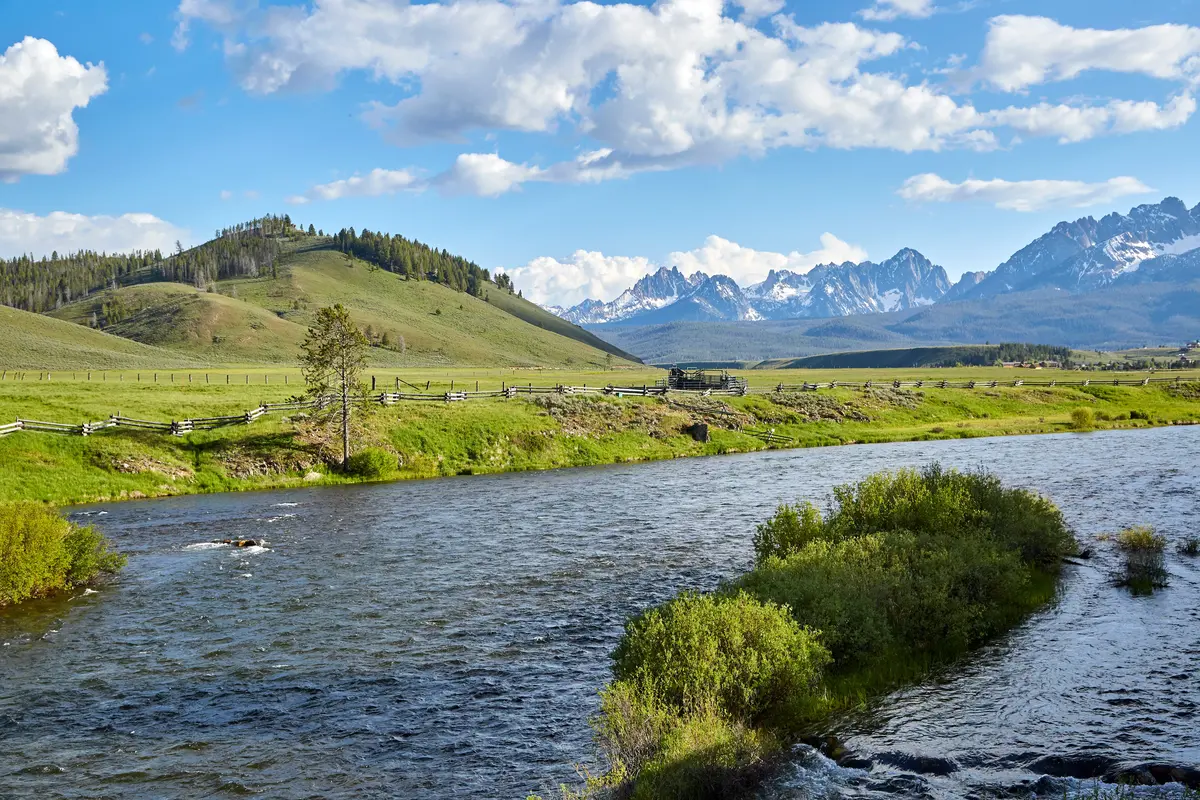
The listing photos show Sawtooth peaks and a clear-running river. They don't show what happens when the snowpack closes a road in November or what it means to live 45 minutes from the nearest grocery store.
The Seasonal Reality
Stanley's businesses, restaurants, and social energy peak from Memorial Day through early October. The Kasino Club on Ace of Diamonds Boulevard runs live music and a full bar during the season. Stanley Baking Company & Café on Wall Street pulls in hikers and locals alike for coffee and pastries through the summer months. Papa Brunee's Pizza & Subs on Ace of Diamonds Street and the Stanley Supper Club on Niece Avenue round out a food scene the Chamber of Commerce — accurately, for a town this size — calls one of Idaho's most surprising. A year-round saloon and restaurant on Eva Falls Avenue operates as one of the few anchors for off-season life.
By November, the town contracts sharply. Several businesses close for winter entirely. The Stanley Food Passport program, which the Chamber runs to connect visitors to local spots, essentially pauses. This isn't a con for everyone — some residents specifically chose Stanley because of what winter looks like without crowds — but it's a shock for buyers who visited in July and assumed July was representative.
The Supply Run
Ketchum is 60 minutes south via Highway 75. Challis is roughly 45 minutes north and serves as the Custer County seat. Neither is a day trip to be casual about in January. Californians accustomed to ordering from a dozen delivery apps and having a Trader Joe's within ten minutes will find Stanley requires a different relationship with planning. You stock up. You keep a chest freezer. You learn which Highway 75 passes are the first to become advisory in early winter.
What Surprises People After Six Months
The thing that catches most California transplants off guard isn't the cold — it's the silence of the off-season combined with the genuine warmth of the year-round local community. Stanley's 122 permanent residents form a tight, self-reliant group. The social fabric here doesn't revolve around restaurants and breweries; it revolves around knowing your neighbors actually help each other when the power goes out or a pipe freezes. That's either exactly what you moved here for, or something you realize too late you weren't built for.
Why People Move Out
The most common reasons California transplants leave Stanley within three years: children reaching high school age and finding the school situation — with the Challis Joint District serving the area at a distance — untenable; remote work arrangements that shift back to in-office requirements; and the cumulative weight of off-season isolation, particularly for partners who didn't initiate the move. None of these are surprises in retrospect. All of them were knowable before the purchase.
Looking to buy in Stanley? Estimate your payment.
Enter your numbers to see an estimated monthly mortgage payment.
Estimate only. Excludes HOA fees and mortgage insurance.
The California-to-Stanley Culture Shift: Practical and Social
Price and taxes are calculable. Culture is the part most California buyers underestimate.
Political and Social Environment
Custer County votes heavily Republican in every cycle. If you're moving from the Bay Area, Los Angeles, or Sacramento, you are moving into a community with different default assumptions on nearly every political and social question. That's neither a reason to move nor a reason not to — but going in with eyes open prevents the specific kind of buyer's remorse that has nothing to do with the house itself.
Stanley's permanent residents tend to be people who chose this life deliberately — former guides, ranchers, Forest Service workers, artists, and remote professionals who moved here before remote work was trendy. The social temperature toward Californians specifically can vary. Coming in with genuine curiosity about the place rather than plans to improve it goes a long way.
Outdoor Life as Infrastructure
In California, outdoor access is something you drive to on weekends. In Stanley, it's the premise of the entire place. The Sawtooth National Recreation Area begins at the edge of town. The Salmon River runs through it. Redfish Lake is a few miles south. Stanley Lake sits to the northwest. Valley Creek Hot Springs offers a year-round geothermal soak a short drive away.
If you don't ski, snowshoe, snowmobile, fish, or hike — if the outdoors is something you appreciate rather than something you do — Stanley will feel profoundly limited for the seven months that aren't summer. This isn't a knock on the place; it's a description of what it is.
What You Would Not Do If Moving Here
Don't buy a property on the assumption that short-term rental income will cover a significant portion of your carrying costs, then plan to use it as your primary residence. Stanley's summer rental demand is real, but the window is short and the regulatory and community landscape around vacation rentals in small Idaho communities is shifting. Have the math work without rental income before you have a conversation about rental income.
Internet and Remote Work Infrastructure
Starlink has meaningfully changed the calculus for remote workers in rural Idaho. Most of Stanley's permanent residents who work remotely rely on it. Cell service along Highway 75 and in parts of town is inconsistent by California standards. If your remote work involves daily video calls with hard deadlines, test the infrastructure before you close — not after.
| California Expectation | Stanley Reality |
|---|---|
| Multiple grocery stores within 15 minutes | Nearest full-service grocery is 45–60 min away |
| Year-round restaurant and nightlife access | Seasonal; several businesses close November–April |
| Reliable cell coverage | Inconsistent; Starlink common for home internet |
| Diverse political/social environment | Heavily conservative Custer County |
| Walkable urban amenities | No — walkability means trails, not storefronts |
| Short-term rental market as income stream | Real summer demand; short window; verify regulations |
| School district options | Challis Joint District; limited local options |
The buyers who thrive here made the move because they wanted Stanley specifically — not because they wanted to leave California specifically. That distinction shows up in how people weather the first winter.
Making the Move: What to Get Right Before You Close
A Stanley purchase is not a suburban transaction with a mountain backdrop. Several things that are routine in California require active planning here.
Establish Idaho Residency Correctly
Idaho residency requires more than changing your mailing address. You'll need to transfer your driver's license, register vehicles in Idaho, and update your voter registration. For California income tax purposes, you need to document the date your California domicile ended — California's tax authority scrutinizes high-earner departures and can assert you owe California taxes for any year where your residency change is ambiguous. Keep records of your move date, utility shutoffs in California, and when Idaho services began.
Property Inspections Are Not Optional Here
Older Stanley properties may have aging well systems, septic systems that haven't been serviced in years, propane infrastructure in varying condition, and structures that were built without permits in an era when Custer County's building oversight was minimal. A standard California home inspection does not transfer to a rural Idaho property. Hire inspectors with specific experience in well, septic, and off-grid systems — ideally inspectors who work regularly in Custer County and understand what mountain-climate weatherization actually requires.
The Financing Timeline Is Different
Lenders unfamiliar with rural Idaho properties — particularly those on acreage, with well and septic, or on seasonal roads — can take longer to underwrite than a standard suburban purchase. If you're financing, work with a lender who has closed loans in Custer County specifically. For an overview of Idaho first-time buyer programs and loan structures relevant to rural properties, see the first-time homebuyer page.
The Highway 75 Commute Is a Real Factor
If any part of your life requires regular access to Ketchum or Sun Valley — for work, for medical appointments, for kids' activities — Highway 75 is the only road, and it is a mountain highway. The stretch between Stanley and Galena Summit is frequently the first to get winter travel advisories in the region. In good weather, the drive is spectacular. In February, it demands genuine winter driving competence and a vehicle equipped for it. Budget time, not just miles.
One More Honest Thing
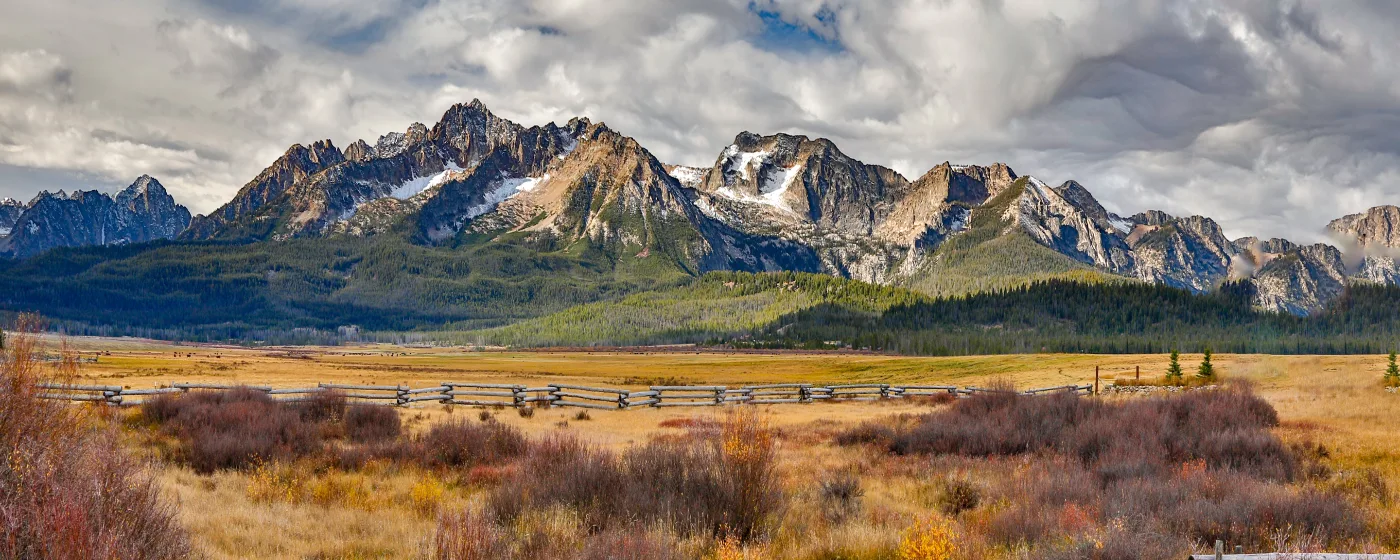
Stanley is one of the places in the American West where the land is genuinely the point. The Sawtooth Mountains rising above the valley on a clear morning in September is not a backdrop to your life here — it's the reason the life exists. Buyers who close understanding that — who are moving toward something rather than running from California's cost — tend to settle in and stay. Buyers who are primarily motivated by the tax math and assume they'll adjust to the rest often find by the second winter that adjustment has its limits. Both groups are making rational decisions. The question is which group you're in.
Local Expert Takeaway: Stanley rewards Californians who move here with genuine intention and eyes open: the income tax savings are real, the property tax rate at 0.32% is among the lowest you'll find anywhere, and the Sawtooth Valley setting is not replicated anywhere else in the lower 48. But the market is thin, the winters are serious, and the nearest full-service grocery requires a committed drive. Get your inspections done by someone who knows Custer County well and septic systems, line up Starlink before you need it for a deadline, and do not underestimate how different November through April feels from the Stanley you saw in July when you fell in love with the place.
Quick Takeaways & FAQs
✅ Idaho's flat 5.3% income tax rate versus California's top rate of 13.3% is the single largest financial shift California remote workers experience after moving to Stanley.
⚠️ Stanley's housing stock is scarce, mostly older cabins and rural properties, and inventory moves fast — expect well, septic, and off-grid infrastructure issues that don't exist in California suburban purchases.
📍 The Kasino Club and Stanley Baking Company & Café are summer-season anchors on Ace of Diamonds Boulevard and Wall Street respectively, but several Stanley businesses close entirely from November through spring.
How much do homes cost in Stanley, Idaho compared to California?
What is Idaho's income tax rate compared to California's?
Can I work remotely from Stanley, Idaho?
What is winter like for people who move to Stanley from California?
Does Idaho charge sales tax on groceries?
Moving to Idaho?
Tell us what you need help with and we'll connect you with local resources.
