What Is Living in Ketchum, Idaho Like?
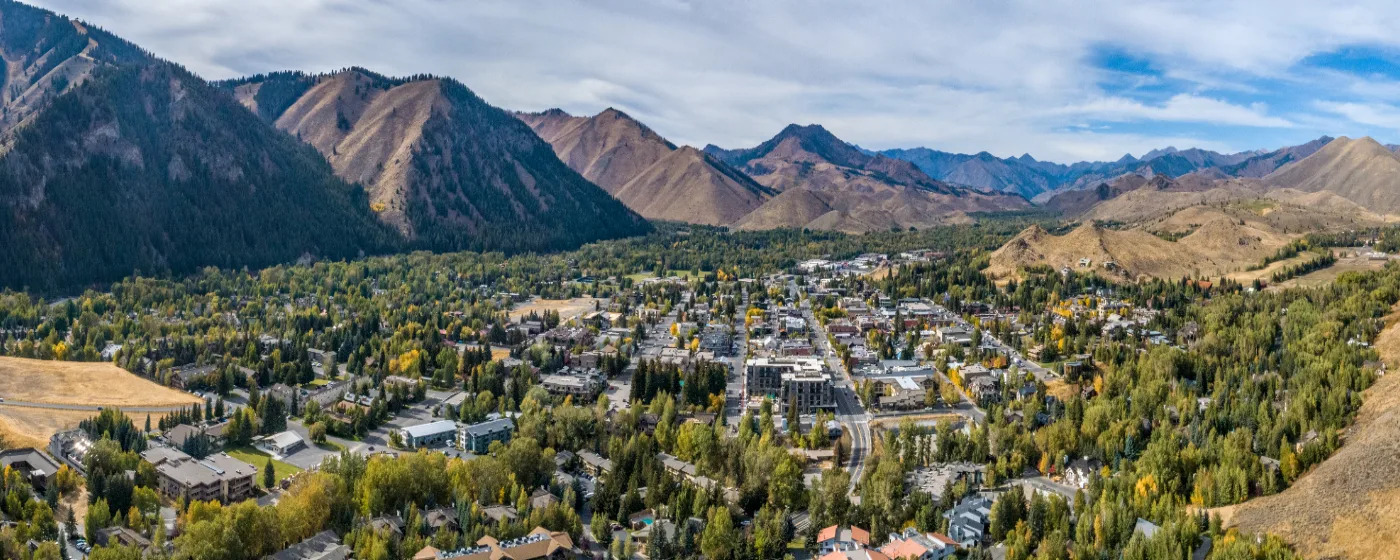
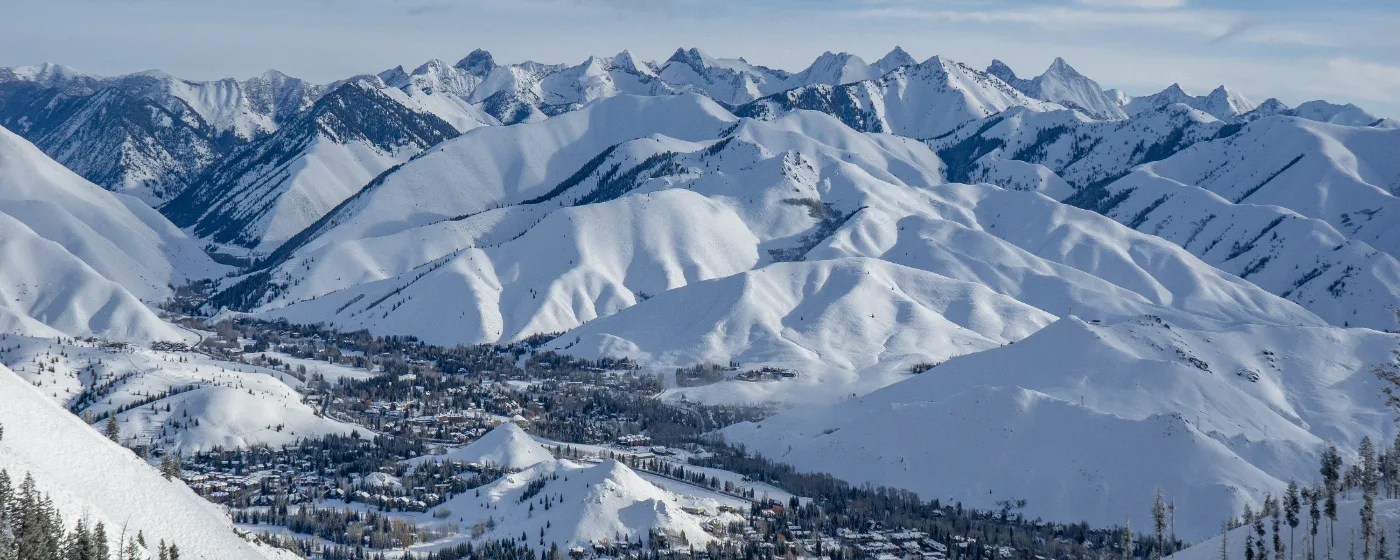
Most people who move to Ketchum expect a ski town. What they get is something harder to explain — a year-round community of roughly 3,700 permanent residents that happens to share a zip code with one of the most celebrated mountain resorts in North America. Ketchum sits at the northern end of the Wood River Valley in Blaine County, hemmed in by the Pioneer Mountains to the east and the Boulder Mountains to the north, with State Highway 75 threading through as the valley's single spine. Bald Mountain rises directly above downtown. That geography defines everything: where you can build, how traffic moves, and why a city this small has an international reputation — and international prices to match.
Sun Valley Resort is the economic engine, drawing hospitality workers, ski instructors, and the broader service economy that keeps a world-class destination running. The Blaine County School District serves the valley's children from Bellevue through Sun Valley. A major regional health system anchors the local healthcare workforce. What's less visible from the outside is how tight-knit the year-round community actually is — longtime ski patrollers, gallery owners, trail runners, and remote workers from tech and finance all coexist in a town where you recognize faces at the post office within six weeks of arrival.
Housing here is among the most expensive in Idaho, with a Zillow Home Value Index of $1,556,144 (2026) — a figure that puts Ketchum in a different category than nearly every other Idaho city. Renting is no easier, with the long-term rental market squeezed by vacation-rental demand. The upside is a daily life that most mountain towns only approximate: direct ski-in access from town, the Wood River Trail connecting you to neighboring Hailey and beyond on foot or by bike, and Mountain Rides' free electric bus system threading the valley seven days a week. For a deeper look at costs, see the Ketchum cost of living page.
Whether you are being relocated here, priced into the valley from somewhere like Jackson or Aspen, or simply drawn by the combination of small-town scale and four-season access, the sections below break down Ketchum's neighborhoods, housing market, employers, commuting reality, and what daily life here is genuinely like.
Ketchum at a Glance
Looking to buy in Ketchum? Estimate your payment.
Enter your numbers to see an estimated monthly mortgage payment.
Estimate only. Excludes HOA fees and mortgage insurance. The interest rate above is a starting point, not a quoted rate — replace it with your own to see real numbers. Insurance is a flat placeholder, not a Ketchum quote.
Why Are People Moving to Ketchum?
The honest answer is that most people who end up in Ketchum didn't plan to. They came for a ski week, or followed a remote job that let them choose anywhere, or got hired at Sun Valley Resort and then couldn't imagine leaving after the first winter. The city draws a narrower, more deliberate set of buyers than a typical suburb — people who have made a conscious trade of square footage, proximity to a major metro, and conventional affordability for something they couldn't find anywhere else.
The Employer Reality
Sun Valley Resort is the single largest employer, and its reach shapes the town's rhythm in every season. Ski season peaks from roughly December through March; summer brings festival crowds, cyclists, trail runners, and fly fishers. Between those peaks, Ketchum is genuinely quiet — and workers tied to hospitality feel that swing acutely. The Blaine County School District is a steadier employer, as is a major regional health system that anchors the Wood River Valley's medical services. Local restaurants and retail round out a service economy that is, by nature, tied to visitor volumes.
Who Actually Relocates Here
| Buyer Type | What Draws Them | Best Fit |
|---|---|---|
| Remote professionals | Mountain lifestyle with fast internet and no state income tax | Views Nature |
| Resort industry workers | Employment at Sun Valley Resort; ski access part of the deal | Commuter Value |
| Retirees & second-home buyers | World-class skiing, galleries, outdoor culture — and Idaho's low property taxes | Luxury Quiet |
| Families with school-age children | Blaine County School District holds a B+ rating, according to Niche; trail access from the neighborhood | Families School |
| Outdoor industry & guiding professionals | Proximity to Sawtooth National Recreation Area; Wood River Trail as a commute route | Nature Privacy |
| Artists & creatives | Sun Valley Museum of Art, gallery culture, Hemingway legacy, and a serious arts patronage base | Walkable Views |
Idaho levies no state income tax, and Ketchum's effective property tax rate sits at approximately 0.36% — well below what buyers coming from California or the Pacific Northwest are used to. Those two facts appear in nearly every conversation a relocating buyer has here, and they're real. What the spreadsheet doesn't show is that the purchase price is high enough that the total annual tax bill still adds up, and the seasonal economy means income can swing year to year for anyone tied to the resort cycle.
What Surprises People After Six Months
The thing nobody warns you about is the tourist-season traffic on SH-75. The highway is the valley's only real arterial, and during peak ski weekends in January or the major late-summer festival weekends in September, it can back up for longer than anyone accustomed to small-town living expects. The Idaho Transportation Department is actively constructing improvements on SH-75 between Elkhorn Road and River Street, with peak-hour northbound delays running 7–10 AM and southbound 3–6 PM as of 2026. If your daily commute overlaps with those windows, budget the extra time before you fall in love with a house on the far north end of town.
The other surprise is how much the community invests in itself. The city adopted a new Cohesive Ketchum Comprehensive Plan in September 2025 and consolidated its land development code in January 2026 — a signal that long-term residents are serious about shaping what growth looks like here, not just reacting to it.
What Daily Life Feels Like in Ketchum
Ketchum is a town where the morning commute competes with a ski run. On a powder day in January, the Bald Mountain lifts start spinning at 9 AM and the mountain is five minutes from downtown — which is why a meaningful portion of the permanent population structures their entire professional life around that fact. Remote work isn't a trend here; it's been the de facto economic model for a certain slice of residents for years.
The Four-Season Reality
Summer is when Ketchum quietly becomes a different city. The Wood River Trail — a paved, multi-use path that locals simply call "the bike path" — runs more than 20 miles from Bellevue through Hailey and Ketchum all the way to Sun Valley, and it is genuinely busy with cyclists, runners, and walkers from May through October. In winter, sections of it are used for Nordic skiing. It is, practically speaking, the valley's second transportation spine.
Fall is brief and stunning — aspens along Trail Creek and up the Warm Springs drainage turn in mid-October, and locals treat it as a near-sacred few weeks before the first serious snow. Spring brings mud season, which is not a metaphor; unpaved roads around Adams Gulch and Hulen Meadows can become genuinely impassable in March and April. First-time owners of mountain properties are sometimes caught off guard by what mud season actually costs in vehicle wear and road maintenance.
Where Locals Actually Gather
Town Square in Downtown Ketchum functions as the community's living room for much of the year — farmers markets, free concerts, and the kind of impromptu run-ins that only happen in towns where everyone knows which coffee shop opens earliest. The Pioneer Saloon on Main Street, known locally as "the Pio," has been a Ketchum gathering place since the 1940s; it's family-owned, its walls are covered in Western and Native American memorabilia, and Ernest Hemingway was a regular in his years here. Warfield Distillery & Brewery, also on Main Street, draws a younger crowd to its craft spirits and pub menu. Out on Warm Springs Road, the Sawtooth Brewery Public House gives the après-ski set a neighborhood-scale option away from the downtown concentration.
For families with kids, the Wood River Trail doubles as after-school infrastructure — it's not unusual to see elementary-age children biking from school to home without crossing a significant road. The Sawtooth Botanical Garden hosts educational programming tied to Idaho's high-desert flora. The Sun Valley Museum of Art brings world-caliber exhibitions to a town of 3,700 people, which still surprises newcomers who expect the cultural offerings to match the population size.
The Honest Tradeoffs
Grocery runs require planning. Ketchum has options, but for the variety of a full-service regional supermarket you are driving to Hailey. There is no Trader Joe's closer than the Treasure Valley, roughly two and a half hours south on US-20. Dining out is excellent — the resort economy has created genuine culinary depth for a city this size — but it is priced accordingly. Workers in hospitality and education often face a structural mismatch between their wages and what it costs to rent or buy here; that tension is openly discussed in town and shapes local politics around housing policy.
The Ketchum Housing Market Right Now
The Zillow Home Value Index for Ketchum stands at $1,556,144 (2026), up approximately 1.5% over the prior year. That is the city-wide composite figure — it reflects the full range from older condominiums near the base area to large single-family homes on private acreage. Some areas of the valley run considerably higher; others offer entry points below the index. For a neighborhood-by-neighborhood breakdown, see the best neighborhoods in Ketchum page.
What the Market Actually Looks Like
Inventory in Ketchum is structurally constrained. The valley's topography limits where new homes can be built, the city's updated land development code adds deliberate guardrails on density, and strong vacation-rental economics pull a portion of existing housing stock out of the long-term market. That combination keeps supply tight relative to demand even in slower national markets.
The rental side is equally compressed. Median monthly rent across all property types ran approximately $4,500 in 2024–2025, driven partly by property values and partly by the competition between long-term renters and short-term vacation operators. Resort and school district employees who don't own often pay a significant share of their income in rent — a recurring community conversation that the city's new comprehensive plan explicitly addresses.
Market Pace
Well-priced properties in Ketchum — particularly those with ski access, proximity to the Wood River Trail, or walkable distance to Downtown — tend to move quickly when they do appear. The buyer pool skews cash-heavy and experienced, which means contingency-heavy offers are at a natural disadvantage. That is not a step-by-step buying guide; it is simply the market reality here, and it is different from what buyers arriving from conventional suburban markets are used to. For more on the purchasing process, the first-time homebuyer page covers that in full.
Effective property taxes here run approximately 0.36% — Idaho's homeowner exemption applies to primary residences, which meaningfully reduces the assessed value for full-time residents relative to second-home buyers. That distinction matters when you are running purchase comparisons.
Ketchum Neighborhoods
Ketchum has several distinct areas — each with its own character and appeal. Here’s a breakdown to help you narrow down where to focus your home search.
🏡 Warm Springs
Warm Springs Road runs west of downtown toward the Warm Springs base area of Bald Mountain, making this neighborhood the closest thing Ketchum has to true ski-in access outside the resort itself. The Sawtooth Brewery Public House anchors the social scene for residents here, and the housing feel leans toward established single-family homes with mountain views rather than condo density.
🏠 West Ketchum
Sitting just west of Main Street and the downtown core, West Ketchum is among the most walkable pockets in the city — residents can reach Town Square, the Wood River Trail connection, and Main Street dining on foot without crossing a significant road. It suits buyers who prioritize on-foot access to daily life over privacy or acreage.
🌳 River Run
River Run anchors the eastern base of Bald Mountain near the resort's River Run Lodge, giving residents the valley's closest physical proximity to the lifts. The neighborhood skews toward condominiums and townhomes, making it a natural fit for full-time ski-focused residents and second-home buyers who want immediate mountain access.
🏘 Adams Gulch
Adams Gulch sits northwest of downtown at the mouth of its namesake drainage, with direct trailhead access to one of the valley's most-used non-motorized trail networks. Buyers here trade walkability to Main Street for privacy and immediate backcountry access — and should be prepared for the mud-season reality on unpaved portions of the approach roads.
🏔 Bigwood Golf Course
The Bigwood Golf Course area surrounds the valley's private golf club south of downtown, with homes that tend toward larger footprints and views across the course toward the Pioneer Mountains. It suits buyers looking for a quieter residential feel with a recreational amenity out the back gate.
🌆 Downtown Ketchum
Downtown Ketchum is the valley's social and cultural center — Town Square, Main Street galleries, the Pioneer Saloon, and Warfield Distillery & Brewery all within a few blocks. Condominiums and mixed-use buildings dominate the housing stock here, and the trade for that walkability is density and noise on peak resort weekends.
Pros & Cons of Living in Ketchum
The Pros
- World-class skiing and outdoor recreation year-round
- vibrant arts
- dining
- and cultural scene with film and music festivals
- low crime and tight-knit mountain community
- free public transportation throughout valley
The Cons
- Extremely high cost of living and housing prices
- limited job market outside hospitality and tourism
- seasonal economy with fewer opportunities for year-round full-time work
Getting Around & Commuting in Ketchum
Ketchum's geography means that virtually every vehicle-based trip in or out of the valley runs on State Highway 75. There is no alternate route north. South toward Hailey and Bellevue, SH-75 is the only option. Understanding that single-road reality is the first thing every new resident needs to internalize about life here.
The SH-75 Situation
Active construction improvements on SH-75 between Elkhorn Road and River Street in Ketchum are expected to cause peak-hour delays: northbound 7–10 AM and southbound 3–6 PM as of mid-2026. Resort-season weekends compound this — the Friday afternoon arrival wave from Boise and the Sunday departure can turn a 12-minute drive to Hailey into a 30-minute wait. Buyers evaluating homes at the northern end of Ketchum or up toward Trail Creek should drive the route during a peak window before committing.
Mountain Rides: The Free Valley Bus
Mountain Rides is the genuine transit success story of the Wood River Valley. The system connects Bellevue, Hailey, Ketchum, and Sun Valley with zero-emissions electric buses, seven days a week, year-round — no fare, no reservation. It also serves Friedman Memorial Airport in Hailey, about 12 minutes from Ketchum, with scheduled service that makes arriving without a rental car genuinely practical. Beyond the fixed bus routes, Mountain Rides runs bike-share, carpool matching, vanpool, and pedestrian programs as a regional partnership.
For residents who work in Sun Valley or along the Main Street corridor, Mountain Rides can realistically replace a car for the daily commute — which matters when winter parking in Ketchum is limited and SH-75 construction adds unpredictability. It is not a system that scales to a full car-free lifestyle for most households, but it is far more functional than what most Idaho cities of comparable size offer.
The Wood River Trail as Infrastructure
The Wood River Trail's 20+ mile paved spine — 36 miles total when the northern loop and spurs are included — functions as actual transportation for a meaningful share of Ketchum residents, not just recreation. School-age children bike to class on it. Workers at the resort ride it from south Ketchum in summer. In winter, the groomed Nordic sections give it a second life. If you are evaluating a property's "walkability" score from a national database, treat it skeptically; the more relevant question is how close the property sits to the Wood River Trail access, since that determines whether you can realistically run errands or commute without a car.
Driving Beyond the Valley
Boise is approximately 155 miles south on SH-75 to US-20 — a scenic two-and-a-half-hour drive in summer, potentially longer in winter when Timmerman Summit can see significant snow accumulation. Twin Falls is closer, around 90 miles, and serves as the practical regional hub for big-box retail and medical specialists. Friedman Memorial Airport in Hailey maintains commercial service to Salt Lake City, Seattle, Denver, and San Francisco, making Ketchum more connected to major metros than its location on a map implies.
Schools in Ketchum
Families relocating to Ketchum have public, private, and higher-education options nearby. Here’s a quick overview.
🎓 School District
Blaine County School District serves K–12 students across Ketchum and the surrounding area. Rated B+ (source: Niche.com).
🏆 Graduation Rate
The 4-year high-school graduation rate here is approximately 83.1%.
📚 Higher Education
Idaho’s public universities — Boise State, the University of Idaho, and Idaho State — offer four-year degrees statewide, with community colleges (CWI, CSI, NIC) providing two-year and workforce programs.
🌐 Online Learning
Boise State Online and University of Idaho Online offer fully accredited online degrees for remote learners across the state.
Safety in Ketchum
A quick look at how Ketchum compares on the numbers that matter most when weighing a neighborhood or a move.
🛡 Violent Crime
Approximately 1.1 per 1,000 residents.
🔒 Property Crime
Approximately 8.54 per 1,000 residents.
Compared to the FBI’s most recent national data (2024), Ketchum’s violent crime is below the national average (about 3.6 per 1,000), and property crime is below the national average (about 17.6 per 1,000).
Against Idaho as a whole, Ketchum’s violent crime is roughly half the state average, and property crime is somewhat above the state average (Bureau of Justice Statistics, Crime Known to Law Enforcement, 2024 (tables 2 and 3)).
Crime rates can vary a lot within a single city, so the citywide numbers above are only a starting point. Some neighborhoods in Ketchum run well below these averages, while others run higher — the kind of block-by-block detail that matters most when you’re actually choosing where to live. The full guide below breaks it down neighborhood by neighborhood.
Working in Ketchum
Ketchum’s largest employers span several industries — here are some of the anchors of the local job market.
🏥 Sun Valley Resort
Hospitality & recreation
🏥 St. Luke's Wood River Medical Center
Healthcare
🎓 Blaine County School District
Education
🏥 local restaurants and retail
Hospitality
Parks & Recreation in Ketchum
Some of the outdoor spaces that shape everyday life in Ketchum.
🌱 Bald Mountain
🌱 Wood River Trail
🌱 Sawtooth Botanical Garden
Ketchum residents don’t have to go far for green space — spots like Bald Mountain and Wood River Trail are part of everyday life here, whether that’s a morning walk, a weekend hike, or just somewhere to unwind outside. The full guide below covers more of what Ketchum has to offer for parks and outdoor recreation.
Retiring in Ketchum
Ketchum draws retirees for its balance of amenities, outdoor access, and cost. Here’s what to weigh.
🌤 Climate
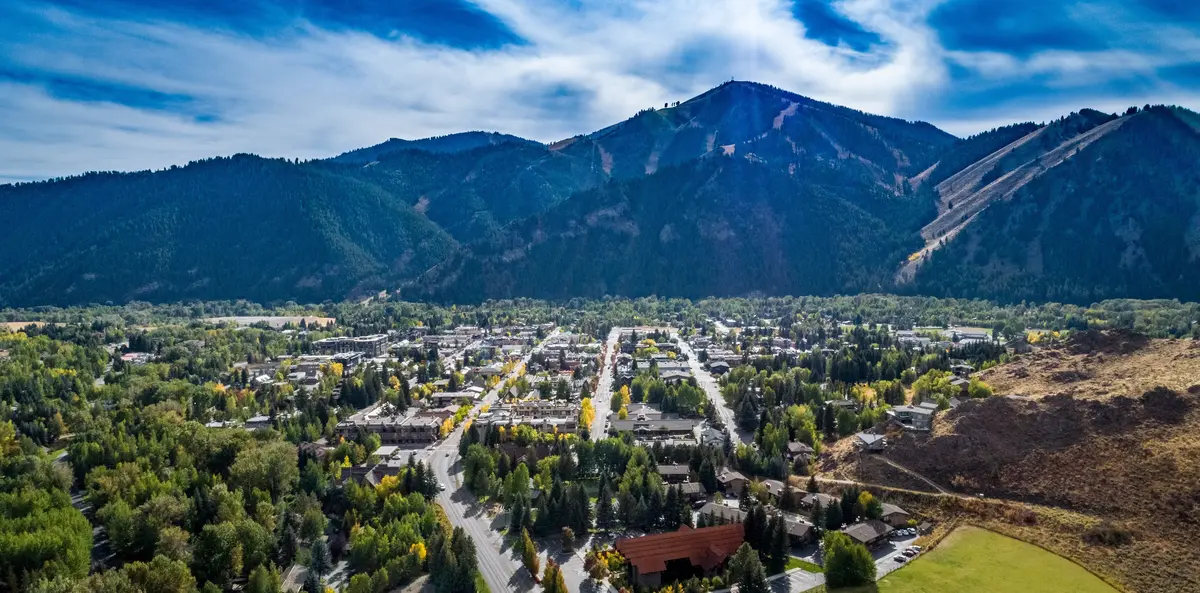
Ketchum sits at roughly 5,800 feet elevation, which means four genuine seasons — snowy winters with consistent powder, dry and warm summers that rarely get oppressively hot, and a short but spectacular fall. Expect 160–180 inches of annual snowfall in a strong year, and afternoon thunderstorms in July that clear quickly. The high-desert air is dry enough that even cold days feel milder than the thermometer suggests.
🍴 Lifestyle
Retirement in Ketchum means a morning ski or Nordic ski in winter and a trail walk or bike ride in summer, both starting from your neighborhood. The Sun Valley Museum of Art and a dense Main Street gallery scene provide cultural programming well above what a town this size typically offers. The Pioneer Saloon, Warfield Distillery & Brewery, and the Sawtooth Brewery Public House anchor a social dining scene where you will see the same faces often.
🏚 55+ Communities
Ketchum proper does not have a large-scale age-restricted or active-adult community — the market here skews toward single-family homes and condominiums rather than purpose-built senior developments. Neighboring Hailey and Bellevue offer somewhat more accessible price points for downsizing buyers, and the Mountain Rides transit system makes those communities genuinely connected to Ketchum's amenities without requiring a car. For a fuller picture of retiring in this area, see the Ketchum retiring page.
✈ Getting Around
Most retirees in Ketchum keep a vehicle for winter driving and longer trips, but Mountain Rides' free electric bus covers valley errands and airport runs without it. The Wood River Trail is paved and flat enough for e-bikes and walking year-round. Friedman Memorial Airport in nearby Hailey connects to Salt Lake City, Seattle, Denver, and San Francisco — which matters enormously for retirees whose families are spread across the country.
🏛 Idaho Taxes for Retirees — What to Know
- Social Security is not taxed — Idaho does not tax Social Security benefits at the state level, regardless of income.
- Flat state income tax — Idaho has a flat income tax (5.3% for 2026). Other retirement income — pension distributions and 401(k)/IRA withdrawals — is taxed as ordinary income at that rate.
- Narrow retirement deduction — Idaho’s Retirement Benefits Deduction is limited: it reaches only certain government pensions (federal CSRS, Idaho firefighter/police, and military retirement) for those 65+ (or 62+ if disabled), and is reduced by Social Security received.
- Sales tax is the tradeoff — The state sales tax is 6.0%, and Ketchum adds no local sales tax on general retail, so the combined rate is 6.0% (Idaho State Tax Commission, 2026). Groceries are taxed, but a grocery tax credit offsets part of it; prescription drugs are exempt. A small number of resort cities add a local option tax, usually on lodging, alcohol, and prepared food rather than general retail.
- Low property taxes, with senior relief — Idaho property taxes are relatively low. Homeowners 65+ who own and occupy their home may qualify for the “circuit breaker” Property Tax Reduction based on income.
- No estate or inheritance tax — Idaho has no estate, inheritance, or gift tax.
- Capital gains — Capital gains are taxed as ordinary income, though Idaho allows a deduction of up to 60% of the net gain on qualifying Idaho property.
Tax laws change frequently and individual situations vary. This is general information, not tax advice — always consult a qualified Idaho tax professional or CPA for personalized retirement tax planning.
Weekends & Local Favorites in Ketchum
The Ketchum weekend begins, for a large portion of residents, on Bald Mountain. Sun Valley Resort's terrain is genuinely world-class — 2,054 vertical feet, north-facing runs that hold snow, and a base area that feeds directly into downtown on foot. In summer the mountain converts to lift-served mountain biking. The access from town, without a car, is what separates Ketchum from resort towns where you drive to the mountain from a separate community.
The Hemingway Layer
Ernest Hemingway spent his final years in Ketchum and is buried at the Ketchum Cemetery on the north end of town — a genuinely moving, understated site that longtime residents visit on quiet mornings and newcomers discover with surprise. The Ernest Hemingway Memorial sits in a cottonwood grove along Trail Creek Road, a short walk or bike ride from downtown. These aren't tourist traps; they're woven into the physical geography of daily life in a way that gives Ketchum a literary weight unusual for a mountain town.
Arts, Culture, and Local History
The Sun Valley Museum of Art brings caliber-above-population exhibitions and events to a city this size — gallery-level work in a town where you can walk to the opening from dinner. The Ore Wagon Museum near Town Square documents the silver and gold mining history that predates the resort by decades. The Sawtooth Botanical Garden, south of downtown, hosts public programs year-round and is particularly worth a visit in late spring when the high-desert wildflowers are in bloom.
The Dining and Drinking Circuit
Main Street Ketchum has genuine depth for a city of 3,700. The Pioneer Saloon — "the Pio" — anchors the evening scene the way it has since the 1940s, with a steak-and-atmosphere combination that feels unchanged and is better for it. Warfield Distillery & Brewery, also on Main Street, leans craft and contemporary; its in-house spirits and rotating food menu attract a different crowd than the Pio without competing directly with it. Out on Warm Springs Road, the Sawtooth Brewery Public House is the neighborhood option for residents in the western neighborhoods who want a post-trail pint without driving to Main Street.
The consistent complaint from newcomers is that dining out here is expensive relative to what they expected from a small Idaho city. That's accurate. The flip side is that the quality ceiling is higher than most comparably sized mountain towns, supported by a resort clientele that demands it year-round. People who move out of Ketchum after a few years often cite the cost of simply eating and drinking as a slow drain they didn't fully account for before the move — an honest thing worth factoring into a relocation budget alongside housing.
Getting Outside Beyond the Resort
The Wood River Trail is the daily outdoor infrastructure, but the weekend horizon extends considerably further. Adams Gulch, just northwest of town, offers a trail network accessible directly from the neighborhood — hikers and mountain bikers share it, and it fills up fast on summer Saturday mornings. Trail Creek Road east of downtown opens into a quieter drainage with its own trail access and the feel of genuine backcountry proximity. The Sawtooth National Recreation Area begins at the north end of the valley, and the Salmon River Mountains beyond that are as serious a wilderness as you will find in the lower 48. Residents who came here for the resort often find, within a year or two, that the backcountry is what keeps them.
Top Things Locals Say About Ketchum
The best intel about a city comes from the people who actually live there. Here’s what Ketchum residents say when newcomers ask the questions everyone’s thinking.
“I knew the mountain would be close, but I didn't realize I'd be skinning up Bald Mountain before my first full workday was over. What I didn't expect was how completely the Wood River Trail would reorganize my daily habits — I drove less in my first month here than in any month of the previous decade.”
— Recent Ketchum home buyer
“What's the most surprising thing about living in Ketchum?”
The scale of the arts scene catches almost everyone off guard. The Sun Valley Museum of Art hosts events that would draw crowds in cities twenty times larger, and Main Street has a genuine gallery density that feels completely out of proportion to 3,700 people. Newcomers expect ski culture; they don't expect opening nights and literary lectures.
“What do locals love most about Ketchum?”
The Wood River Trail is probably the most-mentioned thing — the ability to step out your door and be on a paved path to Hailey or Sun Valley within two minutes, on foot or by bike, in any season. Close behind that is the four-season access: Bald Mountain in winter, the Adams Gulch trail network in summer, Trail Creek Road in fall. The Pioneer Saloon on Main Street anchors social life in a way that a bar hasn't anchored a town for most people since college.
“What should newcomers to Ketchum know?”
Drive SH-75 during a peak ski weekend before you buy anything on the north end of town — the single-road-in-single-road-out reality is not abstract. The SH-75 construction zone between Elkhorn Road and River Street adds meaningful time during morning and late-afternoon windows. And budget honestly for groceries and dining: the food and drink quality is real, but so is the resort-economy pricing on everything from a weekday lunch to a bottle of wine.
“Can you live in Ketchum without a car?”
For daily valley life — commuting to Sun Valley Resort, getting to Hailey for groceries, reaching Friedman Memorial Airport — Mountain Rides' free bus makes it more realistic than you'd guess. The Wood River Trail handles a lot of the rest. Where it breaks down is anything requiring a trip south of Bellevue: the big-box retail in Twin Falls, the specialists in Boise, the Timmerman Summit road in a February storm. Most residents without a car own a bike and plan around the bus schedule, and it works — until it doesn't.
Cities Near Ketchum
Other communities near Ketchum worth a look — each with its own character and price point.
| City | Distance | Best For | Vibe | Median Rent | Median Buy |
|---|---|---|---|---|---|
| Sun Valley | 2 mi | Resort proximity, golf, and luxury living | Polished, resort-adjacent, walkable village core | $1,300 | $1,600,000 |
| Hailey | 12 mi | Families and more accessible price points | Grounded, valley-town feel with real services | $1,100 | $650,000 |
| Bellevue | 16 mi | Entry-level buyers and larger lots | Quiet, blue-collar roots, rapidly changing | $950 | $500,000 |
More Helpful Guides for Ketchum
Going deeper on Ketchum? Our blog series covers everything from first-time buying to retiring here — explore the guides below.
Local Expert Takeaway: Ketchum rewards the buyer who moves here with a clear-eyed reason. If your plan is to ski Bald Mountain in winter, bike the Wood River Trail in summer, and walk to dinner at the Pioneer Saloon on Main Street — this is genuinely one of the few places in Idaho where all three happen from the same front door. If you are hoping that a lower Idaho property tax rate makes the $1.5M+ price tags feel manageable, run the full budget carefully first; the effective rate is real, but so is the purchase price, the rental compression, and the cost of living in a resort economy. The free Mountain Rides bus system and the Wood River Trail together make car-lite living possible for residents near the valley core — a practical edge that newer buyers consistently underestimate.
Quick Takeaways & FAQs
✅ Ketchum's Wood River Trail — 20+ miles of paved, year-round path connecting Ketchum to Sun Valley and Hailey — functions as actual daily transportation, not just a recreational amenity.
⚠️ The city's Zillow Home Value Index of $1,556,144 (2026) puts Ketchum among Idaho's most expensive markets, and the long-term rental market (around $4,500/month median) offers little relief for buyers who aren't ready to purchase.
📍 Mountain Rides operates free, zero-emissions electric buses seven days a week connecting Ketchum, Sun Valley, Hailey, Bellevue, and Friedman Memorial Airport — making commutes along the valley's SH-75 corridor significantly more manageable than driving alone.
Is Ketchum a good place to live year-round, or is it mainly a vacation town?
How expensive is it to buy a home in Ketchum, Idaho?
What is the commute like from Ketchum to Hailey or beyond?
How are the schools in the Ketchum area?
Can you get around Ketchum without a car?
Helpful Links for Moving to Ketchum
Moving to Idaho?
Tell us what you need help with and we'll connect you with local resources.
