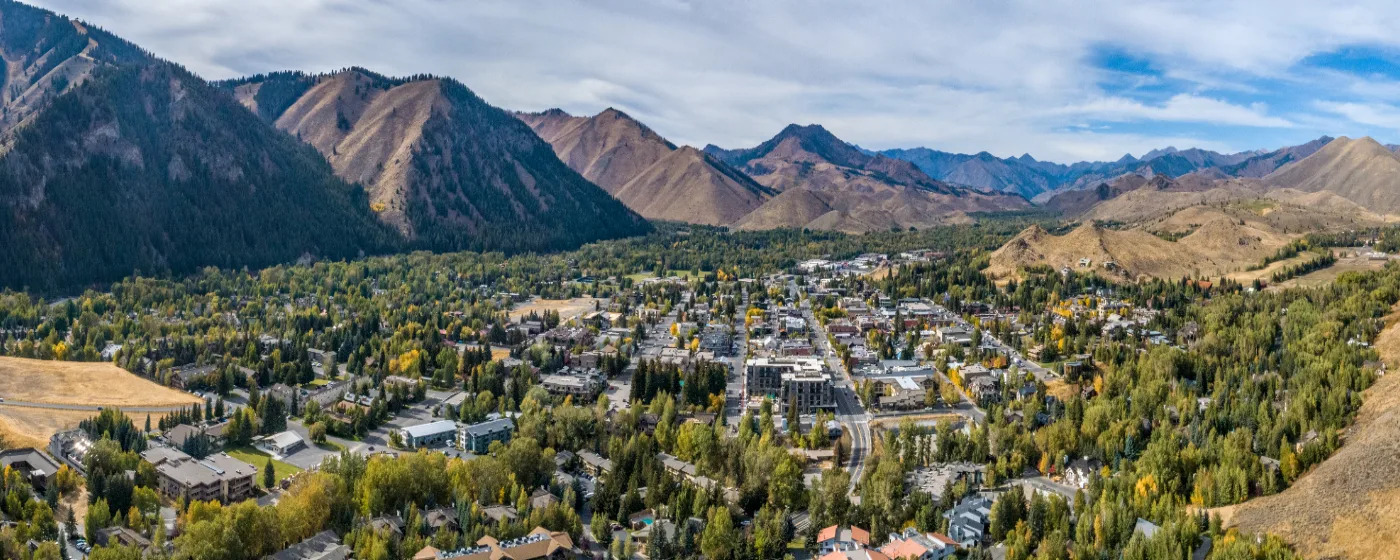
People who move to Ketchum from larger metros often say the same thing after their first winter: they forgot to lock their car and nothing happened. For a town of fewer than 3,700 residents anchored by a world-class ski resort on the flanks of Bald Mountain, that casual sense of security isn't wishful thinking — it's broadly supported by the numbers. Ketchum's violent crime rate sits at 1.1 per 1,000 residents (2024 FBI data), a figure that puts it well below Idaho's already-low statewide rate and far below the U.S. average. The Wood River Valley's physical geography — a single main corridor running through Sun Valley Resort terrain, hemmed in by mountains — naturally limits the transient population dynamics that fuel crime spikes in more accessible mid-size cities.
That said, Ketchum is a resort town, and resort towns have a particular safety profile worth understanding before you choose a neighborhood. The downtown core along Main Street and the Sun Valley Road corridor handles enormous seasonal foot traffic — ski season draws visitors who outnumber full-time residents many times over — and incident data reflects that activity concentration. A raw offense count can look different from what daily life actually feels like for the people who live here year-round. Understanding how to read those numbers is the first step to making an informed decision about where in Ketchum to settle.
Ketchum also made a significant structural change to its law enforcement in 2026: the City Council voted in April to end its contract with the Blaine County Sheriff's Office and launch an independent Ketchum Police Department (KPD), targeting an October 1, 2026 launch. That's the kind of civic development that tends to get overlooked in generic relocation guides but matters considerably if you're deciding between Ketchum and neighboring Hailey about 12 minutes south. It signals the city is investing specifically in local enforcement presence rather than relying on county-wide coverage.
Whether you're weighing Ketchum against Sun Valley, Hailey, or Bellevue, or simply want to understand what the crime statistics actually mean before you decide on a neighborhood, this guide breaks down the raw numbers, contextualizes them against state and national benchmarks, explains why the downtown data looks the way it does, and walks through the neighborhood-level safety picture across Warm Springs, River Run, Adams Gulch, and the rest of the areas locals actually distinguish between.
Ketchum's Crime Numbers at a Glance
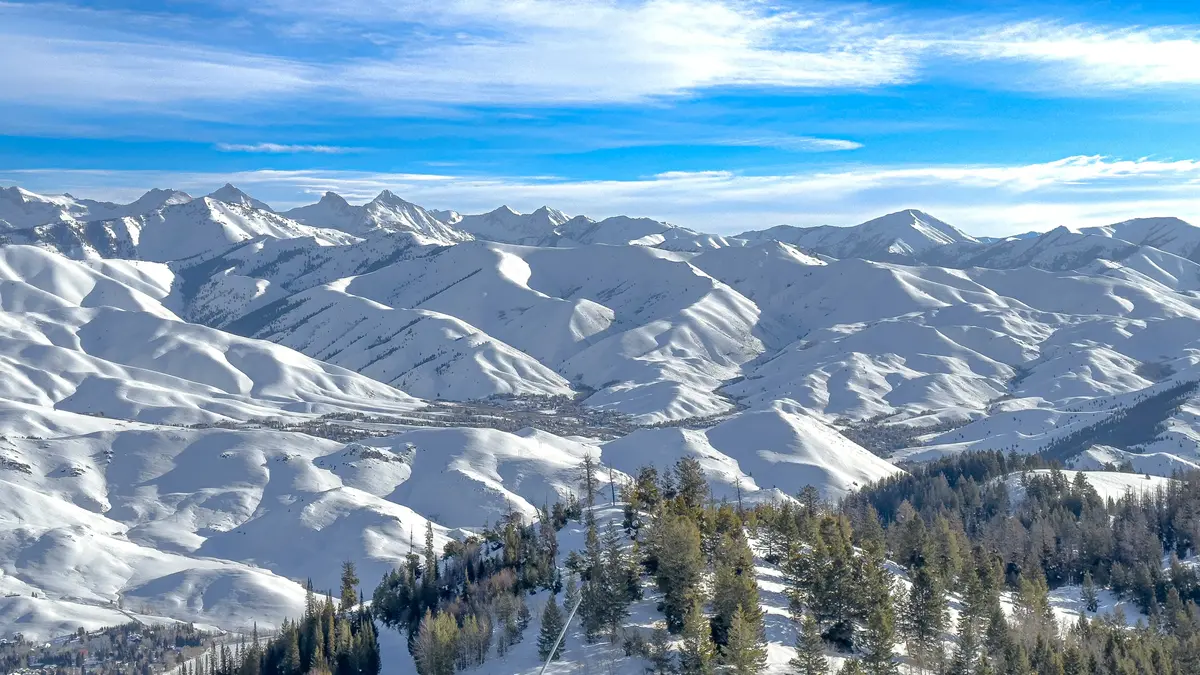
The headline figures are straightforward: Ketchum recorded a violent crime rate of 1.1 per 1,000 residents in 2024 — translating to just 4 violent crimes in the entire calendar year across a population of roughly 3,672. That rate is 69% below the U.S. national average. Property crime came in at 8.54 per 1,000 residents, which sounds more substantial but still runs noticeably below national norms.
| Metric | Ketchum (2024) | Idaho Statewide | U.S. National Average |
|---|---|---|---|
| Violent crime per 1,000 | 1.1 | ~2.4–2.54 | ~3.59 |
| Property crime per 1,000 | 8.54 | State low (lowest in U.S.) | ~17.6 |
| Violent crimes (raw count) | 4 | — | — |
| Total recorded offenses | 192 | — | — |
| Drug-related offenses (share) | 104 of 192 (54%) | — | — |
| 5-year safety trend (2020–2024) | Improving (OpenCrime: A) | Declining (6.3% drop, 2024) | Declining (8.4% drop, 2024) |
OpenCrime, which compiles five years of FBI NIBRS data, assigns Ketchum a safety grade of A and flags the overall trajectory as improving. That multi-year trend matters more than any single year's snapshot in a town this small, where four violent crimes versus two in a prior year can swing a rate considerably without reflecting any meaningful change in resident safety.
Idaho's statewide crime rate hit its lowest point in 20 years of Idaho State Police records in 2024 — 49.6 offenses per 1,000 residents — and Ketchum sits well beneath even that floor on violent crime. The state also records the lowest property crime rate of any U.S. state according to FBI Uniform Crime Report data, which sets Ketchum's 8.54 figure in a context that makes it look considerably less alarming than it might in isolation.
What the Numbers Don't Show: The Resort Town Factor
Why Downtown Ketchum Looks Different on a Heat Map
If you pull up a crime heat map for Ketchum, you'll see a warm cluster around the Main Street corridor and the Sun Valley Road zone. This is a well-documented artifact of how incident data is reported in seasonal resort communities: crimes are logged at the location where they occur, not at the home address of anyone involved. A wallet lifted at the base of Bald Mountain, a dispute outside Warfield Distillery & Brewery on N Main St, a vehicle break-in in the River Run parking lot during peak ski season — all of those show up as downtown Ketchum incidents even if both parties drove in from out of state.
The practical implication: the downtown heat is substantially a tourist-zone phenomenon, not a reflection of the risk level in residential neighborhoods like Warm Springs, Adams Gulch, or Trail Creek. Residents who have lived here for years will tell you the feel of those quieter streets is categorically different from the Main Street strip on a February Saturday night.
The Drug-Enforcement Footnote
Here's the number that most safety summaries leave out. Of Ketchum's 192 total recorded offenses in 2024, 104 — fully 54% — were drug-related: 59 narcotic violations and 45 equipment violations, per Idaho State Police data analyzed by local journalist Perry Boyle in The Ketchum Sun. Those categories had near-perfect clearance rates, meaning enforcement was targeted and effective. The raw offense count can make the city look busier on crime than it functionally is for anyone not involved in drug activity. Strip those enforcement actions out and the remaining offense profile — mostly property-related incidents like theft — looks very modest for a tourist corridor of this volume.
This is not a reason to dismiss property crime as a concern. Opportunistic theft does happen, particularly in high-visibility parking areas during peak season. It is a reason to interpret the aggregate numbers with some care rather than treating 192 offenses as equivalent to what that number would mean in, say, a quiet residential suburb.
Neighborhood Safety Picture Across Ketchum
Ketchum doesn't have neighborhoods with sharp crime boundaries the way a large city does — it's too small for that. But the character differences between its residential areas carry real safety implications, mostly tied to proximity to the tourist corridor and seasonal population density. For a fuller look at how these areas differ day-to-day, see the Ketchum neighborhoods guide.
Warm Springs and Bigwood Golf Course
Warm Springs Road runs west from downtown along the base of Bald Mountain, giving this corridor its own distinct pace. The Sawtooth Brewery Public House anchors the social scene here on Warm Springs Rd, and the residential streets feeding off it — toward the Bigwood Golf Course area — are among the most insulated from the downtown tourist flow. These are full-time resident neighborhoods more than seasonal zones, and the day-to-day feel reflects that.
Best for: Buyers who want to be close to Bald Mountain access without living in the Main Street ecosystem.
River Run
River Run sits at the base of the ski mountain's primary lift corridor — which means spectacular access and predictable seasonal congestion. The parking areas here see the most vehicle activity of any residential-adjacent zone in Ketchum, and opportunistic property incidents (including vehicle break-ins) tend to concentrate in high-traffic ski-base parking rather than in the residential pockets themselves. If you're parking a vehicle here overnight during peak season, basic precautions matter.
Best for: Ski-season households who prioritize mountain access and accept the trade-off of a busier shoulder zone.
Adams Gulch
Adams Gulch extends northeast from downtown into a narrower canyon that keeps it genuinely quiet. It's less visible to passing tourist traffic, which naturally reduces the opportunistic-incident profile. The population here skews toward full-time residents and long-term second-home owners who know each other — the kind of neighborhood where people notice an unfamiliar vehicle parked for several days.
Best for: Those prioritizing seclusion and a true residential feel over walking distance to Main Street.
Downtown Ketchum and Hulen Meadows
Downtown Ketchum along and near Main Street is where nearly all of the tourist-zone incidents concentrate. That doesn't make it dangerous in an absolute sense — violent crime remains exceptionally rare here — but it is where vehicle break-ins, petty theft, and the drug-enforcement activity captured in the offense count are most likely to occur. Hulen Meadows, by contrast, sits further from the commercial core and has a quieter residential character despite its proximity to the overall downtown grid.
Best for: Downtown suits buyers who genuinely want walkable on-foot access to restaurants and the cultural corridor; Hulen Meadows suits those who want to be near that energy without being inside it.
West Ketchum and Trail Creek
West Ketchum and the Trail Creek corridor sit on the quieter western and eastern edges respectively, away from the ski-base congestion and the Main Street tourist flow. Trail Creek Road in particular leads into a canyon that feels removed from the resort bustle — it's where the Wood River Trail system connects to quieter terrain, and the residential pockets along it have minimal through-traffic. Both areas consistently feel among the most settled and least incident-prone of Ketchum's residential zones.
Best for: Full-time residents who want a genuine neighborhood feel within the Ketchum city limits.
Looking to buy in Ketchum? Estimate your payment.
Enter your numbers to see an estimated monthly mortgage payment.
Estimate only. Excludes HOA fees and mortgage insurance. The interest rate above is a starting point, not a quoted rate — replace it with your own to see real numbers. Insurance is a flat placeholder, not a Ketchum quote.
The New Ketchum Police Department: What's Changing in 2026
On April 9, 2026, the Ketchum City Council voted to end its long-standing law enforcement contract with the Blaine County Sheriff's Office and establish an independent Ketchum Police Department — the first city-run department in nearly two decades. The target launch date is October 1, 2026.
This is a meaningful shift for anyone choosing between Ketchum and neighboring Hailey or Bellevue. County-wide coverage models distribute patrol resources across a large geographic area; a city-operated department means officers specifically assigned to Ketchum's streets, seasonal rhythms, and residential concerns. The new KPD's stated priorities include consistent enforcement presence, increased community engagement through initiatives like a Coffee with a Cop program, and data collection tailored to Ketchum's specific patterns rather than aggregated county-wide reporting.
What This Means Practically
If you're deciding on a neighborhood in Ketchum and asking about police response times or community policing presence, the honest answer right now is: the picture is changing. The Sheriff's Office contract has been the baseline for years; the KPD will establish its own metrics and response benchmarks from October 2026 onward. Early-adopter residents who've spoken at council meetings generally view the transition as a net positive for local accountability.
One thing worth noting: the transition period itself — the months between the April vote and the October launch — is being managed with overlapping coverage. The city has been explicit that there will be no service gap. But if community policing engagement and response-time data are factors in where you decide to settle, the KPD's first full year of operation will produce the clearest picture of what that looks like.
The broader national context supports optimism: U.S. violent crime fell 5.4% and property crime fell 9% from 2023 to 2024, extending a multi-year downward trend. Idaho's overall crime rate dropped 6.3% in the same period, reaching its lowest point in two decades of state records. Ketchum is not bucking that trend — it's benefiting from it.
Practical Safety Considerations Before You Decide on a Neighborhood
What Surprises People After Six Months
Most newcomers from larger cities are surprised by how genuinely relaxed daily life feels in Ketchum's residential neighborhoods. The anxiety of urban crime that becomes background noise in places like Boise or the Bay Area tends to dissipate fairly quickly here. What catches people off guard instead is the seasonal rhythm: the town genuinely transforms between peak ski season (December–March) and the shoulder seasons, and the incident profile shifts with it.
Ski season means more strangers, more vehicles, more activity concentrated near River Run and the Main Street corridor. If your home or vehicle is in or near those zones, the small but real risk of opportunistic property crime is highest then. Several residents who've been here more than a decade say the single most useful habit they've adopted isn't locking their doors — it's not leaving anything visible in a parked car near the mountain base during peak weeks.
Where Locals Actually Gather (and What That Tells You)
On a weekday morning, the conversation at Java On Fourth on 4th St W runs heavily toward local news — trail conditions, what's happening at city hall, who's building what. That's the kind of ambient community awareness that functions as informal neighborhood watch in a small town. The same dynamic plays out at the Sawtooth Brewery Public House on Warm Springs Rd in the evenings. In a community this size, social density is itself a safety mechanism: people know who belongs and who doesn't.
Research Steps Worth Taking
Before settling on a specific block, it's worth doing a few things that apply specifically to Ketchum's profile. Check the Blaine County Sheriff's Office call logs for the immediate area — they're publicly accessible and will show you not just incident types but timing patterns. Pay particular attention to the River Run parking corridor if you're considering anything adjacent to the ski-base zone. And keep an eye on the KPD's public communications after the October 2026 launch; the new department has committed to enhanced data collection, which should make neighborhood-level transparency meaningfully better than what the county-wide model provided.
If the property crime rate — 8.54 per 1,000 — gives you pause, it's useful to remember what it's measuring: a tourist corridor of significant volume, dominated by seasonal incidents and drug-enforcement actions, in a town where the full-time residential neighborhoods experience a categorically quieter reality. The number is real. Its implications for someone living on a street in Adams Gulch or Trail Creek are considerably milder than the aggregate figure suggests.
| Consideration | Lower-Risk Zones | Higher-Attention Zones |
|---|---|---|
| Vehicle break-ins | Adams Gulch, Trail Creek, West Ketchum | River Run ski-base parking, Main St corridor |
| Tourist-season density | Warm Springs, Hulen Meadows | Downtown, River Run |
| Community familiarity (informal watch) | Adams Gulch, Bigwood Golf Course | Short-term rental heavy blocks near Main St |
| Drug-enforcement activity | Residential neighborhoods citywide | Concentrated in enforcement data, not geography |
| Violent crime risk | Extremely low citywide | No neighborhood stands out — 4 incidents total in 2024 |
| Police coverage transition (2026) | Full KPD coverage targeted October 1, 2026 | Transition period managed with overlapping Sheriff coverage |
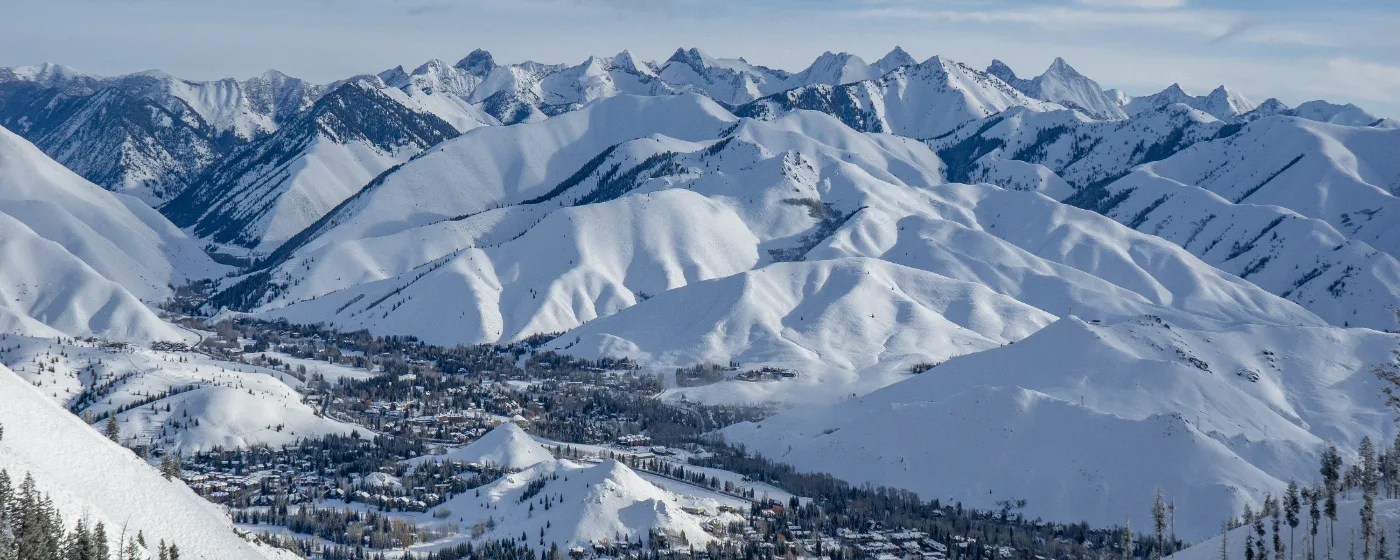
Local Expert Takeaway: Ketchum is genuinely safe by any reasonable benchmark — four violent crimes in a full calendar year is not a crime problem, it's statistical noise in a town of 3,672. The property crime figure of 8.54 per 1,000 needs context: more than half of Ketchum's total 2024 offense count was drug-enforcement actions, and the tourist-zone heat around River Run and Main Street accounts for a disproportionate share of the remainder. If you're choosing a neighborhood, Adams Gulch, Trail Creek, and West Ketchum are the quietest residential pockets — far from the ski-base parking clusters where opportunistic incidents concentrate in peak season. And the new Ketchum Police Department, launching October 2026, should give the city more targeted local enforcement than the county-wide Sheriff contract ever did. Grab a coffee at Java On Fourth on 4th St W, ask a few regulars what they think about safety in their neighborhood, and you'll get a more useful answer than any aggregate crime index.
Quick Takeaways & FAQs
✅ Ketchum's violent crime rate of 1.1 per 1,000 residents is roughly 69% below the U.S. national average — one of the lowest in Idaho, which itself records among the lowest rates in the country.
⚠️ The raw offense count is dominated by drug-enforcement actions (54% of 2024 incidents), and tourist-zone activity around River Run and Main Street inflates property crime figures relative to what full-time residential neighborhoods actually experience.
📍 The city voted in April 2026 to launch its own Ketchum Police Department — ending a long-standing contract with the Blaine County Sheriff's Office — with a target start date of October 1, 2026, which will change how local enforcement is structured and reported.
What is Ketchum, Idaho's crime rate?
Is Ketchum safe compared to other Idaho cities?
Why does Ketchum's property crime rate look higher than I expected?
What is the safest neighborhood in Ketchum?
Is Ketchum getting its own police department?
Moving to Idaho?
Tell us what you need help with and we'll connect you with local resources.
