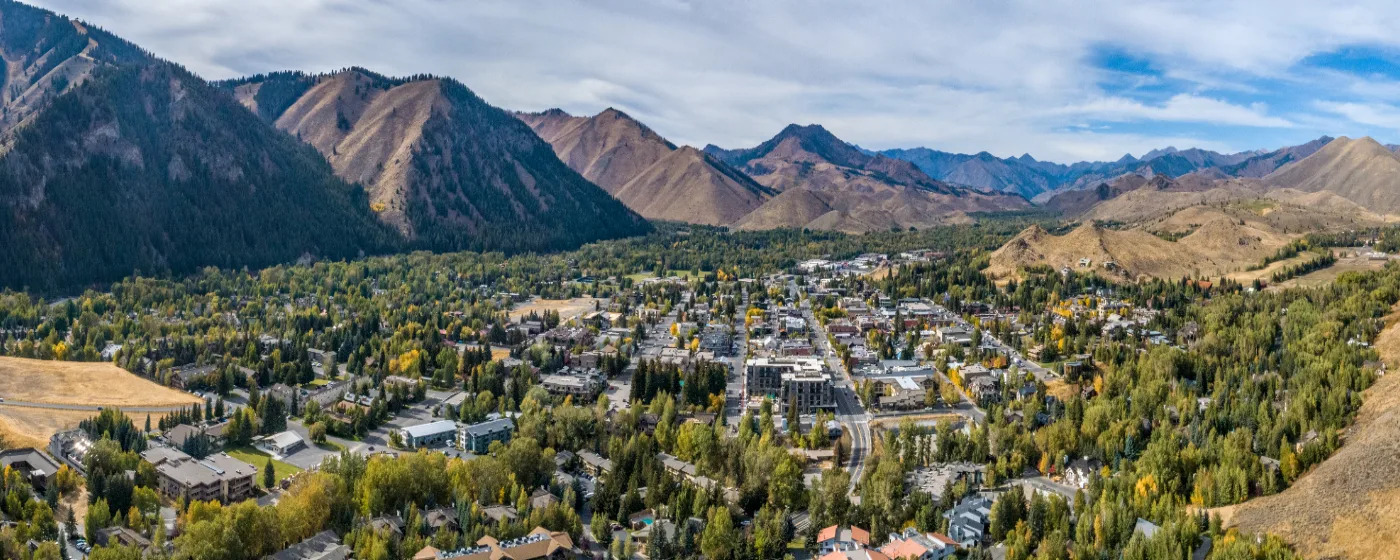
You've probably already done the math and felt a little uneasy about it. Ketchum sits at the end of State Highway 75, tucked against the base of Bald Mountain in central Idaho's Wood River Valley, and the drive in is gorgeous enough that it's easy to get swept up before you've really looked at the numbers. The honest reality: Ketchum carries a cost of living index of 153 against a national baseline of 100. That's not a rounding error — it's a market shaped by world-class skiing at Sun Valley Resort, a tiny permanent population of about 3,672 people, and a vacation-home demand that competes directly with anyone trying to live here year-round.
The gap between what Ketchum costs and what most Idaho towns cost is wide. Statewide median household incomes don't stretch far here — Ketchum's own median household income sits at $93,046, and even that figure doesn't buy a median-priced home without a substantial down payment or outside equity. People who live here and aren't wealthy typically work two jobs, split costs with roommates, or commute in from Hailey or Bellevue to the south.
Beyond housing, the resort-town premium touches almost every line item. Groceries run noticeably above the national average, transportation costs are elevated partly because a personal vehicle is effectively mandatory (public transit carries just 1% of resident commutes), and dining out along Leadville Avenue means paying Sun Valley prices rather than small-town Idaho prices. The saving grace on the tax side is real: Idaho's property tax regime is genuinely low, the state income tax was cut to a flat 5.3% in 2025, and there's no estate or inheritance tax — meaningful advantages for the high-net-worth households who represent a large share of the full-time buyer pool.
Whether you're seriously considering a move or still in early research mode, the sections below break down Ketchum's housing market, rent versus buy math, everyday costs, how prices compare to Sun Valley, Hailey, Bellevue, and Elkhorn, and what the tax picture actually means for your bottom line.
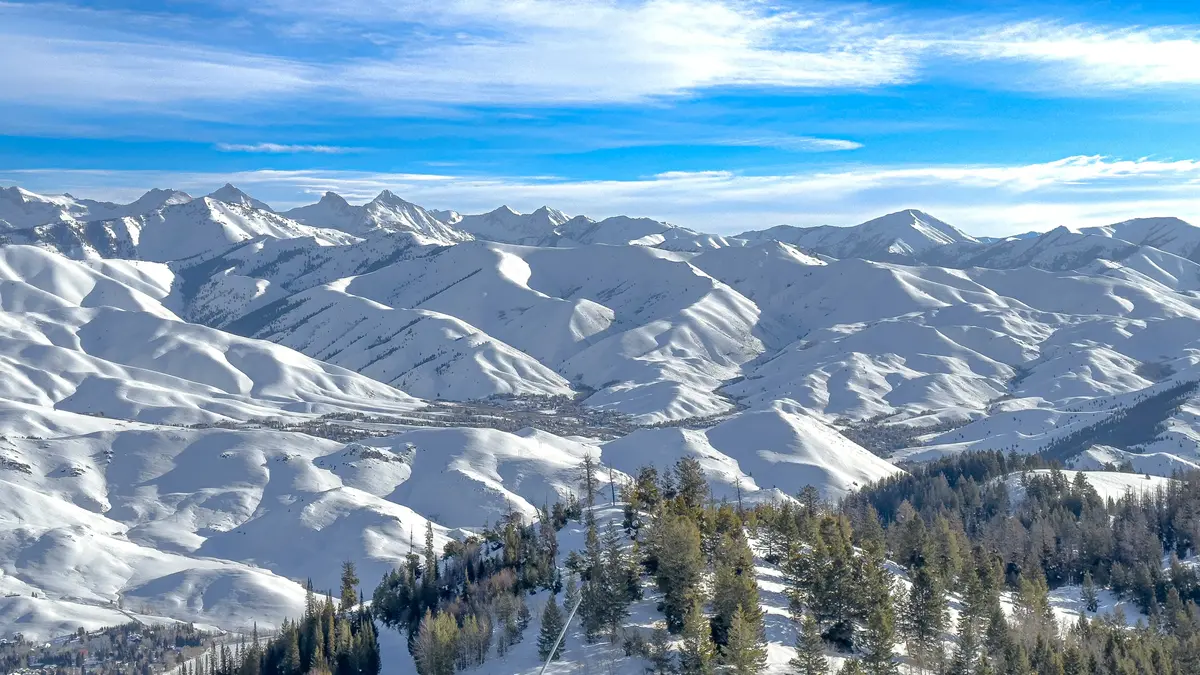
What It Really Costs to Live in Ketchum
Ketchum is not just the most expensive city in Idaho — it's in a different category from most small Mountain West towns entirely. The Zillow Home Value Index for Ketchum stood at $1,556,144 in 2026, a figure that places it comfortably alongside resort markets like Jackson Hole and Aspen in terms of entry barriers, even if the ski runs are shorter. The Idaho statewide median is a fraction of that number, and even Boise — the state's largest and fastest-appreciating market — sits considerably lower.
Two forces drive that number. First, Ketchum's geography is fixed: the valley is narrow, buildable land is limited, and Sun Valley Resort's global reputation creates demand from buyers who could afford to live anywhere. Second, short-term rental demand competes with primary-residence buyers on the same inventory. A condo or older cabin that might serve as a workforce-housing unit in another town gets priced as a vacation asset here.
The cost of living index of 153 isn't evenly distributed. Housing is the overwhelming driver, but groceries, transportation, and dining all run above national norms. The places where Ketchum actually saves you money — property taxes and Idaho's income tax rate — are real, but they benefit buyers who are already in the market, not those still trying to get in.
Housing: Rent vs Buy in Ketchum
Entry-level ownership in Ketchum typically starts around $700,000–$800,000 for older condominiums or smaller single-family homes in need of updating, with the city-wide median sitting at $1,556,144 (Zillow Home Value Index, 2026). Those aren't two ends of the same spectrum — they're two different buyer conversations. The entry point gets you into the market; the median reflects what most transactions actually look like once lot size, condition, and proximity to the mountain are priced in.
The effective property tax rate of approximately 0.36% is one of the genuine financial advantages of buying here. Idaho's statewide median effective rate is 0.50%, and the national median runs around 0.89% — so even on a $1.5 million home, the annual property tax burden stays meaningfully lower than it would in most other markets at the same price point. Use the calculator below this section to model your specific purchase price; monthly payment totals vary significantly depending on down payment size and rate.
Renting in Ketchum is not a straightforward alternative. The long-term rental market is extremely thin — Apartments.com showed only a handful of active listings in mid-2026 — because so much of the housing stock flows through short-term vacation rental channels instead. When long-term rentals do appear, two-bedroom units in and around downtown typically range from $2,500 to $4,500 per month depending on condition and proximity to the resort, though availability and pricing shift quickly. Many workforce residents end up commuting from Hailey, roughly 12 minutes south on Highway 75, where rental inventory is deeper and prices are noticeably lower.
Buying makes the most financial sense here if you're planning a 7-plus-year stay, have substantial equity from a prior sale, or are acquiring a property that doubles as a vacation asset. Renting works if you're testing the lifestyle before committing, but count on a competitive search and limited choices.

Everyday Costs Beyond Housing in Ketchum
Electricity in Ketchum averaged approximately 13.01 cents per kilowatt-hour in March 2026 — up roughly 15% year-over-year — and heating costs matter here: winters are long and cold at 5,800 feet. The city's municipal water base rate is $15.28 per month per residential unit under Resolution No. 25-002, with usage charges on top of that. Bundled utilities for a two-bedroom home typically run $180–$280 per month depending on the season, with December through February pushing the high end.
Groceries carry a resort-town premium that shows up immediately. There's no Trader Joe's or Costco in Ketchum — the nearest warehouse store requires a drive south toward Twin Falls. The independent grocery options in town serve their purpose, but expect to pay noticeably above national average prices on most staples. Idaho does apply sales tax to groceries at 6%, though the state Food Tax Credit ($155 per person annually, raised in 2025, with an additional $250 receipt-based credit available) partially offsets that cost for lower- and middle-income households. A morning coffee at Java On Fourth on 4th Street West or a fresh loaf from Bigwood Bread Bakery & Cafe on Northwood Way are genuinely good, but they're priced for a resort town.
A personal vehicle is not optional for most residents — 84% of Ketchum commuters drive, and public transit serves barely 1% of trips. Gas prices in this part of central Idaho typically run above the state average, and vehicle maintenance costs on mountain roads add up over time. Friedman Memorial Airport in Hailey, about 12 minutes south, is a genuine quality-of-life asset that keeps Ketchum from feeling as isolated as its geography might suggest.
| Category | Typical Monthly Cost | Notes |
|---|---|---|
| Housing (2BR rent) | $2,500–$4,500 | Long-term rental inventory is very thin; owners should use the mortgage calculator above for a purchase estimate |
| Utilities (electric, heat, water) | $180–$280 | Higher end in winter; electricity averaged ~13¢/kWh in early 2026 |
| Groceries | $600–$900 | Resort-town premium; no warehouse store in town; Idaho 6% sales tax on food applies |
| Transportation & Gas | $300–$550 | Personal vehicle essential; gas prices above state average; most residents drive daily |
| Phone & Internet | $120–$200 | Options are more limited than in larger Idaho cities; service quality varies by provider |
| Misc / Discretionary | $400–$800 | Dining at resort-area restaurants along N Leadville Ave runs at premium pricing |
These are estimates for a single adult or couple — actual costs will vary based on lifestyle and housing situation. The overall monthly picture, excluding housing, typically lands 30–50% above what the same household would spend in Boise or Twin Falls.
Looking to buy in Ketchum? Estimate your payment.
Enter your numbers to see an estimated monthly mortgage payment.
Estimate only. Excludes HOA fees and mortgage insurance. The interest rate above is a starting point, not a quoted rate — replace it with your own to see real numbers. Insurance is a flat placeholder, not a Ketchum quote.
Ketchum vs Nearby Cities: Cost Comparison
| City | Median Home Price | Typical 2BR Rent | Cost vs Ketchum |
|---|---|---|---|
| Ketchum | $1,556,144 | $2,500–$4,500/mo | — (baseline) |
| Sun Valley | ~$2,200,000+ | Very limited inventory | Noticeably higher — Sun Valley's gated resort core commands a significant premium |
| Elkhorn | ~$900,000–$1,200,000 | Scarce; mostly short-term rentals | Somewhat cheaper — but still resort-priced and vacation-rental driven |
| Hailey | ~$575,000–$650,000 | $1,400–$2,200/mo | Substantially cheaper — the practical choice for workforce households; 12 min to Ketchum |
| Bellevue | ~$380,000–$480,000 | $1,100–$1,700/mo | Significantly cheaper — the most affordable entry point in the Wood River Valley |
| Twin Falls | ~$310,000–$370,000 | $1,000–$1,500/mo | A fraction of Ketchum's cost — a different lifestyle entirely, roughly 80 miles south |
The practical takeaway from this table: Hailey and Bellevue are where most people who work in Ketchum but can't absorb Ketchum prices actually live. Sun Valley edges out Ketchum at the very top of the market, primarily in the gated resort core where properties change hands infrequently.
Taxes & the Bottom Line for Ketchum
Idaho's tax structure is one of the more favorable in the Mountain West for high-income buyers, and that matters in a market like Ketchum. The state levies a flat income tax of 5.3% (reduced from 5.695% under HB 40, effective January 1, 2025) — a meaningful cut from prior rates, and notably lower than California's top brackets or Colorado's combined state-and-local burden. There is no estate tax or inheritance tax in Idaho, which benefits the wealth-transfer planning that often accompanies seven-figure real estate purchases.
Sales tax sits at Idaho's standard 6%, and Blaine County adds no local surcharge — so the combined rate stays at 6.03%. Idaho applies sales tax to groceries, which stings more than it would in a tax-exempt state, but the Food Tax Credit ($155 per person annually, with an additional $250 receipt-based credit available) provides meaningful relief for lower-income residents. For a household in Ketchum spending heavily on groceries, that credit partially offsets what the 6% rate costs across the year.
The property tax rate of approximately 0.36% is where Ketchum's tax picture most directly benefits current owners. At the price levels described earlier in this guide, the annual property tax burden is far lower than buyers coming from states with rates near the national median of 0.89% would expect. That low rate is a genuine financial advantage — though it benefits buyers who have already crossed the purchase-price threshold more than it helps those still trying to get there.
The honest bottom line: Ketchum's cost structure fits buyers who arrive with substantial equity, remote-work income uncorrelated with local wages, or are purchasing as part of a broader investment or lifestyle strategy. Households relying primarily on local employment wages — even professional salaries — typically find the arithmetic works only by commuting from Hailey or Bellevue, where the same Idaho tax advantages apply at a fraction of the housing cost. If you're on the fence between living in Ketchum proper and anchoring 12 minutes south in Hailey, the cost gap is large enough to be the deciding factor for most budgets.
Local Expert Takeaway: Ketchum's cost of living is not a surprise once you've seen the numbers — but many newcomers underestimate how little the low property tax rate helps them get into the market versus keeping carrying costs manageable once they're in. The practical move for households under about $200,000 in annual income is to buy or rent in Hailey or Bellevue and commute north on Highway 75; you get the Wood River Valley lifestyle, the same Idaho tax picture, and a budget that doesn't require two incomes dedicated entirely to housing. For those who do buy in Ketchum itself, the 0.36% effective property tax rate and Idaho's flat 5.3% income tax are real, durable advantages — especially relative to the California and Colorado markets where many Ketchum buyers are coming from.
Quick Takeaways & FAQs
✅ Ketchum's effective property tax rate of approximately 0.36% is among the lowest you'll find on a luxury mountain-town purchase anywhere in the Mountain West.
⚠️ The long-term rental market in Ketchum is critically thin — Apartments.com showed only a handful of active listings in mid-2026 — making it one of the hardest markets in Idaho to rent in without connections or advance planning.
📍 Bigwood Bread Bakery & Cafe on Northwood Way is a genuine local institution and a good early test of the resort-town price premium: quality is high, and so is the tab.
What is the median home price in Ketchum, Idaho?
Is it cheaper to live in Hailey than Ketchum?
What are property taxes like in Ketchum?
How much does it cost to rent a two-bedroom in Ketchum?
What is Idaho's income tax rate for Ketchum residents?
Moving to Idaho?
Tell us what you need help with and we'll connect you with local resources.
