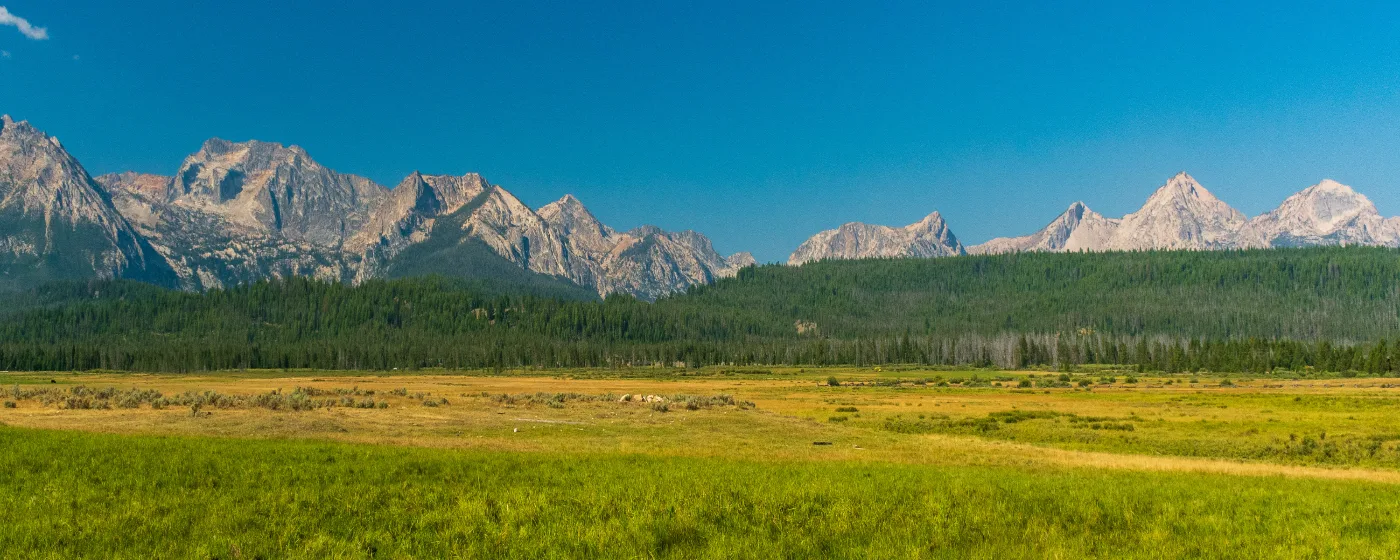
Maybe your company isn't relocating you here — nobody's company relocates them to Stanley, Idaho. You found this place on your own: a photograph of the Sawtooth Mountains at dawn, a fishing trip that wrecked you for anywhere else, or a slow realization that your idea of a good life involves more wilderness and fewer traffic signals. Stanley sits at 6,269 feet in the Sawtooth Basin, flanked by State Highway 75 — the Sawtooth Scenic Byway — which is both the town's lifeline and its primary geographic organizer. With only about 122 permanent residents, this is one of the smallest incorporated towns in Idaho, and the question of where to buy is less about subdivisions than about which relationship you want with the land, the river, and the road.
The economic backbone here is outdoor recreation, full stop. Redfish Lake Lodge and Mountain Village Resort anchor seasonal employment, and the Sawtooth National Forest — over 756,000 acres surrounding the town — drives the tourism that keeps local businesses alive from May through October. Stanley Elementary feeds into Challis Joint School District #181, with older kids making the drive to Challis for junior and senior high school. The people who move here permanently are a specific type: remote workers who can live anywhere and choose this, retirees with a tolerance for hard winters, and outdoor professionals whose careers are built around the Salmon River and the Sawtooths.
Home prices here reflect extreme scarcity rather than suburban demand. The Zillow Home Value Index put the typical home price at $582,736 as of May 2026 — a figure that would buy a modest cabin elsewhere but commands serious negotiation in a market with near-zero turnover. Property taxes run at an effective rate of approximately 0.32%, among the lowest in Idaho, which softens annual carrying costs considerably. Day-to-day life means planning grocery runs to Challis or Ketchum, accepting that winter closes some roads entirely, and discovering that the free Valley Creek Hot Springs off Valley Creek Road is basically your backyard amenity. For a fuller breakdown of what things cost here, see the cost of living in Stanley page.
Whether you're seriously considering a purchase or just trying to understand what living here actually looks like, the sections below break down Stanley's six distinct areas, what each one costs, who each suits, and the mistakes buyers repeatedly make in this unusual market.
The Stanley Reality
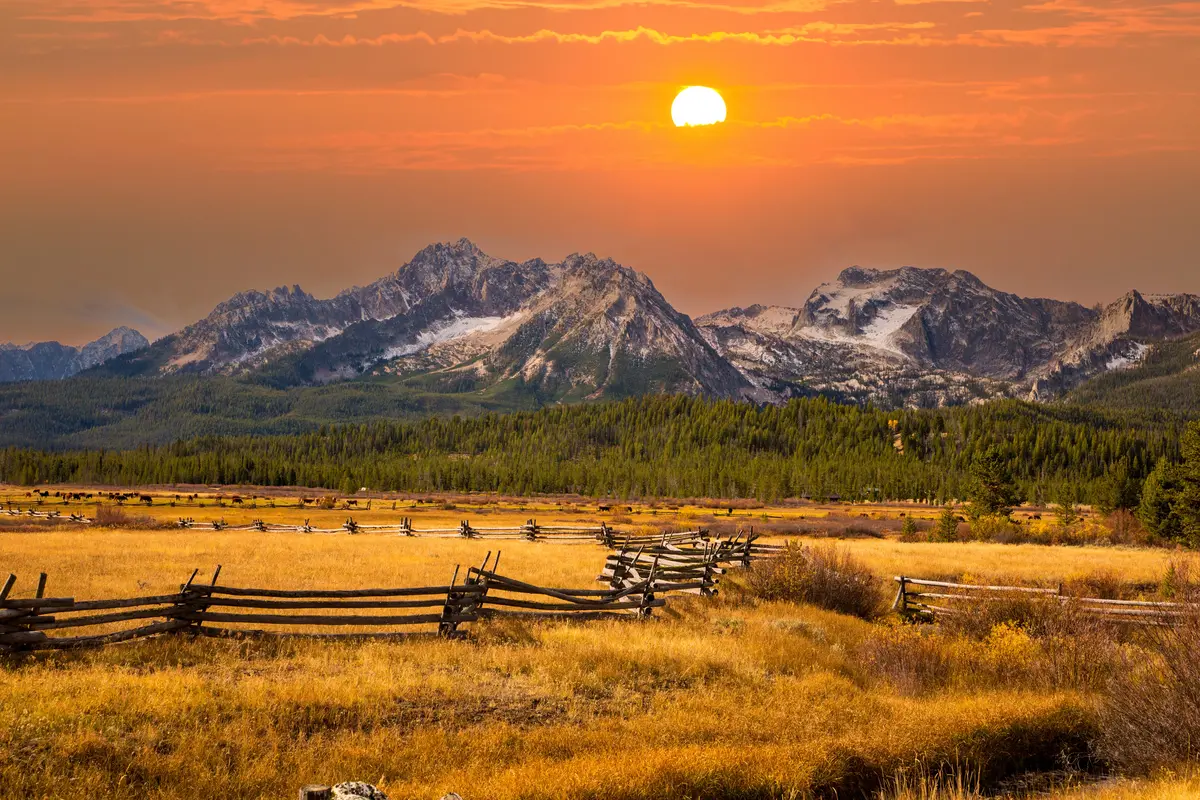
Stanley doesn't have neighborhoods in the suburban sense — no HOA boundaries, no school attendance zones that differ block by block, no master-planned communities. What it has is geography, and geography here is everything. State Highway 75 bisects the basin and organizes nearly every real estate decision you'll make: are you on the highway corridor, or are you set back from it? Are you in the historic town core, or are you in the outlying basin?
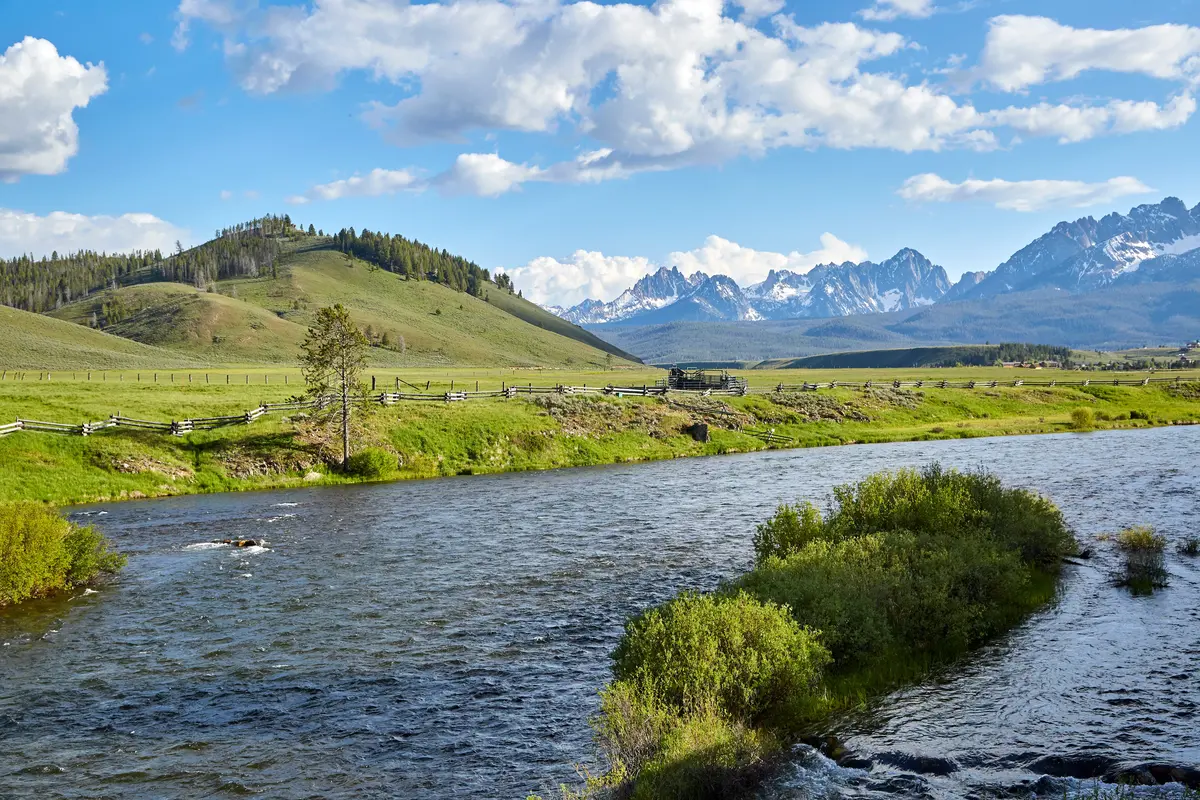
The deeper divide is elevation and exposure. Upper Stanley sits slightly above Lower Stanley along the Salmon River, and the two historic settlements — both at 6,269 feet — feel genuinely different in character despite being less than a mile apart. South of town, the Redfish Lake area (about five miles down Hwy 75) operates almost as its own seasonal community, oriented entirely around the lake and its lodge. Valley Creek Road peels east from the town core and opens a quieter corridor anchored by hot springs and the 1933 Ranger Station that houses the Stanley Museum. North and west of town, the Obsidian area transitions into open ranch land and basin wilderness — the least traveled zone for buyers, but the one with the most raw land potential.
The single most important thing to understand before buying in Stanley: this is a seasonal market dressed in permanent-resident clothes. Whatever neighborhood you choose, factor in that your neighbors may be absent from November through April, that services thin dramatically in winter, and that the Ace of Diamonds corridor — the commercial spine — largely goes quiet after Labor Day. Buy for the year-round reality, not the July postcard.
Neighborhoods at a Glance
| Neighborhood | Best For | Price Range | Vibe |
|---|---|---|---|
| Lower Stanley | Nature Quiet | $450,000–$650,000 | Historic river-edge settlement, walkable to Salmon River, small-town bones |
| Upper Stanley | Families First-Time | $480,000–$700,000 | Original town core, slightly elevated, close to the elementary school |
| Redfish Lake area | Luxury Views | $700,000–$1,200,000+ | Recreation-anchored, lodge-adjacent, premium lake and mountain access |
| Ace of Diamonds Avenue corridor | Walkable Renter | $400,000–$600,000 | Commercial main street energy, seasonal buzz, dining and lodging within steps |
| Valley Creek corridor | Nature Privacy | $500,000–$850,000 | Hot springs proximity, museum-adjacent, quieter than the main drag |
| Obsidian area | Privacy Luxury | $550,000–$1,000,000+ | Open basin ranchland, Sawtooth panoramas, serious solitude |
Best Neighborhood by Buyer Type
| Buyer Type | Best Neighborhood | Why |
|---|---|---|
| First-Time Buyer | Ace of Diamonds Avenue corridor | Entry-level price points relative to the Stanley market, walkable to town amenities, and the most liquid resale zone if plans change. |
| Luxury Buyer | Redfish Lake area | The only zone in Stanley where lake-frontage premiums, lodge-adjacent access, and Sawtooth view corridors combine at meaningful scale. |
| Walkability Seeker | Ace of Diamonds Avenue corridor | Stanley Baking Company & Café on Wall St, the Sawtooth Hotel dining room, and the Kasino Club are all within a short walk — the closest thing to urban convenience this basin offers. |
| Families with Kids | Upper Stanley | Closest proximity to Stanley Elementary and the most established year-round residential character of any zone in town. |
| Commuters | Upper Stanley or Lower Stanley | Both sit directly on Hwy 75, making the drive to Sun Valley/Ketchum as straightforward as Stanley allows — no extra turns on unpaved roads before hitting pavement. |
| Large-Lot Buyers | Obsidian area | Basin ranchland parcels here run significantly larger than anything near the town core, with open-sky views and no near neighbors. |
| Renters | Ace of Diamonds Avenue corridor | The highest concentration of seasonal rental inventory in Stanley clusters along and near the main commercial street, where property owners offset carrying costs with summer visitors. |
Looking to buy in Stanley? Estimate your payment.
Enter your numbers to see an estimated monthly mortgage payment.
Estimate only. Excludes HOA fees and mortgage insurance.
Most Popular Neighborhoods
Lower Stanley
Lower Stanley emerged around 1880 as a commercial node along the Salmon River, and that river-edge identity still defines it — parcels here back up to or sit within easy walking distance of the water, which is both the appeal and a flood-risk consideration worth verifying with any inspector. Inventory is thin; homes in the $450,000–$650,000 range appear infrequently and move fast when they do. Winter isolation is real here: the seasonal businesses shut down, and you're left with a handful of neighbors and a long drive for groceries.
Best for: Buyers who want historic character, Salmon River access, and the quietest version of Stanley life.
Upper Stanley
Upper Stanley is the closest thing this basin has to a conventional small-town residential neighborhood — the original town core, slightly elevated above the river, and home to Stanley Elementary School. Homes here range from $480,000 to $700,000, a span that covers modest cabins through older single-family construction, and the area draws a noticeably higher share of year-round residents compared to more tourist-facing zones. The catch: the school serves only elementary grades, meaning families eventually navigate the Challis Joint School District commute for older kids, detailed on the Stanley schools page.
Best for: Families with school-age children, year-round residents who want to be inside town limits, and buyers prioritizing direct Hwy 75 access.
Redfish Lake Area
About five miles south of town on Hwy 75, the Redfish Lake area is Stanley's prestige zone — the most developed of the Sawtooth Basin lakes, with Redfish Lake Lodge, a visitor center, and cabin rentals that have anchored summer recreation here for generations. Entry-level property starts around $700,000 for older construction with limited amenities; premium lake-frontage parcels push well past $1,200,000. The honest trade-off: you're buying into a summer ecosystem, and off-season the area feels strikingly empty, with lodge services shuttered and road conditions variable.
Best for: Luxury buyers, vacation-property investors, and anyone whose priority is Sawtooth views and direct lake access over proximity to town services.
Ace of Diamonds Avenue Corridor
The Ace of Diamonds corridor is Stanley's commercial spine — the Thursday Night Street Dances happen here in summer, the Sawtooth Hotel at 755 Ace of Diamonds St anchors the dining scene, and the Kasino Club at 620 Ace of Diamonds Blvd gives the street genuine after-dark character on weekend evenings. Residential properties along and adjacent to the corridor sit in the $400,000–$600,000 range, making this the most accessible entry point in Stanley's market. The downside is noise and traffic in July and August: summer tourism is the point, but it's not subtle, and neighbors who are primarily vacation-rental operators mean your year-round community may feel sparse by October.
Best for: First-time buyers, short-term rental investors, and anyone who wants to walk to the Stanley Baking Company & Café on Wall St for breakfast without getting in a car.
Valley Creek Corridor
Valley Creek Road branches east from the town core past the Stanley Museum — open in its 1933 Ranger Station building from June through Labor Day — and leads to the free Valley Creek Hot Springs, also known locally as Snake Pit Hot Springs. Properties along this corridor in the $500,000–$850,000 range tend to sit on larger lots than anything near Ace of Diamonds, with a noticeably quieter character that appeals to buyers who want outdoor access without the summer-tourist foot traffic. Mountain Village Resort's private hot springs operate nearby on the same road, but access is typically limited to resort guests during peak season, so don't assume the hot springs adjacency means public access is unlimited.
Best for: Buyers seeking privacy, larger lots, and immediate proximity to geothermal and creek-side recreation without committing to full basin isolation.
Obsidian Area
The Obsidian area sits north and west of the town core, where the Stanley Basin opens into ranchland and the Sawtooth panorama becomes genuinely unobstructed — this is the zone where you can stand in your yard and see the full range without a roofline interrupting it. Parcels here run larger than anywhere else in the Stanley market, and prices span roughly $550,000–$1,000,000+ depending on acreage and improvements. The honest reality: you are trading every convenience for that view and that space, and in winter, you're trading some of them permanently until spring — road access to outlying Obsidian parcels can become difficult or impassable in heavy snow years.
Best for: Large-lot buyers, buyers prioritizing Sawtooth views and maximum privacy, and anyone whose lifestyle is genuinely self-sufficient.
Common Mistakes Buyers Make in Stanley
Buying for Summer Without Thinking About February
The single most repeated mistake in this market is evaluating a property during peak season — July and August, when the Ace of Diamonds corridor hums with Thursday Night Street Dances, the Sawtooth Hotel is packed, and the basin feels alive — and failing to account for what that same property feels like when the temperature drops to minus 20 and the nearest open restaurant is in Challis. Ask specifically about winter road access to any parcel off the main Hwy 75 corridor before making an offer.
Assuming All Areas Have Equal Highway Access
Properties along Hwy 75 itself — Upper Stanley, Lower Stanley, the Ace of Diamonds corridor — connect directly to the Sawtooth Scenic Byway and the broader road network south toward Sun Valley. Properties in the Valley Creek corridor or the Obsidian area require additional unpaved or lightly maintained road segments to reach that same artery. In mud season and early winter, that difference matters far more than the map suggests.
Treating the Market as Liquid
With only 122 permanent residents and inventory that sometimes produces fewer than a handful of transactions per year, Stanley real estate does not behave like a normal market. Buyers who assume they can negotiate hard, request multiple contingencies, and take several months to decide are routinely surprised when the property sells to a cash buyer who has been watching the basin for years. If you're serious, arrive pre-approved and with a clear sense of your walk-away price — this is not a market that rewards leisurely decision-making.
Underestimating the School Situation
Stanley Elementary handles the youngest grades locally, but secondary education means a significant drive to Challis Joint School District schools in Challis. Families moving from suburban districts where middle school and high school are a short bus ride away routinely underestimate both the logistical and social impact of that arrangement on teenagers. The Stanley schools page covers the full district picture — read it before you commit to a neighborhood based on anything other than a clear-eyed understanding of the school situation.
Best Areas to Rent in Stanley
| Area | Ideal For | Typical Rent Range | Trade-off |
|---|---|---|---|
| Ace of Diamonds Avenue corridor | Seasonal workers, short-term visitors, first arrivals testing the market | $1,200–$2,200/month (seasonal) | Highest noise level in summer; most units are vacation-rental hybrids with unstable long-term availability |
| Upper Stanley | Families, year-round workers in the Challis Joint District area | $1,000–$1,800/month | Thinnest long-term rental inventory in town; most landlords prefer annual leases to avoid short-term management |
| Valley Creek corridor | Remote workers, outdoor-focused renters who want space and quiet | $1,100–$2,000/month | Units here are rare; most are informal arrangements rather than listed rentals |
| Redfish Lake area | Hospitality workers at Redfish Lake Lodge or Mountain Village Resort | $900–$1,500/month (employer-adjacent) | Almost exclusively seasonal May–October; do not plan on year-round availability in this zone |
| Lower Stanley | Long-term renters who want river proximity and a low-key address | $950–$1,600/month | Very few dedicated rental units; most housing stock is owner-occupied or second homes |
Stanley's rental market is less a market and more a series of personal arrangements — at 122 permanent residents, formal property management is nearly nonexistent, and most available units surface through word of mouth, the Chamber of Commerce, or direct outreach to property owners. Expect seasonal leases to dominate, long-term availability to be genuinely scarce, and winter rental options to shrink dramatically once tourist season closes.
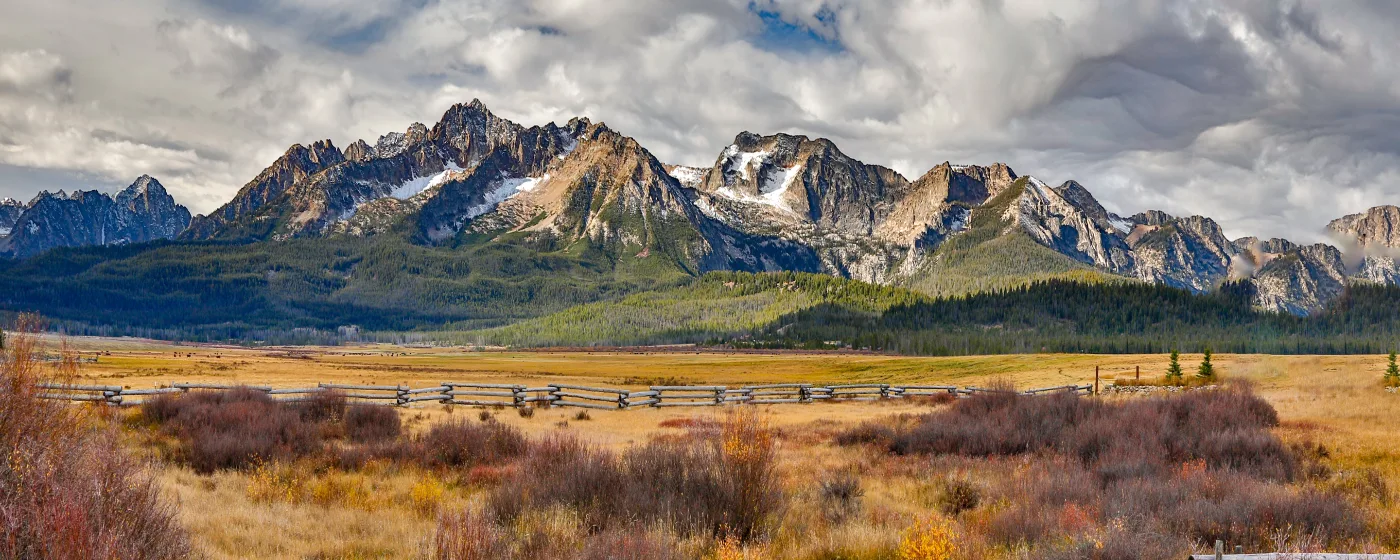
Local Expert Takeaway: Stanley's neighborhoods are really six different relationships with the same basin — choose between the walkable buzz of Ace of Diamonds (Stanley Baking Company & Café steps away on Wall St), the river-edge quiet of Lower Stanley, the prestige views of the Redfish Lake area, or the open-sky isolation of the Obsidian ranchland. The market is too small and too illiquid to let sentiment override practicality: verify winter road access for any property off Hwy 75, get brutally honest about your tolerance for off-season solitude, and don't mistake the July energy of Thursday Night Street Dances on the main corridor for a year-round social life. The right neighborhood is the one that still makes sense in February.
Quick Takeaways & FAQs
✅ Stanley's effective property tax rate of approximately 0.32% is among the lowest in Idaho, meaningfully reducing annual carrying costs on what are already high purchase prices.
⚠️ With only about 122 permanent residents, Stanley's real estate market can go months without a transaction — buyers who hesitate routinely lose properties to cash buyers who have been watching the basin for years.
📍 Valley Creek Hot Springs (also called Snake Pit Hot Springs) is free and public, accessible via the dirt road near the Stanley Museum off Valley Creek Road — one of the few genuine daily-life amenities that doesn't require driving out of town.
What is the typical home price in Stanley, Idaho?
Which neighborhood in Stanley is best for families with kids?
Is it possible to rent long-term in Stanley, Idaho?
What is the quietest neighborhood in Stanley?
How far is Stanley from Sun Valley and Ketchum?
Moving to Idaho?
Tell us what you need help with and we'll connect you with local resources.
