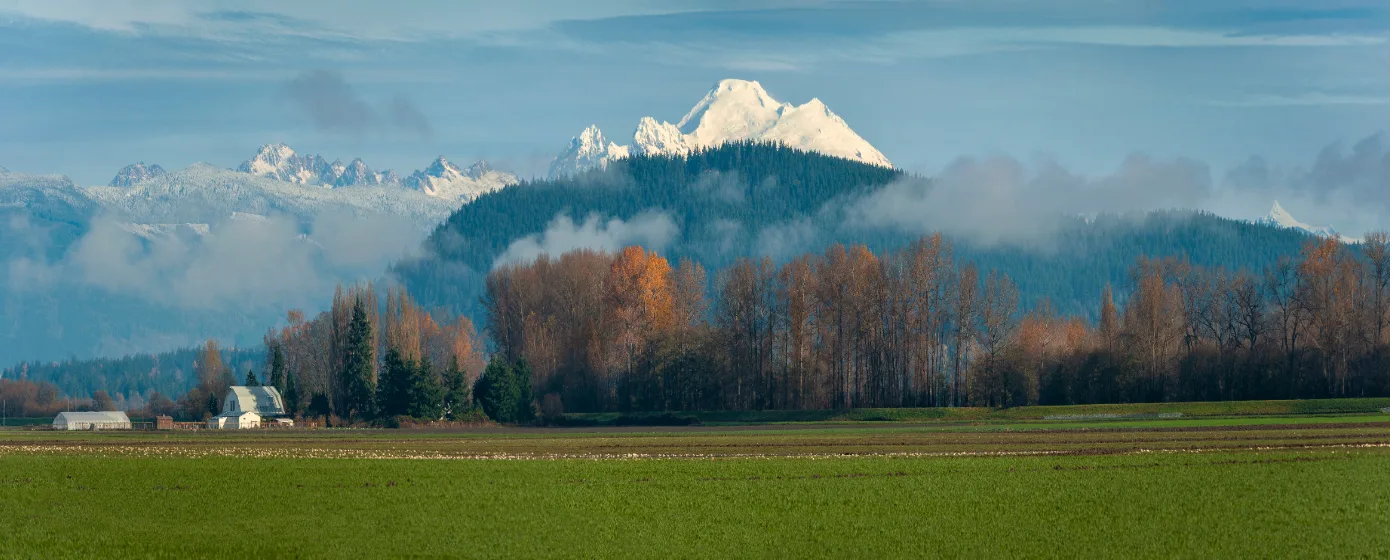
Most people who research Mount Vernon notice the tulip fields first and the mountains second. What surprises them after moving here is what's in between: a 522-acre forested summit park fewer than three miles from downtown, a paved river trail connecting a farmers market to a salmon rearing pond, and more than 50 mapped trail corridors inside city limits. For a city of roughly 35,000 people, the outdoor footprint is substantial — even if the raw park-acreage numbers tell a more complicated story.
The complication is this: the Trust for Public Land's ParkServe data puts Mount Vernon at 9% of city land dedicated to parks and recreation, noticeably below the national median of 15%. That gap is real and worth knowing. But most of the city's recreation infrastructure is concentrated in a handful of high-quality assets — Little Mountain Park, the Skagit Riverwalk corridor, the Kulshan Trail, Hillcrest Park — rather than spread thin across neighborhood pocket parks. What you give up is the walkable playground two blocks from every address. What you gain is one genuinely exceptional mountain park and a river trail system that runs through the heart of the city.
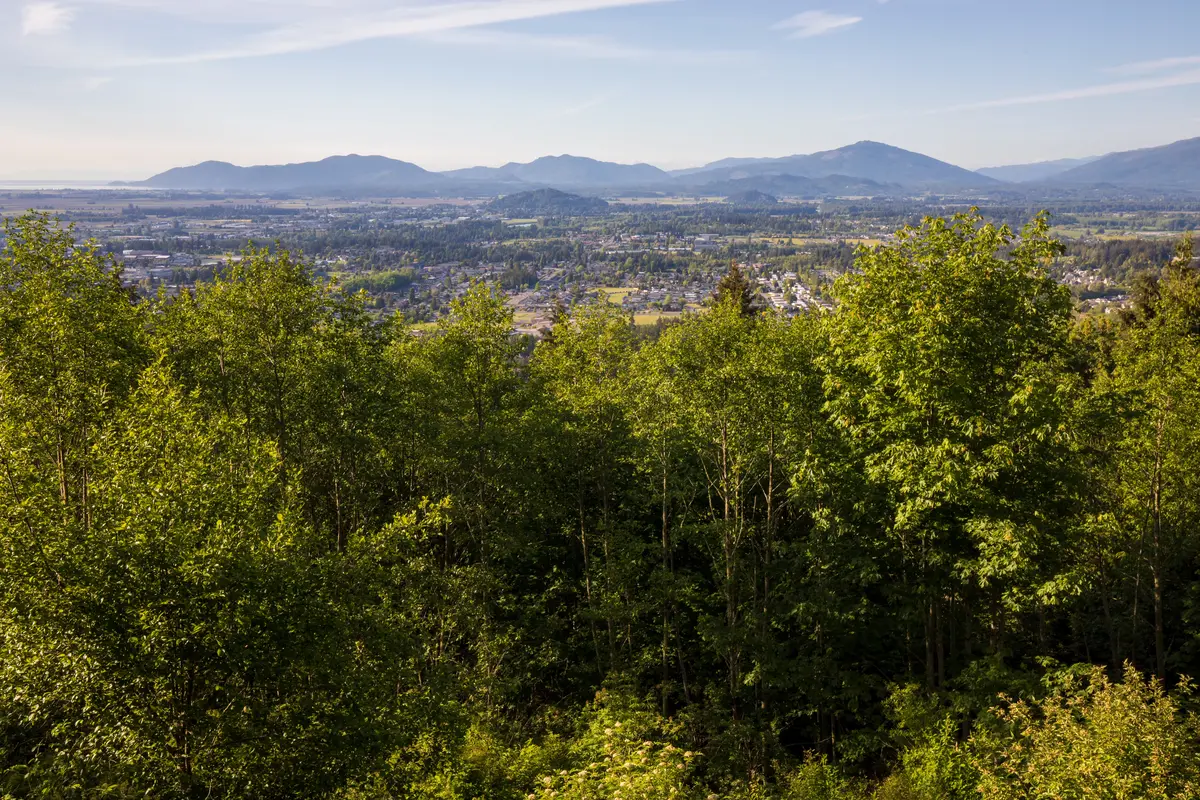
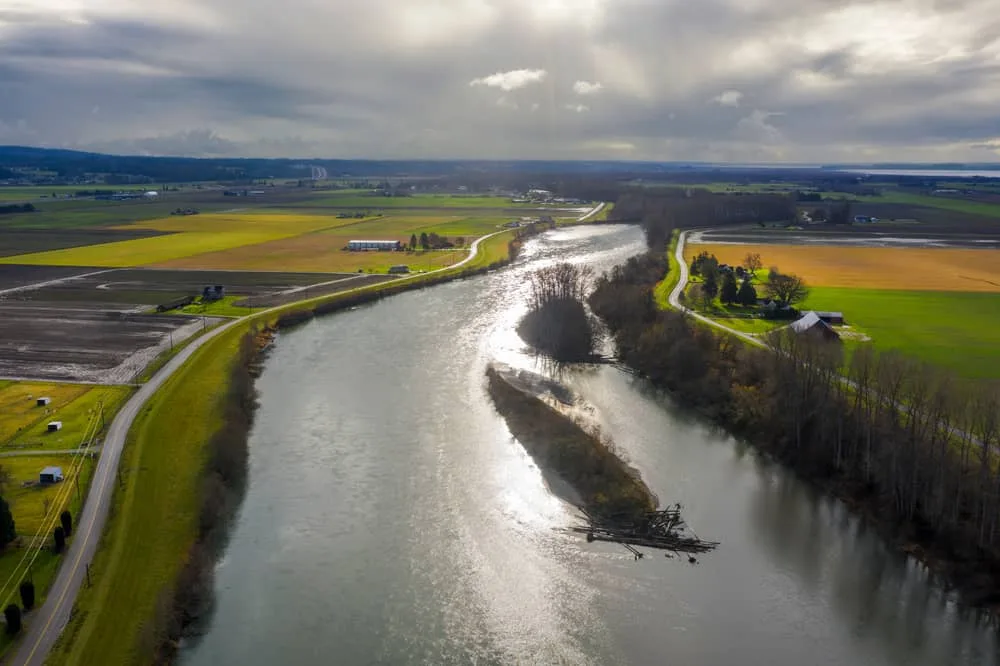
The Skagit River shapes daily life here in ways that go beyond scenery. The Riverwalk is where residents walk dogs before work, where kids learn to ride bikes on weekday mornings, and where a seasonal farmers market pulls the downtown together on weekend afternoons. The valley itself — flat farmland ringed by the Cascade Range to the east and the Salish Sea corridor to the west — means that within a short drive you can access Anacortes's waterfront, the San Juan Islands ferry system, or the trails around Sedro-Woolley without hitting Seattle traffic.
Whether you're comparing Mount Vernon to Burlington next door or to Bellingham an hour north, the sections below break down the signature parks, the trail network, the river and water access, and what seasonal recreation here actually looks like across all four months of the year.
Little Mountain Park: The Anchor of Mount Vernon's Outdoor Life
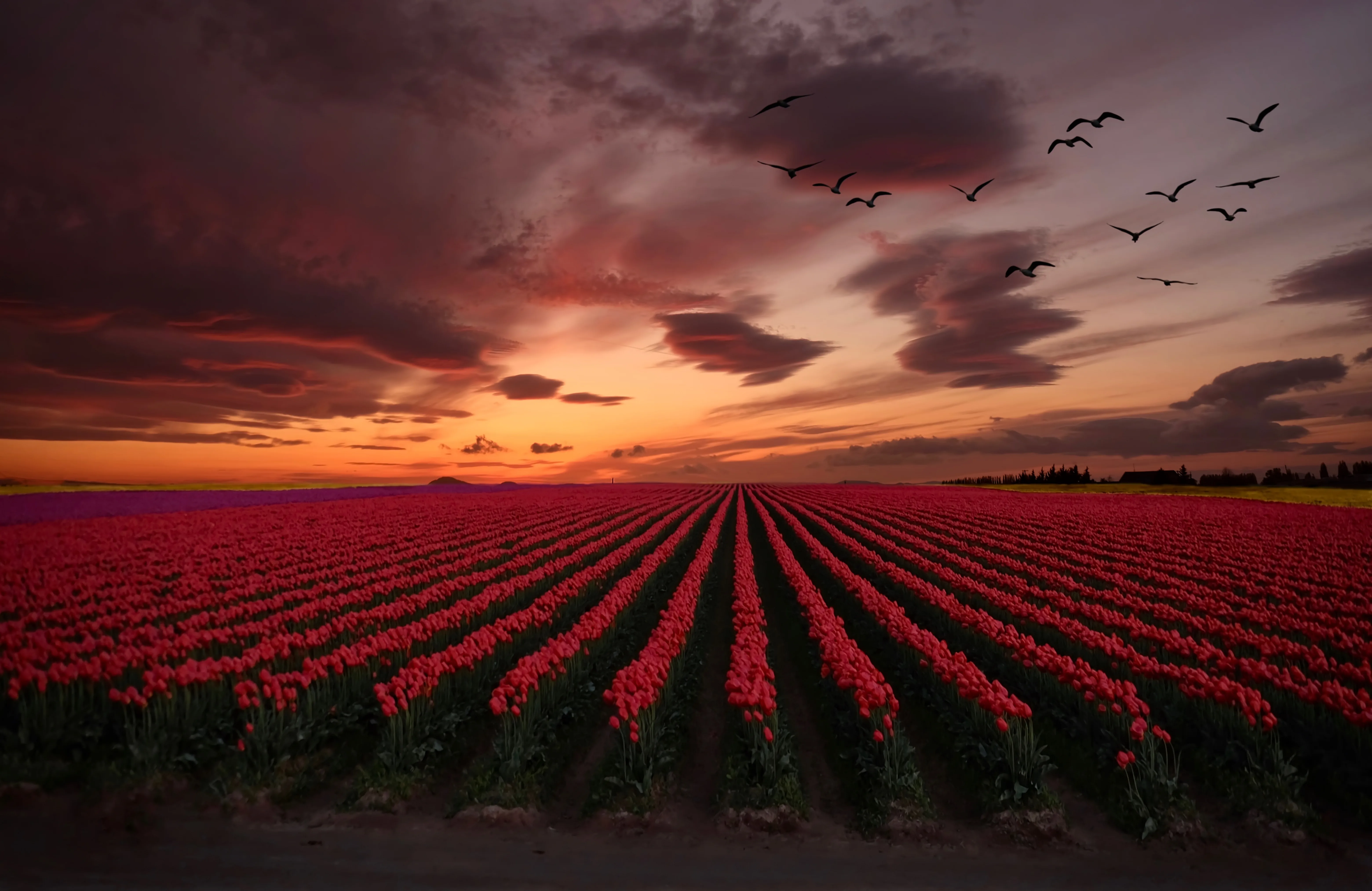
Every city claims its crown jewel park. Mount Vernon's is genuinely hard to overstate: 522 acres of Douglas fir forest climbing to a 934-foot summit, with views that sweep from the Skagit Valley farmland below all the way to Puget Sound and the San Juan Islands on a clear day. It sits just a few miles from downtown, which means you can leave your house, park at the trailhead, and be on a ridgeline looking at the Olympics in under 20 minutes.
The Trail Network
The park contains more than 10 miles of forested hiking and mountain biking trails — enough variety that regulars cycle through different loops without repeating themselves. The Bonnie and Clyde Loop is the go-to for hikers who want elevation without a long approach. Mountain bikers find enough technical singletrack to keep it interesting, though the trails get muddy through late fall and early spring — bring the right footwear.
What makes the trail system worth mentioning specifically is who built it. The Mount Vernon Parks Foundation has contributed more than 17,000 volunteer hours since 2009 to maintain and expand these trails. The condition of the paths reflects that investment: you won't find the neglected spur trails and washed-out sections that plague parks with lower volunteer engagement.
Accessibility and Year-Round Access
Both summit viewpoints are handicap accessible, and a paved road allows visitors who can't hike to drive to the top. That's rarer than it sounds for a summit this rewarding.
Unlike many Cascade-area parks that become treacherous or close entirely after November, Little Mountain stays open and navigable year-round. For residents who moved here from drier climates, the realization that your best local trail destination doesn't winter-close is one of the genuinely pleasant surprises of life in Mount Vernon.
| Feature | Detail |
|---|---|
| Total acreage | 522 acres |
| Summit elevation | 934 ft |
| Trail miles | 10+ miles (hiking & mountain bike) |
| Summit road access | Yes — paved road to top |
| Accessibility | Both viewpoints handicap accessible |
| Year-round access | Yes — open all four seasons |
| Volunteer hours invested (since 2009) | 17,000+ |
Source: Mount Vernon Parks Foundation / Washington Trails Association, accessed August 2026.
The one honest limitation: the trailhead parking fills fast on dry weekend mornings between April and October. Arrive before 9 a.m. or plan for a short wait on a popular Saturday.
The Skagit Riverwalk and Kulshan Trail: The City's Connected Trail Spine
The Skagit Riverwalk is the trail most newcomers discover first, because it starts — or ends, depending on your direction — right in the middle of downtown. The full corridor runs 2.7 miles from Kincaid Street north to the Lions Park loop, following the Skagit River on a combination of paved path and packed gravel. It's an easy, flat walk by design, which means it functions as an everyday trail for all ages rather than a destination hike.
What the Riverwalk Actually Has
Riverwalk Park at the downtown end is more than a trailhead. A bike repair station, public restrooms, public art installations, and a seasonal farmers market make it a genuine gathering point rather than just a place to start walking. A public sculpture at the south end of the walk represents the tulip fields that define the Skagit Valley's identity each spring, visible from the surrounding farmland — one of those small civic touches that signals a city taking its public spaces seriously.
Edgewater Park in west Mount Vernon adds another Skagit River access point: a shorter 0.25-mile riverside loop with artwork and a playground, easy enough for families with young children. It's not a destination on its own, but it's a useful neighborhood-level park for residents on that side of the city.
The Kulshan Trail Extension
Where the Riverwalk ends, the Kulshan Trail picks up — or more precisely, it connects them. The Kulshan is a 2.5-mile paved multi-use corridor built for cyclists, walkers, and skaters, running from the Skagit Riverwalk and Lions Park east past Waugh Road. Along the way it passes schools, salmon rearing ponds, and Bakerview Park. The salmon ponds alone make it worth walking with kids who've never seen that kind of infrastructure up close.
Together, the Riverwalk and Kulshan Trail create roughly 5 miles of connected, car-free movement through the city. That's a meaningful amenity. It won't replace a car for most errands, but it makes the city feel more connected than the raw park-acreage percentages suggest.
| Trail | Length | Surface | Key Stops |
|---|---|---|---|
| Skagit Riverwalk | 2.7 miles (one-way) | Paved & gravel | Riverwalk Park, Lions Park, public art installations |
| Kulshan Trail | 2.5 miles | Paved | Salmon rearing ponds, Bakerview Park, schools |
| Edgewater Park loop | 0.25 miles | Paved & unpaved | Riverside artwork, playground |
The Riverwalk is where locals actually gather — a Friday afternoon walk before stopping at one of the independent breweries in the downtown core is a well-worn pattern for residents who live nearby.
Hillcrest Park and the City's Programmed Recreation Scene
Not all outdoor life in Mount Vernon happens on trails. Hillcrest Park at 1717 S. 13th Street functions as the city's main hub for structured, year-round recreation programming — the kind of place that matters more than it looks from the outside.
What Hillcrest Offers
The park houses a Lodge and a Recreation Building used for programming that runs well outside the summer window. Dog training courses, watercolor workshops, and fitness programming are part of a lineup that serves adults and seniors as much as it does children. This is worth noting because many smaller cities concentrate recreation programming heavily on youth sports and leave adult programming sparse — Mount Vernon's Parks & Recreation department runs a more varied calendar than that.
The summer months bring the Rec On-The-Go mobile outreach van, which carries programming into different neighborhoods throughout the city. For parents with school-age children who don't always have transportation, this matters. For a fuller picture of structured youth activities and school-connected programs, see the schools page.
The Programmatic Gap Worth Knowing
Mount Vernon's 18 parks cover a range of needs, but the city's 9% park-land figure reflects a real shortage of small neighborhood parks in some residential areas, particularly east of I-5. Residents in those areas often drive to Hillcrest or Little Mountain rather than walking to a nearby green space. If walkable daily access to a park matters to your household, the best neighborhoods page breaks down which parts of the city sit closest to the main recreation corridors.
What the city does well is programming within the parks it has. The Lodge at Hillcrest is consistently used, not just a building that exists on the parks department website. That's a meaningful distinction for people evaluating whether a city actually invests in its recreation infrastructure or simply maintains the minimum.
Looking to buy in Mount Vernon? Estimate your payment.
Enter your numbers to see an estimated monthly mortgage payment.
Estimate only. Excludes HOA fees and mortgage insurance. The interest rate above is a starting point, not a quoted rate — replace it with your own to see real numbers. Insurance is a flat placeholder, not a Mount Vernon quote.
Seasonal Recreation in the Skagit Valley: What to Expect Through the Year
Mount Vernon's outdoor calendar doesn't start and stop with summer. Each season brings a distinct set of conditions — some that make the city more compelling than you'd expect from a Northwest town of this size, and one seasonal event that shapes daily life here in ways no other city in the region replicates.
Spring: Tulip Season Changes Everything
The Skagit Valley Tulip Festival runs through April, and its effects on daily life in Mount Vernon are hard to overstate if you haven't experienced them. Traffic on farm roads and Highway 20 backs up significantly. The Riverwalk and downtown see an influx of visitors that regular residents learn to either embrace or route around. The fields themselves — which stretch across the flat valley floor visible from Little Mountain's summit — are genuinely stunning. But if you plan to drive anywhere near the county's western farmland on a Festival weekend, budget extra time. Locals stop fighting it and either join the foot traffic or time their errands around it.
Summer and Fall: The Reliable Season
Summer here means long days with low humidity — noticeably drier than the reputation suggests once you're past June. Little Mountain Park trails dry out, mountain bikers return in force, and the Riverwalk farmers market hits its stride. The Skagit River itself is a scenic constant; kayakers and paddleboarders use stretches above and below the city, with access points that connect to broader Skagit County water routes.
Fall is arguably the most underrated season for outdoor use. The fir canopy on Little Mountain turns, the Valley harvest activity fills the surrounding farmland, and trail traffic drops enough that you can have a weekend morning summit loop largely to yourself. Temperatures stay mild through October.
Winter: Better Than You'd Think
The Pacific Northwest's gray reputation is real — expect cloud cover and rain from November through March. But the key thing locals know is that Little Mountain Park stays open and manageable through winter, unlike higher-elevation parks in the Cascade Range. The Riverwalk and Kulshan Trail remain usable on drier winter days. The practical reality is that residents who stay active outdoors in winter generally do — it requires a gear adjustment (waterproof layers, trail shoes with grip) rather than a lifestyle change.
| Season | Signature Activity | Local Reality |
|---|---|---|
| Spring (Mar–May) | Tulip Festival, Riverwalk farmers market opens | Significant tourist traffic; plan driving routes carefully in April |
| Summer (Jun–Aug) | Mountain biking, paddling, Riverwalk programming | Long dry days; low humidity compared to coast |
| Fall (Sep–Nov) | Little Mountain trail hiking, harvest season views | Crowd thinning; best window for uncrowded summit access |
| Winter (Dec–Feb) | Year-round trail walking, indoor Hillcrest programming | Rain and gray are real; Little Mountain stays open and accessible |
The seasonal rhythm here rewards people who treat outdoor access as a year-round practice rather than a summer activity. The infrastructure supports it — you just have to show up in a rain jacket.
Local Expert Takeaway: Little Mountain Park is the reason Mount Vernon's outdoor scene punches above its city-size weight: 522 acres, a 934-foot summit with San Juan Island views, 10+ miles of maintained trails, and year-round access all within a few miles of downtown. Pair that with the Riverwalk's connection to downtown's farmers market, the Kulshan Trail's salmon ponds, and the Hillcrest Park programming calendar, and the city's recreation picture is more developed than the 9% park-land figure suggests. The honest gap is neighborhood walkability in some areas east of I-5 — residents there drive to the assets rather than walk out the front door. If proximity to a park matters day-to-day, factor that into where you choose to land.
Quick Takeaways & FAQs
✅ Little Mountain Park gives Mount Vernon a 522-acre, year-round summit park with 10+ miles of trails and panoramic Skagit Valley views — an anchor asset rare in a city this size.
⚠️ Only 9% of Mount Vernon's land is dedicated to parks, below the national median of 15%, meaning some residential areas — particularly east of I-5 — have limited walkable green space.
📍 Riverwalk Park at the downtown end of the Skagit Riverwalk anchors the city's most-used everyday public space, with a seasonal farmers market, bike repair station, and public art installations all in one spot.
How long are the trails at Little Mountain Park in Mount Vernon?
Is the Skagit Riverwalk Trail paved and suitable for bikes and strollers?
Does Mount Vernon have enough parks for families?
Can you hike Little Mountain Park in winter?
How does the Tulip Festival affect outdoor recreation access in Mount Vernon?
Moving to Washington?
Tell us what you need help with and we'll connect you with local resources.
