About Ali
Salem at a Glance: What the Numbers Actually Mean
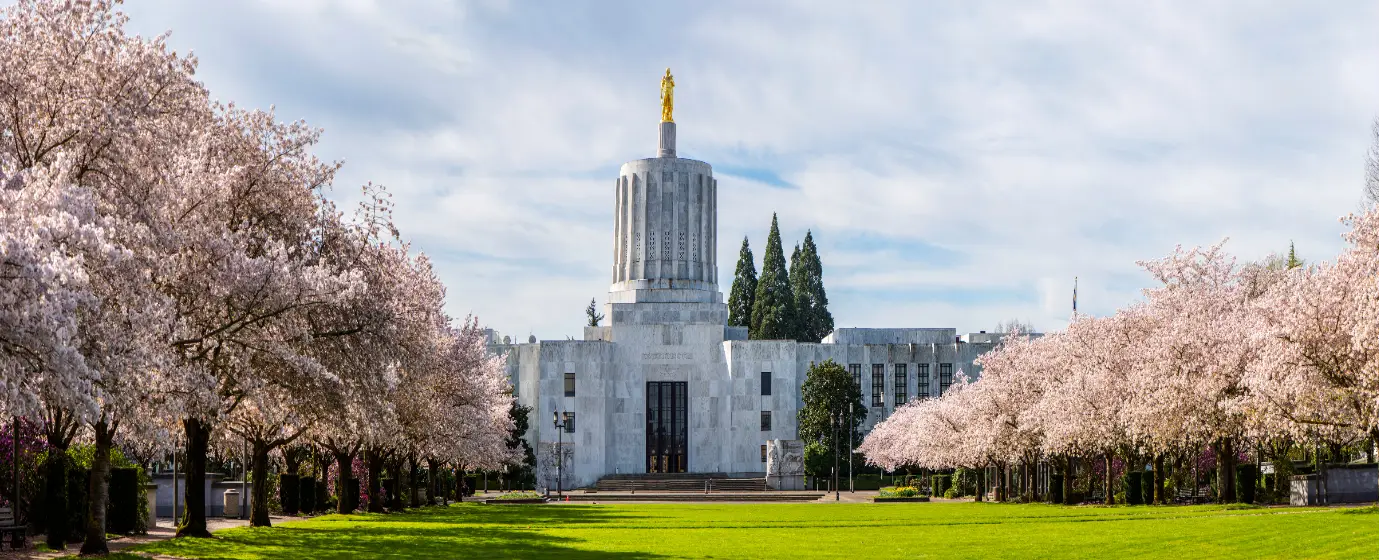
Salem is the 2nd-largest incorporated city in Oregon and the state capital — and both of those facts matter more to a buyer than they might expect. The state government is the city's largest employer, which means Salem's economy moves differently than a private-sector city. Layoffs from a single corporate decision don't ripple through here the way they do in a company town. That stability shows up in the job market: Salem added transportation, healthcare, and government positions when most Oregon metros were contracting.
The typical home price as of July 2026 sits at $440,726 — and for a city of 178,865 people with a state capitol on its skyline, that is genuinely attainable by West Coast standards. The catch worth knowing: the median household income of $79,638 falls short of what's needed to carry that price comfortably at current rates. That gap is real, and buyers coming in from markets where incomes track closer to prices will feel it. It shapes who buys here, and how.
On crime, I want to be straightforward with you. Salem carries a violent crime rate of 5.4 per 1,000 residents and a property crime rate of 27.8 per 1,000 residents. The state violent crime rate is 3.3 per 1,000 and the state property crime rate is 24.5 per 1,000, so Salem runs above the Oregon average on both. The national figures for comparison are a violent crime rate of 3.7 per 1,000 and a national property crime rate of 18.4 per 1,000. The numbers vary meaningfully by neighborhood, which is part of why where you buy matters so much in this city.
The effective property tax rate sits at approximately 0.79% — well below the national norm, which is one of the reasons buyers coming from California or the Pacific Northwest's higher-tax counties are often pleasantly surprised. Typical two-bedroom rent runs $1,460–$1,770 a month, which is another signal: there is a real renter population here, and plenty of entry-level inventory that makes sense as a first purchase.
Salem's Neighborhoods: Where I'd Start the Conversation
Every buyer who calls me about Salem eventually asks some version of the same question: which side of town? The answer depends almost entirely on what you're optimizing for — commute, school boundary, walkability to downtown, or the feeling of space. Let me run through the neighborhoods I actually show most.
West Salem
West Salem sits across the Willamette River from downtown, connected by OR-22 and the Marion Street Bridge. It runs above the city median in price, and buyers know it: the river views, the quieter residential feel, and the parks draw people who want more space without giving up proximity to the capitol area. The trade is the bridge itself — when something delays that crossing, you feel it.
Faye Wright
This is often my first stop with families. Faye Wright anchors around Woodmansee Park — 30 acres with walking trails, tennis courts, a disc golf course, a soccer field, and a canopy of Oregon white oak and Douglas fir. Prices sit right at the city median, making it one of the most straightforward value propositions in Salem.
Morningside
Morningside works for buyers who want a neighborhood that functions like a small city within the city — shopping, dining, transit, and parks all within the neighborhood boundary. It prices at the city median. I show it a lot to buyers transferring in who want to feel settled quickly.
Grant
Grant is the one I show buyers who want downtown walkability at a below-median price. The Craftsman, Colonial, and Victorian homes here on tree-lined streets attract buyers who care about character. The downtown dining and coffee scene is on foot from here, which matters to a certain kind of buyer more than any square footage calculation.
South Central
The tree-lined streets and historic homes — many listed on the National Historic Register, including Victorian and French country styles — make South Central one of the most architecturally interesting neighborhoods in Salem. Two historic home museums anchor the area. Prices are at the city median. I'd steer a preservation-minded buyer here before anywhere else.
Southeast Mill Creek and Downtown Salem
Southeast Mill Creek comes in below the city median and attracts buyers for whom price point is the primary driver. Downtown Salem is actively reinvesting — city officials have cited hundreds of millions of dollars of investment in the core over the past several years, with mixed-use residential projects like Block 50 (140 apartments planned north of Chemeketa Street) and Block 45 near Riverfront Park moving through development. It is not yet the walkable live-work neighborhood it is trying to become, but the direction is clear.
Best for: Families who want park access → Faye Wright. Buyers prioritizing character and walkability → Grant. River views and suburban feel → West Salem. Historic architecture at the median → South Central.
Schools: What I Tell Every Family Before We Tour
Salem-Keizer Public Schools — Salem-Keizer School District 24J — is the district serving Salem, and it is one of the larger districts in Oregon. That size means real program variety: career and technical pathways, active OSAA athletics programs, and dedicated magnet-style offerings at certain schools. It also means that the school assigned to your address is the most important variable, and it is not the same across the city.
On 2024-25 state assessments, 20.9% of students reached math proficiency and 32.2% reached reading proficiency, according to figures the Oregon Department of Education publishes. I give families those numbers because they deserve an honest baseline. What the district-wide figures don't show is the variation between individual schools — which is real and which makes the specific address, not just the city, the right unit of analysis.
My advice to every family considering Salem: confirm the assigned school for your specific address directly with the district before you make an offer, and review the school-level data the Oregon Department of Education publishes for yourself. The district's enrollment office can tell you exactly which school a given address feeds, and the state publishes building-level assessment results. Do that homework before you fall in love with a house.
Salem-Keizer is large enough that school proximity also shapes commute patterns for families — an elementary school on the far side of the city from your job adds real minutes to a morning. I factor that into the neighborhood conversation early.
Looking to buy in Salem? Estimate your payment.
Enter your numbers to see an estimated monthly mortgage payment.
Estimate only. Excludes HOA fees and mortgage insurance. The interest rate above is a starting point, not a quoted rate — replace it with your own to see real numbers. Insurance is a flat placeholder, not a Salem quote.
Commute and Daily Life: The Honest Version
Inside Salem, the average one-way commute runs about 24 minutes — shorter than the national average and significantly shorter than what Portland commuters absorb daily. I-5 is the main corridor north, and for buyers who work in the capitol complex or at a state agency, getting across town is genuinely manageable. OR-22 (North Santiam Highway) is the link that connects West Salem across the river to the rest of the city and east toward the Cascades.
The number that matters most for a certain buyer segment is the drive to Portland: about 50 minutes under normal conditions on I-5. I have clients who do that commute regularly — mostly buyers who found Salem's prices more realistic and decided the drive was worth it. What I tell them is that the commute works until it doesn't. A wet winter morning with an incident on the interstate stretches that figure considerably. If you're commuting to Portland four or five days a week, I'll be honest: build buffer time into the math before you commit.
Day-to-day Salem is a car city in most neighborhoods. The exception is Grant and parts of Downtown Salem, where you can reach the dining and coffee scene on foot. Minto-Brown Island Park and Bush's Pasture Park give the city genuine green space — Minto-Brown in particular is large enough that residents run, bike, and walk it regularly without repeating the same loop. The Willamette River Greenway ties several of these spaces together along the river.
One thing that surprises people after they move here: the grey season is long. Salem gets 154 sunny days a year — Oregon Valley weather, not the coastal extremes, but also not the sun-drenched picture some buyers expect. By February, a lot of newcomers are asking about UV lamps. Summers, though, are genuinely lovely: warm, dry, and framed by the Willamette Valley's agricultural landscape in every direction.
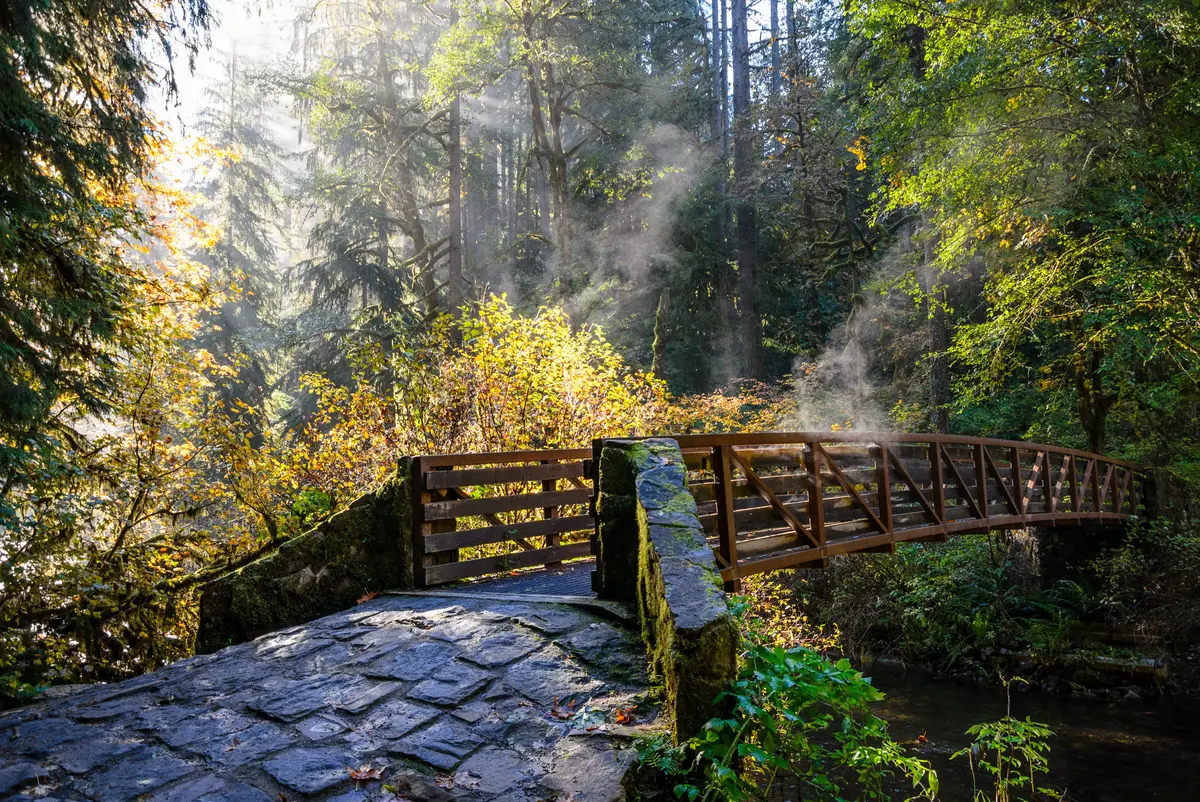
For a day trip, Silver Falls State Park is a short drive and gives Salem residents access to one of the Pacific Northwest's best trail systems. Portland International Airport is about 58 miles north; Eugene is roughly 62 miles south. Both are within reasonable reach for travel without the on-ramp congestion that defines driving out of Portland.
Salem vs Nearby Cities
| City | Typical Home Price | Typical Rent | Cost vs Salem |
|---|---|---|---|
| Salem (this city) | $440,726 | $1,584/mo | — |
| Keizer | $453,552 | $1,563/mo | 3% higher |
| Independence | $430,520 | $1,945/mo | About the same |
| Silverton | $557,308 | $1,775/mo | 26% higher |
Source — home prices: Zillow ZHVI, July 2026; rent: Zillow ZORI, July 2026. Nearby-city figures are the same series, refreshed together.
I get asked this comparison constantly, and the honest answer is that the right city depends entirely on what the buyer is optimizing for. Let me walk through the real trade-offs as I see them in practice.
Salem vs. Keizer: Keizer sits immediately north of Salem and the two blur together on a map. The practical difference is feel: Keizer is smaller and quieter, without the government-town energy of Salem's core. Prices are about the same between the two. Buyers who prioritize a tighter-knit, lower-density environment often land in Keizer — but they're still drawing on Salem's employment base and services, so it's less a lifestyle shift than a scale preference.
Salem vs. Independence: Independence is a smaller Willamette Valley city with genuine historic downtown character and a slower pace than Salem. Prices run about the same. What buyers give up is Salem's job market depth, employer variety, and the breadth of services that come with a city of 178,865. I show Independence to buyers who specifically want a smaller-town feel and are either remote workers or willing to commute to Salem for work.
Salem vs. Silverton: This is the comparison I think through most carefully. Silverton is a genuinely desirable small city with strong community character and proximity to Silver Falls State Park. It prices noticeably higher than Salem for equivalent square footage, and inventory is thin. Buyers who visit Silverton often fall hard for it — and then do the math and come back to Salem. If Silverton fits the budget and the lifestyle, it's a great choice. If the budget is real, Salem gives more home for the money.
Salem vs. Woodburn: Woodburn is south on I-5, smaller, and more agricultural in character. It serves a different buyer profile — often buyers for whom commuting distance to Salem or Portland is less of a factor. It doesn't offer Salem's depth of employment, services, or neighborhood variety.
Salem vs. Turner: Turner is a small incorporated city just south of Salem, quiet and semi-rural in feel. Buyers who want acreage or a genuine rural edge while maintaining access to Salem's employment cluster look here. The trade is that Turner itself offers little in the way of services — you're in Salem for everything substantive.
Weekends and Local Favorites
Salem's weekend life is more interesting than outsiders expect from a government capital. The food scene has genuine personality. Word Of Mouth Neighborhood Bistro is a breakfast institution — the lines form for a reason, and locals know not to be in a hurry. The Yard Food Park gives the city an outdoor gathering spot with rotating vendors and a communal energy that doesn't feel manufactured. Best Little Roadhouse does the kind of American comfort food that fills a room on a cold Oregon evening. Ritter's Housemade Foods is the spot for house-crafted meats and prepared goods that you bring home as much as eat there. The Cozy Taberna rounds out the dining scene with a warmth that feels genuinely neighborhood-rooted.
Coffee is taken seriously here. French Press Coffee and Crepes is the kind of café that becomes part of a routine fast. Broadway Coffeehouse anchors the coffee conversation downtown. IKE Box Café has a following among the arts and community crowd. The Governor's Cup Coffee Roasters is where you go when you want something roasted with care and served in a setting that takes it seriously. Bentley's Coffee serves the morning commuter crowd well and keeps regulars coming back.
For farmers markets, Salem Community Markets and Schlechter Farms are the two I hear about most from buyers who are building their weekly routines after a move.
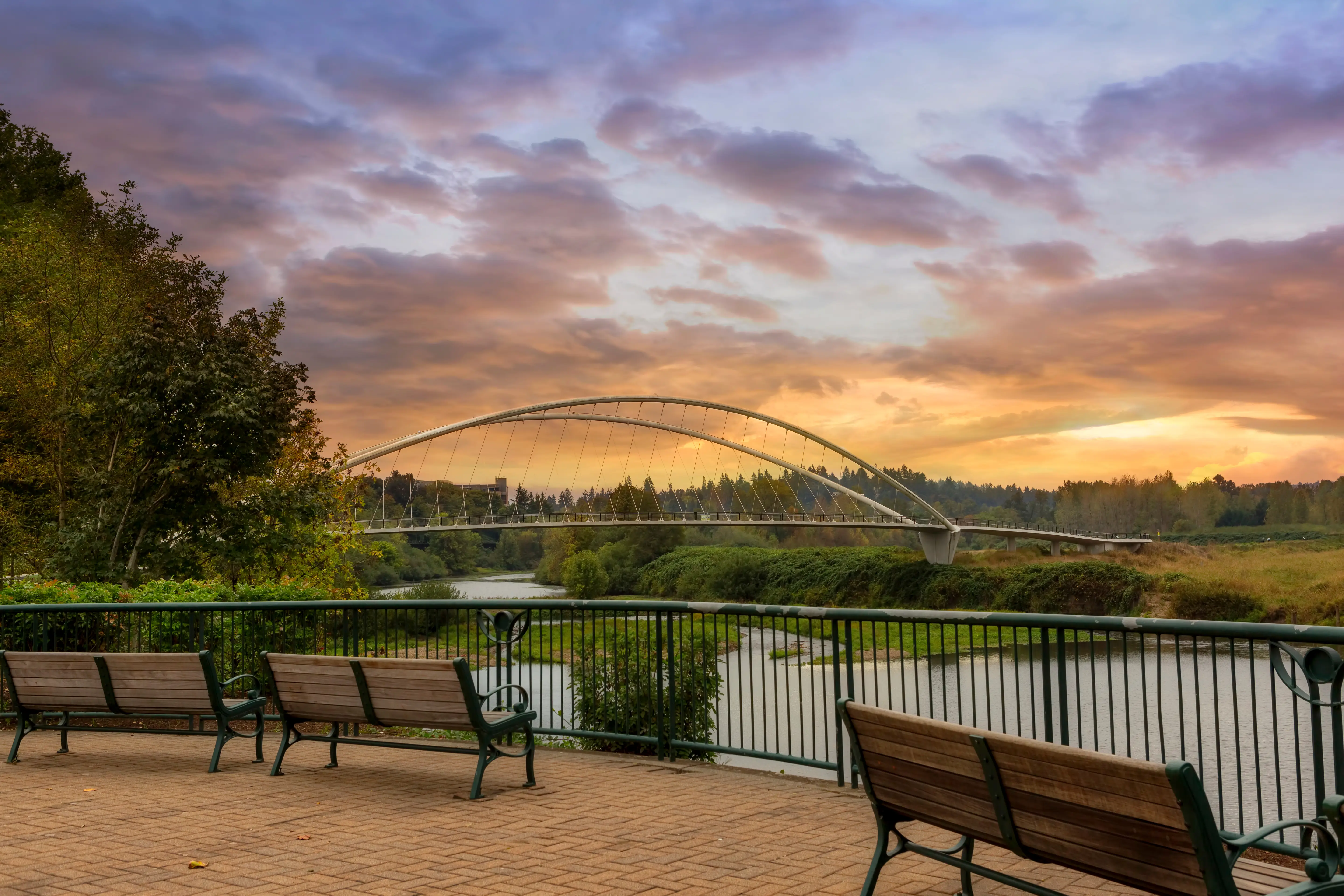
Outdoors, Minto-Brown Island Park is the city's anchor — a large, trail-laced park along the Willamette that locals treat as a backyard. Bush's Pasture Park and Riverfront Park fill out the green space within the city. The Willamette River Greenway connects these parks along the river in a way that makes Salem feel much more outdoors-friendly than its urban density suggests. Silver Falls State Park is the day trip that residents cite more than anything else when they talk about what they love about living here.
The Oregon State Capitol and Willamette University give the city a civic and academic texture that keeps weekday evenings interesting — lectures, performances, and public events that a comparable-sized city without a major institution wouldn't have. Riverfront Park and the Salem Riverfront Carousel are where families end up on warm afternoons, and the carousel itself is one of those local details that surprises people the first time they bring their kids.
Final Advice From Ali
Quick Takeaways & FAQs
✅ Salem's public-sector employment base — anchored by state government, healthcare, and the school district — gives the city an economic stability that most comparably priced Oregon cities can't match.
⚠️ The gap between Salem's median household income and the typical home price is real and worth running the numbers on before you get attached to a specific house.
📍 The Faye Wright neighborhood's Woodmansee Park — 30 acres with trails, disc golf, tennis, and Oregon white oak canopy — is one of the better neighborhood parks in the Willamette Valley and rarely shows up on out-of-towner radar.
What is the commute from Salem to Portland actually like day to day?
How do Salem's schools actually perform, and what should I know before choosing a neighborhood?
Which part of Salem is right for my family?
What does the typical home price actually buy in Salem right now?
What surprises people most after they move to Salem?
How competitive is the Salem housing market, and how fast do homes move?
Is Salem safe, and does safety vary by neighborhood?
How does Salem compare to Silverton, and which makes more sense?
Moving to Oregon?
Tell us what you need help with and we'll connect you with local resources.
