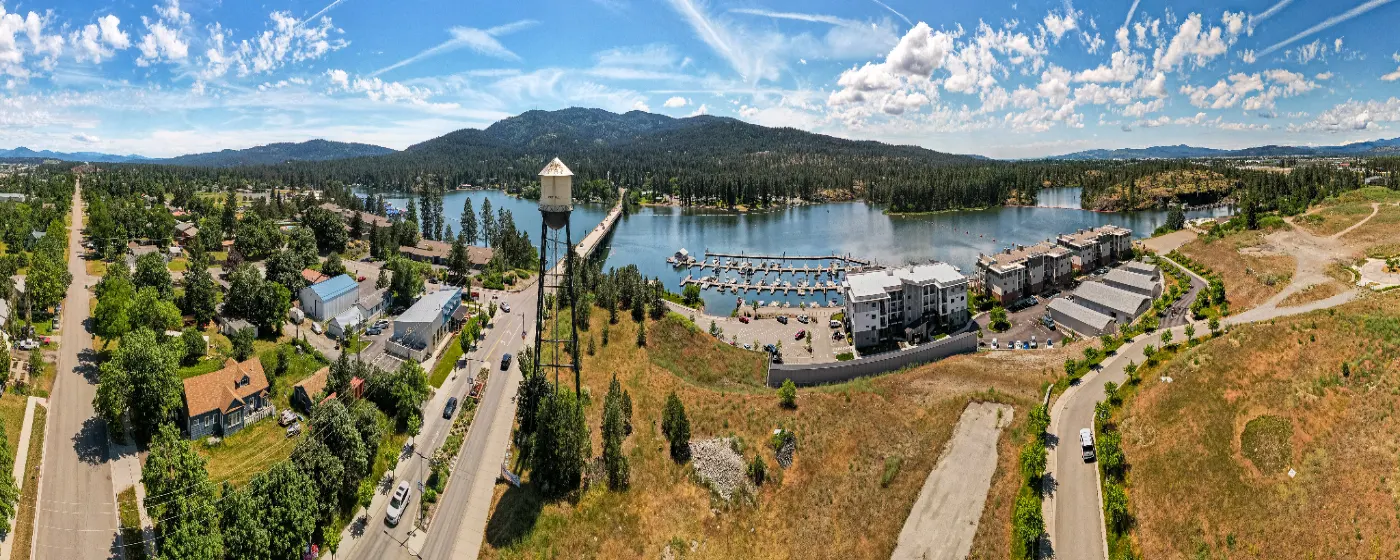
Maybe you've been priced out of Coeur d'Alene and someone told you Post Falls is the smarter move. Maybe your employer relocated you to the Cabela's distribution corridor or Buck Knives and you're starting from scratch on the map. Either way, Post Falls catches most newcomers off guard — not because it's unimpressive, but because it's more geographically diverse than the "next exit west" reputation suggests. Tucked into Kootenai County along the Spokane River, roughly six miles west of Coeur d'Alene and about 20 minutes east of Spokane via I-90, this city of 48,338 has grown fast enough that the neighborhood you pick matters as much as the city itself.
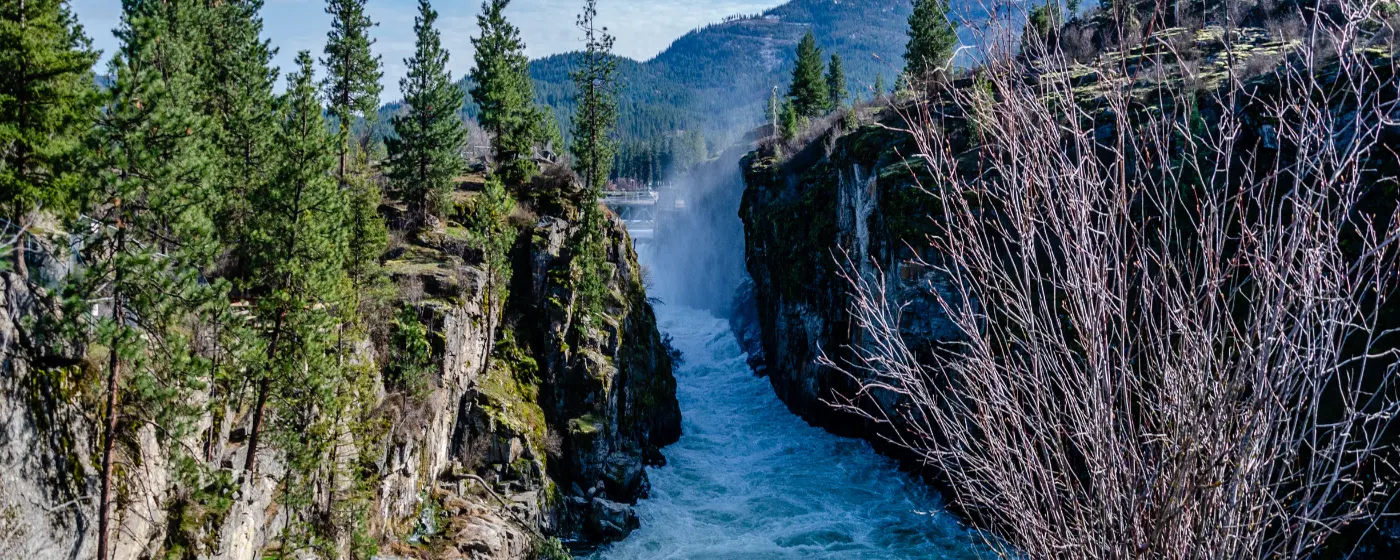
Post Falls School District #273 serves the entire city, which means school-boundary shopping isn't the deciding factor here the way it is in some markets — Post Falls High School draws from everywhere. What actually divides the city is geography and the interstate. Neighborhoods north of I-90 tend to sit on quieter, larger lots with a more rural cadence. Neighborhoods south of the freeway — especially along the Spokane River — command premiums for water access, trail connectivity, and proximity to Q'emiln Park's 40 acres of riverfront. Understanding that north-south split before you start touring is the single most useful thing this guide can give you. For more on how the overall cost of living in Post Falls compares to the region, that page goes deeper on the city-wide picture.
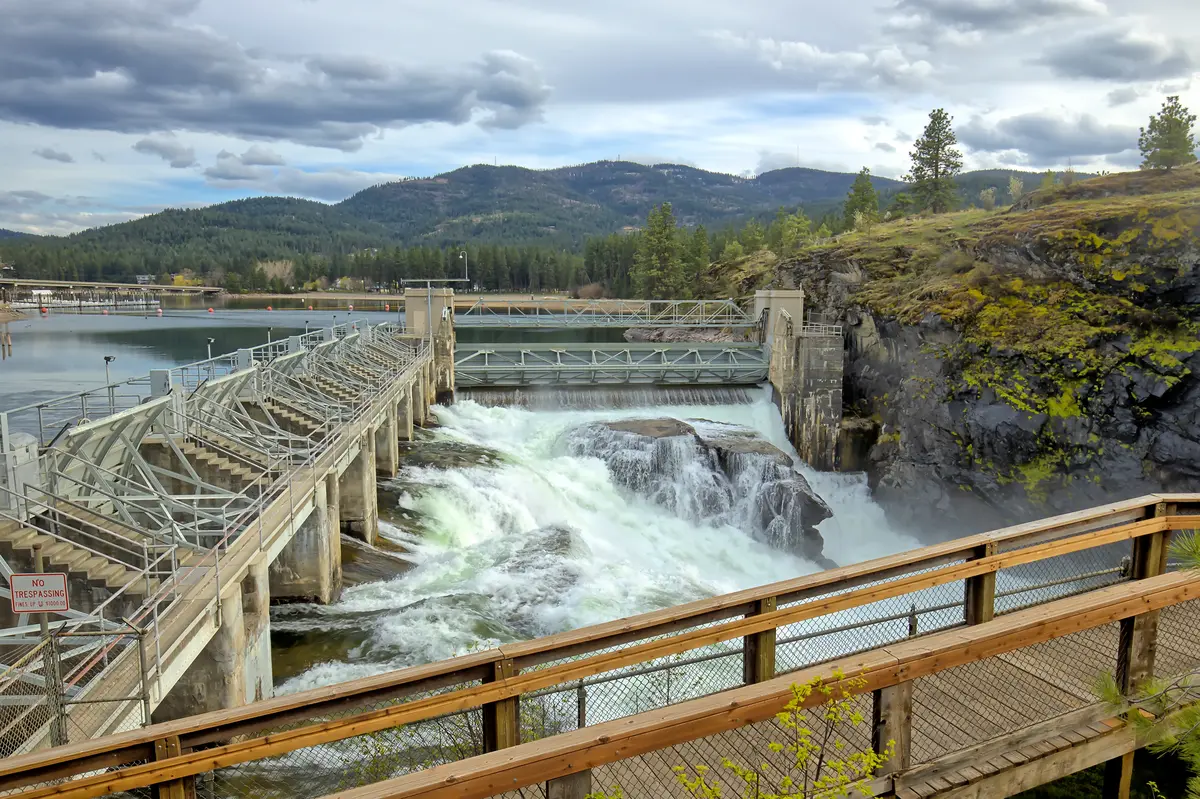
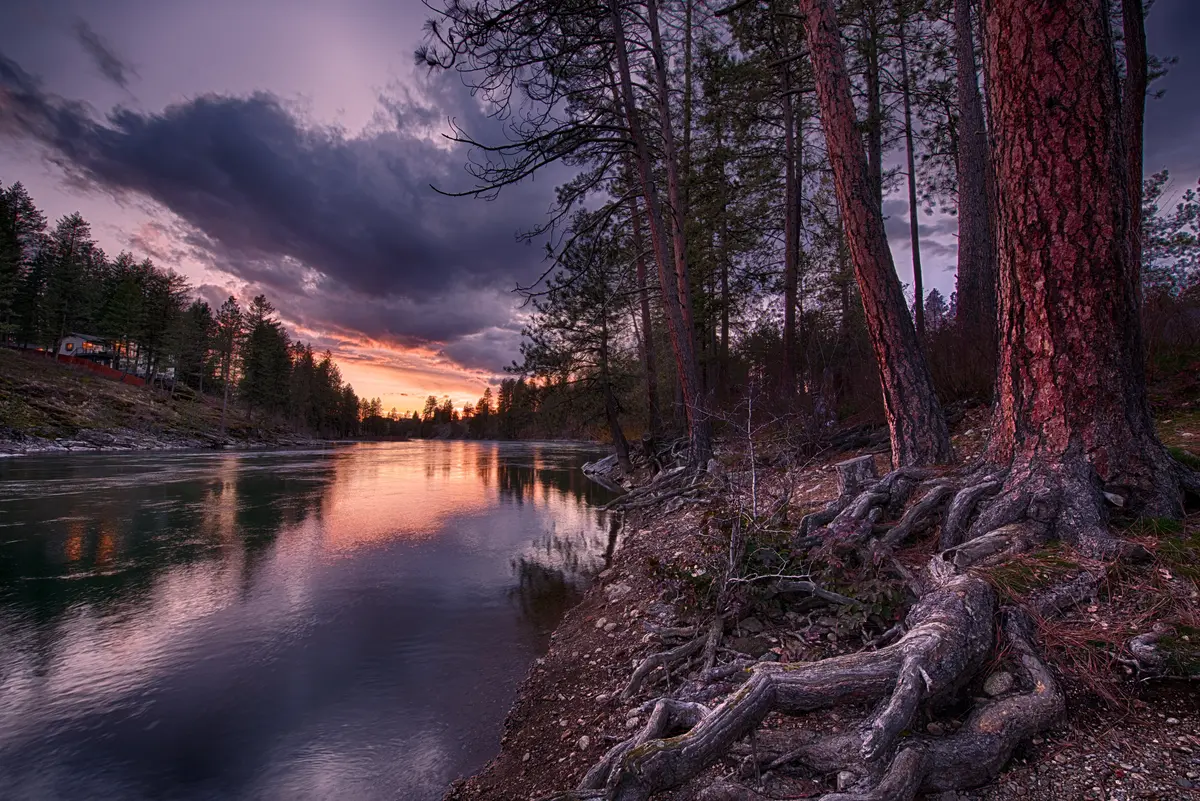
The city-wide Zillow Home Value Index sat at $518,467 as of February 2026 — noticeably below Coeur d'Alene's median, which is why so many buyers land here after being outbid to the east. Day-to-day life revolves around the North Idaho Centennial Trail, a paved multi-use path that follows the Spokane River and stitches together the southern neighborhoods, plus a growing downtown core anchored by Post Falls Brewing Company on N Spokane St. Summers are genuinely spectacular — river access, trail miles, and a downtown that fills up on weekends. Winters require a 4WD mindset on the side streets.
Whether you're narrowing down offers or just figuring out which part of town to focus on, the sections below break down Post Falls's eight neighborhoods by price, character, buyer type, and honest trade-offs — plus where to rent while you get your bearings.
The Post Falls Reality
The divide that matters most in Post Falls is I-90 — not as a noise issue, but as a lifestyle separator. South of the freeway, you get Spokane River access, the Centennial Trail, Q'emiln Park, and the walkable pull of downtown. North of it, you get larger lots, newer subdivisions, golf course communities, and a quieter rhythm that feels closer to rural Kootenai County than to a city of nearly 50,000. Buying without understanding which side of that line suits your life is the most common mistake relocating buyers make here.
The second reality is Seltice Way versus Highway 41. Seltice Way, running parallel to I-90 on the south side, is the artery for river-adjacent neighborhoods and connects to the commercial corridor east of the freeway. Highway 41 is the north-south spine — cross it heading east and you're moving toward Coeur d'Alene; stay west and you're in the older, more affordable core of the city.
School boundaries don't segment this city the way they do in larger markets — Post Falls School District #273 feeds a single high school, so chasing one attendance zone over another won't change your kids' secondary school experience. What will change is your commute pattern, your weekend lifestyle, and how quickly your neighborhood appreciates as Post Falls continues its growth run. Pick the side of the freeway that matches your life, then narrow from there.
Neighborhoods at a Glance
| Neighborhood | Best For | Price Range | Vibe |
|---|---|---|---|
| Prairie Falls | Families Value | $480,000–$620,000 | Golf course community, new construction energy, suburban ease |
| The Highlands | Luxury Views | $650,000–$900,000+ | Upscale golf enclave, spacious lots, elevated feel |
| Riverside Harbor | Luxury Nature | $700,000–$1,000,000+ | Gated river access, HOA community, resort-adjacent atmosphere |
| Foxtail | Families Quiet | $430,000–$560,000 | Established mid-range, cul-de-sac feel, low turnover |
| Milltown | First-Time Value | $340,000–$480,000 | Older stock, affordable entry, close to downtown core |
| North Prairie | Families Privacy | $450,000–$580,000 | Newer north-side development, larger lots, quieter streets |
| West Seltice | Commuter Families | $480,000–$640,000 | New construction homes, I-90 direct access, park-adjacent |
| Central Post Falls | Walkable Renter | $360,000–$510,000 | Mixed housing, downtown proximity, Centennial Trail access |
Best Neighborhood by Buyer Type
| Buyer Type | Best Neighborhood | Why |
|---|---|---|
| First-Time Buyer | Milltown | The city's most accessible price floor gives first-timers a foothold without stretching to the city-wide median. |
| Luxury Buyer | Riverside Harbor | Private keycard river access and gated community infrastructure are difficult to replicate anywhere else in Post Falls. |
| Walkability Seeker | Central Post Falls | The Centennial Trail, Q'emiln Park, and downtown restaurants are all reachable on foot from the central core. |
| Families with Kids | Prairie Falls | New construction, a golf course clubhouse with family amenities, and low-traffic streets make it a natural fit for parents with school-age children. |
| Commuters | West Seltice | West Seltice Way feeds directly onto I-90 — the fastest on-ramp to Spokane in the city. |
| Large-Lot Buyers | North Prairie | North-side lots run noticeably larger than south-side parcels at comparable price points. |
| Renters | Central Post Falls | The densest concentration of rental inventory and the most walkable streets in Post Falls make this the practical landing zone for newcomers. |
Looking to buy in Post Falls? Estimate your payment.
Enter your numbers to see an estimated monthly mortgage payment.
Estimate only. Excludes HOA fees and mortgage insurance. The interest rate above is a starting point, not a quoted rate — replace it with your own to see real numbers. Insurance is a flat placeholder, not a Post Falls quote.
Most Popular Neighborhoods
1. Prairie Falls
Prairie Falls is anchored by the Prairie Falls Golf Course and its newly built clubhouse — the restaurant, bar, coffee shop, and golf simulators give the neighborhood a built-in social scene that most Post Falls subdivisions lack. Homes run $480,000–$620,000 for newer builds with open floor plans and attached garages. The catch: HOA fees apply, and the neighborhood sits north of I-90, so river access means a short drive rather than a walk.
Best for: Families with kids, buyers who want a community feel baked into the neighborhood design.2. The Highlands
The Highlands wraps around an 18-hole, par-72 golf course with a full driving range and simulators — the kind of amenity that holds property values even when the broader market softens. Prices in the $650,000–$900,000+ range reflect both the lot sizes and the elevated positioning above much of the city. The downside is distance from the river and from downtown; errands and dining require a real drive.
Best for: Luxury buyers, golfers, buyers prioritizing a quieter north-side setting with upscale neighbors.3. Riverside Harbor
No other neighborhood in Post Falls matches Riverside Harbor's river access — a private, gated beachfront park on the Spokane River, keycard-only for HOA members, flanked by public swim beaches and two additional community parks. Prices range from $700,000 to well over $1,000,000, and that premium is real and justified. The HOA is active and the rules are enforced; buyers who want to park an RV in the driveway year-round will chafe here.
Best for: Luxury buyers, outdoor enthusiasts, anyone for whom Spokane River access is non-negotiable.4. Foxtail
Foxtail offers an established suburban feel that newer developments haven't quite replicated — cul-de-sac streets, mature landscaping, and a low-turnover atmosphere that suggests residents stay put. Prices in the $430,000–$560,000 range land close to the city-wide median with homes that typically offer more square footage per dollar than south-side alternatives. The quiet is real, but so is the distance from the Centennial Trail and downtown.
Best for: Families, buyers who want settled, low-churn streets without paying a river premium.5. Milltown
Milltown is where Post Falls's working roots still show — older housing stock, tighter lots, and price points in the $340,000–$480,000 range that represent the most affordable entry in the city. The downtown core and Q'emiln Park are close, which is a genuine advantage. Many homes here need updates, and buyers expecting move-in-ready condition at these prices will frequently be disappointed.
Best for: First-time buyers, investors, buyers willing to renovate in exchange for the city's lowest price floor.6. North Prairie
North Prairie is Post Falls's answer to buyers who want newer construction and larger lots without paying golf course premiums. The $450,000–$580,000 range gets you more land than almost any south-side neighborhood at comparable prices. The trade-off is pure suburban distance — Highway 41 is the lifeline, and the Centennial Trail is not walking distance from most streets here.
Best for: Families, buyers prioritizing lot size and newer builds over on-foot access to parks or downtown.7. West Seltice
West Seltice is the choice for buyers who want I-90 access without north-side isolation — West Seltice Way drops directly onto the freeway, making the Spokane drive manageable on most mornings. Newer single-family homes in the $480,000–$640,000 range sit near Treaty Rock Park and Corbin Park, giving the neighborhood more greenspace than its freeway proximity might suggest. Buyers who move in quickly notice that westbound on-ramp stacking during peak hours is the one friction point the listing photos won't show you.
Best for: Spokane commuters, families who want new construction near parks without north-side isolation.8. Central Post Falls
Central Post Falls is the most functionally urban part of the city — Post Falls Brewing Company on N Spokane St, the Centennial Trail, Q'emiln Park, and the downtown restaurant and retail corridor are all in reach on foot or by bike. Prices in the $360,000–$510,000 range reflect mixed housing stock: some well-maintained older homes, some rentals, and some streets that are still mid-transition. It's the best neighborhood in the city for on-foot access and the least predictable block to block.
Best for: Walkability seekers, renters testing the market, buyers who want downtown access without paying Coeur d'Alene prices.Common Mistakes Buyers Make in Post Falls
Assuming the City Is Uniform
Post Falls looks compact on a map, but Riverside Harbor and Milltown are not the same city in any meaningful lifestyle sense. Buyers who tour one or two houses near the I-90 corridor and extrapolate to the whole market routinely overpay or land in the wrong neighborhood. Walk the neighborhood at 7 a.m. on a weekday — the traffic pattern, the neighbors outside, and the proximity to Highway 41 will tell you more than any listing photo.
Underestimating the Highway 41 Bottleneck
The stretch of Highway 41 between Mullan Road and the I-90 interchange creates a predictable morning slowdown that surprises almost every newcomer after month one. Buyers who choose North Prairie or Foxtail expecting a smooth westbound drive toward Spokane often find that a short distance on paper doesn't translate to a short drive during peak hours. Seltice Way runs parallel to I-90 on the south side and often moves faster than the Highway 41 on-ramp queue — a detail most north-side buyers don't discover until they've already closed.
Chasing Square Footage Over Location
Because Post Falls prices are noticeably below Coeur d'Alene's, buyers sometimes stretch north to Foxtail or North Prairie for an extra bedroom or a three-car garage. That's a reasonable trade if you genuinely don't care about river access or downtown proximity. It becomes a mistake when buyers underestimate how much of Post Falls's appeal is the Centennial Trail and Q'emiln Park — amenities that are only convenient if you live near them.
Missing the HOA Fine Print in Gated Communities
Riverside Harbor and sections of Prairie Falls carry HOA rules that affect everything from fence heights to short-term rental eligibility. Buyers attracted to the river access or golf course amenity sometimes skim the CC&Rs and discover post-closing that their plans — parking a boat trailer, running an Airbnb, adding a workshop shed — aren't permitted. Read the full HOA documents before going under contract, not after.
Best Areas to Rent in Post Falls
| Area | Ideal For | Typical Rent Range | Trade-off |
|---|---|---|---|
| Central Post Falls | Newcomers, young professionals, Centennial Trail users | $1,300–$1,800/mo (1–2 BR) | Older stock, uneven block quality, less parking |
| West Seltice | Spokane commuters, couples, small families | $1,600–$2,100/mo (2–3 BR) | Limited rental inventory; most homes are owner-occupied |
| Milltown | Budget renters, first-timers, single occupants | $1,100–$1,500/mo (1–2 BR) | Older units, some deferred maintenance, fewer amenities |
| North Prairie | Families with kids, buyers renting before buying | $1,700–$2,200/mo (3–4 BR) | Car-dependent; limited walking or trail access |
| Prairie Falls area | Families who want amenity access while renting | $1,800–$2,400/mo (3–4 BR) | Rental supply is thin; most landlords here are accidental investors |
Post Falls's rental market is tighter than the ownership market — vacancy rates have stayed low as the city's population growth has consistently outpaced new apartment construction. Renters who want a single-family home with a yard should expect to compete quickly when one comes available, particularly in West Seltice and North Prairie where most of the housing stock is owner-occupied.
Local Expert Takeaway: If you're moving to Post Falls and have one decision to make before you tour a single house, settle the I-90 question first: do you want river access and on-foot connectivity to the Centennial Trail, or do you want larger lots and newer construction on the quieter north side? South of the freeway — Riverside Harbor, Central Post Falls, West Seltice — you're buying proximity to the Spokane River, Q'emiln Park, and downtown. North of it — Prairie Falls, The Highlands, North Prairie, Foxtail — you're buying space, newer builds, and golf course infrastructure. Both are legitimate. Neither is wrong. But mixing them up in your search is how buyers end up frustrated three months after closing.
Quick Takeaways & FAQs
✅ Riverside Harbor's keycard-access beachfront park on the Spokane River is the only neighborhood amenity of its kind in Post Falls — and it's reflected in the price.
⚠️ The Highway 41 and I-90 interchange creates a predictable morning slowdown; buyers who choose a north-side neighborhood without accounting for this often find the westbound drive toward Spokane longer than expected.
📍 Post Falls Brewing Company on N Spokane St is the closest thing the city has to a neighborhood anchor for Central Post Falls — Friday evenings there give you a fast read on who actually lives in this part of town.
What is the most affordable neighborhood in Post Falls?
Which Post Falls neighborhood is best for Spokane commuters?
Does it matter which neighborhood I pick if my kids will all go to Post Falls schools anyway?
Is Riverside Harbor worth the premium over other Post Falls neighborhoods?
What surprises people most about living in Post Falls after a few months?
Moving to Idaho?
Tell us what you need help with and we'll connect you with local resources.
