What Is Living in Moscow, Idaho Like?
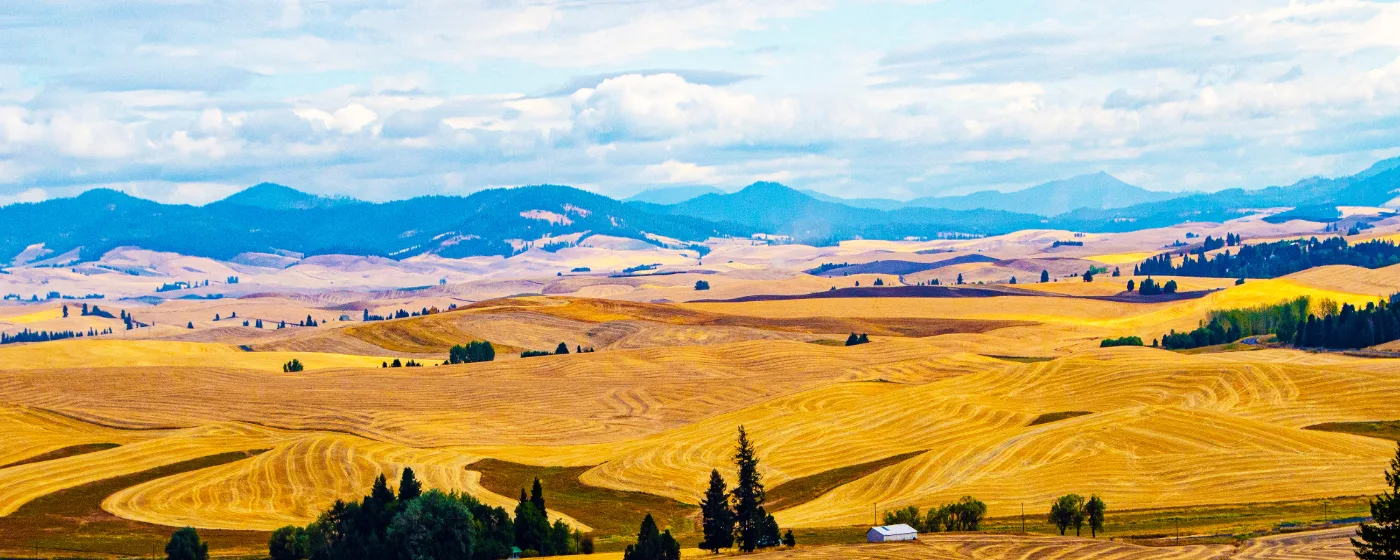
Maybe you've been priced out of Boise and someone mentioned the Palouse. Maybe the University of Idaho brought you here for a campus visit and the rolling wheat fields caught you off guard. Or maybe you've already accepted a position at Schweitzer Engineering Laboratories and you're trying to figure out what life actually looks like on a day-to-day basis. The surprise most newcomers hit in month three is this: Moscow doesn't feel like a small Idaho town. It feels like a real city that happens to be surrounded by farmland — with a genuine downtown, a performing arts scene anchored by the Kenworthy Performing Arts Centre, and a median age of 25.7 years that keeps the energy distinctly young. The city sits in Latah County in North Central Idaho, about eight miles east of the Washington state line, connected to everything relevant by US-95 running north-south and Highway 8 running east to Pullman.
The University of Idaho is the city's gravitational center. The state's flagship land-grant research university enrolled 12,383 students in fall 2025, and that enrollment shapes almost every dimension of local life — the employers, the restaurants that stay open late, the rental market, the political culture. Beyond the university, Schweitzer Engineering Laboratories is one of the most significant private employers in the region, drawing engineers from across the country who want a smaller-city life without giving up a serious career. The Moscow School District holds an A- rating, according to Niche, making it a genuine draw for families with school-age children who want university-town resources at a small-town scale. The result is a community that consistently attracts a specific kind of person: educated, outdoors-oriented, and deliberately choosing quality of life over square footage.
Housing in Moscow runs noticeably below what you'd pay in Boise or the Treasure Valley, and the pace of the market gives buyers real room to negotiate — details covered in the cost of living section. Daily life leans heavily on what's outside: a 38-plus-mile paved trail network connects the UI campus to downtown via the Paradise Path, reaches east toward Troy on the Latah Trail, and runs seven miles west to Pullman along the Bill Chipman Palouse Trail. Moscow Mountain, accessible from the city, adds 60-plus miles of hiking and mountain biking through cedar and pine. The catch — and it's a real one — is that Moscow is genuinely remote. Spokane is roughly 90 miles north. That distance defines what you can and can't get here without a drive.
Whether you're weighing a move or already deep in research mode, the sections below break down Moscow's reasons to relocate, what daily life actually feels like, the current housing market, commuting patterns, and where locals spend their weekends.
Moscow at a Glance
Looking to buy in Moscow? Estimate your payment.
Enter your numbers to see an estimated monthly mortgage payment.
Estimate only. Excludes HOA fees and mortgage insurance. The interest rate above is a starting point, not a quoted rate — replace it with your own to see real numbers. Insurance is a flat placeholder, not a Moscow quote.
Why Are People Moving to Moscow?
The people who move to Moscow intentionally — not just for a university appointment — tend to share a profile: they've done the math on quality of life, they want a genuine downtown without a Boise price tag, and they've decided that a 90-mile drive to Spokane is a reasonable trade for never sitting in suburban traffic.
The Employer Anchors
Two institutions drive the majority of professional relocation to Moscow. The University of Idaho is the largest, employing faculty, researchers, and administrative staff across a campus that functions as the city's cultural and intellectual core. Schweitzer Engineering Laboratories — SEL, as locals call it — draws electrical engineers and software developers specifically, offering salaries that compete with larger metros while requiring no commute longer than 15 minutes from most of the city.
The Moscow School District rounds out the public-sector employer picture, and a major regional health system provides additional professional jobs in healthcare. The City of Moscow itself employs a meaningful slice of local residents. Together, these five anchors create an unusually stable local economy for a city of 26,286 — less boom-and-bust than resort towns, less dependent on a single private employer than many similarly sized Idaho cities.
Who Actually Moves Here
| Buyer Type | What Draws Them | Best Fit |
|---|---|---|
| University-tied professionals | Faculty positions, research roles, UI administration | Walkable School |
| SEL engineers & tech workers | Serious career, small-city lifestyle, no tech-hub cost | Value Quiet |
| Families with school-age kids | A- rated district, trail access, stable community | Families School |
| WSU-adjacent buyers | Lower Idaho home prices vs. Pullman's Washington costs | Commuter Value |
| First-time buyers priced out elsewhere | Real negotiating leverage, slower market pace | First-Time Value |
| Outdoor-lifestyle seekers | Moscow Mountain, Palouse trails, four distinct seasons | Nature Views |
The cross-state dynamic is worth understanding. A meaningful number of buyers purchase in Moscow specifically to work at Washington State University in Pullman — roughly 10 minutes away — taking advantage of Idaho's lower home prices and effective property tax rate of 0.70%.
The Honest Downside
Remoteness is not a minor footnote. The nearest Costco, major medical center, and airport with reliable regional connections are each a drive away. People who move here from mid-sized metros sometimes leave within two years — not because they disliked Moscow, but because they underestimated how much they relied on the infrastructure of a larger city. If a weekend trip to IKEA or a same-day specialist appointment matters to your household, factor the distance honestly before committing.
The other thing people don't expect: the university population turns over constantly. It creates energy, but it also means the social fabric of the city refreshes every few years in ways that can feel destabilizing for permanent residents building long-term community. Longtime residents describe it as both the city's best feature and its most frustrating one. Learn more about which neighborhoods insulate you from that churn and which don't.
What Daily Life Feels Like in Moscow
The city's median age is 25.7 years. That number explains a lot: why downtown stays busy on Tuesday nights, why the independent coffee shops on Main Street have lines at 8 a.m., and why the cultural calendar punches above Moscow's weight class. It also means the city has a particular rhythm — frenetic during the academic year, noticeably quieter between May and August.
The Geographic Reality
Moscow is compact enough that most of daily life happens within a few miles. The UI campus anchors the east side of downtown, and the Fort Russell Historic District sits just north of it — one of the oldest residential neighborhoods in the city, with Craftsman bungalows and mature trees lining the streets. East City Park is the de facto community gathering spot, hosting the Saturday farmers market and functioning as the front yard for the neighborhoods around it.
The 1.47-mile Paradise Path is one of those infrastructure details that sounds minor until you live here: it connects the UI campus to downtown without crossing a car lane, and on a clear morning in September it is one of the more pleasant commutes available anywhere in Idaho. The UI Arboretum and Botanical Garden sits along its route, and locals use it as a daily walk as much as a destination.
Seasonal Quirks Newcomers Don't Expect
Moscow gets real winter. The Palouse sits at around 2,600 feet, and snow arrives in November and sticks through February in most years. The campus and downtown stay functional — this is a walkable city that has to work in the cold — but if you're relocating from the Treasure Valley expecting mild winters, recalibrate. The upside is that spring comes in dramatic fashion: the Palouse wheat fields turn green almost overnight, and the city hosts the Rendezvous in the Park music festival in July, which draws a regional crowd that temporarily doubles downtown foot traffic.
Summer is also when Moscow reveals its ceiling. The university population thins, parking is effortless, restaurant wait times disappear, and the trails on Moscow Mountain are at their best. Newcomers who arrive in August often report that the city felt perfect — until September, when 12,000 students return and the parking situation near campus changes completely.
What Families Actually Do Here
East City Park on Saturday morning is genuinely the social center for families with younger kids. The farmers market runs through the growing season, and the park itself hosts enough pickup soccer and frisbee that it functions as an informal community hub rather than just green space. The 1912 Center — a renovated historic building downtown — runs a steady calendar of community events, live music, and arts programming that fills the gap left by a city that doesn't have the venue density of a larger place.
For families thinking about youth sports and school-year activities, the district's A- Niche rating reflects real depth in extracurriculars — more detail lives on the schools page. The SMART Transit system runs two free fixed routes through the city on weekdays and limited hours on Saturday, which matters more than it sounds in a city where a teenager can get to the library, the park, or the grocery store without needing a parent to drive.
The Moscow Housing Market Right Now
The Zillow Home Value Index for Moscow stood at $444,039 as of May 2026 — a figure that reflects the 35th–65th percentile of all homes, including single-family residences, condos, and co-ops. That puts Moscow well below Boise and the broader Treasure Valley, and it reflects a market that has absorbed university-town demand without the speculative pressure that hit Sun Valley or Coeur d'Alene.
What makes Moscow genuinely different from most Idaho markets right now is pace. Homes are sitting an average of 60 to 71 days on market, multiple-offer situations are rare, and the average sale closes at roughly 2% below list price. For a buyer coming from a competitive market — whether that's Boise, Portland, or the Bay Area — that negotiating room feels unfamiliar. Some areas command a premium over others, particularly near the university and in the Fort Russell Historic District, but the city-wide figure is the honest baseline. A full breakdown of what different price points get you in each part of the city lives on the best neighborhoods page.
What Drives Prices Here
The rental market is the underlying engine. With 12,383 university students in the market, landlord demand for rental-viable properties near campus stays durable even when the broader market softens. That dynamic supports values in the University District and College Hill areas, which also means buyers competing for those properties face different conditions than someone buying in West Moscow or Lena Whitmore.
The effective property tax rate of 0.70% is among the lower rates in the region — a meaningful factor for buyers calculating long-term carrying costs. Full tax, utility, and cost-of-living context is on the cost of living page. The short version: Moscow's ownership costs are materially lower than comparably sized college towns in the Pacific Northwest, and the slower market pace means a prepared buyer has genuine room to move.
One thing that surprises buyers after six months: the seasonal inventory swing is real. Listings cluster in spring and thin dramatically in summer and early fall, when the university population is transitioning. If you're targeting a specific neighborhood, watching inventory in February and March gives you a better selection than waiting until July.
Moscow Neighborhoods
Moscow has several distinct areas — each with its own character and appeal. Here’s a breakdown to help you narrow down where to focus your home search.
🏡 Downtown Moscow
Main Street anchors a walkable core of independent restaurants, the Kenworthy Performing Arts Centre, and the Saturday farmers market at East City Park — suited to buyers who want to walk to most of daily life and don't mind the energy of a university-adjacent neighborhood.
🏠 Fort Russell Historic District
One of Moscow's oldest residential areas, with Craftsman bungalows and established trees north of the UI campus — a natural draw for buyers who want historic character and a short walk to both downtown and the university without living inside the student rental market.
🌳 East Hill
A quieter residential area east of downtown with easy access to the Latah Trail corridor and less foot traffic than the university-adjacent neighborhoods — suits families and professionals who want established streets without the campus churn.
🏘 West Moscow
The part of the city that feels furthest from the university energy — more single-level homes and lower-traffic streets, with practical access to grocery stores and US-95 for commuters heading south toward Lewiston.
🏔 University District
The neighborhood that wraps the UI campus draws a mix of faculty, graduate students, and long-term owners who want to walk to campus — rental demand here is durable, which sustains values but also means a higher proportion of rental-converted properties on any given block.
🌆 Lena Whitmore
A more residential, family-oriented area in the north part of the city with access to Lena Whitmore Elementary and a quieter street feel than the downtown or university corridors — a solid first-time buyer target where the city's overall housing benchmark translates to realistic entry points.
Pros & Cons of Living in Moscow
The Pros
- Strong school system with top-20% state ranking
- Low crime rates with safe
- walkable neighborhoods
- Vibrant arts and cultural scene with year-round festivals
- University of Idaho provides educational and employment opportunities
The Cons
- Limited job market outside of the university sector
- Cold
- snowy winters with limited sunshine
- Relatively isolated location far from major metro areas
Getting Around & Commuting in Moscow
Moscow's commute reality depends almost entirely on where you work. If your employer is the University of Idaho, Schweitzer Engineering Laboratories, or the Moscow School District, you are likely within 15 minutes of your office by car — and possibly within biking or walking distance. If you're commuting to Pullman for WSU, it's roughly 10 minutes on Highway 8, and the 7-mile Bill Chipman Palouse Trail provides a genuine car-free commute option on a paved path that runs directly between the two campuses.
The Trail Commute Is Real
The Bill Chipman Palouse Trail isn't a scenic detour — it's a functioning commute corridor. On a bike it takes most riders 30 to 40 minutes from downtown Moscow to the WSU campus, with minimal elevation change and no car crossings of consequence along most of the route. Moscow's 38-plus-mile paved non-motorized network means that for residents who work in town and live within a mile of a trail connection, car-free weekday routines are genuinely achievable.
The 12-mile Latah Trail heading east to Troy is mostly used recreationally, but it also connects to rural residential areas east of the city that feed commuters back into the downtown core. The Paradise Path — the 1.47-mile connector between campus and Main Street — gets steady foot and bike traffic on every dry day of the academic year.
Driving Within Moscow
Traffic in Moscow is mild by almost any standard. The one consistent friction point is the US-95 and Main Street intersection corridor during the morning and afternoon peak around the start and end of the university day — particularly in September and late January when semesters open and parking near campus fills within minutes. The practical move most locals make: if you're heading downtown between 8 and 9 a.m. on a weekday during the school year, park one block further than you think you need to and walk.
US-95 is the primary north-south artery connecting Moscow to Lewiston (about 33 miles south) and to the Spokane metro (roughly 90 miles north via US-95 to US-195). Highway 8 runs east to Pullman and the Pullman-Moscow Regional Airport, approximately five miles from downtown. That airport is the most practical option for regional travel; Spokane International Airport (GEG) serves significantly more destinations and is the standard choice for flights requiring connections or international travel.
Public Transit
SMART Transit operates two free fixed bus routes — East and West — running every 30 minutes from 6:40 a.m. to 7 p.m. on weekdays and 7:30 a.m. to 2 p.m. on Saturdays. The routes cover the UI campus, downtown, grocery stores, East City Park, the fairgrounds, and the hospital. For car-free households, the system is functional for daily errands but limited in evening and weekend coverage — you will want a car if you plan to do anything beyond the route corridors after 7 p.m. or on a Sunday.
| Destination | Distance from Moscow | Typical Drive Time | Notes |
|---|---|---|---|
| Pullman, WA (WSU) | ~8 miles | ~10 min | Bill Chipman Trail = car-free option |
| Pullman-Moscow Regional Airport (PUW) | ~5 miles | ~10 min | Nearest commercial flights |
| Lewiston, ID | ~33 miles | ~40 min | US-95 south; regional services |
| Coeur d'Alene, ID | ~93 miles | ~1 hr 30 min | US-95 north |
| Spokane, WA (GEG) | ~90 miles | ~1 hr 30 min | Primary hub for major flights |
| Boise, ID | ~315 miles | ~4 hr 30 min | Full day trip; Moscow is remote |
The Lewiston-Nez Perce County Regional Airport (LWS), about 33 miles south, offers an alternative with some regional service — useful when PUW is socked in during winter weather, which happens a handful of times per season.
Schools in Moscow
Families relocating to Moscow have public, private, and higher-education options nearby. Here’s a quick overview.
🎓 School District
Moscow School District serves K–12 students across Moscow and the surrounding area. Rated A- (source: Niche.com).
🏆 Graduation Rate
The 4-year high-school graduation rate here is approximately 79.9%.
📚 Higher Education
Idaho’s public universities — Boise State, the University of Idaho, and Idaho State — offer four-year degrees statewide, with community colleges (CWI, CSI, NIC) providing two-year and workforce programs.
🌐 Online Learning
Boise State Online and University of Idaho Online offer fully accredited online degrees for remote learners across the state.
Safety in Moscow
A quick look at how Moscow compares on the numbers that matter most when weighing a neighborhood or a move.
🛡 Violent Crime
Approximately 2.9 per 1,000 residents.
🔒 Property Crime
Approximately 10 per 1,000 residents.
Compared to the FBI’s most recent national data (2024), Moscow’s violent crime is below the national average (about 3.6 per 1,000), and property crime is below the national average (about 17.6 per 1,000).
Against Idaho as a whole, Moscow’s violent crime is somewhat above the state average, and property crime is somewhat above the state average (Bureau of Justice Statistics, Crime Known to Law Enforcement, 2024 (tables 2 and 3)).
Crime rates can vary a lot within a single city, so the citywide numbers above are only a starting point. Some neighborhoods in Moscow run well below these averages, while others run higher — the kind of block-by-block detail that matters most when you’re actually choosing where to live. The full guide below breaks it down neighborhood by neighborhood.
Working in Moscow
Moscow’s largest employers span several industries — here are some of the anchors of the local job market.
🎓 University of Idaho
Education
💼 Schweitzer Engineering Laboratories
Engineering
🎓 Moscow School District
Education
🏥 Gritman Medical Center
Healthcare
🏛 City of Moscow
Government
Parks & Recreation in Moscow
Some of the outdoor spaces that shape everyday life in Moscow.
🌱 East City Park
🌱 UI Arboretum and Botanical Garden
Moscow residents don’t have to go far for green space — spots like East City Park and UI Arboretum and Botanical Garden are part of everyday life here, whether that’s a morning walk, a weekend hike, or just somewhere to unwind outside. The full guide below covers more of what Moscow has to offer for parks and outdoor recreation.
Retiring in Moscow
Moscow draws retirees for its balance of amenities, outdoor access, and cost. Here’s what to weigh.
🌤 Climate
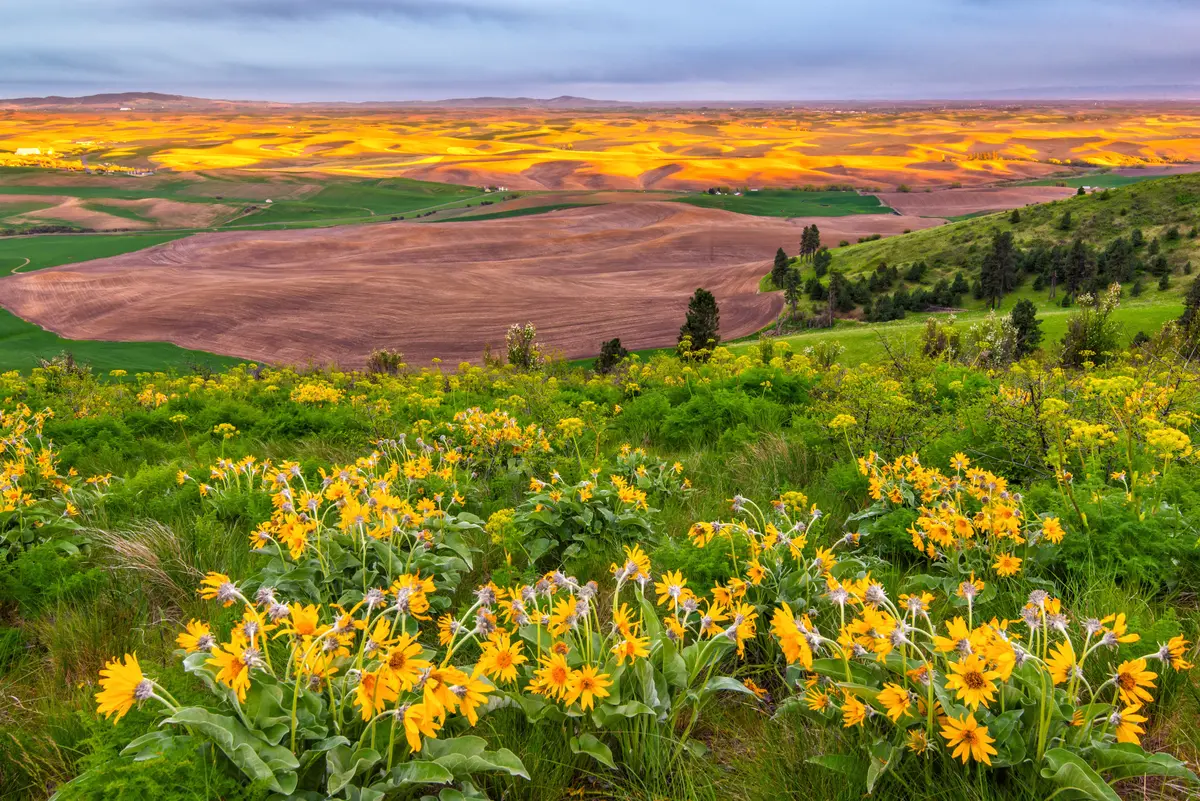
Moscow sits at around 2,600 feet on the Palouse, which means real winters — snow typically arrives in November and sticks through February, with occasional ice on US-95. Summers are warm and dry, rarely reaching extremes, and the springs are genuinely spectacular when the wheat fields green up. Retirees who love four distinct seasons tend to find Moscow's climate a feature; those who want mild year-round weather may find the winters longer than expected.
🍴 Lifestyle
The Kenworthy Performing Arts Centre and the 1912 Center provide a cultural calendar that outperforms the city's size — live music, film, community events, and arts programming run year-round. The Saturday farmers market at East City Park, independent dining along Main Street including Maialina Pizzeria Napoletana, and the UI Arboretum and Botanical Garden give daily life a texture that retirees from larger cities often find genuinely satisfying. The Appaloosa Museum and Heritage Center and the McConnell Mansion offer local history worth an afternoon. More on parks and recreation lives at the <a href="/idaho/moscow/parks-and-recreation">parks and recreation page</a>.
🏚 55+ Communities
Moscow doesn't have a large concentration of age-restricted active-adult developments — the market skews young given the university population. What it does offer is a walkable city core, accessible trail infrastructure, and a growing number of single-level and low-maintenance homes in the West Moscow and Lena Whitmore areas that suit retirees looking to downsize without leaving the city. For full retiring and healthcare context, see the <a href="/idaho/moscow/retiring">retiring in Moscow page</a>.
✈ Getting Around
A car remains essential for most retirees in Moscow — SMART Transit's free bus routes cover the weekday core but run limited Saturday hours and nothing on Sundays. The Pullman-Moscow Regional Airport is about five miles east for regional travel, and Spokane International Airport is roughly 90 miles north for fuller flight options. The city's flat downtown core and ongoing sidewalk infrastructure investment make walking realistic for everyday errands for those who live within a few blocks of Main Street.
🏛 Idaho Taxes for Retirees — What to Know
- Social Security is not taxed — Idaho does not tax Social Security benefits at the state level, regardless of income.
- Flat state income tax — Idaho has a flat income tax (5.3% for 2026). Other retirement income — pension distributions and 401(k)/IRA withdrawals — is taxed as ordinary income at that rate.
- Narrow retirement deduction — Idaho’s Retirement Benefits Deduction is limited: it reaches only certain government pensions (federal CSRS, Idaho firefighter/police, and military retirement) for those 65+ (or 62+ if disabled), and is reduced by Social Security received.
- Sales tax is the tradeoff — The state sales tax is 6.0%, and Moscow adds no local sales tax on general retail, so the combined rate is 6.0% (Idaho State Tax Commission, 2026). Groceries are taxed, but a grocery tax credit offsets part of it; prescription drugs are exempt. A small number of resort cities add a local option tax, usually on lodging, alcohol, and prepared food rather than general retail.
- Low property taxes, with senior relief — Idaho property taxes are relatively low. Homeowners 65+ who own and occupy their home may qualify for the “circuit breaker” Property Tax Reduction based on income.
- No estate or inheritance tax — Idaho has no estate, inheritance, or gift tax.
- Capital gains — Capital gains are taxed as ordinary income, though Idaho allows a deduction of up to 60% of the net gain on qualifying Idaho property.
Tax laws change frequently and individual situations vary. This is general information, not tax advice — always consult a qualified Idaho tax professional or CPA for personalized retirement tax planning.
Weekends & Local Favorites in Moscow
The short version: Moscow's weekend life is better than the city's size suggests and more limited than its energy implies. The university creates demand for restaurants, live music, and cultural programming that a farm town of 26,000 would never otherwise sustain — but it doesn't create a Boise-level concentration of options. What's here is genuinely good; what's missing requires a drive.
Food & Drink Worth Knowing
Maialina Pizzeria Napoletana on South Main Street is the kind of restaurant that makes people feel better about their decision to move here. Wood-fired Neapolitan pizza in a small Idaho college town is not something most people expect, and it's become a reliable Friday-night spot for families and couples alike. Hunga Dunga Brewing Co. on North Jackson Street is the local taproom of record — a place where you're as likely to run into an SEL engineer as a UI grad student on a Thursday evening.
The broader restaurant scene along Main Street leans on independent operators more than chains, which is both its strength and its constraint. You'll find solid Thai, Mexican, and regional American options. What the city doesn't have: the depth of choice that arrives with a metro area. If you're cooking from scratch, the Saturday farmers market at East City Park fills real gaps during the growing season.
Outdoors on the Weekend
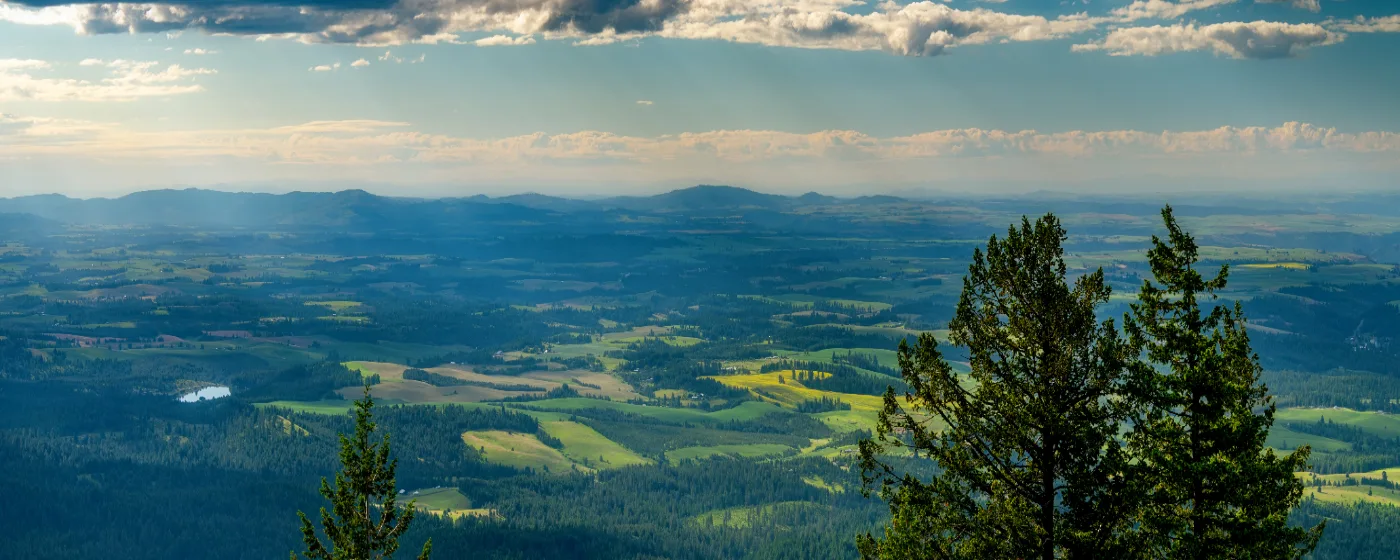
Moscow Mountain is the answer to most weekend plans between May and October. The 60-plus miles of trails through cedar and pine offer enough variety that locals cycle through the trail system for months without repeating routes. The views of the Palouse from the upper elevations — rolling wheat fields in every direction, no visible development — are the kind of thing that makes people stop and acknowledge that they live somewhere genuinely beautiful.
The Latah Trail east toward Troy is the go-to flat walk or easy bike for families with young kids or anyone who wants miles without elevation. The Paradise Path through the UI Arboretum connects downtown to the university in a way that feels like a park rather than a commute — the botanical garden along the route peaks in late spring.
Arts & Community
The Kenworthy Performing Arts Centre on Main Street books national touring acts and regional performers year-round — it's a real 400-seat movie and live-performance venue, not a repurposed meeting hall. The 1912 Center runs community events, concerts, and workshops on a calendar that's particularly active in the fall and winter when outdoor options shrink. The McConnell Mansion and the Appaloosa Museum and Heritage Center (the Appaloosa horse breed has deep roots in the Palouse) offer the kind of local history that takes an afternoon to explore and gives you permanent talking points about the region.
The Rendezvous in the Park music festival each July is the weekend that feels most like the city showing off — three days of music in East City Park that draws a regional crowd and reminds longtime residents why they moved here. If you arrive in late July before the fall semester begins, you'll see Moscow at the specific moment when its energy is entirely its own rather than borrowed from the university calendar.
For a full picture of parks and trail access, the parks and recreation page covers the trail network and seasonal programming in depth.
Top Things Locals Say About Moscow
The best intel about a city comes from the people who actually live there. Here’s what Moscow residents say when newcomers ask the questions everyone’s thinking.
“I expected Moscow to feel small in a limiting way. What I didn't expect was how much happens here — the trail right behind downtown, real live music at the Kenworthy, a farmers market that actually has things you want to buy. The thing nobody told me is that the city completely changes personality twice a year when students arrive and leave. You have to learn to love both versions.”
— Recent Moscow home buyer
“What's the most surprising thing about living in Moscow?”
The trail network catches almost everyone off guard. Most people expect to drive everywhere in a small Idaho city, and then they discover the Paradise Path running from the UI campus straight into downtown without a single car crossing. Once you figure that out, a lot of people stop driving for errands entirely during the nice months. The Latah Trail east toward Troy on a quiet weekday morning is the other one — it's wheat fields and sky as far as you can see, and it's five minutes from downtown.
“What do locals love most about Moscow?”
East City Park on a Saturday morning during the farmers market is probably the closest thing the city has to a universal answer. It's where you run into your neighbor, the professor from your kid's school, and the person you met at Hunga Dunga two weeks ago. For a city this size, the density of that kind of spontaneous connection is unusual. The other thing people consistently mention is Moscow Mountain — the fact that 60-plus miles of trails through cedar forest are accessible from the city limits changes how you think about your whole week.
“What should newcomers to Moscow know?”
Plan around the academic calendar from day one. Parking near campus changes completely in September, the best apartments go fast in March and April for fall move-ins, and downtown restaurant wait times in late August bear no resemblance to what they'll be by October. Also: stock up before winter. A January ice storm on US-95 can make the Lewiston or Spokane run feel a lot less casual than it sounds in September. The SMART Transit East and West routes are free and genuinely useful for errands during the week — more locals should use them.
“Can you live in Moscow without a car?”
If you work on the UI campus or downtown and live within a mile of either, yes — the Paradise Path, SMART Transit's free bus routes, and the walkable core make it workable on most days. If you work at SEL or anywhere that isn't on the bus corridor, or if you need to make a Lewiston or Spokane run with any regularity, you'll want a car. The city is genuinely walkable at its center — the 2026 sidewalk improvements along Morton Street and Taylor Avenue reflect ongoing investment in that — but it's not a car-free city at the edges.
Cities Near Moscow
Other communities near Moscow worth a look — each with its own character and price point.
| City | Distance | Best For | Vibe | Median Rent | Median Buy |
|---|---|---|---|---|---|
| Pullman, WA | 8 mi | WSU employees, cross-border commuters | Parallel college town, busier traffic | $1,200 | $400,000 |
| Lewiston | 34 mi | Buyers wanting lower prices, river access | Warmer climate, more blue-collar | $950 | $350,000 |
| Coeur d'Alene | 90 mi | Lake lifestyle, larger amenity base | Resort feel, significantly pricier | $1,450 | $525,000 |
More Helpful Guides for Moscow
Going deeper on Moscow? Our blog series covers everything from first-time buying to retiring here — explore the guides below.
Local Expert Takeaway: Moscow rewards people who do their homework before moving and punishes those who assume it's just another small Idaho town. The Hunga Dunga taproom on Jackson Street, the Maialina Neapolitan pizza on Main, the Saturday farmers market at East City Park, the Bill Chipman Trail to Pullman — these are not consolation prizes for living somewhere remote. They're the actual texture of a place that has built a real life around a research university and means it. The catch is real too: if you need Costco twice a month, a specialist appointment on short notice, or a direct flight to somewhere other than Seattle, you will feel the distance. Go in clear-eyed about both sides and Moscow tends to exceed expectations. Go in assuming it's a stepping stone and you'll leave before it gets good.
Quick Takeaways & FAQs
✅ Schweitzer Engineering Laboratories draws engineers from across the country who want a serious career without a Pacific Northwest metro price — and the housing market, running around $444,039 at the Zillow Home Value Index benchmark, backs that up.
⚠️ Moscow is genuinely remote: Spokane is roughly 90 miles north, Boise is a half-day drive south, and people who underestimate how much they depend on metro infrastructure sometimes leave within two years.
📍 The Bill Chipman Palouse Trail provides a car-free, paved, 7-mile commute route directly from Moscow to Washington State University in Pullman — one of the few places in Idaho where you can credibly skip a car for your daily commute.
What is the typical home price in Moscow, Idaho?
Is Moscow, Idaho a good place to raise a family?
How far is Moscow, Idaho from Pullman, Washington?
What are the biggest employers in Moscow, Idaho?
What is the commute like in Moscow, Idaho?
Helpful Links for Moving to Moscow
Moving to Idaho?
Tell us what you need help with and we'll connect you with local resources.
