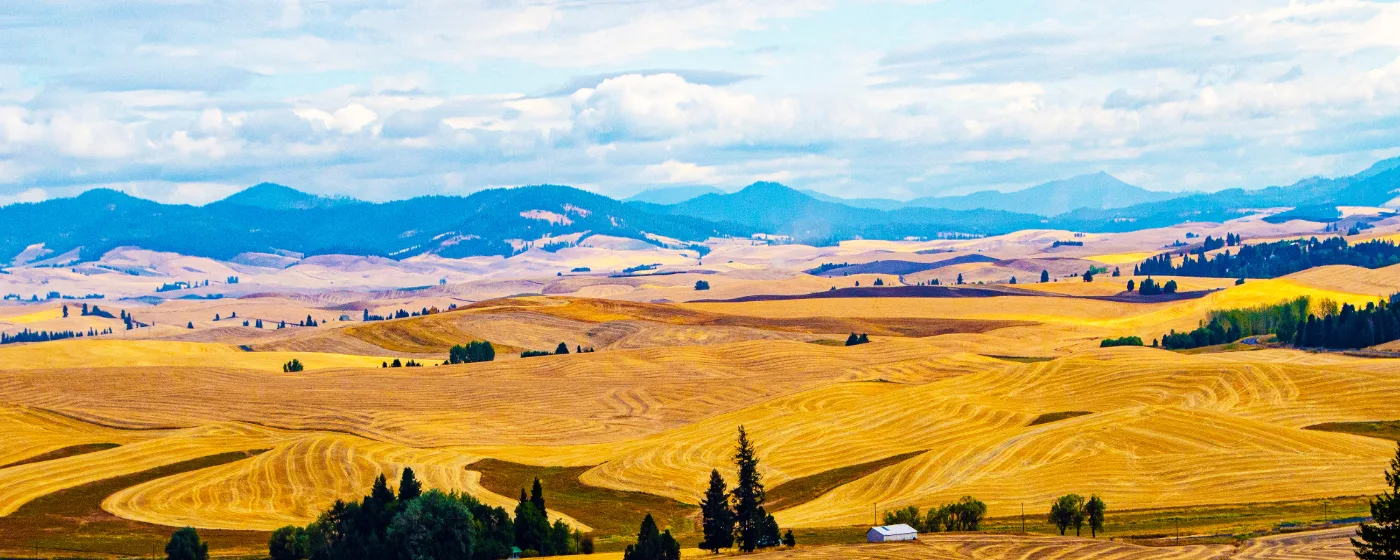
People who move to Moscow from larger cities often expect to trade outdoor access for affordability. Six months in, most of them say the opposite happened. A university town of about 26,000 people sitting on the edge of the Palouse, Moscow has a trail system that connects it physically to neighboring Pullman, Washington in one direction and the small town of Troy in the other — a roughly 22-mile paved corridor you can walk, bike, or ski without crossing a single major road intersection. That's not a feature most cities twice Moscow's size can match.
The outdoor infrastructure here runs deeper than trails. The University of Idaho — Moscow's largest employer and cultural engine — operates a 63-acre arboretum that's been open to the public without charge since 1910, making it one of the oldest public arboreta in the Pacific Northwest. The city's Parks and Recreation department runs year-round programming out of the Hamilton Indoor Recreation Center on E F Street, anchoring everything from youth sports leagues to fitness classes. Recreation here isn't an afterthought — the University of Idaho even hosts a nationally accredited Recreation, Sport, and Tourism Management program, which means the people designing and managing these spaces actually train here.
Moscow sits at the intersection of U.S. 95 and State Highway 8 in Latah County, roughly 80 miles south of the Canadian border and about 10 minutes from Pullman, Washington. Daily life is shaped as much by the rolling Palouse farmland surrounding the city as by the university at its center. Winters bring enough snow to turn the Latah Trail into a cross-country ski corridor; summers mean farmers markets on Main Street, concerts at East City Park's outdoor stage, and long evenings on paved paths lined with native Palouse vegetation.
Whether you're evaluating a move or already have a lease signed, the sections below break down Moscow's signature parks, its connected trail system, seasonal recreation options, and the year-round indoor programming that fills the gaps when the weather won't cooperate.
Moscow's Signature Parks: East City Park and the UI Arboretum
Two green spaces anchor Moscow's outdoor life and they couldn't feel more different from each other — one is a community gathering hub built for noise and activity, the other is closer to a quiet living museum you can walk through on a Tuesday morning without seeing another soul.
East City Park: 7 Acres in the Middle of Everything
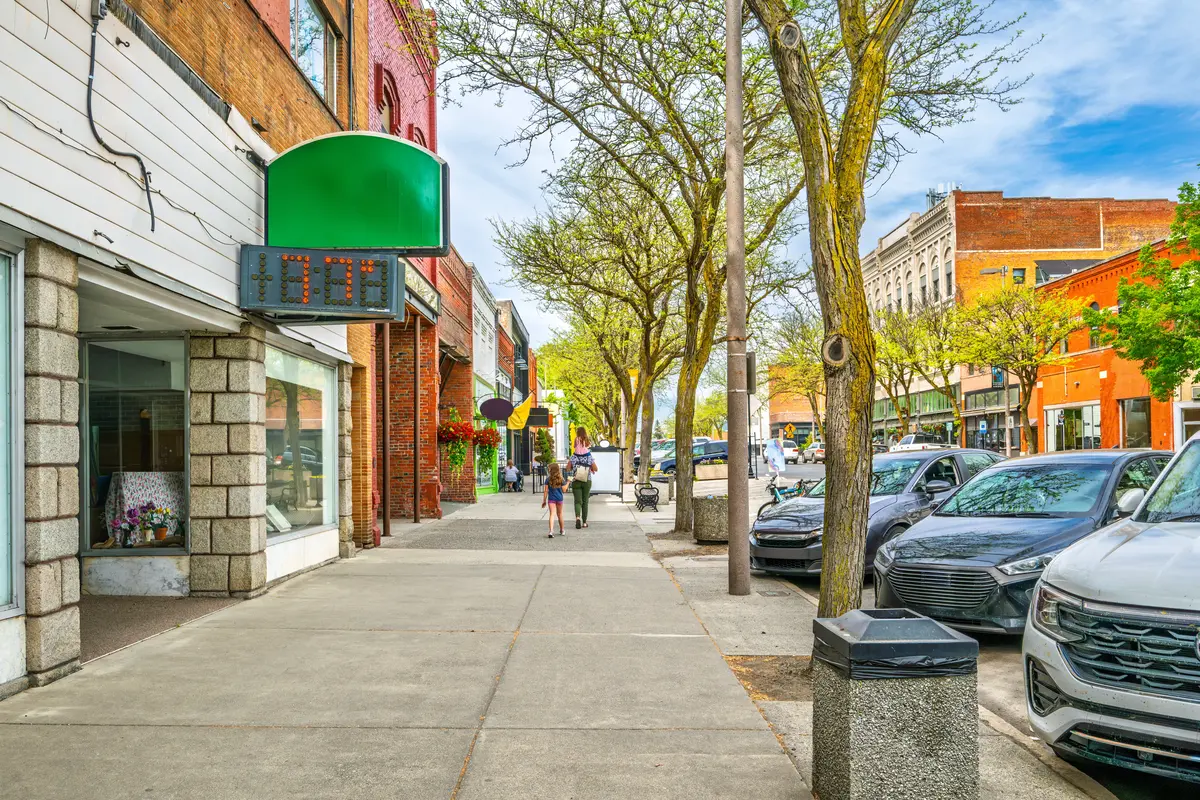
At 900 E 3rd Street, East City Park covers 7.04 acres and functions as Moscow's de facto town square whenever the weather cooperates. Basketball courts, sand volleyball, horseshoe pits, a large picnic shelter with BBQ grills, and multiple playgrounds are packed into a space small enough to feel social rather than spread-thin.
The park's outdoor stage is what sets it apart from a typical neighborhood green. Spring and summer concerts draw regulars on weekday evenings, and the stage has hosted two major annual community fairs that essentially shut down the surrounding streets. If you're moving here with kids, this is where you'll end up on a Saturday afternoon without even planning it — it's that kind of park.
What the park doesn't have is shade. The open grassy play areas bake in July and August afternoons, so families with young children tend to arrive before 10 a.m. or after 5 p.m. in midsummer. Plan accordingly.
UI Arboretum and Botanical Garden: A 63-Acre Living Collection
The University of Idaho Arboretum and Botanical Garden at 1200 W. Palouse River Drive is free, open daily, and genuinely underused by people who don't know it exists. Established in 1910 by Dr. Charles Houston Shattuck — the university's first forestry dean — it contains 829 species and 1,799 taxa of trees and woody shrubs organized into geographic sections: Asian, European, Eastern North American, and Western North American collections, plus a xeriscape garden.
Walking trails range from flat, easy loops to steeper climbs where, on a clear day, you can see the Blue Mountains of Oregon. Twenty-seven granite benches are scattered throughout, and over 120 dedicated trees and groves give the space a density that feels more like forest than campus landscaping.
Two practical notes before you go: enter from the north entrance near the UI Golf Course or the south entrance off Palouse River Drive near the barn. Dogs are not permitted on the grounds — a rule that surprises a lot of first-time visitors, so leave them home.
Best for: morning walks, plant identification, low-key weekend wandering, anyone who wants a genuine natural respite without driving out of town.The Trail Corridor: Pullman to Moscow to Troy
Moscow's trail system is the kind of infrastructure that changes how you think about a small city. Three connected paved paths form a continuous roughly 22-mile non-motorized corridor running from Pullman, Washington on the west side to the town of Troy on the east — passing straight through the middle of Moscow along the way.
The Three Segments
| Trail | Length | Surface | Connects | Winter Use |
|---|---|---|---|---|
| Bill Chipman Palouse Trail | 7 miles | Paved | Pullman, WA → Moscow west side | Accessible; no grooming |
| Paradise Path | 2.23 miles | Paved | Moscow west side → Moscow east side (along Paradise Creek) | Accessible; no grooming |
| Latah Trail | 12 miles | Paved, 10 ft wide | Moscow east side → Troy | Cross-country skiing and snowshoeing |
The Bill Chipman Palouse Trail is the commuter workhorse — on dry days you'll see University of Idaho faculty and students biking the 10-minute ride from Pullman just as often as recreational users. The Paradise Path is the connective tissue: a 2.23-mile run along Paradise Creek lined with native Palouse trees and shrubs, with benches at intervals and an intentional design as an alternative transportation corridor, not just a recreational one.
The Latah Trail: Moscow's Longest Reach
The Latah Trail is the segment that surprises newcomers most. Twelve miles of paved path following the former Moscow-to-Arrow railroad right-of-way, running northeast toward Troy through open Palouse landscape. In winter, it converts naturally to a cross-country ski and snowshoe corridor — no grooming equipment required, just enough snowfall, which Moscow typically gets.
The full corridor is genuinely usable as a car-free commute route between Pullman and Moscow, and locals who work at Washington State University in Pullman do exactly that in warmer months. If you're evaluating Moscow's on-foot access when considering a move, this trail system is the single strongest argument in the city's favor.
Best for: cyclists, runners, commuters between Moscow and Pullman, cross-country skiers, anyone who wants to reach a neighboring city without getting in a car.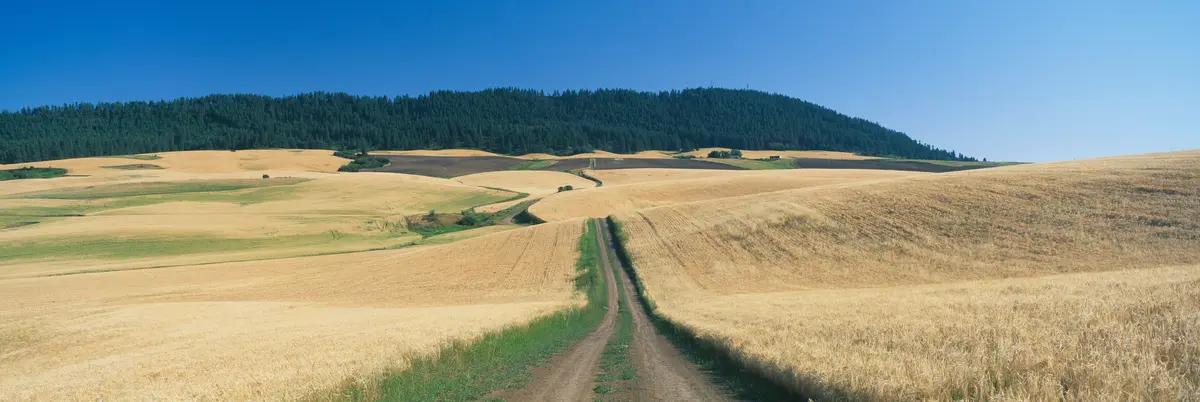
Seasonal Recreation: What Each Season Actually Looks Like
Moscow sits at roughly 2,600 feet elevation on the Palouse plateau, which gives it four distinct seasons without the extremes of mountain resort towns. Each one reshapes how residents use the outdoor system.
Spring and Summer
The outdoor season opens fast when it arrives. East City Park's stage schedule fills up from May through August, with community events and concerts pulling families out most weekends. The Latah Trail and Paradise Path hit peak use in June and July — evening runs along Paradise Creek after work are a routine for a significant slice of Moscow's population.
The Palouse itself becomes a draw in late May and early June, when the rolling wheat fields turn a shade of green that photographers drive hours to capture. Moscow is positioned right on the edge of that landscape, and simply driving the county roads south of town counts as a seasonal recreational activity locals don't take for granted.
Fall
The UI Arboretum earns its reputation in October. With 829 species of trees and woody shrubs spread across 63 acres, fall color in the arboretum runs longer than anywhere else in the city — the geographic sections mature at different rates, so you get waves of color from late September through mid-November. It's one of those things long-term Moscow residents mention unprompted when asked what they'd miss if they left.
Winter
Moscow averages enough snowfall to make the Latah Trail's winter use genuinely practical rather than aspirational. Cross-country skiing and snowshoeing from the Moscow trailhead toward Troy is a regular weekend activity for residents who don't want to drive to a ski resort. The Bill Chipman Palouse Trail stays plowed and accessible for pedestrians most of the winter, maintaining the Pullman connection year-round.
The catch: Moscow winters can stretch longer than newcomers from the Pacific Northwest lowlands expect. By February, the novelty of snow has worn off for most, and the indoor recreation options start to matter more. That's where the Hamilton Indoor Recreation Center comes in.
Best for: Fall arboretum visits and winter trail use are the two seasonal experiences most unique to Moscow — they're worth building into your calendar before you even move.Looking to buy in Moscow? Estimate your payment.
Enter your numbers to see an estimated monthly mortgage payment.
Estimate only. Excludes HOA fees and mortgage insurance. The interest rate above is a starting point, not a quoted rate — replace it with your own to see real numbers. Insurance is a flat placeholder, not a Moscow quote.
Indoor Recreation and Year-Round Programming
Moscow's outdoor system is the headline, but the Hamilton Indoor Recreation Center (HIRC) at 1724 E F Street is what keeps residents active when the Palouse delivers six inches of ice and wind rather than skiable powder. The HIRC serves as the hub for Moscow Parks and Recreation's year-round programming, including the Eggan Youth Center for younger residents.
What the HIRC Covers
The city's 2026 Activity Guide — referenced directly on the Recreation department's page — confirms active programming across youth sports, fitness classes, and structured recreation leagues. Youth sports and kids activities are covered in more depth on the Moscow schools page, but the HIRC is where much of that organized activity lives physically.
The university's presence amplifies indoor recreation options well beyond what most cities of Moscow's size support. The University of Idaho Recreation facilities are available to community members in addition to students, which means the indoor pool, fitness center, and recreation courts are practical options for year-round residents — not just the 11,000-student population.
The Academic Pipeline Nobody Mentions
One detail worth knowing: the University of Idaho's Recreation, Sport, and Tourism Management program holds national accreditation and is one of only three such programs in the entire Pacific Northwest. That standing matters practically because it means Moscow consistently produces trained recreation professionals, and many of them stay. The city's parks and programming tend to reflect that institutional depth in ways that punch above the city's population size.
After six months here, most newcomers say the same thing about Moscow's recreation infrastructure: it functions like a city much larger than 26,000 people. The trail system reaching to Pullman and Troy, the century-old arboretum, the well-programmed parks, and the university recreation facilities together create a density of outdoor and indoor options that's genuinely unusual for a city this size in rural North Central Idaho.
Best for: year-round residents who want structured programming, families with school-age children, and anyone who needs reliable indoor options to bridge Moscow's longer winters.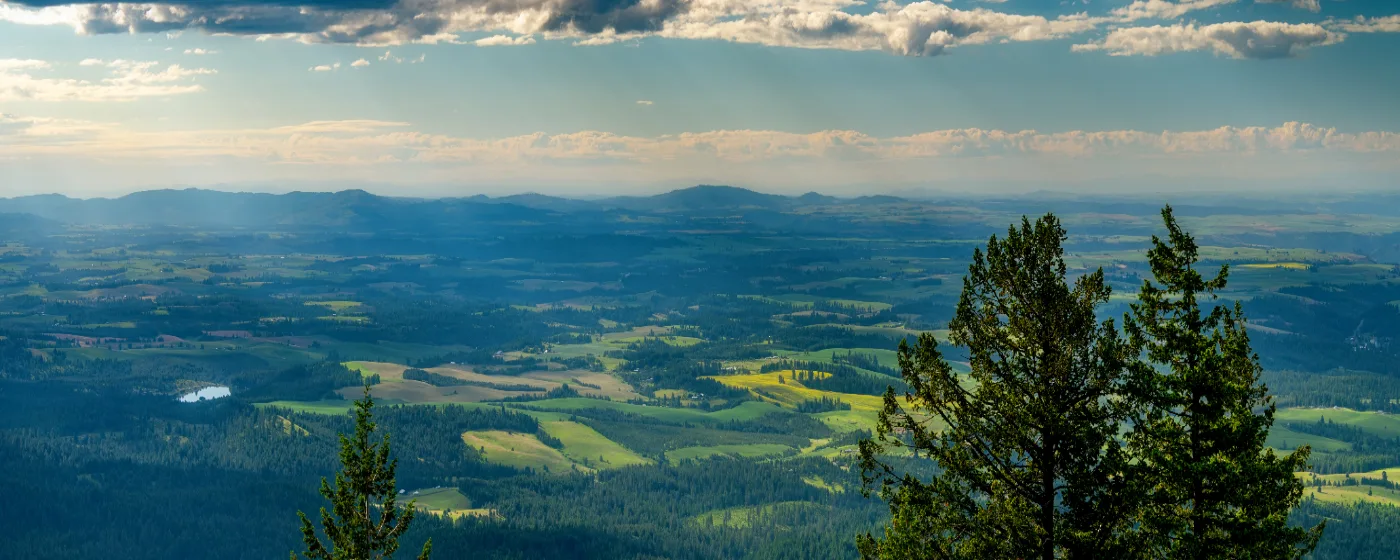
Local Expert Takeaway: Moscow's recreation story runs on three things working together: the UI Arboretum on Palouse River Drive (free, 63 acres, no dogs — go in October), the 22-mile paved trail corridor connecting you to Pullman and Troy without touching a car, and East City Park on E 3rd Street where summer in Moscow actually happens. The trail system alone is worth factoring into where you live within the city — being on the west side puts you closer to the Bill Chipman Palouse Trail and the Pullman connection, while the east side gives you immediate access to the Latah Trail toward Troy. Don't wait until summer to use the Latah Trail — winter cross-country skiing from the Moscow trailhead is one of those local habits that makes the long Palouse winter feel shorter.
Quick Takeaways & FAQs
✅ The Bill Chipman Palouse Trail, Paradise Path, and Latah Trail form a continuous 22-mile paved corridor connecting Moscow to Pullman, WA and Troy — one of the most extensive trail systems of any North Central Idaho city.
⚠️ The UI Arboretum is free and open daily, but dogs are not allowed on the grounds — a rule that catches first-time visitors off guard.
📍 East City Park's outdoor stage on E 3rd Street is Moscow's summer social hub, hosting concerts and two major annual community fairs from May through August.
Is the University of Idaho Arboretum open to the public, and is there an admission fee?
How long is the Latah Trail and where does it start?
Can I bike from Moscow to Pullman on a trail?
What does East City Park offer beyond a typical neighborhood park?
What indoor recreation options does Moscow have outside of summer?
Moving to Idaho?
Tell us what you need help with and we'll connect you with local resources.
