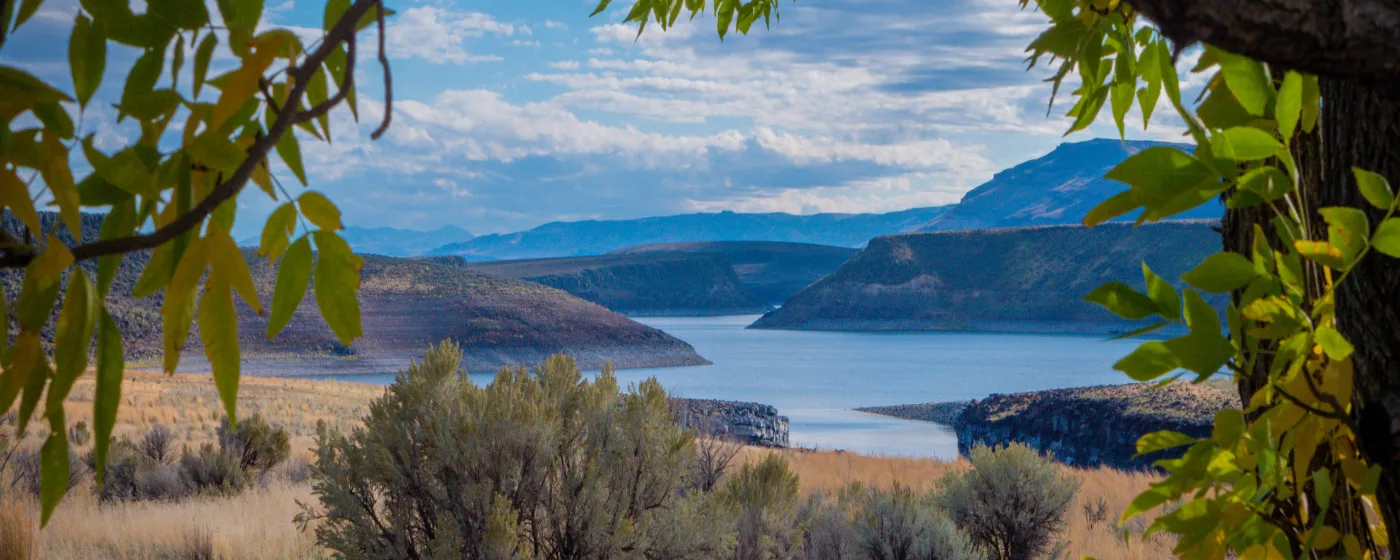
Most Californians who end up in Rupert didn't have it on their radar six months before they moved here. They were priced out of Sacramento, done with Bay Area traffic, or watching their paycheck evaporate into California's tax code — and someone in a Facebook group mentioned Magic Valley. Rupert sits in Minidoka County in south-central Idaho, straddling U.S. Highway 24 about 25 minutes from Twin Falls, with Interstate 84 close enough to matter for weekend logistics and commuting. The Snake River plain stretches flat in every direction, the sky is enormous, and the pace of life is something that takes Californians a full season to adjust to — not because it's boring, but because the baseline stress level is genuinely lower.
The economy here runs on food production, not tech campuses. Idahoan Foods, Brewster Cheese, Snake River Sugar Company, Gossner Foods, and Gem State Processing form the industrial backbone of the area, and plant jobs carry real wages without requiring a graduate degree. The Minidoka County Joint School District serves the community with a tight-knit feel that many parents from larger California districts find refreshing. The people who move here tend to be tradespeople, remote workers who finally have room for a shop and a garden, and young families who want to actually afford a house before their kids are in middle school.
Rupert's overall cost of living runs approximately 9–11% below the U.S. national average, with housing costs estimated 22.7% below average — and that gap widens considerably when you're comparing against California's median home values. The trade-off is real: you gain purchasing power and lose proximity to coastal amenities, a major airport within the hour, and the cultural density of a large metro. Lake Walcott State Park sits just a few miles northeast along the Snake River, and Minidoka Dam — which put Rupert on the map as one of the first cities in the world to have electrically lit streets — still anchors the area's identity. Day-to-day life involves a lot of wide-open sky, tight neighbor relationships, and driving to Twin Falls for anything the local stores don't carry.
Whether you're seriously considering the move or just doing early research, this guide breaks down the California-vs-Rupert comparison on home prices and taxes, what your money actually buys here, what the lifestyle shift feels like after six months, and what Californians consistently get wrong before they arrive.
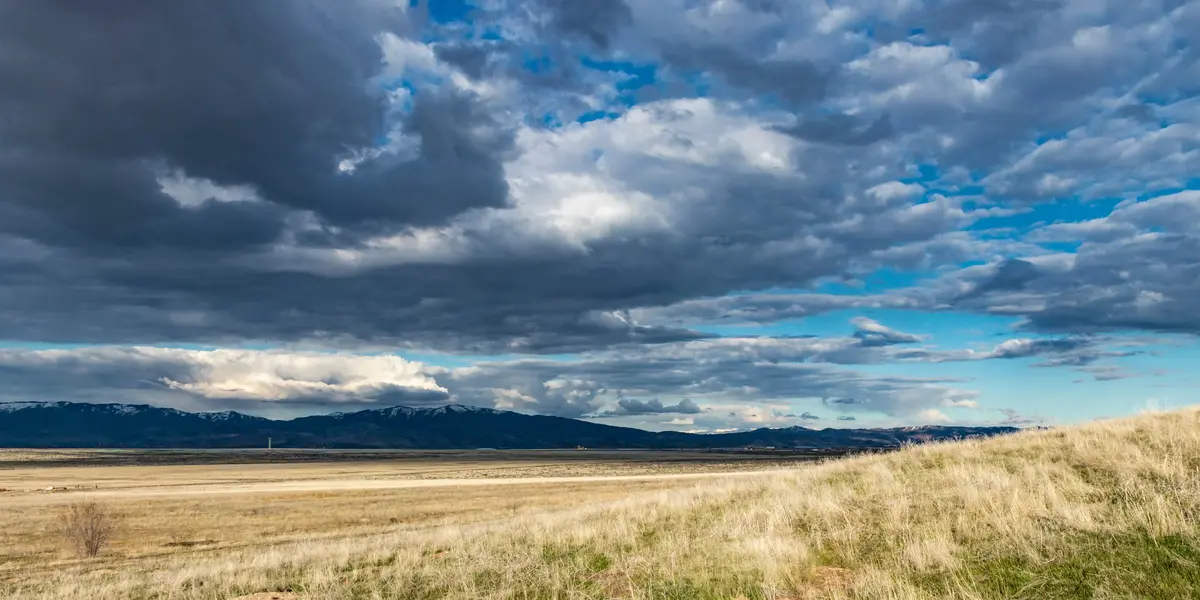
The Home Price Reality: California Dollars in Rupert
The number that stops most Californians mid-scroll is $266,500 — Rupert's median home sale price as of January 2026 per Redfin. That is not a typo, and it is not a fixer-upper price. That is the median for move-in-ready homes in this market.
California's median home value sits around $759,500 at the same measurement period. The gap between the two figures is not a small regional difference — it is a different category of market entirely. A buyer who sold a median-priced California home and moved to Rupert could purchase here outright, or buy significantly above the local median and still carry a modest mortgage by any standard.
Entry-level homes in Rupert — older construction, smaller lots, occasionally needing cosmetic work — come in well below that median figure. At the top of the local market, larger newer builds and properties with acreage push above $350,000–$400,000 but rarely beyond that. For context on which neighborhoods sit at which end of that range, the neighborhoods guide breaks down the character of each area in detail.
What This Means for Your Down Payment
Californians often arrive in Rupert with equity from a sale that dwarfs the local purchase price. That changes your financing options in fundamental ways — not just what you can afford, but whether you need a mortgage at all, and what kind of loan makes sense at this price point. The first-time homebuyer page walks through Idaho-specific loan programs and down payment assistance available to qualifying buyers.
One practical note: with a median purchase price at this level, buyers are almost never in the territory that requires the largest loan categories. That keeps monthly payments, private mortgage insurance thresholds, and overall financing complexity significantly lower than what most Californians dealt with back home.
Property Tax: Idaho's Rate vs. California's Reality
Rupert's effective property tax rate is 0.48%. On that $266,500 median home, you're looking at roughly $1,279 per year in property taxes.
California's statewide average effective rate is 0.71% — lower on paper than many states. But Proposition 13's reassessment rule means every new buyer gets immediately reset to full purchase-price value. On a $759,500 California home, that works out to roughly $5,369 per year in property taxes. The difference in annual property tax between a median California purchase and a median Rupert purchase is not marginal — it's the kind of difference that changes a household budget structurally over time.
Idaho also has no estate tax and no inheritance tax, which matters for buyers thinking about long-term wealth transfer, particularly those who owned California property for decades and are now simplifying their financial picture in retirement or late career.
State Income Tax: The Number Every Californian Should See First
Idaho's individual income tax is a flat 5.3%, effective January 1, 2025, after Governor Brad Little signed HB 40 in March 2025. That rate applies to everyone — no bracket math, no phase-outs, no mental health surcharges.
California runs nine progressive brackets from 1% at the low end to 12.3% at the top, plus a 1% Mental Health Services surcharge on income above $1 million. The effective top marginal rate in California is 13.3% — the highest state income tax rate in the country. A household earning $150,000 in California is already well into the higher brackets, paying rates that dwarf Idaho's flat 5.3%.
What the Shift Looks Like in Practice
A remote worker or dual-income household earning $120,000–$150,000 combined in California might see their marginal state income tax drop by several percentage points after establishing Idaho residency. The actual dollar difference depends on deductions, filing status, and income type — a tax professional familiar with Idaho's code should run those numbers before you move. But directionally, the shift is meaningful and it's not close.
It's also worth knowing that Idaho's tax code recently got simpler. HB 40's rate reduction brought the flat rate down from 5.695%, and the legislature has signaled ongoing interest in continued reduction. Whether that continues is a political question, but the trajectory has been downward, not upward — the opposite of the California pattern most transplants are used to.
Sales Tax: The One Area Where Idaho Isn't Obviously Cheaper
Idaho's statewide sales tax is 6.0%, with a combined state-and-local rate of 6.03%. That is lower than California's 7.25% base rate — but many California buyers forget that local additions in their former ZIP code likely pushed the total well above the base. In Los Angeles County, combined rates run 9.5%–10.75% depending on the city. Leaving a 10%+ sales tax environment for a 6% flat rate is a visible change at the register within your first month.
Idaho does apply sales tax to groceries, which California does not. The state partially addresses this with a grocery tax credit of $155 per person per year — raised from $120 in 2025 under HB 231. For a family of four, that's $620 back annually, which doesn't fully offset what you'll pay in grocery tax but meaningfully reduces the sting. The cost-of-living page breaks down how groceries, utilities, and transportation costs stack up in full detail.
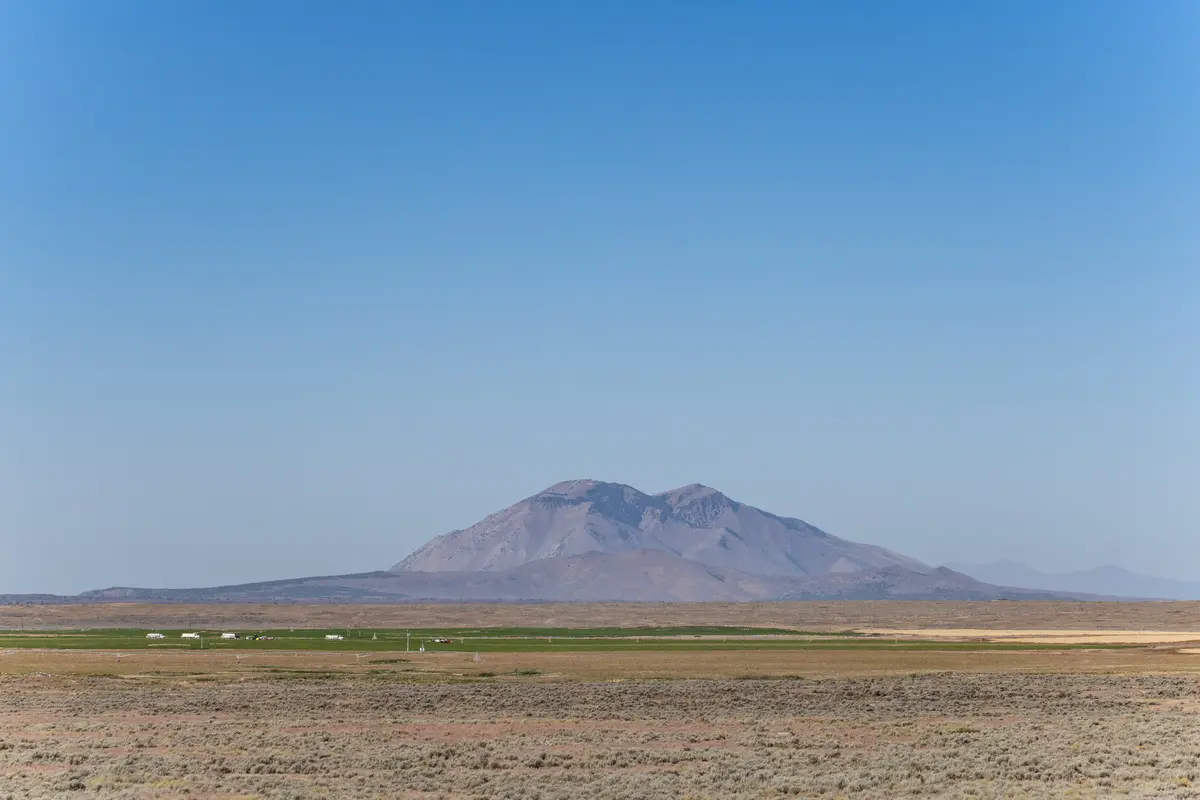
The Lifestyle Shift: Six Months After the Truck Arrives
Californians moving to Rupert consistently report the same surprise around month three: they stop planning their schedule around traffic. There is no freeway interchange that seizes up at 5:15 p.m. The drive to work, to school pickup, to the grocery run — it takes the time it takes, and that time is short.
What catches people off guard in the other direction is the shopping radius. Rupert's commercial footprint is compact. For big-box retail, a Walmart or a broader selection of grocery options, you're driving to Burley, which is a few miles east, or to Twin Falls, about 25 minutes west on U.S. 30. Twin Falls carries most of what a California transplant would call normal retail access. There is no Trader Joe's in Twin Falls — the nearest is a significant drive north toward Boise.
The Rupert Square and Downtown
Rupert's historic town square is genuinely unusual — it's a full city block of green space at the center of downtown, bordered by the original commercial buildings and within walking distance of the Historic Wilson Theatre and the Minidoka County Historical Museum. On summer mornings, Sofie's Chatterbox on E Street draws locals for breakfast before the heat sets in. That square is where Rupert actually gathers — the Friday evening rhythm, the Fourth of July, the Saturday after a big high school game.
Doc's Pizza on 6th Street covers the casual weeknight dinner category that every family needs close by. For everything else, you're building a habit of combining errands into Twin Falls trips rather than making daily micro-runs, which most people from congested California metros find they don't mind once the habit forms.
What People Miss — and What They Don't
The honest answer on what Californians miss most is choice density: the ability to walk out and pick from twelve restaurants, three coffee options, and a weekend farmers market within a mile. Rupert doesn't offer that, and pretending otherwise would be doing you a disservice.
What surprises people is what they stop missing after about six months: the ambient noise, the Sunday freeway crawl, the month-to-month anxiety about whether they can actually stay in the city where they've built their life. The tradeoff Rupert represents isn't rural poverty — it's a genuine recalibration of what daily life costs and what it feels like.
Looking to buy in Rupert? Estimate your payment.
Enter your numbers to see an estimated monthly mortgage payment.
Estimate only. Excludes HOA fees and mortgage insurance. The interest rate above is a starting point, not a quoted rate — replace it with your own to see real numbers. Insurance is a flat placeholder, not a Rupert quote.
Schools, Safety, and What Families Actually Find Here
The Minidoka County Joint School District serves Rupert and the surrounding communities. Class sizes are smaller than most California districts, and parents with school-age children often describe the principal-knows-your-kid's-name quality that large suburban California schools stopped providing years ago. For school-by-school performance data and current district ratings, the schools page has the full breakdown.
Students in Rupert compete under the Idaho High School Activities Association (IHSAA), and school sports in a town this size carry a different weight than they do in a 3,000-student California high school. Friday night football draws most of the town. That community investment in school activities is something many parents from California explicitly move toward — not away from.
What the Safety Picture Looks Like
Rupert is a small agricultural city, and its safety profile reflects that. It is not a zero-crime environment — the safety page covers the specific crime figures and how they compare to Idaho and national averages. What families generally find is a community where kids have more physical independence than they did in dense California suburbs: riding bikes to the square, walking to a friend's house, being at the park without a parent hovering.
The social texture of safety in a city of 6,324 people is also different. People know each other. That familiarity has its limits — it also means very little anonymity — but for families moving from places where anonymity was the default, the shift to a community where neighbors notice things tends to feel like a feature, not a bug.
Parks and Outdoor Access
Lake Walcott State Park, northeast of town along the Snake River, is the primary outdoor anchor — swimming, camping, fishing, and access to Snake River wildlife that California metro residents simply didn't have nearby. Minidoka Dam, which gave Rupert its early claim to electrical history, sits at the edge of the reservoir. For a more complete picture of trails and recreation, the parks page covers the full inventory.
Side-by-Side: California vs. Rupert at a Glance
| Category | California (typical) | Rupert, Idaho | What It Means for You |
|---|---|---|---|
| Median Home Price | ~$759,500 | $266,500 (Redfin, Jan 2026) | Most California equity buys Rupert outright or with a small mortgage |
| State Income Tax | 1%–13.3% (progressive) | 5.3% flat (as of Jan 2025) | High earners see the largest drop; even mid-income households benefit |
| Effective Property Tax Rate | 0.71% statewide avg (reset at purchase under Prop 13) | 0.48% | Lower rate on a much lower purchase price = dramatically lower annual bill |
| Sales Tax | 7.25% base; up to 10.75% with local additions | 6.0% flat (statewide) | Immediate savings at every register; groceries are taxed but offset by $155/person credit |
| Estate / Inheritance Tax | None (state level) | None | No change here — both states are clean on this |
| Cost of Living vs. U.S. Average | Noticeably above national average | ~9–11% below national average | Day-to-day spending drops even beyond the housing savings |
| Commute Character | Freeway-dependent; peak congestion daily | Short local drives; Twin Falls ~25 min | No peak-hour chokepoints in Rupert itself |
| Grocery Tax | Exempt from sales tax | 6% sales tax; $155/person annual credit | Idaho's grocery credit blunts this, but it's a real difference from California |
The Employment Adjustment
Rupert's local job market is grounded in food manufacturing — Idahoan Foods, Brewster Cheese, Snake River Sugar Company, Gossner Foods, and Gem State Processing are the primary employers. The unemployment rate runs around 3%, which reflects a labor market that stays tight in agricultural seasons. Remote workers are the segment of California transplants who navigate this most smoothly: they bring their California income to Idaho's cost structure without needing the local job market to absorb them. For workers who need to find local employment, the living in Rupert page covers the employer landscape and what the local economy looks like for job seekers.
Who Moves Here and Who Doesn't Stay
Californians who thrive in Rupert tend to share a few traits: they wanted land or at least a real yard, they were done with a two-hour daily commute, and they had either a remote job or a trade that travels. The ones who leave within two years are usually people who underestimated how much they depended on urban density for social life and entertainment — and who didn't build local connections fast enough to replace it. The Rupert Square helps with that more than you'd expect: it's a physical gathering point that forces proximity in a way that California strip-mall suburbs never quite managed.
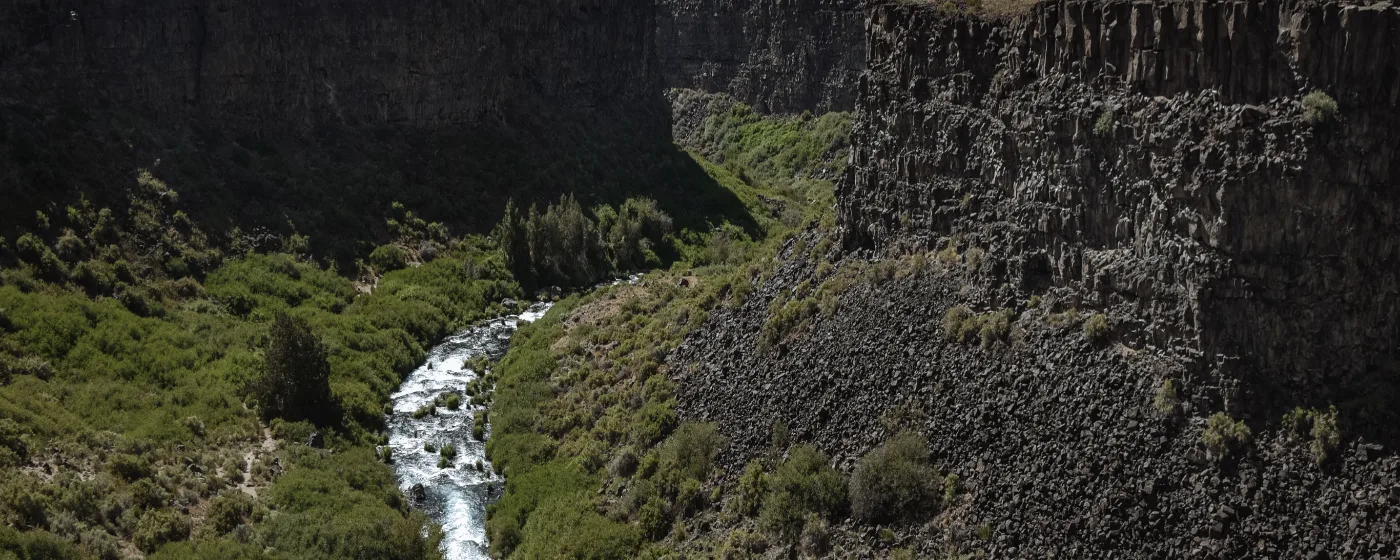
Local Expert Takeaway: The calculation most Californians run before moving to Rupert focuses on the home price gap — and it's real. But the second-order effect that actually changes daily life is the combination of Idaho's flat 5.3% income tax, the 0.48% property tax rate, and a cost of living that runs below the national average. A household that spent the last decade in a California suburb paying 9%+ in state income tax brackets, $5,000+ in annual property taxes, and 10% at the checkout counter will feel the Rupert difference in their bank account before they've finished unpacking. The adjustment that takes longer is social: Sofie's Chatterbox on E Street, the Rupert Square on a summer evening, and the Friday high school game circuit are where that community gets built — and they require showing up, not just moving in.
Quick Takeaways & FAQs
✅ Idaho's flat 5.3% income tax and Rupert's 0.48% property tax rate create a measurably lower annual tax burden than most California households carry.
⚠️ Rupert's retail footprint is genuinely limited — plan on regular Twin Falls runs for anything beyond everyday essentials, and there is no Trader Joe's within an easy drive.
📍 Rupert was among the first cities in the world to have electrically lit streets, powered by the Minidoka Dam — the same dam that now anchors Lake Walcott State Park, the area's primary outdoor destination.
How much cheaper is it to buy a home in Rupert compared to California?
What is Idaho's state income tax rate, and how does it compare to California?
Does Idaho tax groceries, and is it a significant cost compared to California?
What do Californians most commonly regret about moving to Rupert?
Is Rupert a good fit for remote workers relocating from California?
Moving to Idaho?
Tell us what you need help with and we'll connect you with local resources.
