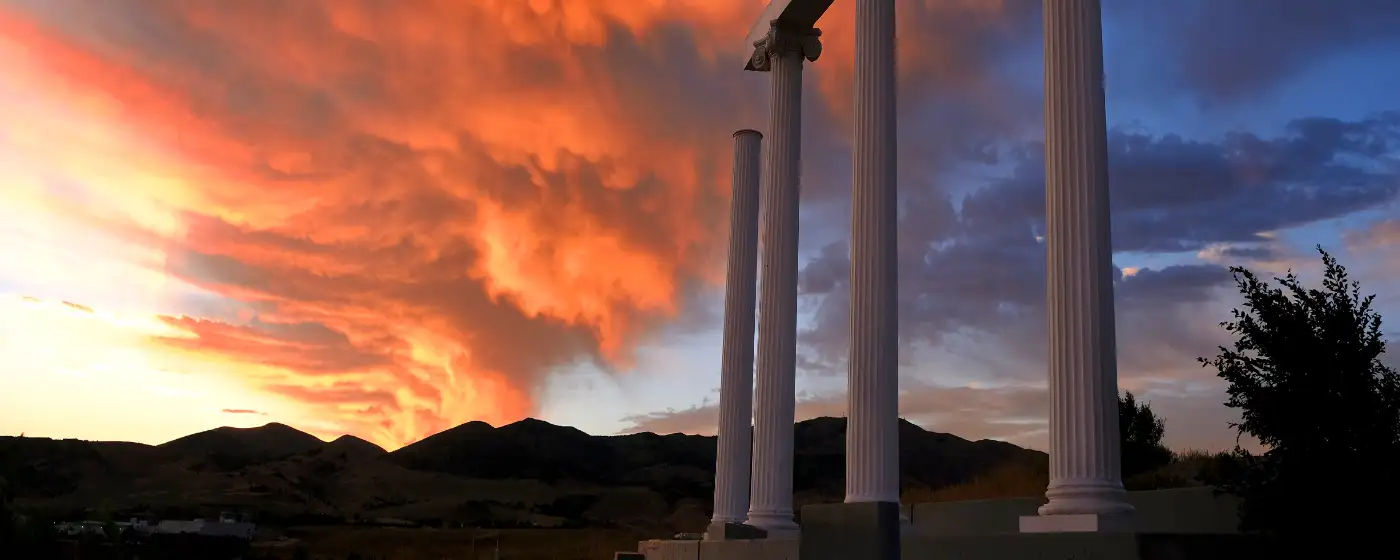
Most people who retire to Chubbuck didn't plan to. They were priced out of Sun Valley, or they followed adult kids to the Pocatello area, or they looked at the numbers on a spreadsheet and realized they could own a house outright here for what a down payment costs in Boise. What surprises them after six months is how complete the life is — not a compromise version of retirement, but a genuinely functional one, with real healthcare, real community, and real seasons that remind you winter still exists. Chubbuck sits at 4,469 feet in the Bannock County flatlands at the northern edge of Pocatello, straddling Yellowstone Highway and connected to its larger neighbor in about five minutes by car.
The practical backbone of retirement here is the Pocatello metro area that Chubbuck belongs to. Portneuf Medical Center is a 205-bed teaching hospital with Level II trauma and full cardiac care sitting just a few miles away. Idaho's tax structure gives Social Security recipients a meaningful break — the state does not tax those benefits at all. And the city's own footprint is small enough that most errands collapse into a single drive without much effort.
Housing costs are the headline. The Zillow Home Value Index put the typical Chubbuck home at $282,189 as of May 2026 — well below national benchmarks and low enough that a retiree selling a paid-off home elsewhere can often purchase here without a mortgage at all. Day-to-day costs follow the same pattern: groceries, fuel, and dining run noticeably below what most West Coast transplants are used to. The trade-off is that Chubbuck is car-dependent, the winters are genuinely cold, and if you need subspecialty care beyond what Portneuf offers, Salt Lake City is roughly two and a half hours south.
Whether you're seriously considering a move or just doing early research, the sections below cover why retirees choose Chubbuck, what healthcare really looks like here, the retiree tax picture, walkability and community life, downsizing options, and how Chubbuck stacks up against nearby retirement alternatives.
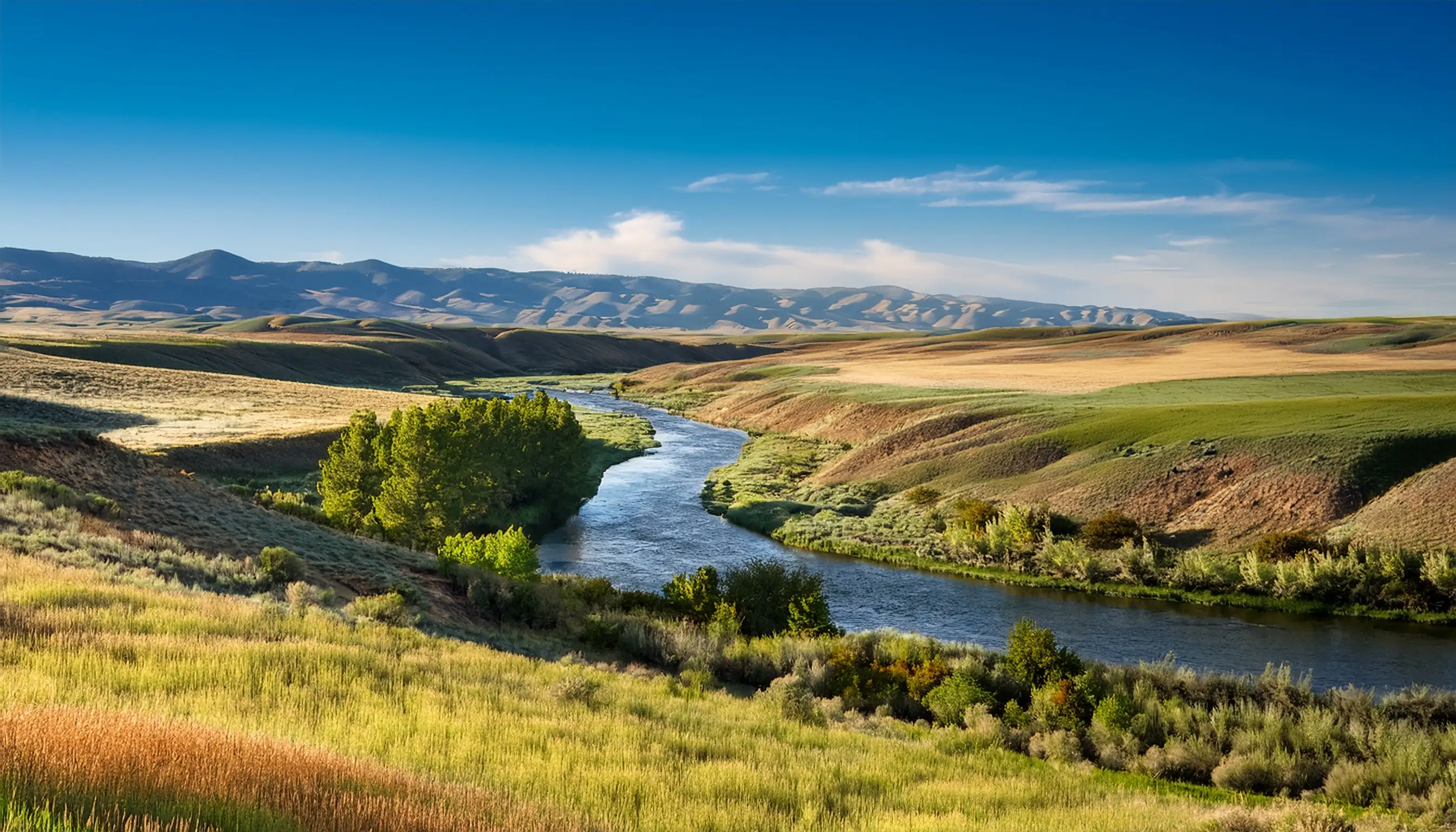
Why Retirees Are Choosing Chubbuck
The retiree who thrives in Chubbuck is usually someone who still drives, wants to own rather than rent, and doesn't need a walkable downtown. The city rewards people who are comfortable in a suburban environment — think single-family neighborhoods, big-box retail within a few miles, and a social life you build rather than stumble into. For that person, the math here is difficult to argue with. The typical home price of $282,189 (Zillow Home Value Index, May 2026) means a retiree downsizing from a paid-off home in a pricier market can frequently pocket a meaningful difference and live mortgage-free.
Chubbuck also suits retirees who want real healthcare close by without paying a premium zip code to get it. Portneuf Medical Center is a few miles south in Pocatello, and Portneuf's urgent care clinic now sits right at 230 Bullock Street inside Chubbuck city limits. That combination — a local clinic for routine issues and a tertiary hospital for anything serious — is genuinely hard to find at this price point in the Mountain West.
The honest case against Chubbuck comes down to three things. If you want to walk to coffee, dinner, or a pharmacy, this is the wrong city — see the cost of living page for more on how that shapes daily expenses. If you need a major academic medical center for ongoing subspecialty treatment, Salt Lake City is a real drive, not a quick trip. And if cold, snowy winters are a dealbreaker rather than a feature, southeastern Idaho in January will test your patience. For everyone else — people who want affordability, safety, genuine healthcare access, and a community that hasn't been overrun by transplants — Chubbuck consistently surprises.
Healthcare & Medical Access in Chubbuck
The Primary Anchor
Portneuf Medical Center is the healthcare reality that makes Chubbuck viable for retirees who need more than a general practitioner. The 205-bed system is a Level II trauma center, a QOPI-certified cancer center, a full cardiac care program, and a teaching hospital — a combination of credentials you'd normally expect in a city three times Pocatello's size. It sits roughly 3.7 miles from Brookdale Chubbuck and under five miles from central Chubbuck, which means a serious episode — cardiac, oncological, orthopedic — does not require a long drive to be treated by a specialist.
In-City Urgent Care
Portneuf Health's urgent care clinic at 230 Bullock Street in Chubbuck handles the middle tier of care: the things that aren't emergencies but shouldn't wait for a primary care appointment. The clinic has six to eight exam rooms, on-site imaging, and lab services. For retirees, that means a fall with a suspected fracture, a respiratory infection, or a prescription complication can be addressed same-day without heading to an emergency room.
The Honest Ceiling
Portneuf is strong for a regional system, but it is still a regional system. Highly specialized oncology second opinions, complex cardiac surgery beyond standard procedures, and certain rare-disease protocols will send you to Salt Lake City — roughly two and a half hours south on I-15 — where major academic medical systems serve the Wasatch Front. Retirees managing active serious conditions should weigh that distance honestly. For most retirees in reasonable health, the Portneuf system is more than adequate; for those with complex ongoing treatment needs, proximity to Salt Lake City deserves weight in the decision.
Primary Care Access
The Pocatello metro area supports a reasonable concentration of primary care physicians, cardiologists, and orthopedic specialists — categories that matter most to patients over 65. Wait times for new primary care patients are not immediate, but are generally shorter than what transplants from larger markets expect. Establishing care before you move is the practical move, and Portneuf's patient portal makes that easier than it used to be.
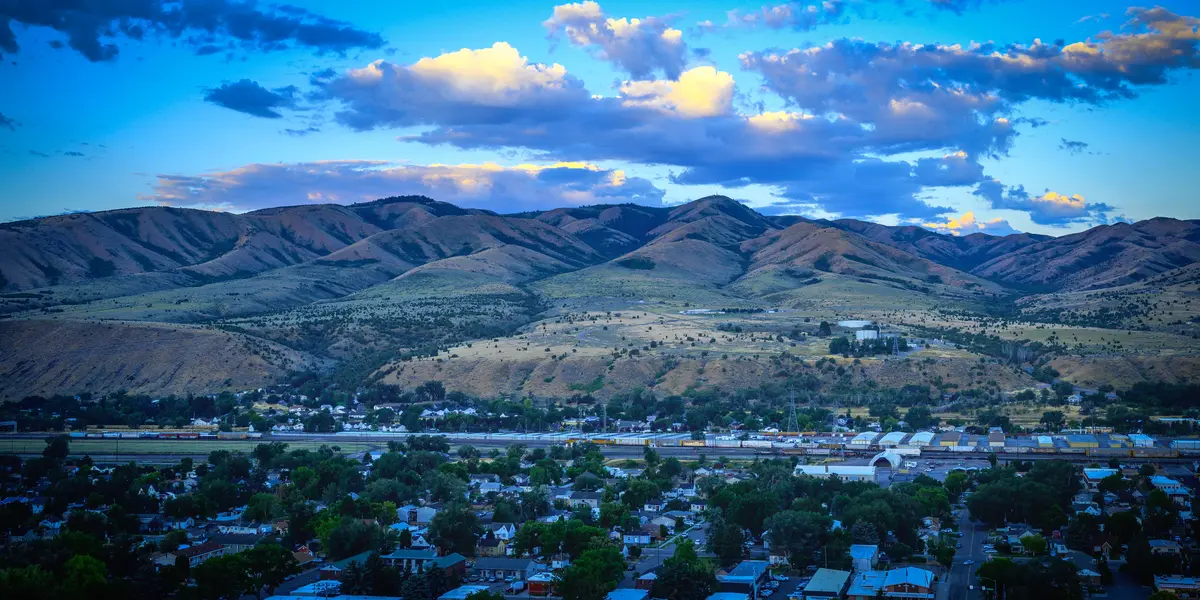
The Retiree Budget in Chubbuck
Social Security: Idaho's Best Retirement Tax Feature
Idaho does not tax Social Security benefits at the state level — the exemption applies regardless of income or age. For retirees whose primary income is Social Security, this is a genuine advantage that compounds over a long retirement. There is no means test and no age threshold; it simply does not appear on your Idaho return.
The picture gets more complicated with diversified income. Idaho's flat income tax rate is 5.3% on income above $4,811 (single) or $9,622 (married filing jointly) for tax year 2025. Pension distributions, IRA withdrawals, and 401(k) income are all subject to that rate, which partially offsets the Social Security exemption if you're drawing from multiple sources. Budget accordingly.
New Senior Deduction
For tax year 2025, Idaho conformed to the federal senior deduction introduced by the One Big Beautiful Bill Act. Residents age 65 or older may deduct up to $6,000 each — $12,000 for a married couple — off taxable income on both federal and state returns. This is a meaningful new benefit that lowers effective state tax liability for most Chubbuck retirees with moderate retirement income.
Property Taxes and the Circuit Breaker
Chubbuck's effective property tax rate is approximately 0.67%, which sits well below the national average. Idaho's Circuit Breaker program offers additional relief: qualifying homeowners age 65 or older with 2025 income under $39,130 may reduce their property tax bill by $250–$1,500 per year. Applications are filed January 1 through April 15 at the Bannock County Assessor's office. Idaho also has no estate or inheritance tax, and the 2026 federal estate-tax exemption stands at $15 million — effectively zero estate-tax exposure for nearly every retiring household here.
Daily Cost Reality
Groceries, fuel, and dining in Chubbuck track with the broader southeastern Idaho market — noticeably less expensive than Boise and substantially lower than most Pacific Northwest or California benchmarks. The Portneuf Urgent Care at 230 Bullock handles routine care affordably, and the absence of a state sales tax on groceries (Idaho exempts most food) reduces the weekly grocery bill in a way that adds up on a fixed income. For a full breakdown of daily costs, see the cost of living page.
Looking to buy in Chubbuck? Estimate your payment.
Enter your numbers to see an estimated monthly mortgage payment.
Estimate only. Excludes HOA fees and mortgage insurance. The interest rate above is a starting point, not a quoted rate — replace it with your own to see real numbers. Insurance is a flat placeholder, not a Chubbuck quote.
Walkability, Community & Staying Active in Chubbuck
The Walkability Reality
Chubbuck is car-dependent — roughly 87.5% of working residents drive, and the street grid wasn't designed for pedestrians running errands. Yellowstone Highway is a commercial arterial, not a strolling street. If your retirement vision includes walking to the pharmacy, a café, or the post office, this city will disappoint you. The terrain is flat, which is physically easy for older adults, but the distances between retail nodes require a car.
The one bright spot is Fifth Street Bagelry on Yellowstone Avenue, a bagel café and coffee shop that opened in September 2024 and has become a genuine neighborhood gathering point for morning regulars. It's one of the few spots in Chubbuck where you'll find a consistent crowd on weekday mornings — the kind of low-key social anchor retirees in car-dependent suburbs tend to build their weekly rhythm around.
Parks and Outdoor Activity
O.K. Ward Park is the city's primary green space — flat, accessible, and actively used by older adults for morning walks. The surrounding area's flat elevation makes outdoor walking comfortable even for those managing joint issues. For more extensive trail access and recreation options, Pocatello's greater trail network is five minutes away; see the parks and recreation page for specifics.
Senior Centers and Community Life
The Bannock County Senior Center in Pocatello — again, five minutes from central Chubbuck — operates full programming: fitness classes, meal programs, day trips, and social clubs. Chubbuck residents use it without friction; the five-minute gap between city limits is largely invisible in daily life. Volunteer opportunities through local faith communities and civic organizations are consistently available, and retirees who want structured social engagement tend to find it quickly through either channel.
The honest trade-off: Chubbuck lacks the density of senior programming that a city of 50,000 might offer on its own. The answer to almost every gap is Pocatello — which works well as long as you're still driving. Retirees who anticipate needing transportation assistance within five to ten years should think carefully about this now, since public transit between the two cities is limited.
Right-Sizing: Downsizing in Chubbuck
What the Market Actually Offers
Chubbuck's housing stock skews toward single-family homes built from the 1960s through the 1990s — ranch-style construction dominates, which is genuinely good news for downsizers. Single-level living is the default, not a premium upgrade. A retiree looking for a no-stairs home with a manageable yard has more options here at accessible price points than in most Idaho markets.
The condo and townhome segment is smaller. Purpose-built low-maintenance attached housing exists but inventory is tighter, and buyers prioritizing a lock-and-leave lifestyle may need to expand their search slightly into adjacent Pocatello neighborhoods to find the right product. Patience helps; the market moves at a pace where a well-priced single-level home typically draws interest quickly but rarely the frenzy that defined 2021–2022.
Senior Living Communities
As of 2026, at least 17 senior living communities and assisted living facilities serve the Chubbuck area. Brookdale Chubbuck offers assisted living within the city, and Cottonwood Cove Retirement Community provides independent living for residents not yet needing daily care. The range of available care levels — from independent living through memory care — means a retiree can, in principle, age in place within the same general community rather than being forced to relocate when care needs increase.
For retirees considering a two-step move — purchase a single-family home now and transition to a managed community later — the local inventory of senior communities makes that plan realistic. The honest caveat is that waitlists for the most popular independent living options can run several months, so starting the research early matters more than most people expect.
The 55+ Gap
Purpose-built 55+ active-adult communities in the mold of what you'd find in the Phoenix or Las Vegas markets don't really exist in Chubbuck. There are no age-restricted subdivisions with private amenity centers and resort-style pools. What Chubbuck offers instead is affordability and a quiet suburban character that functions similarly — low-traffic streets, neighborly blocks, and a pace that skews older without being age-restricted. Retirees who want structured active-adult lifestyle programming built into their HOA will likely be better served by looking toward Pocatello's newer construction or comparing options in Blackfoot.
Chubbuck vs Nearby Retirement Destinations
| City | Cost vs Chubbuck | Primary Hospital | Walkability | Senior Living Depth | Overall Retirement Fit |
|---|---|---|---|---|---|
| Chubbuck, ID | Anchor | Portneuf Medical Center (Level II trauma, cancer, cardiac) | Car-dependent; flat terrain | Strong — 17+ communities, Brookdale + Cottonwood Cove | Good fit for drivers who value affordability and close healthcare |
| Pocatello, ID | About the same | Same Portneuf system; closer proximity | Slightly more walkable near Old Town | Comparable depth; some newer senior housing options | Better for walkability seekers; similar cost and healthcare |
| Blackfoot, ID | Noticeably cheaper | Bingham Memorial Hospital (smaller community hospital) | Very car-dependent | Limited — fewer options, mostly assisted living | Budget-friendly but healthcare depth is meaningfully thinner |
| American Falls, ID | Cheaper | Power County Hospital (critical access level) | Minimal walkability | Very limited | Best for extreme frugality; significant healthcare trade-off |
| Idaho Falls, ID | Pricier | Eastern Idaho Regional Medical Center (larger, Level II trauma) | More walkable downtown core | Good — broader active-adult and senior community options | Better amenities and more senior programming; higher cost of entry |
| Twin Falls, ID | Pricier | St. Luke's Magic Valley Medical Center (Level II trauma) | Moderate; improving downtown | Growing — newer 55+ developments in the area | Strong healthcare, warmer winters; higher price than Chubbuck |
Blackfoot beats Chubbuck on raw cost but gives up meaningful healthcare depth — retirees managing active health conditions should weigh that gap carefully. Idaho Falls is the strongest regional competitor: it offers a slightly larger hospital system, more senior living variety, and better on-foot access to amenities, but you'll pay noticeably more for it.
Pocatello is essentially Chubbuck's twin for most practical purposes — same hospital, similar prices, marginally more walkable near the university district — and the five-minute drive between them makes the distinction feel smaller than it looks on paper. Twin Falls suits retirees who want milder winters and are willing to pay for it. American Falls fits a narrow profile: buyers who want maximum cost reduction and still drive easily to Pocatello for healthcare.
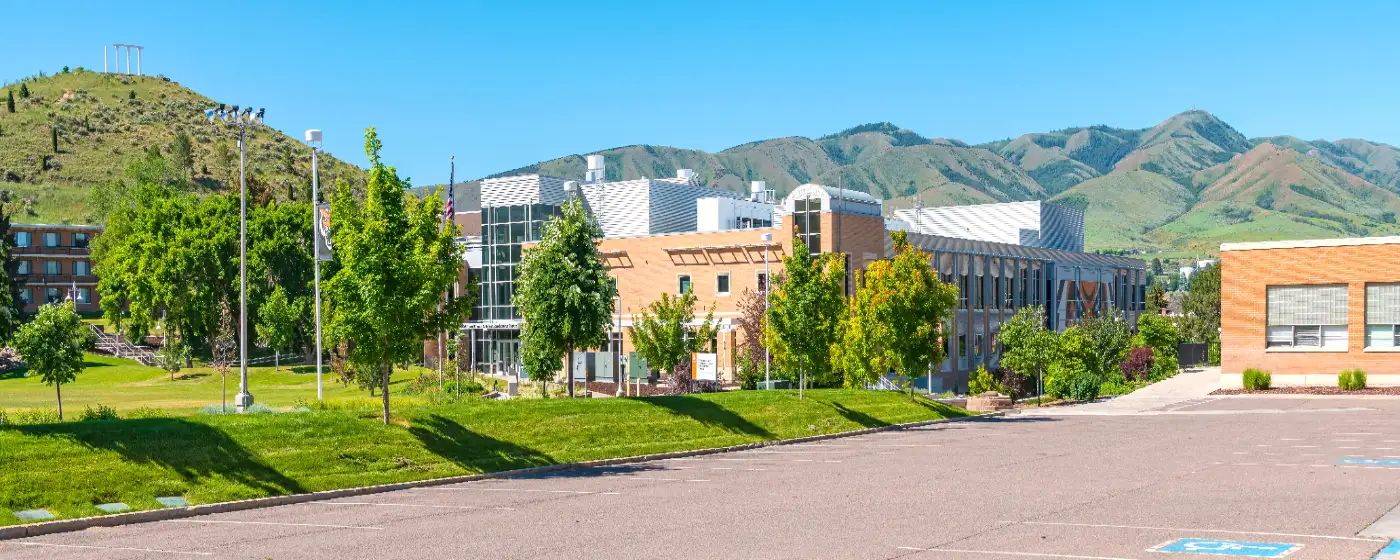
Local Expert Takeaway: Chubbuck works best as a retirement base for people who still drive comfortably and want to own a single-level home without stretching their budget. The Portneuf Urgent Care at 230 Bullock Street handles the routine stuff in-city, and Portneuf Medical Center's Level II trauma and cardiac programs are under five miles away — that combination is the real hidden asset here. Start your mornings at Fifth Street Bagelry on Yellowstone Avenue, get your Circuit Breaker application in before April 15 if your income qualifies, and build your social life around the Bannock County Senior Center five minutes south in Pocatello. The city doesn't hand you a retirement lifestyle; it gives you the infrastructure to build one cheaply.
Quick Takeaways & FAQs
✅ Idaho exempts Social Security from state income tax entirely — a lasting advantage for retirees whose primary income is benefits-based.
⚠️ Chubbuck is fully car-dependent; retirees who anticipate losing driving ability within a decade should plan their housing and community strategy around that reality before moving.
📍 Portneuf Health's urgent care clinic at 230 Bullock Street puts same-day imaging and lab services inside Chubbuck city limits — no hospital drive for non-emergency care.
Does Idaho tax Social Security retirement income?
What hospital would I use if I retired in Chubbuck?
Are there 55+ or active-adult communities in Chubbuck?
What is the property tax rate for retirees in Chubbuck?
Can I realistically retire in Chubbuck without a car?
Moving to Idaho?
Tell us what you need help with and we'll connect you with local resources.
